Formentera’s summer population is several times its winter one. That is not a statistic: it is what you see stepping off the boat in January.
What closes
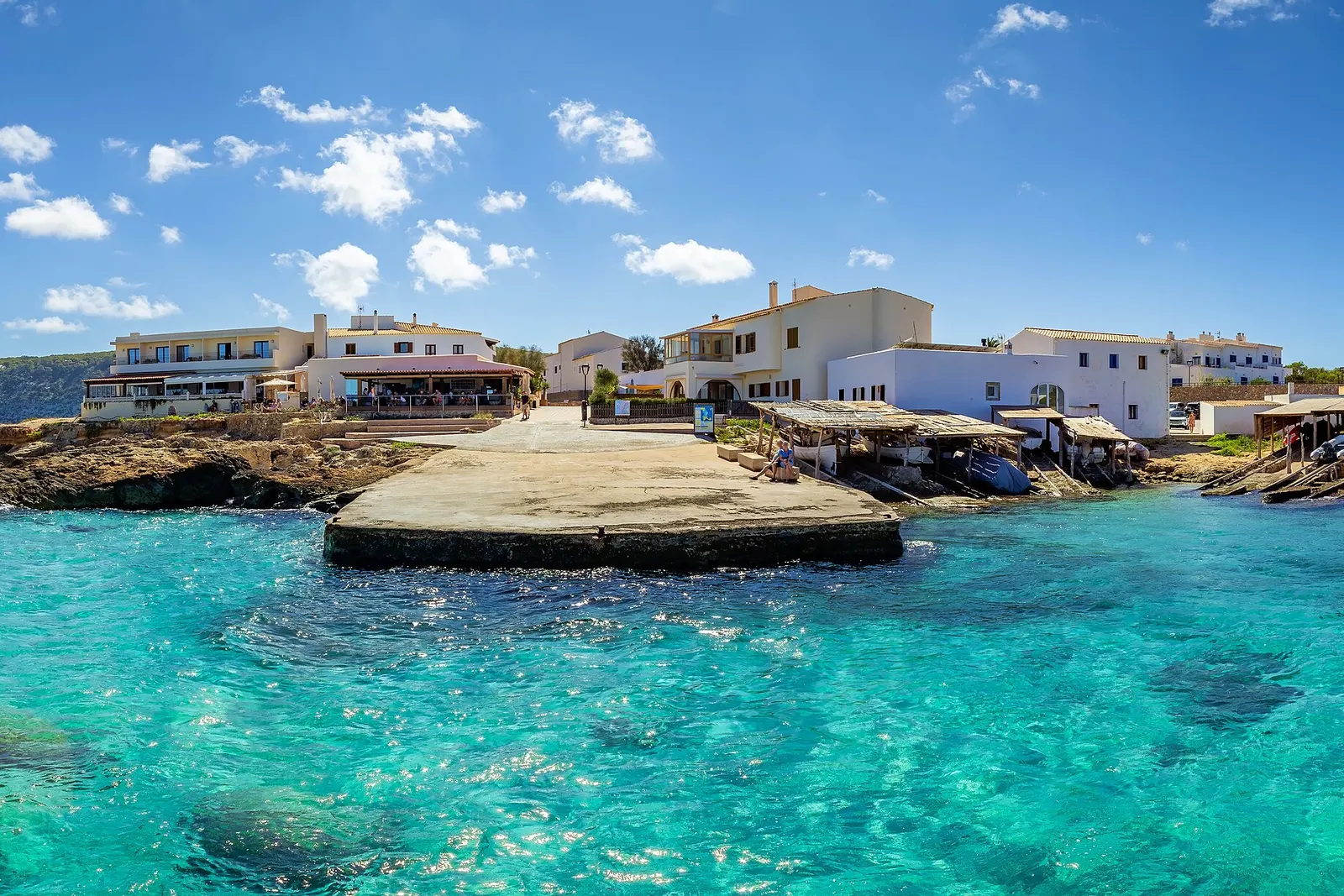
Almost everything on the coast. The beach places, most of the accommodation and a good share of the restaurants shut between late October and April. Es Pujols, the most touristic settlement, is left practically empty.
What does not
Sant Francesc and Sant Ferran. That is where the administration is, the shops, the market and the restaurants that work with the island rather than with the season. The boat to Ibiza also keeps running: less often, but it runs.
What you gain
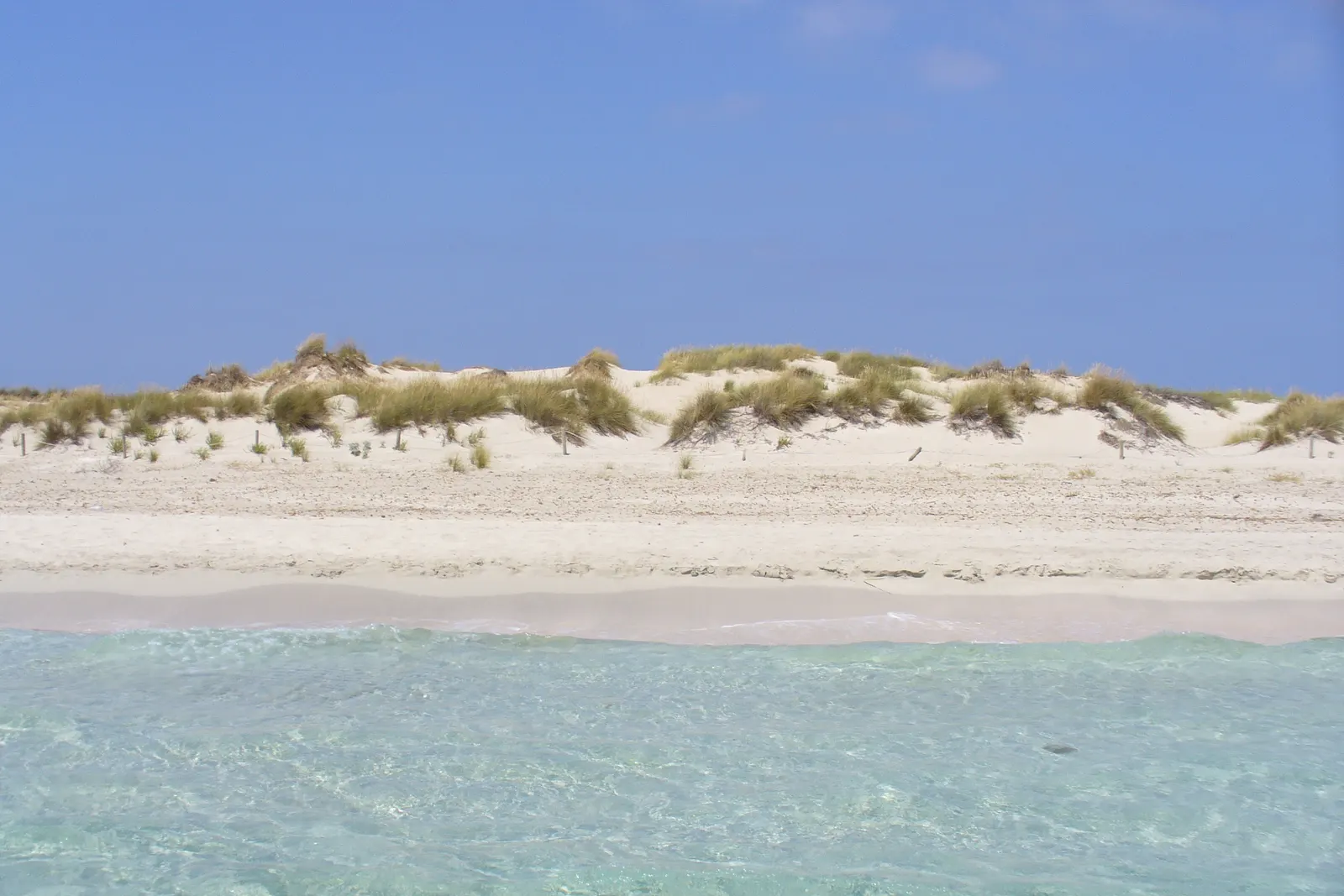
The green lanes with nobody on them. Ses Illetes in January, which is a different beach from the August one. Cap de Barbaria with the tramontana hitting the stone. And the feeling — rare and good — of being somewhere that is not performing for anyone.
The winter festivals are the real ones: the Virgen del Pilar on 12 October and Sant Francesc Xavier on 3 December are held among neighbours.
What you have to accept
The wind. Formentera is flat and exposed, and in winter it genuinely blows. The days are short, the water is cold, and there will be days when the sea cuts the connection with Ibiza — worth bearing in mind if you have a flight the next morning.
Who it is for
For anyone who wants to see the island without the summer set dressing. For anyone who writes, reads or works remotely and is looking for a place where nothing happens. And for anyone who has been in August and wondered what this is like the rest of the year. This is it: wind, light, empty lanes and a few people who all know each other.