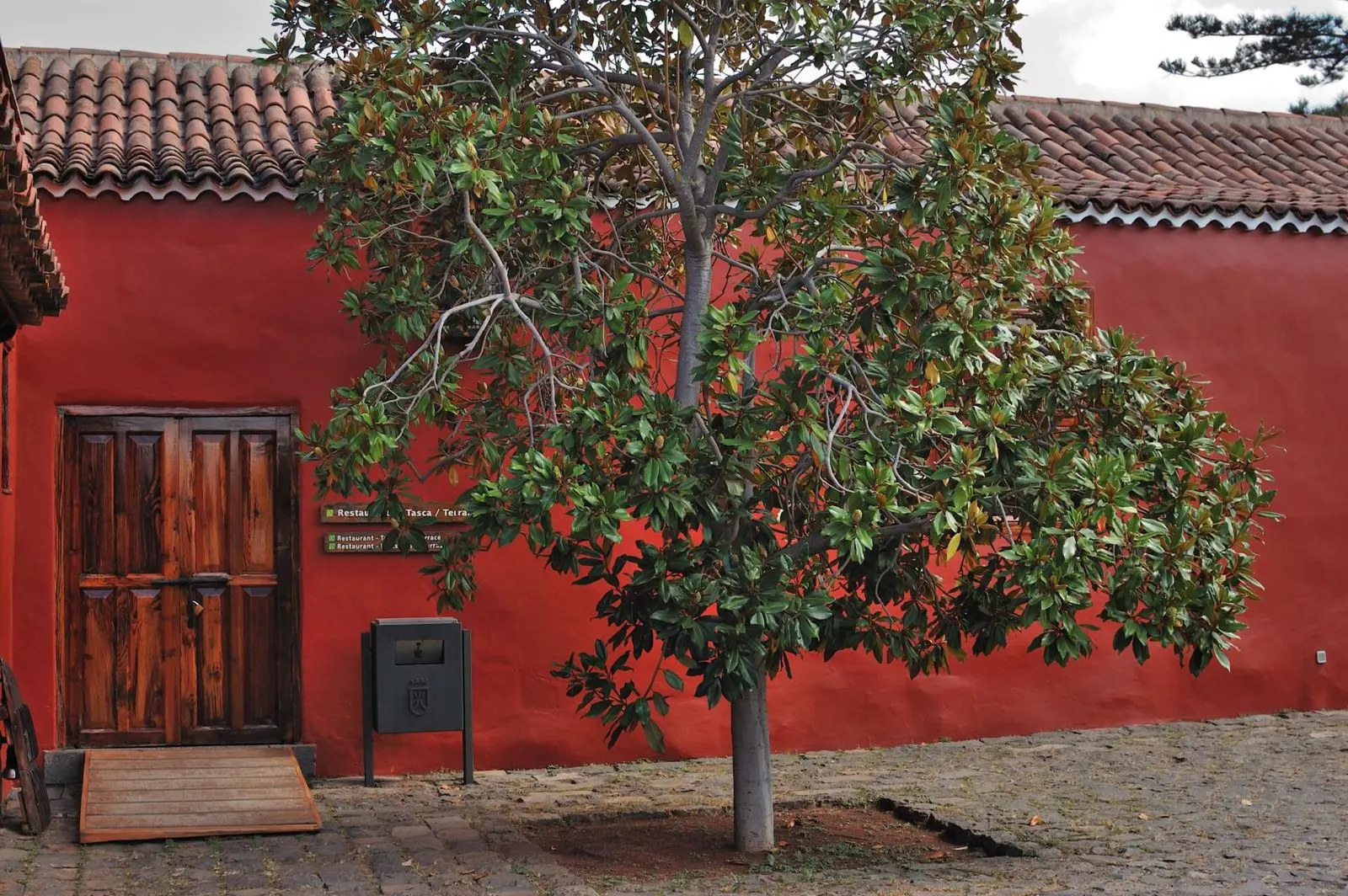
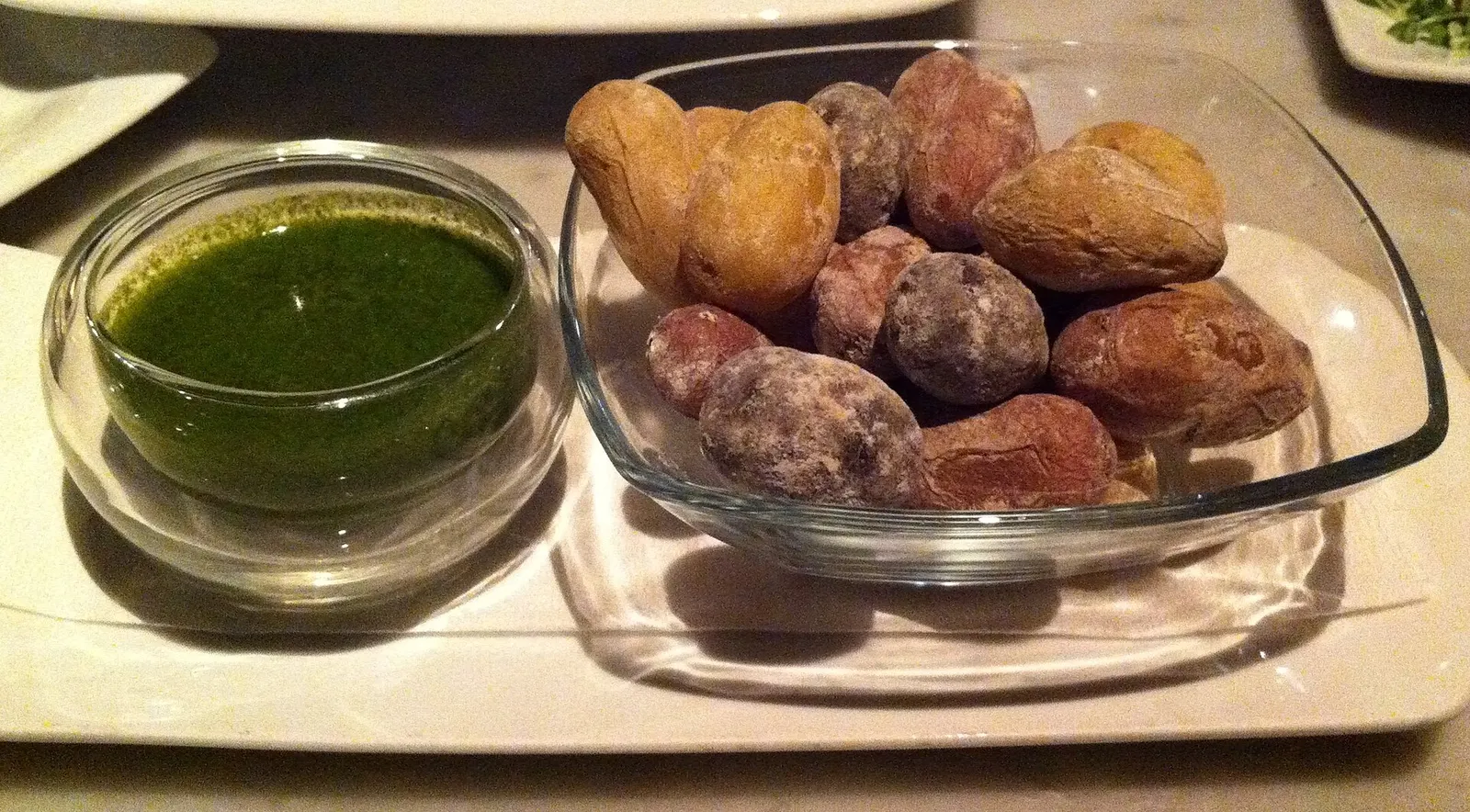
In the north of Tenerife, when the new wine is ready, some growers open a space next to their house or winery for a few weeks, set out a few tables and sell what they have made, with a handful of dishes to go with it. That is a guachinche. It is not a restaurant with a Canarian name: it is a way of selling the harvest that the island has kept for generations.
The essentials
- A guachinche is the seasonal sale of a grower’s own wine, tied to a working farm.
- In the Canary Islands it is regulated by Decree 83/2013 of 1 August.
- The wine must come from vineyards owned or worked by whoever opens, with the winery entered in the official registers.
- It may open for no more than four months a year, and must notify the start and end of the activity each year.
- The food is deliberately short: a few simple dishes to go with the wine.
What the rules say
The 2013 Canarian decree was written to bring order to a custom that was becoming blurred. It defines the activity as the seasonal sale of home-grown wine and sets its conditions: the wine must come from the holder’s own vineyards, with its origin proven through the harvest and production declarations; the winery must be entered in the relevant registers; and opening is limited to four months a year, with the start and end notified every season.
As for the food, the rules treat it as an accompaniment to the wine, not the main event. The Canarian press speaks of a maximum of three dishes per service, plus pickles, nuts or local fruit.
Between 2017 and 2018 the island debated extending the opening period and creating a quality label to protect the traditional guachinche. We have found no record of any change being approved, so the 2013 decree remains the reference.
Why not everything called a guachinche is one
The name’s success has led many restaurants to use it all year round, with long menus and wine that is not theirs. They may be good places to eat, but they are not guachinches: a place that opens twelve months a year or serves a full menu falls outside the definition.
The difference is not one of category but of meaning. In a real guachinche you drink the wine of the person serving you, made from grapes you can often see from the table.
How to recognise a real one
- It opens by season. If it is open all year, it is not a guachinche.
- There are vines nearby. It is usually in wine country, next to the owner’s house or winery, often in a converted garage, yard or store.
- There is one wine, perhaps two. The house wine, from the latest harvest. No wine list.
- The food fits on a blackboard. A few home-cooked dishes that change with the day.
- Nobody is in a hurry. Not the service, not the kitchen. Nor should you be.
Guachinches cluster in the wine areas of the north of the island. We do not publish addresses: they open and close with the harvest, and the honest approach is to ask in the village which one is open that week.
Getting there
Most are on winding mid-slope roads with little light at night. If you are going to drink, and that is the point, settle the journey home before you sit down: have someone who is not drinking drive, or call a taxi. Bring some cash just in case, and do not count on booking online.
To understand what you will be drinking, read Tenerife’s wines first; for what you will be eating, eating in Tenerife. And if you travel at the end of November, you will coincide with the new wine of San Andrés, which we cover in Tenerife from October to June.
Our view
The guachinche is the opposite of ostentation and, at the same time, one of the most exclusive experiences on the island: it exists only for a few weeks, only here and only while the wine lasts. There is no way to buy it out of season. That, precisely, is its charm.
Rule cited: Decree 83/2013 of 1 August, Government of the Canary Islands. Information as of October 2026. Check whether the regulation has changed before relying on it.