Menorca is not an island of excess, and it shows in its houses too. Those who look for a property here aren’t buying ostentation: they’re buying calm, landscape and authenticity. The island seduces slowly, and it pays to buy it the same way, without the haste that proves so costly later on.
Buying well in Menorca has less to do with finding a bargain than with understanding the place. What matters most here is invisible on a property listing: the orientation against the tramuntana, the silence of a valley, the closeness to a village that breathes out of season. This guide is written for the international buyer who wants to do things with judgement, without surprises, and with respect for what makes the island unique.
We won’t give you exact figures that change every year, nor will we replace the advice of a professional. We’ll give you something more lasting: the mental framework for approaching the purchase, the right questions to ask, and the precautions a prudent buyer is always glad to have taken.
The essentials
- UNESCO Biosphere Reserve since 1993: strict planning rules that protect the landscape and, with it, your investment.
- Non-EU buyers: it’s worth looking into the possible military authorisation for rural properties, a procedure that applies in specific areas.
- Purchase costs: beyond the price, budget for taxes, notary, land registry and professional fees. As a prudent guide, add a significant percentage to the sale price.
- Think about all 365 days, not just August. A house that works in winter is worth twice as much.
- Surround yourself with trusted locals: an independent lawyer, an architect and an administrative agent who know the island.
What protects the island protects you
Menorca has been a UNESCO Biosphere Reserve since 1993, a recognition the island has taken seriously for decades. That means strict planning rules: you can’t build just anywhere, or any way you like, and rural land is especially protected.
For a buyer, that restraint isn’t an obstacle — it’s the guarantee that the landscape you’re paying for will still be there in twenty years. On neighbouring islands, the lack of restraint eventually devoured the very coastline that drew everyone in. Menorca chose another path, and that is precisely the source of its value. Buying here means buying the promise that the surroundings won’t be degraded.
What kinds of property exist
The island’s offering is more varied than it appears from a search engine. Broadly, you’ll find:
- Town houses in Ciutadella, Maó, Alaior or Es Mercadal: historic façades, inner courtyards and life all year round.
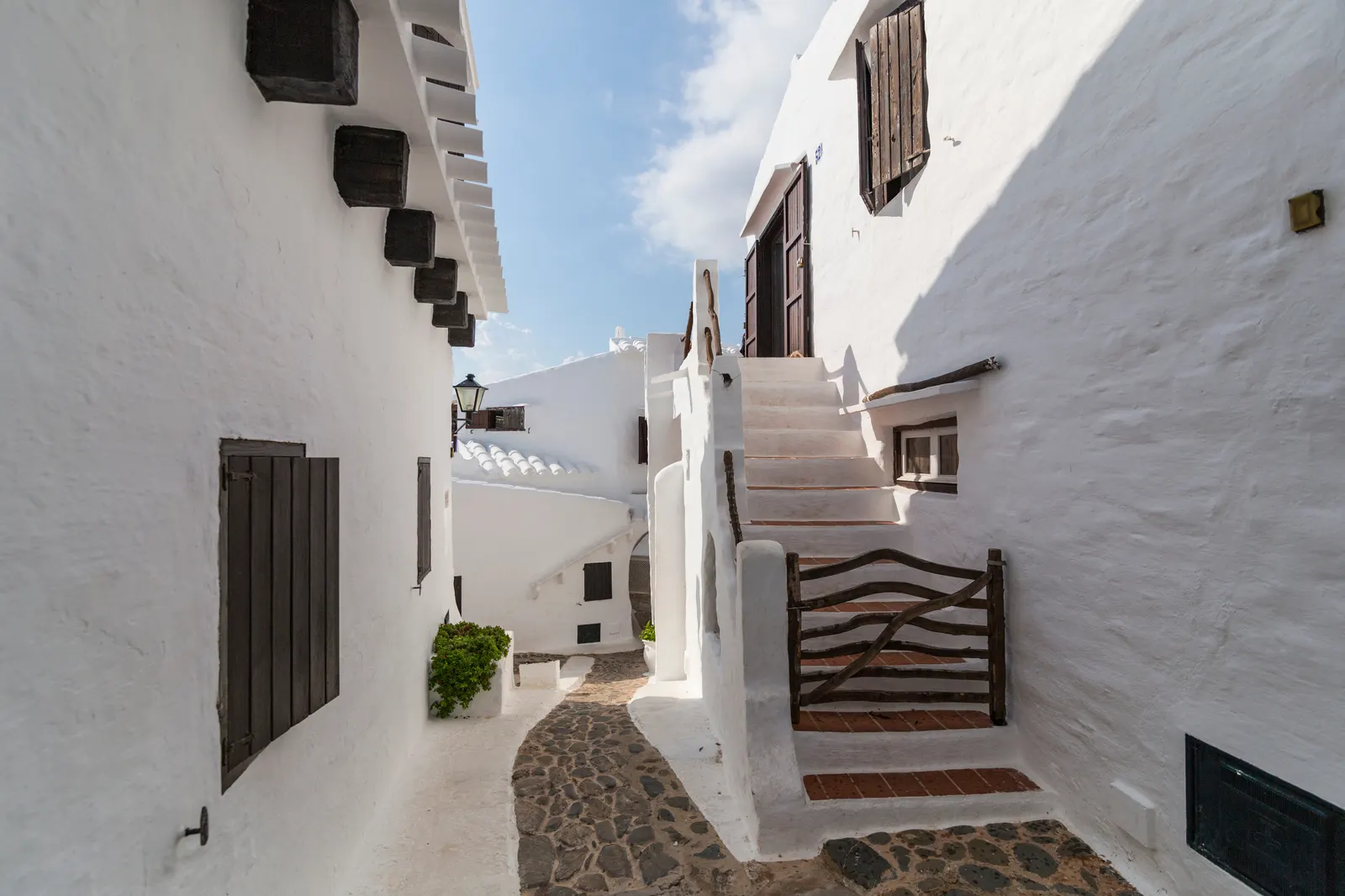
- Llocs and country houses: the old Menorcan farmsteads of stone and lime, often with rural land. They are the soul of the island and demand sensible restoration.
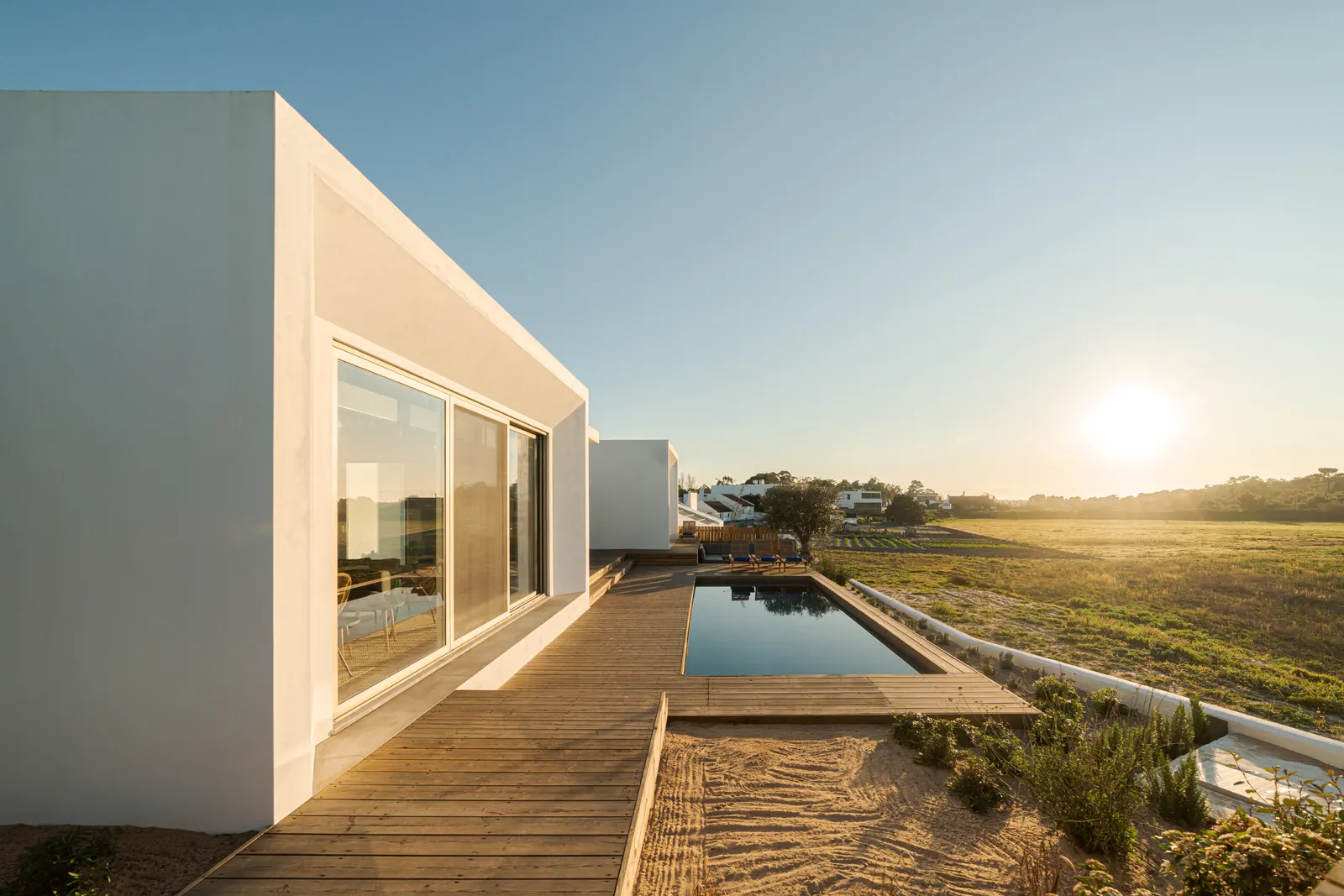
- Modern villas in coastal developments, built for summer, with a pool and easy reach of the coves.
- Apartments in the towns or on the seafront, a more accessible way into the market.
Each type answers a different way of living. Ask yourself what you want before looking at prices: a winter retreat in a historic centre is nothing like a summer house near the sea.
Where to buy: the areas with character
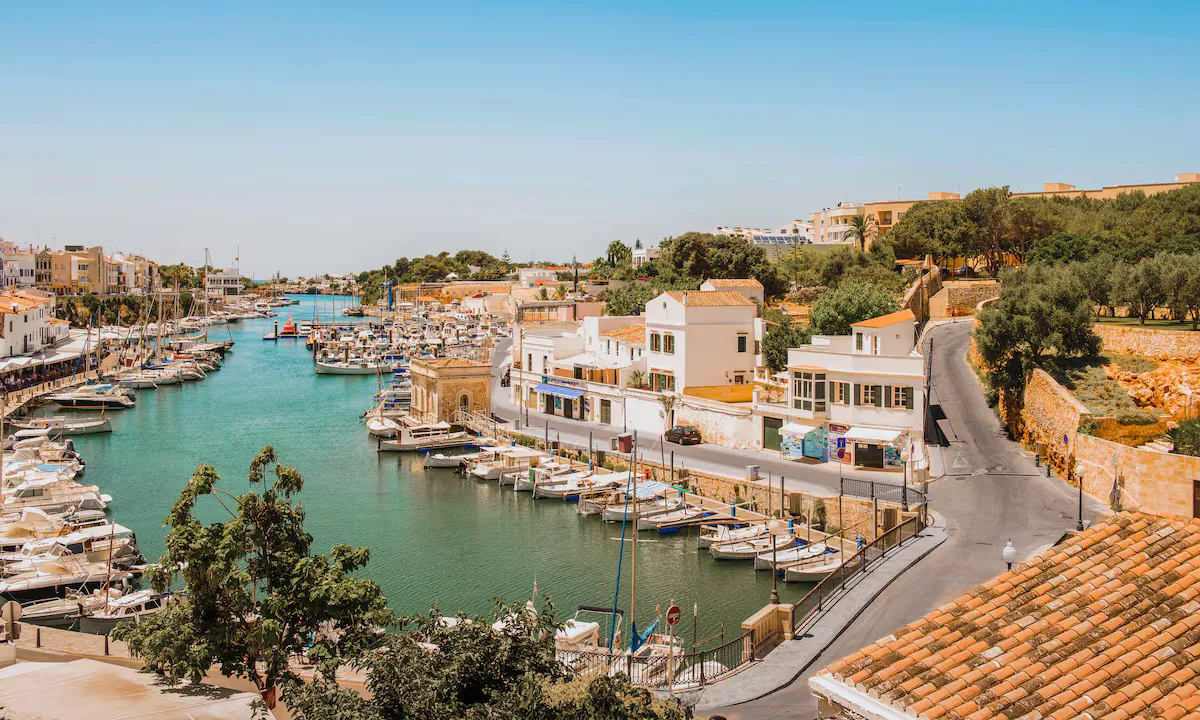
The north and the south of Menorca are almost two different islands. The south is gentler, with white-sand coves, pine woods and turquoise water: areas such as Cala Galdana or around Sant Lluís draw the most demand. The north is wilder and windier, with dark rock, untamed coves and an austere charm that wins over anyone seeking solitude.
The two urban poles shape everything else. Ciutadella, to the west, is stately, full of palaces and famous sunsets; Maó, to the east, lives around one of the largest natural harbours in the Mediterranean. Between them, inland villages such as Es Mercadal, Alaior and Ferreries offer authenticity and better value, along with real life out of season. Walking the Camí de Cavalls (GR-223), the roughly 185 kilometres that ring the island, is the best way to understand each stretch of coast before deciding.
How the buying process works, step by step
- Define your budget and aim: residence, second home or investment. Each one changes the decision.
- Get advice from the start: an independent lawyer, separate from the seller and the agency, is the best investment you’ll make.
- Check the legal situation: licences, possible planning breaches, boundaries, charges in the Land Registry and, on rural land, what can and cannot be done.
- Deposit and earnest-money contract: the property is reserved with a percentage of the price. Read the conditions carefully.
- Deed before a notary and registration in the Land Registry.
- Follow-up steps: connecting utilities, insurance and, where relevant, managing your tax position.
If you are not a resident, you’ll need an NIE (foreigner’s identity number) and a Spanish bank account. It’s also worth looking into the possible authorisation for non-EU non-residents on certain rural properties.
What it really costs: taxes and fees
The price of the home is only one part. Broadly, it’s wise to budget for:
- Transfer tax on the resale of an existing home (a percentage that varies by bands in the Balearic Islands; check the current rate).
- VAT and stamp duty if you buy a new build.
- Notary and Land Registry fees.
- Lawyer and administrative agent fees.
As a prudent rule, add a significant margin on top of the price to cover all of the above. Looking ahead, remember maintenance costs, the municipal IBI property tax and the running costs of a second home on an island. The exact tax rates change: always verify them with a tax adviser before signing.
Why restoring with respect is the best decision
- Think about all 365 days, not just summer. Menorca’s winter light, with the countryside green, is one of its best-kept secrets.
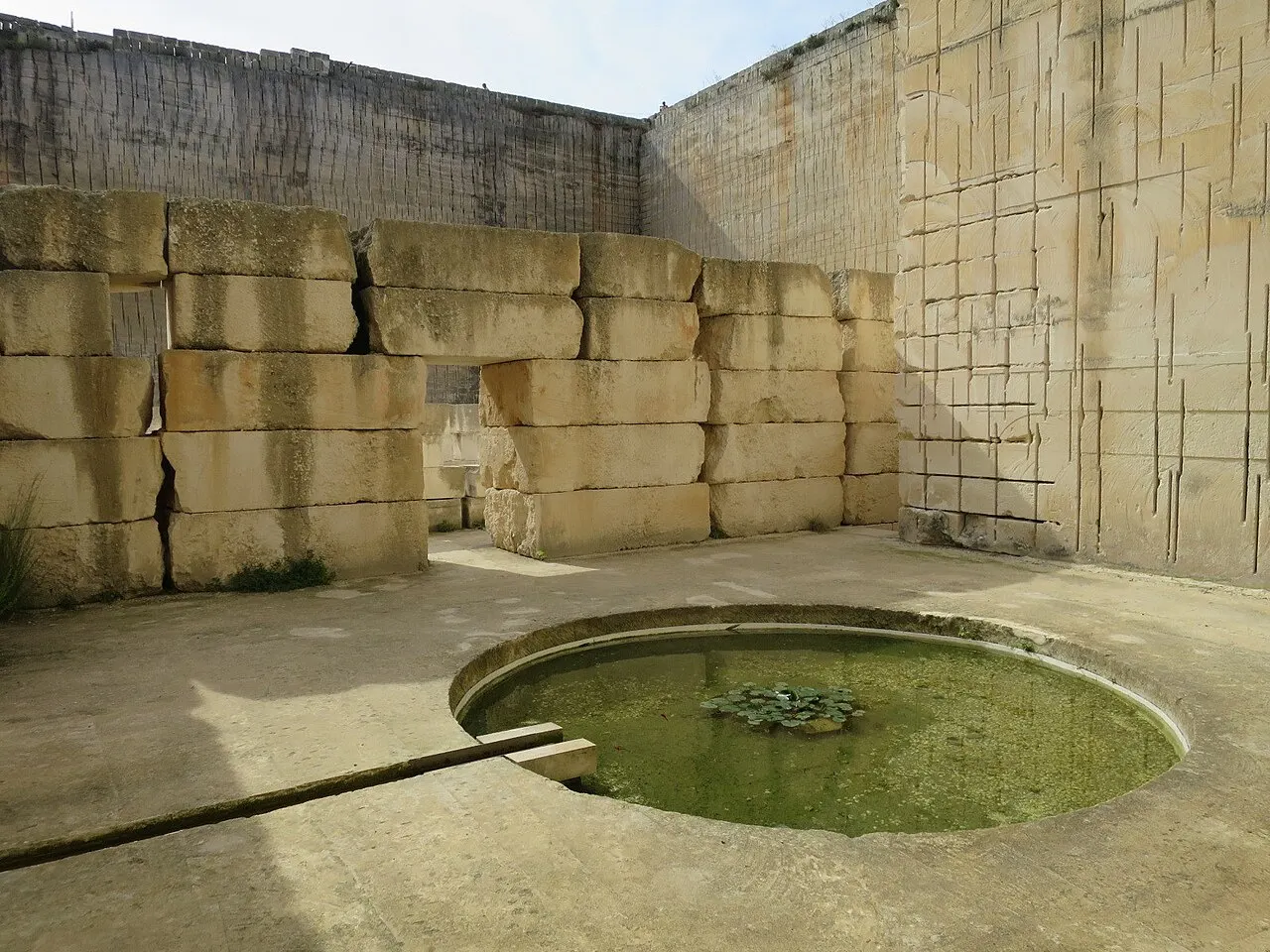
- Restore with respect: stone, lime, human scale, marés sandstone. Local character isn’t a burden, it’s an asset that appreciates over time.
- Orientation and water: the tramuntana shapes life in the north, and water management matters far more than it seems on an island.
- Efficiency and climate: insulation, shade and natural ventilation are worth more than any added luxury.
The Calma Society view
The best investment in Menorca isn’t the biggest house, but the one that converses best with its place. The island rewards discretion and punishes excess, in property as in everything else.
Buy slowly, visit in different seasons, and surround yourself with independent local professionals. A well-chosen Menorcan property isn’t just an asset: it’s a calmer, slower, truer way of living. And that, in today’s Mediterranean, is worth more than any square metre.
The best investment in Menorca isn’t the biggest house, but the one that converses best with its place. The island rewards discretion.