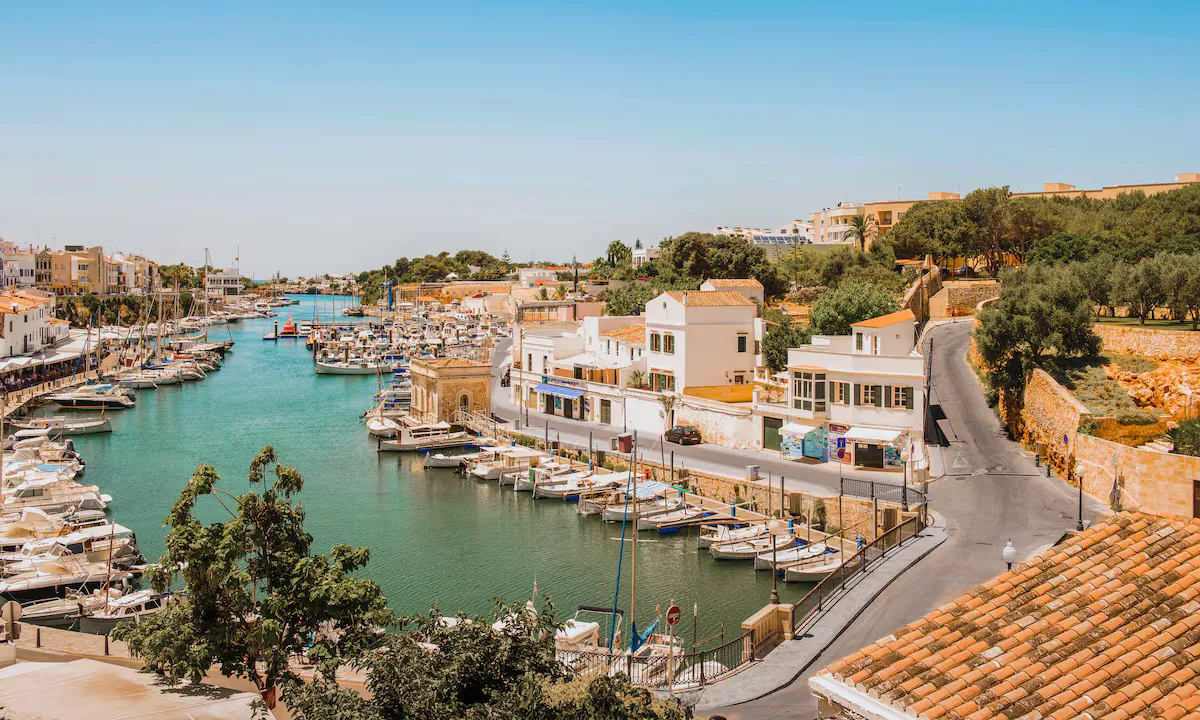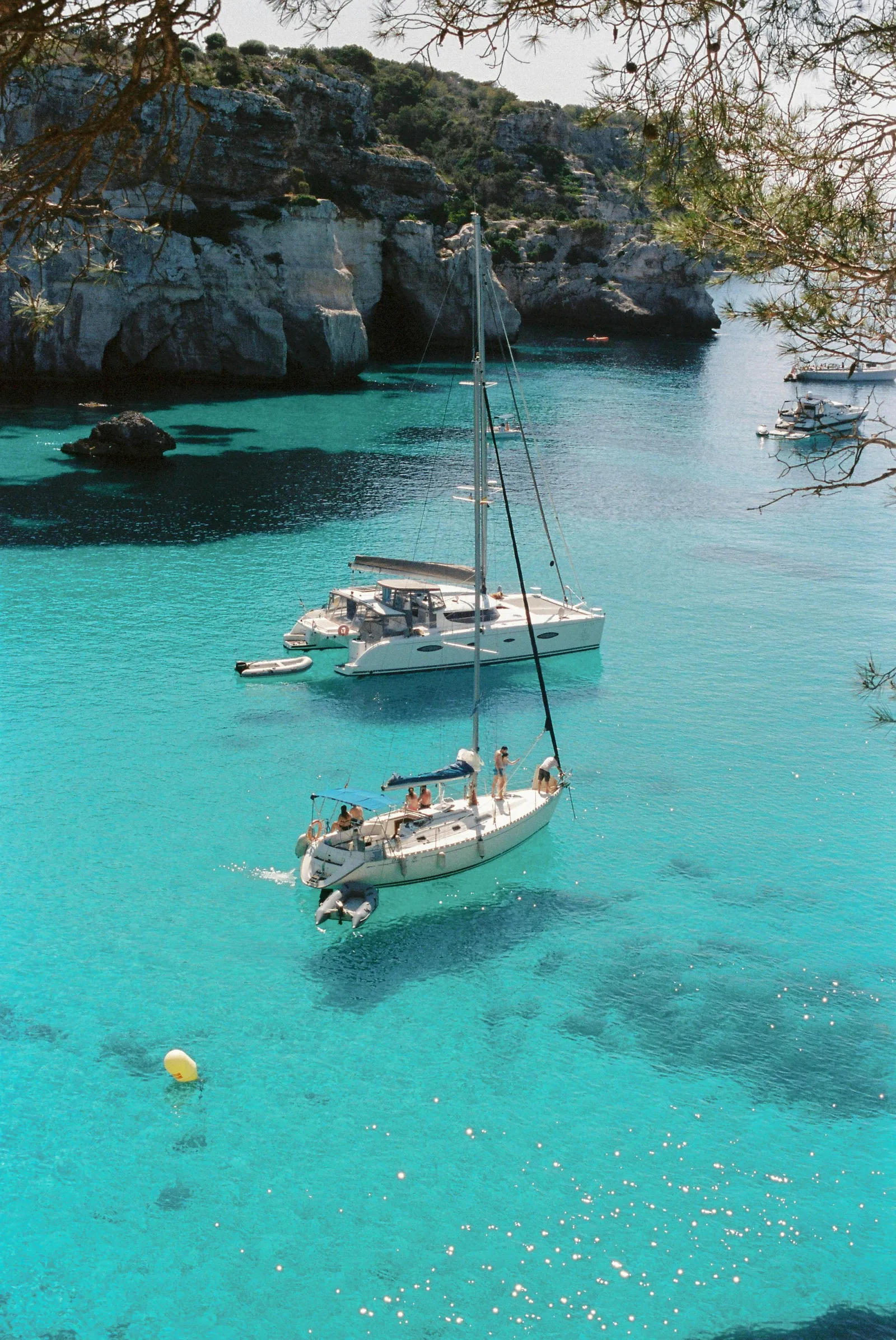
Menorca seduces in August, but you truly understand it in November: when the coves empty, the towns find their rhythm again and the island becomes a place to live, not just visit. Summer is the postcard; the rest of the year is the honest photograph — the one that tells you who the island really is when nobody is watching.
Anyone weighing up a move here, whether permanent or as a second home, usually arrives chasing the light, the sea and the calm. But the decision matures once you discover what the brochures leave out: that in February the tramuntana wind whistles for days on end, that the ferry is cancelled whenever the sea decides, and that the first time you need a plumber in low season you grasp the true tempo of the place. To live Menorca year-round is to give up haste and accept a different scale of things.
This guide is for those who dream of that life without idealising it. We have gathered the essentials on climate, community, services, cost and the genuine pros and cons, with the judgement of someone who knows the island beyond the tourist season.
The essentials
- Climate: mild Mediterranean; winters are temperate and bright, but shaped by the tramuntana (the northerly wind) that defines the island’s character.
- Connectivity: an airport in Maó with flights all year (more frequent to the mainland in winter) and ferries; frequency drops markedly off-season.
- Human scale: more than 100,000 inhabitants; eight municipalities, two main towns (Maó and Ciutadella) and villages where everyone knows everyone.
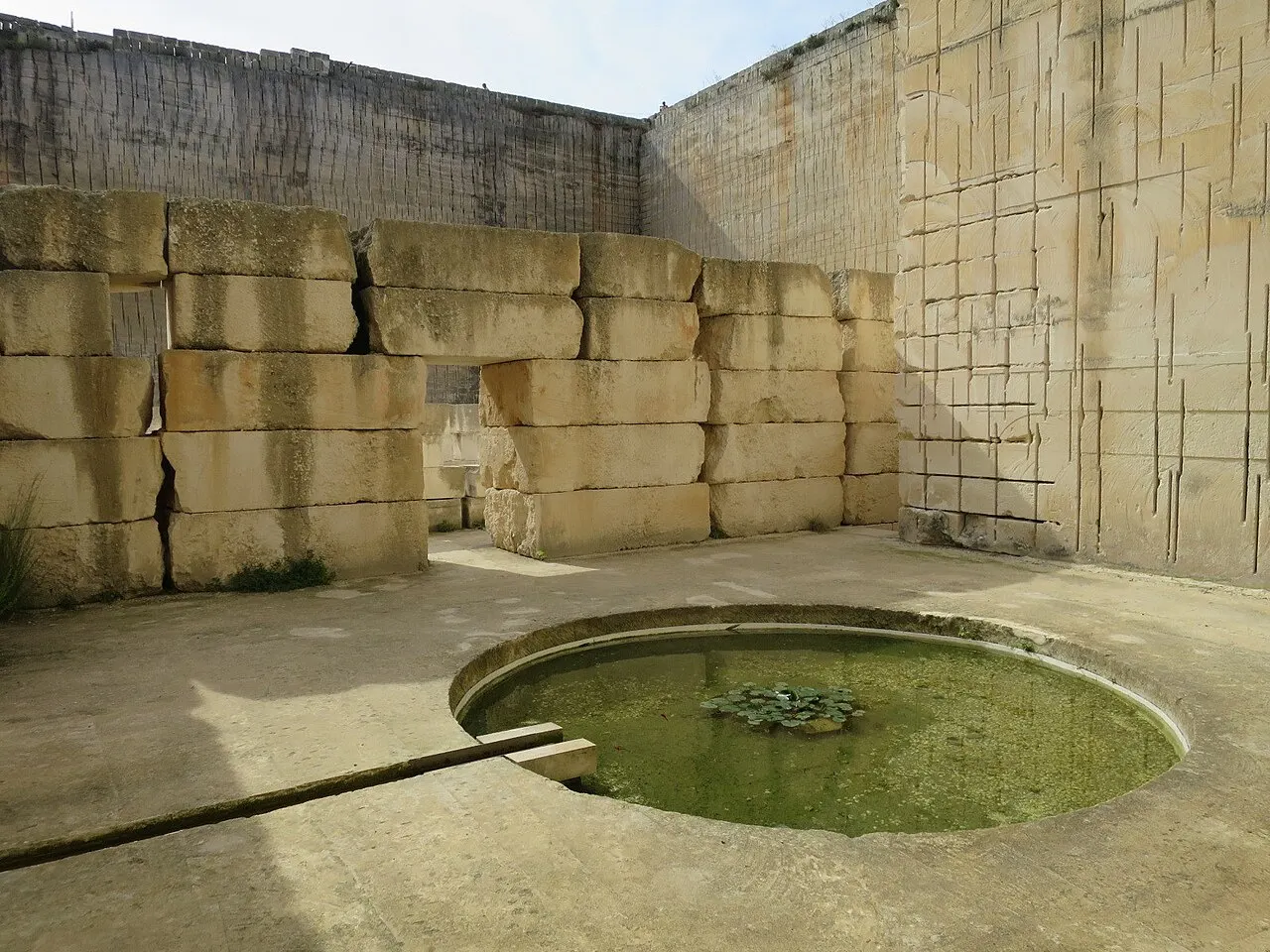
- A heritage of its own: a UNESCO Biosphere Reserve since 1993 and, since 2023, Talayotic Menorca is a World Heritage Site. Protecting the landscape here is law, not a slogan.
- Languages: Catalan (in its Menorcan variant) and Spanish are spoken; English is common in the service sector.
What a Menorcan winter is really like
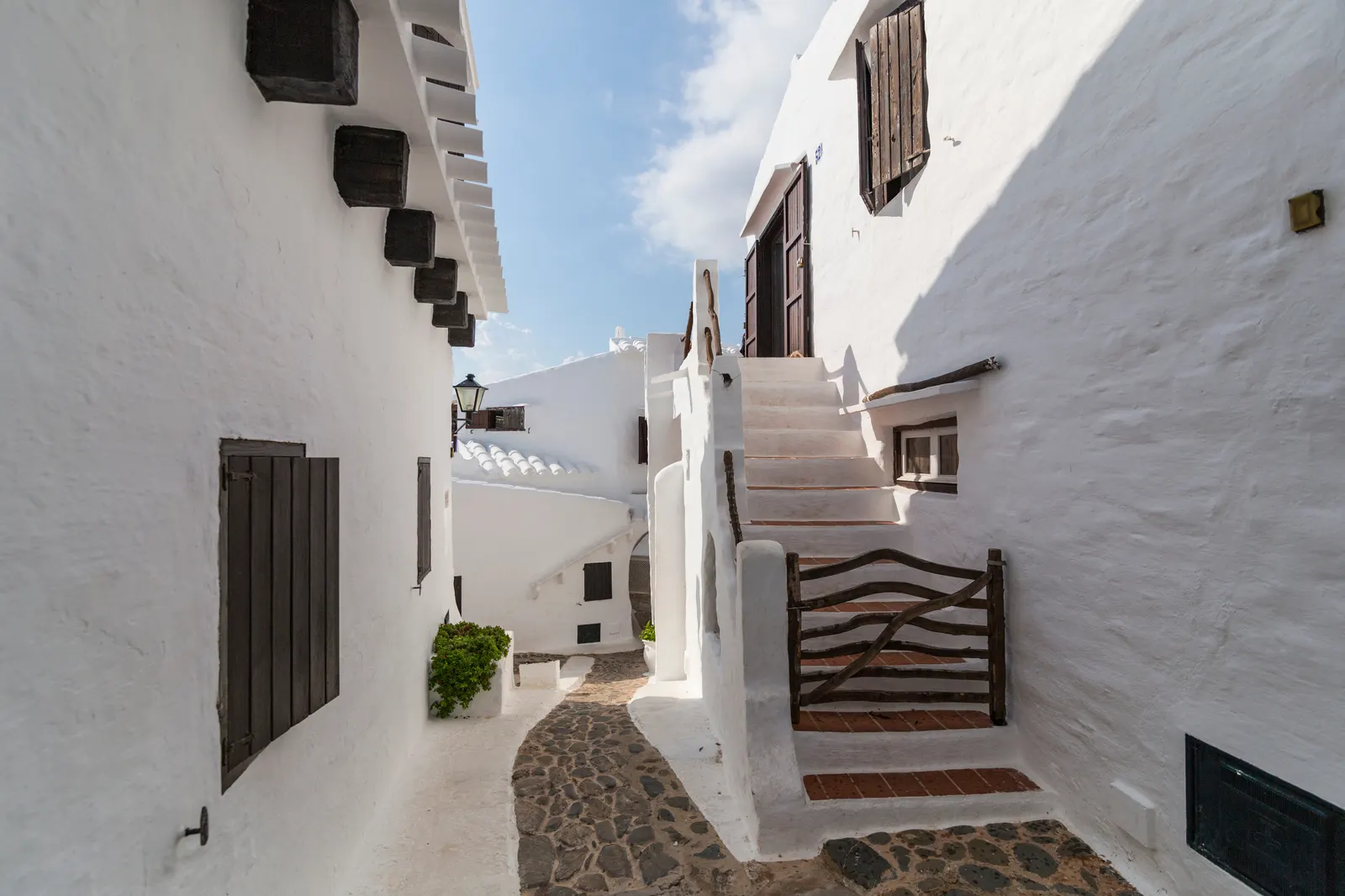
Winter here is mild in temperature but full of character. Averages rarely fall dramatically and sunny days are frequent, yet the tramuntana — the northerly wind — can blow hard for several days in a row, especially between November and March. That wind is no minor inconvenience: it shapes the traditional architecture (whitewashed houses, oriented for shelter), the landscape of wind-bent wild olive trees, and even the temperament of the people.
It is the season of long lunches, of the lit fireplace, of fish stew and of walks along a coast that feels like your own. The Camí de Cavalls (GR-223), the ~185 kilometres of path that ring the island, is walked better than ever: no heat, no crowds and the low, golden light that photographers adore. For those after real calm — the luxury money can’t buy — it’s the best time of the year.
Community: living among neighbours, not tourists
The great difference between visiting and living in Menorca is the community. Off-season the island returns to its human scale: the shopkeeper who recognises you, the market where you buy from the same producer every week, the patron-saint festivals (from Sant Joan in Ciutadella to each village’s own) that frame the calendar, and a social fabric where a person’s word still counts.
Fitting in takes time and respect. Learning Catalan — or at least understanding it — opens doors and shows you intend to stay. Menorcan sociability is discreet: not given to grand gestures, but solid and loyal once you are in. Those who arrive with humility, take part in local life and do not try to “improve” the island in their own image find one of the most welcoming communities in the Mediterranean.
Year-round services: what to expect (and what not to)
It’s worth being honest: Menorca is an island, and that shapes its services.
- Healthcare: there is a public hospital in Maó and health centres across the island; for some specialities you may need to travel to Mallorca or the mainland. Private healthcare exists but is limited.
- Education: public and state-subsidised schools and secondary schools; higher-education options are limited, so many young people study away.
- Shops and services: in winter many coastal businesses close and life concentrates in Maó, Ciutadella and the inland villages. Sourcing certain products or specialist tradespeople can take patience or a trip off-island.
- Digital connectivity: fibre and mobile coverage have improved greatly; remote work is perfectly viable in most settlements, which has drawn a new wave of residents.
The key is to adjust expectations: you gain in quality of life and lose in immediacy. Not everything is a click or a corner away, and that friction is, in part, what keeps the island as it is.
The house: buying and restoring with judgement
More and more people choose Menorca for a second home or a permanent base. The island offers everything from whitewashed village houses to rural estates (the llocs), as well as homes in Maó or Ciutadella with harbourside charm. A few principles we stand by:
- Respect what makes the island unique: dry stone, lime, human scale, integration into the landscape. Traditional architecture is not nostalgia, it is climate intelligence.
- Think about all 365 days, not just August: orientation, insulation, heating and wind protection matter as much as the sea view.
- Restore with judgement, keeping the local character and working with the island’s craftspeople and trades, who know the materials and the climate.
- Study the regulations: much of the land is protected and new building is tightly regulated. Before buying with renovation plans, it’s wise to consult a local surveyor and the town hall about what can actually be done.
On prices, let’s be prudent: the Menorcan property market has risen sharply over the past decade, especially for characterful homes near the coast. For concrete, up-to-date figures it’s best to consult local estate agents and valuers, as they vary enormously by area, condition and season.
The good and the hard: an honest balance
Living here year-round has a luminous side and a demanding one. Both are worth knowing before you decide.
In favour: safety, protected nature on your doorstep, a pace that gives time back, a real community, produce-led food (Mahón-Menorca PDO cheese, fresh fish, a reviving wine scene) and a sense of space hard to find in the Mediterranean.
Against: insularity is felt — you depend on the ferry and the plane, and many goods cost more because of transport; winter can feel lonely if you don’t build ties; cultural and job options are limited; and seasonality splits the year into two almost different islands. Anyone who needs constant stimulation, a big city or endless variety will struggle. Anyone seeking focus, nature and community will flourish.
Our verdict
Menorca is not for everyone, and that is precisely its virtue. We advise anyone considering it to experience it first in low season, to rent before buying, and to spend at least one full winter on the island before making an irreversible decision. If the February wind, the silence of a January Sunday and the slowness of bureaucracy don’t scare you — but instead bring relief — this is probably your place.
At Calma Society we’ll tell stories of the island’s houses, crafts and interiors, and of the people who have chosen to stay. Living Menorca calmly is also a way of looking after it.