Menorca has been a biosphere reserve since 1993, and that shows in the jar. On an island where the countryside is tended as landscape, honey is a small, honest product: few hands, many wild flowers and a tradition that for generations was a farmer’s sideline rather than a business. To tell it well demands, precisely, not exaggerating.
The essentials
- The Menorcan Beekeepers’ Association (Associació Menorquina d’Apicultors), founded in 1985, brings together some 140 members (not all of them active), and there are around 1,600 hives on the island. (Figures from the sector; worth confirming with the Consell’s official sources before taking them as definitive.)
- Only around half a dozen producers sell their honey under a brand of their own through official channels.
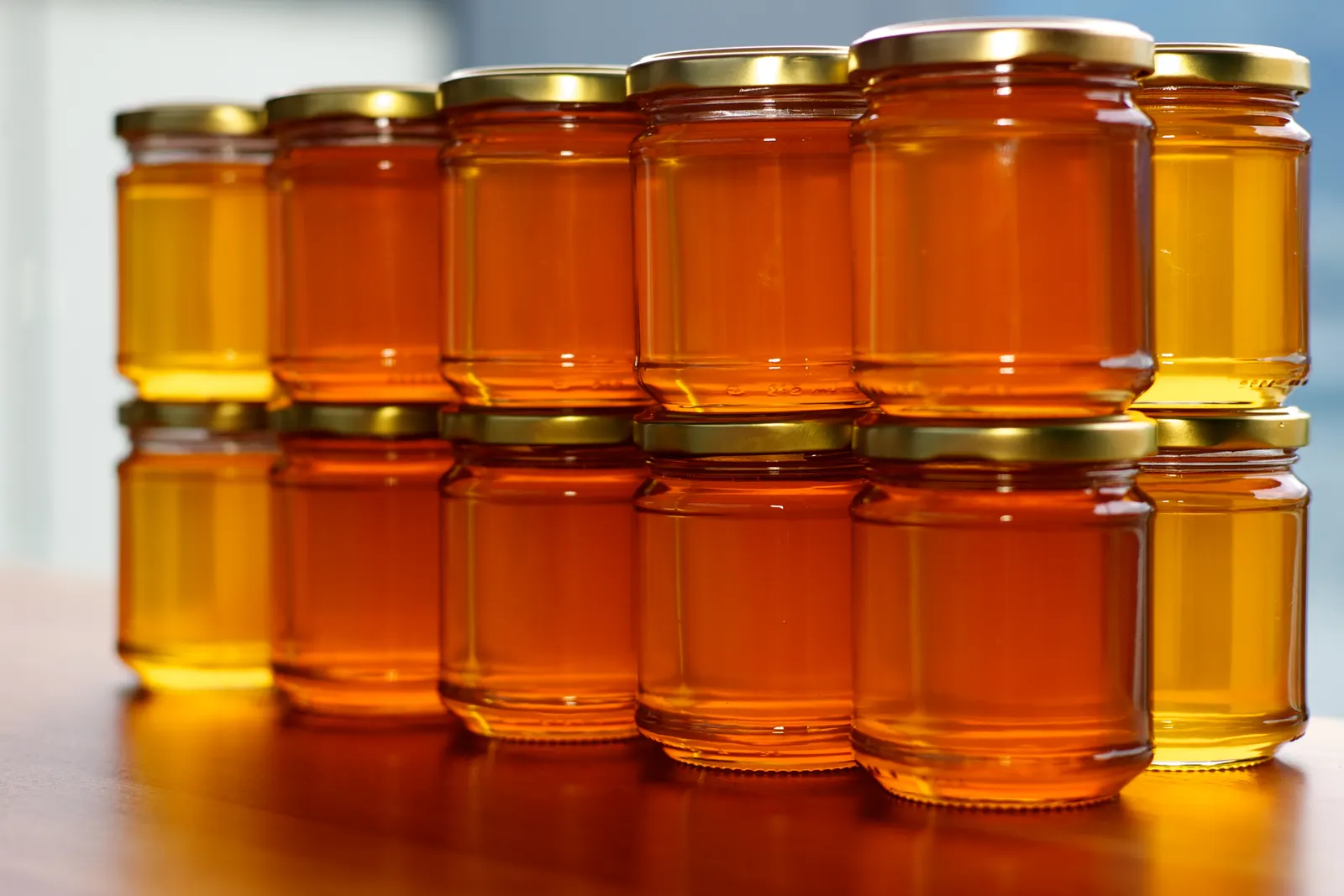
- The predominant honey is wildflower (multifloral); the monoflorals come from the local flora: rosemary, sulla, heather (xipell) and clover.
- The harvest is concentrated between March and November, with spring extractions (May–July) and autumn ones.
- There is no designation of origin (PDO/PGI) for Menorcan honey: its value lies in the origin and the scale, not in a seal.
A sideline trade
For a long time, Menorcan beekeeping was a supplementary activity for country people: a few hives beside the farm, honey for the house and a little to sell to the neighbours. That domestic scale explains why, still today, very few producers make the leap to a brand of their own. Those who count as professionals —the ones who go beyond 150 hives— can be counted on one hand: names such as S’Eixam (Sebastià Pons) or Dolçamar (Antoni Anglada), and projects such as Mel i Untis, which also opens the doors of its apiary with an adopt-a-hive scheme.
Which flowers it comes from
What makes this honey distinctive is not a technique but a landscape. The island-reserve offers a varied nectar flora: the holm oaks and the wild olive, the heathland and the rockrose, and plants such as sulla (enclova), rosemary and clover (trèvol). From these come, according to each season’s bloom, the wildflower honey —the most common— and the monoflorals, harder to achieve because they depend on one crop dominating the rest at just the right moment.
The harvest is intense, seasonal work, spread roughly between March and November: the spring bloom gives the extractions from May to July; the autumn bloom, those after the summer.
Our view
Menorcan honey does not compete on volume nor boast a seal, and that is its honesty: the same as almost all of the island’s local pantry. Look for it straight from the producer —at their farm, at a municipal market, in a local-produce shop— and ask which flower and which season it is from. If you can, visit an apiary —the island has open beekeeping experiences, from the Lluriach farm in Es Mercadal to Algaiarens on the north coast—: understanding how many flowers lie behind a single jar is the best way never to look at supermarket honey the same way again.
On an island that is a biosphere reserve, honey is no souvenir: it is the concentrated taste of a landscape that is looked after. Little, local and in season.