The story of Menorcan oil is almost a resurrection. There was oil on the island in Roman times —the finds at Alaior, from the 2nd century BC, say so— and in the Islamic era. Later, between the rise of the tithe in the 14th century and the agrarian crises of the 19th, the olive grove was gradually abandoned until it vanished: Menorca spent almost seventy years, well into the 20th century, without producing a single drop of its own oil. That there is oil again today is one of the loveliest agricultural stories on the island.
The essentials
- Menorca produced oil in Roman times and then lost it; the olive grove has been reborn in the 21st century.
- Today there are over 80 hectares of olive grove, around 20 producers and 8 mills, grouped in the Oli de Menorca association (olidemenorca.org).
- Varieties planted: arbequina, picual, koroneiki, empeltre and cornicabra.
- Production varies greatly from one year to the next with the weather and the harvest; that is why we give no figures in litres.
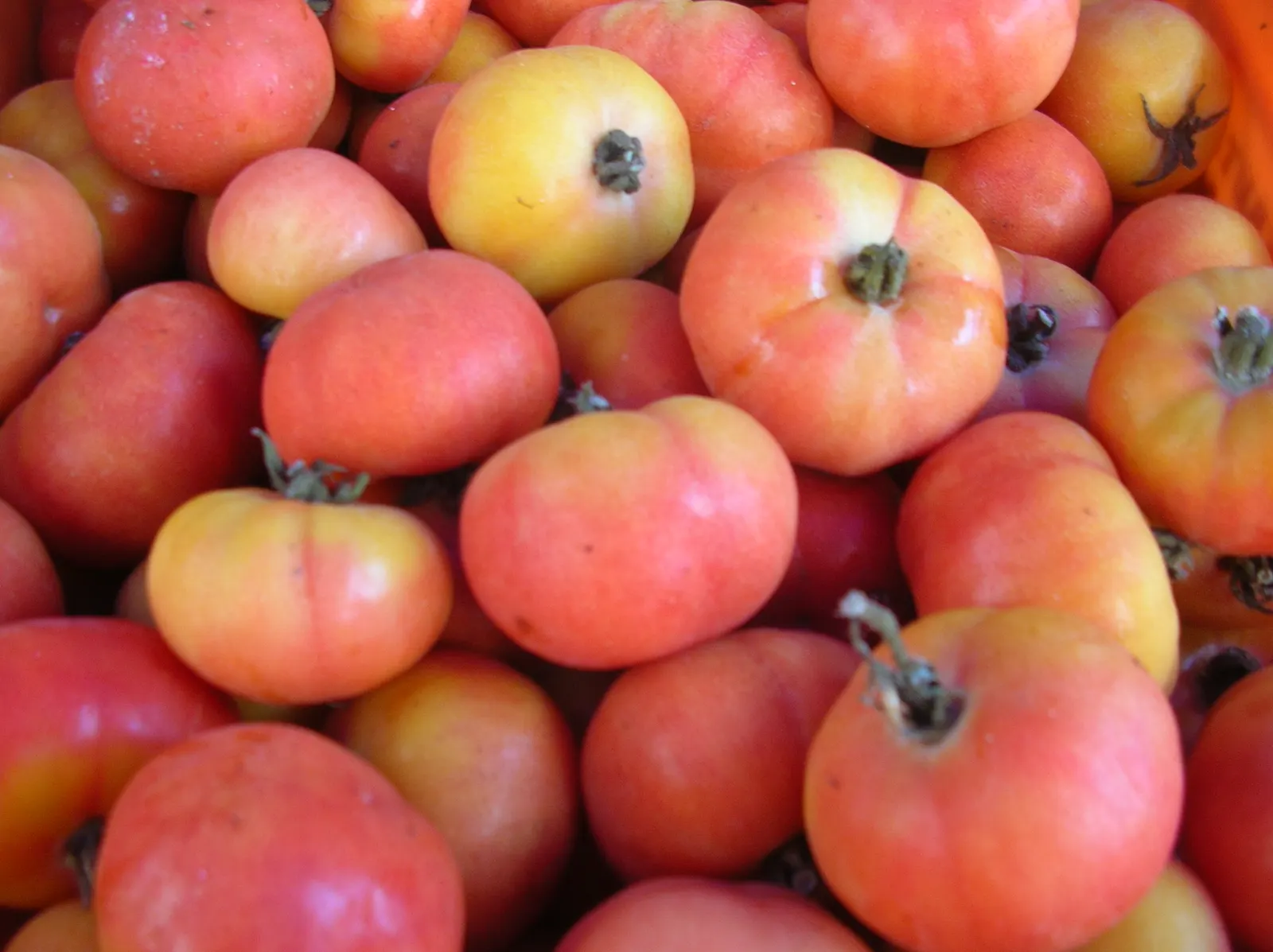
- The garden’s emblem is the tomàtiga de ramellet, the hanging tomato that keeps for months; its harvest runs from July to October.
A young grove on old land
The revival began at the start of this century, when some farmers went back to planting olive trees and milling their fruit. It was a slow, stubborn movement: planting an olive grove is a bet placed years ahead. Today that bet takes the form of an association —Oli de Menorca— which brings together the island’s score of producers and its eight mills, several of them on estates and farm-stays that open their doors during the milling season. The varieties are Mediterranean by the book —arbequina, picual, koroneiki, empeltre, cornicabra— but the result tastes of something new: an island oil, still scarce, still finding itself.
An honest caveat is in order: there is no designation of origin for Menorcan oil. There is an association that groups and champions the producers, which is not the same as a protected seal. And production is highly volatile: a year of drought or a poor bloom changes the harvest completely.
The market garden: the tomato that lasts all winter
If one product sums up the Menorcan market garden, it is the tomàtiga de ramellet, the “hanging” tomato (de penjar). Thick-skinned and low in water, it is tied into bunches and hung to keep without a fridge for months —right through the winter. It is the base of pa amb oli (bread with oil) and of oliaigua, the cold soup of summer. Its harvest season runs from July to October.
The rest of the garden calendar is the Mediterranean of old —pepper, aubergine and courgette in summer; garlic planted in autumn and lifted in spring; pumpkin for the autumn greixeres (baked earthenware dishes)— though it is best taken as a guide: the garden rules over the calendar.
Our view
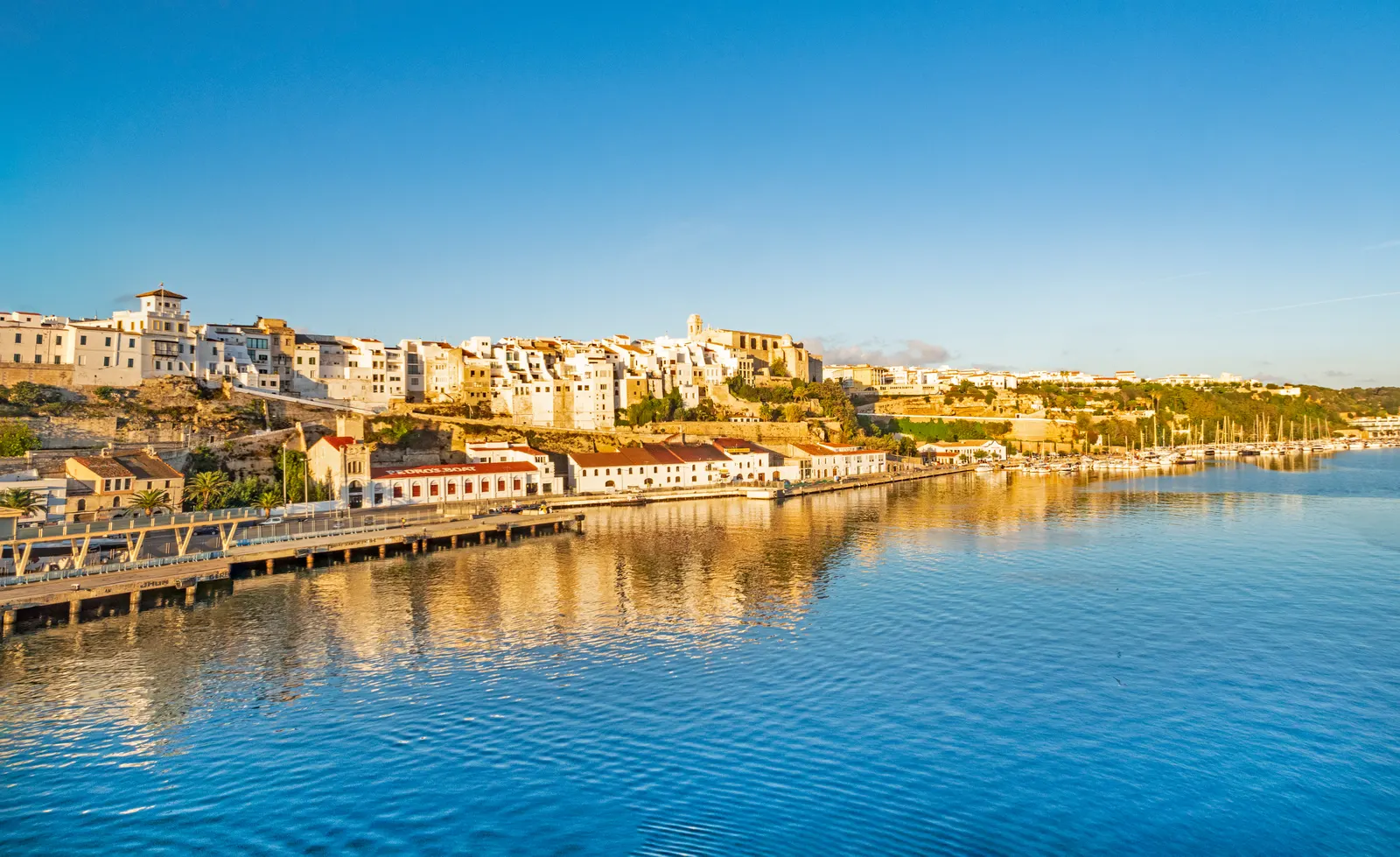
Menorcan oil is not yet a giant, and therein lies its interest: to buy it is to accompany a recovery in progress. Look for it young, from this year’s pressing —at the estate itself or at the local-produce stalls of the Mercat des Claustre in Maó—, and try it raw over good bread with a tomàtiga de ramellet: it needs nothing more. And if you have the chance, visit a mill or an estate in the pressing season —from autumn onwards: seeing the olives milled the same day they are picked explains the price better than any label. The oil is, besides, the youngest piece of a pantry worth exploring whole: we set it out in our guide to Menorca’s local products.
An island that spent seventy years without oil and has gone back to making it is not selling a product: it is selling a second chance. It is worth tasting.