In Menorca, luxury isn’t measured in hotel floors. It’s measured in hectares of silence. The island’s best beds are in farm estates that once grew wheat and milked cows, in old-town palaces with stone worn smooth by three centuries of hands, and on one clifftop where fifteen suites face the sea without anyone seeing them. Almost all of them share three things: few keys, the estate’s own produce on the table, and that hard-to-fake feeling of staying in the home of someone who lives very well.
This is our selection of the island’s great houses. It’s not a ranking and nobody paid to be here: it’s the map of sleeping well in Menorca, told with each house’s verifiable facts and no varnish.
The essentials
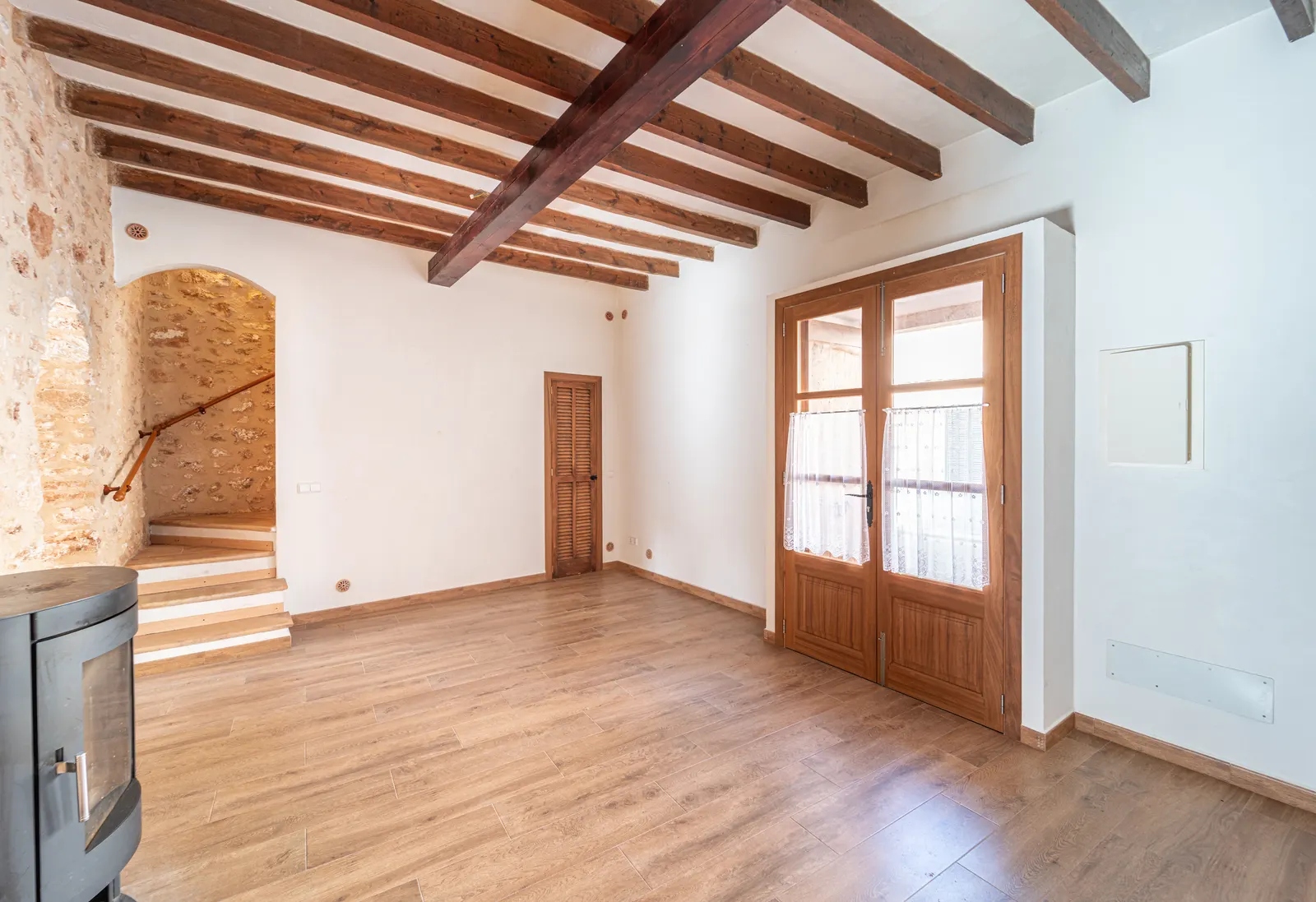
- The dominant format is the finca: manor houses from the 17th to 19th centuries turned into country hotels with a pool, a kitchen garden and their own restaurant.
- Few rooms: between 8 and 43 in most cases; book months ahead for summer.
- Season: most open spring to autumn. Always check this year’s dates on each house’s own website.
- Where they cluster: the municipality of Alaior (south-centre) has become the heart of luxury agroturismo; Ciutadella and Maó keep the urban kind.
The flagships
Son Vell (Vestige Collection) is the reference: an 18th-century manor southwest of Ciutadella, with 180 hectares walking down to its own cove, two pools and two restaurants. If quiet Menorcan luxury has one image, it’s this.
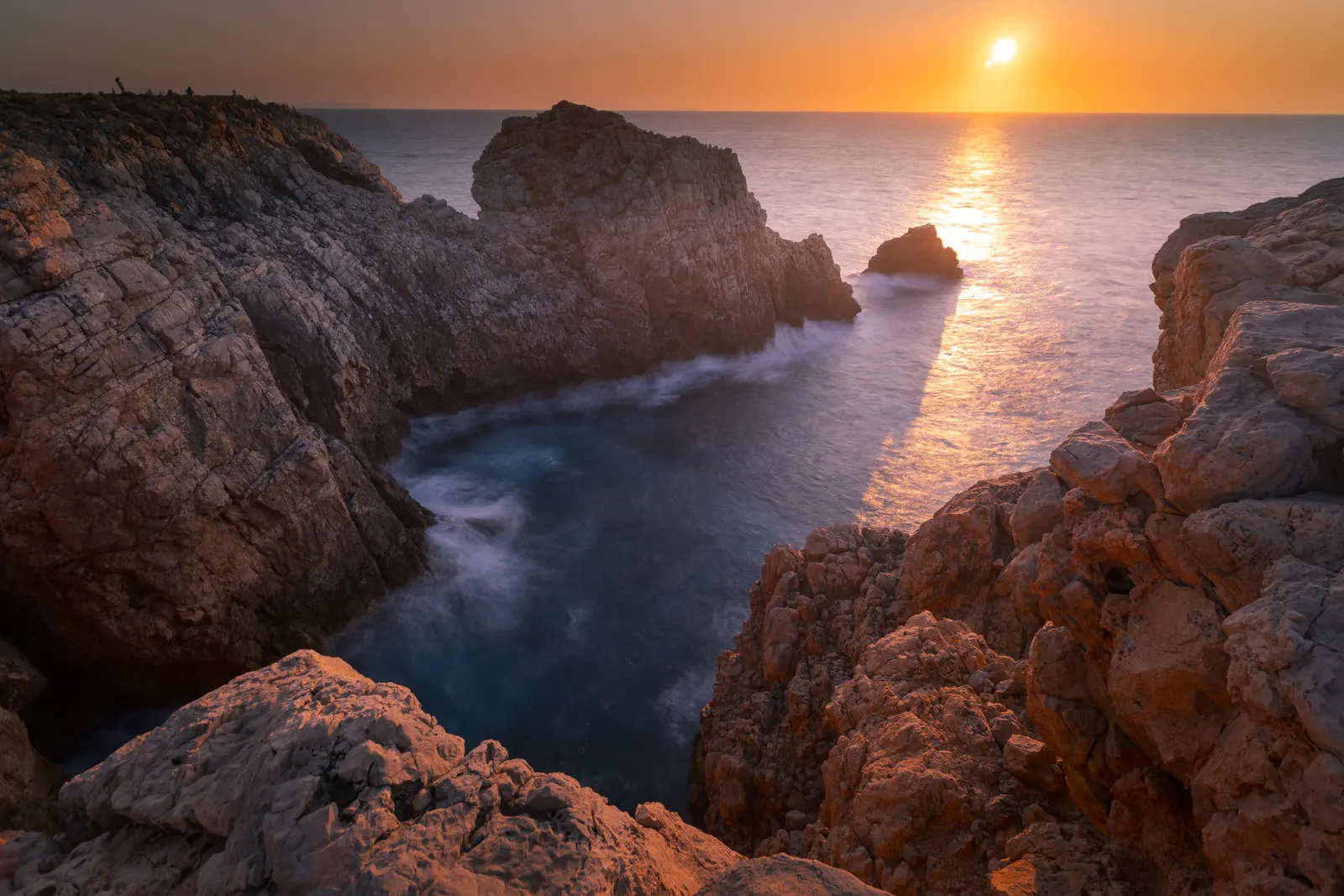
CAP Menorca (Relais & Châteaux) plays a different card: fifteen suites on a south-coast clifftop in Alaior, each with a private saltwater pool, and a small private fleet for skippered cove runs. Few keys, wide horizon.
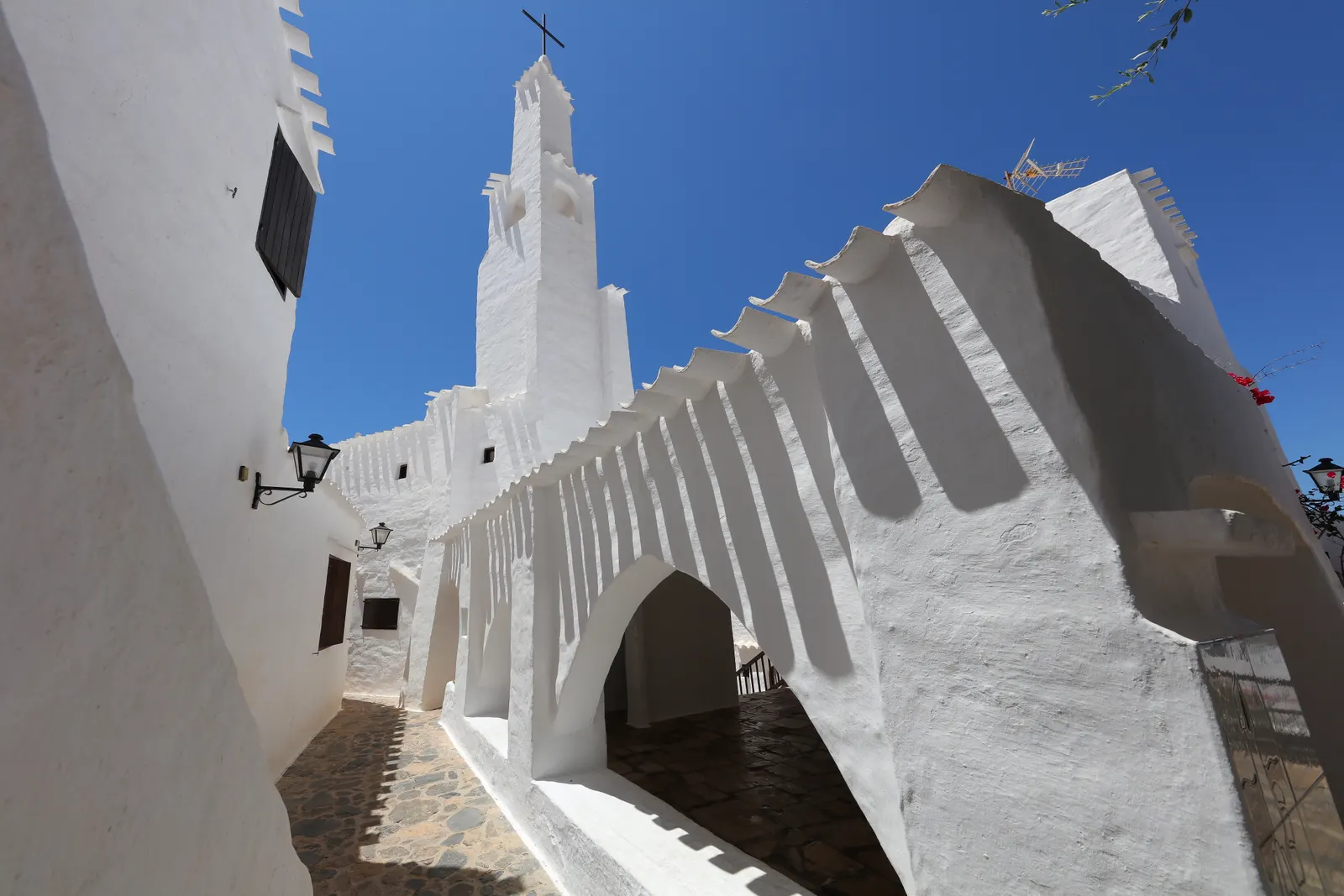
Villa Le Blanc (Gran Meliá) is the beach five-star: front line of Sant Tomàs, a sea-facing pool and a full spa. Classic towel-and-lounger luxury, kept within the low white architecture the island asks for.
And Torralbenc, the whitewashed farm among vines on the road to Cala en Porter, was one of the first to prove a Menorcan farmhouse could be a first-class hotel: its table and vineyard remain essential.
The converted fincas
Alaior concentrates the phenomenon. Menorca Experimental brought its 19th-century finca up to date with interiors by Dorothée Meilichzon, 43 rooms and an infinity pool in open country. The French Fontenille collection restored two sister estates: Santa Ponsa, palatial, its spa set into the old stone cisterns, and Torre Vella, built around a watchtower, with 200 hectares, century-old olive groves and its own organic wine.
The rest of the island keeps its own constellation of smaller, often more personal country houses: Binigaus Vell (Es Migjorn Gran), where cheese was once made and homemade pastries now open the day; Alcaufar Vell (Sant Lluís), Son Blanc Farmhouse (Alaior), Matxani Gran (Sant Climent), Bini Aumaia (Es Mercadal), Llucmaçanes Gran (Maó) and Son Juaneda (Ciutadella). The rule is the same in all of them: the estate leads, and the hotel adapts.
There are also houses with a trade of their own. Ca Na Xini (Ferreries) is the island’s only hotel where you sleep inside a working DOP Mahón-Menorca cheese dairy with its own winery. Son Granot, the red Georgian house of Es Castell, watches the mouth of Maó harbour from its gardens. Biniarroca (Sant Lluís) pioneered the rural hotel in 1998 and remains the most romantic, adults only. On the way to the southern coves, Morvedra Nou opens June to October ten minutes from Macarella, and north of Ciutadella, Sant Ignasi keeps the classic alive in a house from 1777. And for those unwilling to share even the horizon: Son Felip, an organic farm estate between Algaiarens and Cala Pilar rented whole, with Menorcan horses and a Starlight-certified sky.
City luxury
Faustino Gran (Relais & Châteaux) occupies historic palaces in Ciutadella’s old town, with a pool spa and its own boats for slipping out to the coves. In Maó, Cristine Bedfor is the dream private house: antique-filled interiors by Lorenzo Castillo, one of the city’s most coveted gardens, and La Cocina de Cristine with chef Pau Sintes downstairs. In Ferreries, little Ses Sucreres proves charm doesn’t need size.
Maó also keeps a boutique trio worth the walk: Ses Bruixes, the 1811 sea captain’s house with the centre’s best-loved garden restaurant; Hevresac, eight rooms in an Enlightenment-era manor with a Biosphere certificate; and Casa Ládico, the adults-only townhouse with courtyard, pool and spa minutes from the harbour.
And if the format is a resort, the island has one that does it with judgement: Barceló Nura (Biniancolla), a five-star of design with 45 rooms on semi-private pools and architecture built not to shout over the landscape.
How to choose
- If the sea is your thing: Villa Le Blanc (beach out front) or CAP Menorca (cliff and boat).
- If the countryside is your thing: Son Vell for the big occasion; Experimental, Santa Ponsa or Torre Vella for the balance of farm and design; the small houses to truly switch off.
- If you want to stroll straight out of the lobby: Faustino Gran in Ciutadella or Cristine Bedfor in Maó.
Prices move with the season and the room; always check them on each house’s official site, which is also where the real opening dates live. And one island rule that never fails: the earlier you book, the more silence you get.