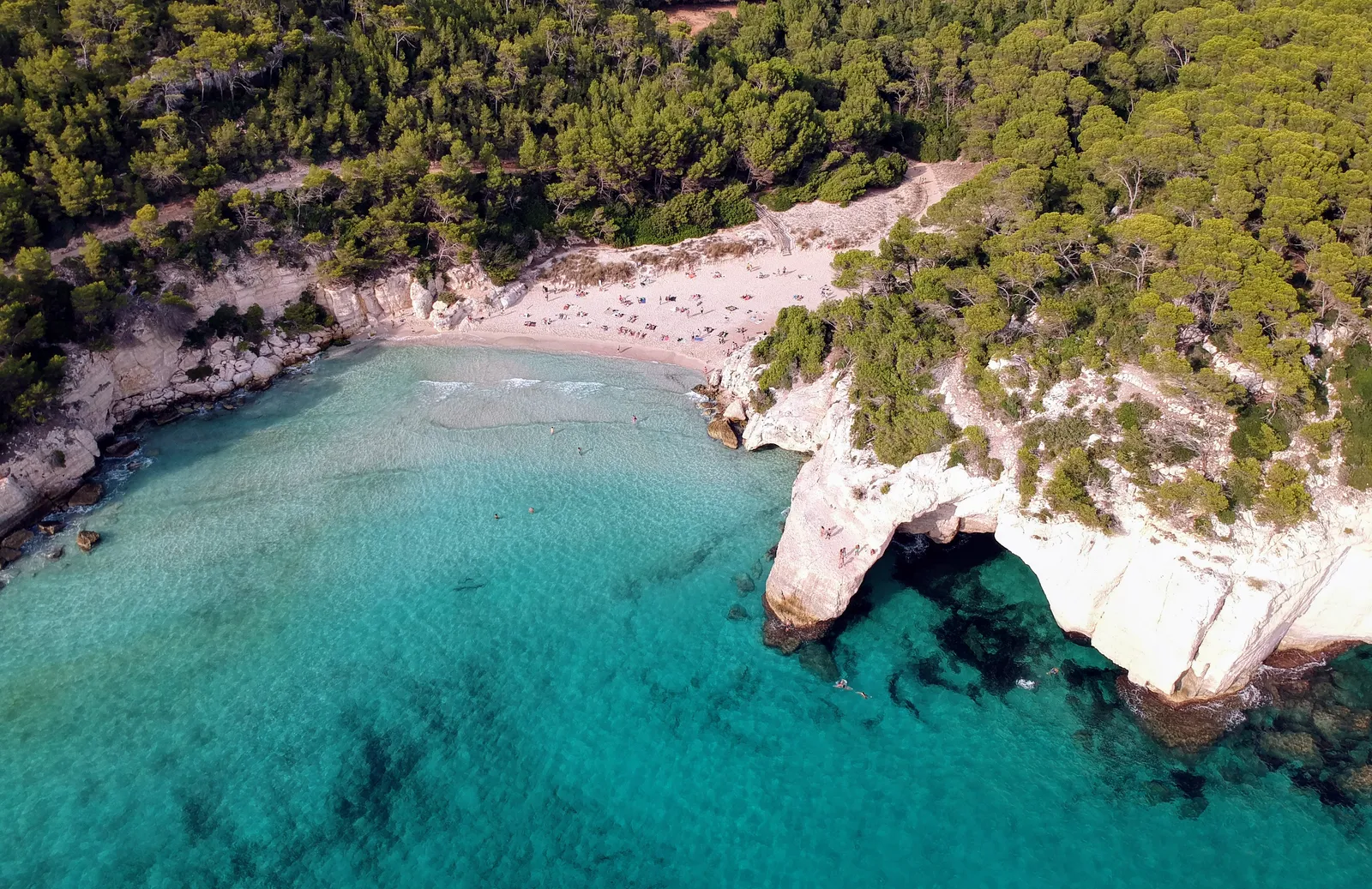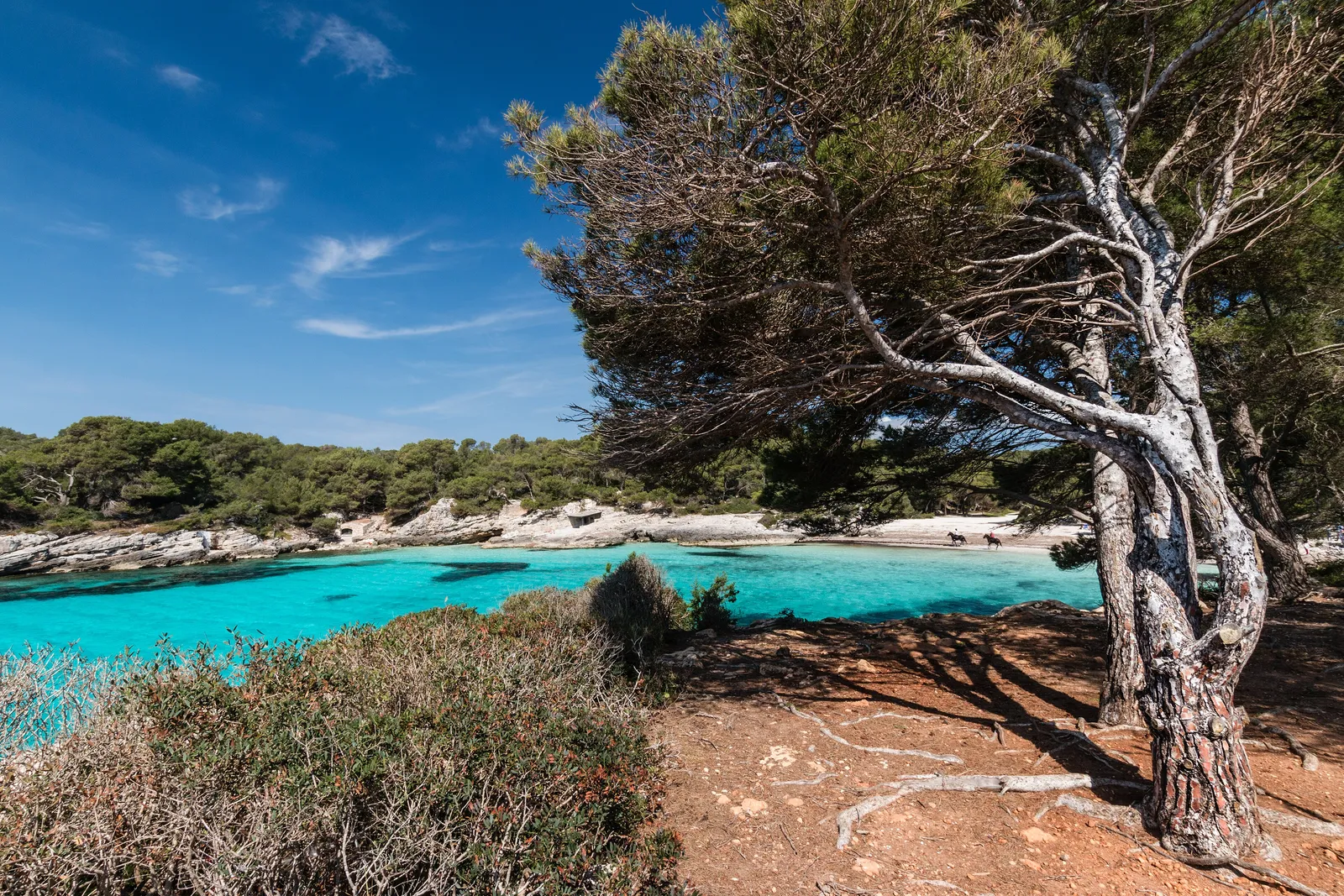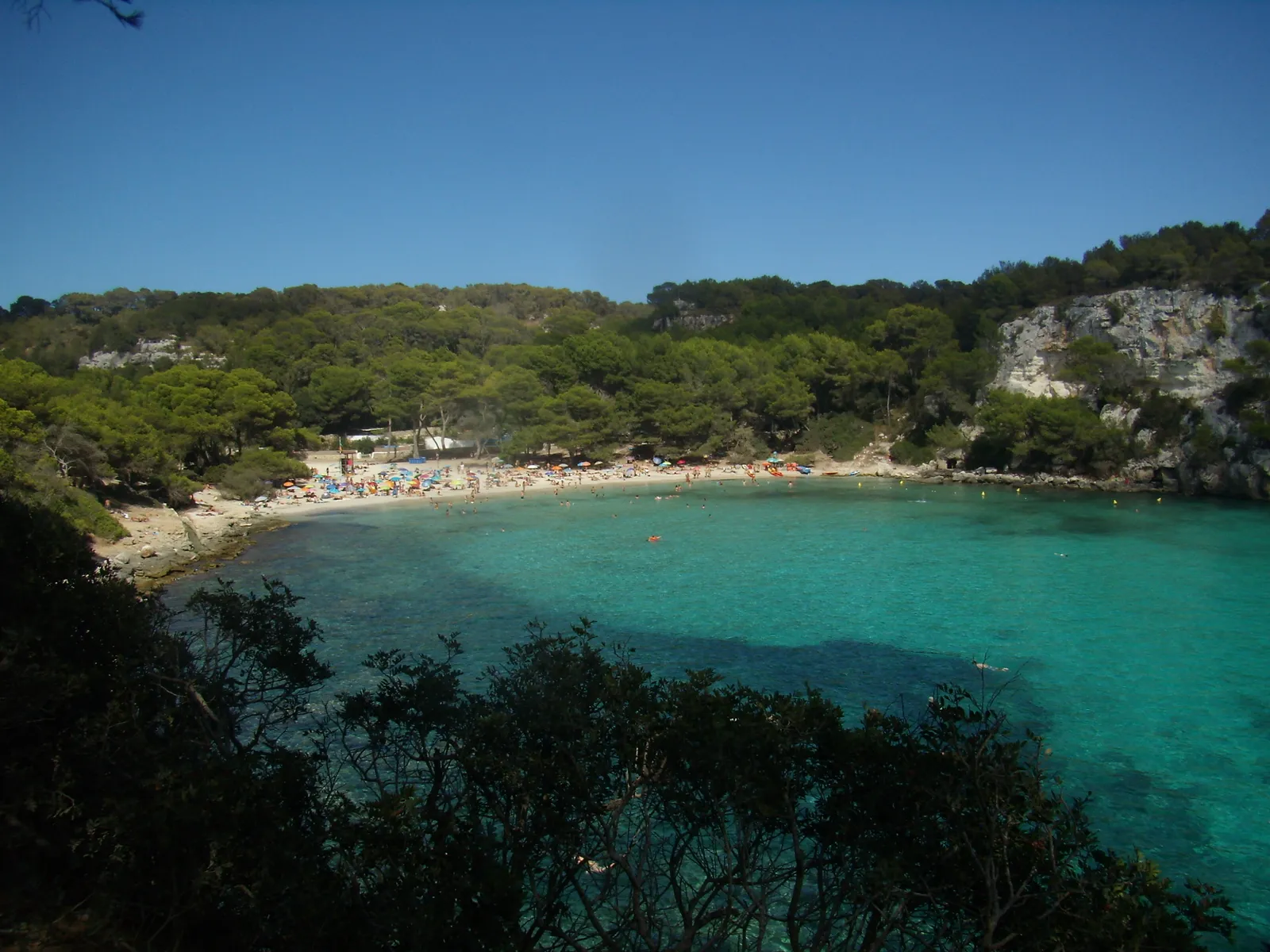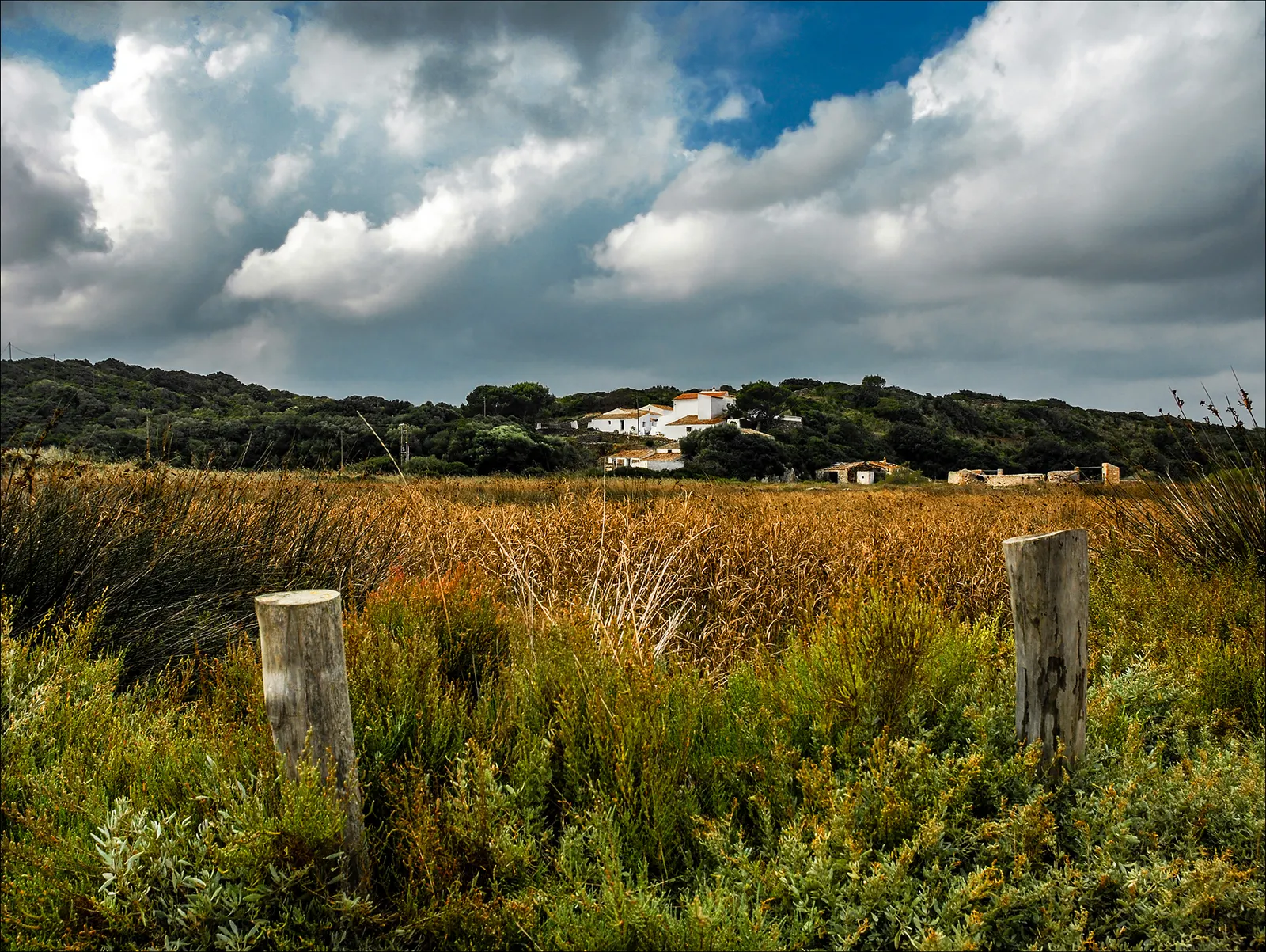
There is a Menorca that never makes the August postcards. It is not the one of blinding turquoise or of coves with a queue for parking. It is an island in a low voice — of fresh water and reeds, of filtered light and still air, where the noise of the world stays outside. That Menorca has a name and a heart: s’Albufera des Grau, the wetland that beats at the centre of the Biosphere Reserve and guards the island’s greenest, slowest and most honest face.
For anyone who understands luxury the way we do — space, time, calm and authenticity, never ostentation — s’Albufera is one of Menorca’s great secrets. You don’t come here to do anything spectacular. You come to walk slowly, to listen, to let your gaze settle on a motionless heron or on the trembling of the light across the lagoon. It is a place for not being in a hurry, and that is precisely why it is one of those that stay with you long after you have gone home.
In this guide we tell you how to experience s’Albufera des Grau with judgement and with calm: when to go to have it almost to yourself, how to walk it without trampling the silence, what to look for and, above all, how to let the place set the pace rather than imposing your own.
The essentials
- What it is: the Parc Natural de s’Albufera des Grau, a Mediterranean wetland — lagoon, islets and marshes — that is the core of Menorca’s Biosphere Reserve, declared by UNESCO in 1993.
- Where: in the north-east of the island, a short drive from Maó, beside the small coastal village of Es Grau.
- Why it matters: it is one of the most valuable wetlands in the Balearics and a key refuge for resident and migratory birds.
- What to do: serene walks along signposted trails, birdwatching and, nearby, a visit to the Favàritx lighthouse, with its almost lunar landscape.
- When: dawn and the shoulder seasons (spring and autumn) give the best of it: more birds, cooler air, fewer people.
- Visitor centre: there is an interpretation centre with information about the park; check current opening times before you go, as they vary with the season.
What s’Albufera des Grau is
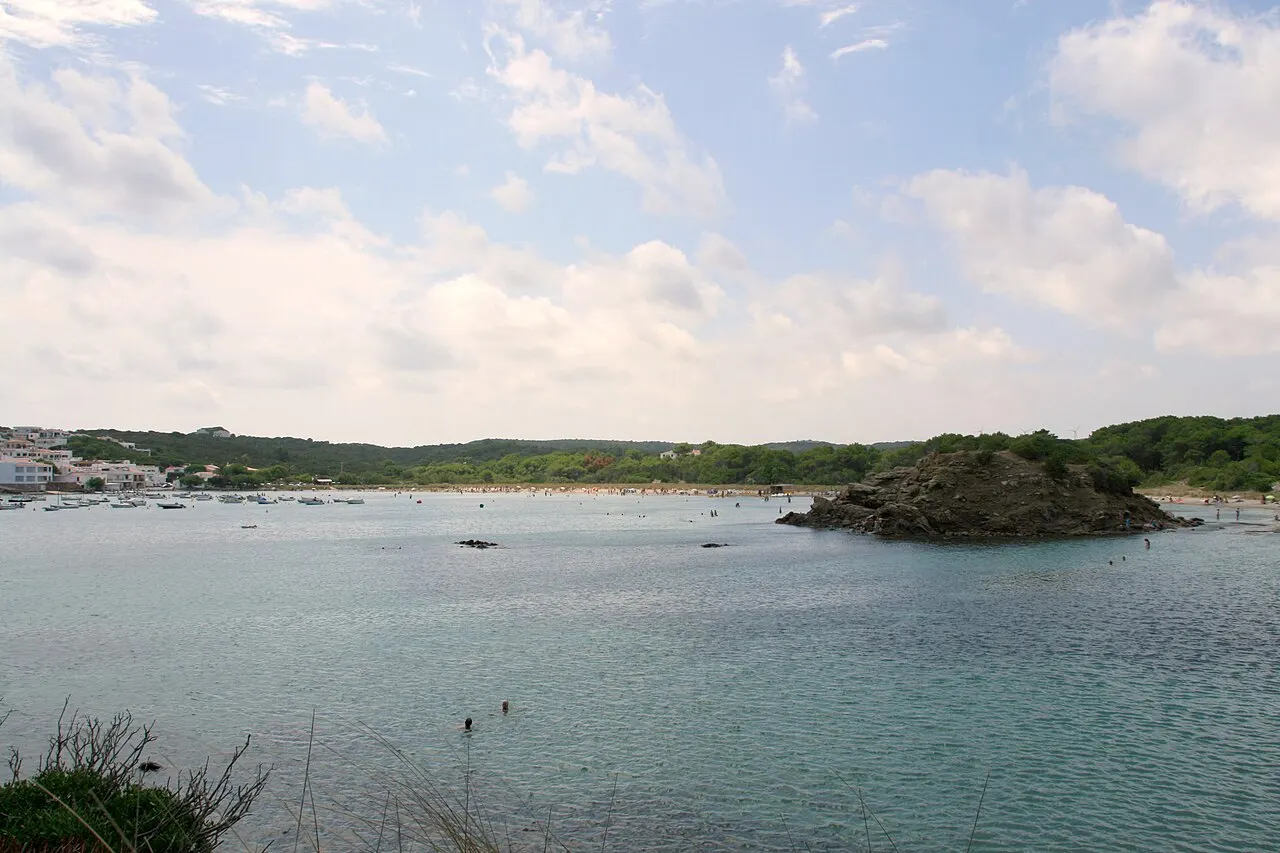
S’Albufera des Grau is, above all, water. A large brackish lagoon, separated from the sea by a bar of sand, ringed by marshes, islets, pinewoods, scrubland and traditional farmland. That mix of habitats — fresh and salt, land and water — is what makes it so rich in life and so different from the rest of the island.
When Menorca was declared a UNESCO Biosphere Reserve in 1993, s’Albufera was recognised as its core zone: the area of strictest protection, the very example of how nature and the human hand can live together without destroying one another. It is not a theme park or a stage set: it is a living ecosystem the island has chosen to look after. To walk here is to understand why Menorca is what it is.
The island breathing: birds and silence
If there is one reason to come, it is the birds. The wetland is a resting place and refuge within the great Mediterranean migration routes, and over the course of the year very different species pass through: ducks and other waterfowl, herons and egrets that fish motionless at the water’s edge, raptors gliding high over the marsh, small birds among the reeds.
You don’t need to be an ornithologist or to carry an enormous telephoto lens. It is enough to stop and look. That, in truth, is the discipline of the place: stillness. Those who arrive in a hurry see nothing; those who sit for ten minutes in a hide begin to make out movements, silhouettes and sounds that had gone unnoticed. S’Albufera teaches you to look slowly, which is a kind of luxury that grows rarer by the year.
When to go to have it almost to yourself
The wetland changes with the seasons, and that is part of its charm. Spring and autumn are, for us, the best moments: the temperature is kind, the landscape is green and the coming and going of migratory birds is at its richest. Winter has its own austere beauty, with the lagoon high and an almost absolute silence. Summer is still worth it, but rise early to dodge the heat and the crowds.
At any time of year, dawn wins. The first light is soft, the air is cool, the birds are active and the park is almost yours. If you can only go once, go early: the difference between nine in the morning and midday in August is the difference between listening to the wetland and merely seeing it in passing.
How to walk it slowly
The park has signposted trails of different lengths that set off from the parking area and skirt the lagoon, looking out over bird hides and viewpoints across the water. They are comfortable routes, without steep climbs, made for walking with no effort and with all five senses open.
The underlying advice is one: do not turn this into a stage to be completed. Don’t come to “do the trail” in the shortest possible time. Walk slowly, stop at every hide, sit down, listen. Let the plan be to have no plan. The reward of s’Albufera is not at the end of the path but in every metre covered without haste.
The details that stay with you
What you remember most about s’Albufera is not the great landmarks but the small things. The smell of water and damp vegetation, so different from the salt air of the coast. The sound of the wind in the reeds and distant calls over the lagoon. The light filtered through the pines, shifting as the morning goes on. The sky reflected in the still water, broken all at once by the flight of a bird.
To experience it calmly means exactly that: leaving room for those details. Switch off your phone or, at the very least, leave it in your pocket. Don’t chase the perfect photograph; let the place find you. Bring water, comfortable footwear and, in summer, a hat and sun protection, but above all bring time. Time, here, is the best thing you can pack.
Favàritx: the lunar counterpoint
A very short distance away, within the same protected natural area, waits one of the most striking landscapes in Menorca: the Favàritx lighthouse. If s’Albufera is green, fresh and soft, Favàritx is its opposite: a headland of dark, folded slate, almost black, on which the lighthouse tower rises as if on another planet. A lunar landscape, mineral and wind-beaten.
The combination is perfect for an unhurried day: the morning in the wetland, listening to birds, and the afternoon at Favàritx watching the low light turn the slate to silver. Bear in mind that in high season access to the area may be regulated; check the current information before you go and, as always, keep to the paths and don’t lean over the edges when the sea is rough.
How to respect the place
S’Albufera is fragile, and its beauty depends on our treating it well. The rules are common sense and courtesy towards a place that welcomes us: keep to the trails, do not disturb the wildlife, do not pick plants, do not make unnecessary noise and, of course, leave no trace — not a scrap of paper, not a cigarette end, not a bottle. Silence must be cared for too: a raised voice in a hide scares off what half the park was waiting to see.
Looking after the place is not a sacrifice; it is part of the luxury. Arriving somewhere clean, quiet and alive is a privilege that exists only if we all respect it. Here, elegance is measured by how little you let your passing be noticed.
Our take
If you come to Menorca looking only for turquoise and a parasol, s’Albufera des Grau may seem like very little. If you come looking for the real island — the one that exists 365 days a year, the one that breathes slowly — this wetland will be one of your sharpest memories. It is the proof that the most memorable Menorca is not always the most photographed.
Our recommendation: set aside a whole morning, go at dawn in spring or autumn, pair it with Favàritx in the afternoon and put nothing else in the plan. Bring water, comfortable footwear and patience; leave the rest outside. And before you set off, check the current opening times of the interpretation centre and any seasonal access restrictions. The rest — the birds, the light, the silence — the island provides.