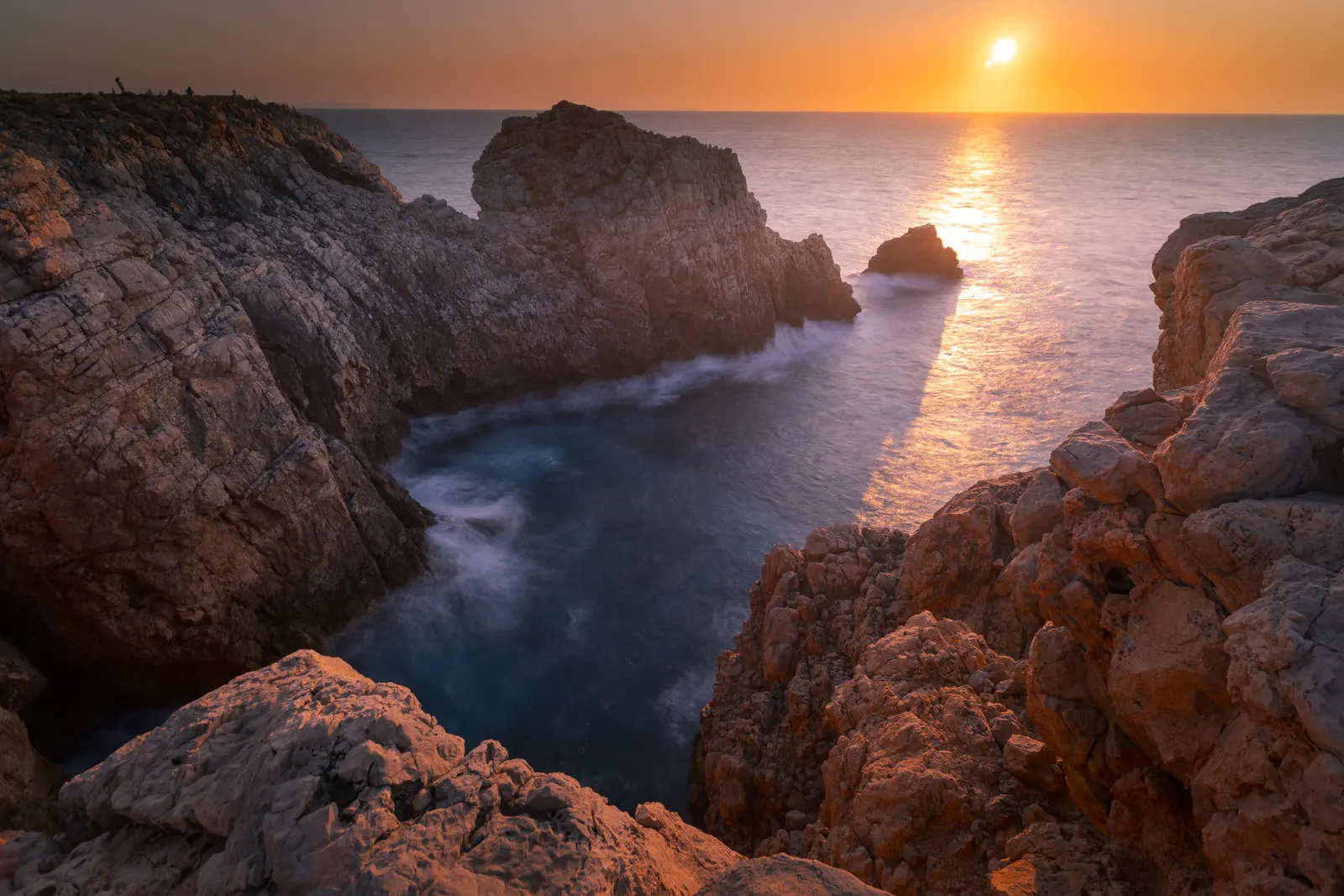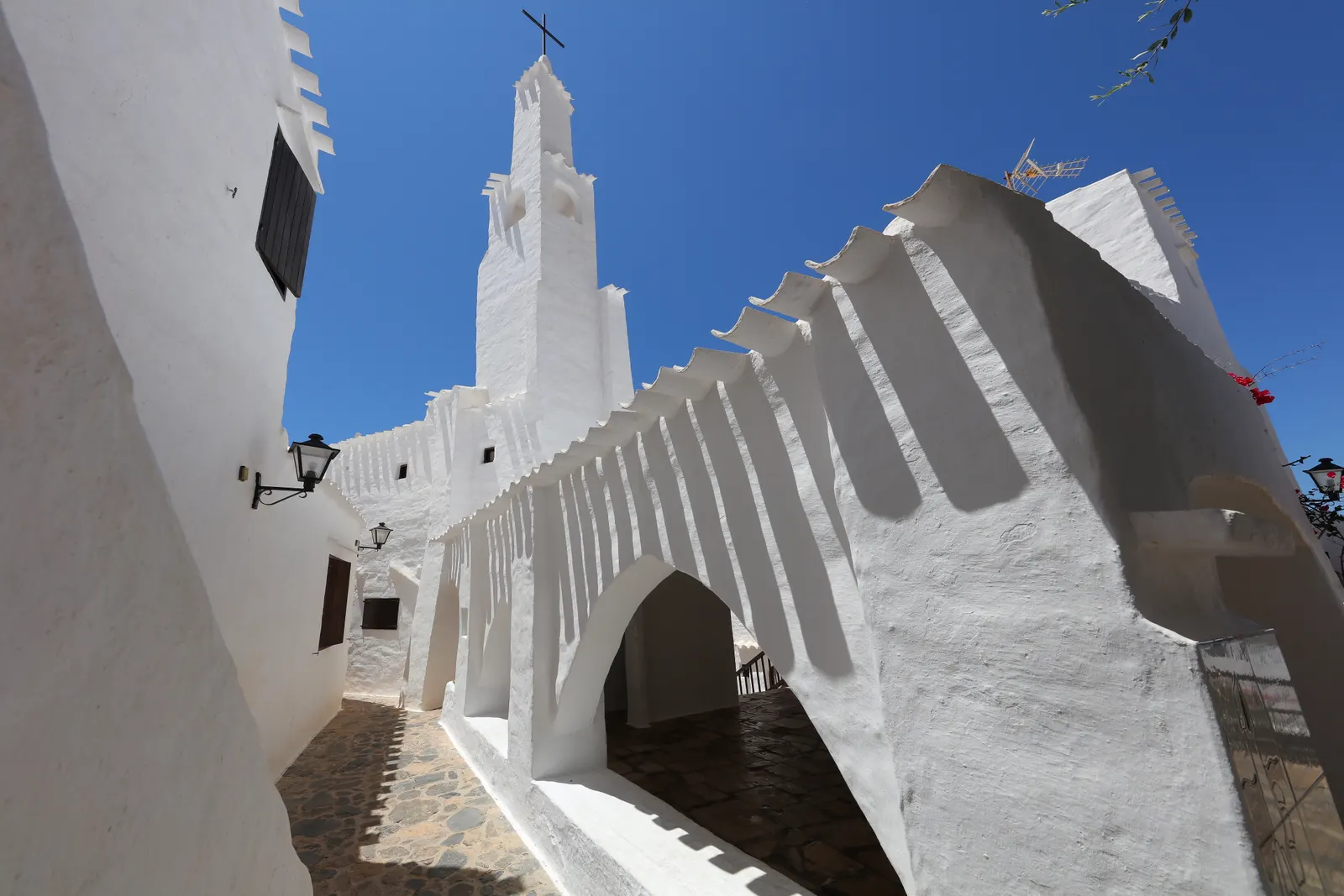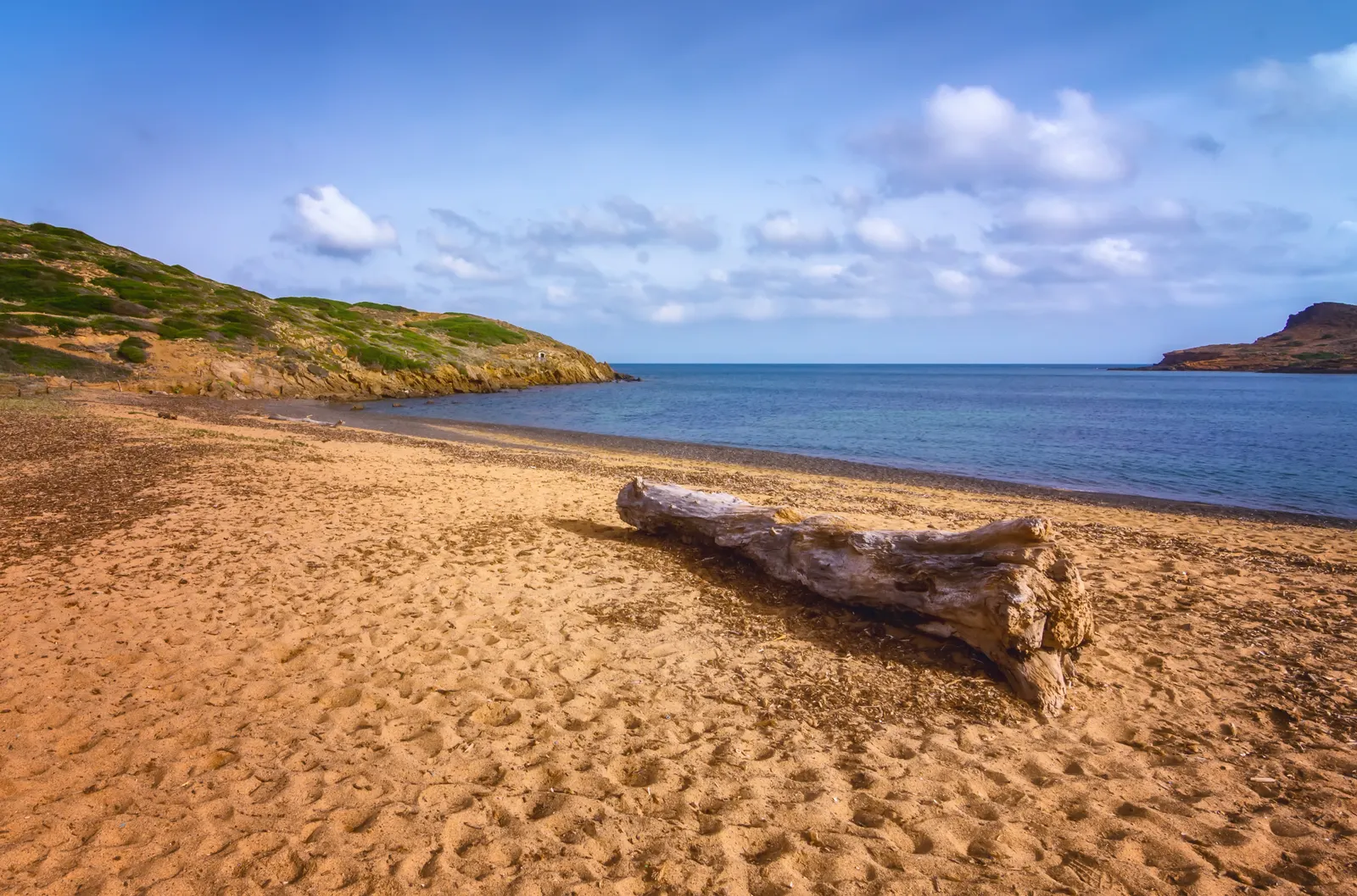
Let’s be honest about the title: on an island as visited as Menorca, “unusual” is a relative truth. None of these seven plans is a secret — they all have websites, opening hours and years of history open to the public. But while the car parks of the south’s most photographed coves fill by mid-morning in August, at these places you still walk without a queue, hear the wind and have room to spare. That is the measure this list is held to.
Why do so few people go? Because they sit outside the beach-village-postcard circuit. They don’t appear in the turquoise photo, they can’t be ticked off in twenty minutes, and they ask for something scarce on holiday: curiosity and calm. In return they give back what, for us, is this island’s real luxury — space, time and authenticity.
They run from west to east, from the quarries of Ciutadella to the easternmost point of Spain. Each plan links to its in-depth guide, with the practical details we only sketch here.
The essentials, at a glance
- What’s on the list: quarries reborn as a cultural space, a funerary monument of prehistoric Europe, a cheese farm, a wetland at dawn, an 18th-century distillery, a harbour island with three lives and the fortress at Spain’s easternmost point.
- Where: from Ciutadella (west) to Maó harbour (east); none of them is a beach plan — which is exactly why they stay quiet.
- When: all year round; several are better off season. Many opening hours are seasonal: always check current times before you go.
- Booking: the Illa del Rei boat runs on set timetables and the cheese farms ask you to book; La Mola is toured with a guide or an audioguide.
- How to use the list: each plan links to its in-depth guide and, where one exists, its place file.
1. Lose yourself in Líthica, Ciutadella’s cathedral of stone
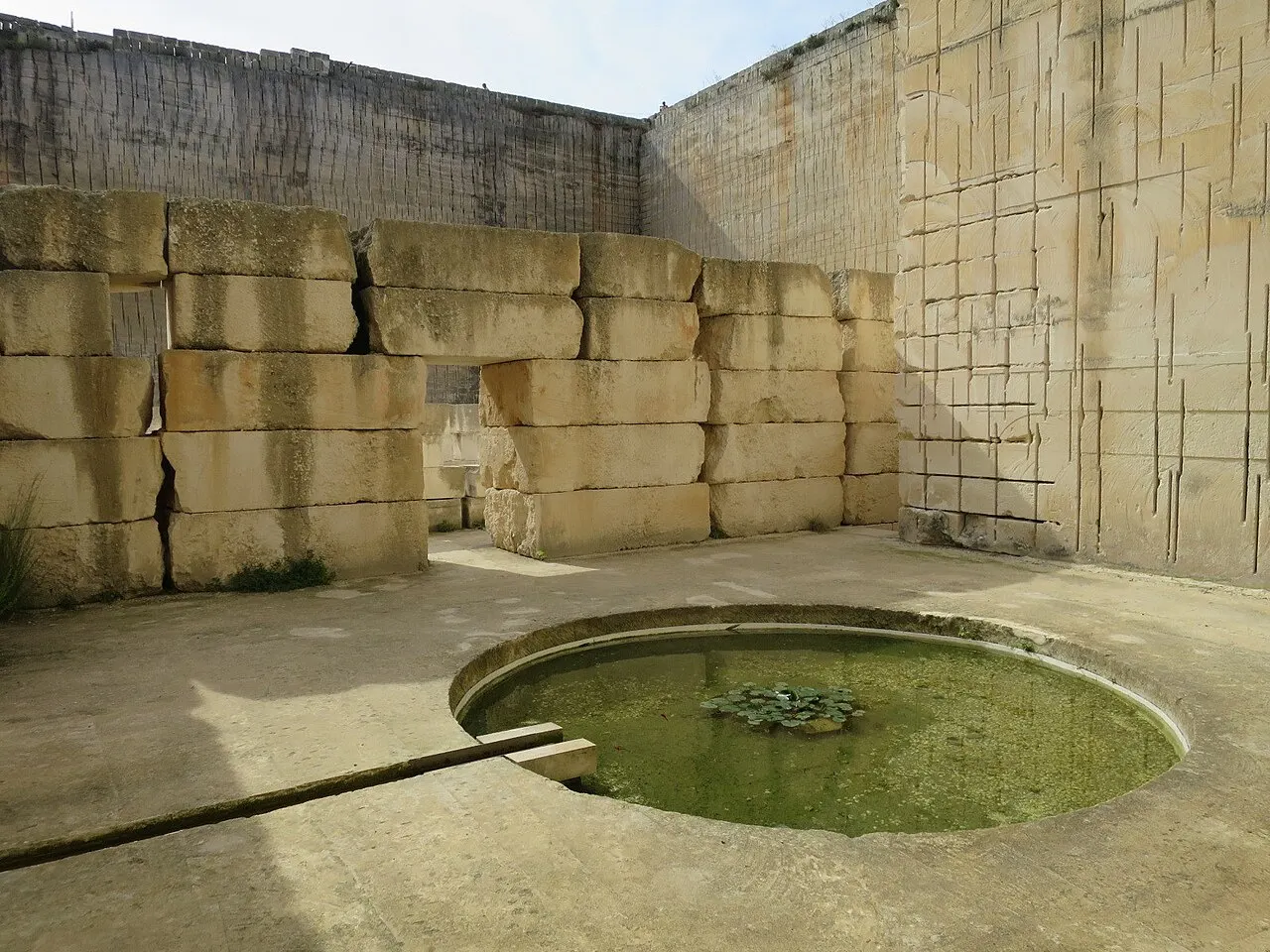
A couple of kilometres from Ciutadella, hidden behind a wall that announces nothing, wait the Pedreres de s’Hostal: the marès sandstone quarries that supplied the stone for half the island, worked from the 19th century until 1994 and rescued that same year by the Líthica foundation. Inside are vertical walls of golden light, shafts like inverted cathedrals, a botanical garden, a maze and, in summer, concerts held in the deepest quarry.
Why does almost nobody go? Because from outside there is nothing to see: it is a void, not a monument posing for the photo. That is precisely why it moves you. Allow at least an hour and a half and go early or late, when the light sets the marès aglow. The full story is in our guide to Líthica.
2. Have Talayotic Menorca to yourself
Menorca has been a UNESCO World Heritage Site since 2023 for its Talayotic culture and yet, at its sites, there are no theatrical fences and no queues: there is silence, wind and stone. The Naveta des Tudons, near Ciutadella, is one of the oldest megalithic monuments in Europe still standing, and the taules — two great stones forming a T within an enclosure — exist nowhere else in the world.
Why does almost nobody go? Because prehistory doesn’t compete with turquoise on Instagram. Its best hours are first thing in the morning or sunset, with warm light on the dry stone. To understand what a naveta, a talaiot and a taula are before you go, read our guide to Talayotic Menorca.
3. Step into a farm and taste Mahón-Menorca PDO cheese
The island’s most recognisable product is still made on family farms — the llocs — and several open their doors for a visit with tasting: the square pieces resting on wooden shelves, the orange rind rubbed with oil and paprika, and the same cheese tried at its three ages, from soft to aged. If you want its most authentic expression, look for the Artesano seal, which guarantees raw milk and traditional making on the farm itself.
Why does almost nobody go? Because it means leaving the coast and booking ahead: conditions change with the season and the farm. It is probably the most delicious way to understand the Menorcan landscape. The details are in our guide to Mahón-Menorca cheese.
4. Rise at dawn for s’Albufera des Grau
The Parc Natural de s’Albufera des Grau, in the north-east, is the core of the Biosphere Reserve UNESCO declared in 1993: a large brackish lagoon separated from the sea by a bar of sand, ringed by marshes, islets and pinewoods. You explore it along signposted trails without steep climbs, past viewpoints and bird hides over the water. At dawn the light is soft, the birds are active and the park is almost yours.
Why does almost nobody go? Because it never makes the August postcards: this is Menorca in a low voice, green and slow — the opposite of turquoise. Pair it with the nearby Favàritx lighthouse and its almost lunar slate landscape. The full guide is at s’Albufera des Grau.
5. Visit the Xoriguer gin distillery in Maó harbour
Menorca is one of the few corners of the Mediterranean with a gin of its own, a legacy of the British 18th century. In Maó harbour, Gin Xoriguer is still distilled in copper stills more than 250 years old, from a wine-alcohol base, and the guided visit ends with a tasting: gins, artisan liqueurs and pomada, the drink of the festes.
Why does almost nobody go? Because most people drink their pomada without asking where it comes from. Crossing the distillery’s threshold takes you from souvenir to real history — and lets you carry home a caneca, the sailors’ handled bottle, knowing exactly what it means. The full story is in our guide to Menorca’s gin.
6. Take the boat across to Illa del Rei
In the middle of Maó’s natural harbour lies an island most visitors see from afar without knowing what it is. Illa del Rei holds three lives: a sixth-century early Christian basilica with mosaics, the British military hospital built from 1711 and in use until the 1960s, and, since 2021, the international gallery Hauser & Wirth, with a garden by the landscape designer Piet Oudolf. Sixteen centuries of history on an islet reached in a few minutes by boat.
Why does almost nobody go? Because it means embarking on set timetables — check them beforehand — and because nothing on the quayside hints at what waits inside. Few excursions this short give this much. The in-depth guide is at Illa del Rei.
7. Walk La Mola to the easternmost point of Spain
On the peninsula that closes the mouth of Maó harbour crouches the Fortalesa Isabel II, La Mola: begun in 1850, inaugurated in 1852 with the visit of the queen who gave it her name and completed in 1875, it is considered one of the largest European fortresses of its century. Cobbled ramps, moats, galleries cut into the rock and, beside the walls, the easternmost point of Spain: the first patch of the country to catch the sun each morning.
Why does almost nobody go? Because it sits literally at the end of the road, some 10 km from Maó, and asks for half a day and comfortable shoes. Tour it with a guide or an audioguide — well worth it, so the stone can speak. Our full guide is at La Mola.
How to fit them into a trip
You don’t need to do all seven. They work in geographic pairs: Líthica and the Naveta des Tudons share a morning out of Ciutadella; the cheese farm slots in on the way through the island’s centre; s’Albufera claims the dawn and leaves the afternoon free for Favàritx; and the eastern trio — distillery, Illa del Rei and La Mola — turns Maó harbour into a full day of history. If you travel outside summer, better still: it is the season when the island slows down and these places truly become almost yours.
Our take
This list doesn’t promise secrets; it promises judgement: seven places that have existed for centuries — or millennia — and that the cove circuit leaves aside every summer. None of them will disappoint anyone who travels the way we understand luxury: without noise, without hurry and with curiosity. Check each opening time before you go, rise early when it matters and let the island do the rest.
If this Menorca — the one with no queues — is your Menorca, we tell its story once a month in our newsletter: what is worth your time, calmly and without noise.