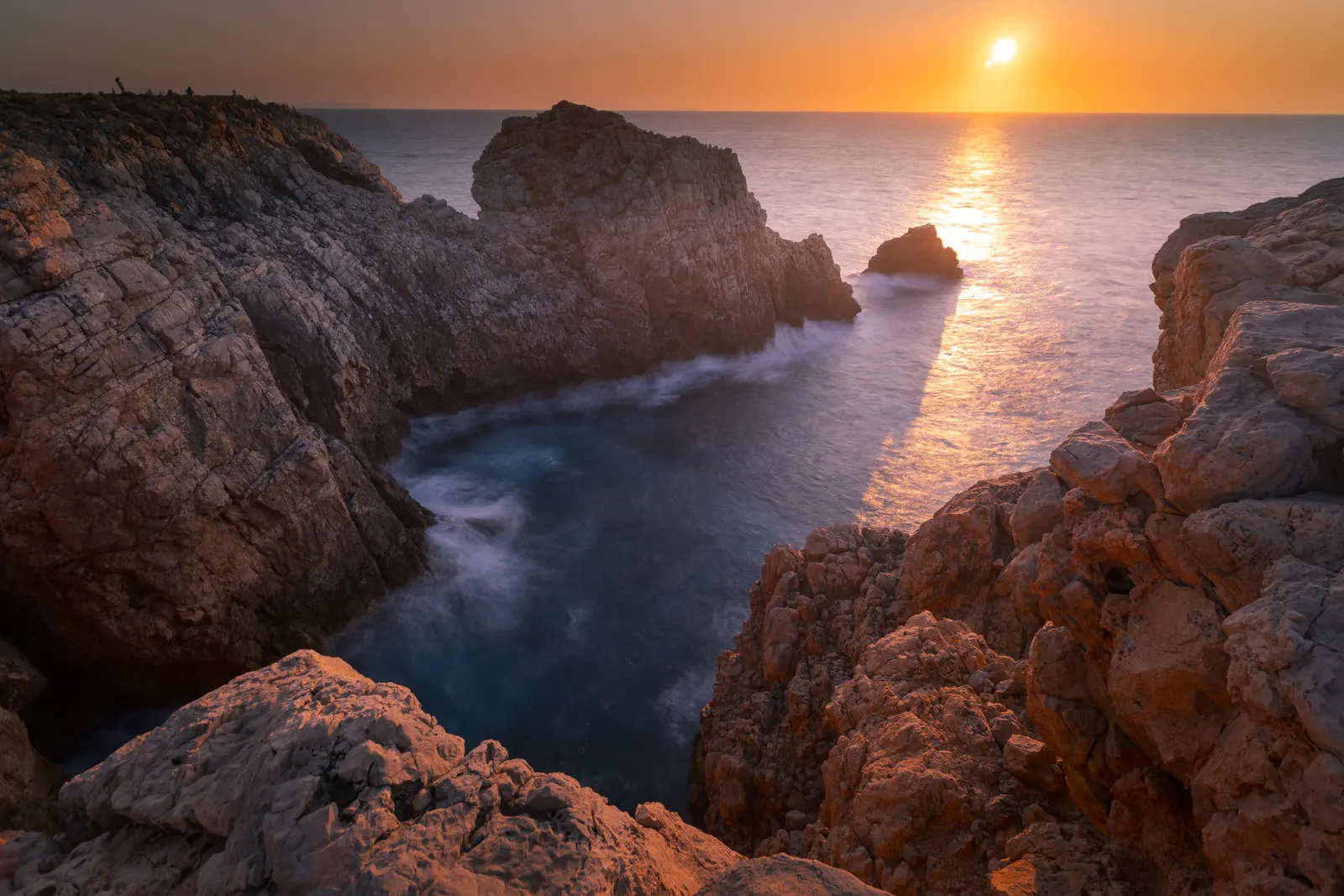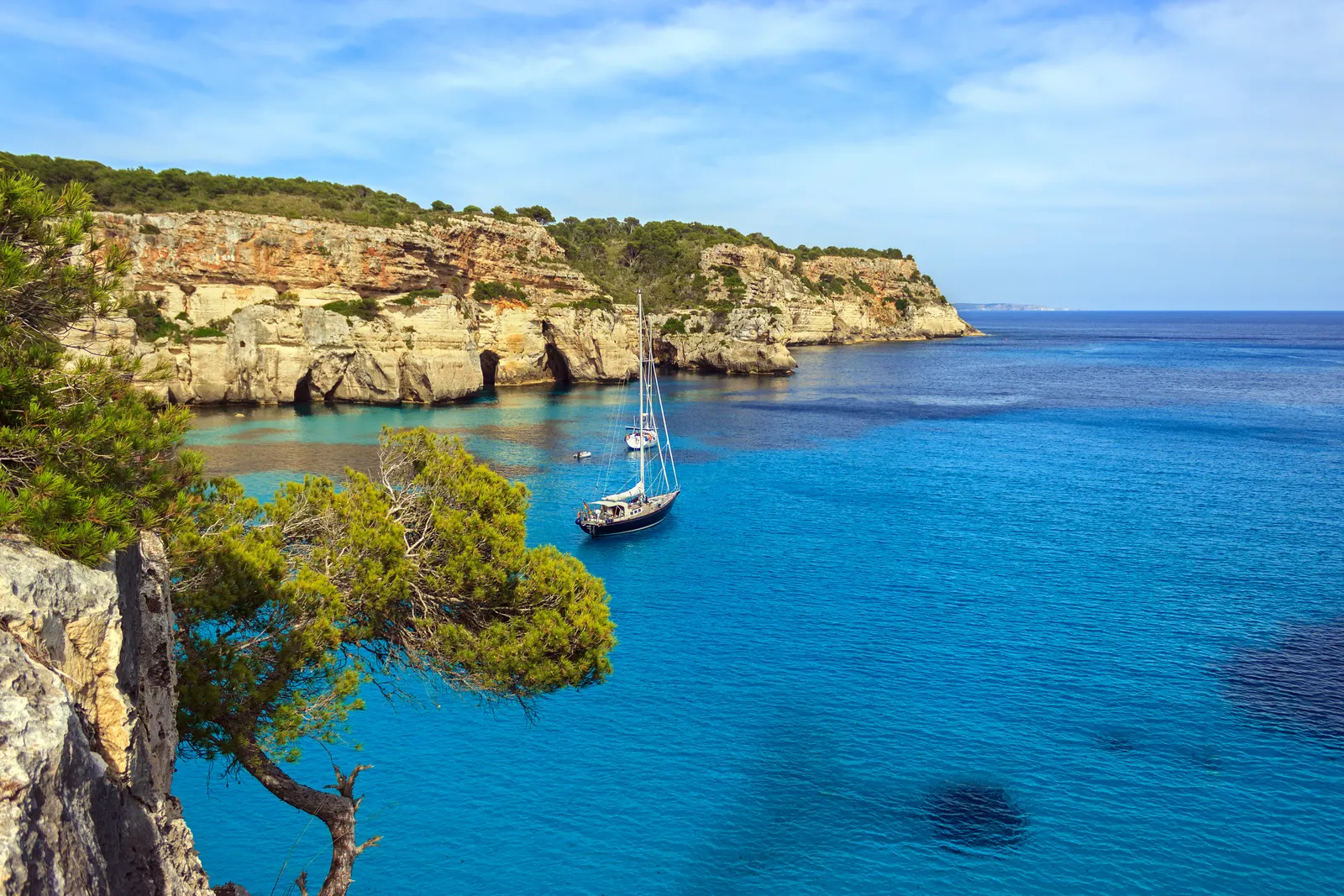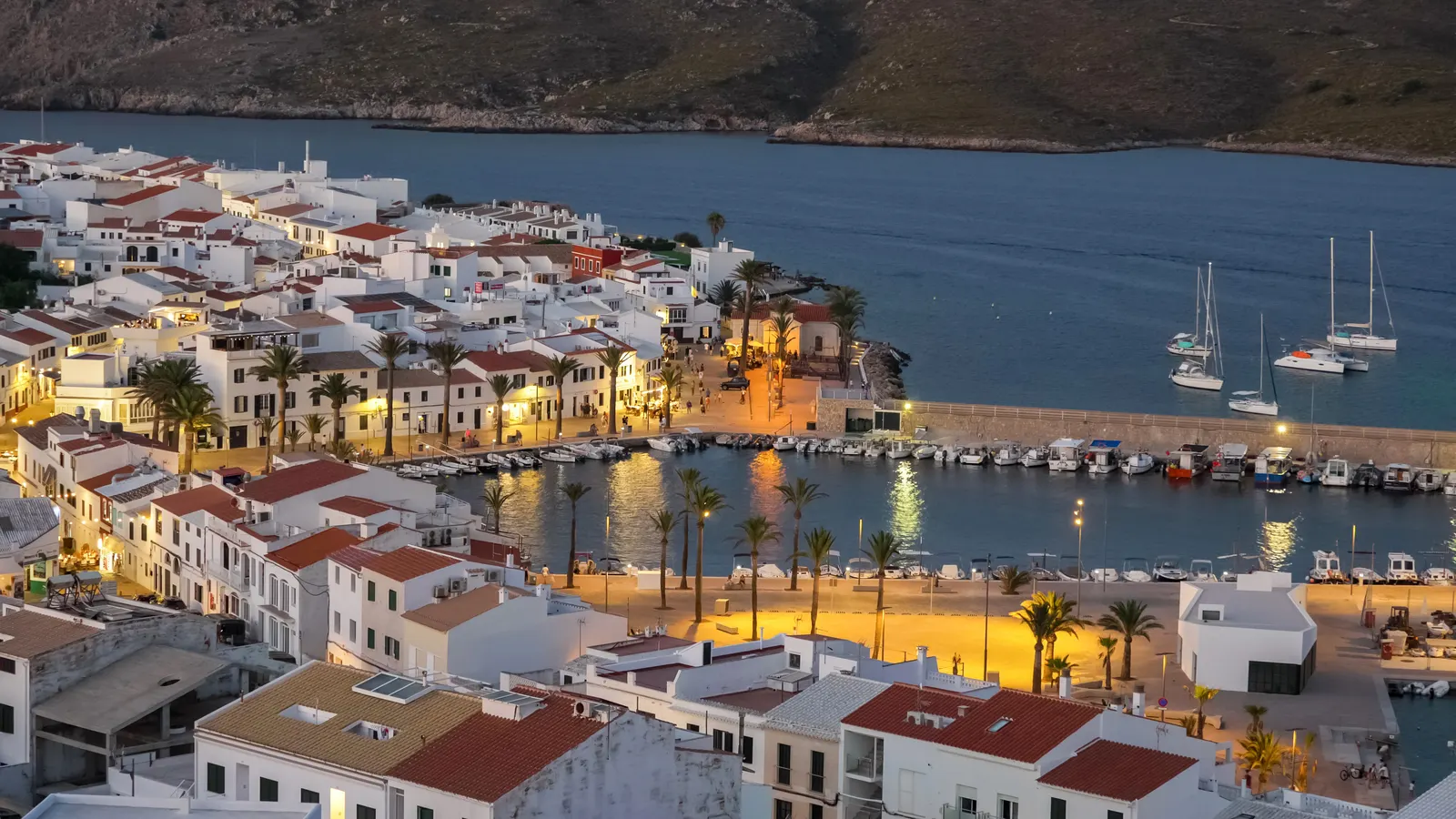
There is no single “best time” to visit Menorca: there are several islands within the same island, and each one comes alive at a different point in the year. The right question is not when is it best, but what are you looking for. Empty coves and long light. Warm water without the crowds. A village festival that has been held for centuries. Or the silence of a clifftop in February, with the tramuntana wind at your back.
Here is our take, unhurried and grounded in local knowledge. Menorca has been a UNESCO Biosphere Reserve since 1993, and it lives at a gentler pace than its Mediterranean neighbours: here, the real luxury is space and time. Choosing the right month is, to a large extent, choosing how much of that space and time you will have to yourself.
What follows is an honest guide, month by month and season by season, designed to help you get it right first time. No empty headlines: real weather, the state of the sea, what is open and what is not, and where, in our judgement, the perfect balance lies.
The essentials, at a glance
- Best overall balance: June and September. Pleasant sea, long days, everything open and far fewer people than in high August.
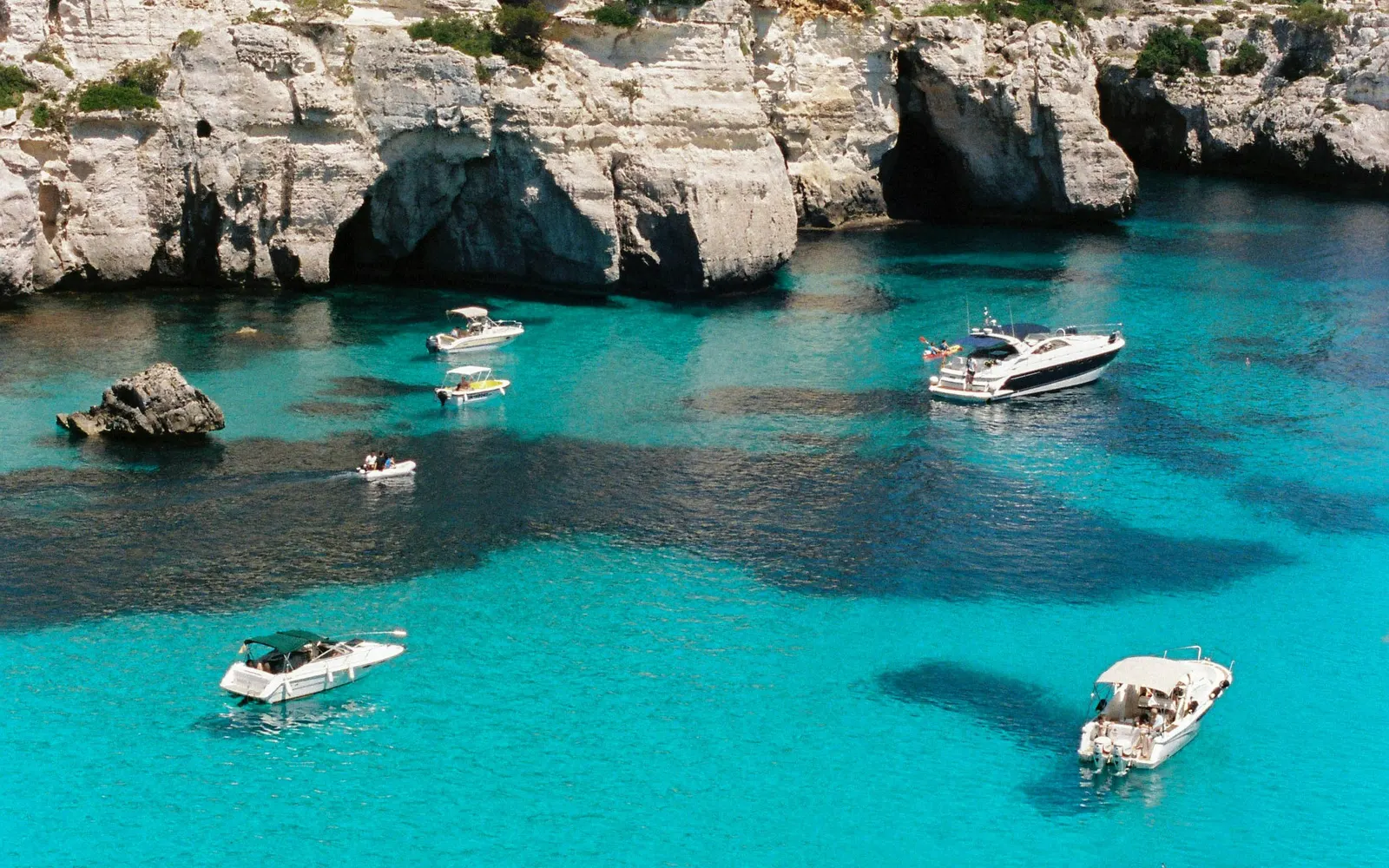
- Best for the coves and swimming: from mid-June to mid-September, when the water sits around 23-26 °C.
- Best for walking and the Camí de Cavalls: spring (April-May) and autumn (October), with mild temperatures for hiking.
- Liveliest (and busiest): July and August, with the patron-saint festivals as the great spectacle.
- Calmest and best value: from November to March, the 365-day Menorca.
- Worth knowing: many seasonal services (beach bars, part of the coastal hospitality, some connections) close out of season; check current opening times before you travel.
What is the best time overall?
If you force us to choose, we say June or September without hesitation. These are the months when the island gives its best and asks for nothing in return: the sea is already (or still) warm, the light is generous, the terraces are open and yet the coves can still breathe. This is the famous shoulder season, and in Menorca it is especially noticeable because the difference in visitor numbers between August and these months is enormous.
June carries the fresh air of a summer just beginning; September, the serene maturity of one taking its leave. In both you will find more reasonable prices than in high August and a feeling that defines this island: that of having room to spare.
What is the weather like month by month?
Menorca has a mild Mediterranean climate, but with a character worth knowing: the tramuntana, the north wind that combs the island, above all in winter and on some spring days. It is not an inconvenience; it is part of the place’s character.
- Spring (March-May): rising temperatures, from cool to warm. The countryside is green and in flower; the days lengthen. Ideal for walking.
- Summer (June-August): hot and dry, with highs that tend to sit around 28-31 °C in high August and warm nights. Reliable sun.
- Autumn (September-November): mild and luminous at first, more humid as it advances. September is practically summer; October, a golden gift.
- Winter (December-February): mild by European standards, rarely freezing, but with days of wind, rain and rough seas. It has its own austere beauty.
When is the sea warm enough to swim?
The water is the last thing to warm up and the last to cool down. Broadly speaking:
- By June the sea is already inviting, though it is fresh early in the month.
- July, August and September are the months of full swimming, with the water at its warmest (around 24-26 °C).
- In October some still swim in the first days, especially in the south.
A key local note: with the tramuntana, the north of the island (Fornells, Cala Tirant, Cavalleria) turns choppy, while the south (Cala Galdana, Macarella, Cala en Turqueta, Mitjana) stays sheltered and calm. When it blows from the south, it reverses. Reading the day’s wind and choosing your coast is the trick that sets apart those who know Menorca. We have turned it into a tool:
When should you avoid the crowds?
August is by far the busiest month: the most photographed southern coves, such as Macarella or Cala en Turqueta, fill their car parks by mid-morning. If you travel in high season, the golden rule is to rise early: arriving first thing or going late in the afternoon transforms the experience entirely.
To have the island more to yourself, June, September and the first half of October are the answer. And if you are after genuine solitude, winter will give you cliffs, lighthouses and villages with almost no one around.
And the prices? High and low season
Menorca follows the Mediterranean pattern: July and August are high season, with accommodation and flight prices at their peak and demand soaring. May, June, September and October offer notably better value without giving up the good weather. From November to March, prices drop and the choice on offer shrinks.
As a prudent guide: if your priority is budget and calm, aim for the mid or low season; if your priority is atmosphere and warm sea with everything open, accept the cost of summer. In every case, booking ahead for July and August is all but essential.
What to do out of season? The 365-day Menorca
Here, for us, lies the best-kept secret. The island does not shut down in winter: it changes register. It is the season of food without the queues —the Mahón-Menorca DOP cheese, the sobrassada, the wine from the island’s wineries, the Xoriguer gin and its pomada—, of strolls through Ciutadella and Maó with the streets to yourself, and of culture taken slowly: the legacy of Talayotic Menorca, declared a UNESCO World Heritage Site in 2023, is far better visited without the August sun beating down on the taules and navetes.
It is also the best time for the Camí de Cavalls (the GR-223, some 185 km that ring the entire island): long walking is a pleasure at 18 degrees and gruelling at 32. That said, check which restaurants, accommodation and coastal services stay open, because many are seasonal.
Want to coincide with the festivals?
The patron-saint festivals are the soul of the Menorcan summer, with their horses, the jaleo and centuries of tradition. The most celebrated is Sant Joan in Ciutadella (June), followed by a chain of festivals across the villages through July and August, up to the Mare de Déu de Gràcia in Maó, which closes the cycle in September. If you want to experience them, bear in mind that accommodation vanishes on those dates; plan well in advance.
Our recommendation, calmly
If you are coming for the coves and swimming with good atmosphere but no stress, go in June or the first half of September. If your thing is walking, photography and nature, choose May or October. If you are after the authentic island, low prices and silence, take a chance on winter and discover why those who live here say those are the loveliest months.
There is no perfect month for everyone; there is a perfect month for what you are coming to find. That, in the end, is Menorca’s true promise: that each season offers you a different island, and every one of them is worth it.