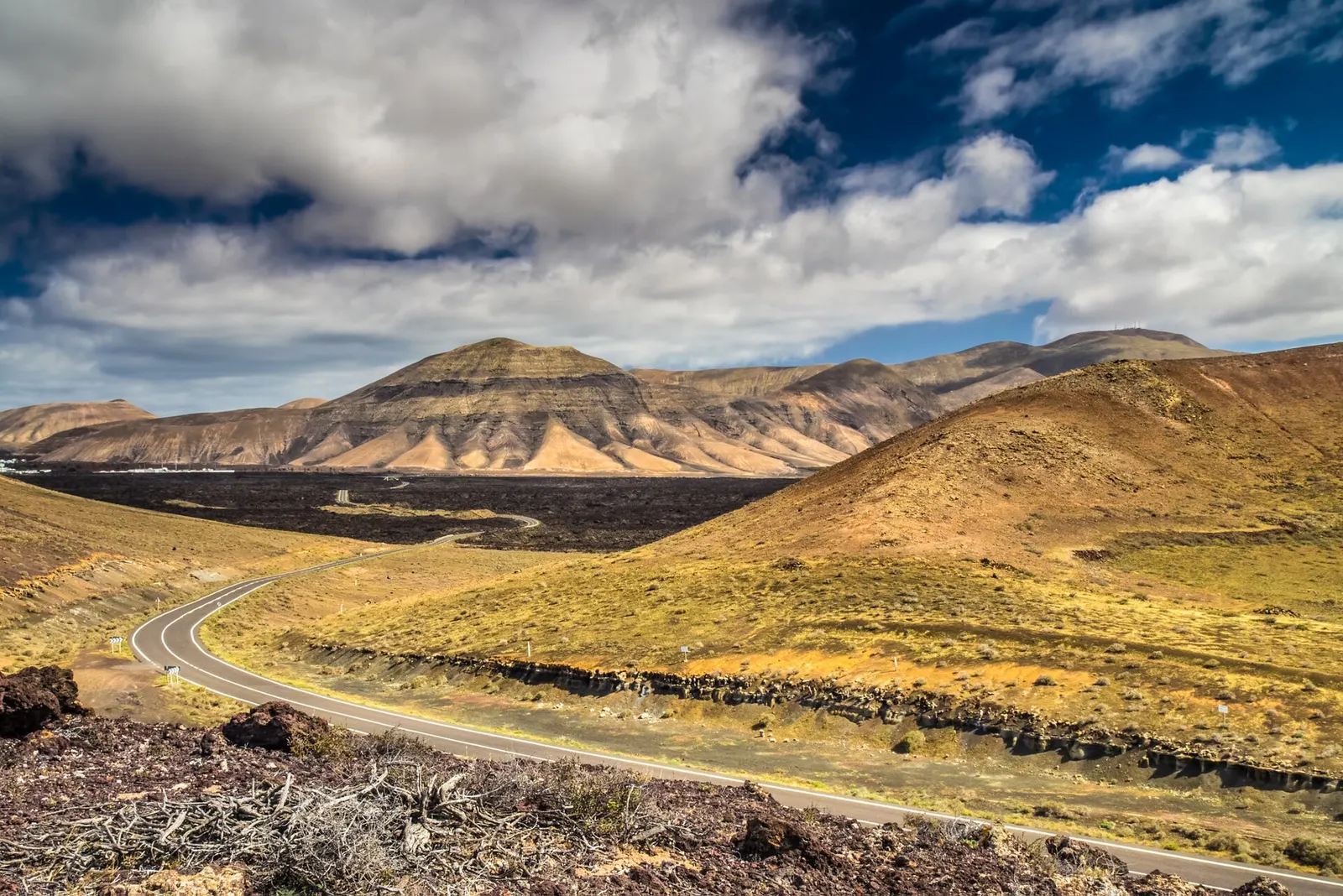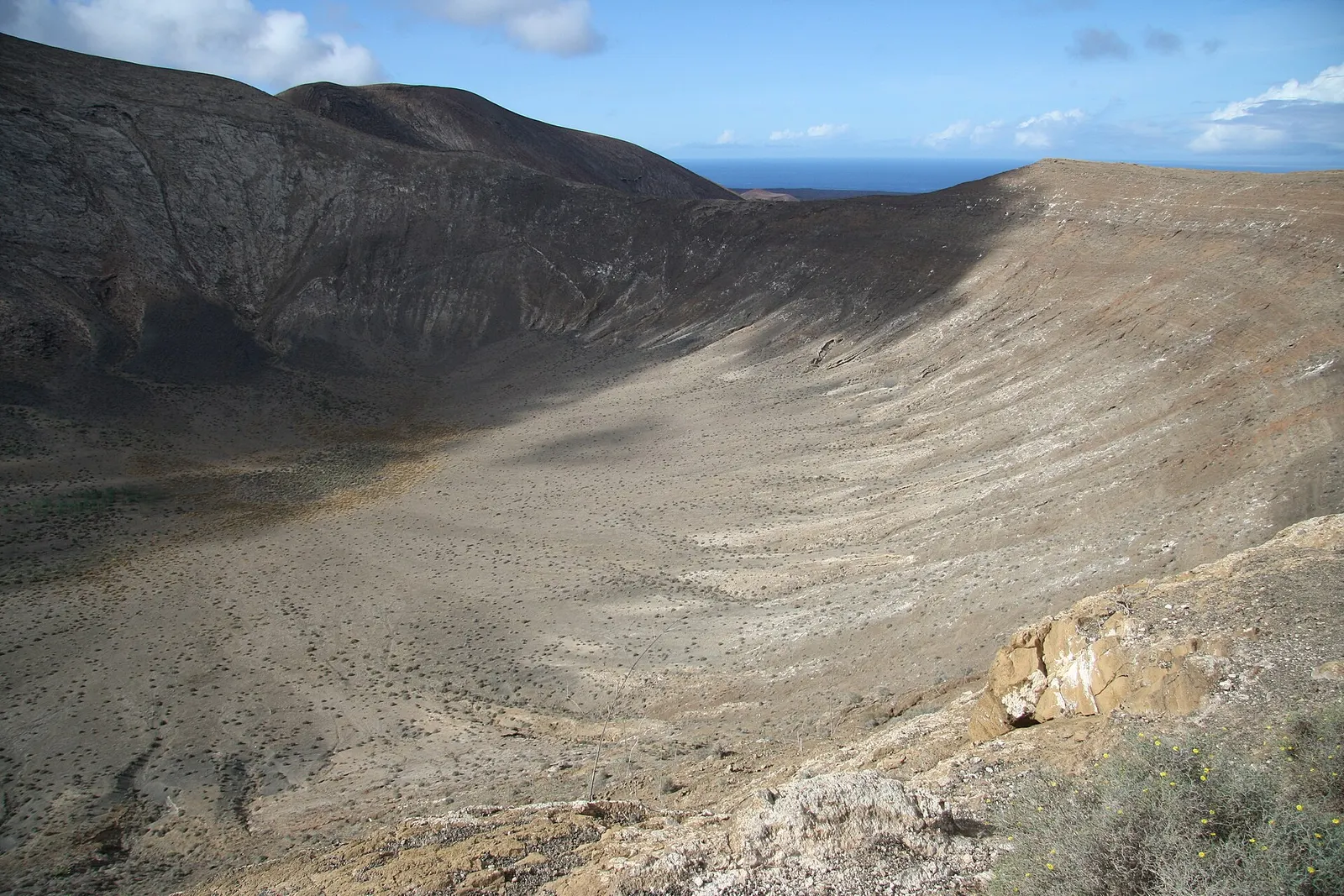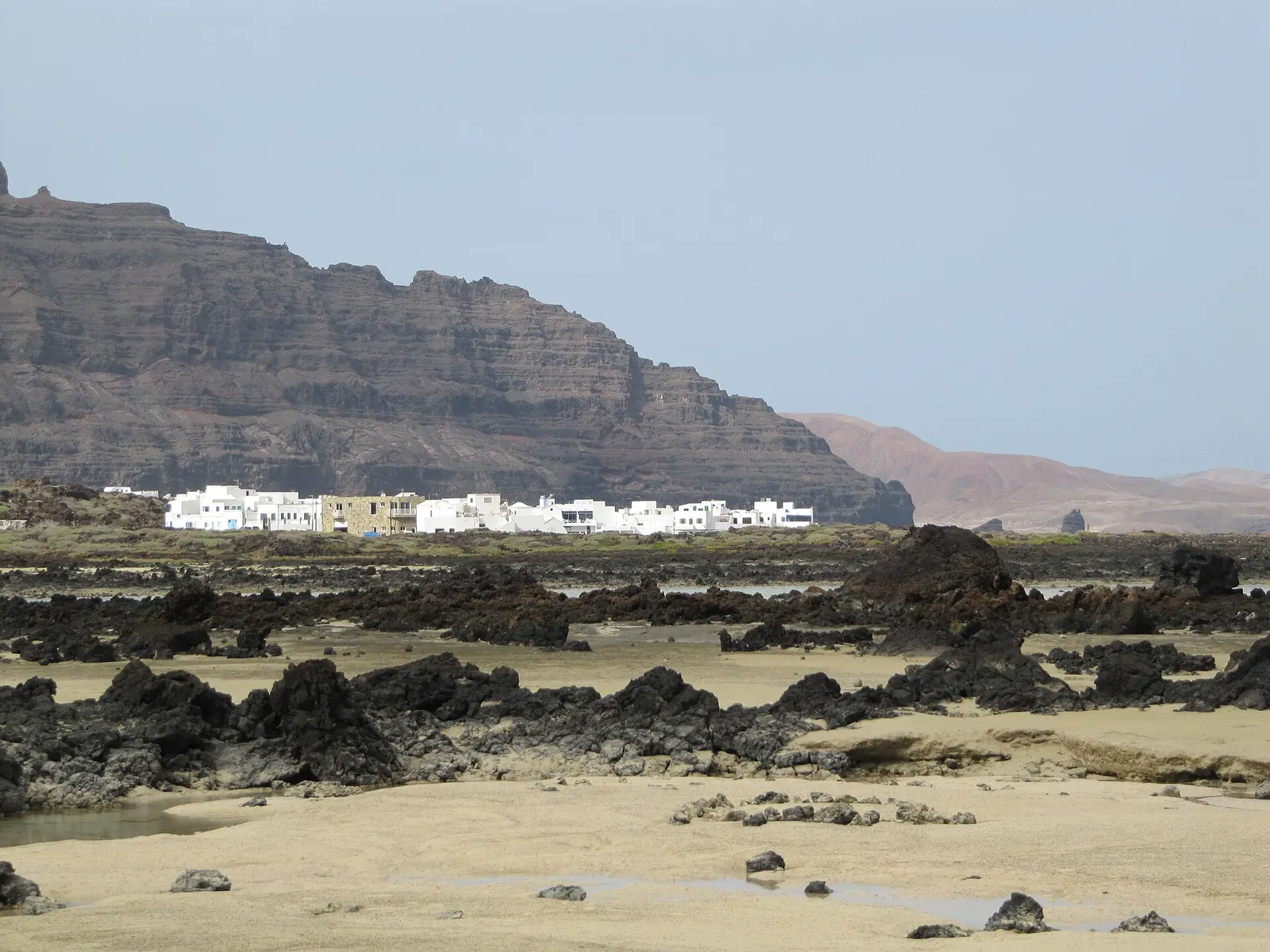
La Graciosa is in plain sight from the north of Lanzarote, across a strait of dark blue water. Getting there is simple; what matters is arriving with the island understood: there is no tarmac, cars do not cross, and the last boat marks the end of the day for anyone not staying the night.
The essentials
- The boat leaves from Órzola, the northernmost village on Lanzarote, and reaches Caleta de Sebo in about 25 minutes.
- It runs all year. As of October 2026 the route is operated by Líneas Romero and Biosfera Express.
- The car stays in Órzola. Private cars do not cross to La Graciosa.
- Fares and timetables are always on each operator’s official website: we do not publish them because they change.
The boat
The crossing is short, but it is open Atlantic: with a northerly wind, the boat moves. If you are prone to seasickness, sit low down and watch the horizon. Both operators sell return tickets, and in high season it is worth buying ahead, especially for the late-afternoon return that everyone wants.
A word on timing: the mid-morning boats are full of day-trippers. If you can, cross on the first boat of the morning, or late in the day and stay the night. The island changes completely once the day visitors leave; we describe it in La Graciosa: the island where the streets are sand.
Reaching Órzola and where to leave the car
Órzola sits at the northern tip of Lanzarote, in the municipality of Haría. From the airport or the south coast it is a fair drive, so allow for it when choosing your boat. The car is left in Órzola, near the harbour; on busy days the parking fills early, another reason to set off in good time. For arriving on the island, see from Lanzarote airport to your hotel; for getting around it by car or bus, getting around Lanzarote.
What to bring
- Water and something to eat if you plan to explore the island: outside Caleta de Sebo there are no shops.
- Sun protection and a hat. There is almost no shade on La Graciosa.
- Footwear for sand and track, even if the village is walked barefoot.
- A bag for your rubbish. What comes onto the island leaves with you.
And what does not come back with you: no stones, no shells, no sand. The island lies inside a natural park and a marine reserve.
Getting around La Graciosa
There are no tarmac roads on the island, only dirt and sand tracks. There are three ways to move:
- On foot. Caleta de Sebo takes minutes to cross, and Playa Francesa is about three kilometres away.
- By bicycle. There is hire by the harbour. Electric bikes sell out in season: book them.
- By four-wheel-drive taxi. Caleta de Sebo’s taxis go to the beaches and run island tours. There are few of them; book ahead and ask the fare first.
Sleeping and camping
If you stay, there is accommodation in Caleta de Sebo; always check that it is listed on the Canary Islands tourism register. Camping is only permitted in the designated area at Bahía del Salado, with prior authorisation; outside it, there is no camping.
On the water, the reserve’s rules
La Graciosa is part of the La Graciosa and Northern Lanzarote Islets Marine Reserve: no shellfish gathering, no spearfishing, and diving only in marked zones with authorisation. To explore the area with a skipper, continue with Lanzarote from the water.
Our view
Cross early, leave the car without regret and do not arrive with a full agenda. La Graciosa is taken slowly or not at all.
Access information as of October 2026. Operators, timetables and conditions change: confirm them on their official websites before you go. This guide names the operators for orientation, recommends none in particular and is not paid for their inclusion.