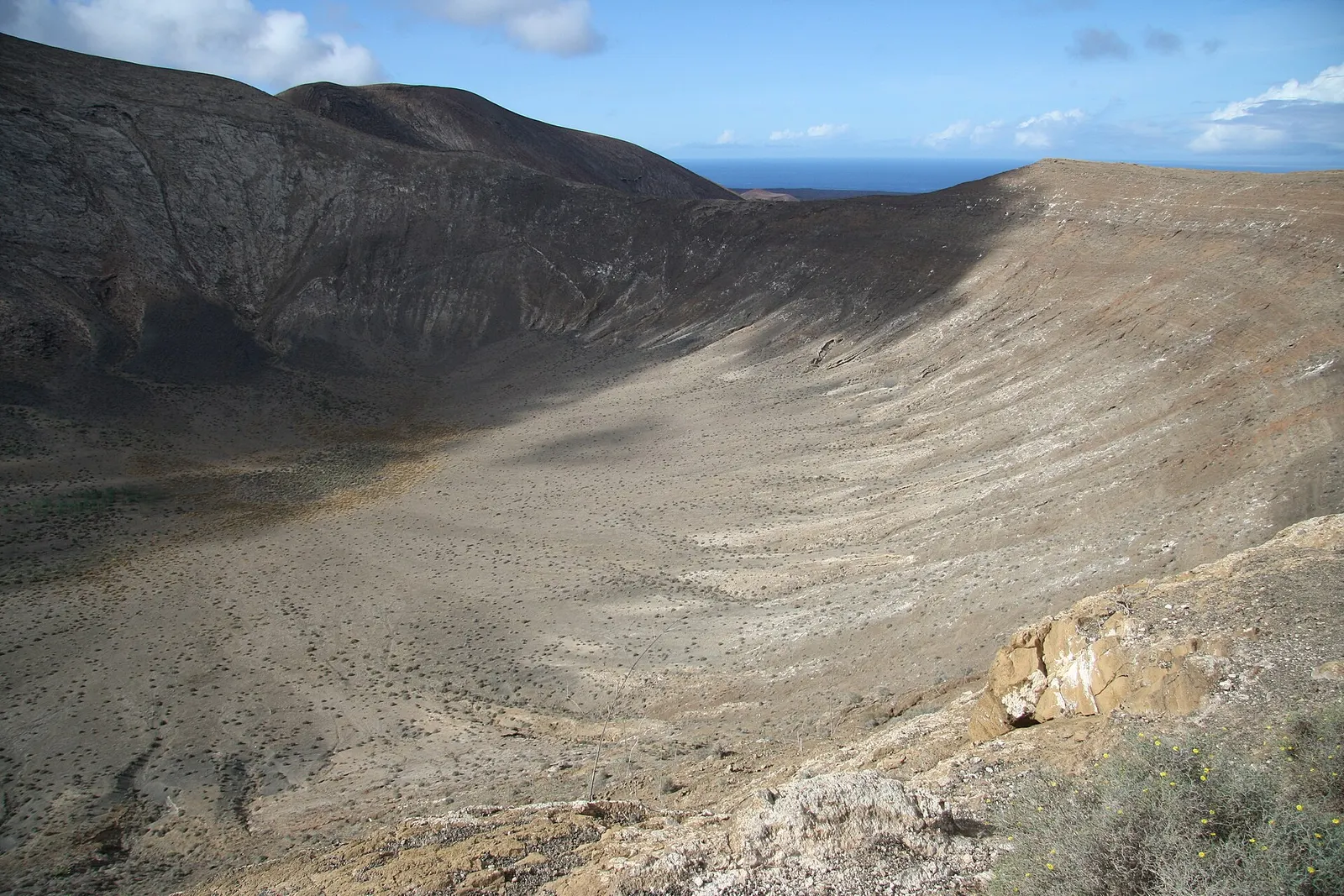
Caldera Blanca: the volcano you can actually walk
Outside Timanfaya National Park, in Los Volcanes Natural Park, a waymarked trail crosses the lava to the rim of one of the island's largest craters. No booking needed — just good sense.
The Atlantic, unhurried
Calma Society · Lanzarote
Timanfaya, the Haría valley, the Famara cliffs and La Graciosa, where the streets are made of sand.
Outside Timanfaya National Park, in Los Volcanes Natural Park, a waymarked trail crosses the lava to the rim of one of the island's largest craters. No booking needed — just good sense.
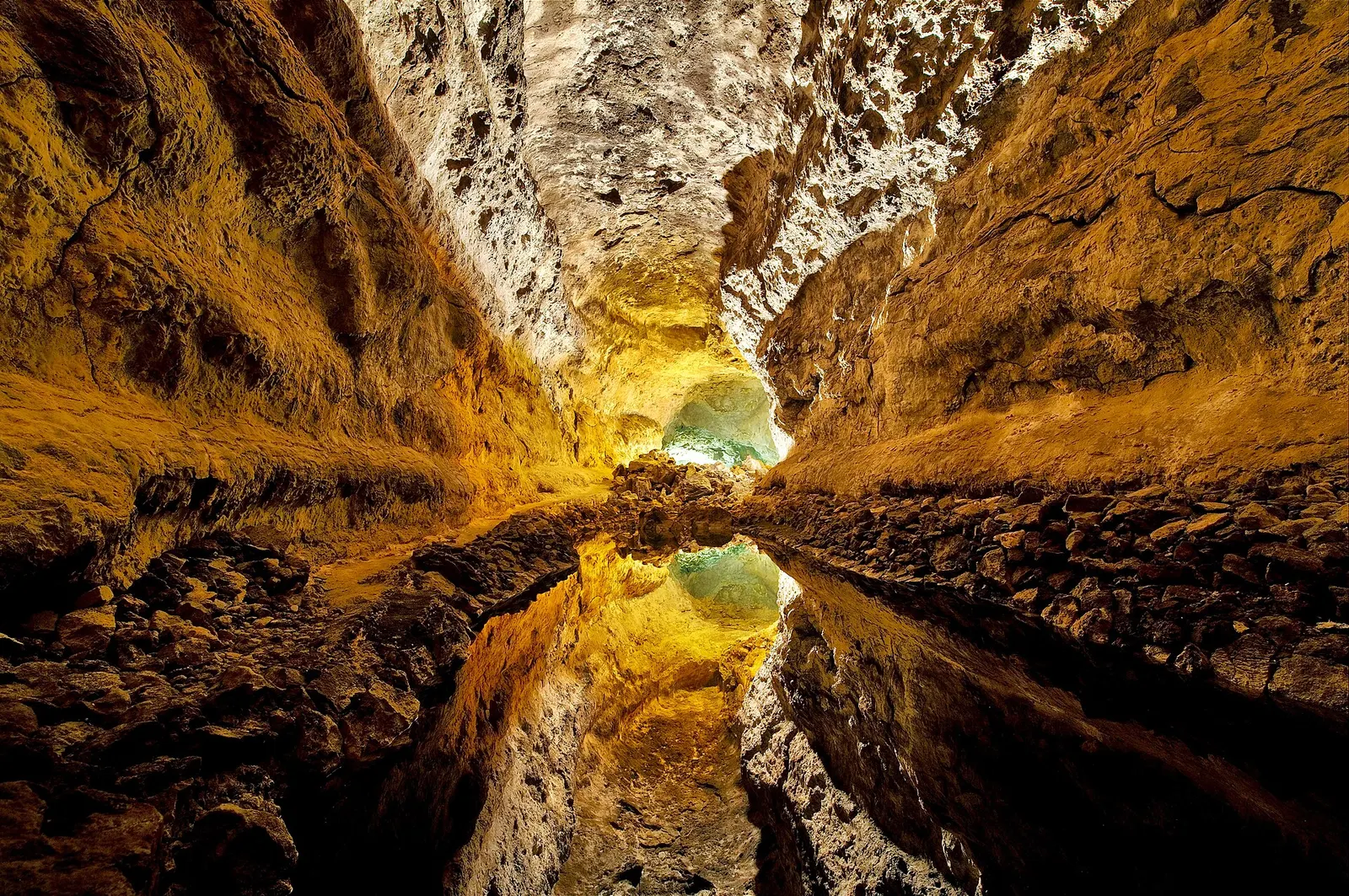
The same lava tube as Jameos del Agua, seen from within and staged by Jesús Soto. Why it is booked by time slot, and how to pair it with Jameos without rushing.
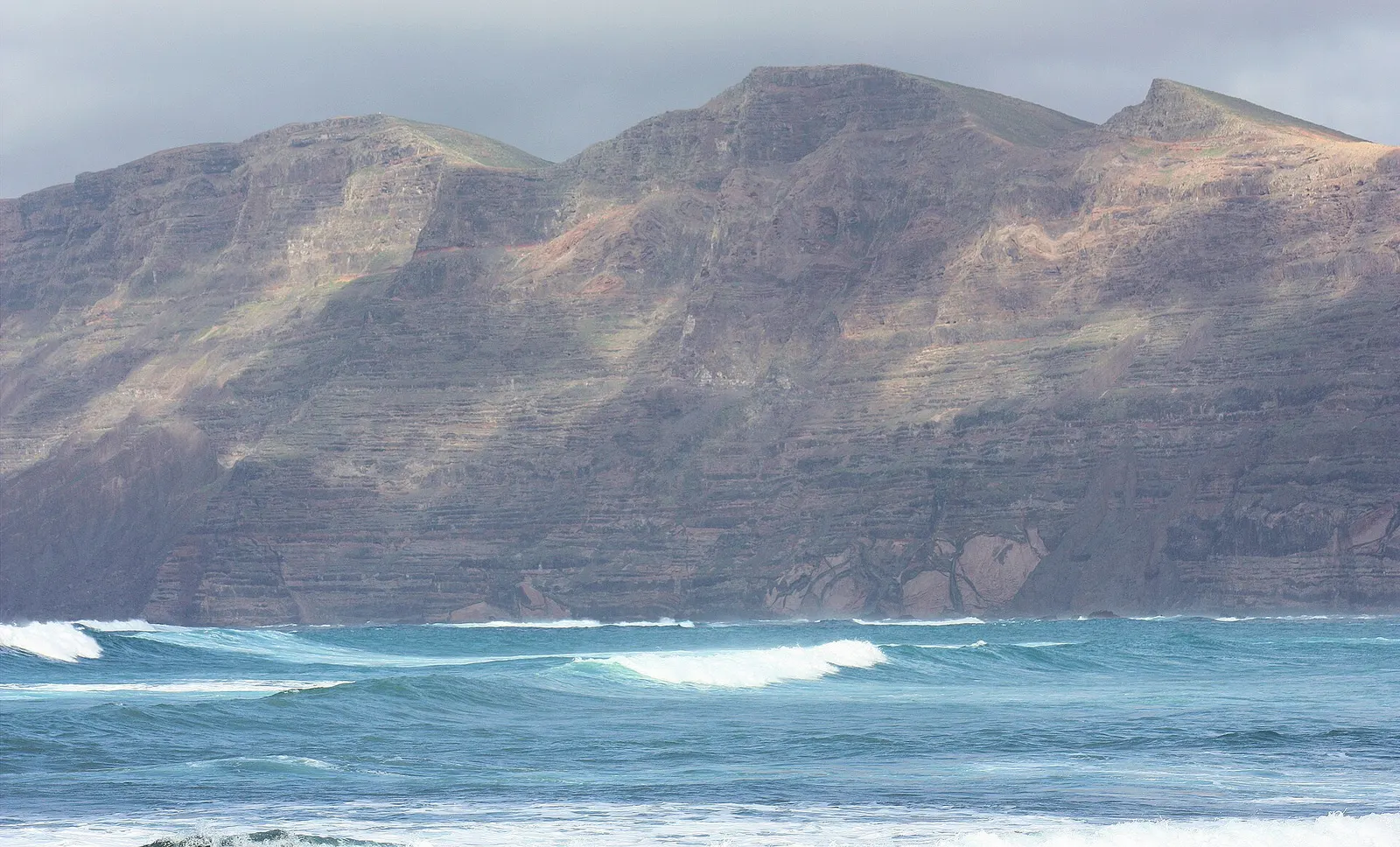
Northern Lanzarote's great beach, beneath the Famara cliffs, with a fishing village of sand streets and surfing as a way of life. A place to walk, to look and to understand the wind — and a clear warning about swimming.
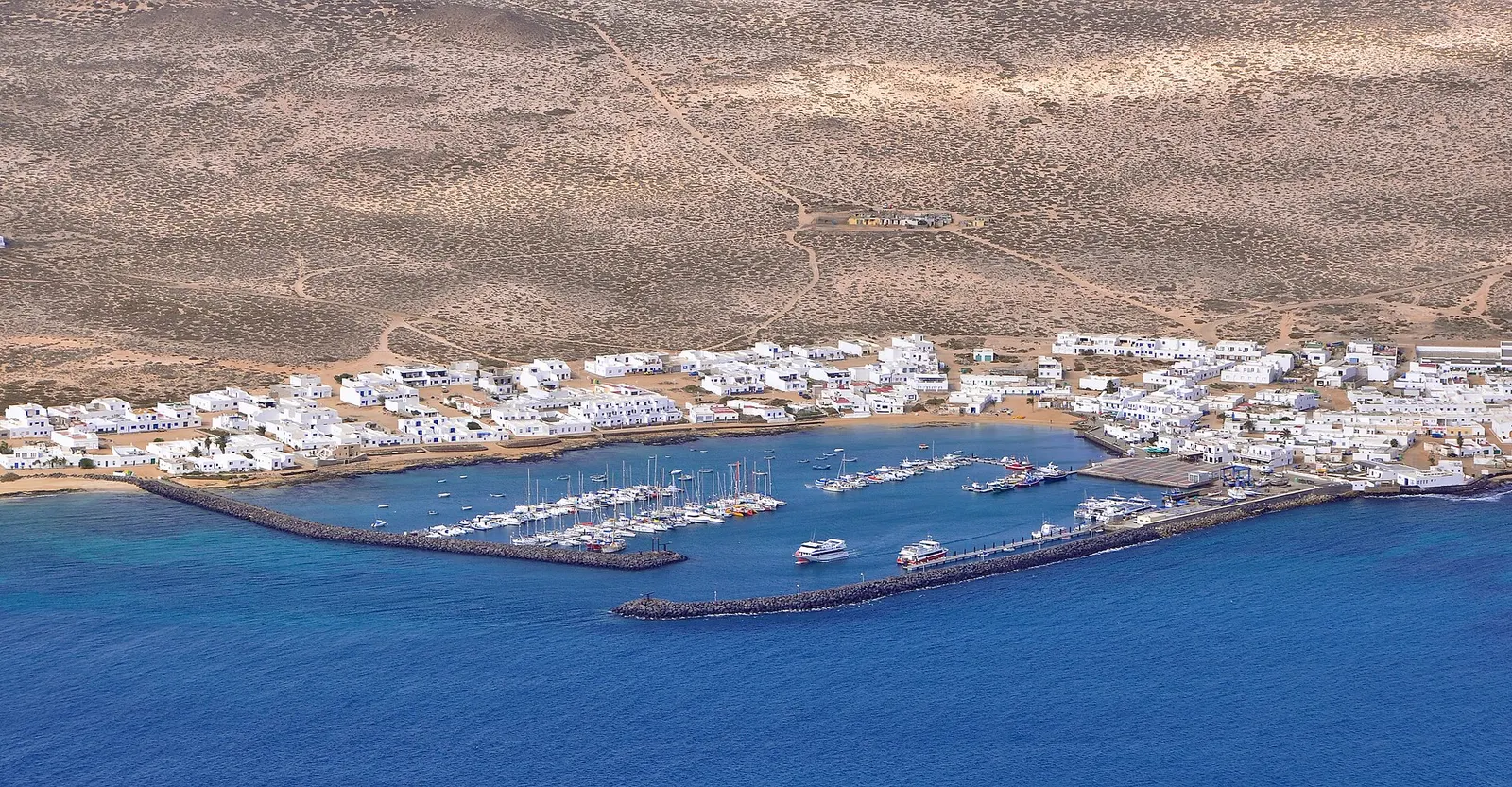
No tarmac on its streets and no private cars, a short boat crossing from Órzola. The luxury of La Graciosa is the simplest kind: time, sand underfoot and a fishing village that falls quiet when the last boat leaves.
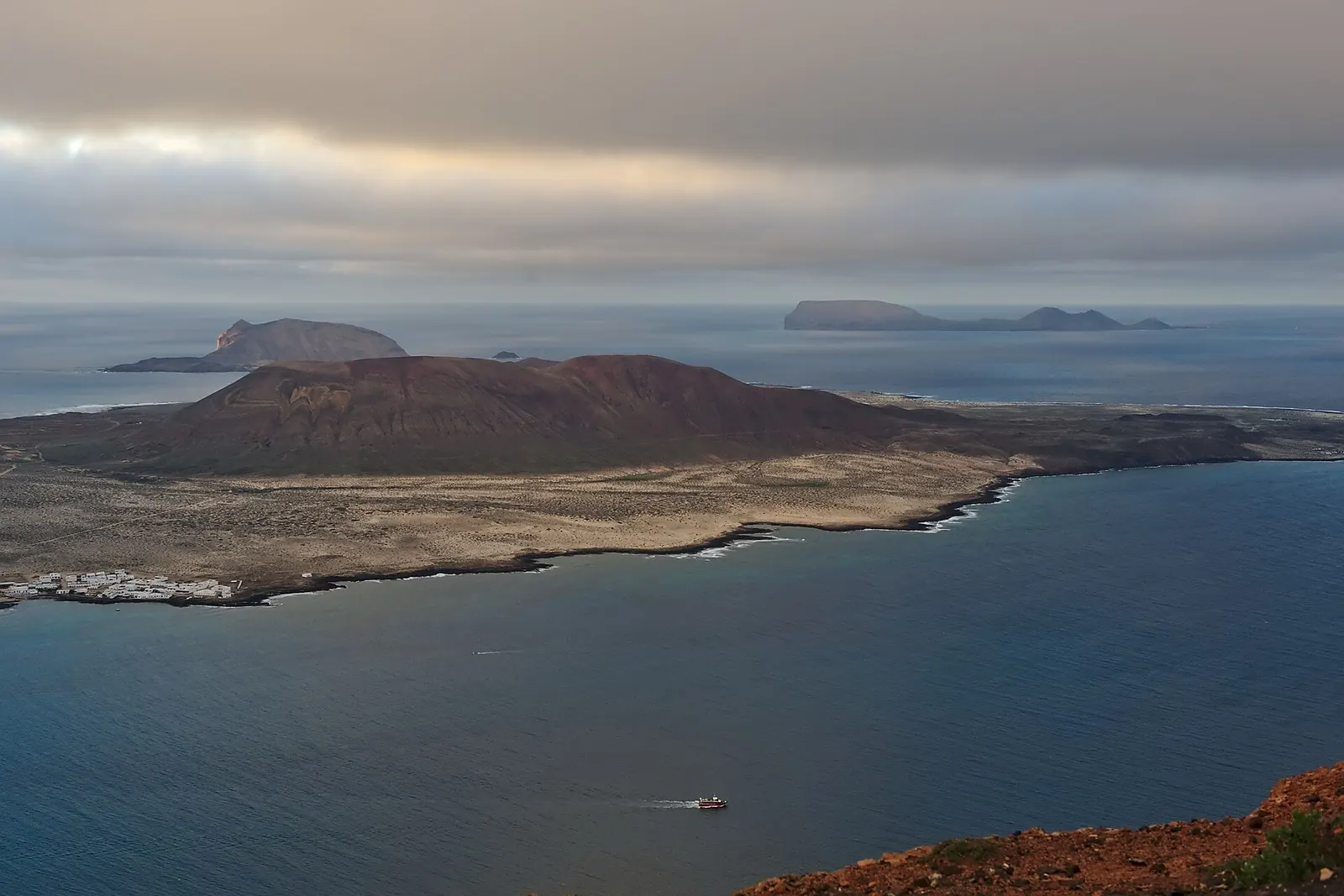
The marine reserve off northern Lanzarote makes sense from a boat: the Famara cliffs on one side, La Graciosa ahead and Montaña Clara and Alegranza on the horizon. How to sail it with a skipper, respectfully, and why fishing here is regulated.
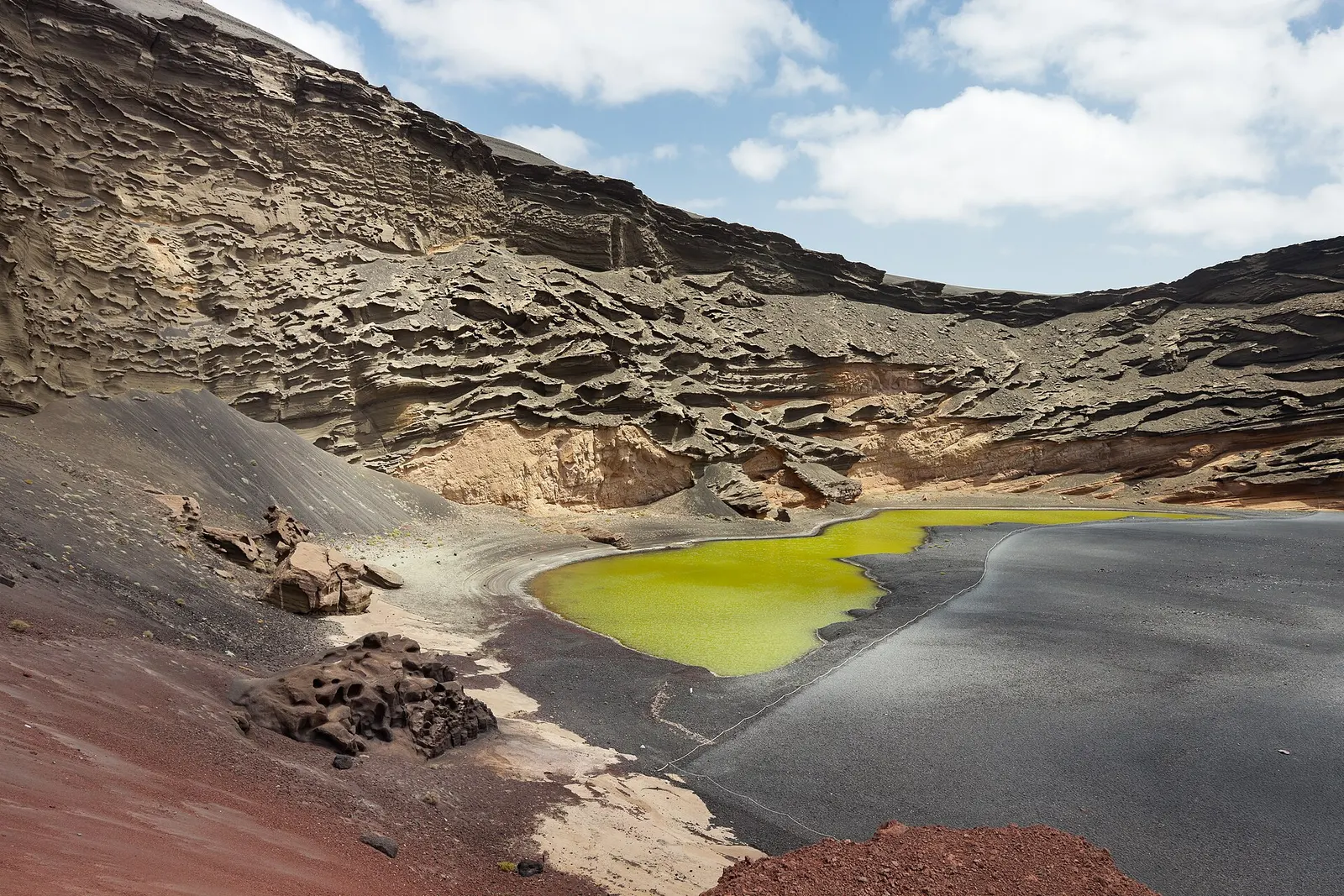
One short road strings together salt pans, lava cliffs and a green lagoon at the foot of a crater. How to take it slowly at the end of the day — and the rule worth knowing: Charco de los Clicos is for looking at, not walking on.
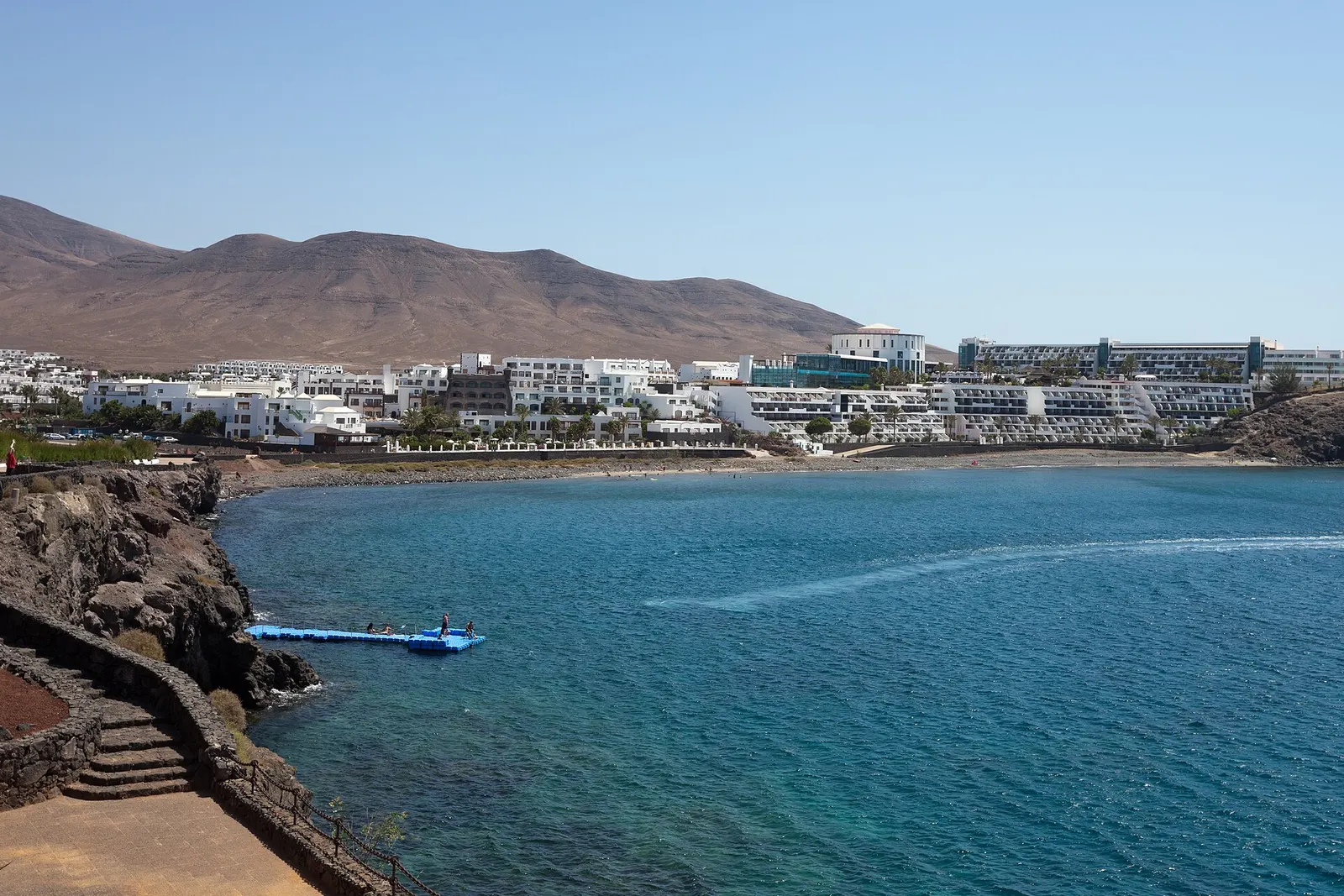
Lanzarote has no high-rises, and its luxury is horizontal: suites facing the Atlantic in the south, small houses inland. Four places with their own character, how to choose an area and what to check before you book.
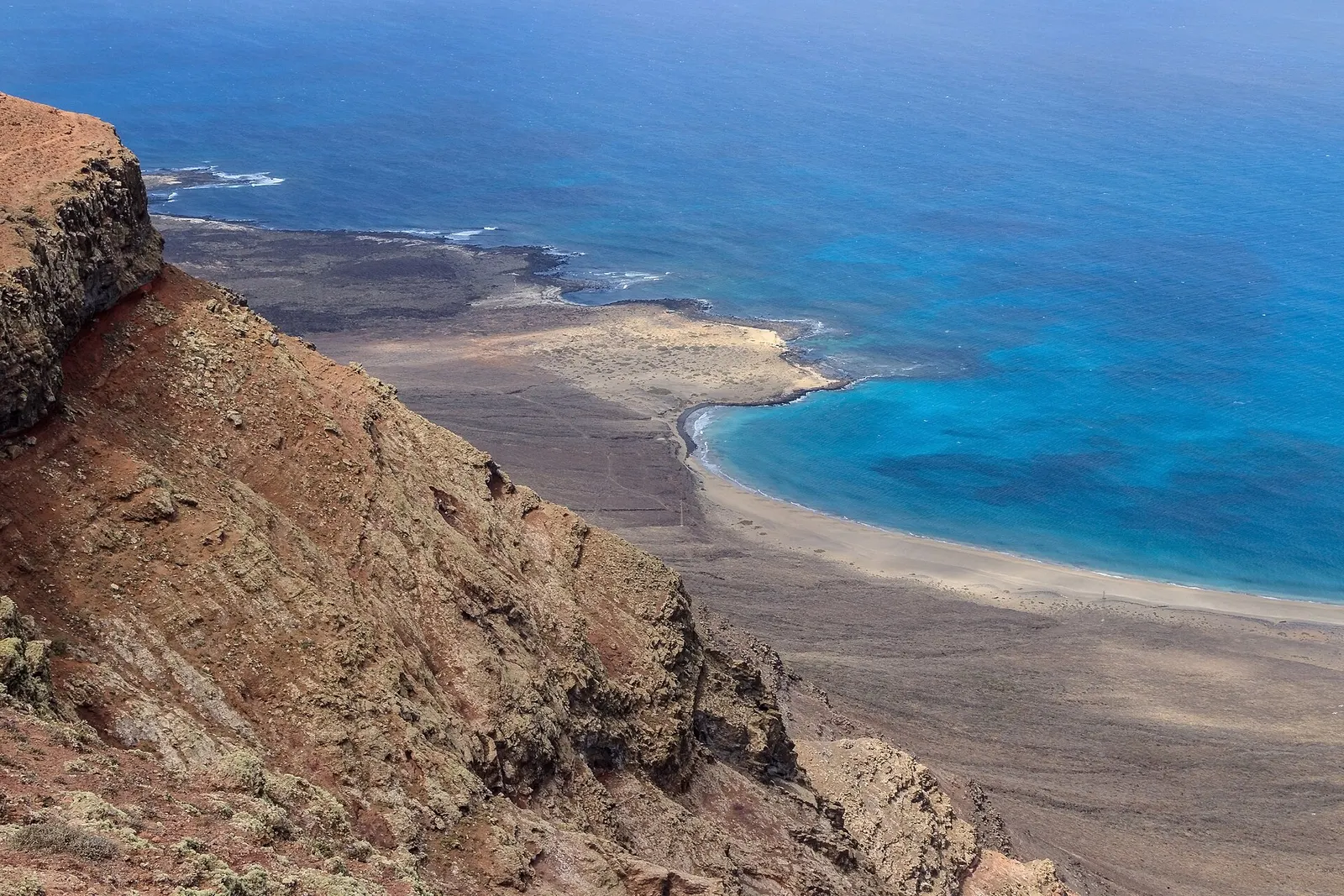
The Lanzarote of palms and silence, where Manrique spent his final years. A slow day from the Haría valley to the viewpoint hidden in the Risco de Famara.
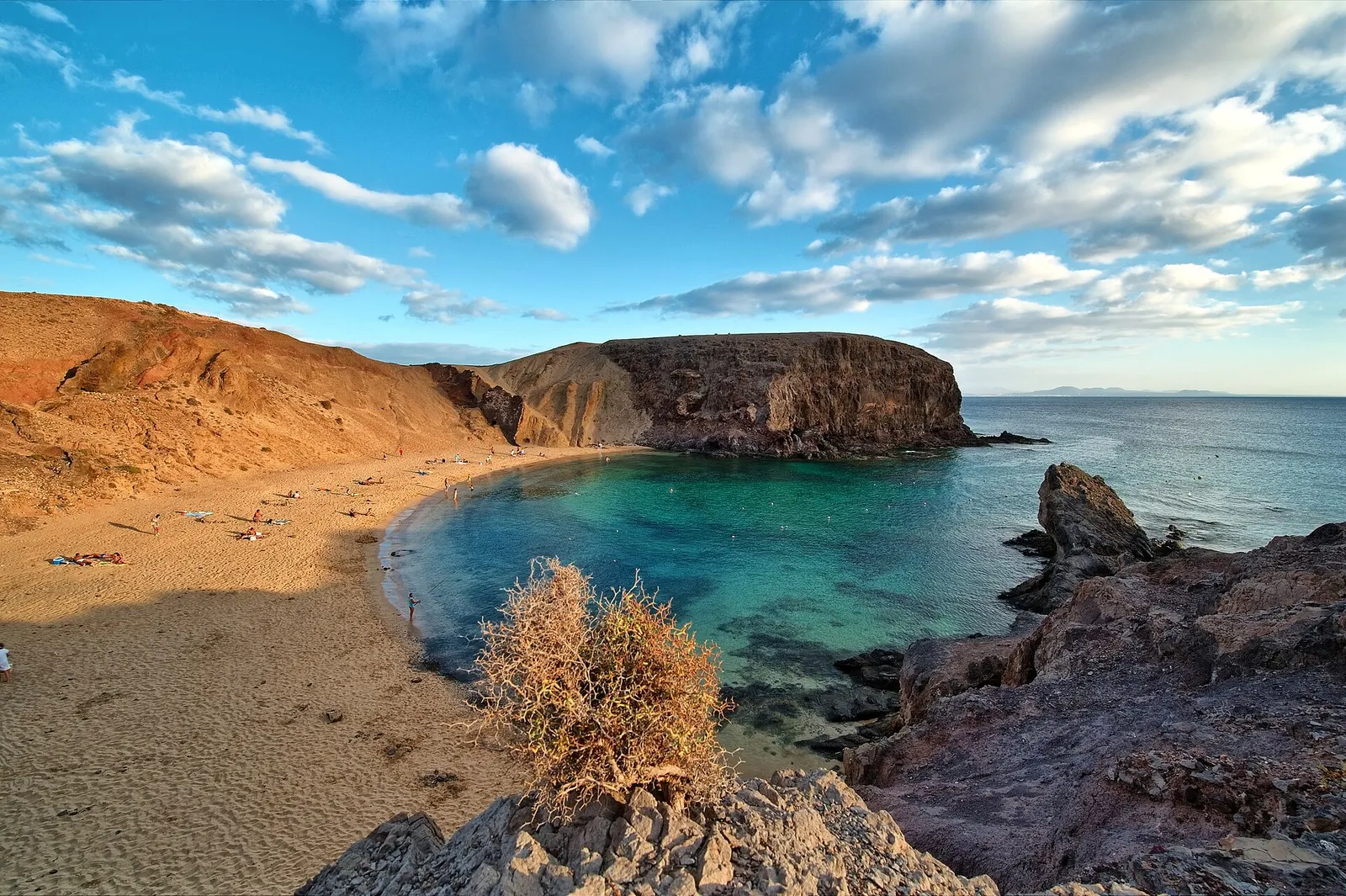
The coves of Los Ajaches are reached along a dirt track and have no facilities. What makes them worth it is the hour: first thing in the morning, outside July and August.
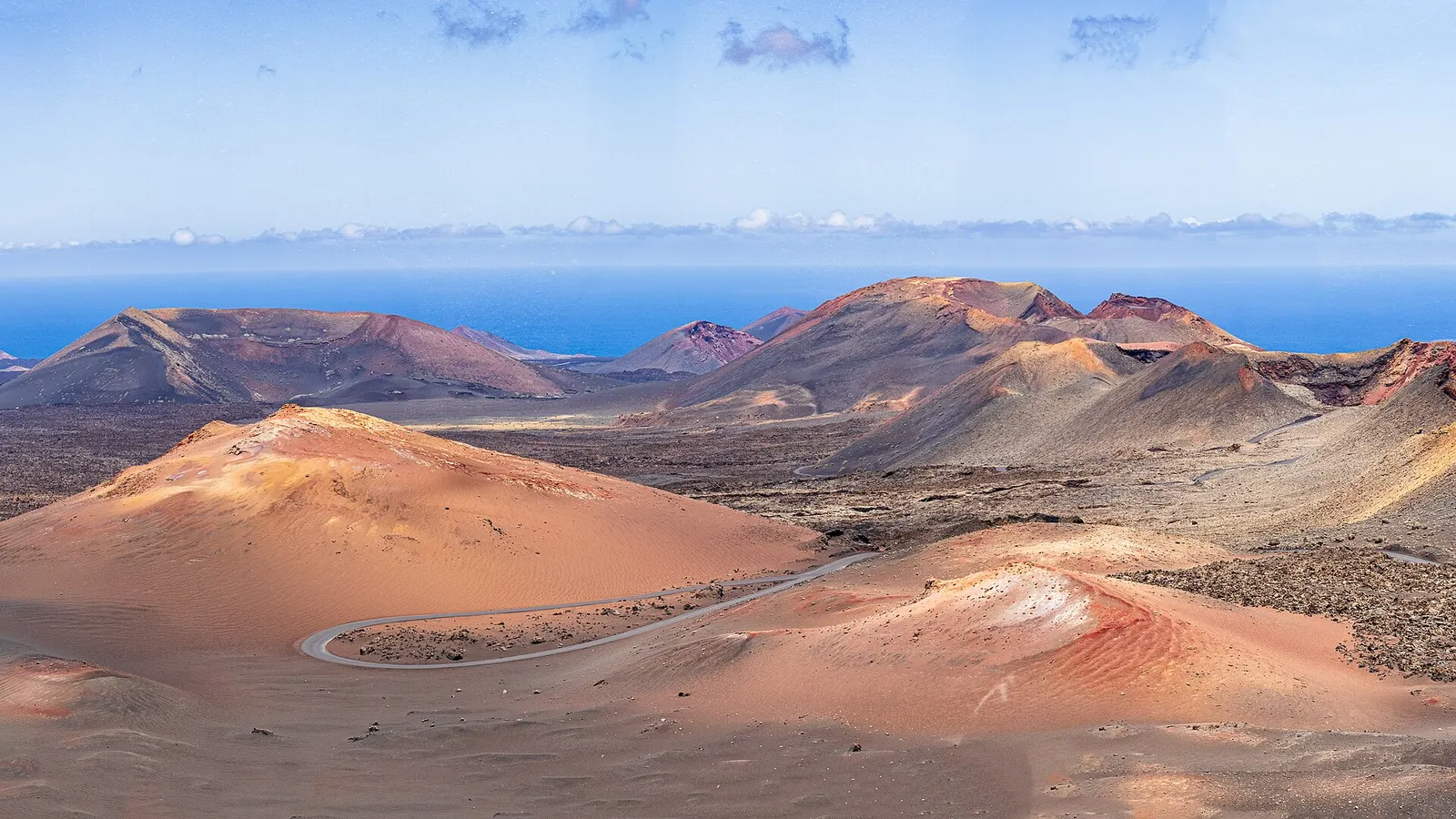
The landscape left by the eruptions of 1730–1736 is not yours to wander: you see it on the Ruta de los Volcanes or on a guided walk. How to book, and how to take it slowly.
The welcome guide
Leave us your email and we'll send you the guide: the six beaches everyone wants to see, with how to get there and the hour at which they stop being full. After that, the occasional calm letter — only when it's genuinely worth it.
No spam. Unsubscribe anytime.