In 2007 UNESCO added Teide National Park to the World Heritage List. It did so as a natural site, and not for the postcard. What it protects is an open-air lesson in geology: how a volcanic island is born and grows in the middle of the ocean.
The essentials
- World Heritage since 2007, as a natural site (UNESCO criteria vii and viii).
- Best time: early morning or late afternoon; at midday the car parks and viewpoints fill up.
- Rules: stay on signposted trails, take no volcanic stones or pumice, no drones without authorisation.
- The summit needs a specific permit, separate from the cable-car ticket.
- A quieter way in: Vilaflor and the PR-TF 72 trail to the Paisaje Lunar.
What was inscribed
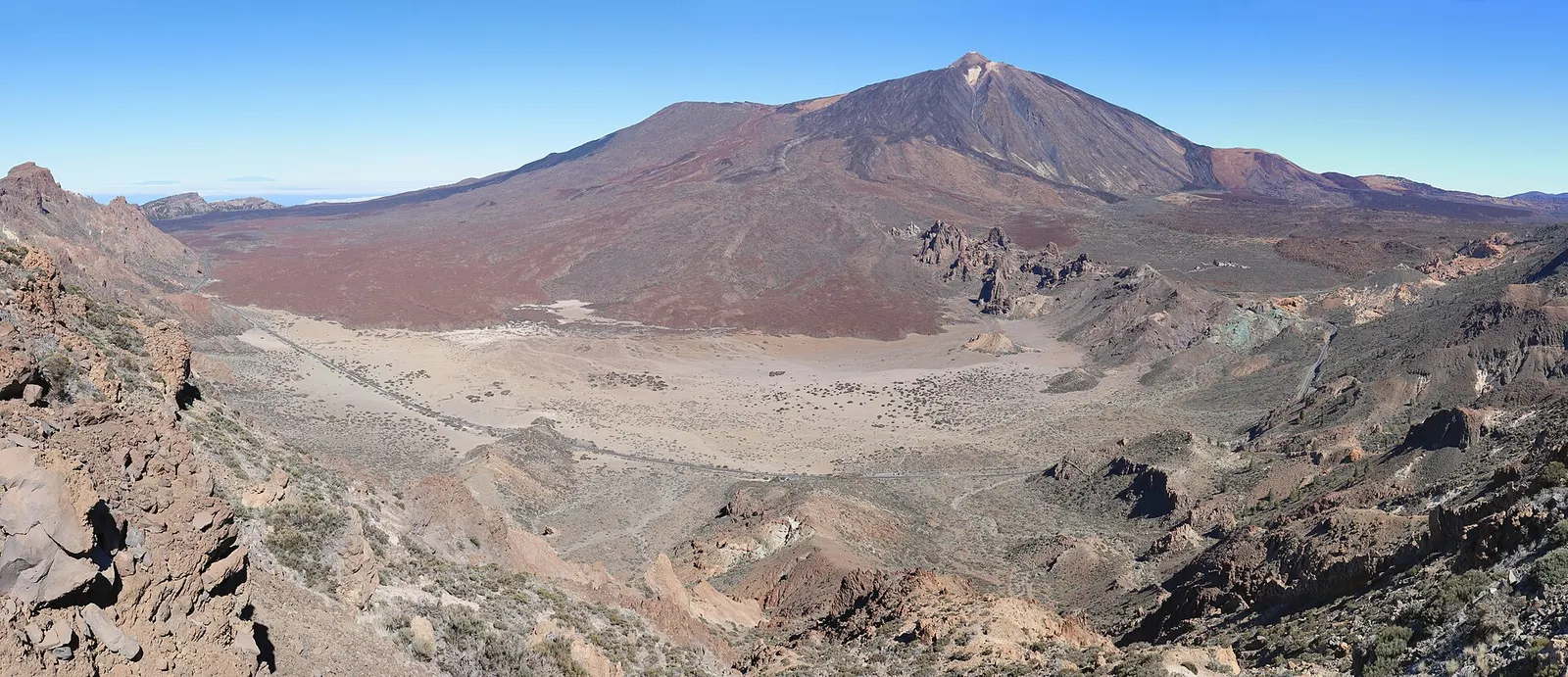
Teide and its neighbour, Pico Viejo, form a stratovolcano that UNESCO describes as one of the largest volcanic structures in the world when measured from the ocean floor. Around it opens Las Cañadas, a vast caldera floored with lava flows, cones and pumice whose colours change with the light.
The inscription was approved under two criteria of the Convention. Criterion (vii), for the exceptional natural beauty of a landscape that seems to belong to another planet and which, from the summit, looks out over the sea of clouds. And criterion (viii), for its value in understanding geological processes: here the evolution of oceanic islands can be read almost like a book.
Why it needs protecting
Teide is the most visited national park in Spain: published figures put it at more than four million visits in 2023. The International Union for Conservation of Nature identifies precisely that pressure on the geological features as one of the park’s management challenges.
That is why the rules are not a formality. Walk only on signposted trails, because pumice ground holds the mark of a misplaced footstep for years. Nobody takes volcanic stones or pumice, not even a small one. No drones without authorisation, no camping outside designated areas and no driving off the road. The summit has its own regime too: climbing to the peak requires a specific permit, separate from the cable car ticket.
The hour when you almost have it to yourself
Teide has two parks. The midday one, with full car parks, coaches at the viewpoints and a queue for the cable car. And the early one, when the light slants across Las Cañadas, the air is still and the silence weighs more than the view.
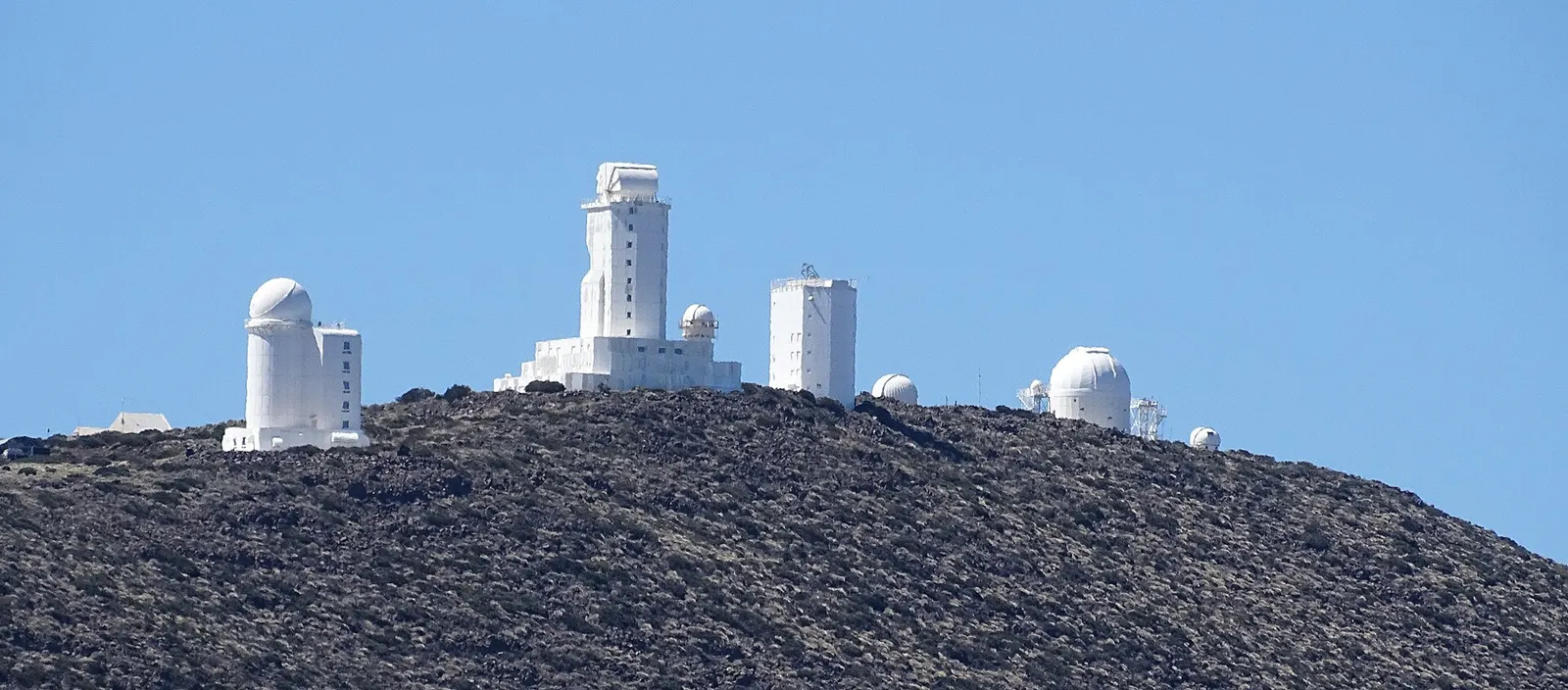
The difference is made by the clock, not the budget. Arriving early, with the day just beginning, changes the experience entirely. Something similar happens late in the afternoon: the groups head down to the coast and the caldera falls quiet again. And when night comes, the park opens another door: the skies of Tenerife, protected for astronomy.
Always bring warm clothing. Las Cañadas lie above 2,000 metres and the temperature is nothing like the coast’s, especially at dawn and in winter.
The pine forest, the other way in
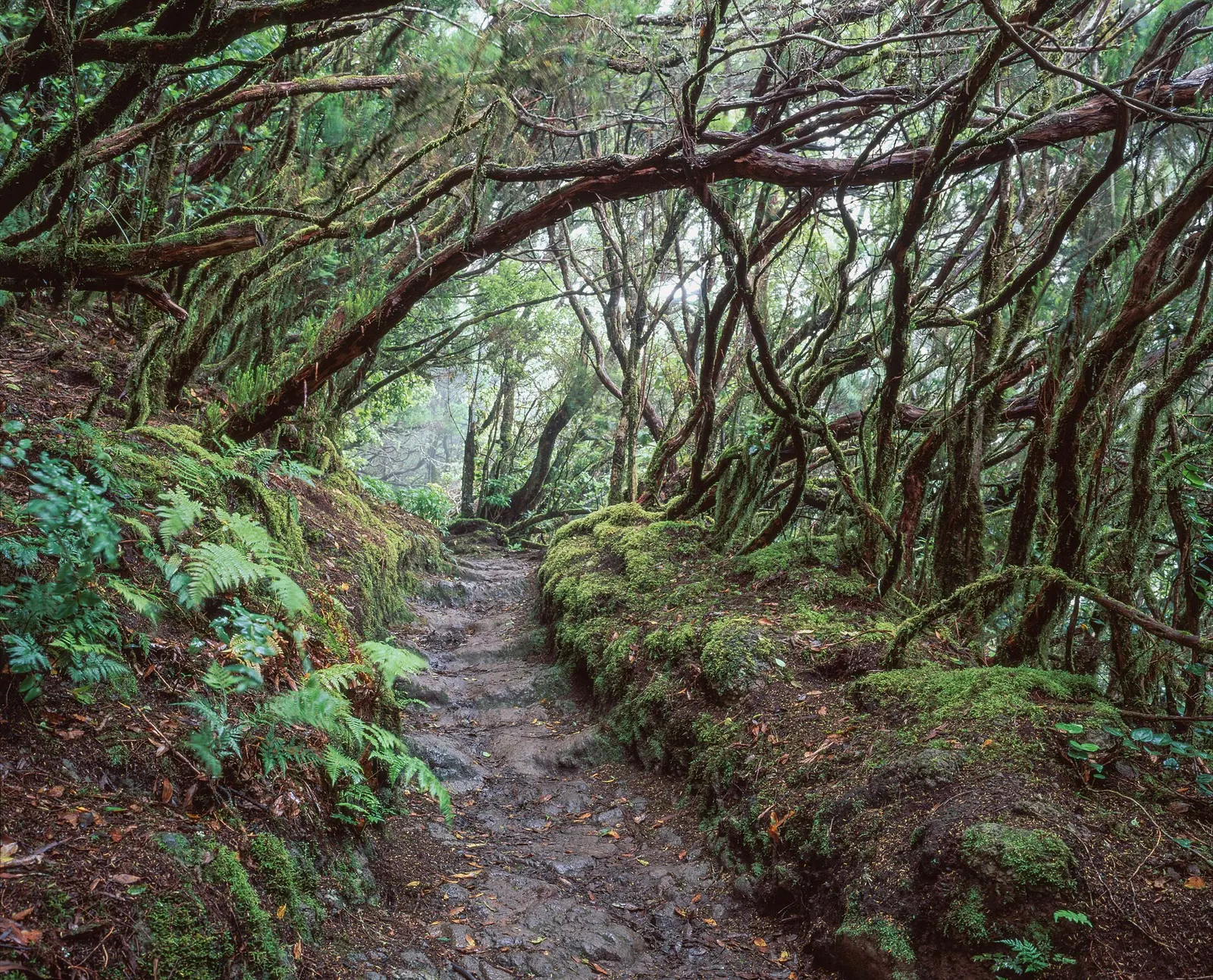
If you would rather reach the park unhurriedly, come from the south via Vilaflor, at around 1,400 metres and within the Corona Forestal Natural Park. It is said to be the highest village in the Canary Islands, surrounded by Canary pine, the tree that withstands fire and sprouts again.
From there the PR-TF 72 trail leads to the Paisaje Lunar, a cluster of eroded pumice formations in the middle of the pine forest. It is a quiet alternative to the busiest parts of Teide: pines, resin in the sun and very few people. As in the national park, keep to the signposted trail and do not touch or climb the formations.
Our view
Teide is not measured in metres of altitude but in hours. At midday it is a car park with a view; early in the morning or as the afternoon fades, it holds a silence that is hard to find anywhere. Go early, walk where it is signposted, take nothing away and let the caldera do its work. Understanding why it is protected is the best way to see it.
Information as of October 2026, checked against UNESCO’s listing for Teide National Park, the IUCN assessment and the Canary Islands press. Park rules and regulated access may change: check them on the official channels of the National Park and the Cabildo before you go.