There is a luxury in Tenerife that no hotel can book for you: the silence of the night above 2,000 metres, with the sea of clouds below and a sky so clear that the Milky Way is visible to the naked eye. It is the sky over Teide, and it is protected.
The essentials
- Starlight Tourist Destination since 2014; the Sky Law (Law 31/1988) protects the astronomical quality of the observatories.
- Teide Observatory: guided tours only, booked in advance; check the IAC’s official channels.
- When: any season, on nights close to the new moon.
- What to bring: a winter coat and a hat; above 2,000 metres the night is cold even in summer.
- What not to do: park on the verge, or camp outside designated areas without authorisation.
A sky protected by law
In 2014 the Starlight Foundation certified Teide’s sky as a Starlight Tourist Destination, and the national park became the first World Heritage Site to receive the distinction. It is not a marketing label: it certifies that the sky is of exceptional quality and that the area knows how to look after it and show it.
Behind it lies something older. Since 1988 the so-called Sky Law (Law 31/1988 on protecting the astronomical quality of the Instituto de Astrofísica de Canarias observatories) has shielded the sky the observatories look at from light and radio pollution. It was a public decision in favour of the night, taken long before astrotourism existed.
The observatory
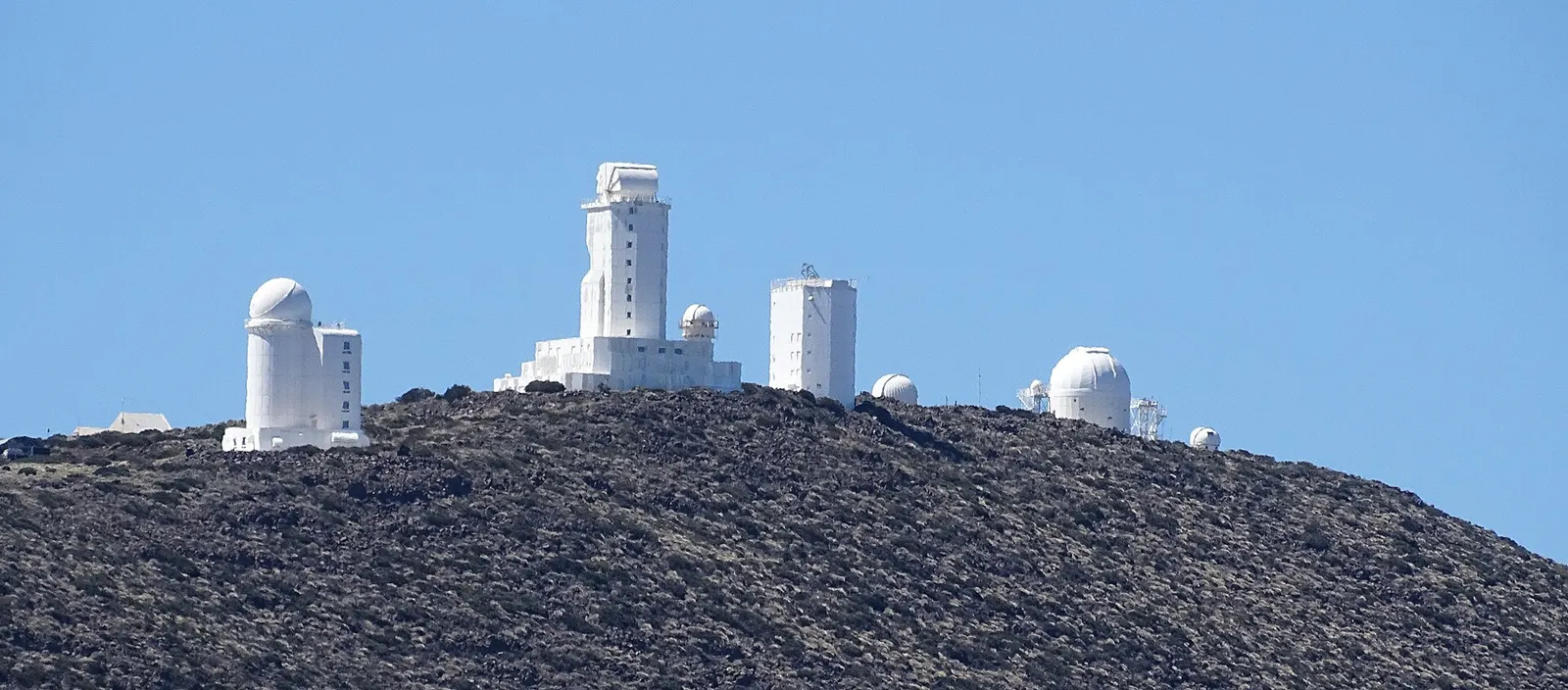
At Izaña, on the edge of the park, the Teide Observatory of the Instituto de Astrofísica de Canarias brings together telescopes from institutions in several countries, many of them devoted to the Sun. It can only be visited on a guided tour booked in advance, usually by day, and access is by mountain road: in winter the weather can force cancellations at short notice. Check dates and conditions on the IAC’s official channels before planning the day.
How to look properly
The moon decides. Nights close to the new moon are the darkest; under a full moon the landscape lights up and the Milky Way disappears. Check the lunar calendar before choosing a date.
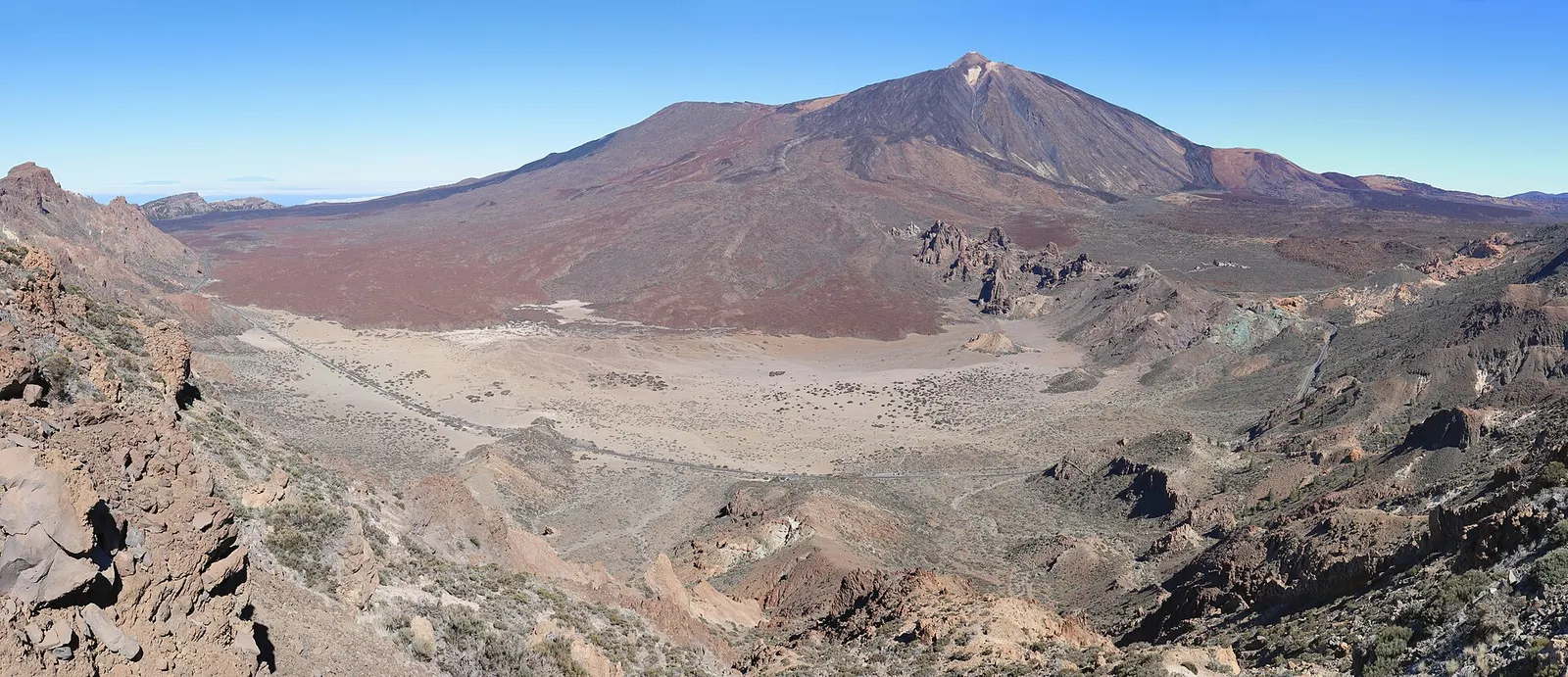
The cold is real. Las Cañadas lie above 2,000 metres and at night the temperature drops sharply, even in summer. Winter coat, hat and something hot to drink. Anyone who comes up from the coast in short sleeves leaves after twenty minutes.
You see more with a guide. Several companies run astronomy outings with a telescope and a guide who explains the sky, observing in the park area above 2,300 metres. Choose one whose activity is authorised and which promises nothing beyond what is permitted.
What is not done. No parking on the verge or outside designated car parks, no wandering off the trails with a torch in the middle of the night and no camping in the park to wait for sunrise: camping is only allowed in designated areas and with authorisation. Car lights off as soon as you park; everyone else has come to look too.
All year round
This is one of the experiences Tenerife offers in every season. Winter brings long, cold nights of especially clear air; summer, the Milky Way high above the horizon and gentler temperatures. No month is wasted, provided the weather cooperates and the moon does not get in the way.
By day the same landscape tells another story: why Teide is World Heritage. And if you want to reach the peak, remember that the summit needs a separate permit, which is not something to sort out at night.
Our view
Stargazing on Teide is the opposite of an attraction: there is nothing to do except be there. Choose a moonless night, go up with more warm clothing than you think you need, park where you should and switch off the lights. The rest is provided by a sky the island has been protecting for almost forty years.
Information as of October 2026, checked against Tenerife Tourism, the Instituto de Astrofísica de Canarias and the Spanish Official Gazette (BOE). Observatory visits and astronomy outings change their calendars and conditions: confirm everything with the organiser before you go. This guide is not paid to mention any company.