Getting to Menorca is easy; understanding it, slightly less so. The island measures barely 50 kilometres end to end, so no distance is ever long on the map. But Menorca keeps its own pace, and the real art of getting around isn’t about speed — it’s about organising yourself so you never need to rush. Those who grasp this early discover a gentle island; those who don’t end up circling for a parking space at midday in August.
This guide gathers what genuinely matters when planning your trip: how to cross the sea (by air or by boat), how to travel around once you’re here, and the small local tricks that separate a tense day from a calm one. No padding — just what you’d actually use.
Because on Menorca, luxury isn’t speed. It’s the calm of knowing you have time, that the cove will still be there, and that the short route is almost always the prettier one.
The essentials
- A single point of entry: Menorca’s airport sits beside Maó, on the eastern side of the island.
- Two ways to arrive: by plane (fast, year-round) or by ferry (slower, but you bring your own car).
- The car rules beyond the towns: public transport covers the basics, but it doesn’t reach every cove.
- Book ahead in summer: rental cars, ferries and parking all fill up in July and August.
- Starting early is the best strategy: it applies to beaches and to the ports on departure day alike.
How do you get to Menorca by plane?
Menorca Airport (MAH), a few minutes from Maó, is the island’s only airport and the quickest way in. There are year-round connections to the Spanish mainland (chiefly Barcelona, Madrid and Palma) and, in high season, direct flights from numerous European cities: the UK, Germany, France, Italy and the Nordic countries, among others.
It’s worth distinguishing between high and low season. From May to October the choice is wide and fares competitive; the rest of the year frequencies thin out and many international routes disappear, so it’s often easiest to connect via Barcelona or Palma. If you’re travelling in winter, check current timetables before fixing your dates.
The airport-to-centre journey is very short. There are taxis at the exit, a bus line linking to Maó (check the timetable, as it’s more limited early and late), and most car hire offices within the airport itself. If you arrive at night, bear in mind the bus runs less often: for late flights, a taxi or a pre-booked car brings more peace of mind.
Is it worth coming by ferry?
The ferry is the romantic option and the most practical if you want to bring your own car. There are regular routes from Barcelona, Valencia and Palma de Mallorca, run by several operators. It’s slower than flying, but it saves the rental and gives you total independence — something especially welcome on a longer stay.
There are two kinds of crossing. Conventional ferries (some overnight, with cabins) are comfortable for resting while you cross; fast ferries cut the time at the cost of fewer amenities. The choice depends on whether you’d rather sleep on board or arrive sooner.
A few tips that spare you grief:
- Book well ahead if travelling with a car in July or August: vehicle spaces vanish.
- Reach the port with time to spare; car boarding closes before departure.
- In winter, the tramontana sea can cause delays or cancellations. Have a plan B.
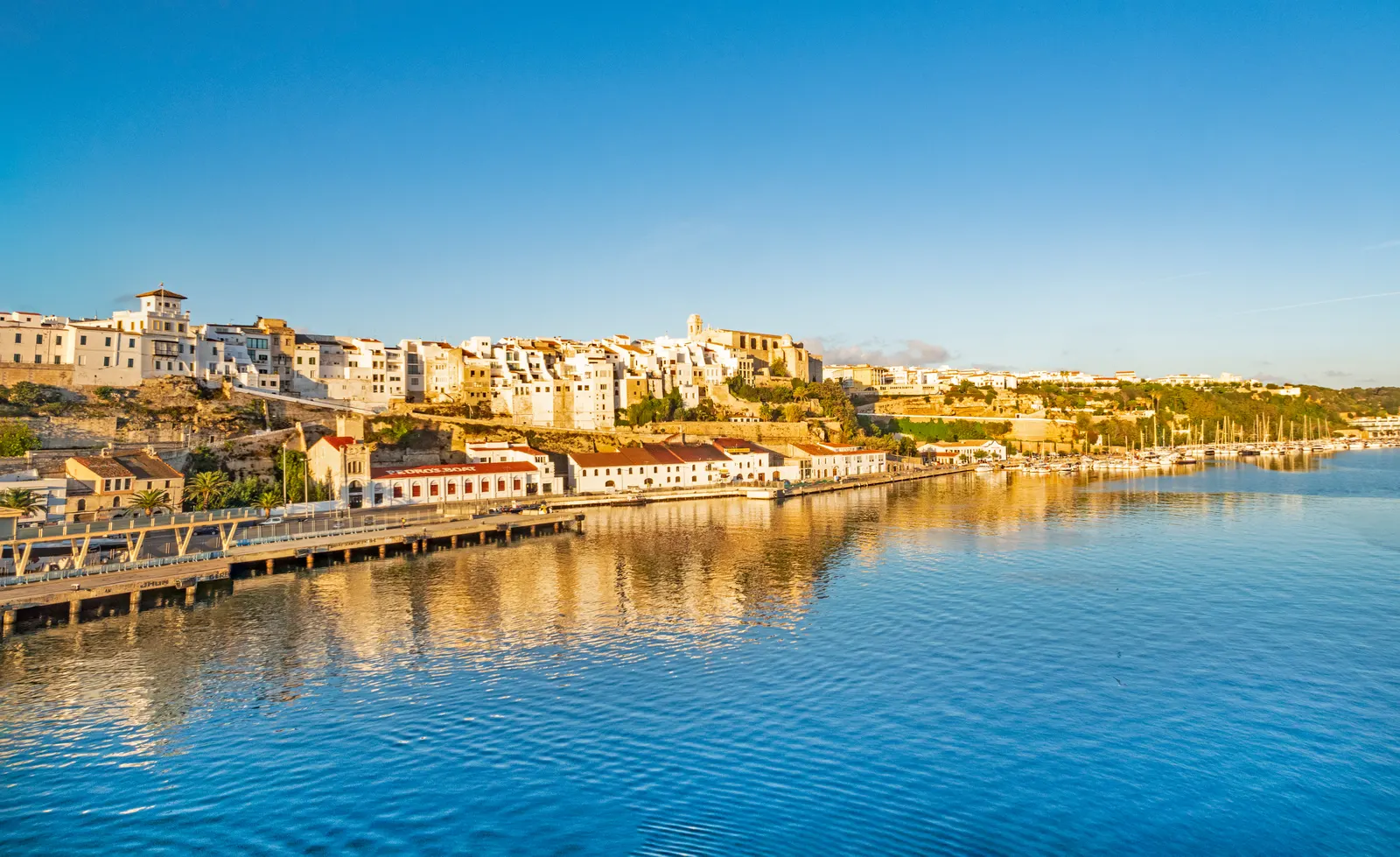
- Maó’s harbour is one of the largest natural ports in the Mediterranean: arriving by sea, drifting slowly through the mouth of the bay, is a spectacle in itself.
And if your destination isn’t a hotel but a berth or a charter base, your guide is a different one: getting to your boat in Menorca, covering every port and marina on the island.
Do you need to hire a car?
To experience Menorca freely, yes. The rental car is the most comfortable way to reach the coves, the inland villages and the lighthouses, many of them far from any bus stop. You can enjoy the island without a car, but you’re limited to what’s reachable by public transport and what taxis can cover.
Three honest warnings:
- Book weeks ahead in summer. Demand outstrips supply and last-minute prices soar. It’s one of the costliest mistakes the unwary traveller makes.
- Choose a small car. The old quarters of Ciutadella and Maó have narrow streets, and many cove roads are tight. A compact manoeuvres better and parks sooner.
- Mind the dirt tracks. Some unspoilt coves are reached by unpaved lanes; check your insurance conditions before venturing onto them.
Fill up when you can: petrol stations cluster in the main towns and are scarce in the countryside. Setting off with a full tank is a good habit.
Getting around by bus, taxi and bike
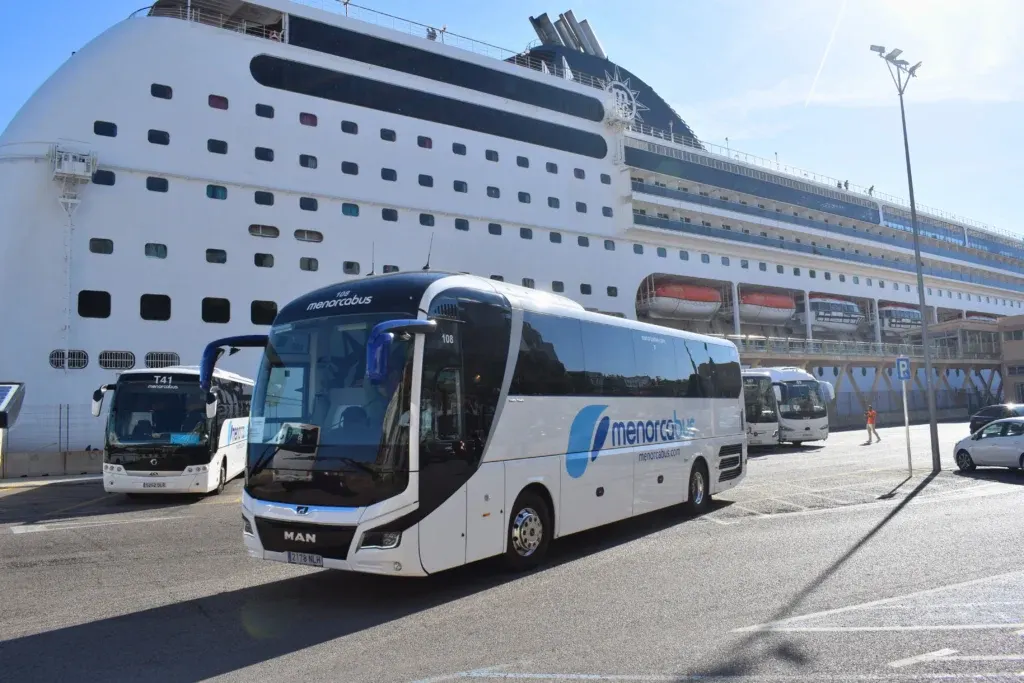
The bus is a real and economical alternative. The network connects the main towns along the Maó–Ciutadella axis and, in high season, adds reinforced lines to several beaches. This is particularly useful because some coves have restricted car access in summer: the seasonal bus is sometimes the only comfortable way to reach them. Check current timetables, which change with the season.
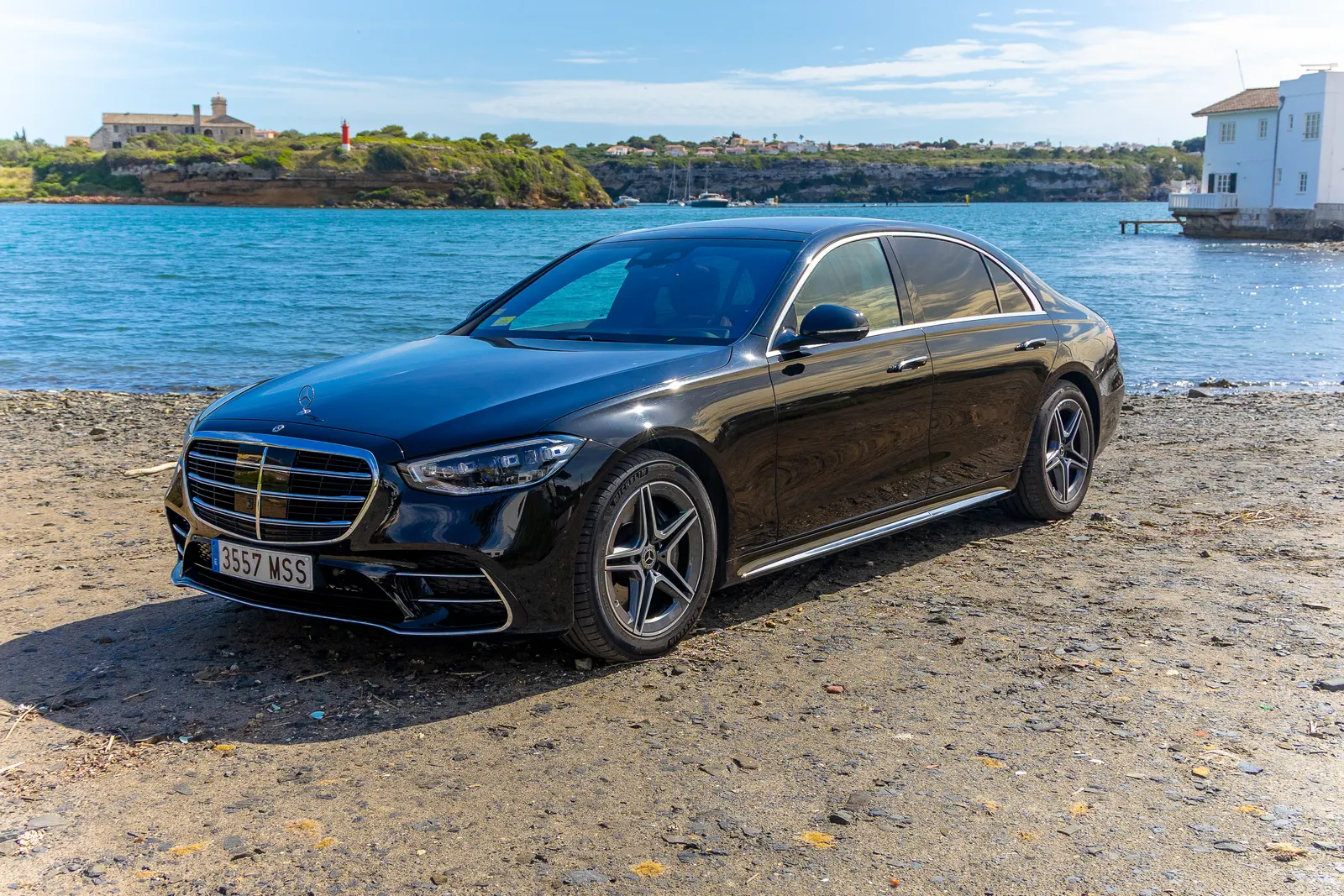
The taxi works well for one-off trips, airport transfers or evenings out. In rural areas it’s best to book by phone rather than hope to flag one down; in August, ordering ahead avoids waits.
For short distances and the sheer pleasure of the landscape, nothing beats going on foot or by bike. Stretches of the Camí de Cavalls, the GR-223 footpath of around 185 kilometres that encircles the whole island, are comfortably covered on foot in stages. Within the historic centres, too, walking is almost always quicker and more pleasant than driving.
The art of parking in summer
Here lies the true test of patience. In July and August, many cove car parks fill by mid-morning, and at some beaches vehicle access is limited or charged. The conclusion is plain: either you start early, or you’re left out.
Strategies that genuinely work:
- Arrive early (before nine or ten) or late in the afternoon, when the first wave departs and the light, what’s more, is the best of the day.
- Use the seasonal bus for beaches with restricted access: it spares you the loop hunting for a space.
- In Maó and Ciutadella, park in the car parks at the edges of the centre and walk in; the old town isn’t for driving.
- Respect the Biosphere Reserve zones: part of Menorca’s charm is that it hasn’t filled up with cars. Looking after it is part of the bargain.
When to go, and how it changes everything
The season shapes everything. In summer there are more flights, more ferries and more buses, but also more people, more heat and more competition for every parking space. In spring and autumn the island breathes: the weather is gentle, the roads are clear and the rental car costs considerably less. Winter is intimate and quiet, but with fewer connections, so it calls for more careful planning.
If you can choose, May, June and September offer the best balance: warm sea, long days and far more relaxed logistics. It is, quite simply, when Menorca most resembles what it promises.
Our take
The best way to get around Menorca depends on the trip you’re after. If you want to discover hidden coves and inland villages at your own pace, hire a small car and book it early. If you’ve come to switch off properly, stay near a well-connected town, combine bus and bicycle, and leave the car parked for more than a day: you’ll find you don’t miss it as much as you’d think.
Either way, the golden rule is the same: plan ahead and don’t rush. Book in good time, start early for the beaches, and accept that here plans work out better when you leave room for the unexpected. That, in the end, is the Menorcan way to travel — and the one that suits the island best.