On Menorca, fine dining doesn’t shout. It happens in small, almost secret rooms where the merit lies in the produce and in knowing how to stay out of its way: Mahón-Menorca PDO cheese, red prawn, garden vegetables, wine of the land. There is no choreography of waiters, no tableware that weighs more than the dish. There is a kitchen that listens to the island and translates it with the fewest possible gestures.
It is a kind of luxury that is hard to grasp from the outside, because it cannot be seen. It is not on the price list or in the number of stars. It is in the quiet of the dining room in mid-afternoon, in the bread that still smells of the oven, in the cook who comes out to explain which boat the fish arrived on. On an island where summer pushes everything towards noise, sitting down to a good table is, above all, an act of calm.
This is not a list of restaurants or a ranking. It is a way of looking at what is eaten here when someone decides to do it well, with time and with judgement. What follows is a guide to recognising the good Menorcan table and to enjoying it without rushing.
The essentials
- Zero-kilometre produce, treated with respect: what the island gives takes precedence over the cook’s idea.
- Few tables: service is close, almost domestic, and booking is essential.
- A real season: the menu changes with what is available, not the other way round.
- Three local pillars: Mahón-Menorca PDO cheese, fish from the market quay and the dry-farmed vegetable garden.
- When: from May to October almost everything is open; in low season, it is best to call ahead.
What defines the island’s best table
The Menorcan fine dining worth seeking out is recognised by what it does not do. It does not disguise the produce, does not pad out the menu to seem ambitious, does not turn dinner into a spectacle. Its ambition is another: that a seasonal vegetable should taste exactly of what it is, at its very best.
The cook who understands the island works with what is close at hand and accepts its limits. If there is no good fish one day, there isn’t, and the menu takes that in its stride. That honesty, which seems humble, is in fact the most demanding decision a kitchen can make: to depend on the produce and not on the larder.
It is the opposite of noisy luxury. Here, exclusivity is calm, time, and a conversation that doesn’t end with dessert.
Which products rule the menu
Three ingredients underpin almost all the good cooking on the island, and it is worth knowing them to understand what reaches the plate.
- Mahón-Menorca PDO cheese. The island’s most recognisable product, made from cow’s milk and with a rind turned orange by rubbing with oil and paprika. On a discerning table it appears at its different stages of curing, from soft to mature, not only as an appetiser but worked into sauces, fillings and even puddings.
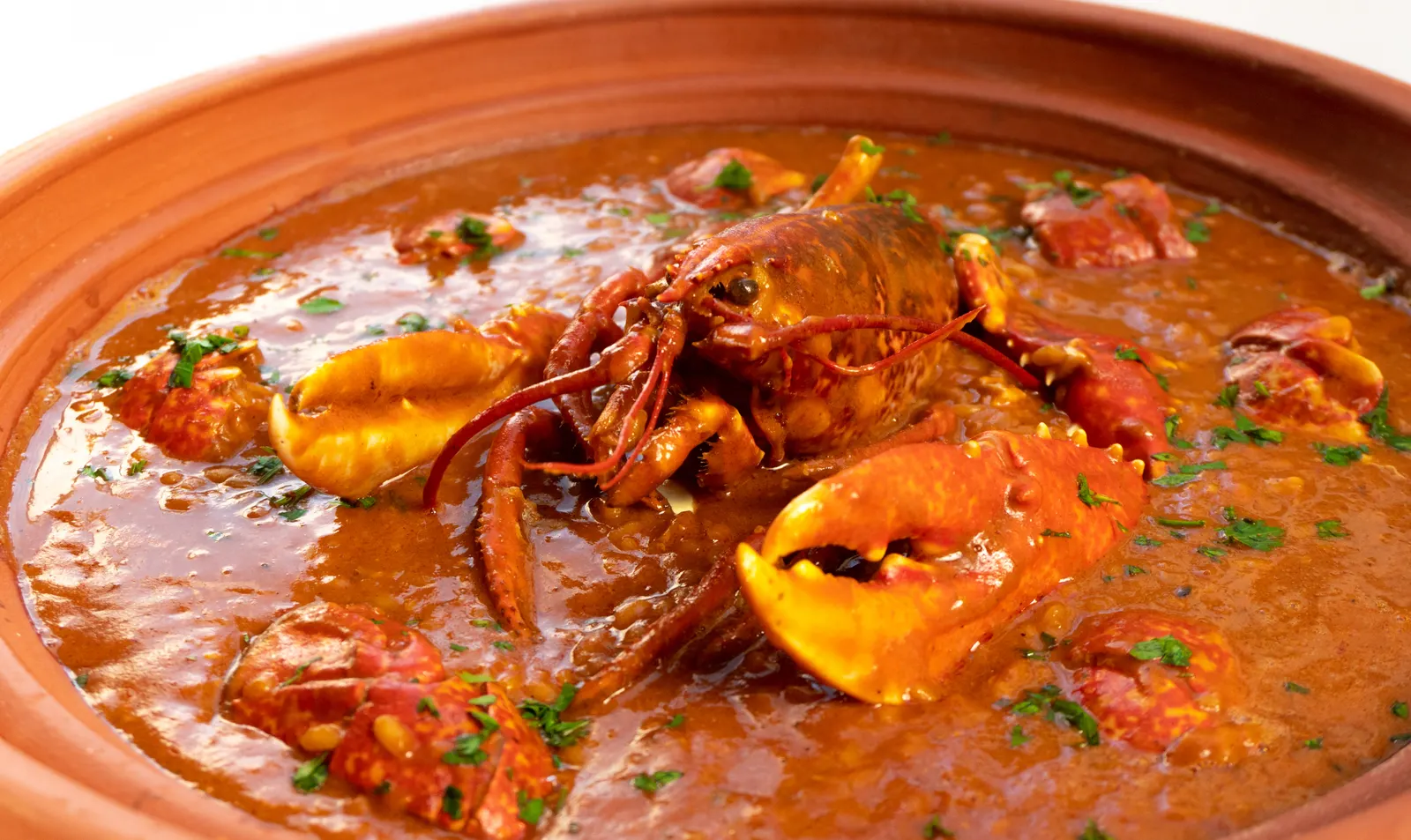
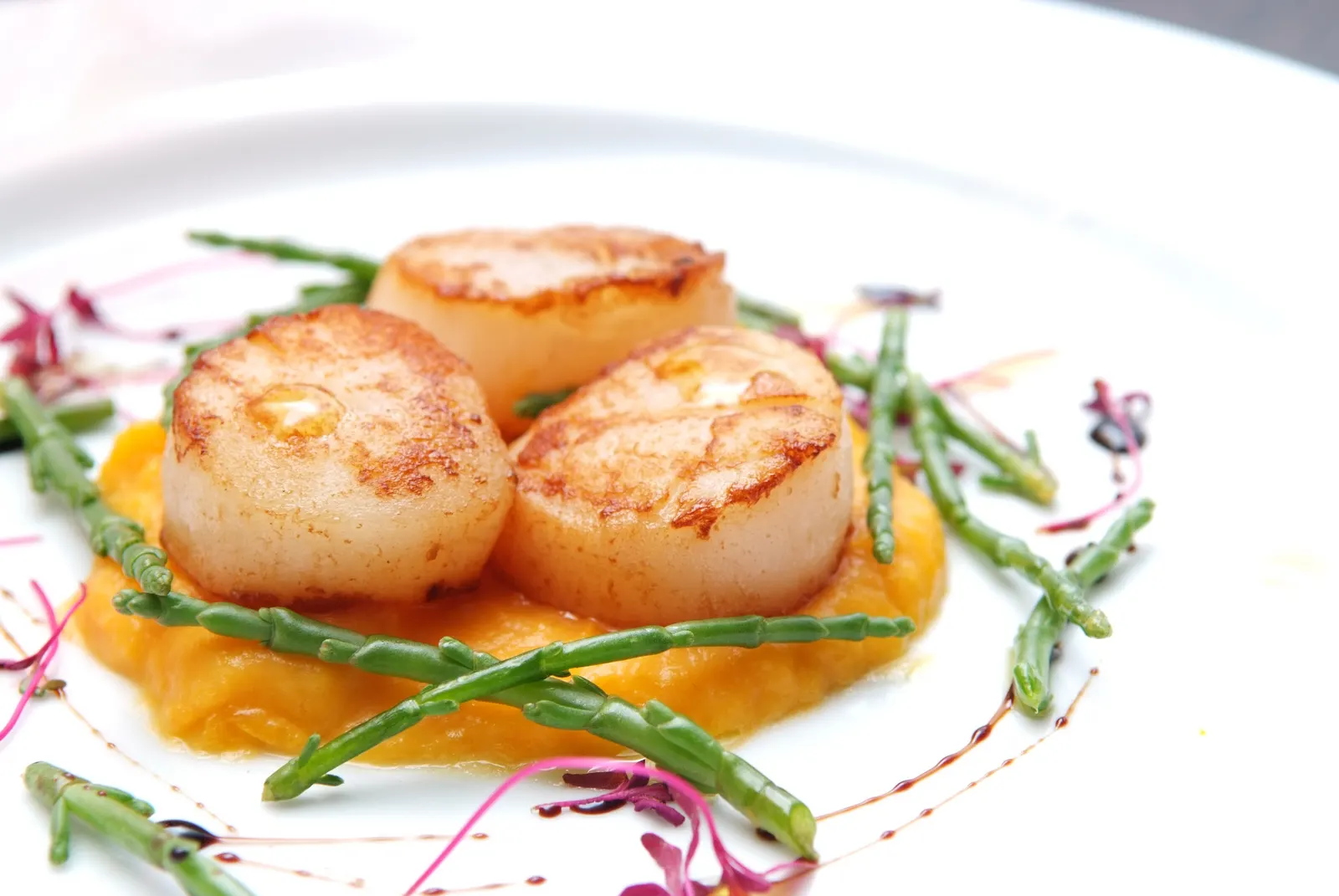
- Fish and shellfish from the quay. Red prawn, red mullet, scorpionfish, squid. What comes in each morning at the ports of Mahón, Ciutadella or Fornells is what defines the day’s menu. The lobster stew (caldereta de langosta), the island’s signature dish, is the greatest example of how a simple product becomes memorable when it is respected.
- The garden and the fields. Dry-farmed tomato, aubergine, courgette, herbs. Menorcan seasonal cooking rests on a modest agriculture that is intense in flavour, the fruit of a soil and a climate that concentrate everything.
When to go: the season changes everything
Menorca lives two lives, and so does the table. From May to October most houses with careful cooking are open, and the shoulder months, May, June, September and October, offer the best of both worlds: produce at its peak and dining rooms without the pressure of an August full house.
In high summer, the best seats vanish. If you travel in July or August, book several weeks ahead for the smallest houses. In low season, by contrast, many dining rooms close or reduce their days: the prudent thing is to call first and confirm, because opening hours change from one year to the next and are not always updated online.
Autumn has a particular charm for the unhurried diner: the island empties, the sea stays mild, and the kitchen settles into its most restful register, with mushrooms, small game and stews that have no place in summer.
Where to eat well: reading the island’s map
The good table is not concentrated in a single place, and that is part of its appeal.
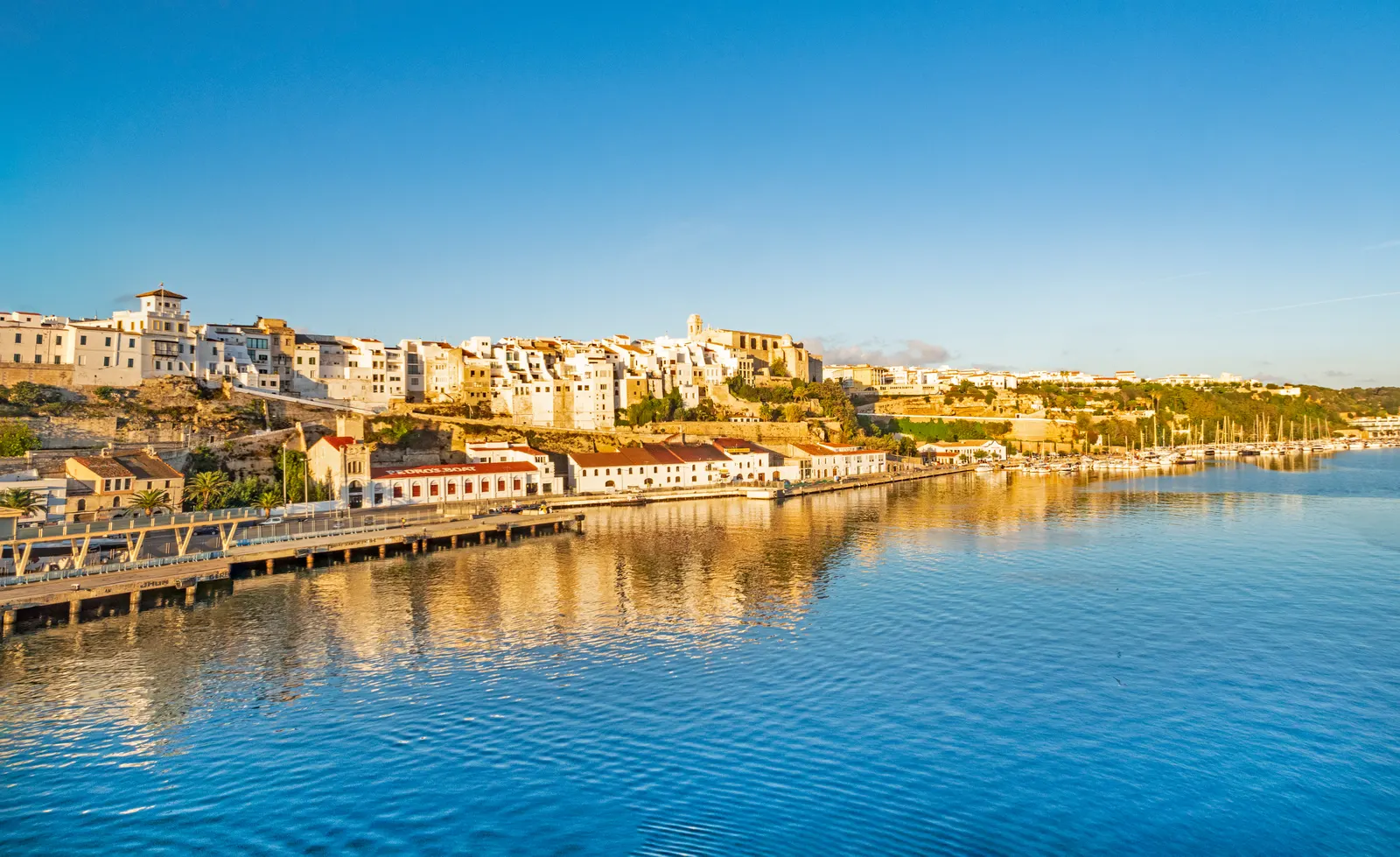
- Mahón and its harbour. The largest natural harbour in the Mediterranean gathers fish cookery and dining rooms with a view. It is the place to understand the direct line between quay and plate.
- Ciutadella. The western city, more stately and threaded with narrow streets, keeps discreet dining rooms where tradition is handled with modern technique.
- Fornells. The fishing village on the north coast is the sanctuary of lobster stew. Here the produce is the sole protagonist.
- The interior and the agriturismos. Some of the most memorable experiences lie far from the coast, on restored farms and country houses where they cook what is grown a few metres away.
What it costs and what to expect
Fine dining on Menorca rarely chases the extravagant price; its scale is human. A considered dinner can range from a moderate outlay at a produce-led house to a higher experience in the seasonal tasting-menu rooms. As prices vary by house and by year, it is best to check the current menu when you book rather than trust old figures.
What you can always expect is proportion: you pay for produce and for craft, not for decor. If a table charges a great deal for little substance, that is not quiet luxury; it is something else.
How to enjoy it: the rhythm is part of the dish
- Book and confirm. Small houses work with few seats; a phone call avoids disappointment.
- Let yourself be guided. Ask what came in today from the quay or the garden. The best menu is the one that isn’t written down.
- Don’t rush. Here, dinner lasts. That is part of the value: time is not a wait, it is the dish.
- Pair it with wine of the land. Menorca’s small wine production has grown a great deal; asking for an island wine closes the zero-kilometre circle.
Our take
If we had to sum up what we look for in a Menorcan table, it would be this: that the cook trusts the produce more than their own ego. The island offers raw materials that need no disguise, and the best houses have understood as much. We would take a six-table dining room with fresh fish and seasonal vegetables over any display that forgets where its ingredients come from.
The luxury we stand for here is discreet by nature. It is not measured in show, but in honesty, in calm, and in the feeling, as you rise from the table, of having eaten the island just as it is. Book ahead, go without hurry —and if no one fancies driving back, a chauffeured dinner settles the night— and let the season decide the menu.
Many of these tables live inside the island’s great houses: if dinner asks you to stay the night, here is our guide to the quiet-luxury hotels.