Menorca isn’t a land of great vineyards like Rioja or Penedès, and that’s exactly why its wine surprises you. On an island better known for its coves than its cellars, a handful of producers have rescued a winemaking tradition that was on the brink of vanishing and turned it into something small, honest and very much of this place: wines that barely leave the island because they’re drunk on it.
This guide explains what is grown in Menorca, how its wines taste, which wineries you can visit and where to buy a bottle to take home.
The essentials
- Quality mark: IGP Vi de la Terra Illa de Menorca (since 2002), which guarantees the grapes are grown on the island.
- Red grapes: merlot, cabernet sauvignon, syrah, monastrell, tempranillo, garnacha.
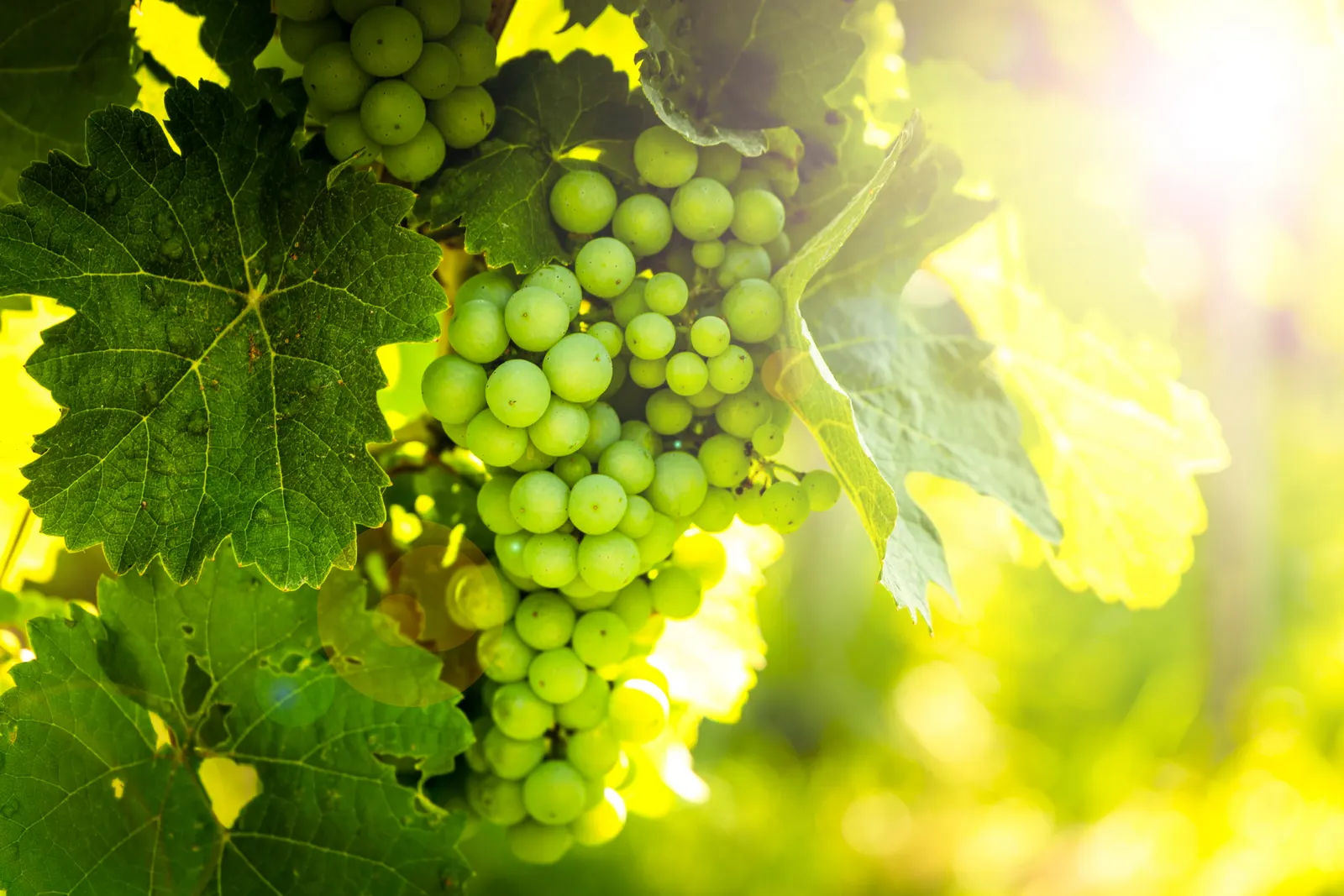
- White grapes: chardonnay, malvasía, moscatel, macabeo, parellada and the native prensal.
- Styles: balanced, fruity reds; fresh, aromatic whites. Small production, very much aimed at local consumption.
- Where to try it: at the wineries themselves (several offer tours and tastings), and in the island’s restaurants and produce shops.
A tradition returning
Vineyards were part of the Menorcan landscape for centuries, but phylloxera, economic change and tourism gradually pushed them aside until they had almost disappeared. The revival came in the late 20th and early 21st centuries, when several families and projects committed to replanting and making wine with a modern eye. The creation of the Vi de la Terra Illa de Menorca IGP in 2002 gave that momentum a legal shape.
Today Menorcan winemaking is deliberately small. It doesn’t compete on volume but on character: wines tied to a microclimate of sea breeze, humidity and distinctive soils, made by human-scale wineries. Much of the production is sold on the island itself, so drinking Menorcan wine is, almost always, a pleasure fully enjoyed only here.
What’s grown and how it tastes
Reds are led by Mediterranean and international varieties —merlot, cabernet sauvignon, syrah, monastrell— giving wines of red fruit, spice and gentle tannins, made to accompany the table rather than dominate it. In white, malvasía brings the aromatics, while chardonnay, moscatel and the native prensal make fresh, dry wines that are very welcome in the summer heat.
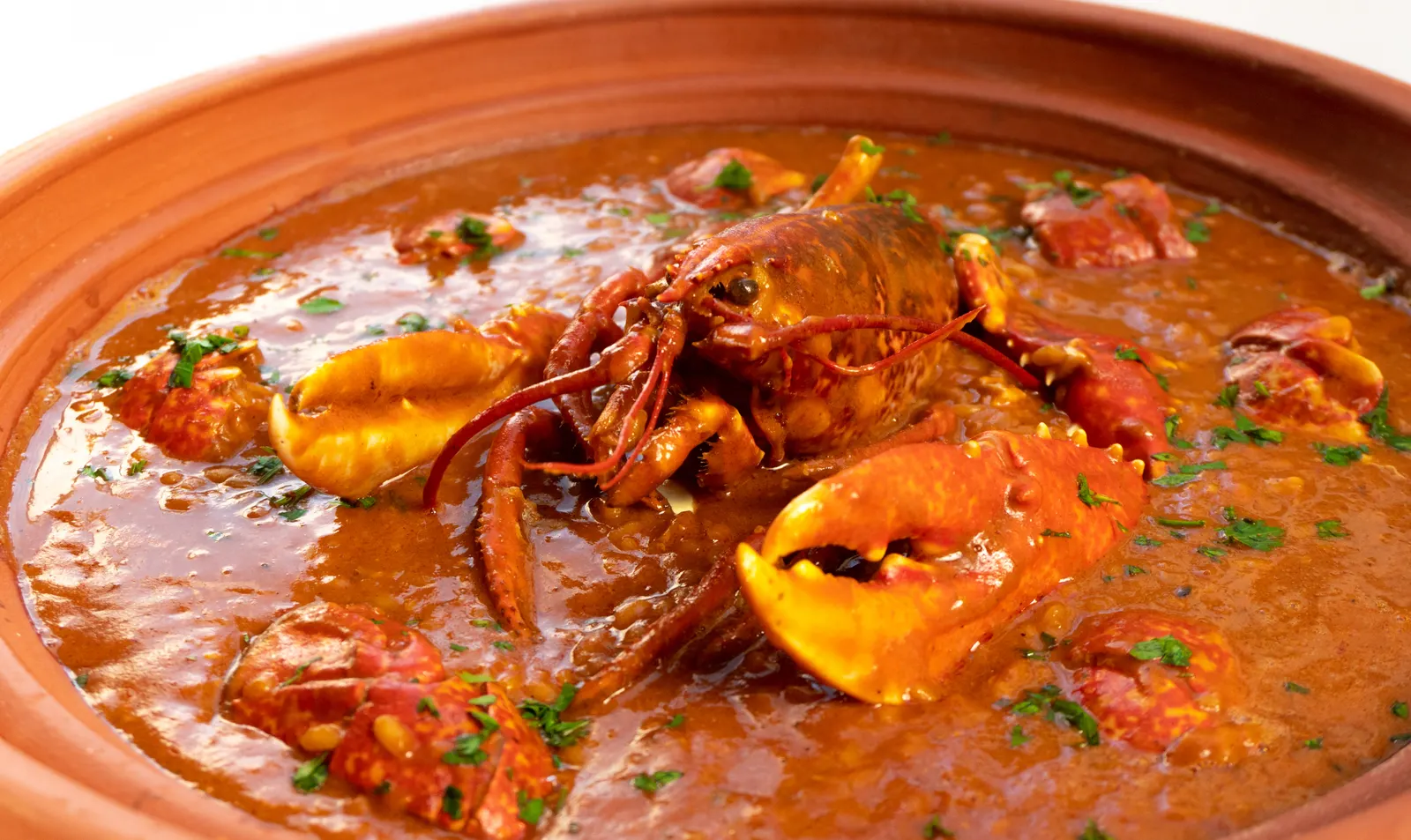
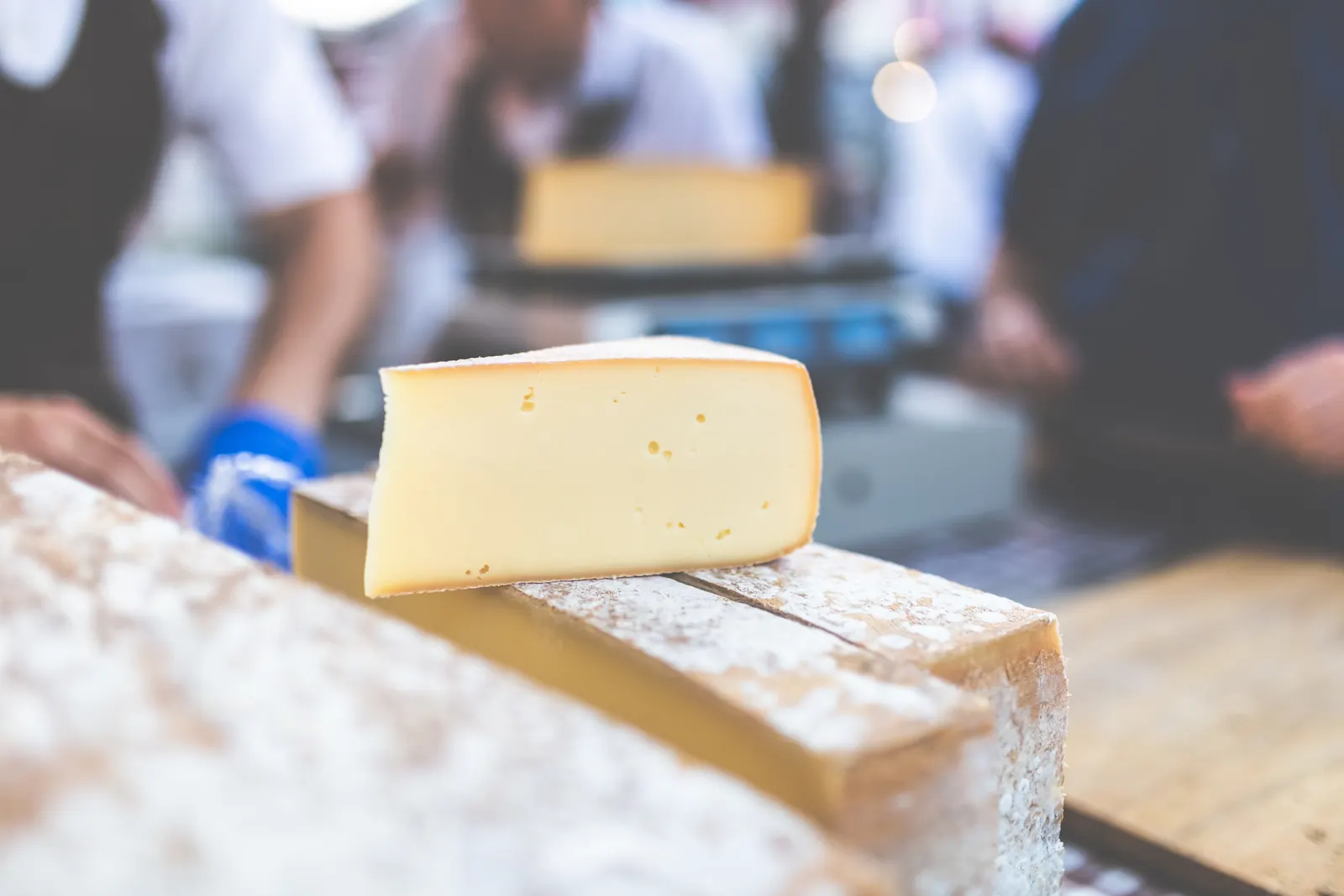
Don’t expect great ageing wines or collector prices: Menorcan wine is, above all, wine to be drunk with pleasure —young and lively— alongside an aged cheese, fish from the market or a lobster stew.
Wineries to visit
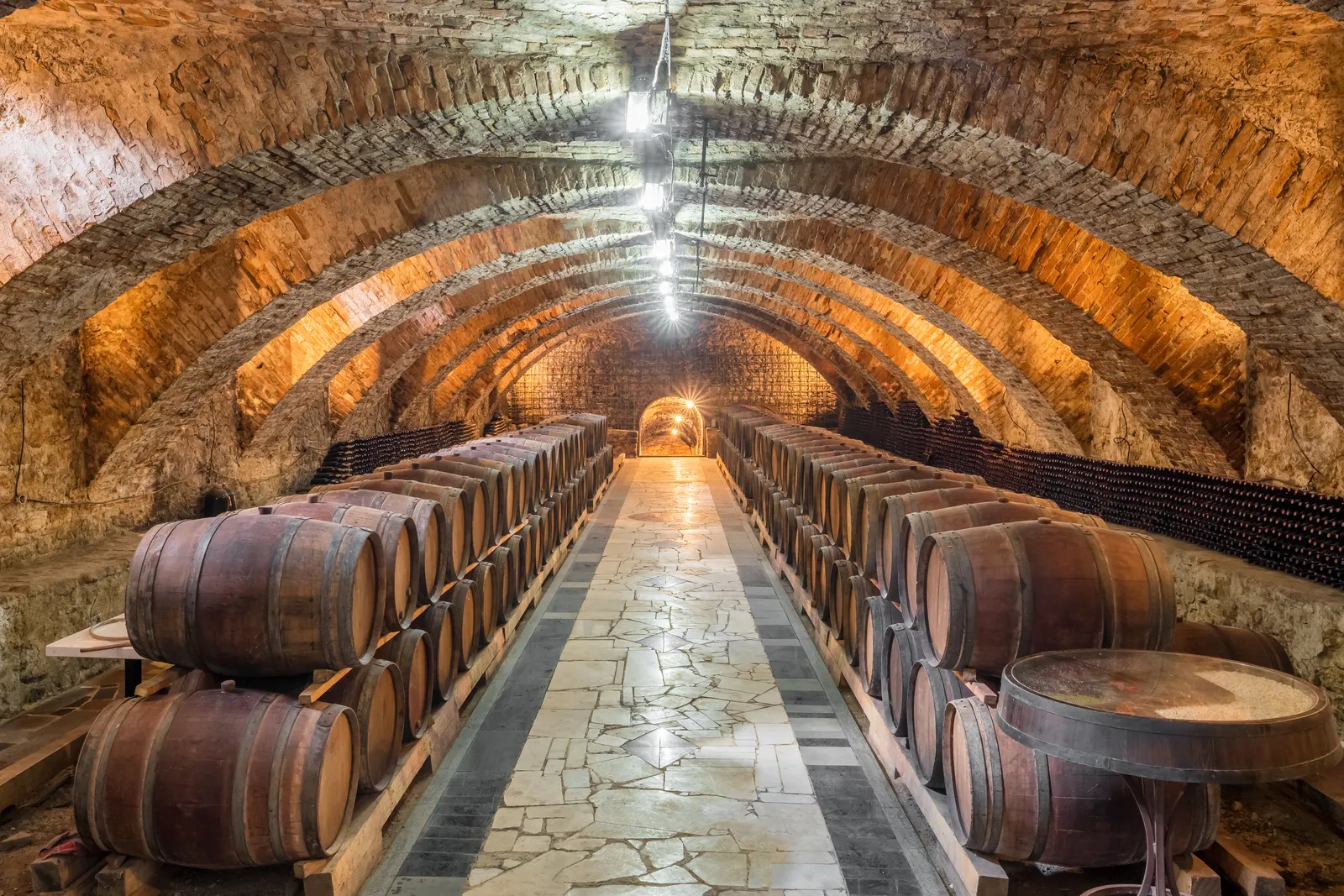
Several wineries open their doors for tours and tastings. Conditions change with the season, so always book ahead. Some of the most accessible:
- Bodegas Binifadet — in Sant Lluís, the largest on the island and, today, the only one making sparkling wine. Guided tour, tasting and restaurant.
- Torralbenc — in Alaior, with vineyards in the grounds of a country hotel and a tasting experience.
- Hort de Sant Patrici — in Ferreries, a farm that combines a winery and a PDO dairy, with a museum, a shop and tours. Two island products in a single stop.
There are more wineries within the island’s producers’ association, though not all are open to visitors. If one in particular interests you, check directly whether it receives visits.
Where to buy it
The loveliest way to buy it is at the winery itself, after the tasting, where they’ll also explain what you’re taking home. Otherwise, you’ll find it in local produce shops and good island restaurants, which increasingly champion the Menorcan list. Because it’s so local and made in limited quantities, it isn’t always easy to find off the island: all the more reason to save room in your suitcase.
Our take
Menorca wine isn’t about showing off, and that’s its charm. It reflects an island that prefers small and well-made to big and noisy. Take home a merlot red or a malvasía white, open it with a good island cheese, and you’ll understand the place’s philosophy in a single sip: calm, judgement and the flavour of here. If you can, drink it where it’s made —on a terrace with the vines in view— and the glass will be worth twice as much.