Few places in the Mediterranean can claim to have their own gin. Menorca can, and the story isn’t a marketing label: it’s real, verifiable and goes back more than two centuries. When you drink a Menorcan gin you aren’t drinking a trend; you’re drinking a historical trace that the island has managed to preserve without turning it into a souvenir.
That trace has a name and a British origin. For much of the 18th century, Menorca was under British rule, and with the fleet came customs, tastes and one very specific thirst: the sailors wanted gin. Rather than import it, the island’s distillers began making it with what they had to hand. From that meeting of English demand and local raw materials came a spirit that still flows from the same copper stills today.
What’s interesting isn’t only that Menorca has gin, but how it drinks it. Here, gin isn’t a signature-cocktail affair: it’s a drink of festivals, of town squares, of summer. It’s called pomada, and to understand the island in August you have to understand it.
Key facts
- What it is: a gin of Menorcan tradition, with a British historical root from the 18th century.
- Where it’s distilled: in Maó, in copper stills, from wine alcohol and juniper berries.
- The visual hallmark: the handled bottles, the canecas, inspired by those the sailors once carried.
- How it’s drunk: above all as pomada —gin with cloudy lemonade, ice-cold— during the town festes.
- When: all year round, but its great season is the summer patron-saint festivals.
Why does Menorca have its own gin?
The answer lies in the 18th century. The island changed hands several times, but the British period left deep marks: in the architecture of Maó, in a handful of Menorcan words and, very concretely, in the drink. Royal Navy sailors drank gin, and the fleet’s continued presence created steady demand.
Rather than depend on imports, local distillers emerged who adapted the recipe to the ingredients available. So what began as a practical solution ended up becoming a tradition that outlasted the British departure. That is the difference between a fashion and a heritage: when the English left, the gin stayed.
What is Gin Xoriguer and how do you recognise it?
Gin Xoriguer is the name that best embodies that continuity. It’s still distilled in Maó, in copper stills, starting from wine alcohol and flavoured with juniper berries and other botanicals. That wine base, rather than grain, is part of its character: it gives a distinctive profile, tied to the Mediterranean tradition rather than to northern European gin.
It’s unmistakable for its canecas: earthenware or glass bottles with a handle, inspired by the vessels sailors once used to carry the spirit on board. This isn’t packaging dreamed up in a design studio: it’s the extension of a working object. That honesty is precisely what makes it elegant.
What is pomada and how is it made?
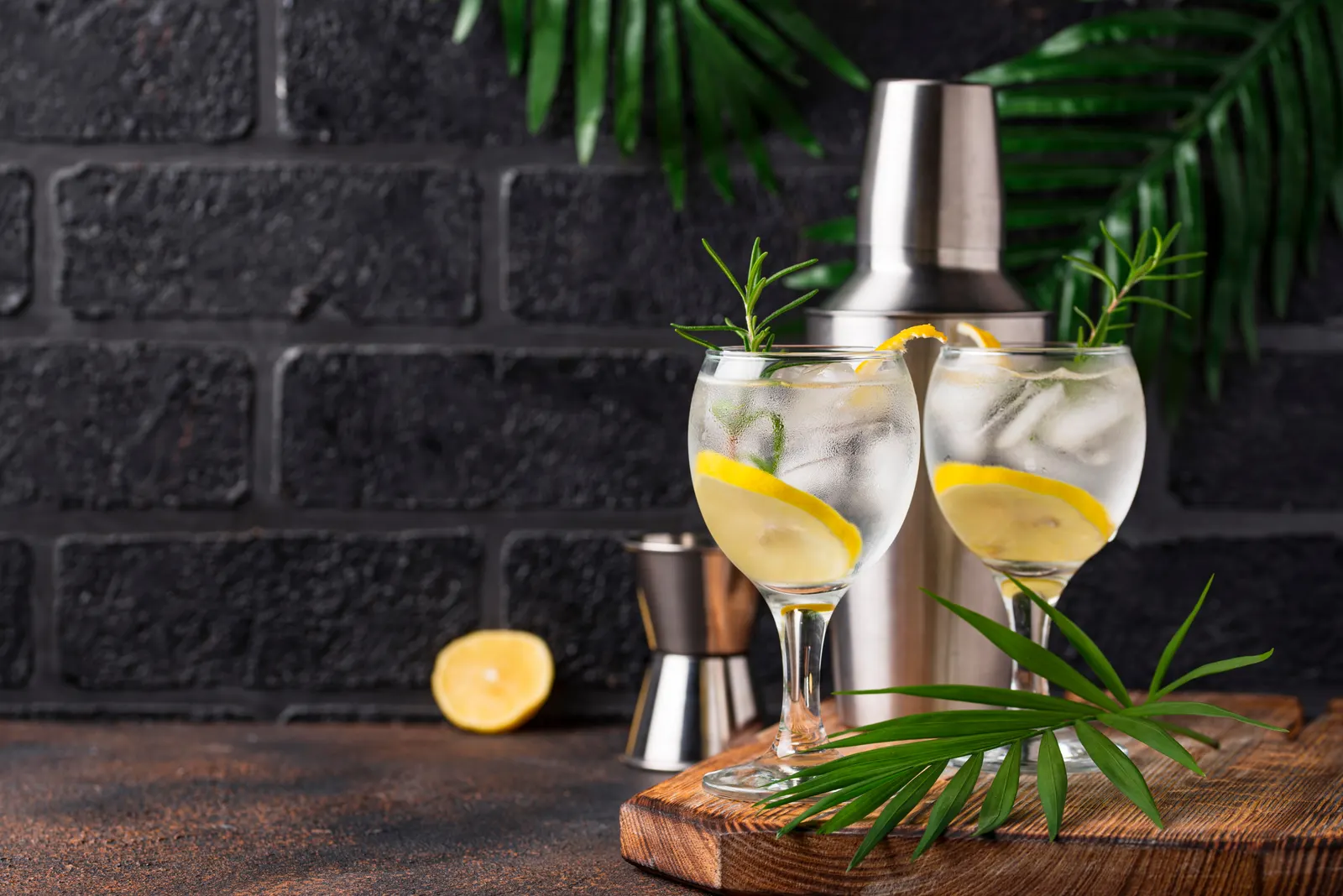
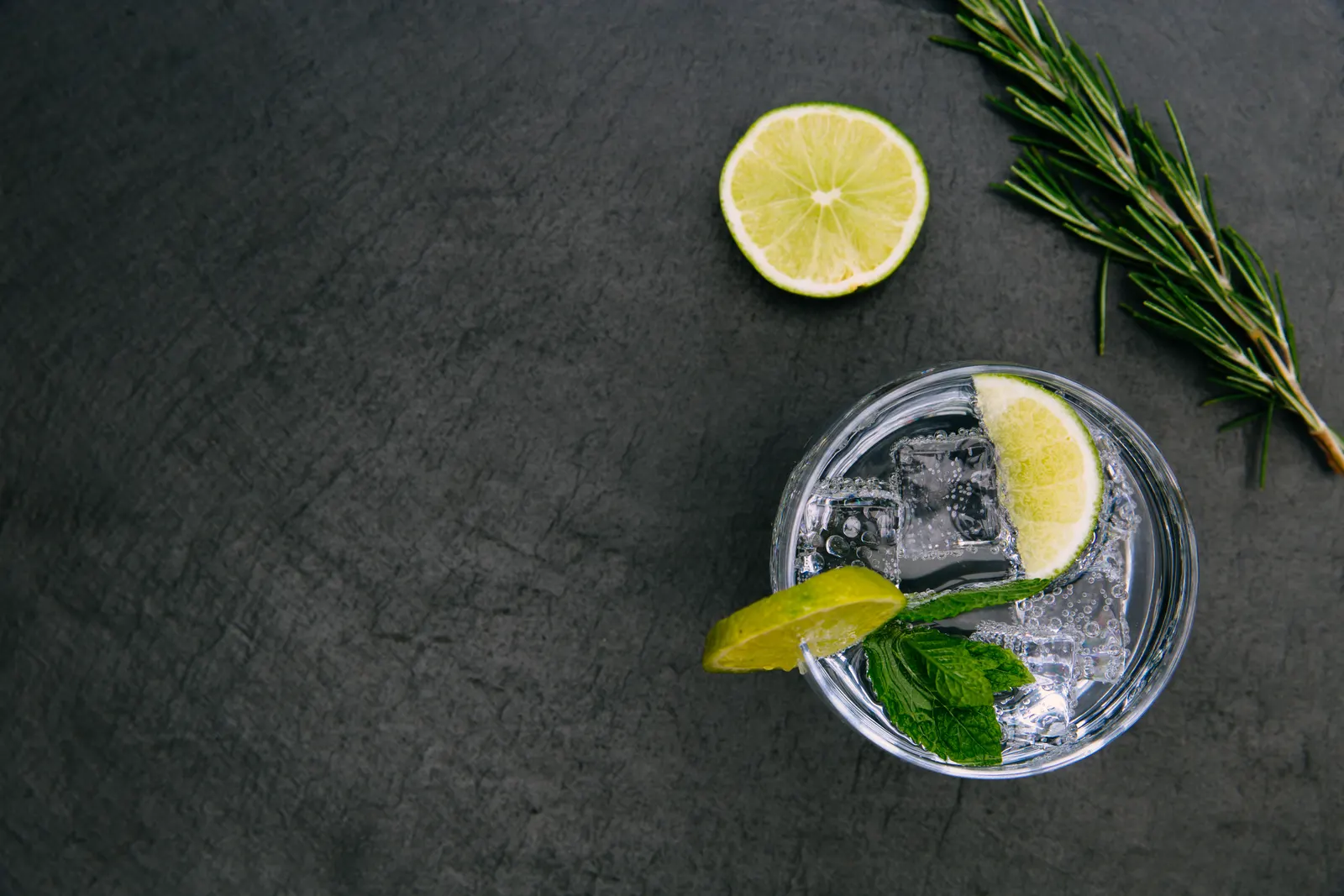
The most Menorcan way to drink the gin is pomada: gin with cloudy lemonade, ice-cold and over plenty of ice. Simple in appearance, but with its own unwritten rules.
- A balanced ratio: neither so strong that all you taste is alcohol, nor so watered down that it loses its point. The right measure is the one that lets you sip it slowly.
- Always cold. Warm pomada simply doesn’t exist. The ice isn’t optional.
- Proper lemon. When it’s made with local produce and honest lemonade, you can tell the difference.
- Served with town-square generosity. At the festes it comes in a tall glass, to accompany hours, not a quick sip.
It isn’t precision cocktail-making; it’s a popular drink made to be shared. And that’s where its charm lies: it belongs to everyone.
When and where is pomada drunk?
Pomada is the drink of the festes, the patron-saint festivals that travel the island throughout summer. They begin with Sant Joan in Ciutadella, one of the most striking celebrations in the Mediterranean, with its black horses rearing up amid the crowd, and continue town by town until the calendar closes with Gràcia in Maó, by then in September.
On those days, pomada is the common thread. It’s drunk in the street, amid the sound of the jaleos, the music and the crowds. This is no quiet-terrace drink: it’s part of the collective ritual. Out of season you’ll also find it in bars and restaurants across the island, but its natural setting is the festival.
How to drink it well (and sensibly)?
Here’s our honest recommendation, no posturing:
- Start with a well-made pomada, not the neat gin, if you want to understand the tradition.
- Drink in moderation. At the festes it flows with a deceptive ease, and the atmosphere invites you not to stop. The Menorcan summer is long; there’s no need to settle it all in one night.
- Hydrate and eat something. It sounds obvious, but the mix of heat, crowds and hours on your feet takes its toll.
- If you drive, don’t drink. The island’s roads are narrow and there’s little light at night. There are taxis, and during festivals it’s wise to arrange one in advance.
- Take a caneca home. It’s the most authentic keepsake of the island: forget fridge magnets, take a bottle with a story.
Is it worth more than just pomada?
Yes, if you approach it with curiosity. Menorcan gin lends itself to other readings: neat, over ice, to appreciate the profile of its wine-based distillation; or in preparations more restrained than the festive pomada. But it’s worth keeping sight of the essential: this isn’t a product that needs to reinvent itself to be interesting. Its value lies in what it already is.
As with so much in Menorca, its appeal is authenticity without stridency. It doesn’t shout, it doesn’t show off. It has simply been made well for more than two centuries, in the same place, with the same idea. That quiet constancy —so unfashionable and so enduring— is, perhaps, the most Menorcan thing of all.
To taste pomada isn’t to taste a cocktail: it’s to step, for a moment, into the festival that defines the island.