Formentera can be covered end to end in a day, and that is both its charm and its trap. You can do it in three hours by car, but then you have seen nothing.
The shape of the island
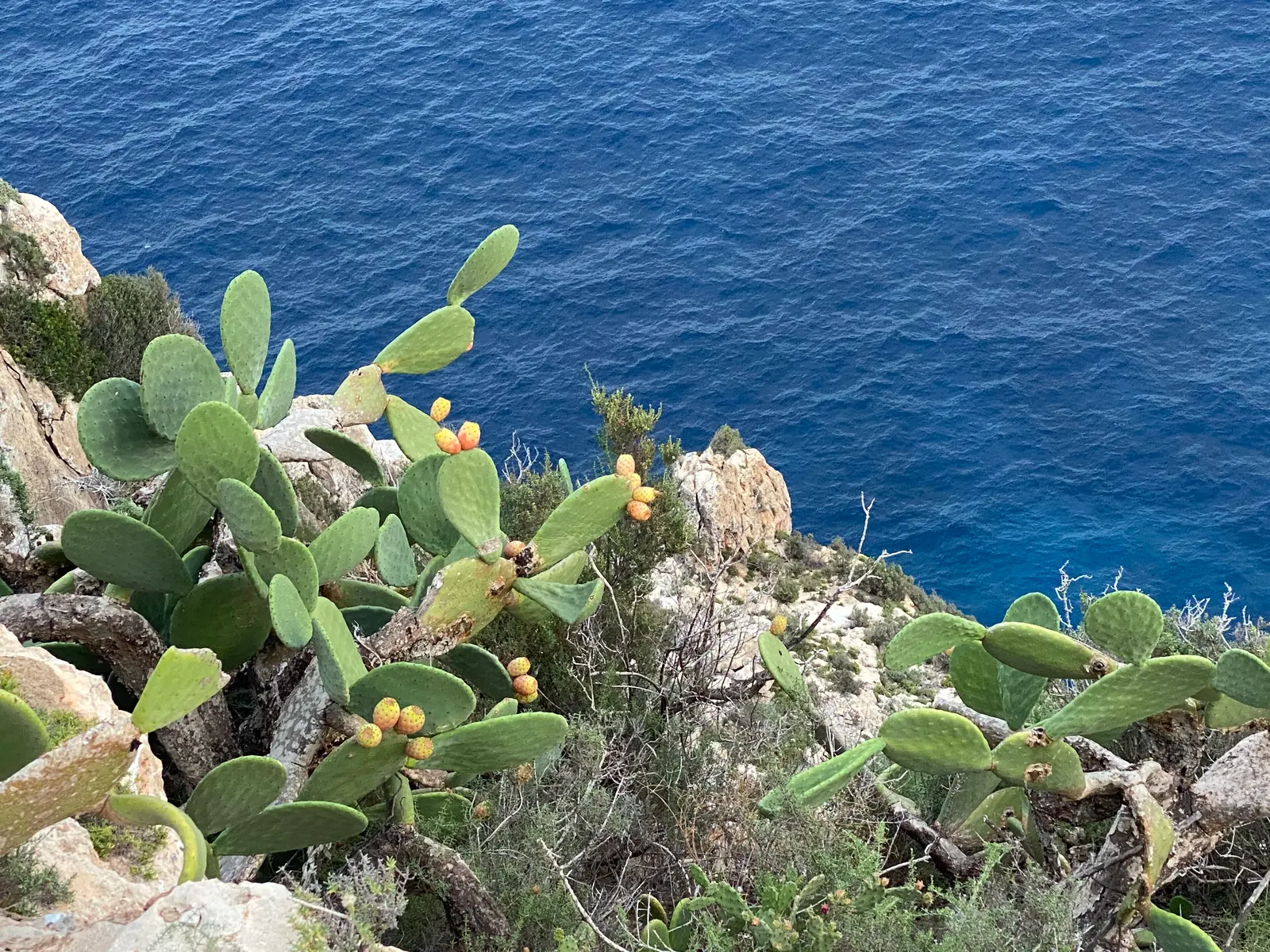
Formentera is some twenty kilometres from end to end, with a central road joining them and very little else. At one end, la Mola, the high plateau of the east, with its lighthouse at the end of the road. At the other, Cap de Barbaria, a tongue of dry stone ending in cliffs, with another lighthouse and almost nothing around it.
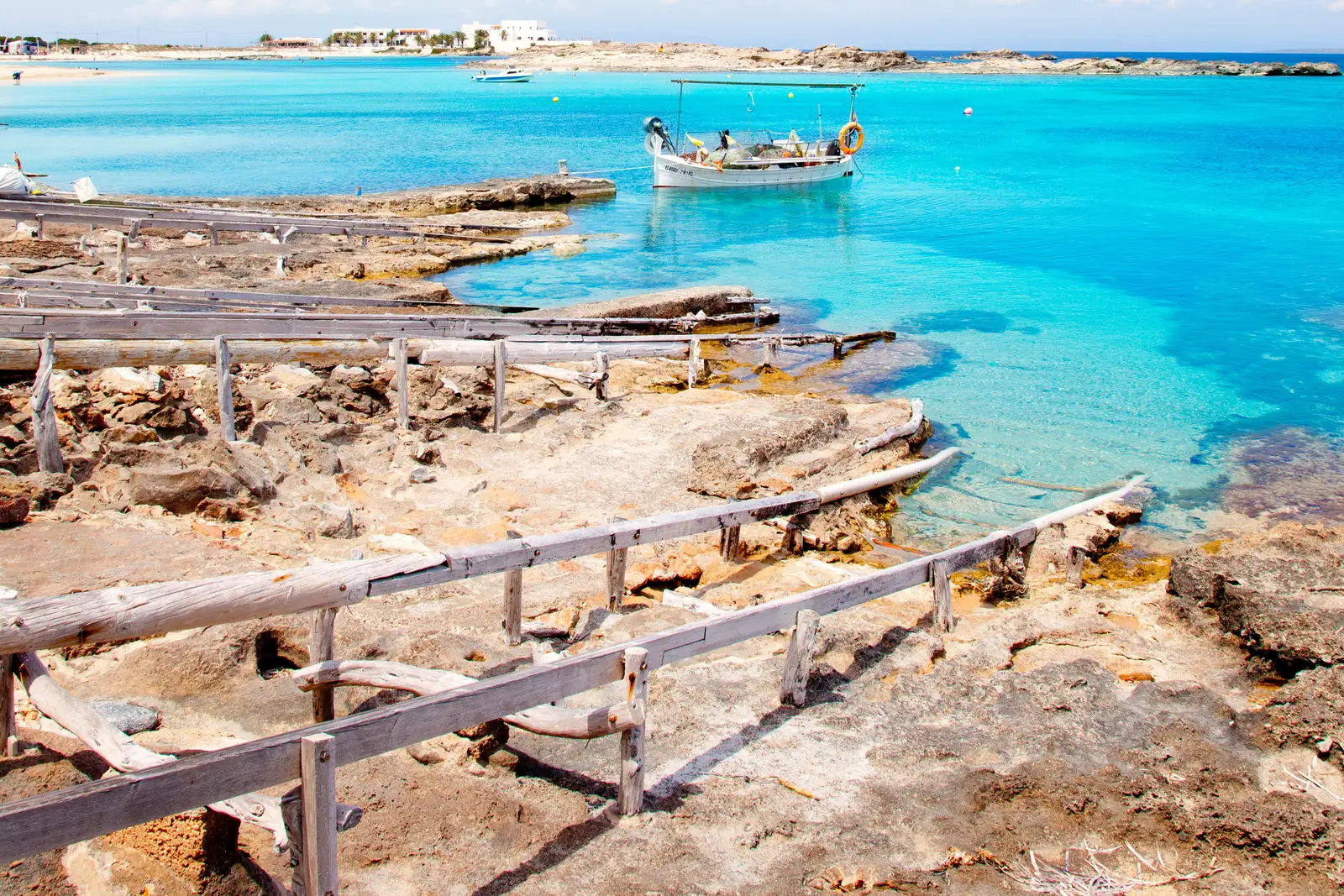
Between the two lies the inhabited island: la Savina, the port, where you arrive; Sant Francesc Xavier, the capital, with its fortified church; Sant Ferran; and es Pujols, the one properly touristic settlement.
The order that works
Landing at la Savina and heading straight for ses Illetes is what everyone does, and that is why ses Illetes is full by midday.
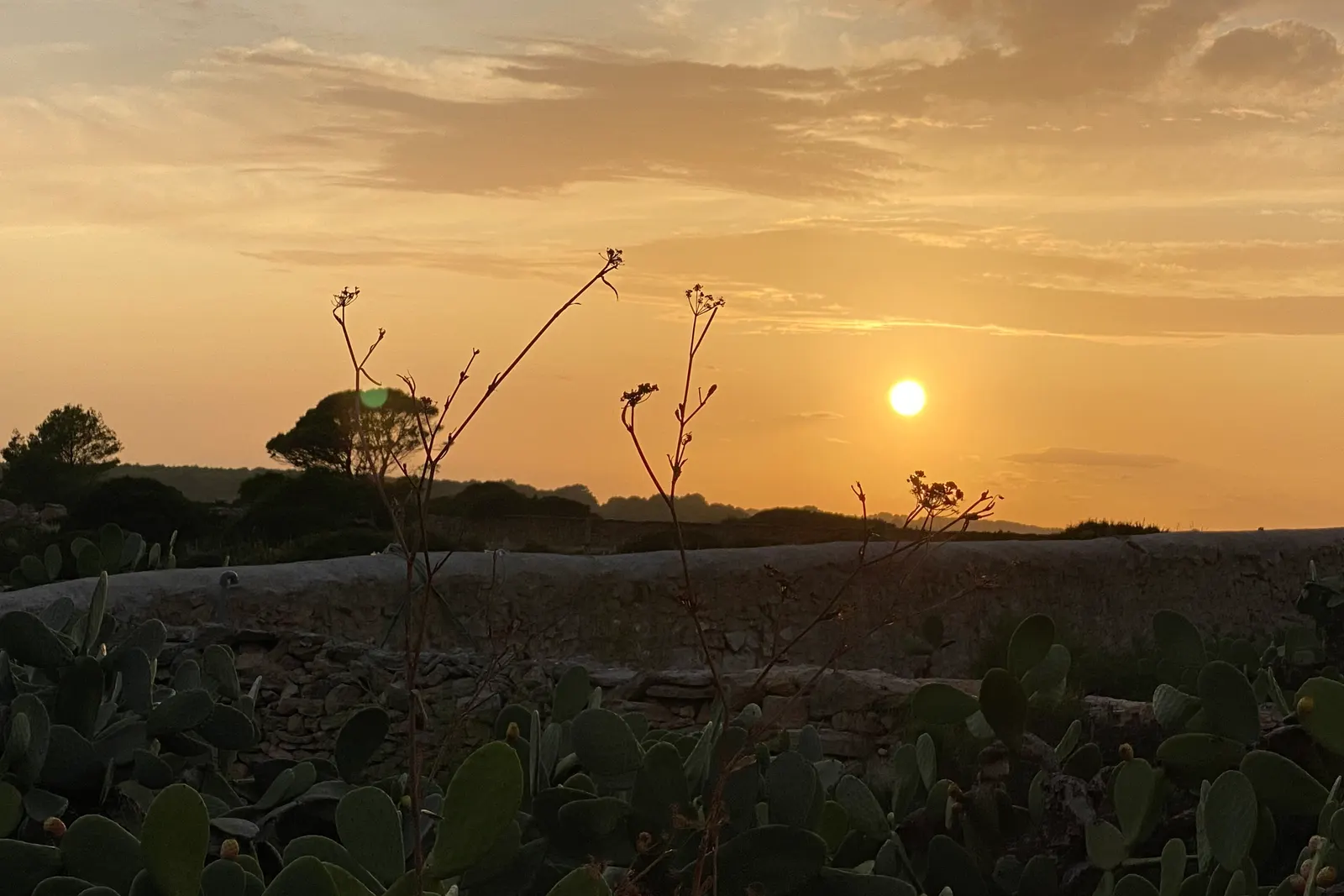
It works better the other way round: start at Cap de Barbaria early — raking light on the stone and almost nobody — then drop down to a cove in the south, eat without hurrying, and leave la Mola for late afternoon. The Mola lighthouse facing the open sea, with the sun going down behind you, is the logical close of the day.
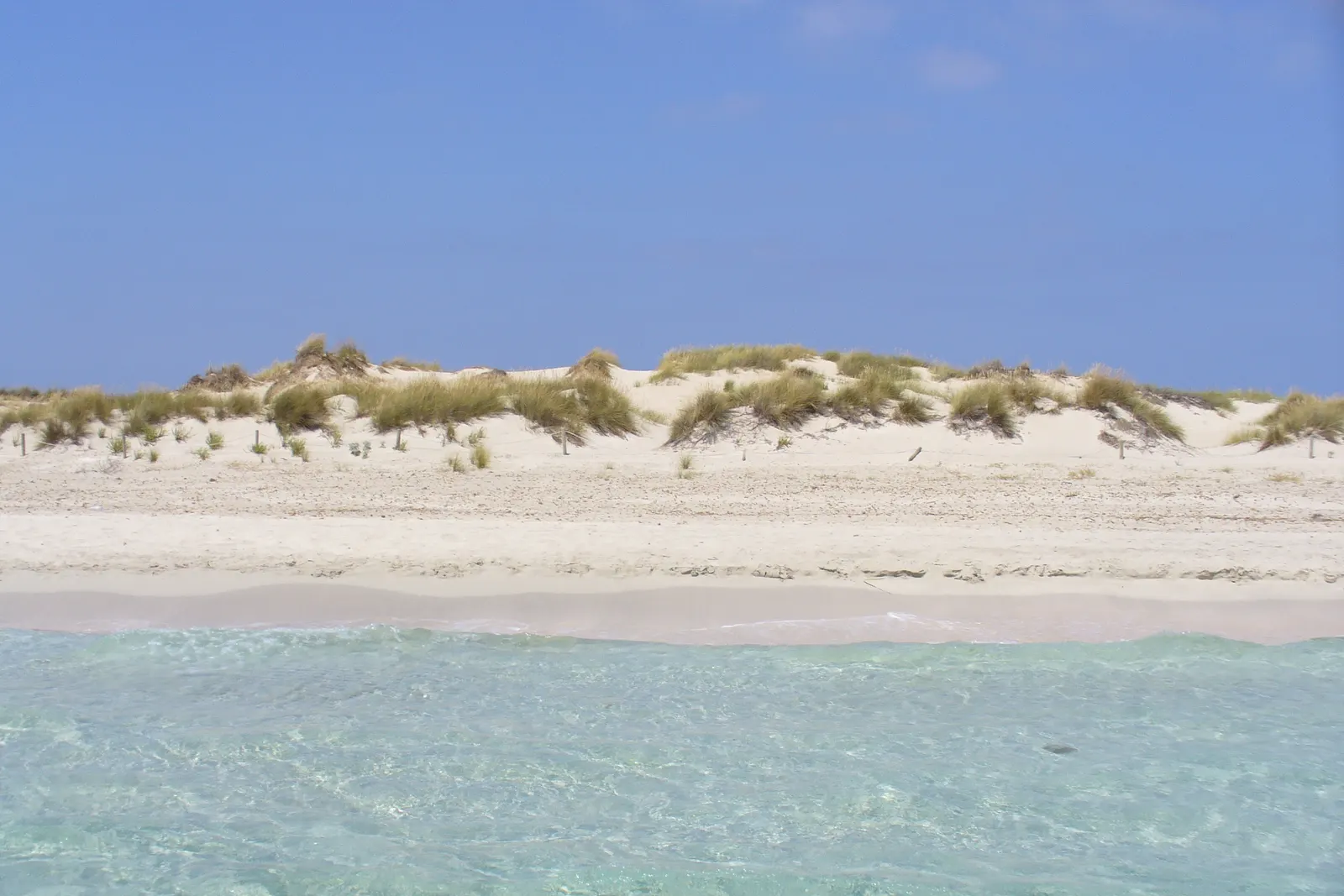
Ses Illetes, if you are going, go early. It is the island’s best-known beach and the first to fill.
What not to do
Try to see everything. Formentera rewards the opposite: choose three places and be in them.
When
May, June and September. In July and August the island takes in far more people than it holds, and the Consell limits incoming vehicles for exactly that reason. In winter little is open, but the lanes and the two lighthouses are still there, and there is nobody.