Ajuy is small: a handful of white houses, boats drawn up on the shore, a black-sand beach and the Atlantic breaking against a dark coastline. It could be just another fishing village on Fuerteventura’s west coast. It is not. Here, ten minutes on foot from the car, you can lay a hand on the oldest rocks in the entire archipelago.
The ocean floor, in plain sight
The Canaries are volcanic, and it is natural to assume that everything underfoot was born of a volcano. Not at Ajuy. What surfaces along this coast belongs to Fuerteventura’s basal complex: material that formed on the ocean floor long before the island existed and that, over time, was lifted and exposed.
Figures vary with the source and the method, so we give them as a range: these rocks date from the Cretaceous, around a hundred million years or more. The island itself, as we know it, is far younger — its first landforms emerged more than twenty million years ago, by most estimates. Even so, Fuerteventura is the oldest island in the archipelago, and Ajuy is where that age can be seen without intermediaries.
You do not need to be a geologist to notice. Just look at the tilted layers, the colours shifting from one band to the next, the different texture of the stone by the water. It is like reading a book opened halfway through.
The walk to the caves
From the beach a path climbs along the cliff, past old lime kilns, and then drops down to the Ajuy caves: great hollows carved by the sea at the foot of the coast. The final approach is a flight of steps; inside, light enters from the ocean and the sound of the water fills the space.
It is a short, straightforward walk, but worth taking seriously:
- Closed shoes. The rock can be damp and slippery.
- Watch the sea, not just the cave. In heavy surf or a strong swell, keep away from the edge and from the cave mouths.
- Respect closures. If access is cordoned off or closed because of rockfalls, do not cross.
- Best early or late in the day. Fewer people, and the low light brings out the relief of the layers.
A natural monument: what not to do
Ajuy is protected as a natural monument, within the Betancuria Rural Park. That has very concrete consequences for visitors:
- Do not take rocks, fragments or sand. Not even one pebble as a keepsake. What makes this place unique is precisely that it is still here.
- Do not mark or scratch the stone, do not build cairns and do not leave the paths.
- No drones in the protected area.
It sounds obvious, but a place like this is not ruined all at once. It is ruined one stone at a time.
Fitting it into the day
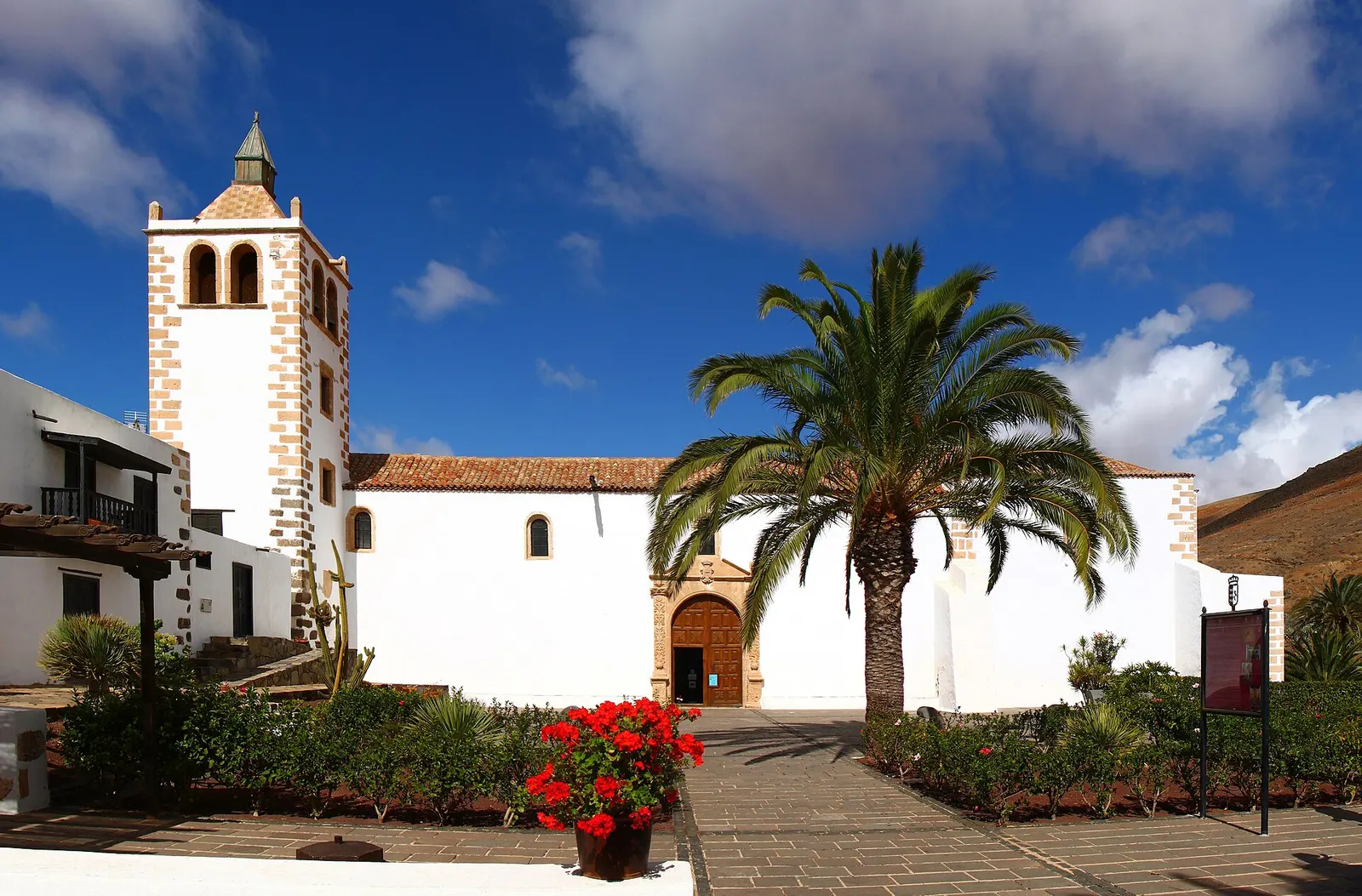
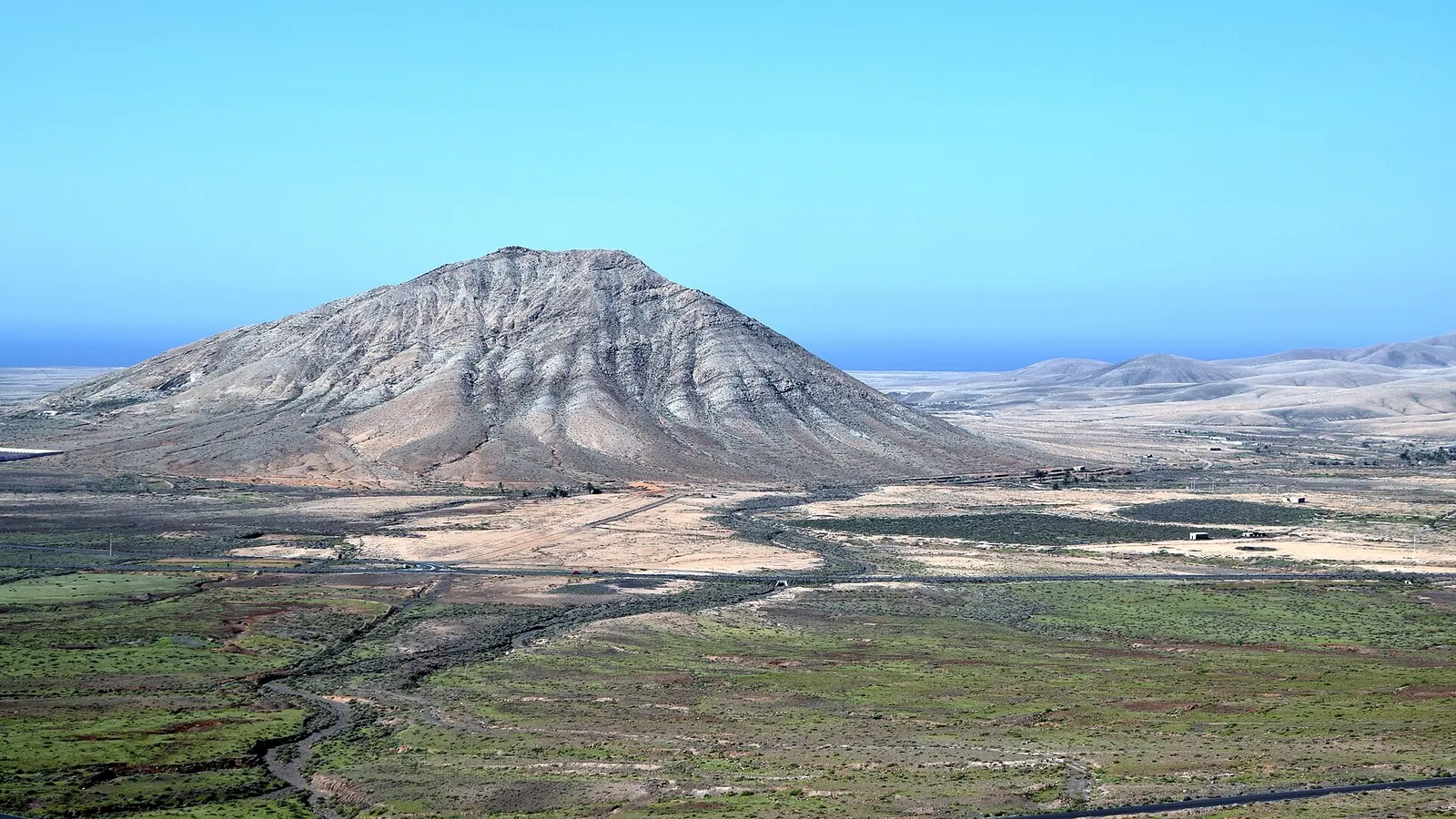
Ajuy pairs well with the interior. From here it is a short drive up to Betancuria and the Las Peñitas gorge, and the whole route traces a small lesson in the island’s history: first the ocean floor, then the volcanoes, then the conquest. If you want more of the island written in stone, Tindaya, in the north, tells another part of the story.
Our view
Ajuy is the briefest of stops and one of those that most changes how you see Fuerteventura. Come unhurried, walk the path slowly, spend a while in front of the layers of rock and leave empty-handed. What you take away is something else.
Geological figures given as a range because sources disagree. Access information as of October 2026: path conditions can change after storms.