Some islands you reach by choice; others by punishment. Miguel de Unamuno came to Fuerteventura as a punishment, in 1924, and left as one of its finest readers. Rarely has an exile left such a deep mark on the way a place is seen.
Why Fuerteventura
In February 1924, the military Directory of Primo de Rivera ordered Unamuno confined to Fuerteventura. The professor and rector of Salamanca, the most uncomfortable voice in the Spain of his day, had sharply criticised the dictator and King Alfonso XIII. The choice of island was no accident: remote, arid, thinly populated and poorly connected. A place where, supposedly, his voice would carry nowhere.
Unamuno landed in the late winter of 1924 at Puerto de Cabras — today’s Puerto del Rosario — then little more than a handful of houses facing the sea.
What he saw
A lament would have been the expected response. What he wrote was something else. In Fuerteventura’s bareness — its stripped plains, its treeless mountains, its unfiltered light — Unamuno found something close to a revelation, and came to describe the island as an oasis: not of water or shade, but of silence and truth set against the noise of the world.
He walked, watched, talked with the islanders and wrote. Those months produced many of the sonnets later gathered in De Fuerteventura a París, a book he dedicated to his friend Ramón Castañeyra, one of the locals who stood closest to him during his exile.
That gaze is, to a large extent, what still gives meaning to travelling to Fuerteventura today: an island that does not dress itself up, and moves you precisely for that reason.
The departure
In July 1924 the regime granted him a pardon. Unamuno did not take it as a happy ending: he left the island that month and, with help from France, ended up in Paris, the start of a self-imposed exile that later took him to Hendaye, on the border, and lasted until the dictatorship fell. Sources do not fully agree on the exact dates of his arrival and departure; either way, he spent about four months on the island.
The House Museum in Puerto del Rosario
During his exile Unamuno lodged at the old Hotel Fuerteventura, a modest guesthouse beside the church of Nuestra Señora del Rosario. Since 1995 the building has been the Casa Museo Miguel de Unamuno. It recreates the rooms where he lived and gathers mementoes of his time on the island. It is small and can be seen, unhurried, in a short visit — which is exactly how it should be seen.
Opening times and admission at the House Museum: check before you go. Information as of October 2026.
In his footsteps
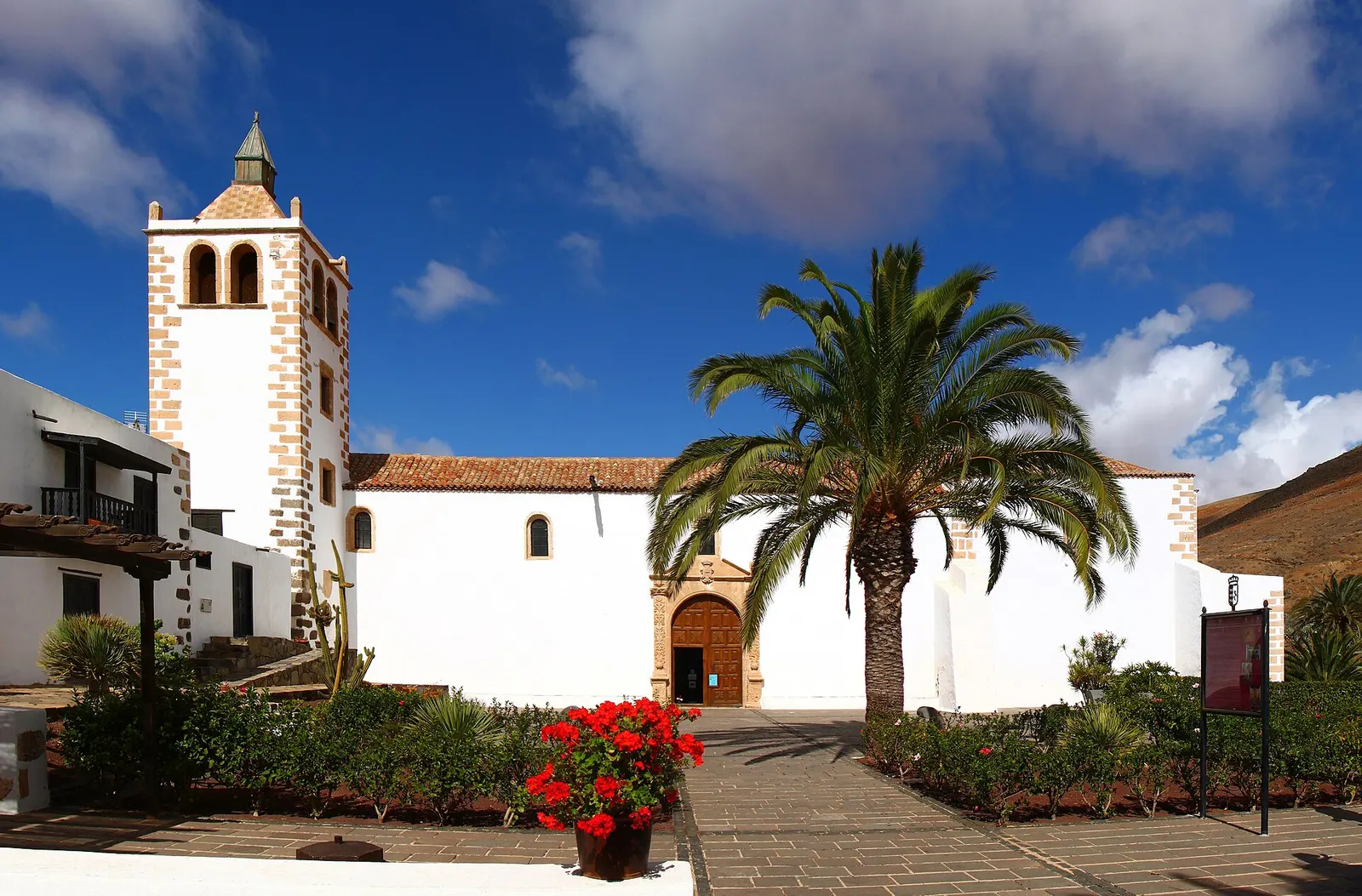
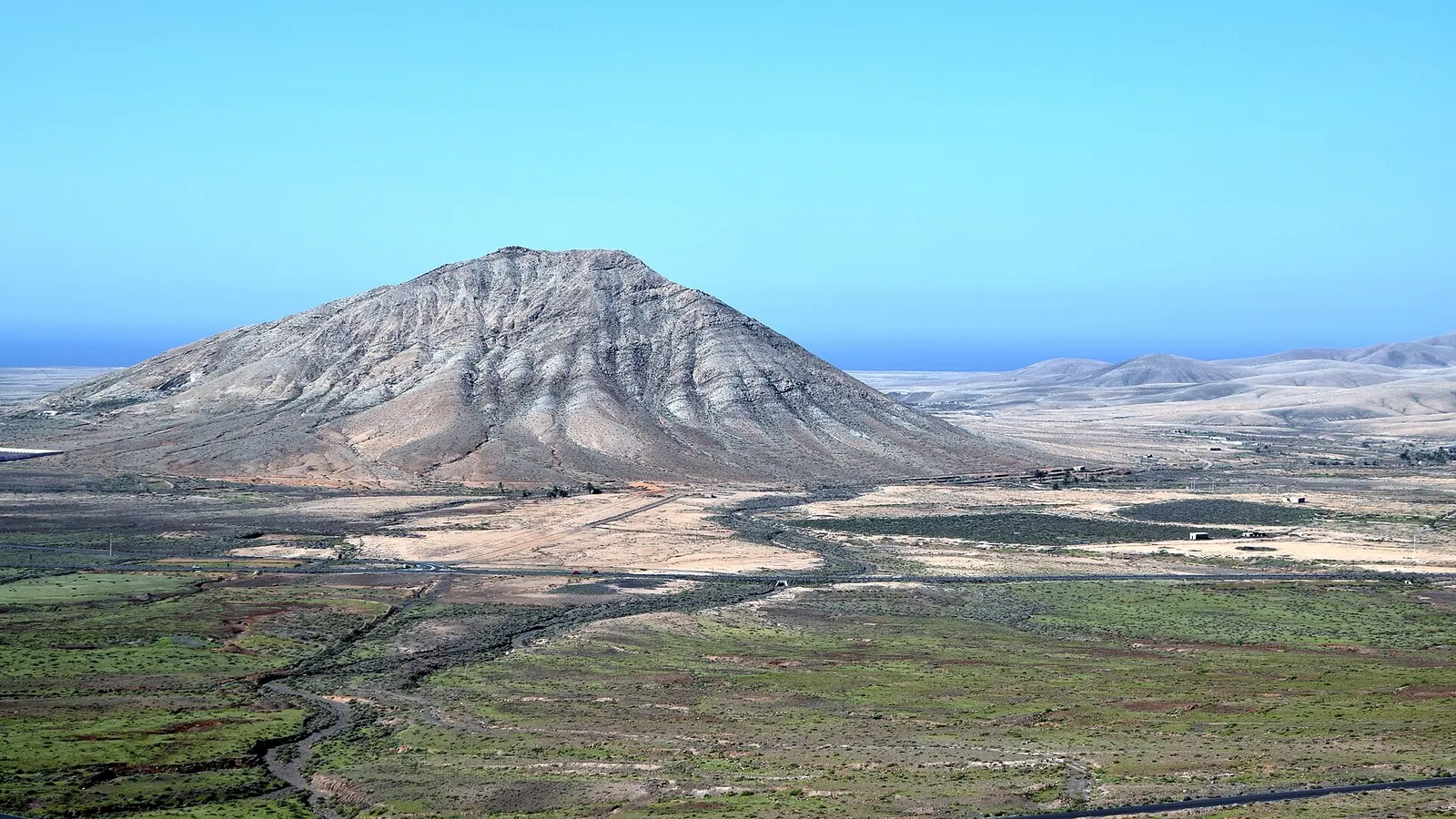
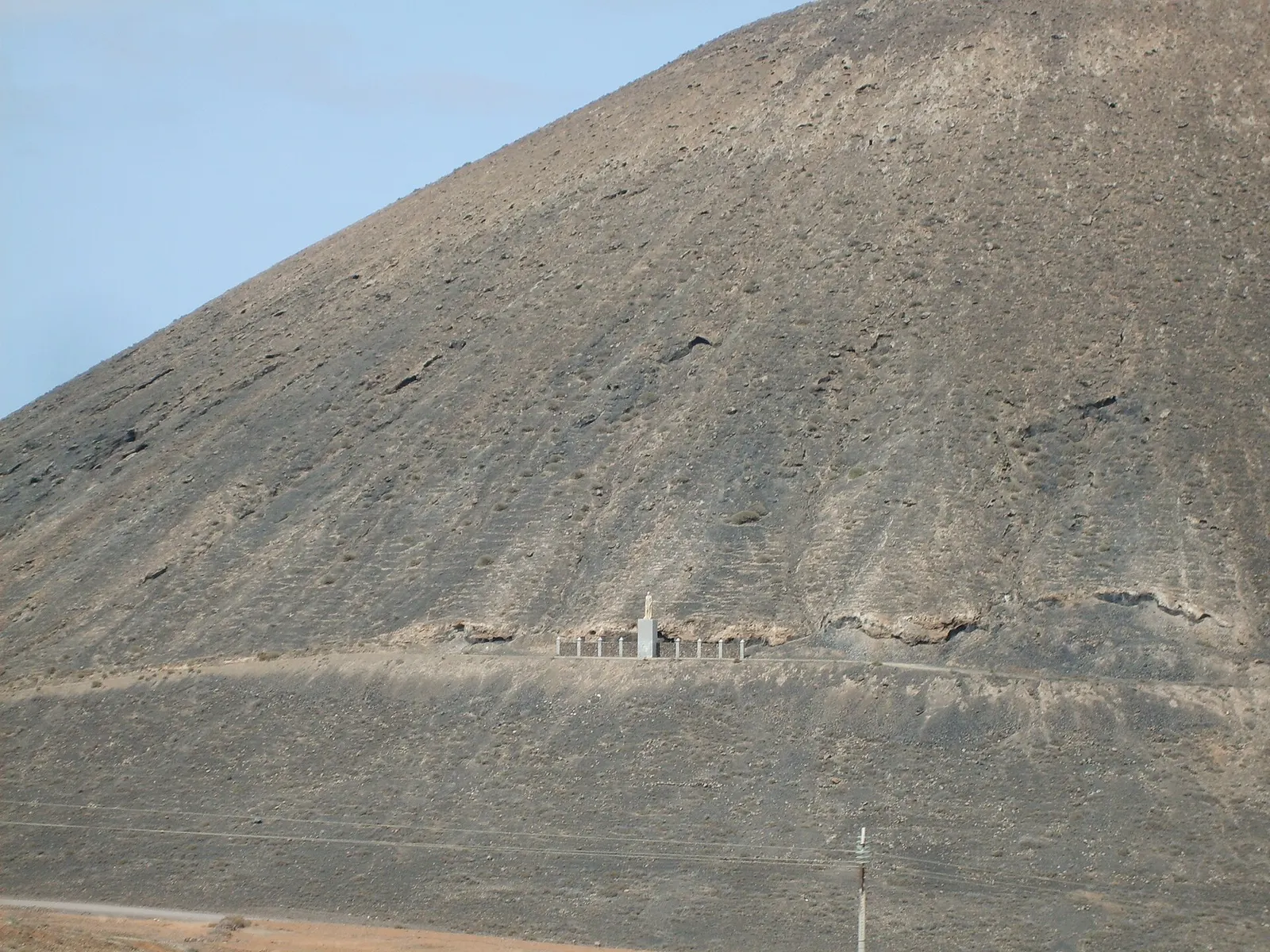
If you want to go beyond the museum, one place sums it all up. On Montaña Quemada, in the north, a monument honours Unamuno facing the landscape he loved. It is very close to Tindaya, the sacred mountain of the Majos, and seeing the two together at dusk is one of the most serene ways to understand the island. To complete the historical picture, head inland to Betancuria, the hidden capital that came before everything else.
Our view
Unamuno came to Fuerteventura under compulsion and left in love with what others considered a wasteland. Reading him before you travel — or during, sitting in front of an empty plain — changes the journey. You need not share his faith or his torment: simply let his way of looking teach you to see an unadorned island for what it is, a place whose beauty does not try.