Some islands go dark in winter. Fuerteventura does the opposite: when the days shorten and the skies close over central and northern Europe, the season begins here for those who come to stay. Not for a weekend, but for weeks. To write, to walk, to read by the sea or simply to live a few months in the light.
January light
In January the island averages 18-20 °C, with highs around 21 °C and lows of 14-15 °C. It rains little — about 14 mm over the whole month, on a handful of days — and the sun holds: the Met Office cites 6-7 hours a day in the winter months and little difference between winter and summer averages. The sea sits around 19 °C: too fresh to linger, just right for a short, bracing swim first thing.
What the brochure leaves out: the wind. The trade winds blow in winter too, and in the shade a breezy afternoon calls for a jumper. Nights are cool. Anyone expecting a tropical summer has the wrong island; anyone looking for a long, luminous autumn has the right one.
Who comes, and for how long
Figures from Promotur, the Canary Islands’ tourism promotion body, paint a clear picture. In 2025 Fuerteventura welcomed around 2.1 million guests in tourist accommodation. The two big markets are Germany, with some 627,000 (about 30%), and the UK, with around 593,000 (about 28%). And one difference tells a story: the average German stay is around 9 nights, against 7.6 for British visitors.
Each market also has its own geography. In Costa Calma, nearly 58% of guests are German, and in Morro Jable around 44%: the south of Jandía speaks German. In Caleta de Fuste, by contrast, British guests make up just over half. Knowing this helps in choosing a base: the south for long beaches and calm; Caleta for proximity to the airport and the golf; the more mixed north for villages with a life of their own.
What stays open
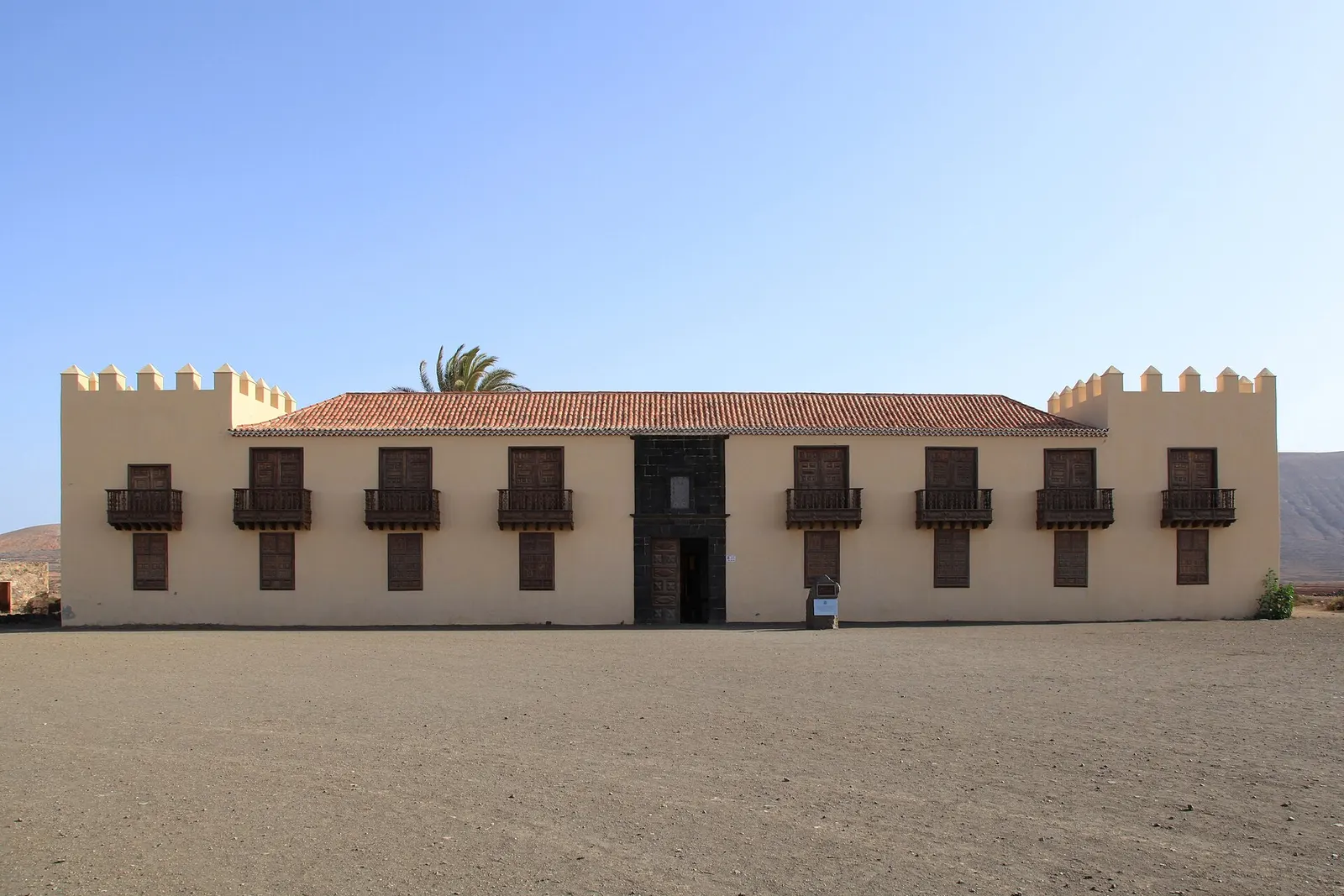
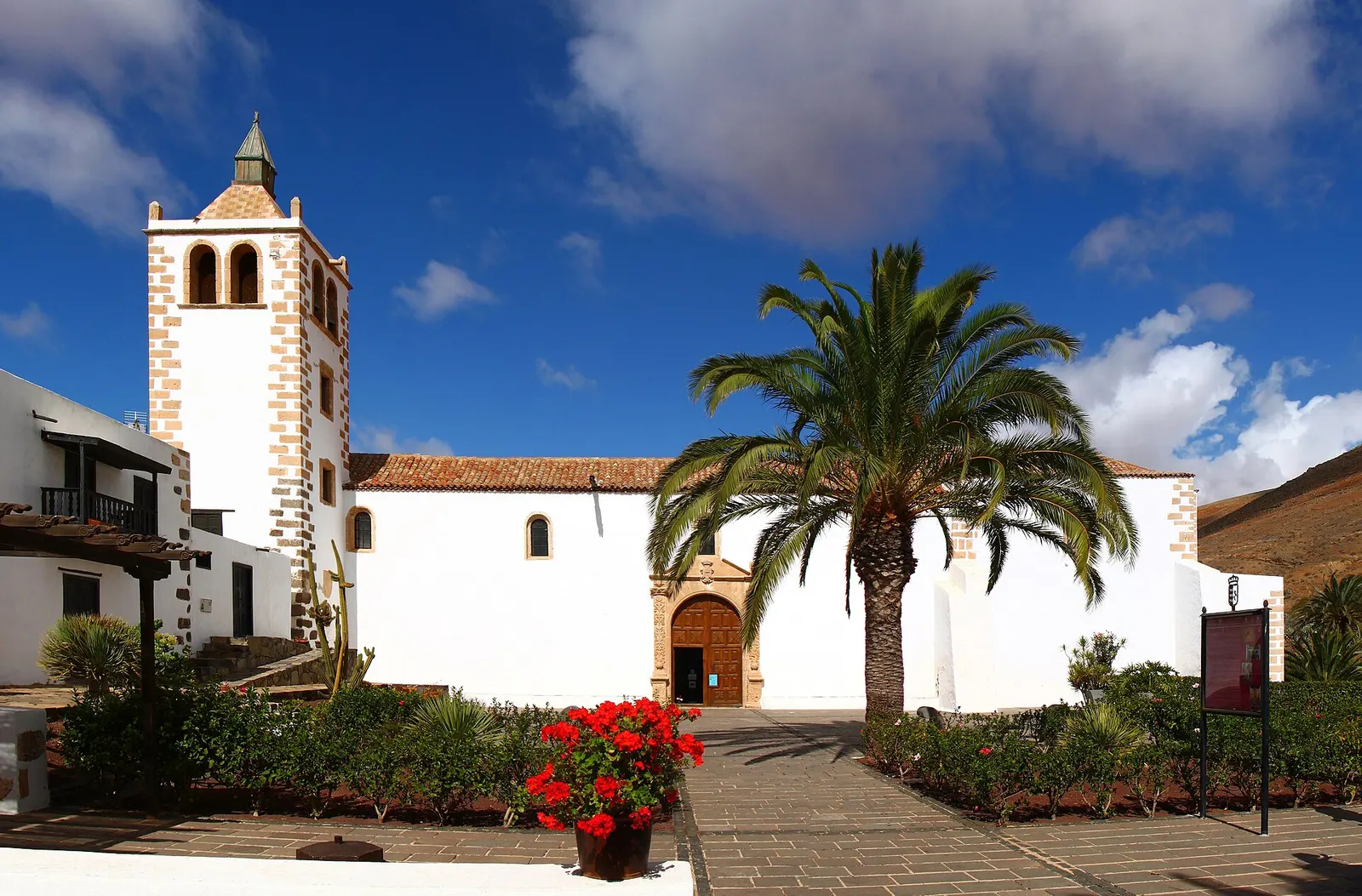
Unlike islands with a short season, Fuerteventura does not shut in winter: this is its high season. The inland villages — Betancuria, Pájara, Antigua — carry on as they always have, markets and restaurants in the towns keep working, and the island keeps its festivals. In late November, for example, Lajares holds the fiestas de la Milagrosa, a village festival made by and for the people who live there.
How a long stay works
- Choose your base by the wind. The trade winds do not blow the same everywhere: ask how exposed the area is and whether the house has sheltered corners.
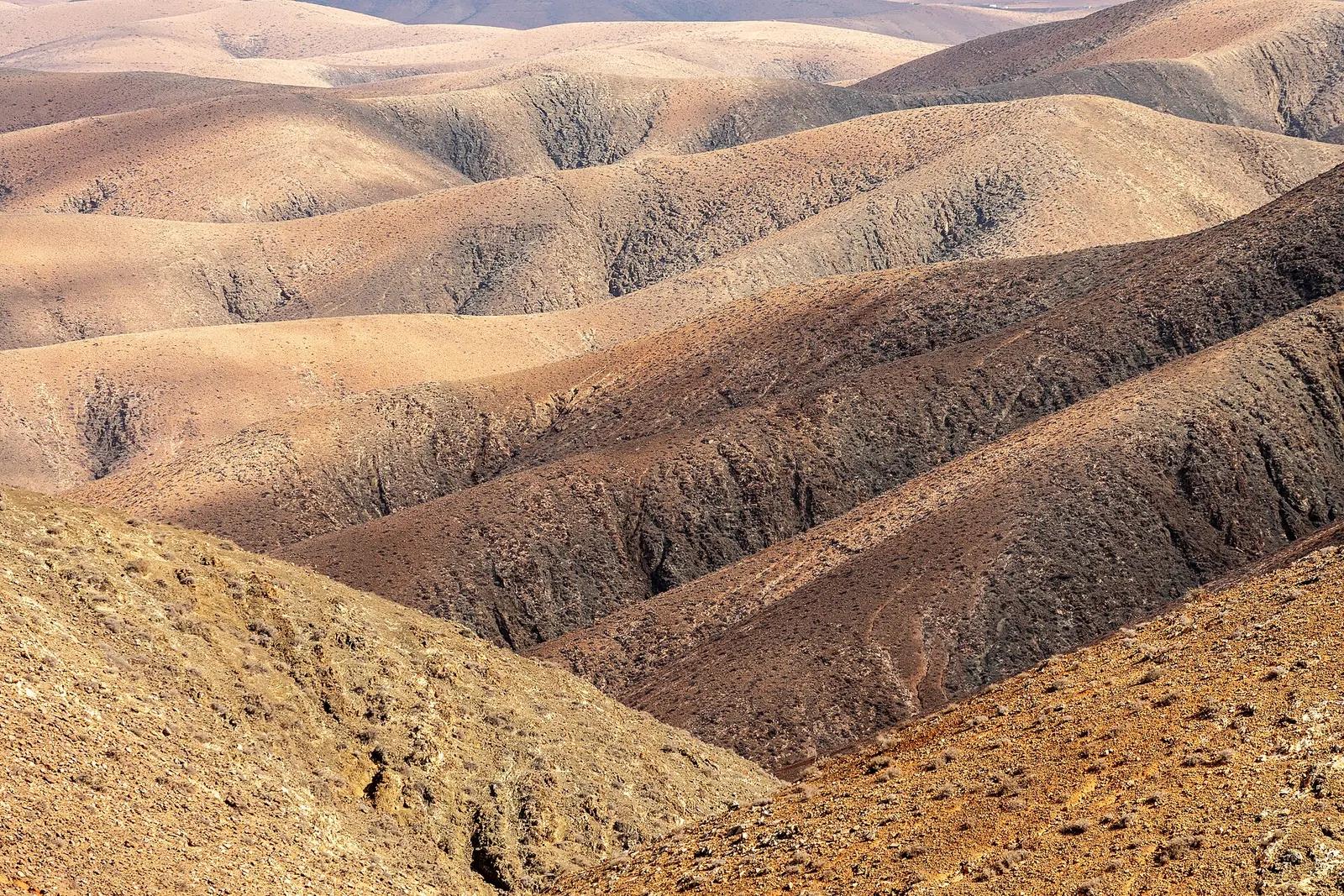
- Have a car. With weeks ahead of you, the freedom to head inland one day and to an empty beach the next changes everything.
- Respect the local rhythm. Mornings are for errands; afternoons for long light. There is no hurry, and that is the point.
- Pack layers. T-shirt at midday, jumper at dusk, something windproof for the beach.
Our view
Winter is Fuerteventura’s natural season, not its low season. It is when the island best keeps its promise: space, light and time. Do not expect summer heat or a warm sea; expect clear days, beaches where you can walk for an hour without meeting anyone, and an island that gets on with life without performing for anyone. If you are torn between months, when to go to Fuerteventura takes it month by month; and to choose where to stay, see our selection of quiet houses.
Guest figures: Promotur Turismo de Canarias, 2025 data, checked in October 2026. Climate data: historical averages, not forecasts.