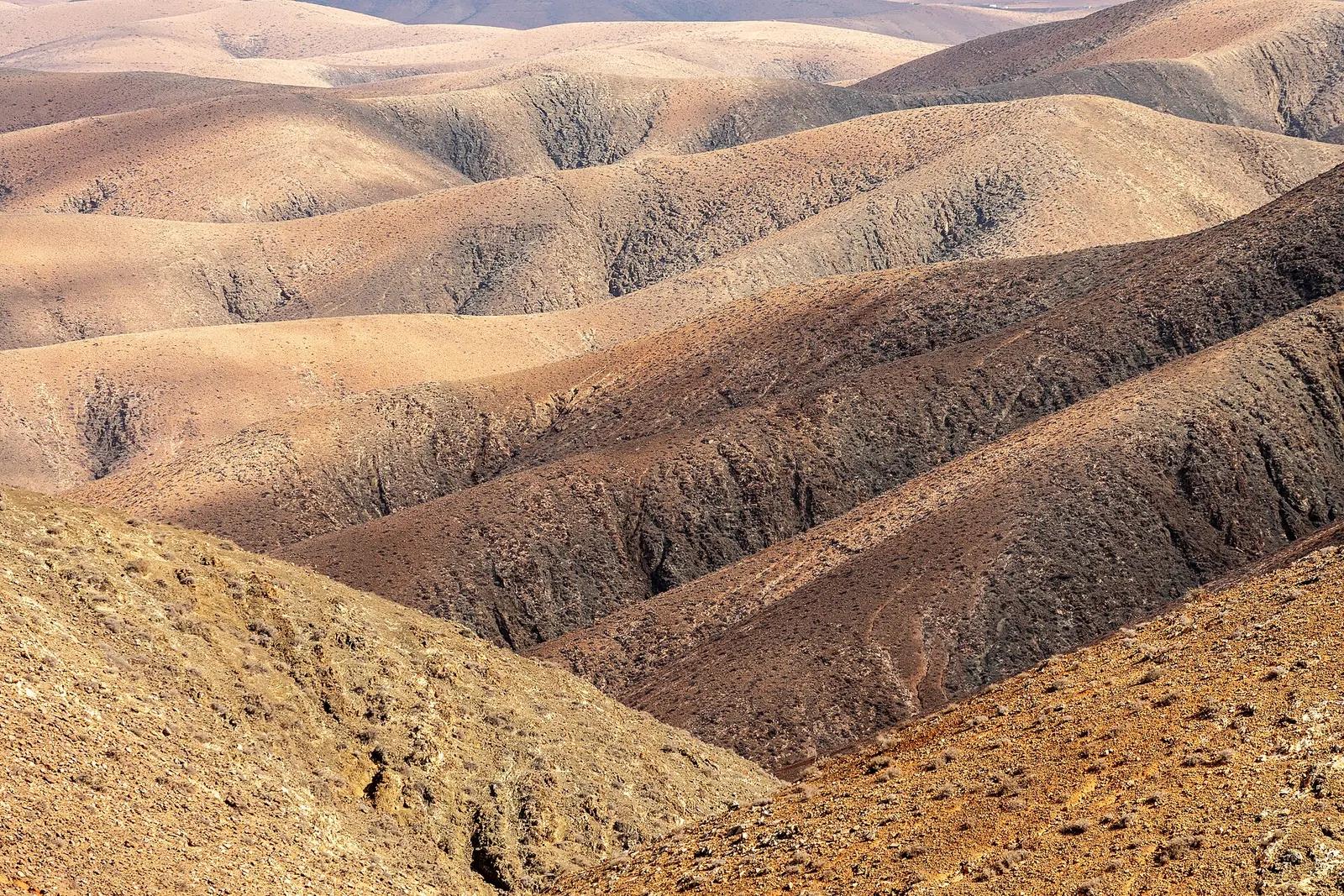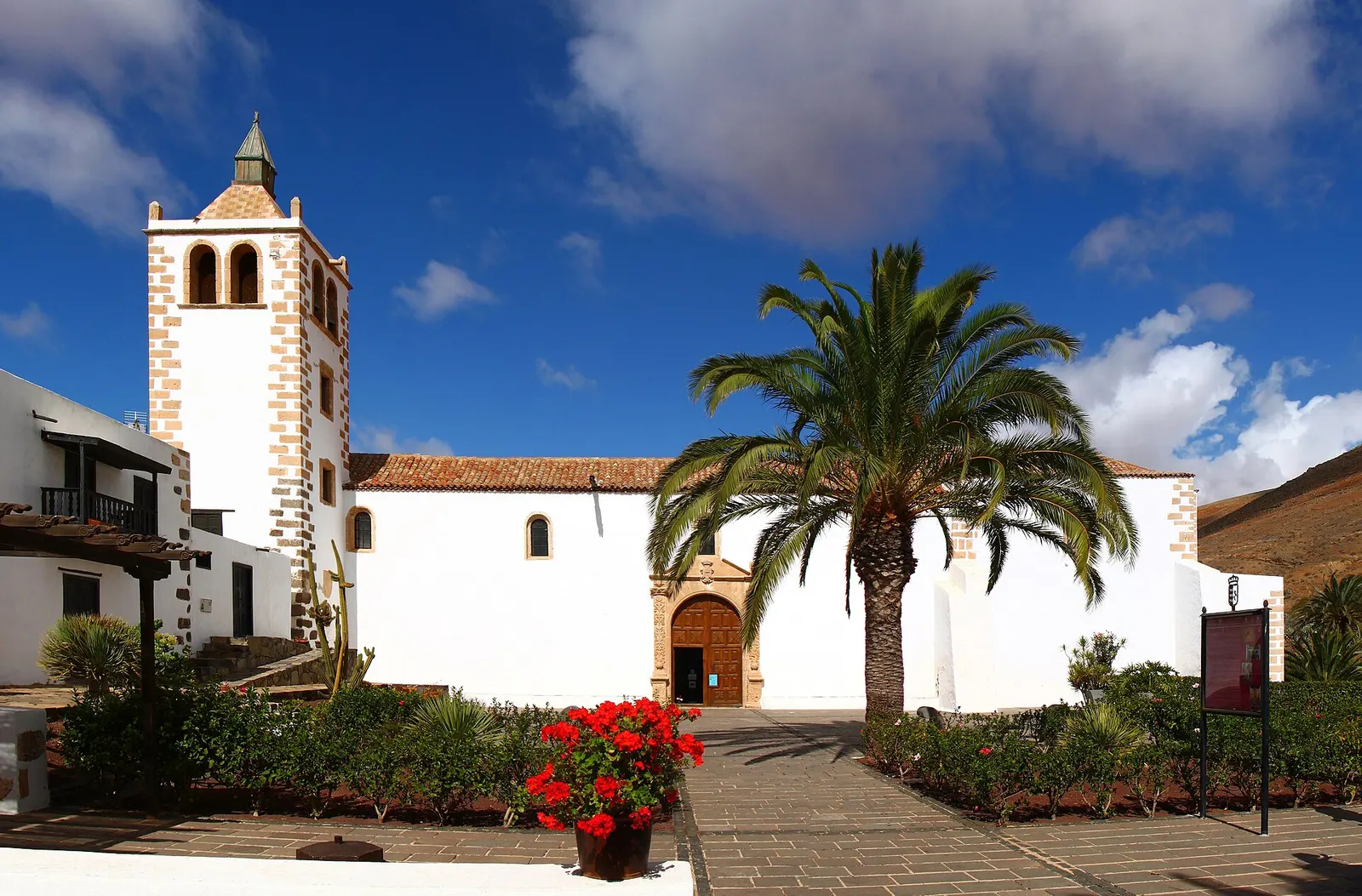
When someone says they have bought a house in the north of Fuerteventura, most people picture Corralejo. That makes sense: it is the largest town, with a harbour, services and life all year round. But a few kilometres inland another north begins — the villages of the municipality of La Oliva, where houses are low, the horizon is made of volcanoes and the pace is set by neighbours, not flight schedules.
This piece does not deal in prices, which move too quickly to fix in a magazine. It deals in the reasons behind each place.
The essentials
- Lajares: surf close by, craftsmanship and a creative community living alongside long-standing village life.
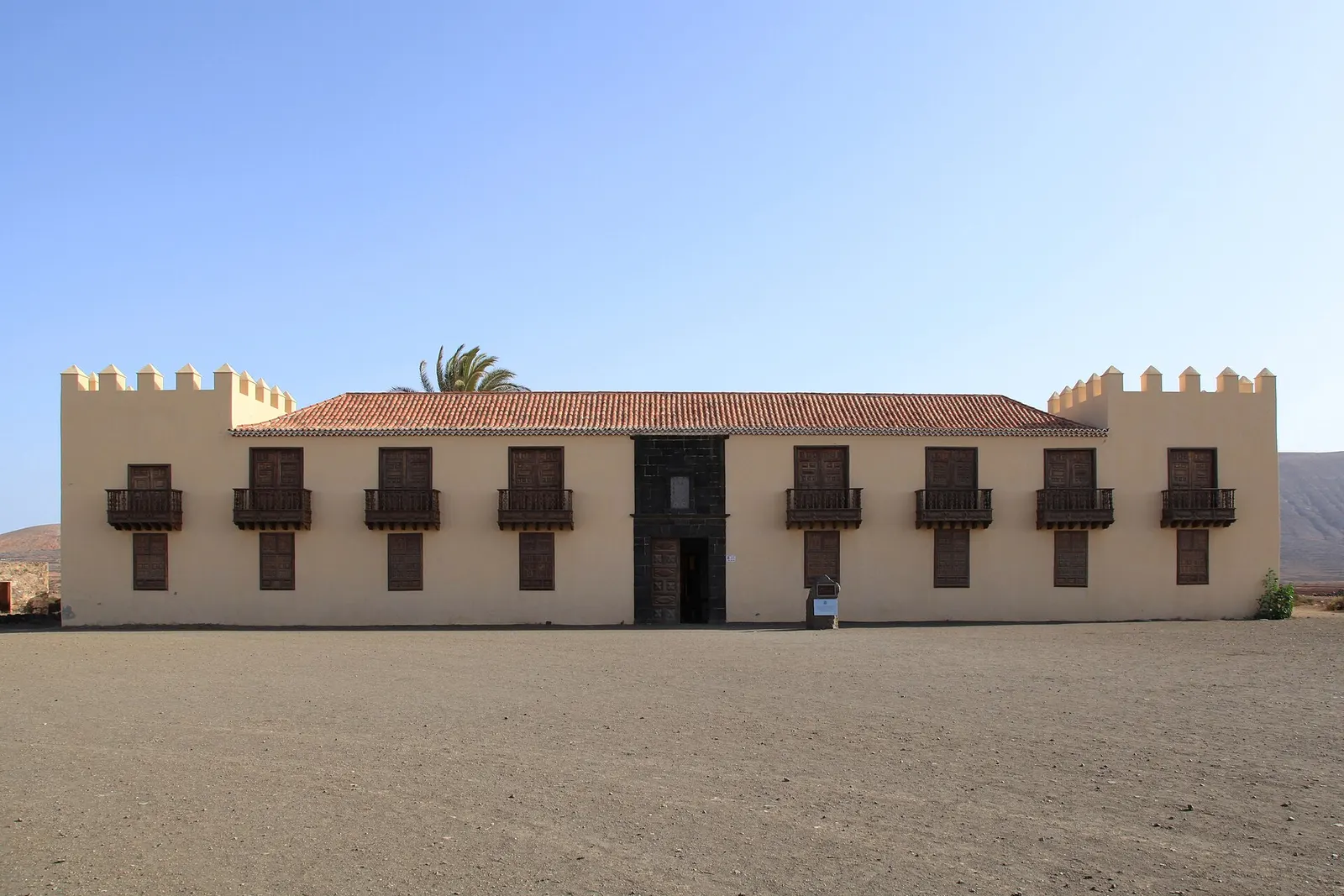
- La Oliva: the historic seat of military power in the north, home to the Casa de los Coroneles.
- Villaverde, Tindaya and El Roque: small, quieter villages among volcanoes and plains.
- Corralejo and El Cotillo: the coast, with more services and more movement.
- For years, foreign buyers have been looking for homes in these villages, not only on the coast.
Lajares: surf, craft and community
Lajares has become a small reference point in the north for surfing and bodyboarding, thanks to its proximity to the waves of the north-west coast, and for craftsmanship too. A creative community settled here years ago and lives alongside the traditional population without erasing it: there are board shops and workshops, but also the tradition of calado, drawn-thread embroidery, and a craft market on Saturday mornings.
As a place to live, Lajares offers something hard to find on the coast: a village with a life of its own all year, a few minutes from El Cotillo and Corralejo. At the end of November it celebrates the Fiestas de la Milagrosa, a good opportunity to see the village as it is among its own people.
La Oliva: the colonels’ house
La Oliva gives its name to the municipality and keeps the building that best explains the history of the north: the Casa de los Coroneles, residence of the militia colonels who for centuries held the island’s military and economic power. It was declared a historic-artistic monument in 1979 and, since its restoration in 2006, has operated as a cultural space, with exhibitions and a permanent display about the colonels. Check opening hours before you go.
Living in La Oliva means living in an inland village with municipal services, halfway between the two northern coasts.
Villaverde, Tindaya and El Roque
Smaller and quieter:
- Villaverde, on the road between Corralejo and La Oliva, spreads across the slopes, with open views of the northern volcanoes.
- Tindaya sits at the foot of the sacred mountain of the same name, one of the most symbolically charged places on the island.
- El Roque, next to El Cotillo, is a step away from the north-western sea and its lagoons.
These are villages for those who want space and silence, and who are happy to drive for almost everything.
What to know before you decide
- A car is essential. Public transport exists, but life in the inland villages is organised around the car.
- The wind rules. The north is windy for much of the year: plan the house, the garden and the terrace with it in mind.
- Buy with independent advice. Have a lawyer check the property’s planning and land-registry status before signing anything.
- If you are thinking of letting it, holiday rentals in the Canary Islands are regulated and require prior registration: find out first, not afterwards.
Getting to know the area first
- A day in the north-west → El Cotillo, Lajares and the Calderón Hondo crater.
- The dunes, early in the day → the Corralejo dunes on foot.
- What the north drinks → the wine nobody expects on Fuerteventura.
- The north’s most symbolic place → Tindaya, the sacred mountain.
- What the island is like out of season → Fuerteventura in winter.
- To try the island before buying → Fuerteventura’s quiet-luxury hotels.
Our view
Fuerteventura’s inland north does not compete with the coast: it complements it. Those who choose Lajares, La Oliva or Villaverde are not after a seafront address, but the sea within reach and silence at the door. It is a way of living on the island that does not depend on the season, and that is why it lasts.
Information as of October 2026. This piece does not include property prices and does not recommend estate agents, holiday rentals or specific transactions. Before buying, consult an independent lawyer and tax adviser.