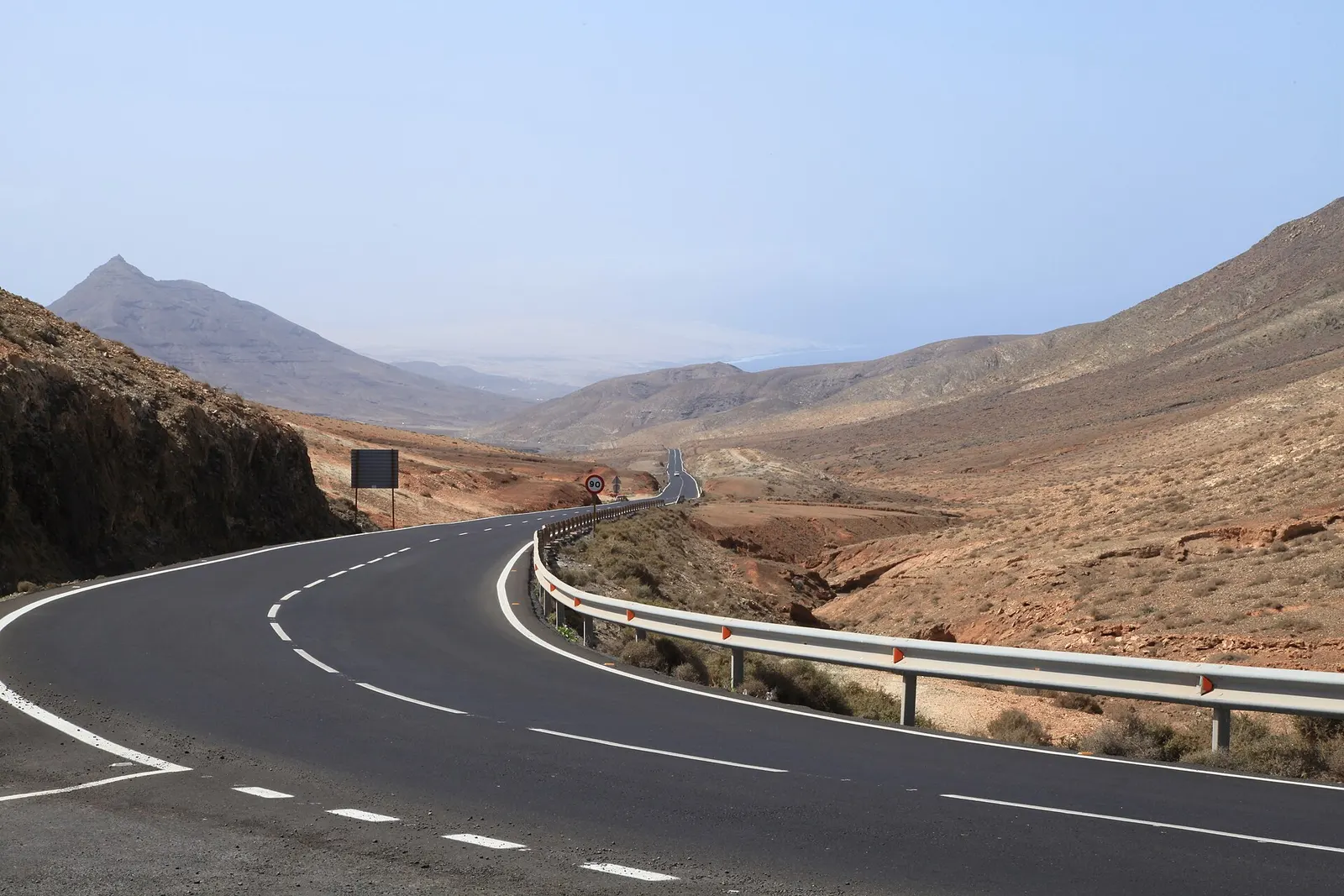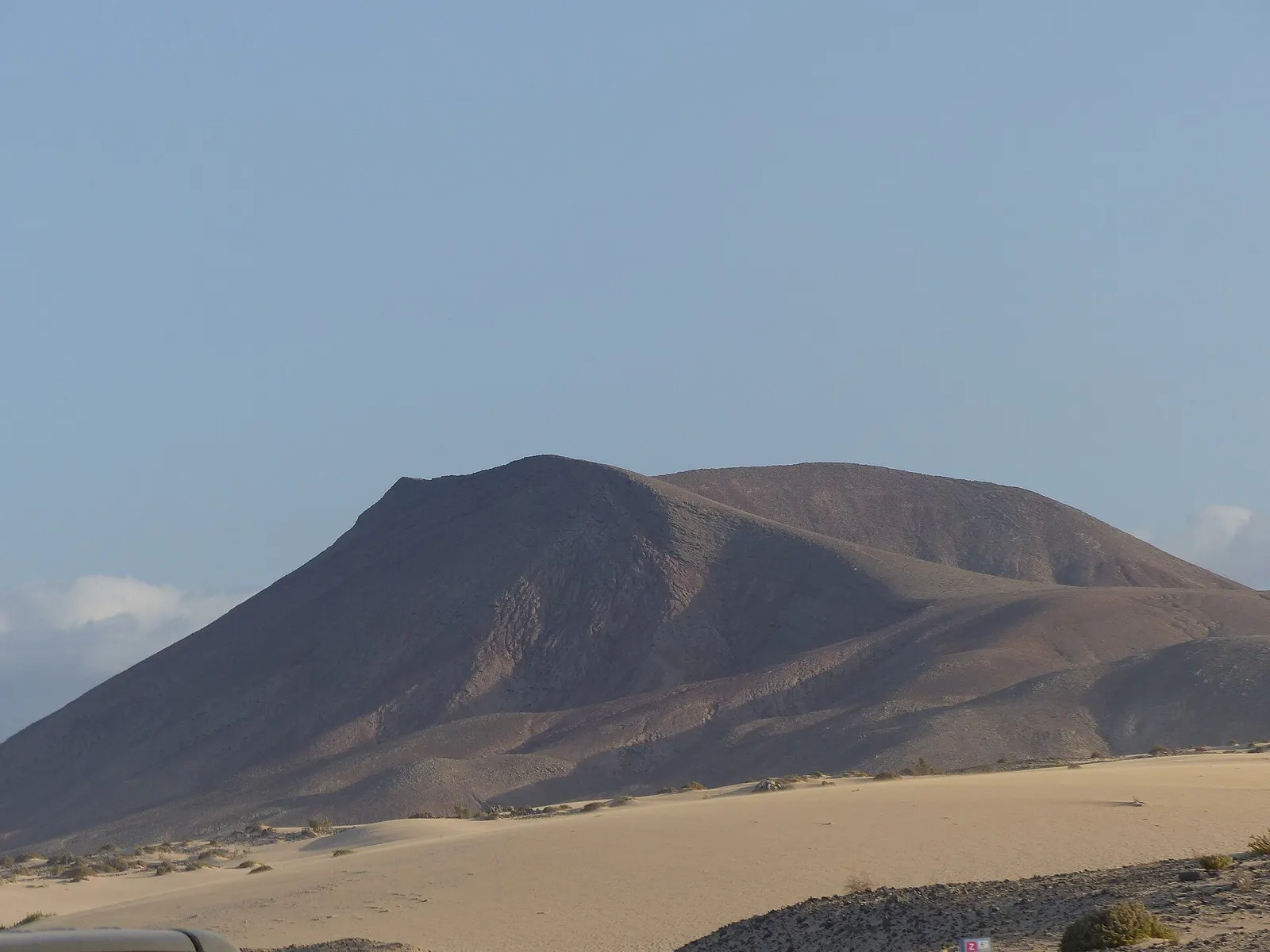
Fuerteventura has no season that is bad because of the cold, and that changes the question. Sunshine is all but guaranteed year-round; what really shapes a trip is the wind — the steady north-easterly trade winds — and the state of the sea. Choosing when to come here means choosing how much wind you want in your face and what kind of water you are looking for.
The essentials
- Mild winter: in January, averages of 18-20 °C, highs around 21 °C and lows of 14-15 °C.
- Little rain: about 14 mm in January, spread over a few days.
- The water: around 19 °C in January. Fresh, not cold.
- Summer: more wind. It is the season of the windsurfing and wingfoil competitions.
- The time: the Canaries keep UK time, an hour behind mainland Spain.
Winter: the island of January sunshine
The Met Office counts Fuerteventura among the classic winter-sun destinations, with 6-7 hours of sunshine a day during Europe’s cold months and little difference between winter and summer averages. That is why German and British visitors fill it in winter, and why many stay for weeks.
What to accept: evenings turn cool, you will want an extra layer in the shade when the wind blows, and a sea at 19 °C invites short swims rather than long ones. For the unhurried traveller, it is the best light of the year. We go into detail in Fuerteventura in winter.
Summer: the island of wind
The trade winds blow most steadily in the summer months, and the island makes the most of it: the Sotavento windsurfing and wingfoil World Cup, on the Pájara coast, takes place every summer, in July and August. For anyone who sails or kites, this is the time. For anyone who would rather lie on the sand without the sand coming for them, choose the beach carefully: coves and beaches sheltered from the wind fare better, and even the south has very exposed stretches, Sotavento among them.
The sea, coast by coast
Fuerteventura has two faces. The west coast and the north take the Atlantic swell; the east and south tend to be more sheltered. At El Cotillo, for example, the open beach has powerful surf in winter, while the lagoons north of the village, protected by rock, are the calm option when the sea is up. There is no need to change your dates: just change beach to suit the day.
One rule for every month: respect the flags and the warning signs. The Atlantic is not a lake, and some beautiful beaches — Cofete, the most famous — are not for swimming.
Month by month, in a line
- December to February: gentle sun, fresh water, short afternoons. High season for long stays.
- March and April: the days lengthen and the wind begins to show.
- May and June: mild temperatures, outside the main European holidays.
- July and August: steady wind and competition season; school holidays too.
- September and October: the sea keeps its summer warmth and the wind usually eases.
Our view
If calm is what you want, aim for May, June, September or October: outside the school holidays, with gentler wind than in high summer. If you want sun when Europe has none, winter is this island’s reason for being, as long as you accept a jacket at dusk. And if you are coming for the wind, you already know: July and August. What never changes, whatever the season, is the space: Fuerteventura never quite feels full. To plan the whole trip, start with getting from the airport to your hotel.
Average climate data checked in October 2026 (historical averages, not forecasts). Any given year can differ.