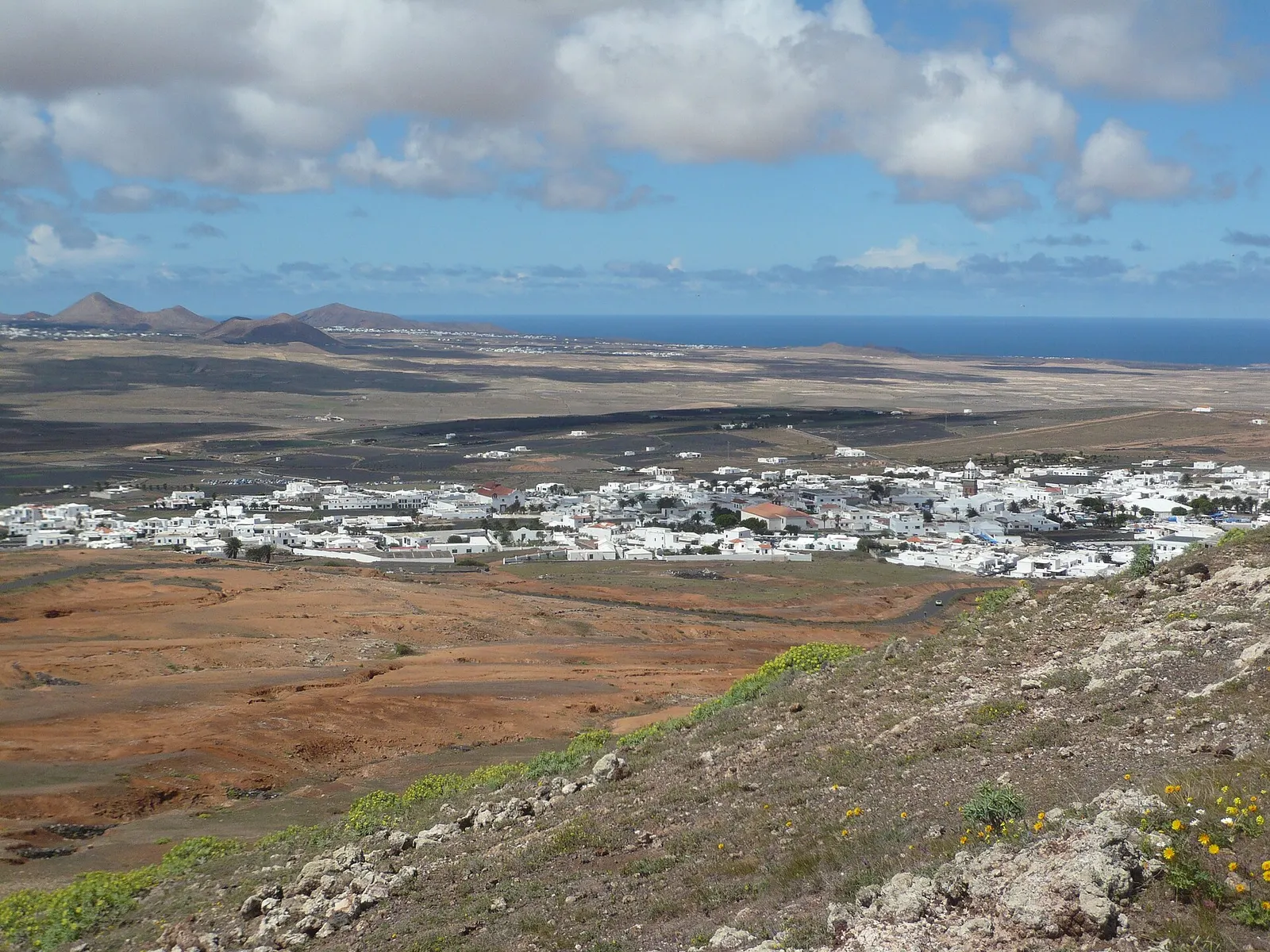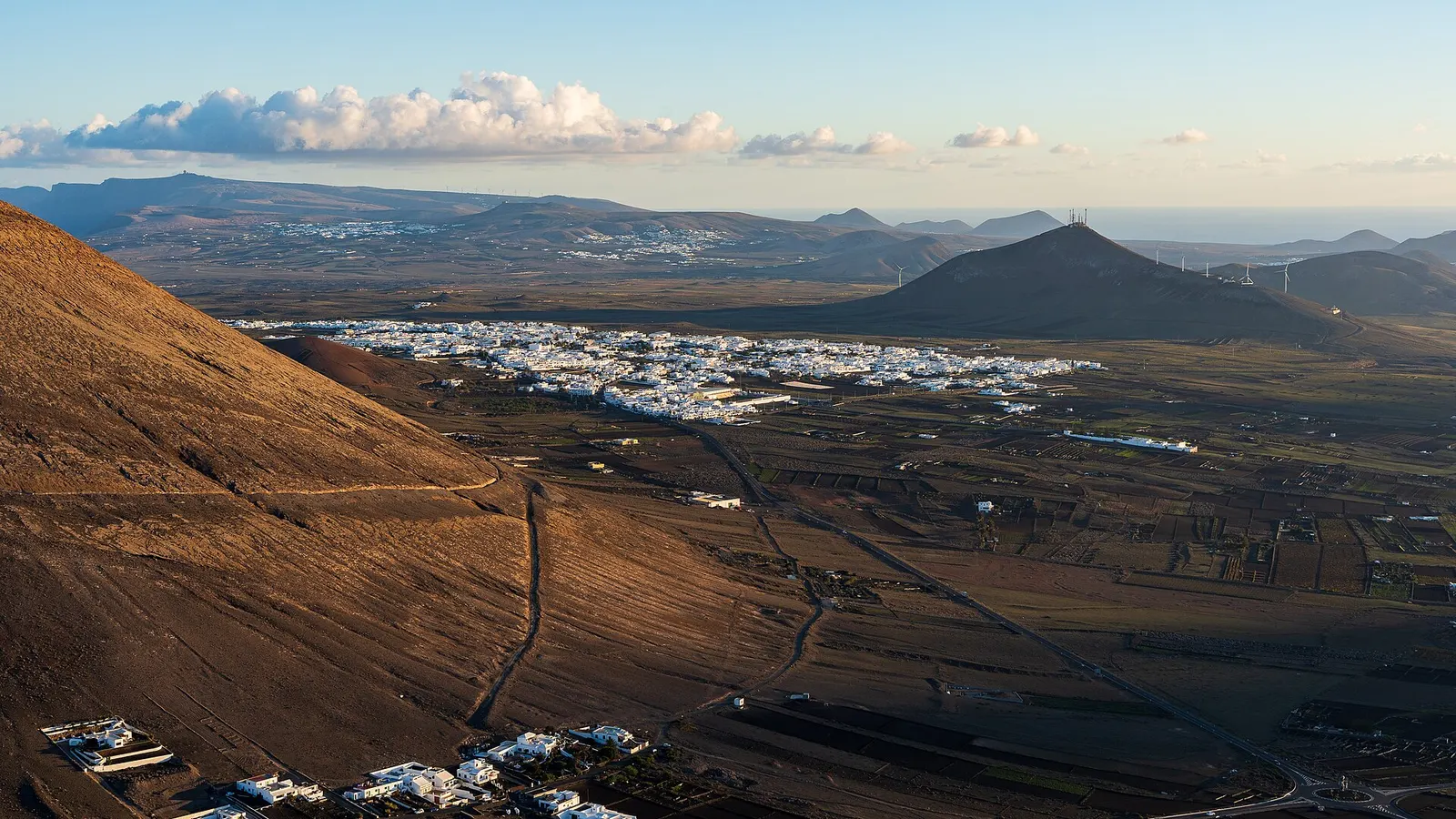
Some islands are explained by their landscape, others by their history. Lanzarote is explained, above all, by one person. Arrive for the first time and you notice something before you can name it: low white houses, green or brown woodwork, roads without hoardings, villages that have not been stacked on top of one another. It is neither chance nor simply tradition. It was a decision, and it has a name.
An artist who came home
César Manrique was born in Arrecife on 24 April 1919. Painter, sculptor, architect without a diploma and, above all, someone with a very clear idea of what his island must never become. When tourism reached the Canary Islands, Lanzarote had everything it needed to repeat the model of other coastlines: cheap land, sunshine and haste.
Manrique proposed the opposite. He is credited with driving the rules that kept high-rise hotels and billboards off the island, and he argued that whatever was built for visitors should respect vernacular architecture and the volcanic landscape. He did not do it from an office. He did it by building.
The house on five lava bubbles
The best way to understand him is to visit his house at Taro de Tahíche, now the seat of the César Manrique Foundation. It sits on a lava flow from the eruptions of 1730–1736 and uses five volcanic bubbles as rooms: above, a white house in the island idiom; below, spaces opened inside the lava itself.
He lived there from 1968 to 1988, then withdrew to Haría, in the north, the valley of palms where he spent his final years. He died on 25 September 1992 in a road accident near the Foundation, in Tahíche.
This is not a museum in the usual sense. It is a lesson in method: do not fight the ground, listen to it. Go early, while the lava rooms are still silent.
A body of work as a network
Manrique was the principal creator of most of the art, culture and tourism centres the island council, the Cabildo, runs today. They are best seen not as separate attractions but as one project spread across the island, written in the same grammar: the volcano as material, vernacular architecture as the rule, and the visitor as a guest rather than a customer to be dazzled.
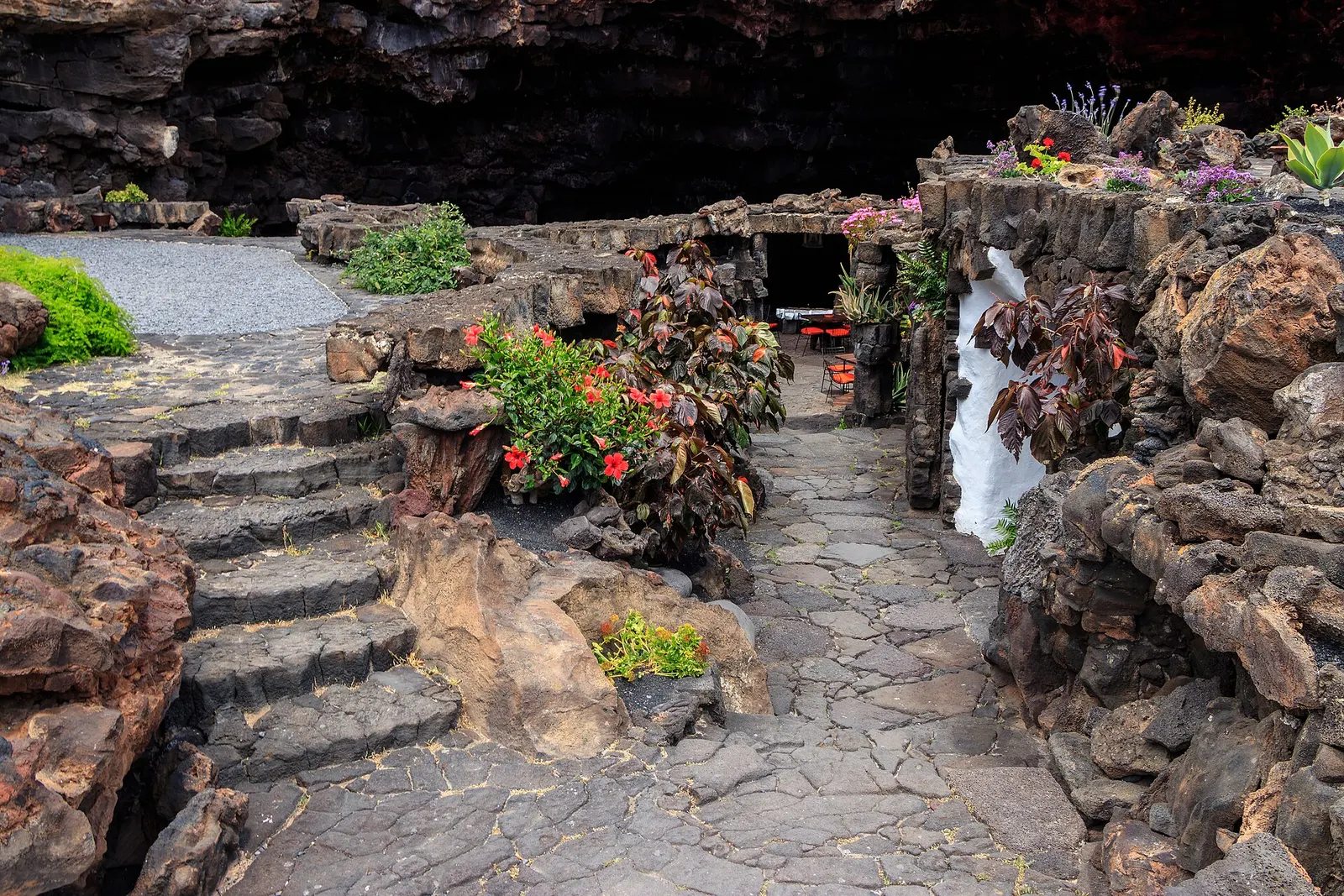
- In the north, Jameos del Agua was his first centre: a lava tube turned into lake, garden and auditorium.
- Close by, in the same lava tube, Cueva de los Verdes bears the hand of his collaborator Jesús Soto.
- High on the Risco de Famara, the Mirador del Río hides a building inside the rock to look out over La Graciosa.
What it gives the traveller
Seeing Lanzarote without knowing who Manrique was is like walking a city without knowing someone designed it. With him in mind, the island changes: you understand why the villages are low, why the landscape is left visible from end to end, and why, on an island so exposed to tourism, there is so much empty space.
That emptiness is the luxury. Worth remembering at any of his works: lava and volcanic stones stay where they are. Taking them home is not a souvenir; it subtracts from the island part of what he fought for.
How to plan it
Do not string all the centres together in one day. One in the morning, one in the afternoon, and time in between. The house at Tahíche is close to Arrecife and the airport and makes a good first visit: once you have seen it, the rest of the island reads differently. Opening hours and tickets are on the Foundation’s official website (October 2026 information; check before you go).
For travelling between one centre and the next, our guide to getting around Lanzarote covers the practicalities.