Lanzarote has a festival calendar that is not designed for visitors, and that is exactly why it is worth knowing. These are the days when the island gathers with itself: whole villages walking through the night, open-air masses, dances in the squares and sailing boats in the harbour. Those who arrive on these dates are not watching a show, but something that still belongs to the people who live here.
Los Dolores: the island’s great gathering
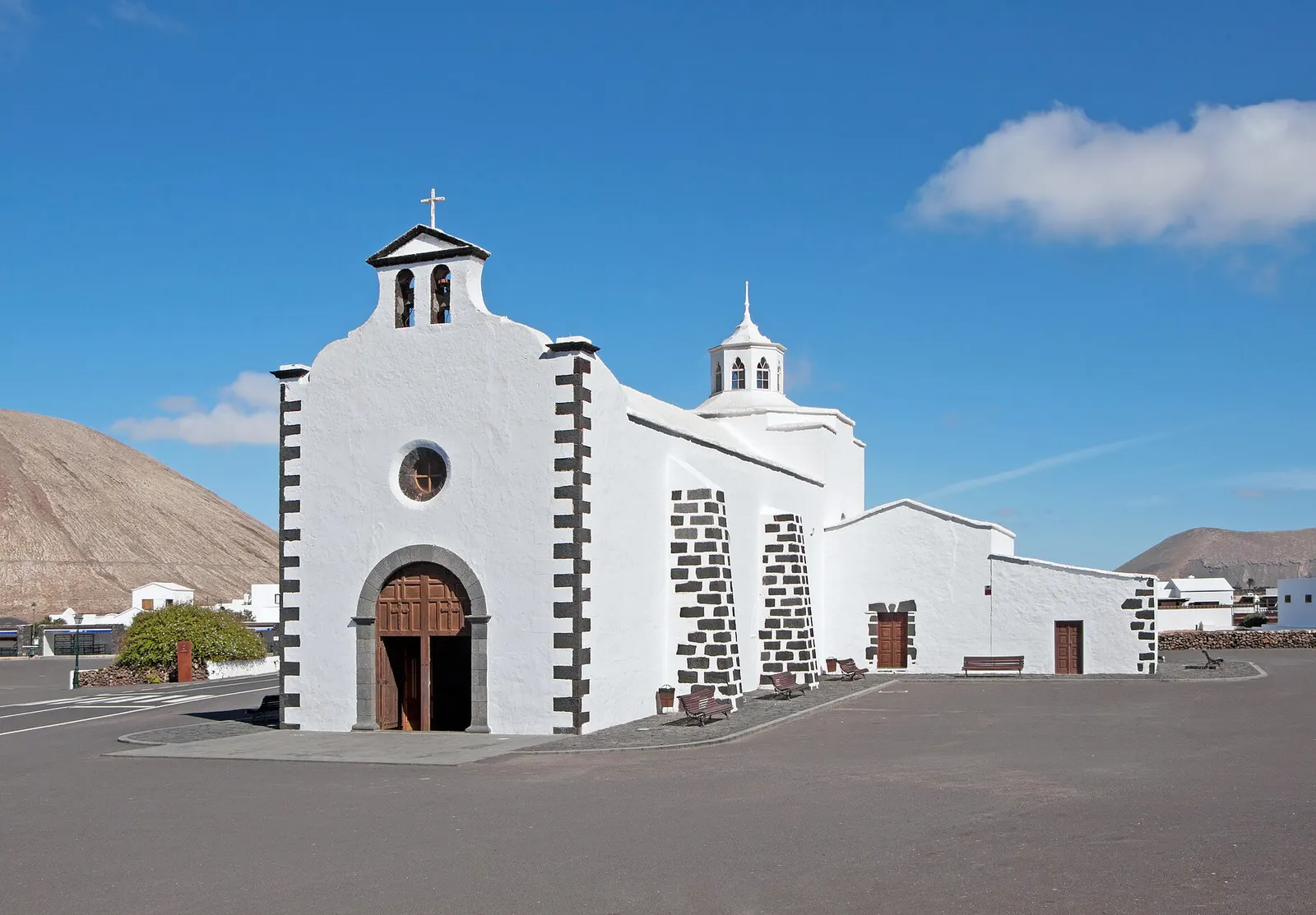
If one festival explains Lanzarote, it is that of the Virgen de los Dolores, whom islanders also call the Virgen de los Volcanes — Our Lady of the Volcanoes. Her chapel stands in Mancha Blanca, in the municipality of Tinajo, on the edge of the volcanic landscape of the west.
The devotion was born of the volcanoes. Tradition has it that, as the lava advanced on the villages, local people carried the image in procession to ask that it spare their homes and fields; the lava stopped, and the island has given thanks every year since. The memory of fire returned in 1824, when a new eruption opened near Tao. Although Lanzarote’s official patron is the Virgen de las Nieves, it is Los Dolores that holds the island’s popular devotion.
The main festival falls in mid-September, around the 15th. Its heart is the romería, the pilgrimage: thousands of people walk from different parts of the island to the chapel, many in traditional dress, arriving at Mancha Blanca by night. Around the festival there is a craft fair bringing together the island’s trades. The exact date of the pilgrimage changes every year, so check the Tinajo town council’s programme.
In 2024, two hundred years after that eruption, the image was carried down to Arrecife: only the third time in its history that it had travelled to the capital. It gives a sense of what this festival means.
San Ginés: Arrecife turns to its lagoon
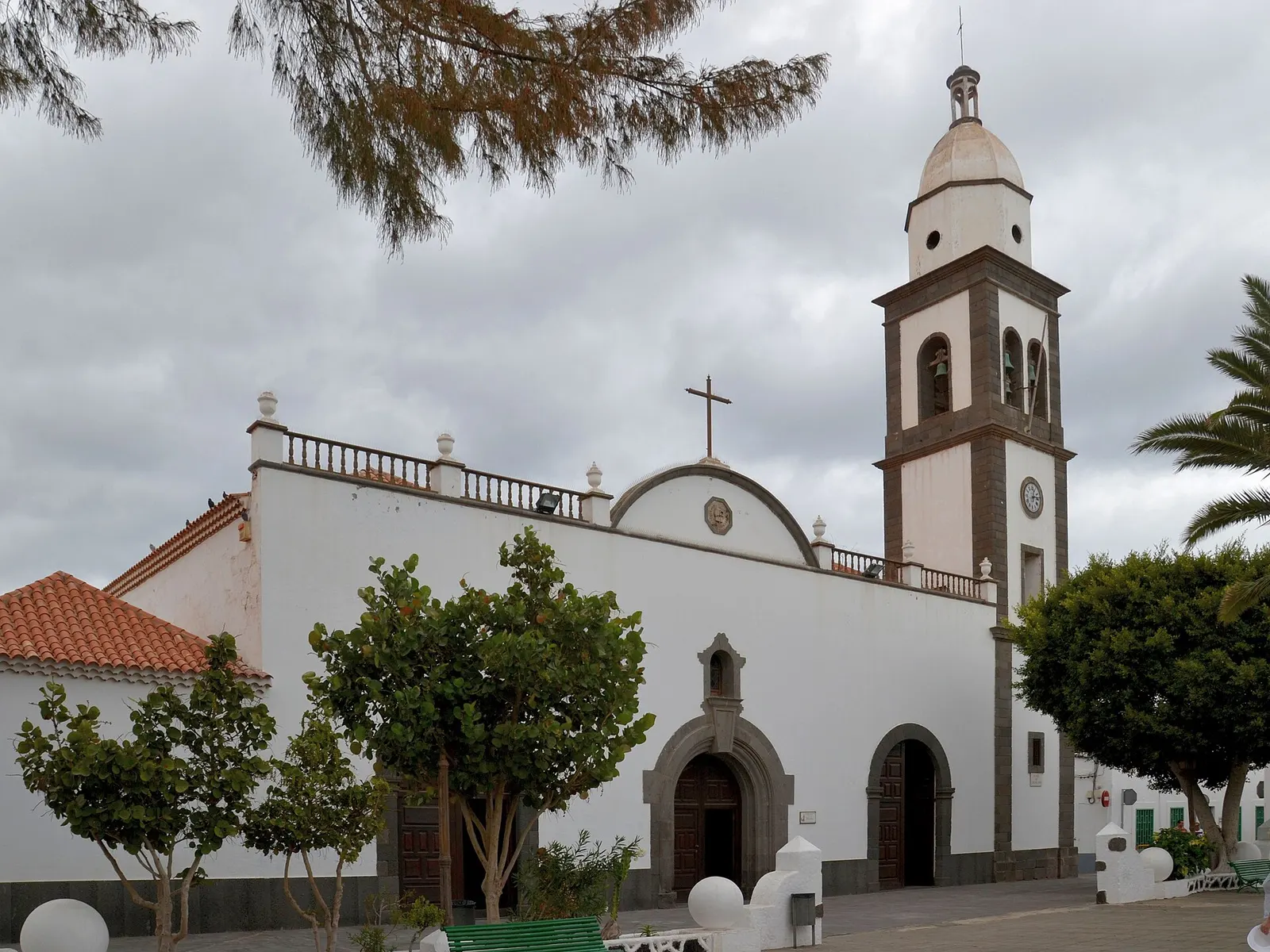
In August, the capital celebrates its patron saint, San Ginés. The centre of everything is the Charco de San Ginés, the seawater lagoon in Arrecife’s old quarter, ringed by low houses and fishing boats, which gives its name to both the church and the festival.
Through the second half of August there are open-air dances, concerts, a folk festival, children’s games and lateen-sail regattas at sea. The main day is 25 August, with mass, procession and fireworks over the beach. Arrecife town council publishes the full programme each year.
Carnival
Carnival on Lanzarote is centred above all on Arrecife, with parades, murgas and troupes filling the city for days. The dates change every year, since they follow the Lenten calendar: it usually falls between February and March. It is the loudest festival and the most open to outsiders, and also a way of seeing the city from the inside.
How to attend respectfully
- The romería is a pilgrimage, not a parade. You can walk with it, but at the pace of those making it, and without blocking the way for photographs.
- At masses and processions, discretion: appropriate clothing, phone on silent, camera in the background.
- Accommodation and car: on the main days, the area around Mancha Blanca and central Arrecife fill up. Arrive early, park where indicated and, if possible, get around on foot or by bus (the guagua).
- Local time: the Canaries run an hour behind mainland Spain; official programmes use island time.
Why go on these dates
Because an island is best understood when it is celebrating for itself. September, moreover, is one of the best months to be on Lanzarote: the sea is warm, the heat eases and the island returns to its own rhythm. Watching the pilgrimage reach Mancha Blanca at night, with the volcanoes behind, is to grasp at once the relationship these people have with the ground beneath their feet.
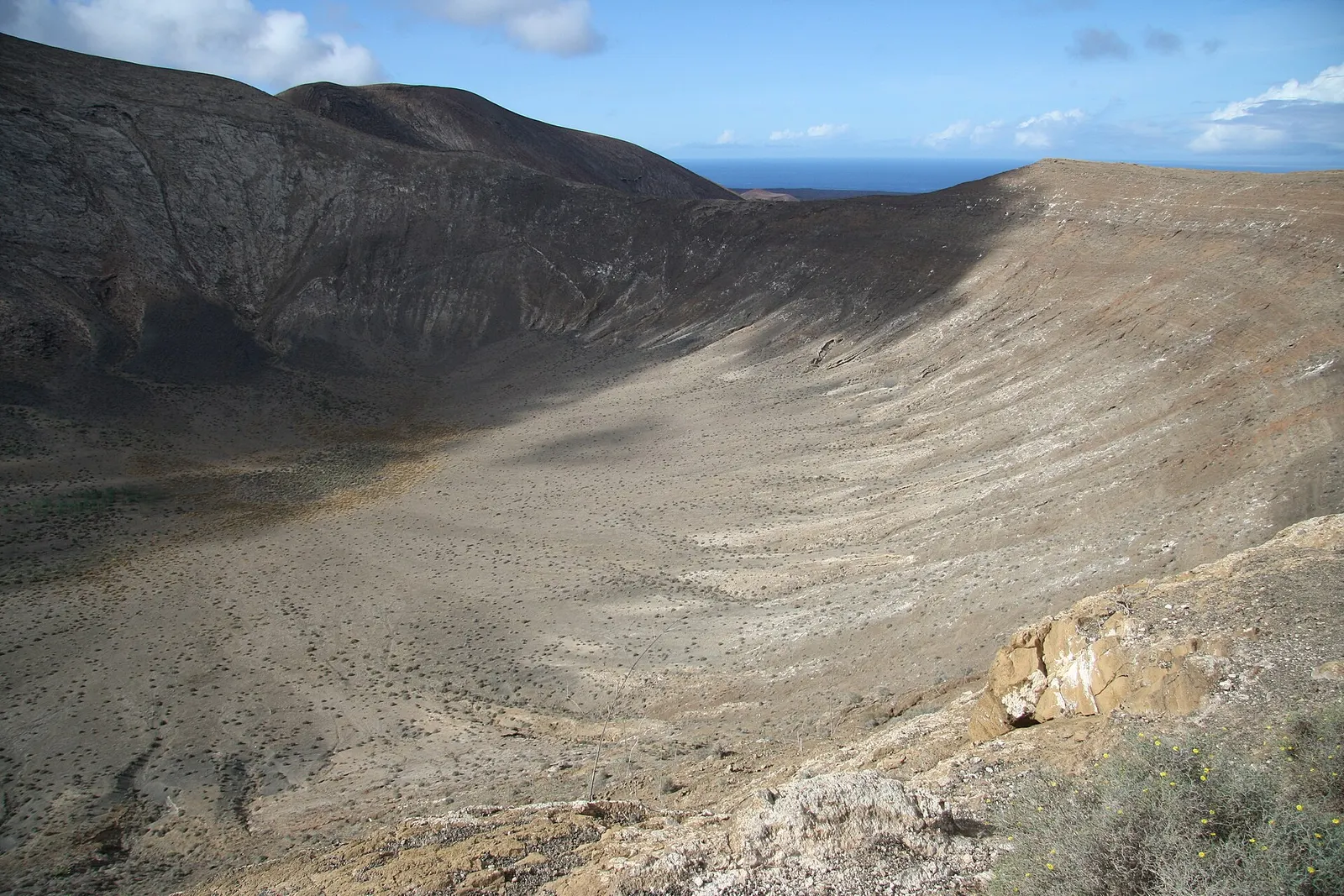
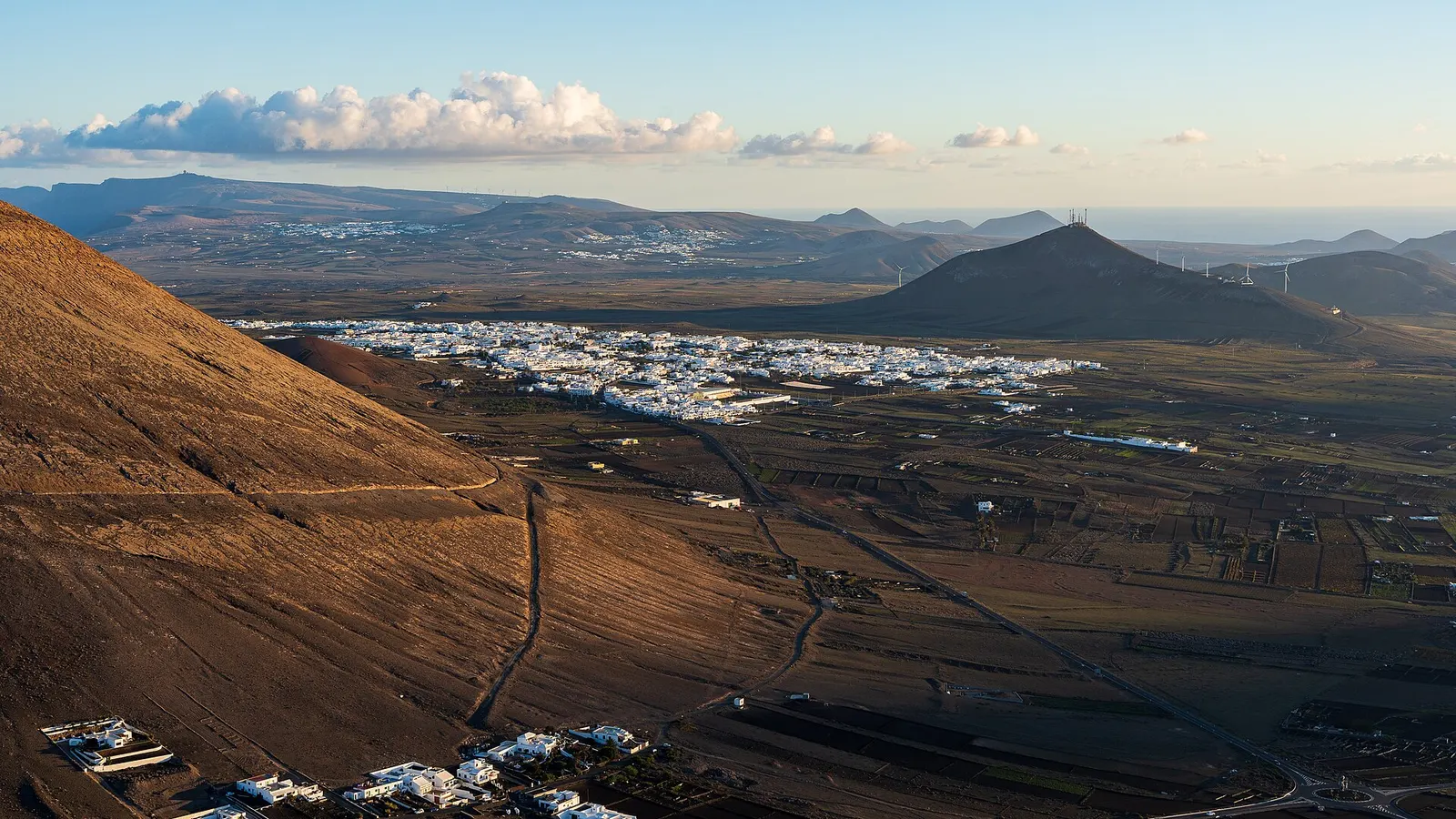
If you go in September, take the chance to walk the volcanoes near Mancha Blanca: Caldera Blanca on foot. And for a quiet Sunday, Teguise, the old capital.