Tenerife is easy to get around, but not in just any way. It has two motorways leaving Santa Cruz, one heading north and the other south; a tram linking the capital with La Laguna; a bus network — the guaguas — that reaches almost every village; and some of its finest corners — Punta de Teno, the Masca gorge, the summit of Mount Teide — have regulated access. Knowing what needs a car and what doesn’t is the difference between seeing the island and seeing it from a queue.
The essentials
- Motorways: the TF-5 climbs from Santa Cruz to the north (La Laguna, the Orotava valley, Puerto de la Cruz); the TF-1 heads south (Tenerife South airport, Los Cristianos, Costa Adeje). The west is covered by slower roads.
- Buses: run by TITSA, with the official app for timetables and real-time arrivals.
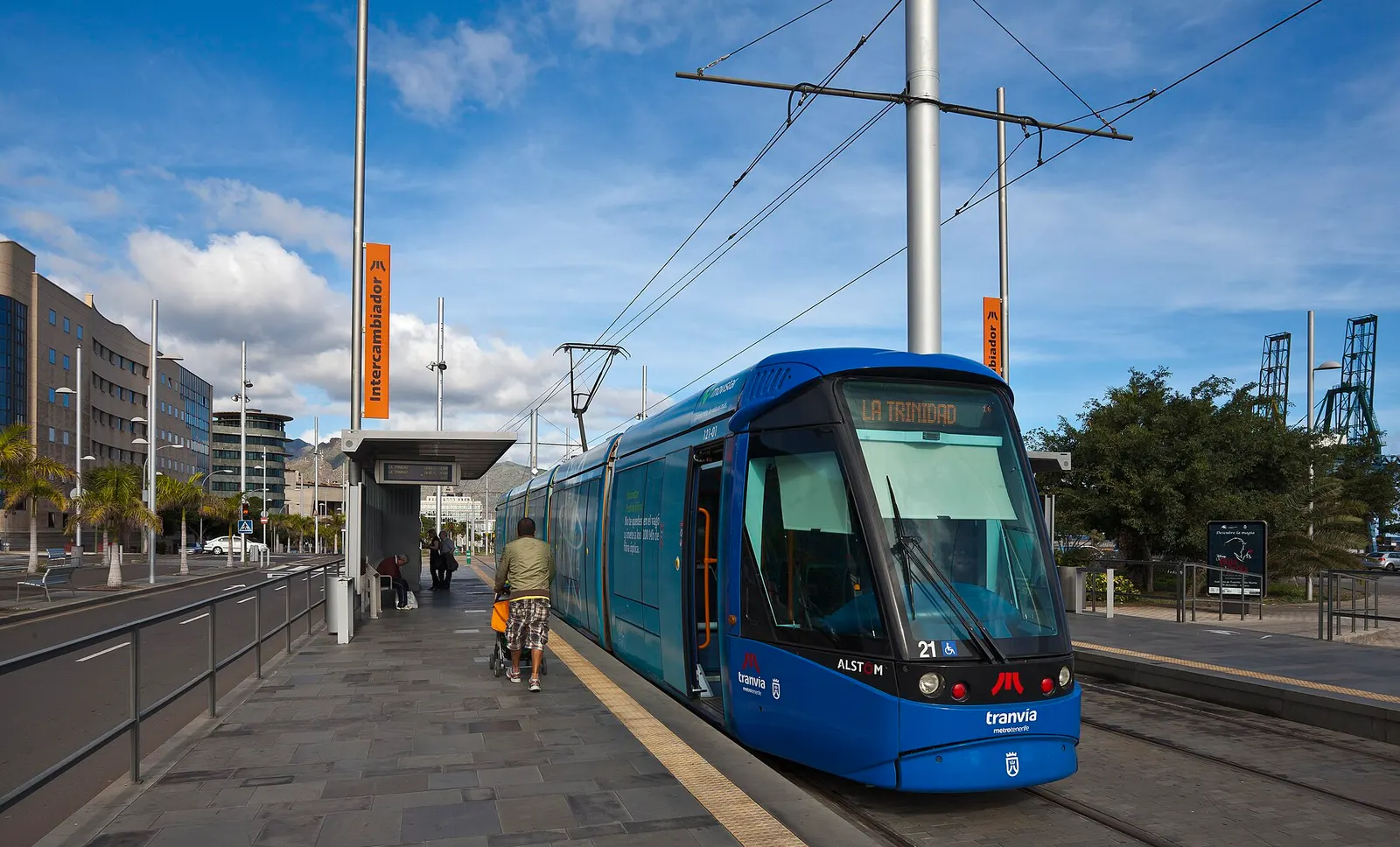
- Tram: Santa Cruz–La Laguna, around 12.5 km and 21 stops, integrated with the Ten+ card.
- Regulated access: Punta de Teno (private cars restricted), Masca gorge (advance booking) and the summit of Teide (National Park permit).
The car: where it pays off
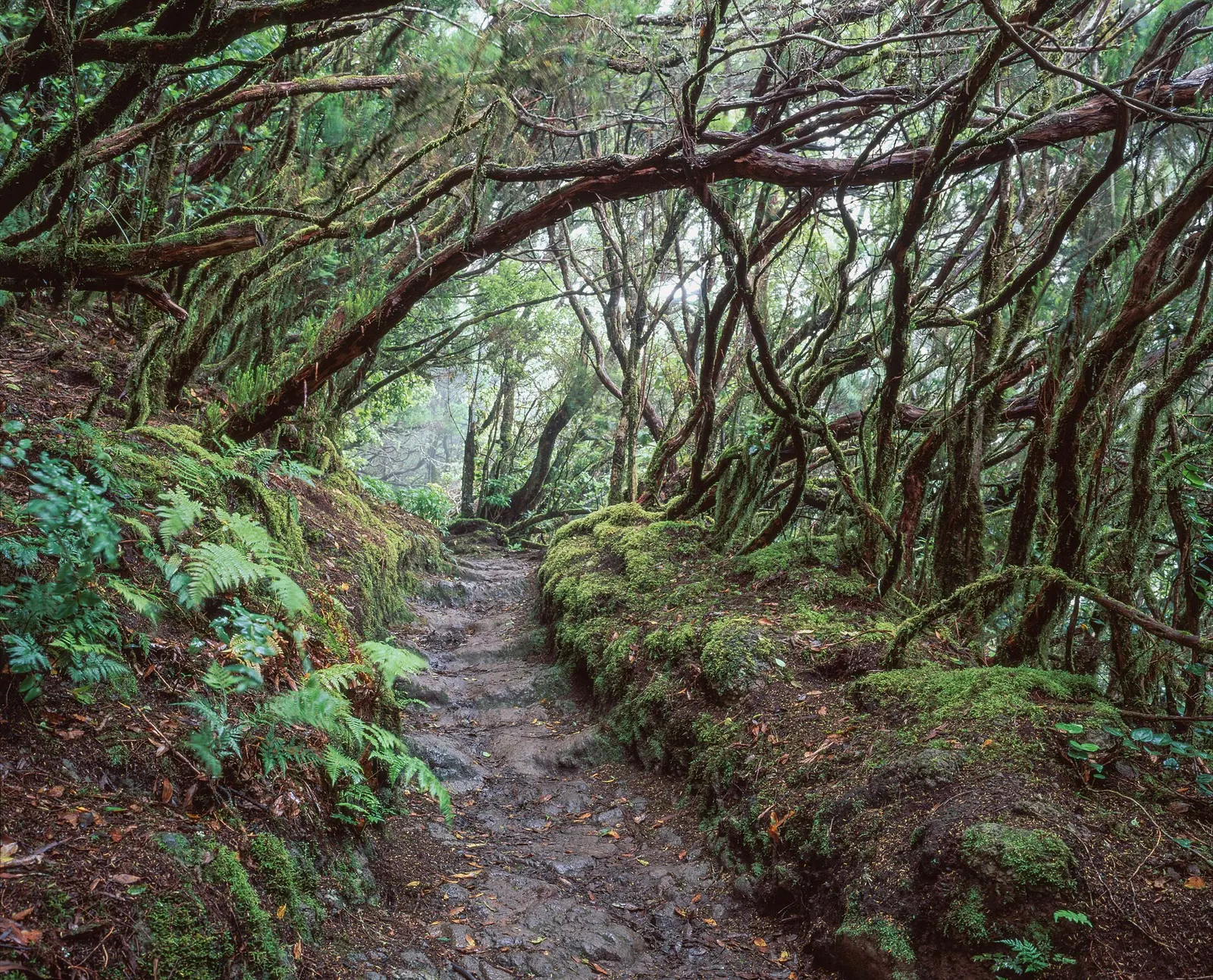
A car makes sense for whatever lies away from the motorways: the drive up into Teide National Park, the villages of the hillsides, the Anaga massif or the west coast. Also if you are staying in an isolated house in the south-west or the north.
For the rest, think twice. The metropolitan motorways fill up at rush hour and parking in the centre of Santa Cruz or La Laguna is not straightforward. If your week is spent between the Adeje coast and a nearby restaurant or two, the car will spend more time parked than moving.
Bus and tram: the island without a steering wheel
The TITSA network links the main towns on the north and south coasts and also reaches, less often, the villages inland. The official app spares you the classic wait at the stop, wondering whether the bus has already gone.
The tram is the best way between Santa Cruz and La Laguna: opened in 2007, it covers some 12.5 km with 21 stops and shares the Ten+ card with the buses. In La Laguna it drops you a short walk from the UNESCO-listed old town, which is best explored on foot.
Where cars no longer go
Punta de Teno
The island’s north-western tip, with its lighthouse facing the Los Gigantes cliffs, has restricted private vehicle access on the TF-445 road, closed by a barrier during set hours. In 2026, guides also report roadworks since January. You can get there on the TITSA bus from Buenavista del Norte, by taxi or on foot. Before going, check the current access with Buenavista del Norte town council or TITSA.
Masca gorge
The Masca trail requires advance booking (and a fee for non-residents) through the Cabildo de Tenerife’s official channel, with access by the shuttle provided for walkers. You cannot just turn up and walk down. Check before you go: conditions change from one season to the next.
The summit of Teide
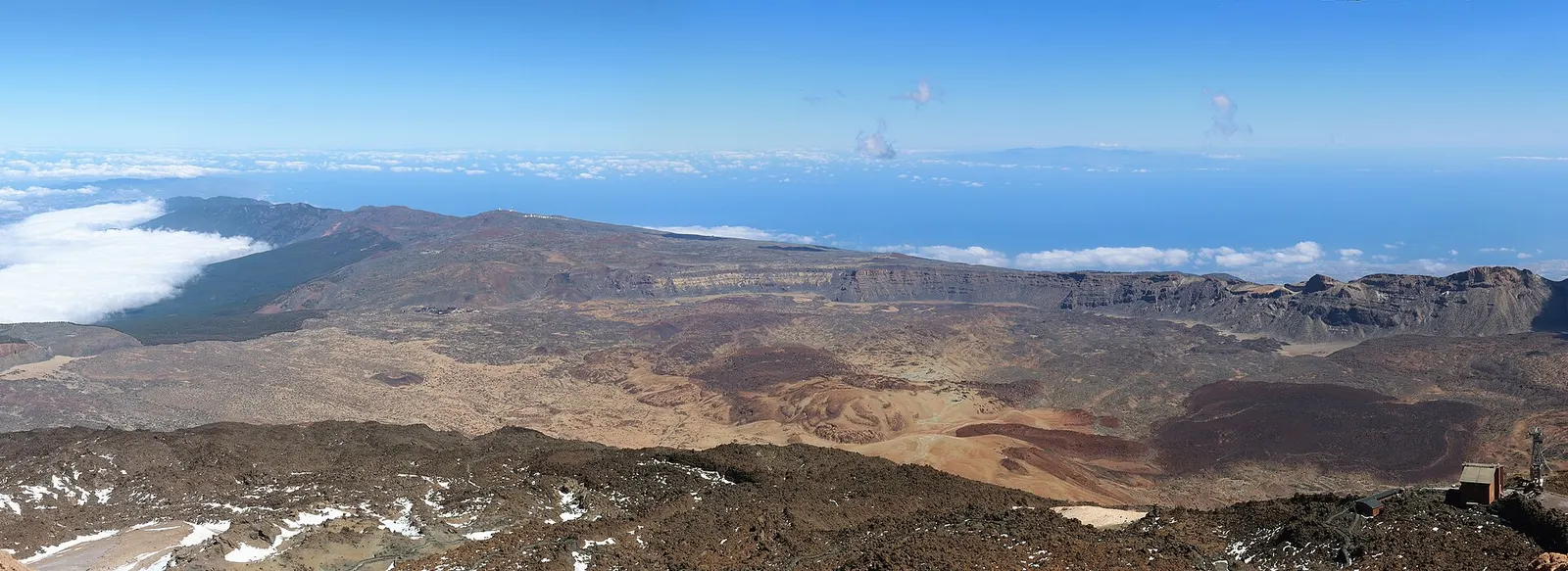
You drive up into the national park and, from the base, take the cable car. But the cable car does not reach the summit: the final stretch, on the Telesforo Bravo trail (no. 10), requires a specific permit from Teide National Park, applied for through its official channel. Without it, you don’t pass.
What to choose for your trip
- A week in Costa Adeje, with a couple of outings → bus and taxi; hire a car only for the Teide day.
- Based in Puerto de la Cruz or La Orotava → a car for the hillsides and the national park; the bus for Santa Cruz.
- Based in Santa Cruz or La Laguna → tram and bus; a car for Anaga and Teide.
- I want Teno and Masca → plan ahead: the bus to Teno, a booking for Masca.
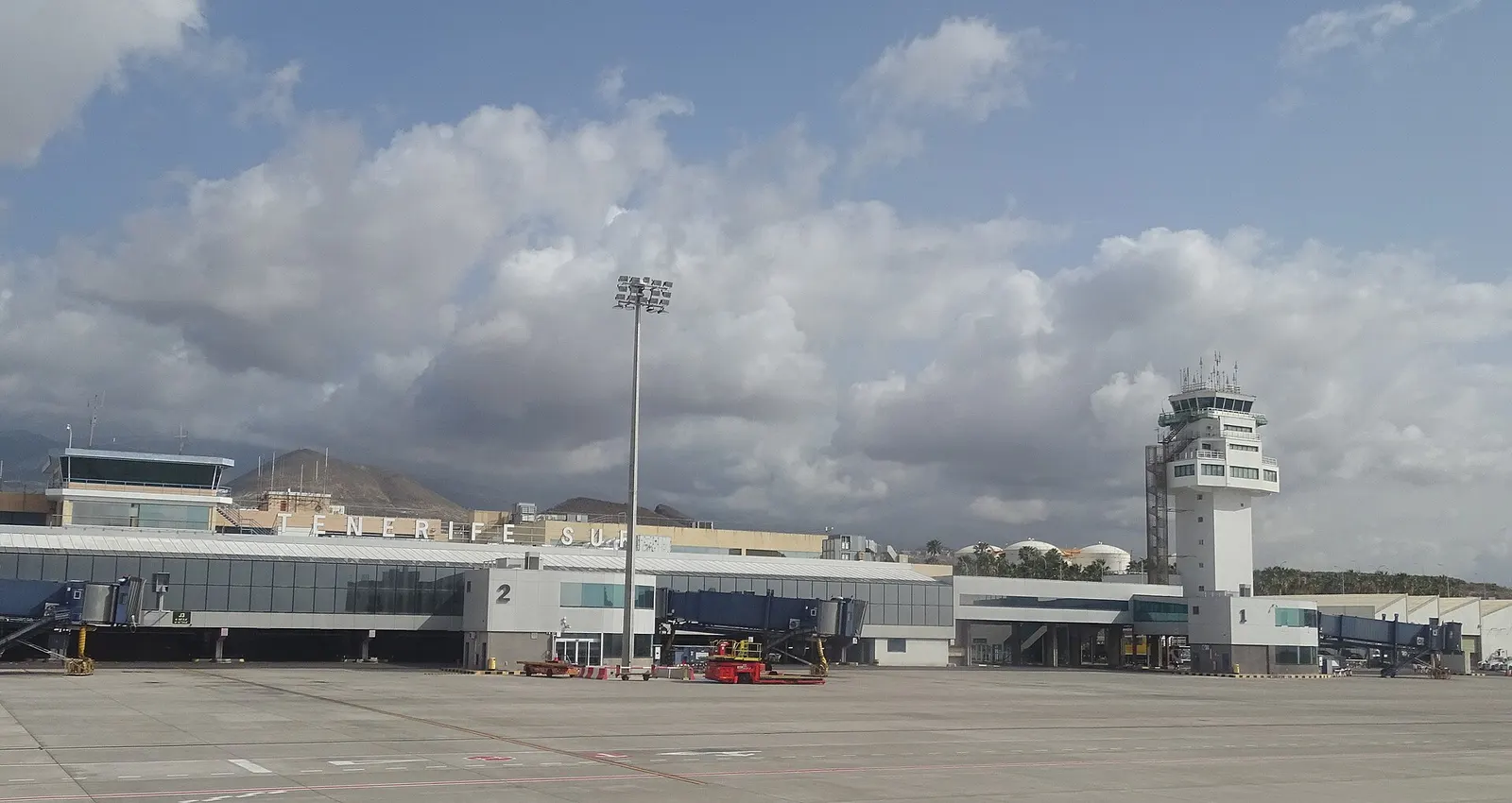
- I’ve just landed → Tenerife airport to your hotel, North or South.
- I want the detail on Teno and Masca → Teno and Masca: access, bookings and trails.
- I’m going up Teide → climbing Teide: the cable car and the summit permit.
- I’m spending a day in La Laguna → La Laguna, the city without walls.
Our view
Tenerife is a large, vertical island: you go from the sea to over two thousand metres in a morning. That is its charm and also its trap, because it tempts you to see everything by car. The calm way to explore it is the opposite: a few areas, well chosen, the car only where it is needed, and scrupulous respect for regulated access, which exists so that Teno, Masca and Teide remain what they are.
Information as of October 2026. Regulated access, TITSA routes and roadworks change: check the official channel before you go.