There is a Menorca that only appears when the sky closes in. The coves lose their argument, the terraces are packed away and, quite suddenly, the island shows its other half: the one of cloisters, maturing rooms, copper stills and dining rooms where nobody checks the time. It isn’t a lesser version; it’s the same island with the lights dimmed and the volume turned down further still.
This guide is for that day. No tricks: every plan here is genuinely under cover — we’ve checked, entry by entry — and whatever happens in the open air is stated plainly at the end, so you don’t spend a wet morning somewhere that needs a horizon. Because the Menorca of all 365 days isn’t a slogan: it’s a way of being on the island even when the Mediterranean decides to rain.
Key facts
- Rain doesn’t close the island: museums, covered markets, tastings and spas run all year round.
- Booking: the cheese farms, the winery and the spa need reserving ahead; the distillery and the markets don’t.
- Where the rainy-day plans cluster: Maó (museum, distillery, markets) and Ciutadella (cathedral, museums, arcades, spa).
- Honesty first: Talayotic Menorca, Líthica and the Camí de Cavalls are open-air; save them for when it clears.
- Opening times: almost everything is seasonal; check current hours on each place page before heading out.
1. A spa morning under the vault of a grotto
If one plan can make peace with a grey sky, it’s this. The spa at the Faustino Gran, inside a 16th-century palace in Ciutadella’s old quarter, keeps its hammam and covered pool beneath the vault of an ancient grotto: stone, water and silence, with a sauna, steam bath and treatment cabins. In there, the rain stops being a problem and becomes the soundtrack. It requires booking ahead, so call as soon as you see the forecast.
2. The Museu de Menorca: the whole island under one roof
A rainy day is the best excuse to do what nobody does in August: understand the island before travelling it. The Museu de Menorca, in Maó’s former convent of Sant Francesc (18th century, with a lovely Baroque cloister), holds the island’s largest archaeological collection — more than 36,000 pieces — and traces the full thread, from the Talayotic culture to the British legacy. Ninety minutes well spent, which turn your future visit to Talayotic Menorca into something else: recognising, not just looking.
3. Ciutadella under cover: arcades, the Cathedral and Can Saura
Ciutadella is the Menorcan city that best absorbs a grey day, because much of its charm happens under a roof or under an arch. The whitewashed arcades of Ses Voltes let you walk the centre with the umbrella barely open; the Cathedral, Gothic and hushed, is visited on a single ticket that includes its museum and the Convent de Sant Agustí; and the Museu de Ciutadella, in the Can Saura palace, lays out the city’s archaeology across fifteen rooms. Finish at the market on Plaça de la Llibertat, with its central fish hall under 19th-century ironwork and tapas counters through the morning. Hours are seasonal everywhere: confirm before you go.
4. The Gin Xoriguer distillery, on Maó’s harbour
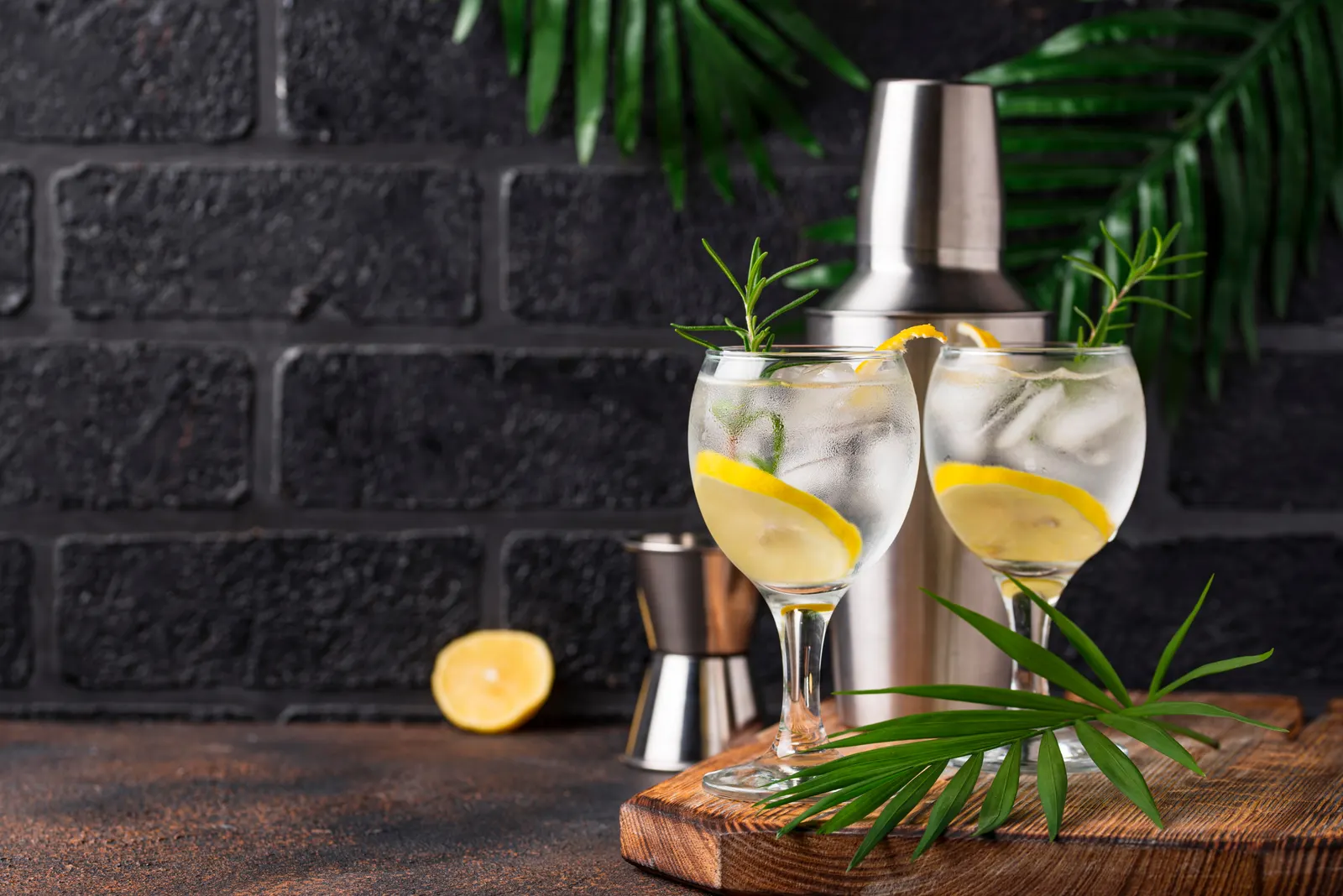
Few doorways on the island smell better on a rainy day. At the Gin Xoriguer distillery, beside the port of Maó, Menorca’s gin is still made in copper stills with more than two centuries of history, from wine alcohol and juniper berries. The visit ends where it should: at the tasting, with the gins, the artisan liqueurs and the pomada — gin with cloudy lemonade — that explains the island’s festes. No booking needed, and it sits a short walk from the markets: the natural first piece of a Maó morning under cover.
5. Inside a cheese farm: Subaida or Sant Patrici
Mahón-Menorca DOP cheese only fully makes sense the day you see the wheels resting on their shelves. At the Subaida cheese farm, a 350-hectare estate producing around 80 wheels of artisan cheese a day, the visit includes a making demonstration, the maturing room and a tasting of three varieties with sobrasada, almond sweets and wine. At Hort de Sant Patrici, in Ferreries, add a cheese museum — open since 1999 in a former farm building — a winery of its own and one of the best-stocked gourmet shops on the island. Both require booking; both are worth the detour.
6. Tapas under a cloister: Maó’s covered markets
Market life is the definitive rainy-day plan, and Maó has two adjoining doors. The Mercat des Claustre del Carme occupies an 18th-century Carmelite cloister in the heart of town: local produce, home-style cooking and crafts beneath its galleries, Monday to Saturday. And the Mercat des Peix, the old fish market of 1927, is now a food hall with a local soul: fish and shellfish in tapas form, island wines, and the whole city passing along the counter. No booking, no hurry, no getting wet.
7. The island in a glass: the Binifadet winery
A wet afternoon is a good moment to take Menorca’s wine seriously. Bodegas Binifadet, in Sant Lluís, is the reference house: the island’s oldest and largest producer — around 100,000 bottles a year, and the only one making sparkling wine — under the IGP Vi de la Terra Illa de Menorca. The explanation of the process and the tasting happen indoors; the walk among the vines will, naturally, depend on the sky. Book the visit and, if the plan stretches on, a table at its restaurant too.
8. The long lunch
There remains the oldest rainy-day plan in the world: eating slowly. Menorca’s discreet fine dining — small dining rooms, fish-market and garden produce, the DOP cheese at every stage of maturing — is built for exactly this: a lunch that competes with no cove, because on that day no cove is competing. Two honest warnings: the best houses have very few tables and booking is essential; and in low season many close or cut their days, so call ahead.
What to save for when it clears
Being useful also means saying what doesn’t work in the rain. The settlements of Talayotic Menorca are open-air sites; Líthica, for all its “stone cathedral” name, is a quarry of open-sky chambers; and a muddy Camí de Cavalls is a plan for a different kind of traveller. The Cova d’en Xoroi shelters under the rock, but its essence — the terraces and the sunset over the sea — asks for a clean horizon. None of these places disappears: they’ll be waiting, improved, the next day.
Our take
A rainy day in Menorca is not a lost day; it’s a different one. Our recipe: a morning of museum or market, a tasting with no clock, a long table — and the smell of wet earth when you step outside. The island you discover this way — the one of cloisters, wineries and maturing rooms — is precisely the one the August traveller never gets to see.
If this year-round Menorca is your Menorca, we keep telling its story, calmly and without noise, in the Calma Society newsletter.