Formentera is small, flat and, in August, packed. So much so that the Consell regulates access to almost all its famous places: there are controls, opening hours and parking bans from May to October.
The good news is that all the rules reward the same thing: arriving early, on foot or by bicycle. Anyone who understands that gets ses Illetes, Barbaria or Caló des Mort almost as they look in the photos. Here are the keys to each one, with 2026 access rules.
The essentials
- Ses Illetes: access control from 10 May to 15 October. By petrol/diesel car or motorbike, you pay; on foot, by bike or by electric vehicle, entry is free.
- Barbaria: the car stays at km 6.5 from 11am to 1pm and 6pm to 10pm; the lighthouse is earned on foot. Before eleven, no control.
- Caló des Mort: parking banned right next to it; the car is left at es Copinar, five minutes away.
- S’Espalmador: only by boat. Never walking across.
- La Mola: the lighthouse, at dawn.
Ses Illetes: the bicycle gets in free
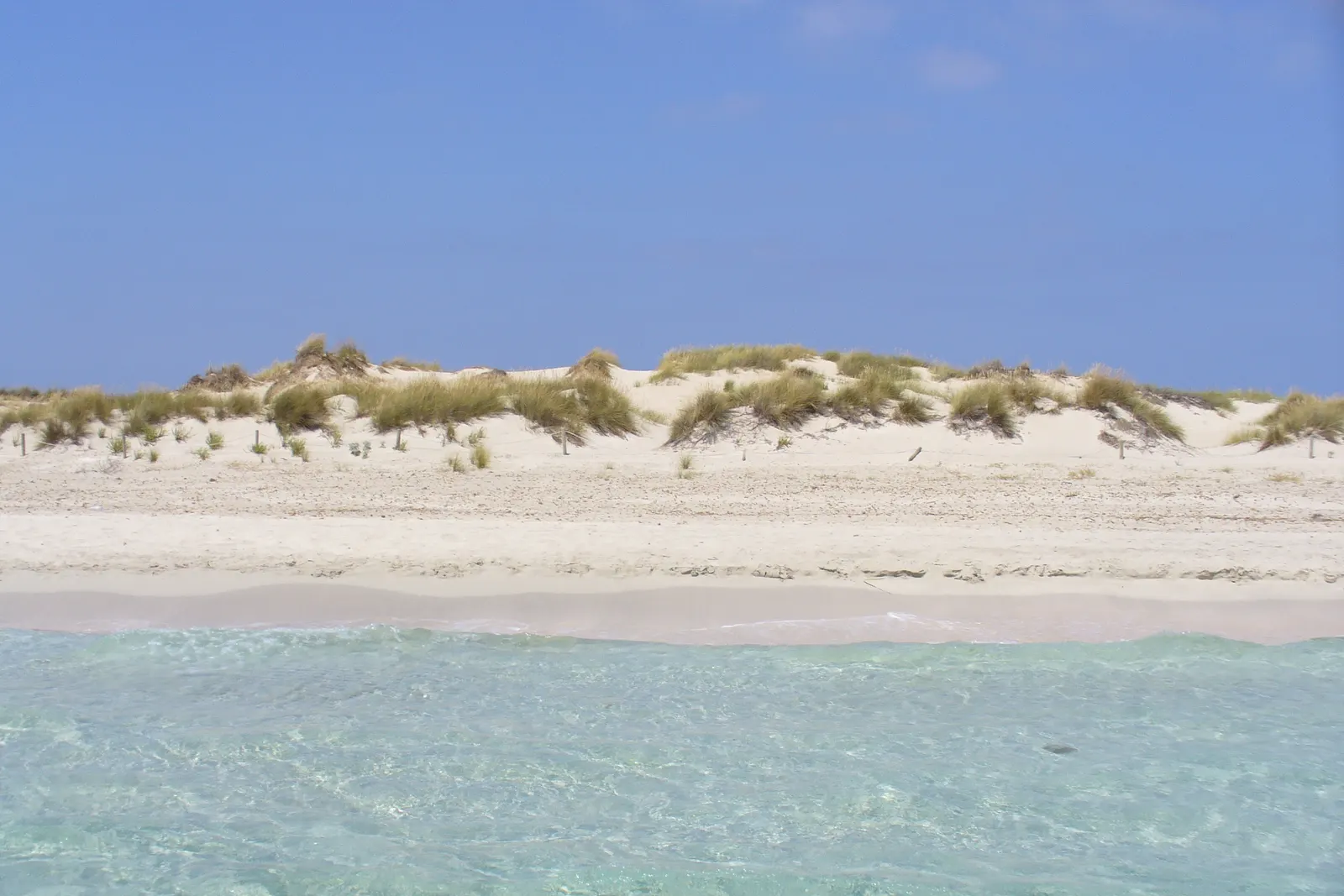
Ses Illetes beach is the tongue of white sand at the island’s northern tip, within the Ses Salines Nature Park. Its fame needs no introduction —in 2016 it was named Europe’s best beach at TripAdvisor’s Travellers’ Choice awards— and its posidonia meadows have been part of the World Heritage listing since 1999.
In 2026, access to the park is controlled from 10 May to 15 October. Anyone arriving by petrol or diesel car or motorbike pays the entry fee, and the car park has a capacity limit. Anyone arriving on foot, by bicycle or by electric vehicle, on the other hand, gets in free and does not count towards that limit. Hybrids pay half price.

The key, then, is the bicycle. And the hour, either first thing in the morning or in the afternoon, once the day-trip boats have left. The good months are May and the second half of September, when the park itself charges its lowest rates.
The quiet alternative is within the same park: the Can Marroig public estate, owned by the Consell, with its visitor centre and a roughly 2.6-kilometre circuit through Caló de s’Oli, Punta de sa Pedrera and Punta Rasa.
S’Espalmador: only by boat
North of ses Illetes, separated by a narrow channel, lies s’Espalmador: a privately owned islet with free public access, and the beach of s’Alga. Two important warnings:
- Do not cross on foot or by swimming. The channel has currents and the area sees rescues and deaths every summer; in July 2026 a bather died after jumping from an anchored boat under a red flag. S’Espalmador is reached by boat.
- Its lagoon is not a spa. Swimming in it and using its mud are both banned, as is setting foot on the park’s islets and rock stacks.
For a day at anchor, the eco-mooring field at s’Espalmador, managed by Ports de les Illes Balears, is booked online. Outside the buoys, you anchor on sand and never on posidonia: it is banned under Decree 25/2018.
Barbaria: the lighthouse is earned on foot
Cap de Barbaria is the island’s southern tip: a white lighthouse at the end of a straight road through scrub and rock, facing nothing but sea. It is so photogenic that the Consell has regulated access to it since 2017 to prevent crowding.
The rule, from 15 May to 15 October: from 11am to 1pm and 6pm to 10pm there is a warden on duty, and the car is left at the km 6.5 car park. From there you continue on foot or by bicycle. Outside those months and hours, access is unrestricted.

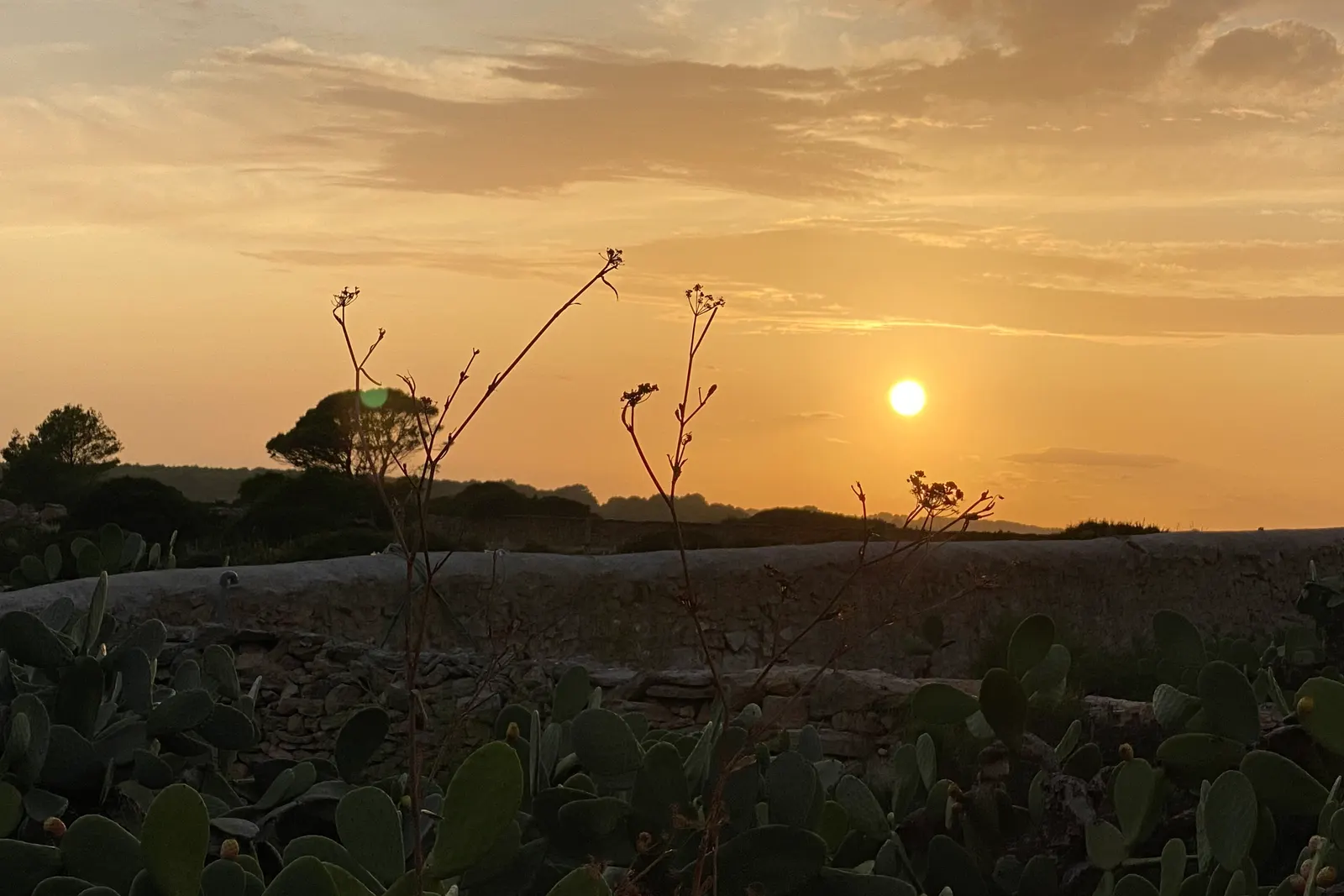
What this means in practice: before eleven you can drive right up to the lighthouse with no control and almost nobody around. Sunset, which falls exactly within the controlled window, has to be earned on foot, and it is worth it. If you would rather have a sunset without the walk, Punta Rasa, at Can Marroig, is one of the island’s official stargazing spots.
Caló des Mort: the small cove, with no cars alongside
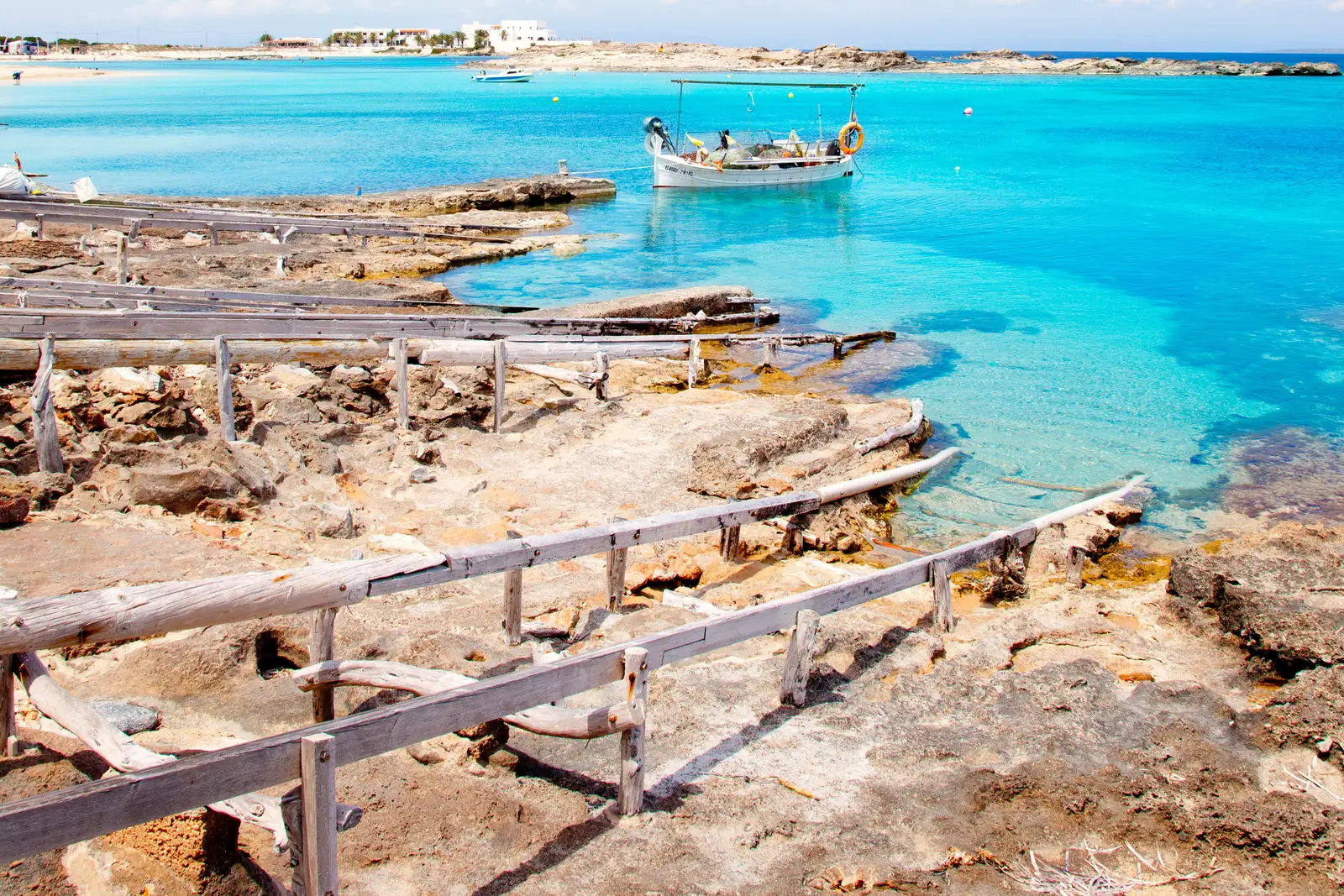
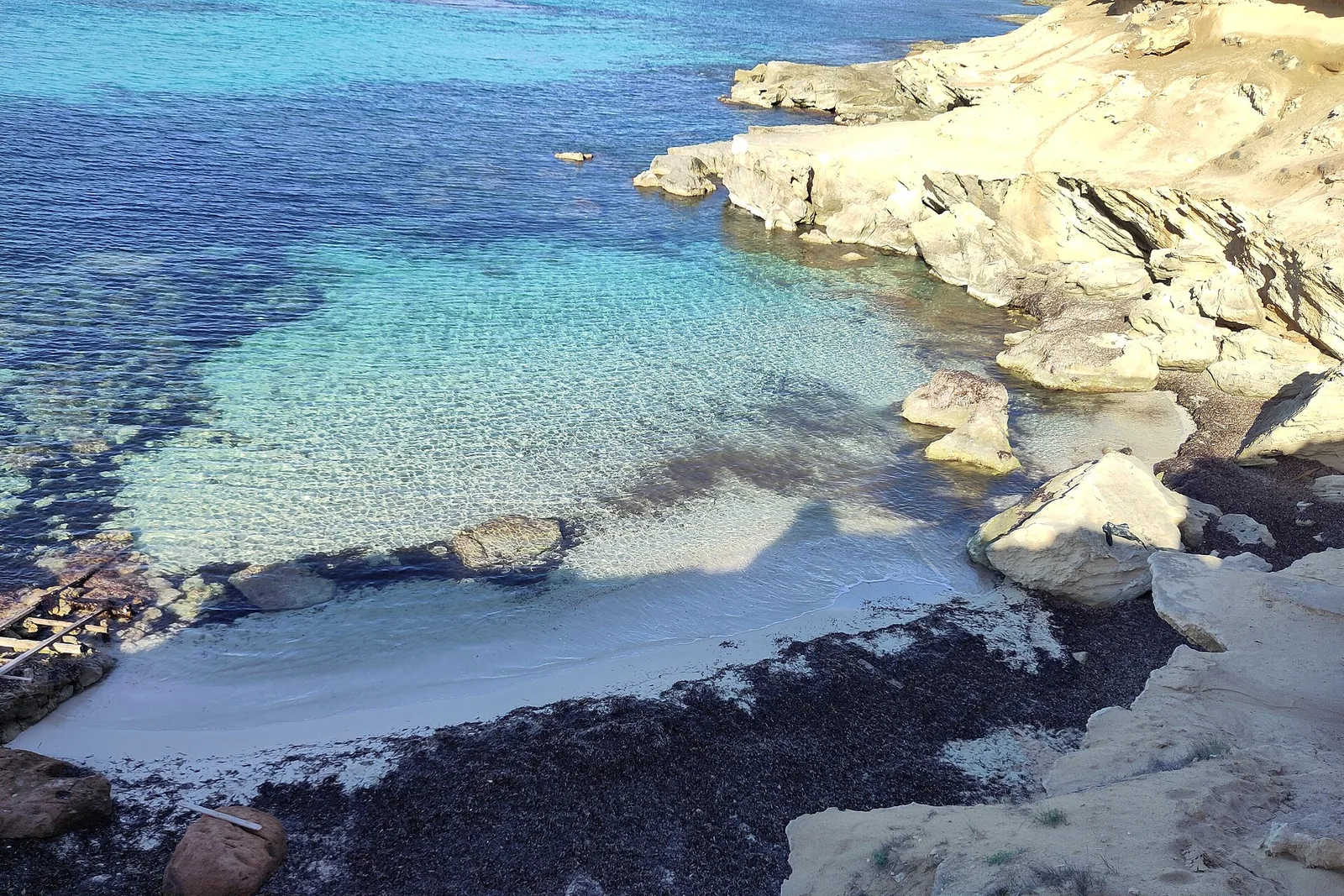
Caló des Mort is a hundred-metre cove with wooden boat slipways, between Migjorn beach and es Ram, and one of the most photographed on the island. Since 2023, and again in 2026, parking is banned around it from 15 May to 15 October: you can only stop to drop off or pick up passengers. The car park is at es Copinar, about five minutes’ walk away.
The hour is first thing in the morning. And the alternative is the Tramuntana coast: Cala en Baster, where the boats sleep in caves, or any of the long stretches of Migjorn.
Migjorn: the long beach, in stretches
Migjorn is Formentera’s longest beach: several kilometres of sand along the south coast, with stretches that each have their own name —es Mal Pas, es Ca Marí, Racó Fondo, es Arenals, es Copinar. People cluster wherever they can park. Walk a short way in either direction and you are almost alone.
La Mola: the lighthouse, at dawn
The Far de la Mola lighthouse sits on the edge of a 120-metre cliff, at the island’s eastern tip, facing the sunrise. It is the only one of these postcard views best seen at dawn. Since 2019 it has also worked as a cultural space, with hours worth checking before you go.
On Wednesdays and Sundays, May to October, 4pm to 10pm, the Pilar de la Mola craft market rounds off the afternoon.
When calm is something you buy
All these keys require being on the island at the right hour, and that is decided when you choose where to sleep:
- La Savina and the north, for ses Illetes and for boat trips out to s’Espalmador. See La Savina.
- Es Pujols, cycling distance from ses Illetes.
- Migjorn, for Caló des Mort on foot from es Copinar.
- Es Caló and La Mola, the rural, quieter side, for the lighthouse at dawn.
- Cala Saona, for sunset head-on.
Two purchases that change the trip: a bicycle or an electric vehicle, which enter ses Illetes free and are exempt from the island’s authorisation fee; and a licensed boat with skipper out to s’Espalmador with the buoy booked. On that second point, a warning: in 2026 the Govern has put boats out on patrol against illegal chartering in Ibiza and Formentera. Only book licensed boats.
How to get there, and how the car limit works, is covered in getting to Formentera and around it. To cover the whole island in a day, Formentera end to end. And for what the island does not show you, the unfinished Roman fort and the oldest megalith in the Balearics.
Our view
Formentera does not have a problem of places: it has a problem of hours. The same beaches that in August at midday are a car park are, at nine in the morning, by bicycle, exactly what the photos promise.
The access rules, which at first glance look like an obstacle, are in fact the best ally of anyone seeking calm: they all penalise the car at midday and reward arriving early and quietly.
Access details checked on 22 September 2026 with the Consell de Formentera, the Govern balear, formentera.eco and the local press. Control dates, hours and fees change every season: check them before you go.