There are two Ibizas, and the one in the photographs lasts four months. The other, from November to April, is the one that explains what this place is actually like.
What changes
The island empties. Much of the coastal accommodation and restaurants close. Sant Antoni and the most touristic areas fall silent, shutters down until May.
The centre carries on. Ibiza town, Santa Eulària and the inland villages do not close: people live there all year, and the shops, markets and long-standing restaurants keep their rhythm.
You can park. It sounds trivial and it is not: in winter you can drive to any cove and there is space. The vehicle limit, which runs from 1 June to 30 September, does not apply.
What you gain
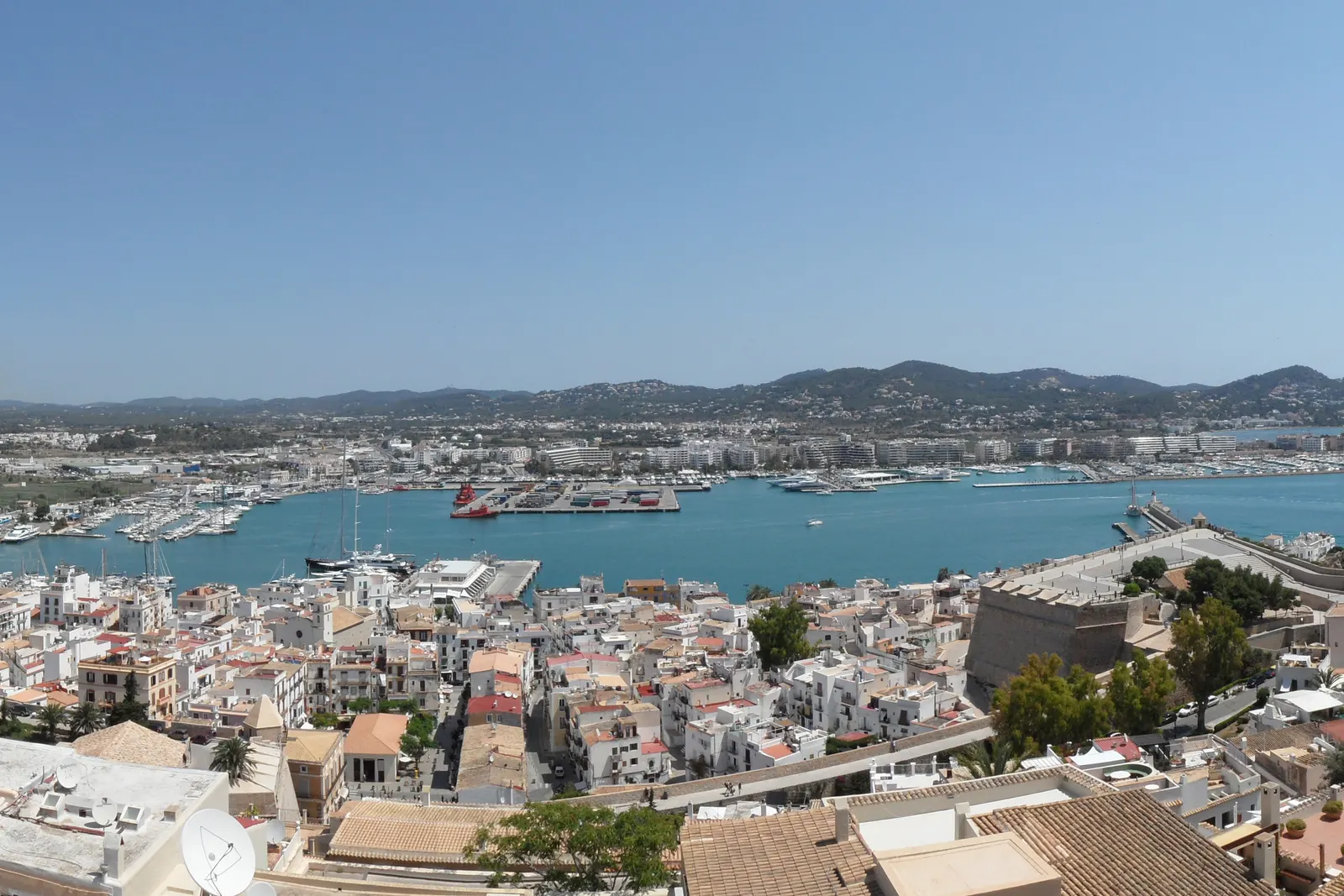
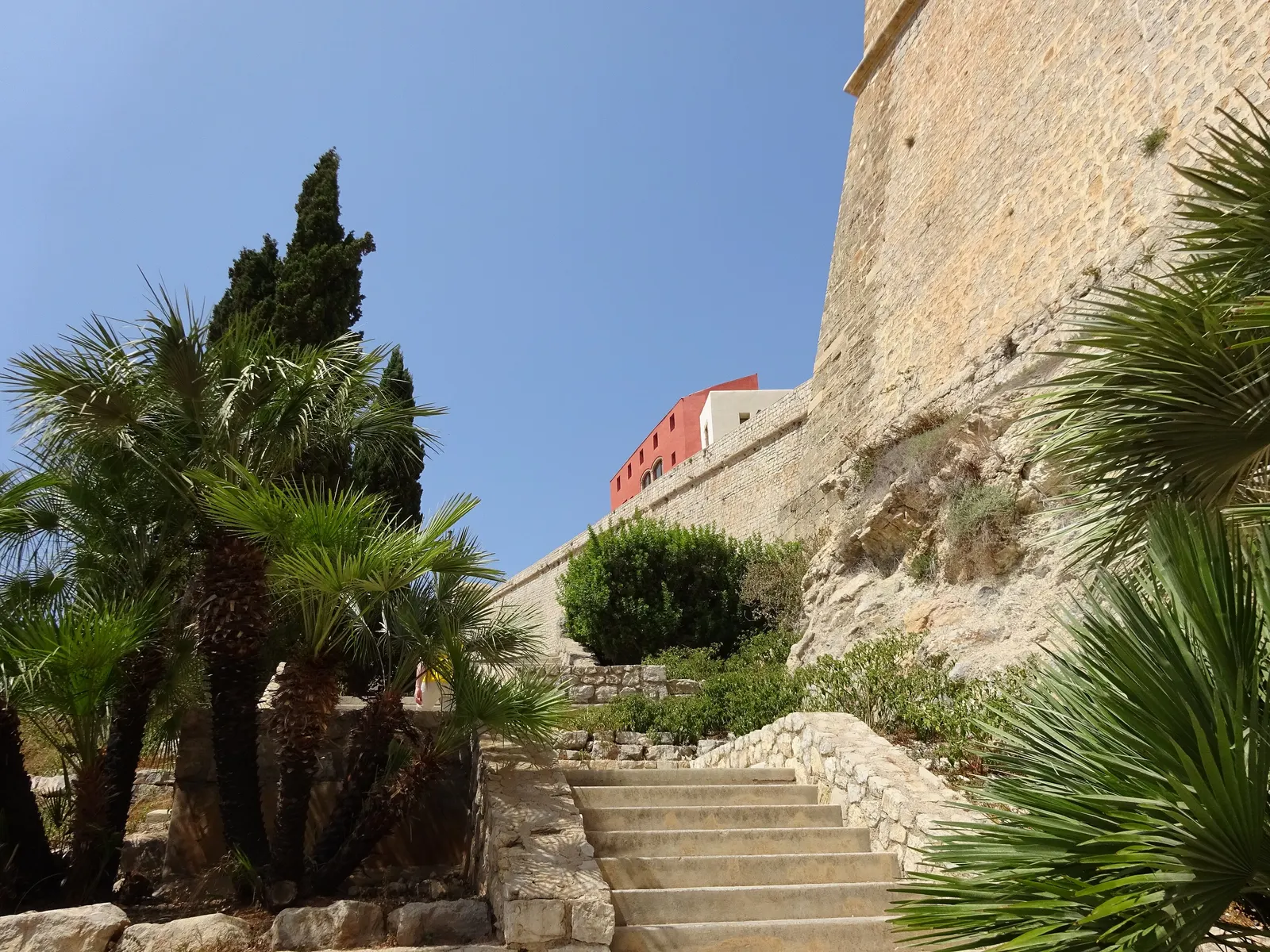
The western coves with nobody on them. Dalt Vila mid-morning, no queue. The northern lanes, a traffic jam in August, walked or cycled. And the real festivals: Sant Antoni Abat on 17 January and Santa Eulària on 12 February are held among neighbours, which is when you actually see them.
What you have to accept
It is not beach season. The water is cold and the days are short. Some restaurants will be closed and there are fewer ferry and flight connections. If you come looking for summer Ibiza in January, you will not find it — and that is precisely the reason to come.
Who it is for
For anyone who wants to understand the island, for anyone working remotely who wants a winter with light, and for anyone who knows it in August and suspects they missed something. This is what they missed.