There is a convenient misunderstanding about Mallorca: that whatever is worth seeing happens in summer. With festivals, the opposite is true. The island’s three biggest celebrations fall between November and January, when flights are cheap, the towns have gone back to their normal size and nobody queues for anything.
This is not a quirk of the calendar: these are agricultural and patronal festivals, tied to the farming year and the saints’ calendar, not to the tourist season. That is why they still belong to the people who live here.
The big three
The Dijous Bo, in Inca — mid-November
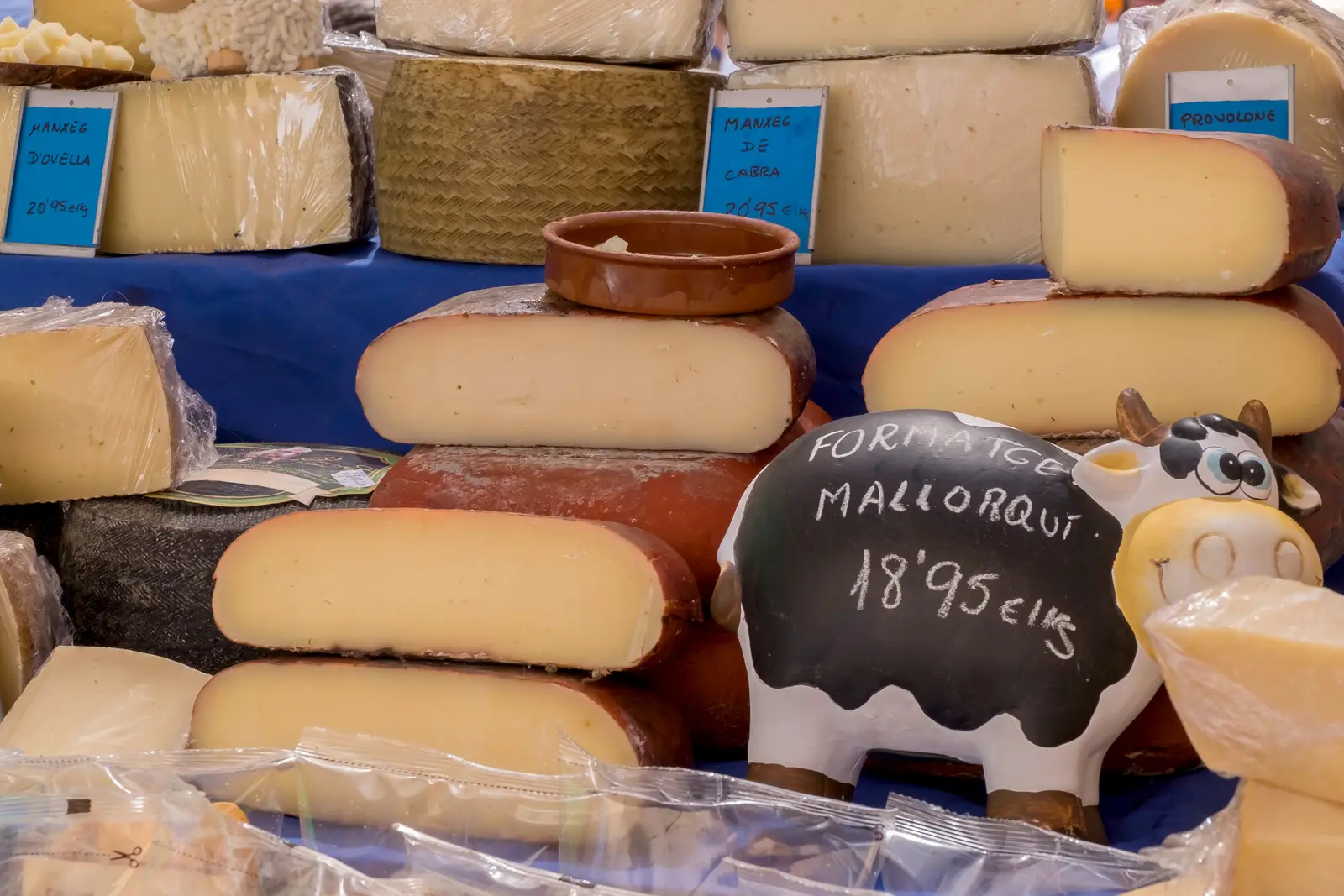
It is the biggest fair in Mallorca and it closes Inca’s cycle of autumn fairs. The whole town becomes a market: crafts, farm machinery, livestock, produce and stalls down every street. It is always held on a Thursday, which is where the name comes from, and the following Friday is a local holiday in Inca.
If you can only go to one thing on this list and you care about the island’s produce — cheese, sobrassada, oil — this is it.
Full listing for the Dijous Bo, with this year’s date
Sant Antoni: bonfires and devils — 16 and 17 January
The most participatory winter festival in Mallorca, and the hardest to forget. On the night of the 16th the dimonis come out and foguerons are lit in the middle of the streets: bonfires where sobrassada and botifarrons are grilled and glosas are sung around the fire. On the 17th, the patron saint of animals, come the beneïdes, with a parade of floats and a blessing.
It does not happen in one place: it is lived simultaneously in Sa Pobla, Artà, Manacor and Pollença, among other towns, each with its own way of doing it.
Sant Sebastià, Palma’s patron saint — 19 and 20 January
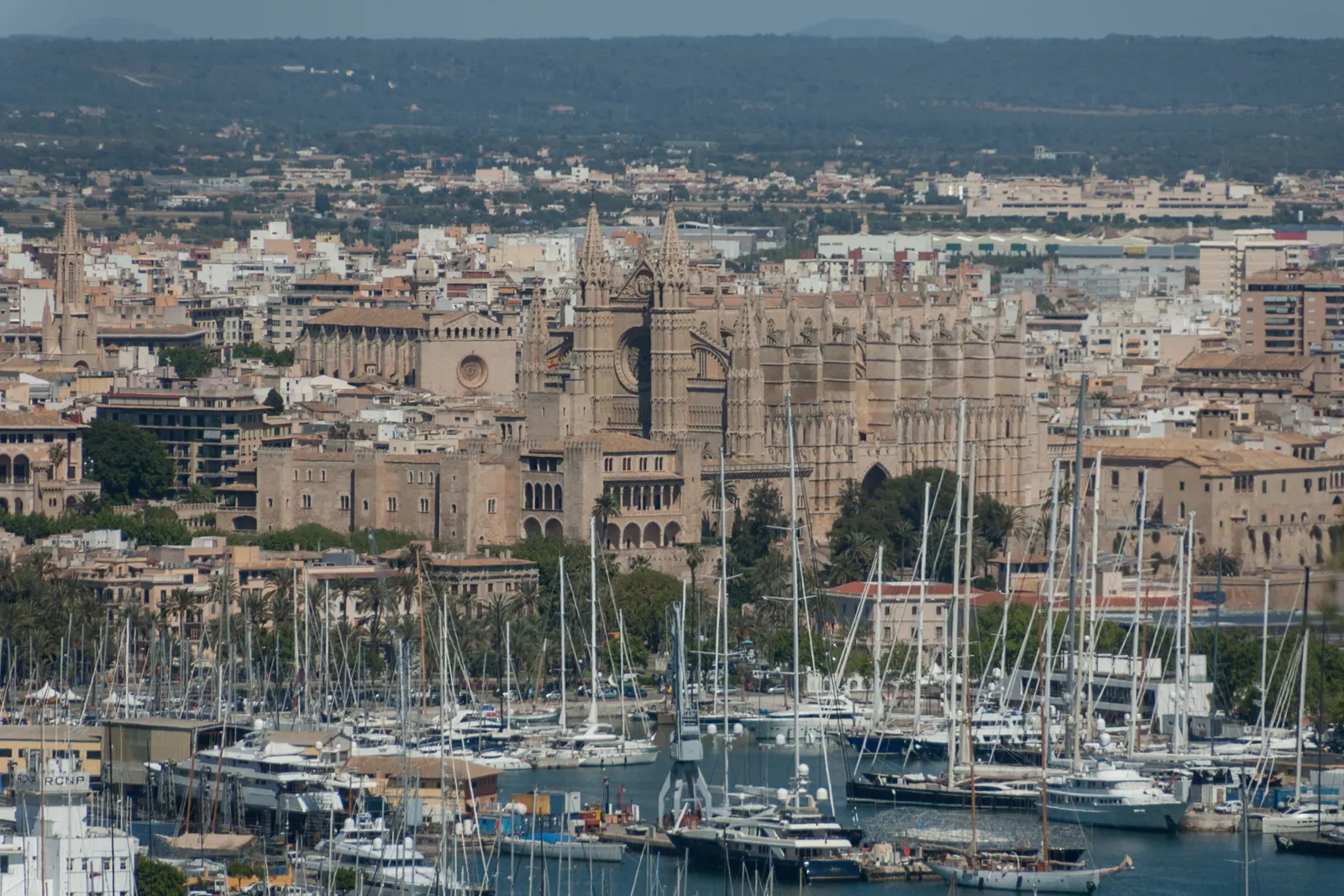
Palma celebrates its patron on the 20th, but the big night is the eve: the revetla of the 19th, with concerts in the squares of the old town and bonfires where island produce is grilled. There is also a correfoc, activities across the city and a full week of programming. It is the urban festival of the Mallorcan winter, and the easiest to fit into a short trip: it happens in the capital.
Full listing for Sant Sebastià
Fitting them into a trip
- Sant Antoni and Sant Sebastià fall three days apart. Between 16 and 20 January you can see both: the bonfires in a town and the revetla in Palma.
- The Dijous Bo is on a Thursday and asks for a long weekend: the town fills up and it is worth sleeping nearby.
- In January the Serra is at its best for walking and the villages have no queues. If you go then, look at what you can do in the Serra de Tramuntana and how to get around it.
Our take
A festival stops being interesting the moment it is staged for the people watching. These three are not: the Dijous Bo is still a livestock and machinery fair that a farmer attends to buy things, and the Sant Antoni bonfires are lit in somebody’s street. You can absolutely go, and visitors are made welcome; but it helps to go knowing you are the guest and not the audience. That is exactly what makes them worth the trip.
Patronal festival dates are fixed, but the programmes are published each year. Before booking, confirm the programme with the relevant town hall; each linked listing carries the official source.