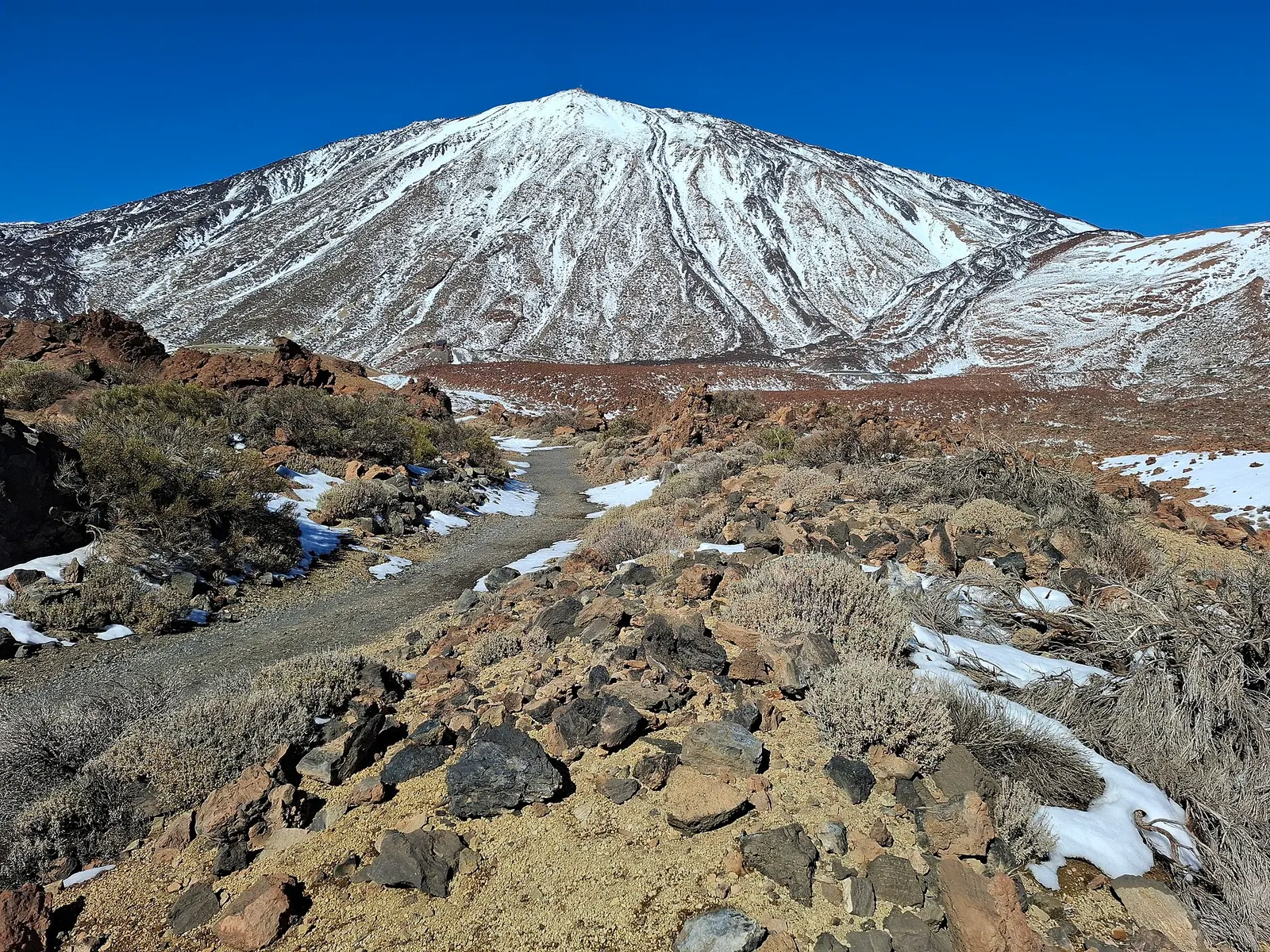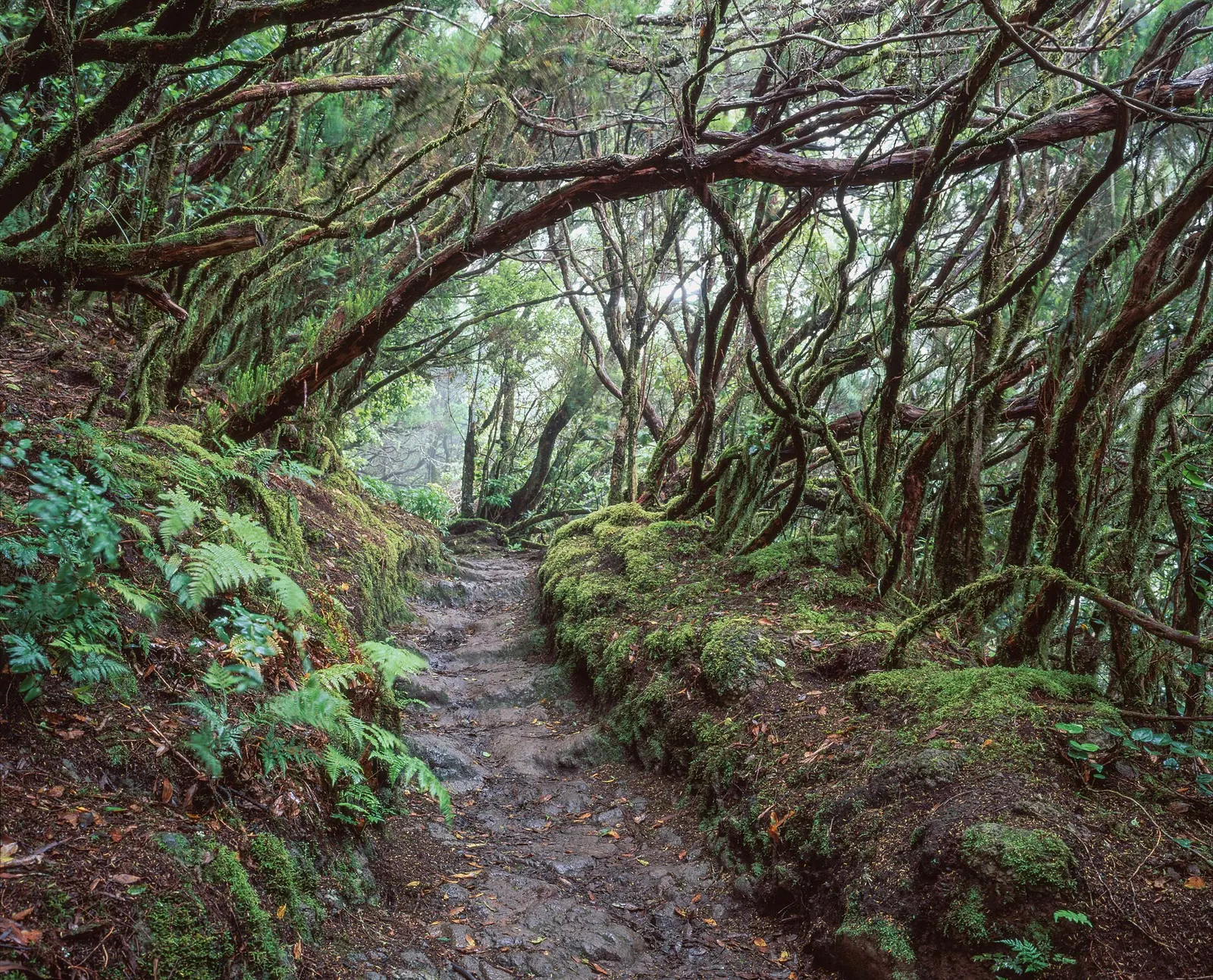
Anyone arriving in Tenerife with the idea of “eternal spring” soon finds that the island doesn’t have one climate, but two sides. The north faces the trade winds: it is green and cool, with cloud resting halfway up the slopes and towns centuries old. The south lies in their shelter: dry, bright, with almost unbroken sunshine and most of the tourist offering. Between the two, Mount Teide is the border.
For a week’s holiday, the difference shows. For staying on — buying, renting for a season, spending the winter — it is the most important decision of all.
The essentials
- The north: greener and cooler, with more rain and the trade winds’ sea of clouds. Santa Cruz, La Laguna, Puerto de la Cruz, La Orotava. Town life, a university, culture.
- The south: drier and sunnier, with less rain. Costa Adeje, Los Cristianos, Guía de Isora. Tourism, golf and an international community.
- Foreign buyers: 33.49% of homes sold in the province in the quarter analysed by Diario de Avisos in March 2024.
Why the island has two climates
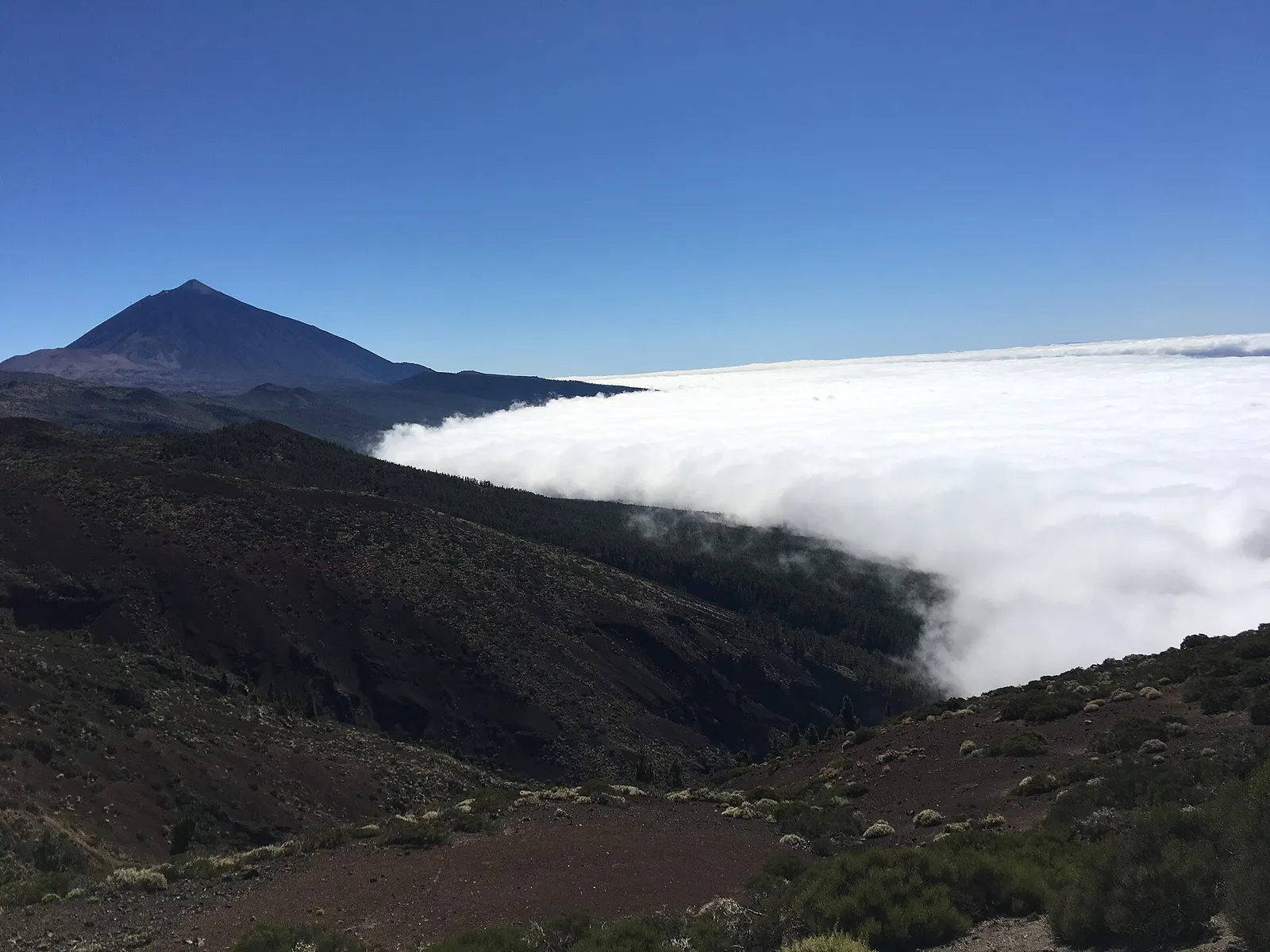
The trade winds blow in from the north-east laden with moisture and meet the northern slopes. The temperature inversion — a layer of warm air above the cool — stops the cloud from rising and often leaves it resting between roughly 1,000 and 1,500 metres, mainly in the north: this is the sea of clouds you see from the summits. That is why the north is green and the south dry; why it can be raining in La Orotava while people sunbathe in Costa Adeje.
Altitude shades everything. A house in the northern hills, a few hundred metres up, may spend weeks inside the cloud in winter; one on the coast in the same municipality, not. Before you fall for a view, ask how high it is.
The north: the island with a past
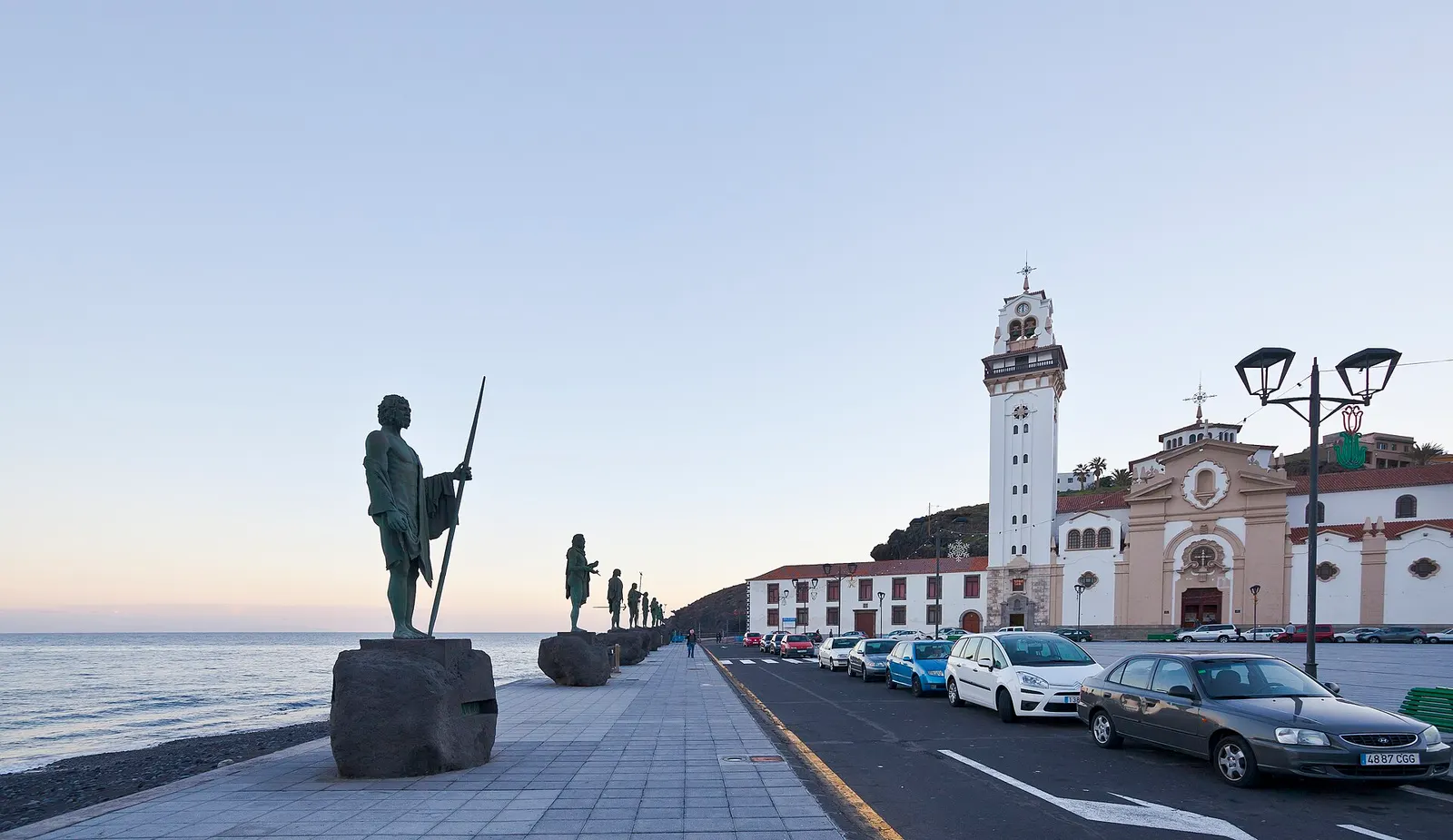
The north is where Tenerife lives all year round. Here is the capital, Santa Cruz, and La Laguna, whose old town is a World Heritage Site and which has a university and city life; the Orotava valley, with its manor houses; and Puerto de la Cruz, where the island’s tourism began and where the Gran Hotel Taoro has reopened. There are bookshops, markets, theatres and neighbours who are not passing through.
The price is the weather: more cloud, cooler afternoons, more humidity in winter. For those escaping a hot summer, or looking for a life rather than a season, it is a fair price.
The south: the island of sunshine
The south is the Tenerife of the brochures, and rightly so: little rain and near-constant sun. Costa Adeje, Los Cristianos and Guía de Isora gather the big hotels, the golf courses, the marinas and much of the services aimed at foreign residents. It is also where most foreign buying happens: in 2023 a property-sector representative quoted by Diario de Avisos put foreign purchases in the south at around half (an industry figure, to be read as such).
The risk is the opposite of the north’s: very touristy areas where the year splits into high season and the rest. Look for towns with a life of their own, and weigh the proximity of Tenerife South airport if you will travel often.
Which suits your life
- I want a town, culture and neighbours all year → the north: La Laguna, Santa Cruz, La Orotava.
- I want winter sun and golf → the south: Costa Adeje, Guía de Isora. Read golf in Tenerife.
- I want both → a base in the south and trips north, or the other way round; the motorway links the two sides in about an hour.
- I will travel a lot → check the airport on your side: Tenerife airport to your hotel.
- I want to try before deciding → a season in a hotel: where to stay quietly in Tenerife.
- I’m coming in winter → Tenerife in winter: the island that never closes.
- I want to understand the north before choosing → Puerto de la Cruz and the English winter.
Our view
The question is not where the weather is better — the south wins that — but what kind of ordinary day you want. If your ideal day is light, a terrace and the sea, the south. If it is a walk, a market, a conversation in a square and a jacket as evening falls, the north. Our advice: before buying, spend a winter month on each side. You choose this island with your body, not with a brochure.
Information as of October 2026. Foreign-buyer figures come from Diario de Avisos (2023 and 2024) and are not the latest available. For purchase decisions, consult a local adviser.