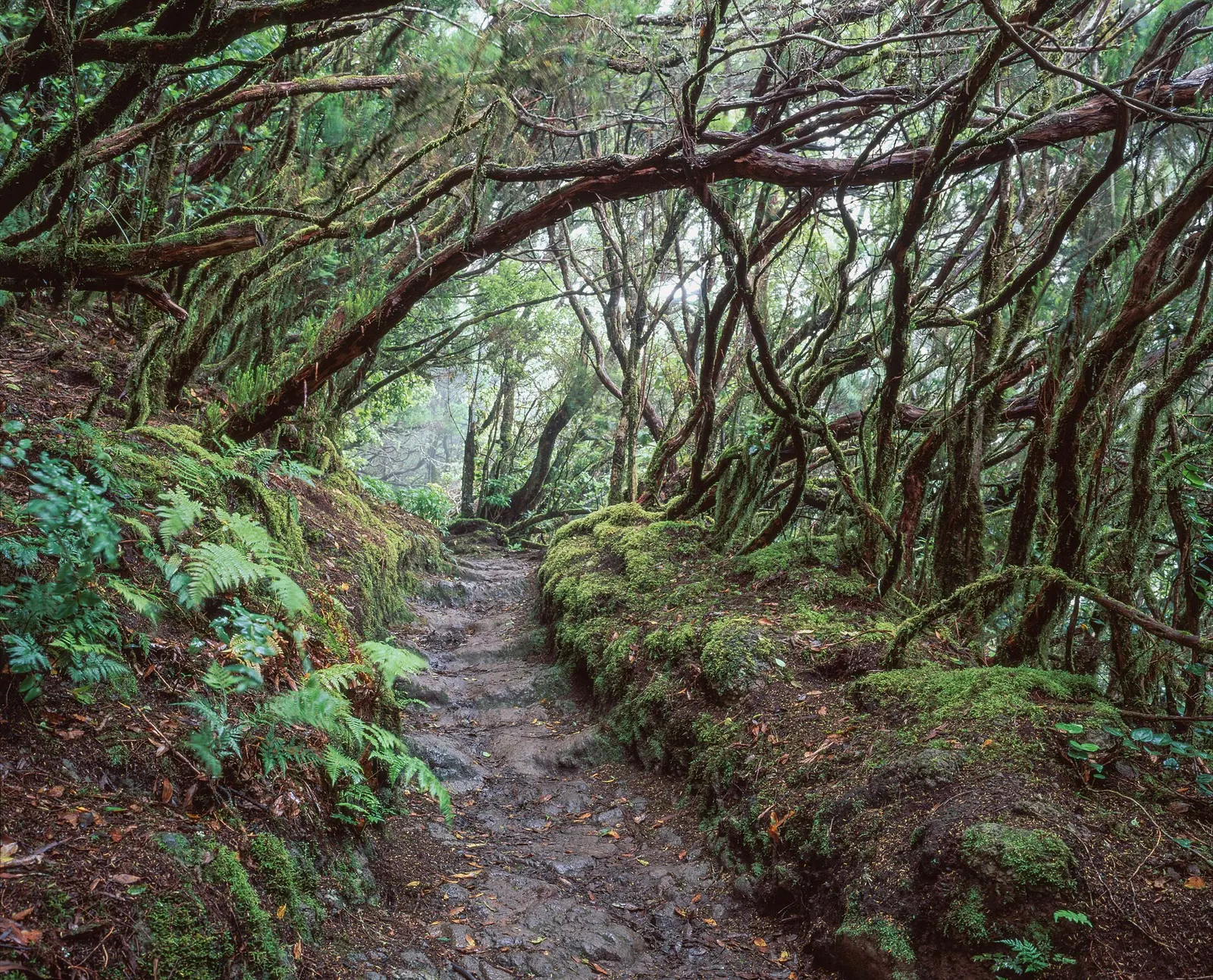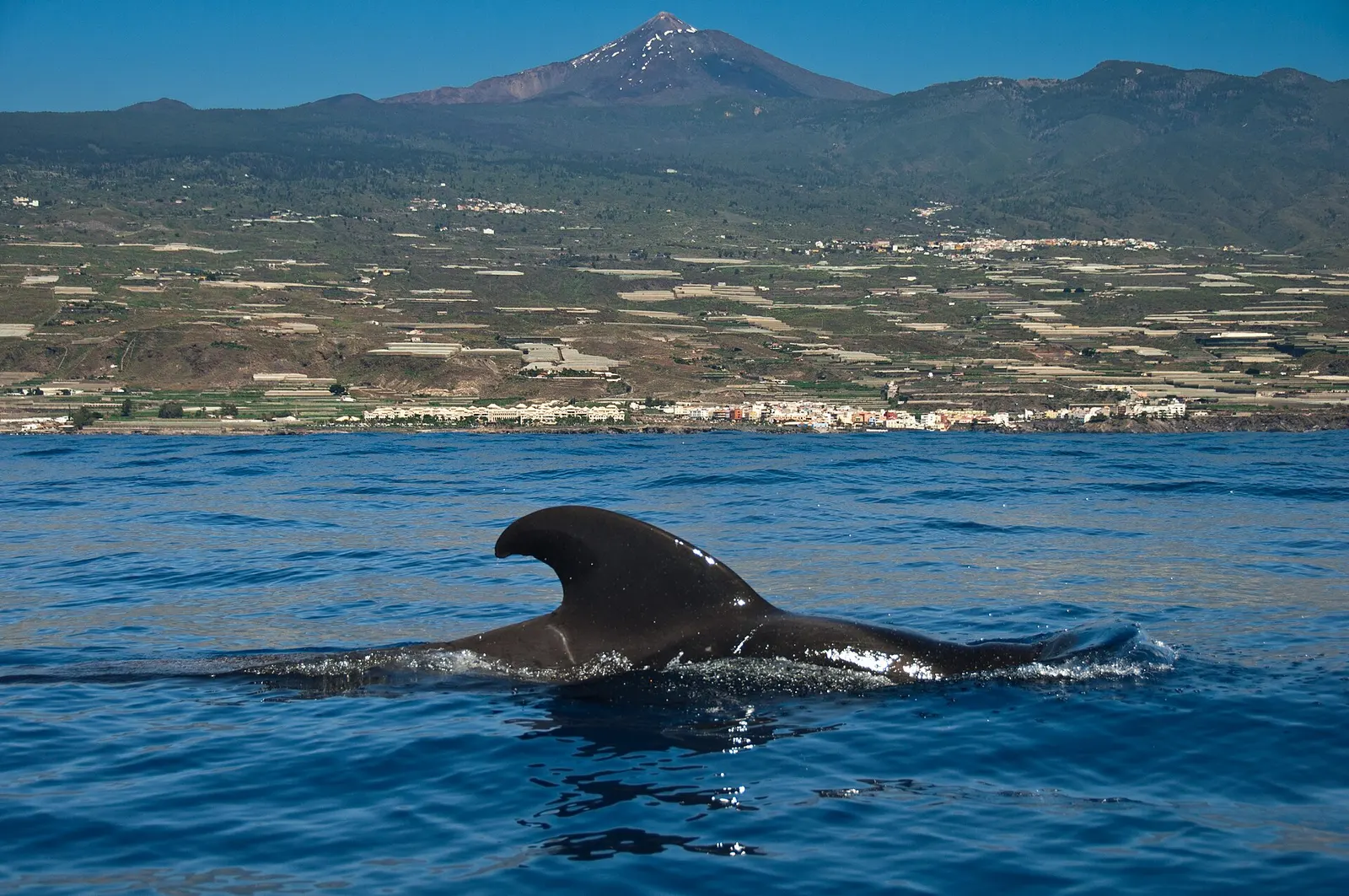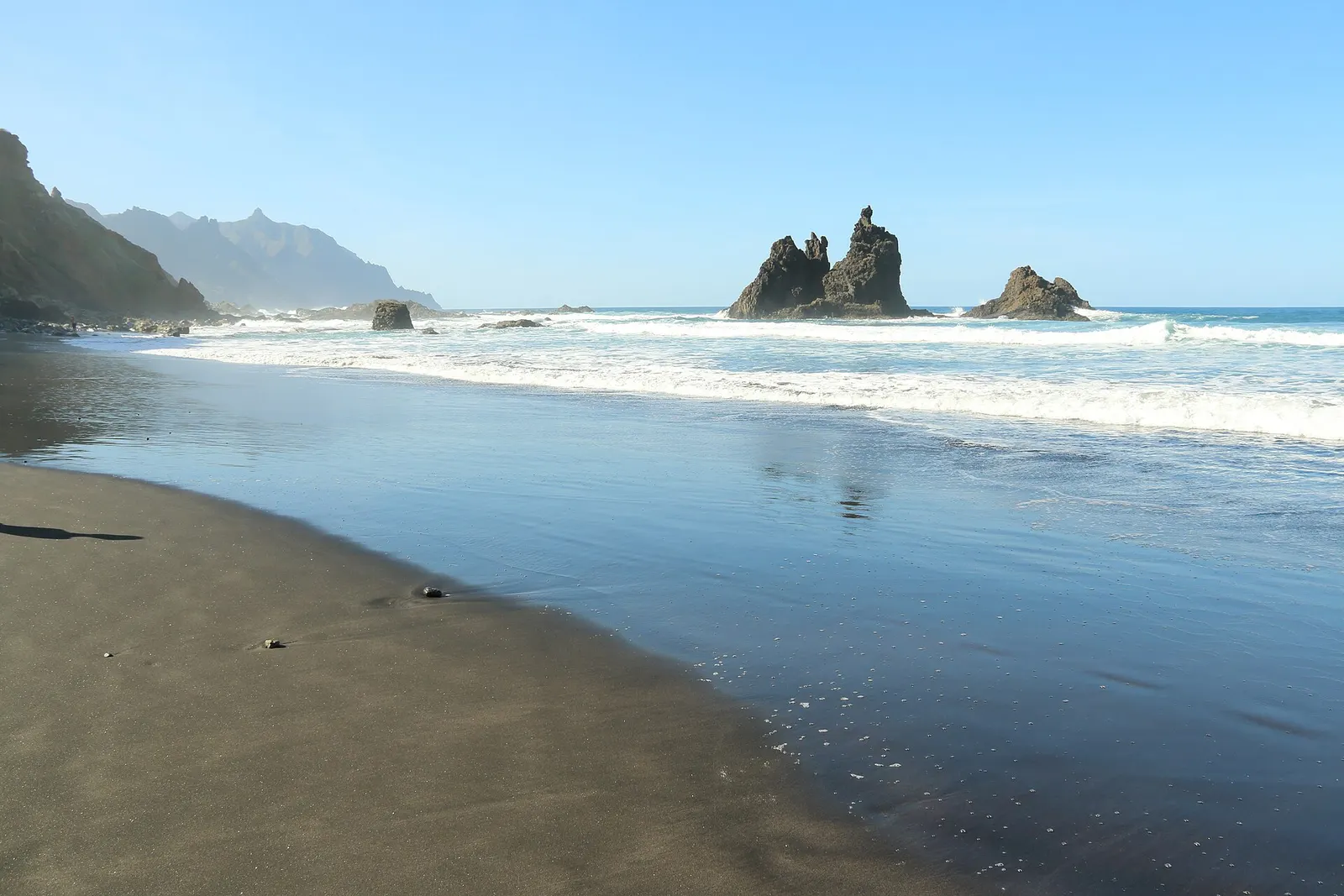
Tenerife is known for made-to-order beaches: imported sand, a promenade, sunloungers and parasols in rows. They exist, and they do their job. But the island still keeps beaches nobody has tidied up, where behind the sand there is a mountain or a ravine rather than a hotel. There are few of them, the sand is volcanic and there is wind. In return, there is space.
The essentials
- La Tejita, in the south: about a kilometre of sand below Montaña Roja, inside a nature reserve. No hotels, no sunloungers, no beach bar.
- Benijo, in Anaga: black sand between two sea stacks, at the end of the road. For the sunset, not for swimming in a lively sea.
- Roque de las Bodegas, in Taganana: the most sheltered beach on that stretch of coast.
- Wind rules in the south and swell in the north. Check the forecast before you choose.
- Go early if you want the beach empty; late in the afternoon if you want the light.
La Tejita, below Montaña Roja
On the coast of Granadilla de Abona, next to El Médano, a reddish mountain drops to the sea and leaves beside it a long, open beach of volcanic sand: La Tejita. It runs for about a kilometre and lies within the Montaña Roja Special Nature Reserve, which explains what it lacks: no hotels, no sunloungers, no beach bars. Behind the sand there is only the mountain.
There is a price, and it is the wind. It blows almost constantly, which is why this coast is kitesurfing territory. For swimmers that means blowing sand on strong days and lively water; for anyone seeking calm, it means choosing your day. When the wind drops, La Tejita is one of the loveliest beaches in the south.
Access is along a track of sand and rock, with no boardwalks: difficult for wheelchairs and pushchairs. Bring water and shade, because there is nothing there. And inside the reserve, keep to the marked paths: the mountain is not for scrambling across country.
The black beaches of Anaga
At the other end of the island, in the Anaga massif, the road winds down from the hills to Taganana and follows the coast until it runs out. Along that stretch are three black-sand beaches facing an open Atlantic.
Roque de las Bodegas is the most sheltered of the three and the easiest for a swim when the sea allows.
Benijo is the wildest: a strip of black sand between two stacks rising from the water, reached by a flight of steps. It is known for its sunsets, when the sun drops behind the stacks and the wet sand turns into a mirror. But it is not a beach for a relaxed swim: the sea often has a strong undertow and currents. Come to look, to walk the shoreline, to stay until the light goes. If the sea is up, the water goes no higher than your ankles.
When to go
- La Tejita, early. First thing there is more space and the light on Montaña Roja is soft. If the wind is already strong, change plan.
- Benijo, late afternoon. This is the sunset beach; allow time, because the Anaga road is slow and winding.
- Roque de las Bodegas, when the sea is calm, which is the only thing that really matters in the north.
What not to do
The black sand and stones of these beaches are part of the landscape and of protected areas: do not take sand, volcanic stones or beach pebbles home. Do not leave the marked paths on Montaña Roja or in Anaga. And do not fly drones in protected natural areas.
Which to choose
- You want space and sun in the south → La Tejita, early and with little wind.
- You want the north’s finest sunset → Benijo, without expecting to swim.
- You want a swim in Anaga → Roque de las Bodegas, with a calm sea.
- The sea is rough → Tenerife’s rock pools.
- You would rather see the sea from a boat → Tenerife from the water.
- You are coming in winter → Tenerife in winter.
Our view
A wild beach is not judged by what it offers but by what it lacks. La Tejita lacks everything there is too much of elsewhere in the south, and that is why it stays in the memory. Benijo lacks the easy swim, and in exchange offers a sunset worth the journey. Quiet luxury in Tenerife also means accepting that the Atlantic has the last word.
Data as of October 2026, checked against local listings and guides. Sea and wind conditions change daily: check the forecast and the flags before swimming.