The Serra you see in photographs is the August one: the road full, the cove busy, the village with its terraces out. The one lived in by those who are here all year is another thing, and it is worth knowing before idealising anything.
The houses are on a slope, and you feel it
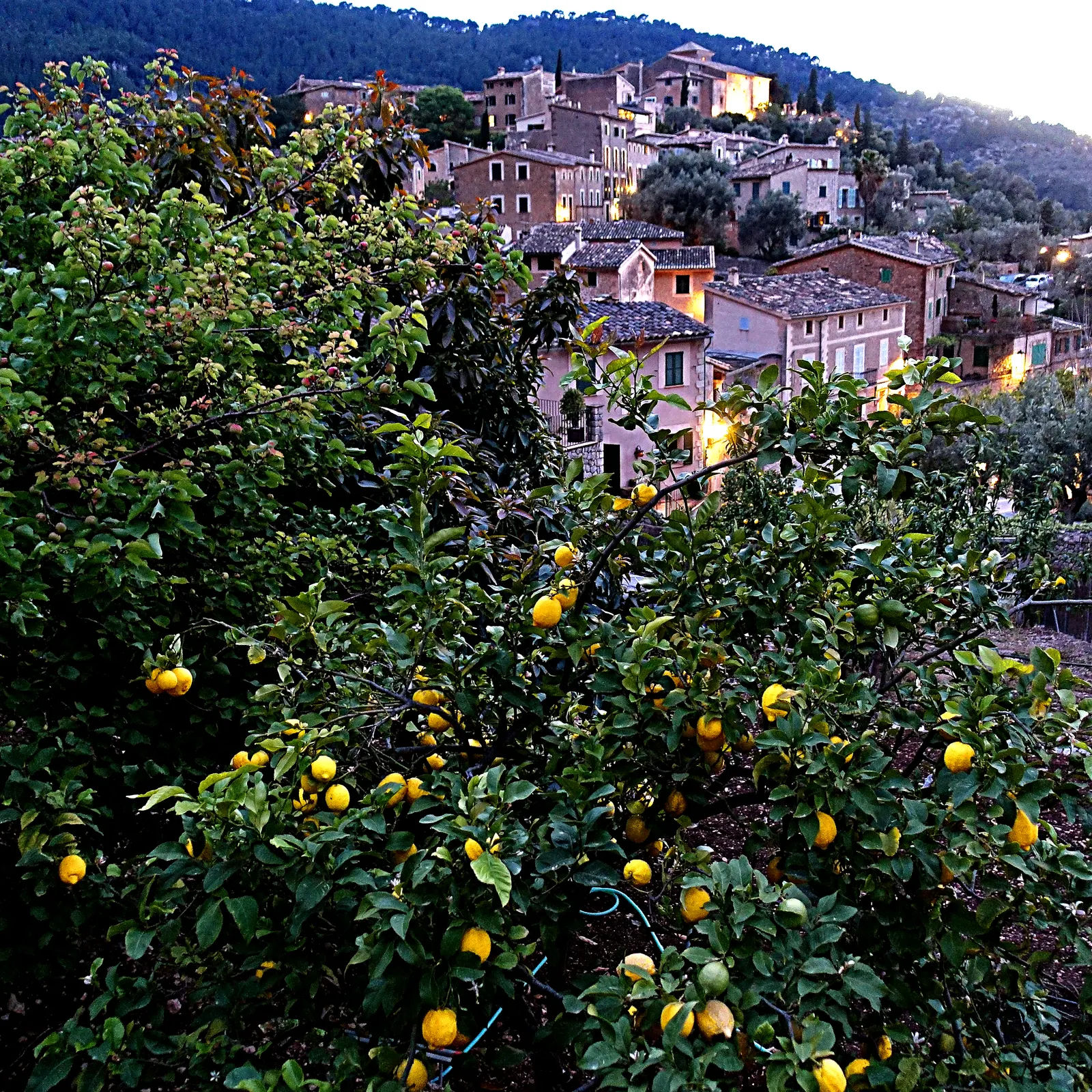
In Fornalutx there is barely a level street: you go up and down stone staircases. In Deià the village steps up against the Teix. They are beautiful places and they are steep places: carrying the shopping, moving furniture or growing old here is not the same as in a flat on level ground.
The houses are stone, with thick walls. That means cool in summer and cold in winter, and damp you have to manage.
Access is regulated, and increasingly so
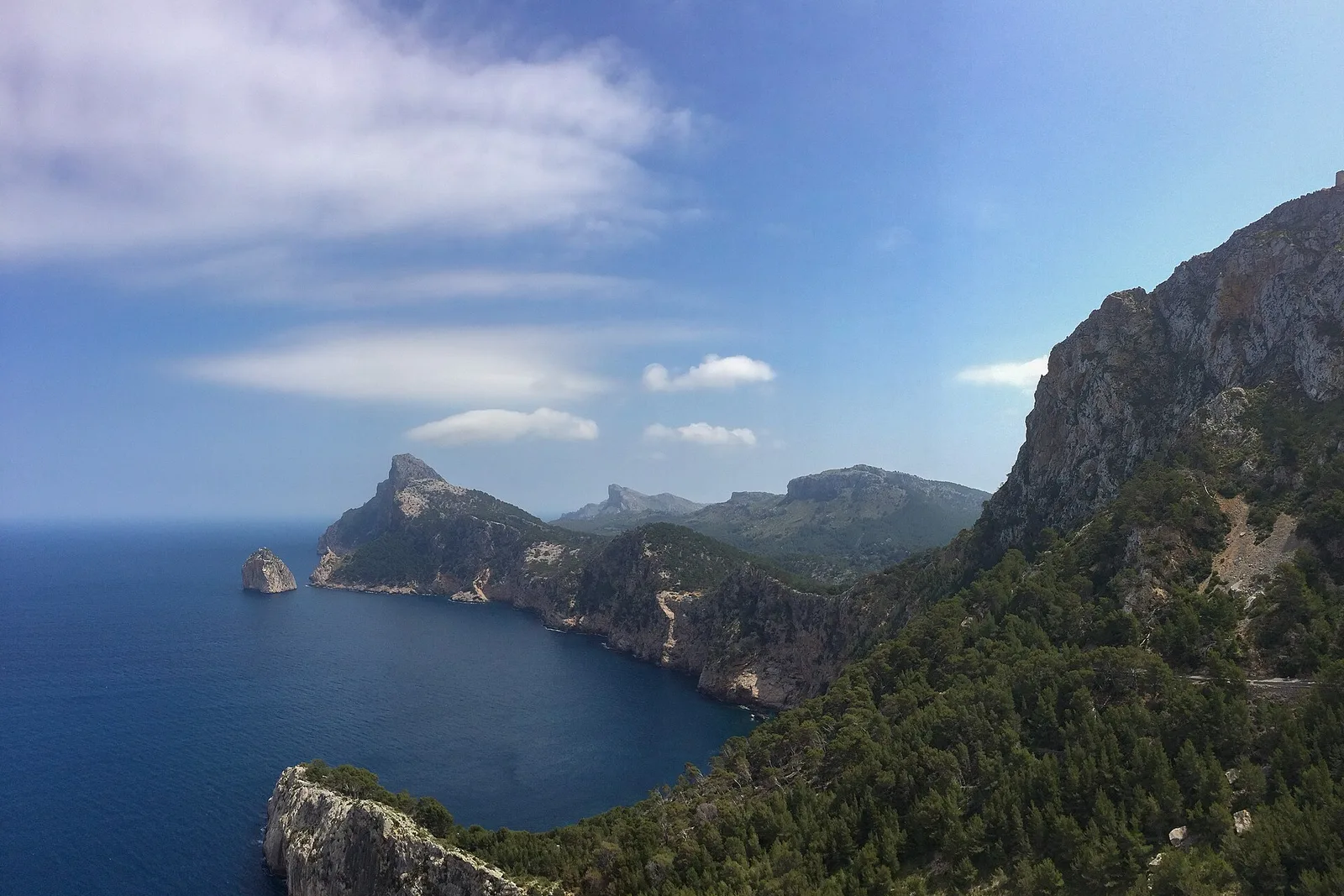
Almost every village in the Serra now has some form of control: Valldemossa with its restricted-traffic zone, Deià with its reserved parking areas — where the council can regulate access to the road and the cove — Escorca with licence-plate control at the sa Calobra harbour, the Formentor peninsula closed to private vehicles in the peak months.
For a visitor it is an occasional nuisance. For someone who lives here it is the opposite: it is what keeps life possible in August.
Winter is the best of it, and the hardest
From November to March the Serra goes quiet. The Sóller valley smells of orange blossom, the terraces of Banyalbufar and Estellencs can be seen without a single parasol in front of them, and the roads are a pleasure.
It is also when half the island closes. Opening hours shrink, some restaurants shut for months, and getting to certain places depends on the weather: in a strong tramuntana, some roads are cut off.
The questions to ask first
It isn’t the scenery: it’s the logistics. How far is the doctor? And the school? Is there a bus all year or only in season? Does the house have somewhere to actually park, or does it depend on a regulated zone?
The Serra is one of the loveliest places in the Mediterranean to live slowly. But living slowly here is a practical decision, not a postcard: it means accepting that things are further away, that winter is long and that the mountain is in charge.