In 2011 UNESCO inscribed the Serra de Tramuntana on the World Heritage List. Not as a natural landscape, but as a cultural landscape: the category reserved for territories that are the combined work of nature and people. The distinction matters, and it explains what you see as you travel through it.
What was actually listed
What is protected is not the peaks. It is what centuries of farming made of a mountain with no flat ground and no easy water: dry-stone terraces that turn a hillside into arable land, and an articulated network for managing water — channels, cisterns, mills — built around farming units of feudal origin.
The inscription was approved under criteria (ii), (iv) and (v) of the Convention: the interchange of influences in shaping the landscape, the outstanding example of a technological and agricultural ensemble, and the traditional settlement representative of a culture that has become vulnerable.
Where you see it best
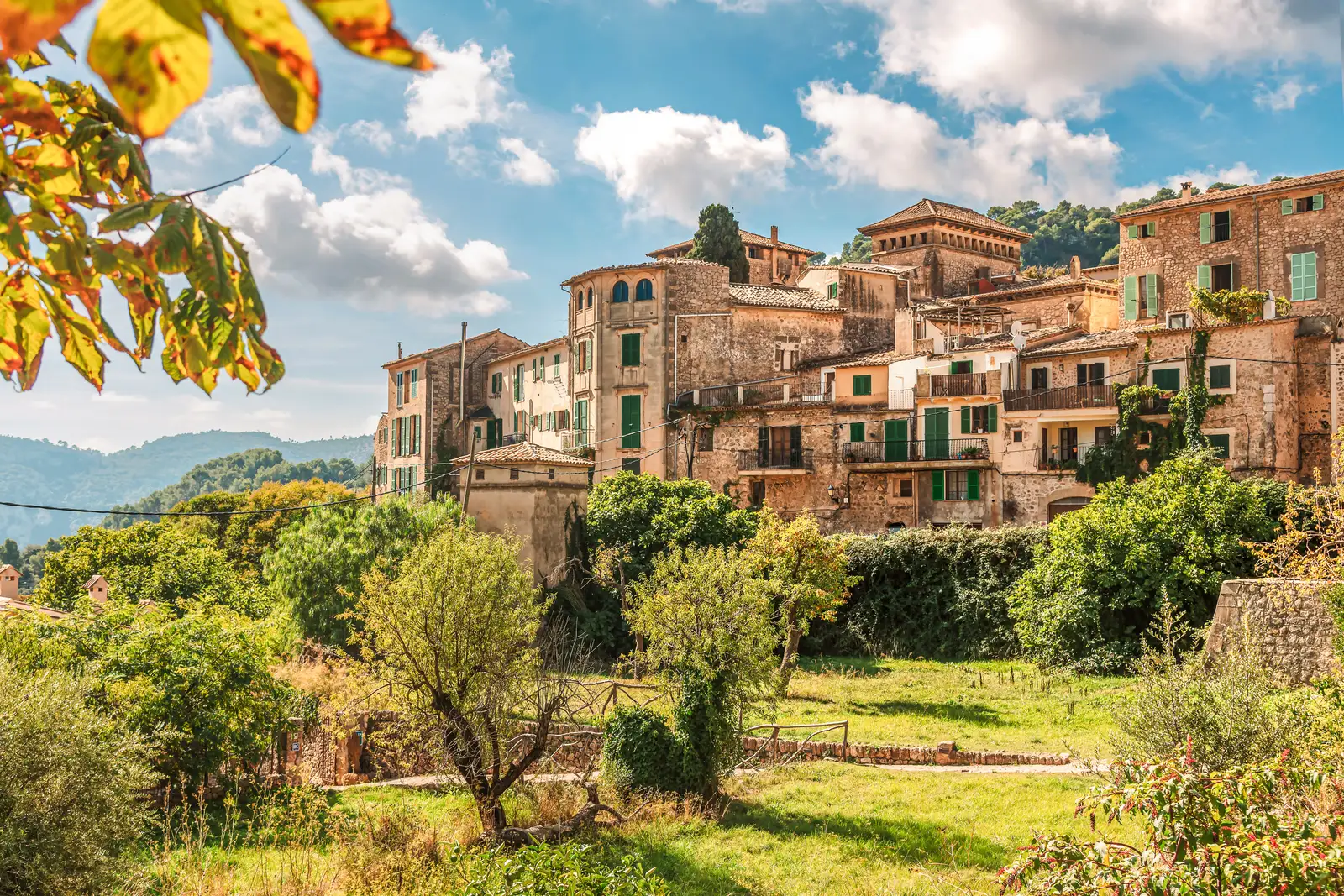
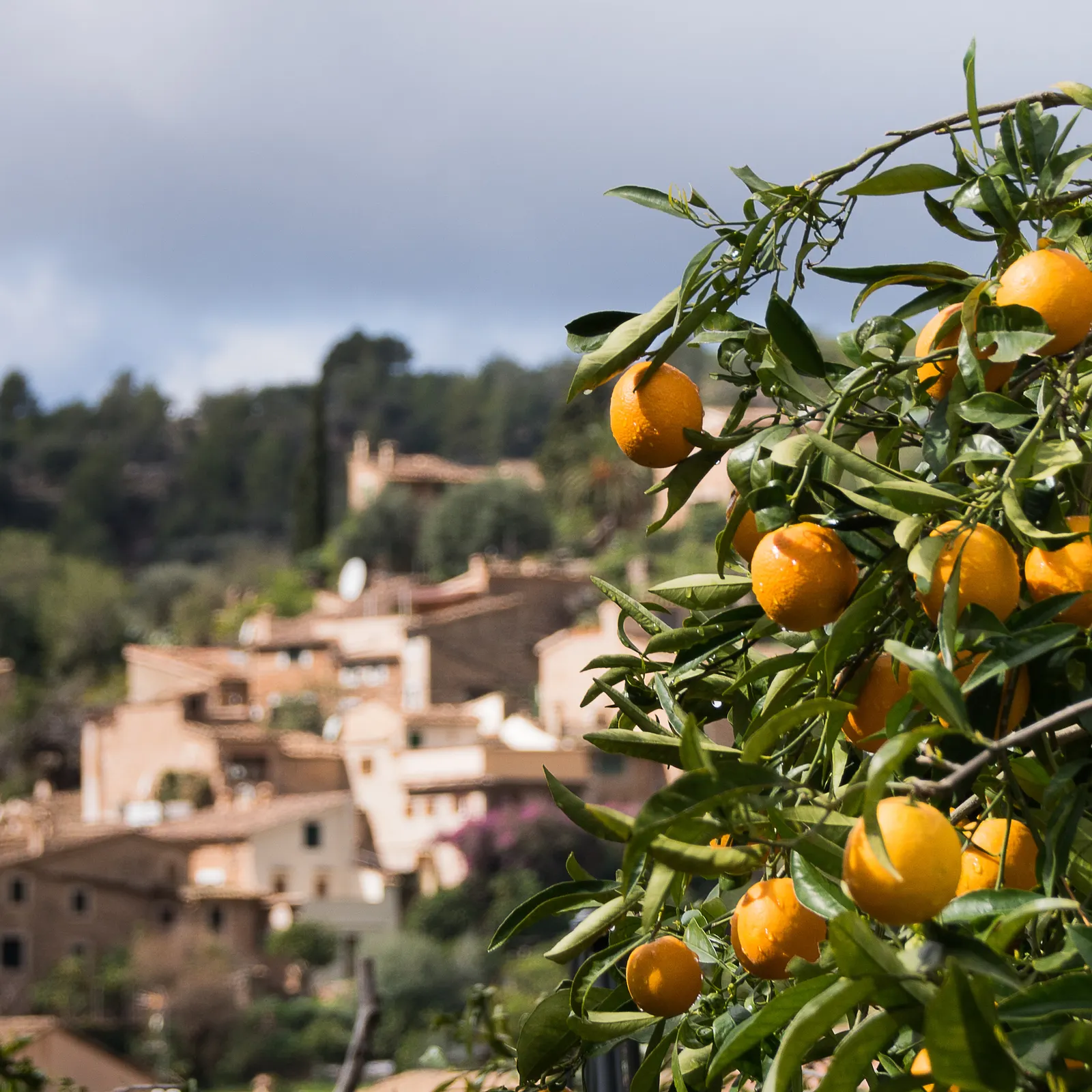
In Banyalbufar, an amphitheatre of terraces dropping from the mountain to the sea, built to grow vines and vegetables where there was no room. In Estellencs, its olive terraces beneath the Galatzó. In Fornalutx and the Sóller valley, where orange trees take every ledge won from the slope.
The craft that holds all of it up — stone laid without mortar, held by weight and shape alone — is still alive, and it is a trade, not decoration. A badly repaired terrace collapses; a well-built one lasts for centuries.
How to look at it
This is a landscape you understand slowly and on foot. Any path between villages in the Serra crosses dozens of walls, and not one is accidental: each holds up a piece of ground that somebody decided was worth holding up.
So a visit to the Serra is not just taking in the view from a lookout. It is recognising, in the walls that hold up the road and the terraces that step down towards the water, the work of generations who made a mountain liveable.