Tenerife
February in Tenerife, with AEMET's figures: 22 °C by day on the south coast, a cool sea, snow days on Teide and the Santa Cruz Carnival in the streets. Where to stay during those weeks, what to do and what to pack.
Tenerife
January in Tenerife, with AEMET's figures: almost 22 °C by day on the south coast, a cool sea, snow on the summit and a calendar that runs from the Music Festival to the start of Carnival. North or south, what to do and what to pack.
Gran Canaria
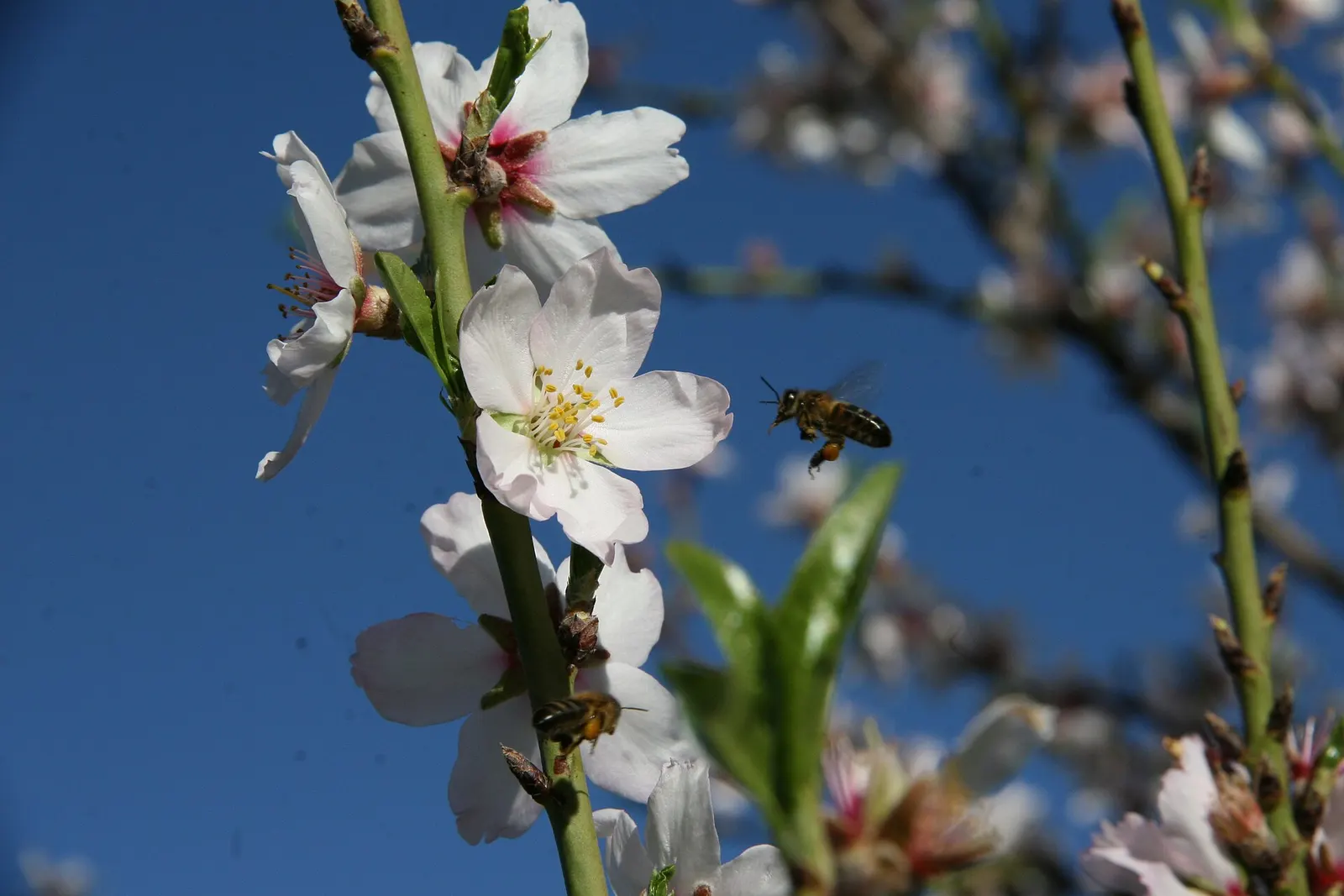
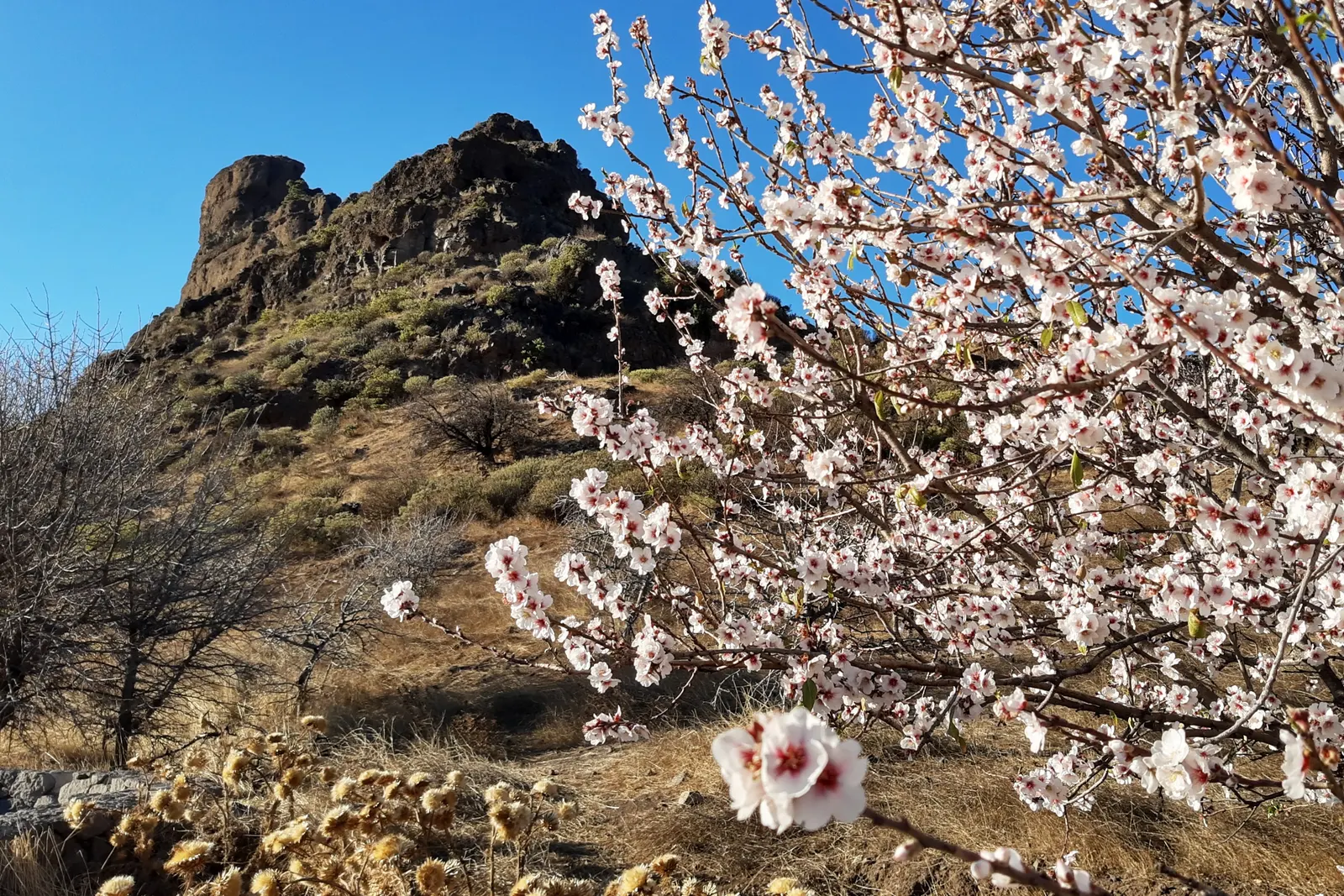
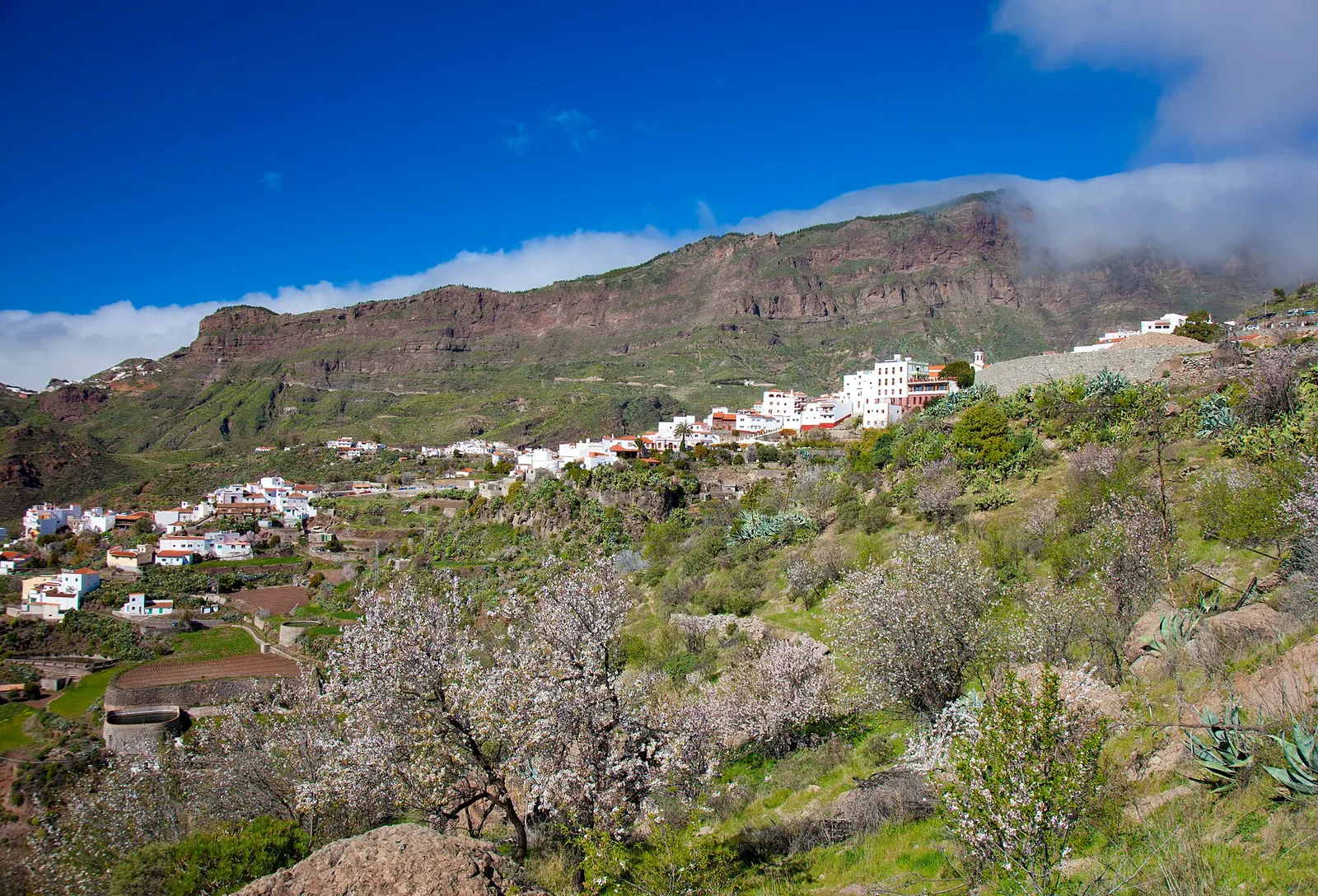
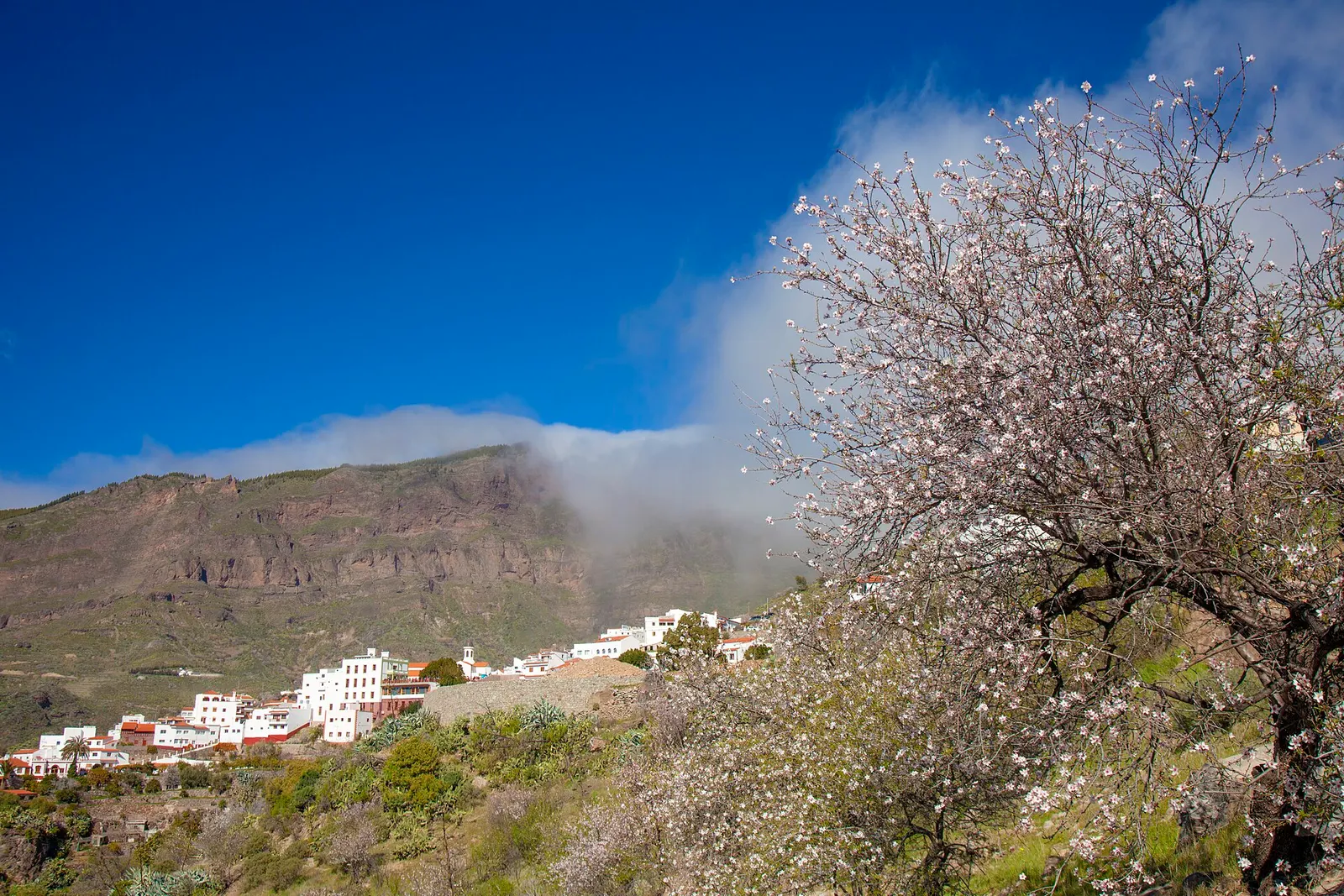
February in Gran Canaria, with AEMET's figures: around 21 °C by day on the coast, a cool sea, almond trees in flower in the highlands and a calendar with the Las Palmas Carnival, Werther and the Transgrancanaria. What to do and what to pack.
Gran Canaria
January in Gran Canaria, with AEMET's figures: around 21 °C by day on the coast, a cool sea, the almond trees beginning to blossom in the highlands and a calendar that runs from Epiphany to the Las Palmas Carnival. What to do and what to pack.
Lanzarote
February in Lanzarote, with AEMET's figures: around 21 °C by day, little rain and, once again, the sunniest airport in the islands. The sea, the wind, the month's markets and evenings, what to do and what to pack.
Lanzarote
January in Lanzarote, with AEMET's figures: around 21 °C by day, little rain and more hours of sunshine than at any other airport in the islands. The sea, the wind, the month's events, what to do and what to pack.
Fuerteventura
February in Fuerteventura, with AEMET's figures: around 21 °C by day, the least rain of the four islands, a cool sea and the wind. Which coast to choose for a swim, what to see inland and what to pack.
Fuerteventura
January in Fuerteventura, with AEMET's figures: around 21 °C by day, the driest island of the four, the sea at 19 °C and trade winds that never quite leave. Which coast to choose for a swim, the month's events, what to do and what to pack.
Tenerife
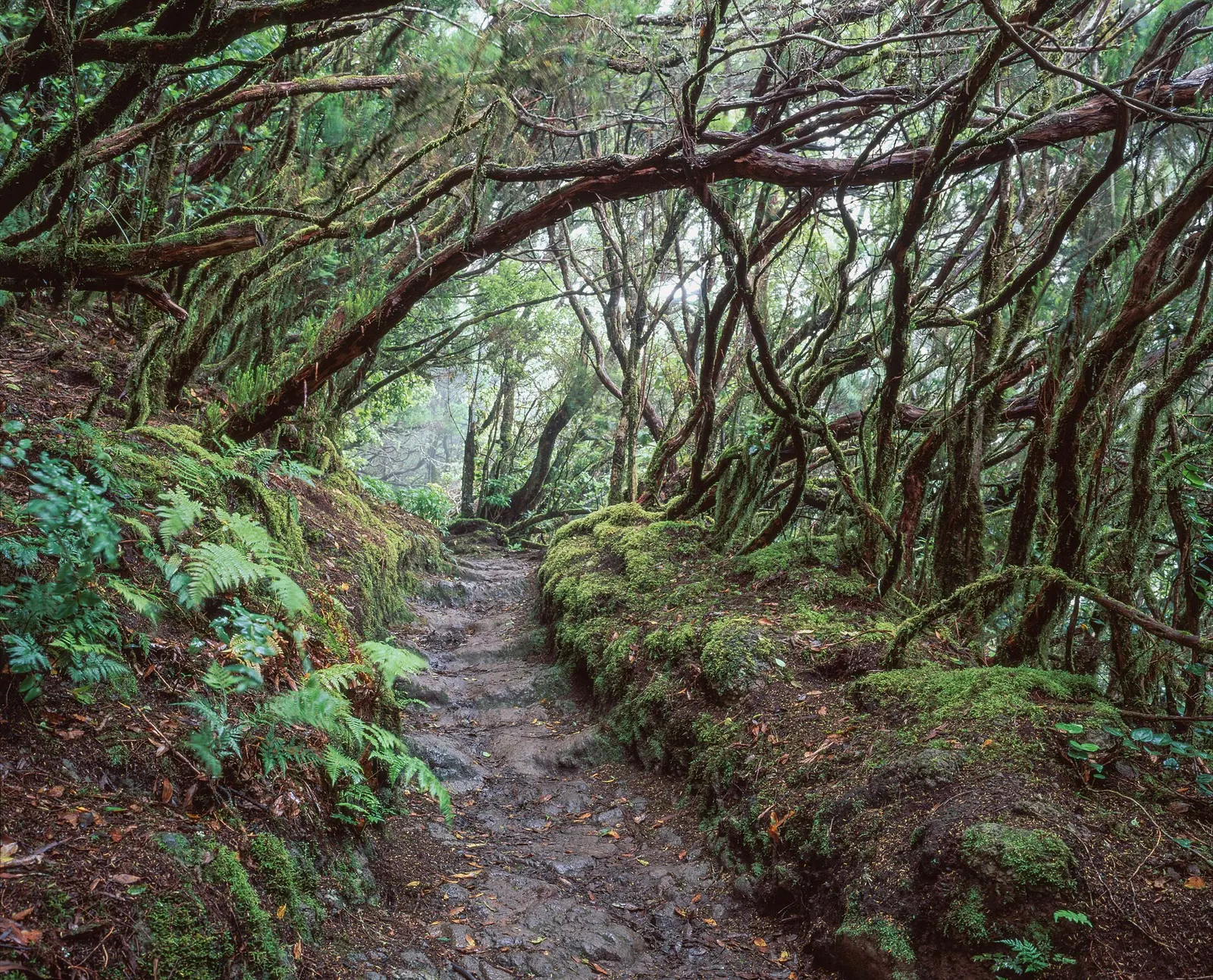
In the island's north-east, half an hour from Santa Cruz, the road plunges into a damp laurel forest and drops to hamlets and black-sand beaches. What Anaga is, how to explore it respectfully and where the road ends.
Tenerife
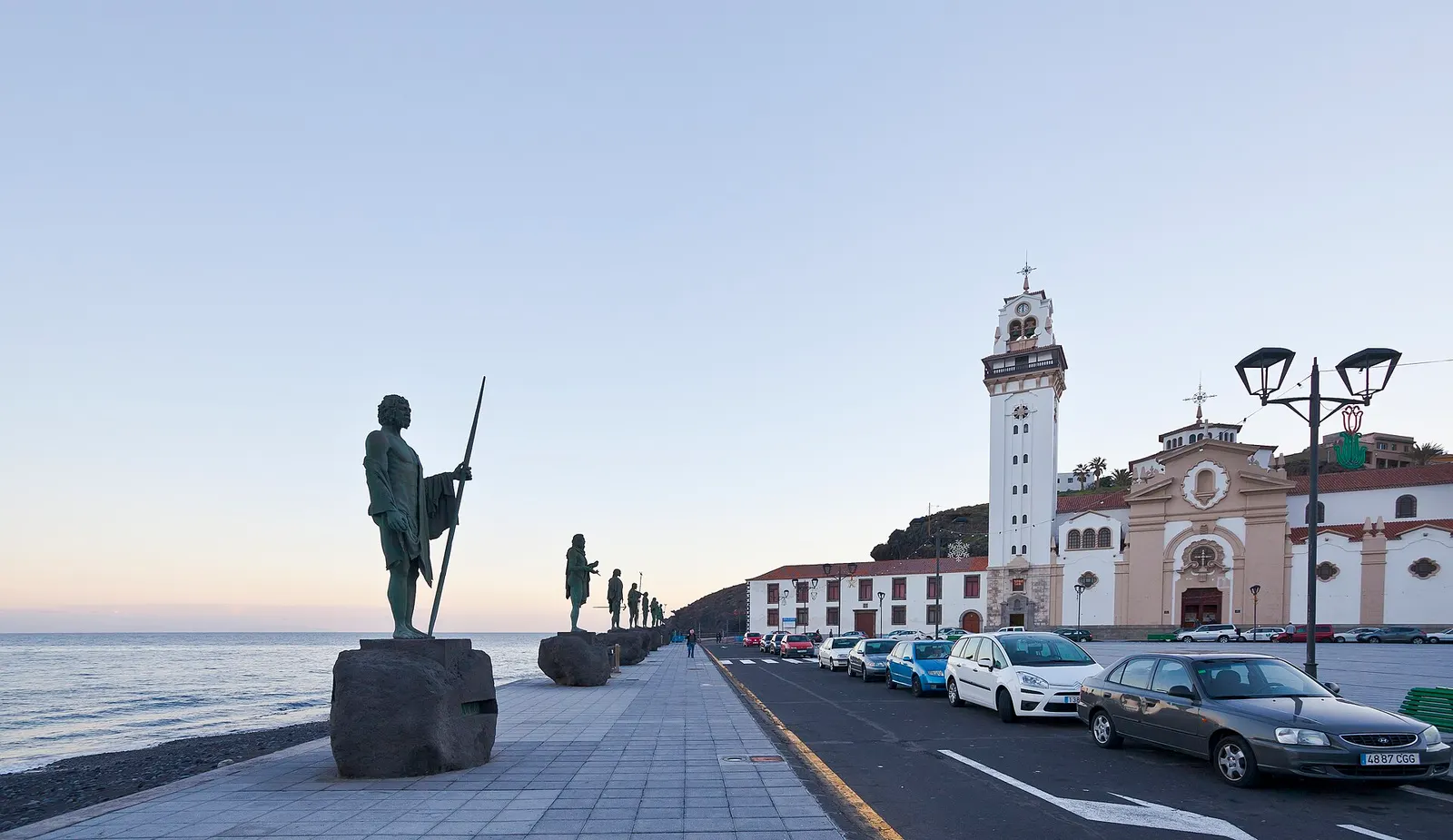
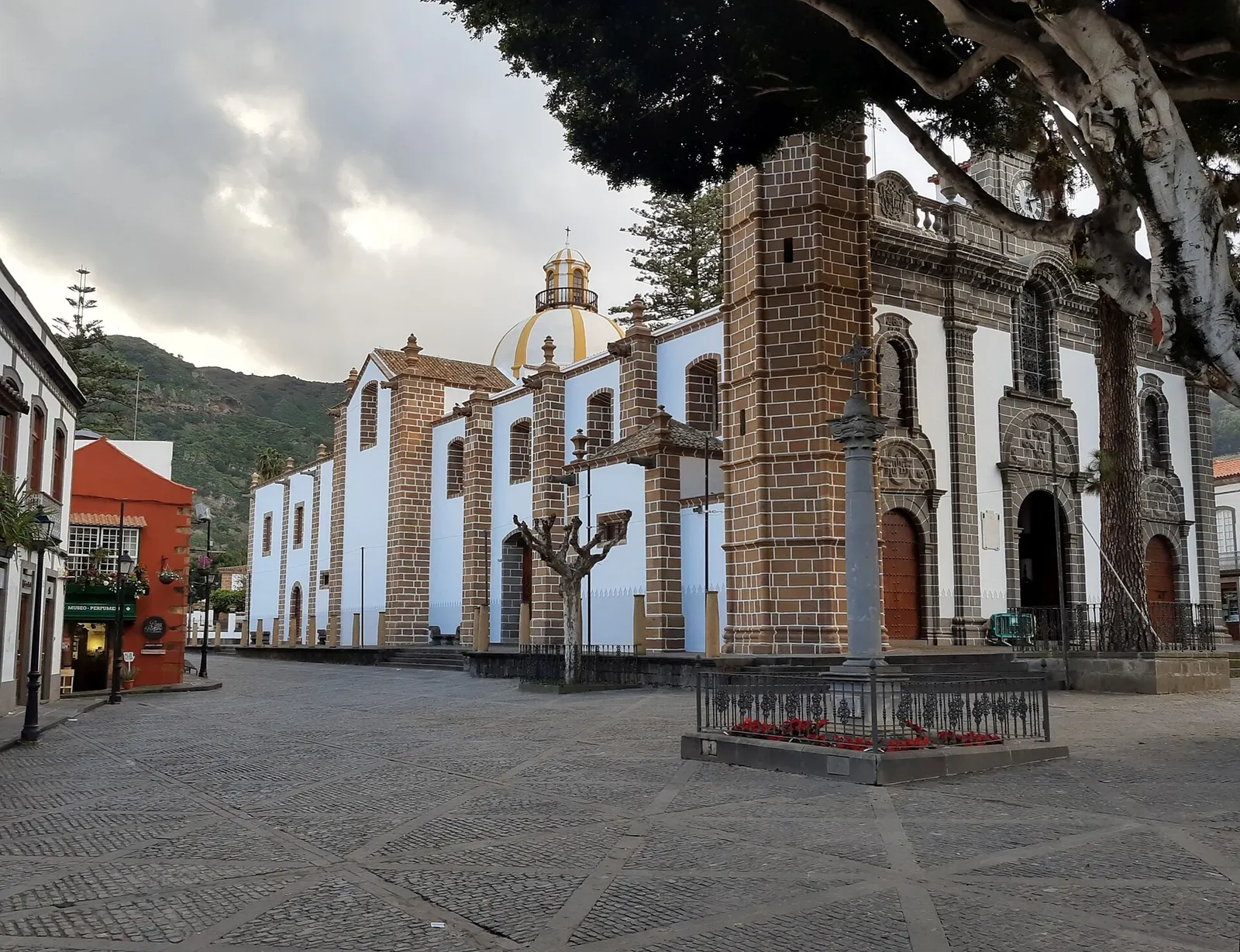
A basilica, a square open to the Atlantic and nine bronze kings. To understand who Tenerife was before the conquest, come here on an ordinary day.
Tenerife
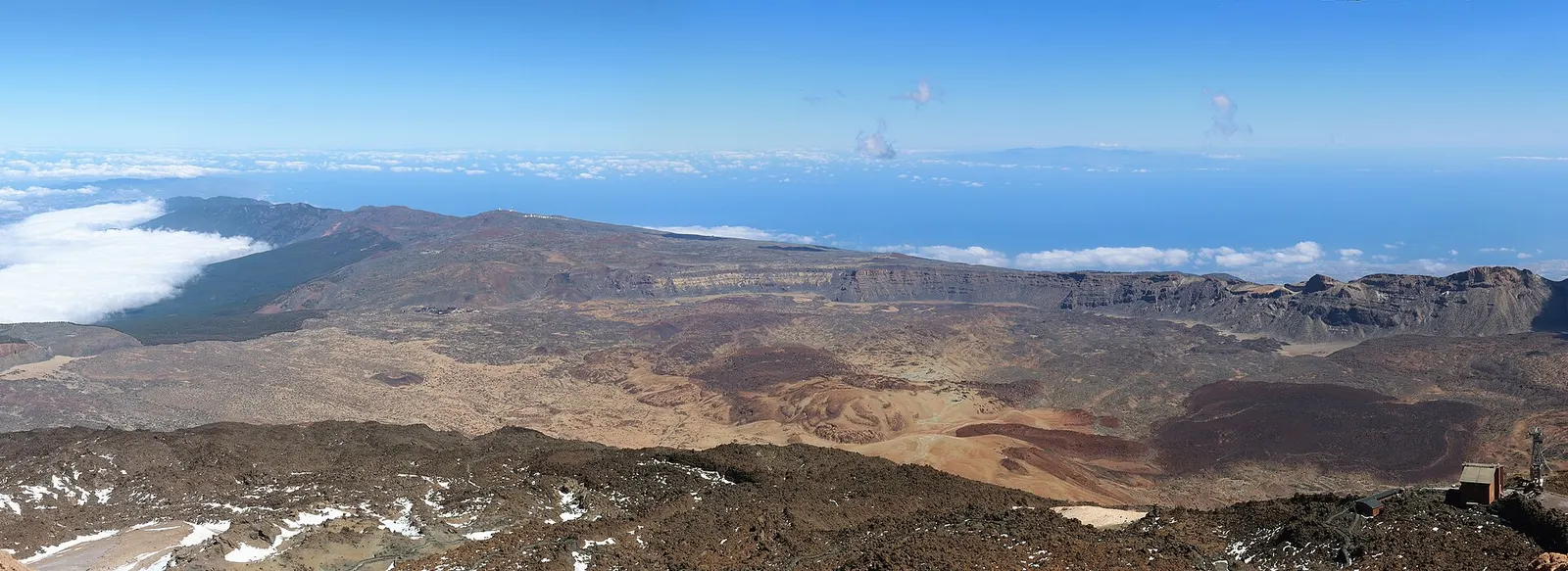
The cable car does not take you to the summit. It stops at La Rambleta, at 3,555 metres, and the last stretch to the peak needs a separate National Park permit. How to plan it properly, with time to spare and no surprises at the top.
Tenerife
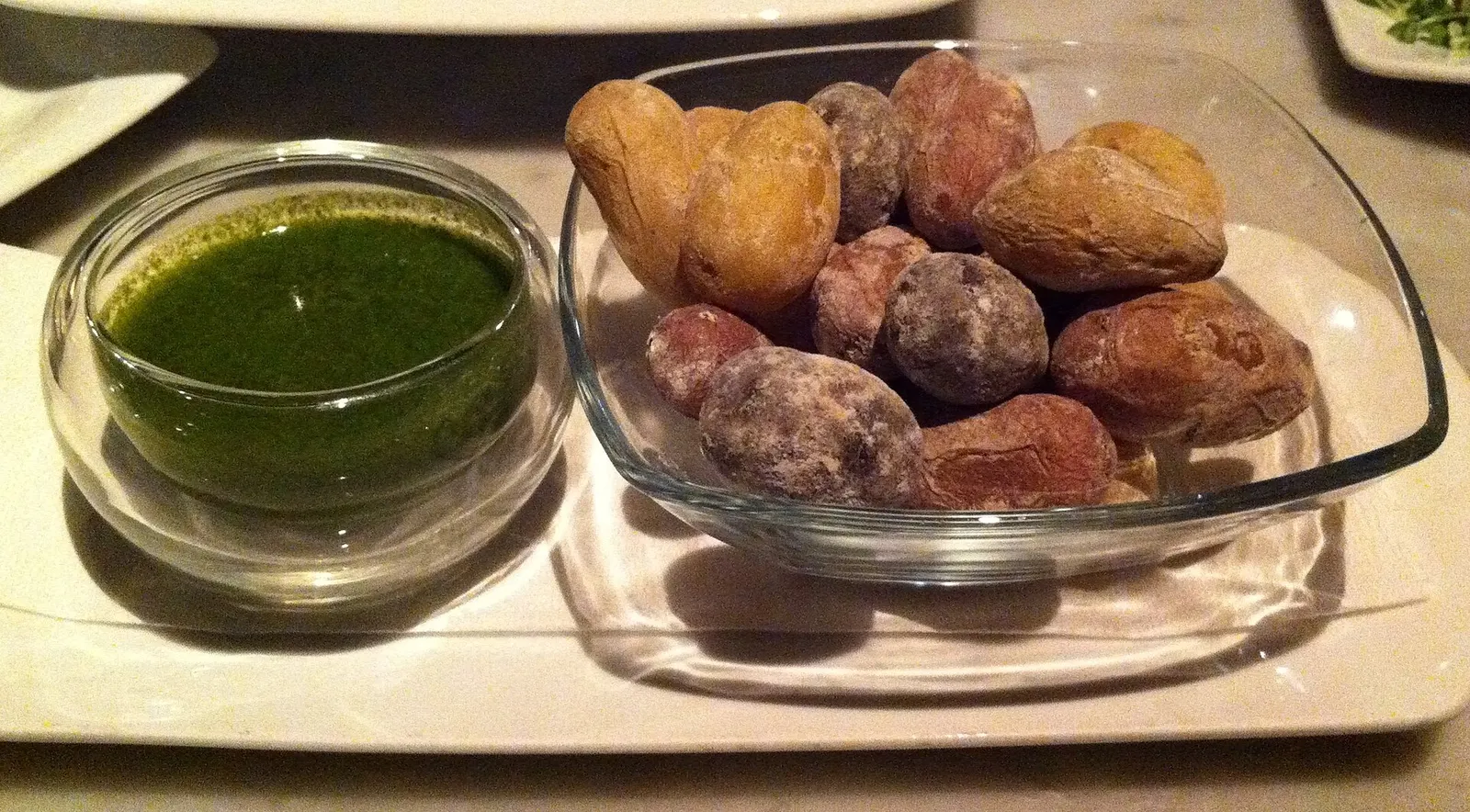
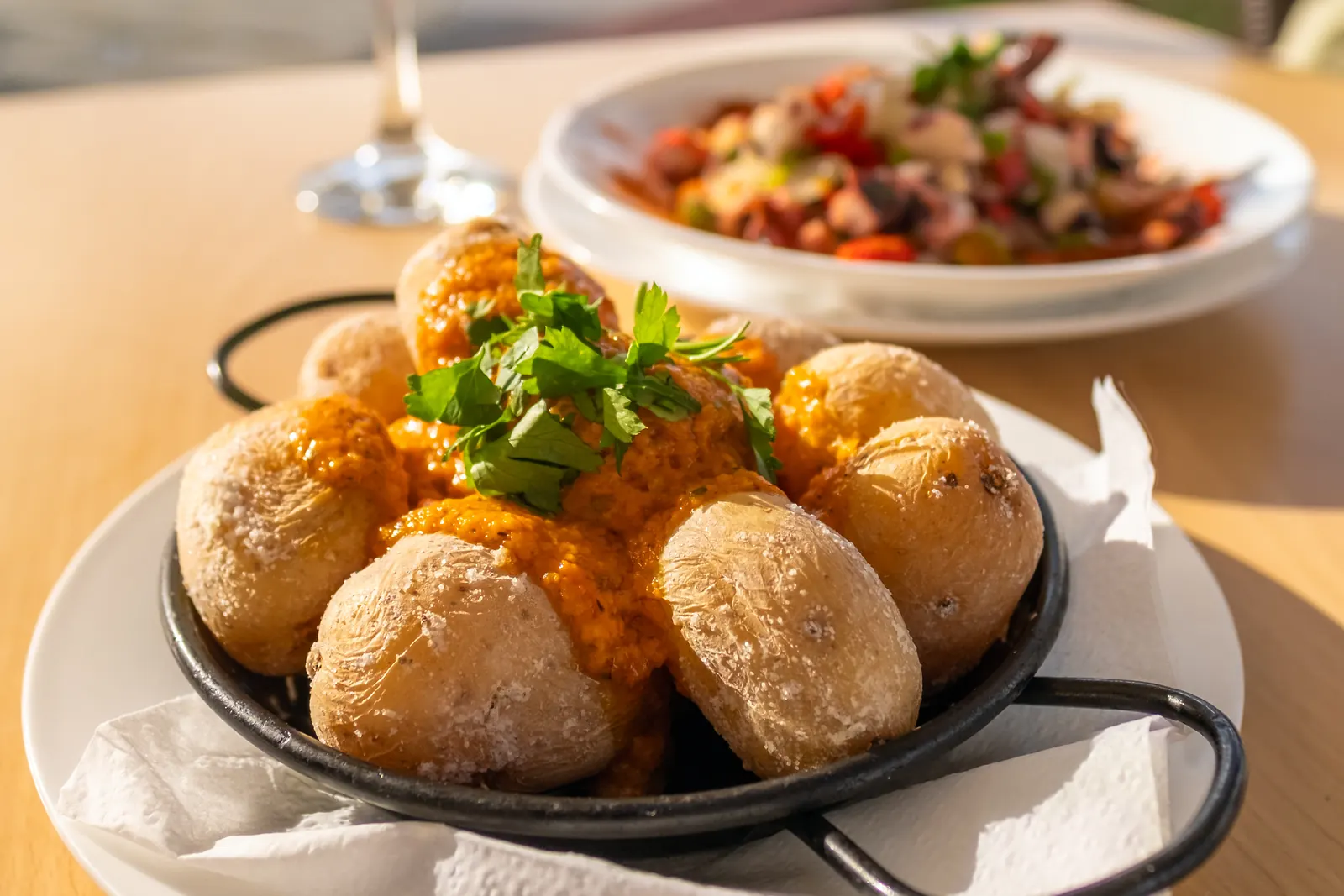
Heritage potatoes with protected origin, two mojos, gofio and goat's cheese: what to order in Tenerife, why, and how to recognise a kitchen that was never made for visitors.
Tenerife
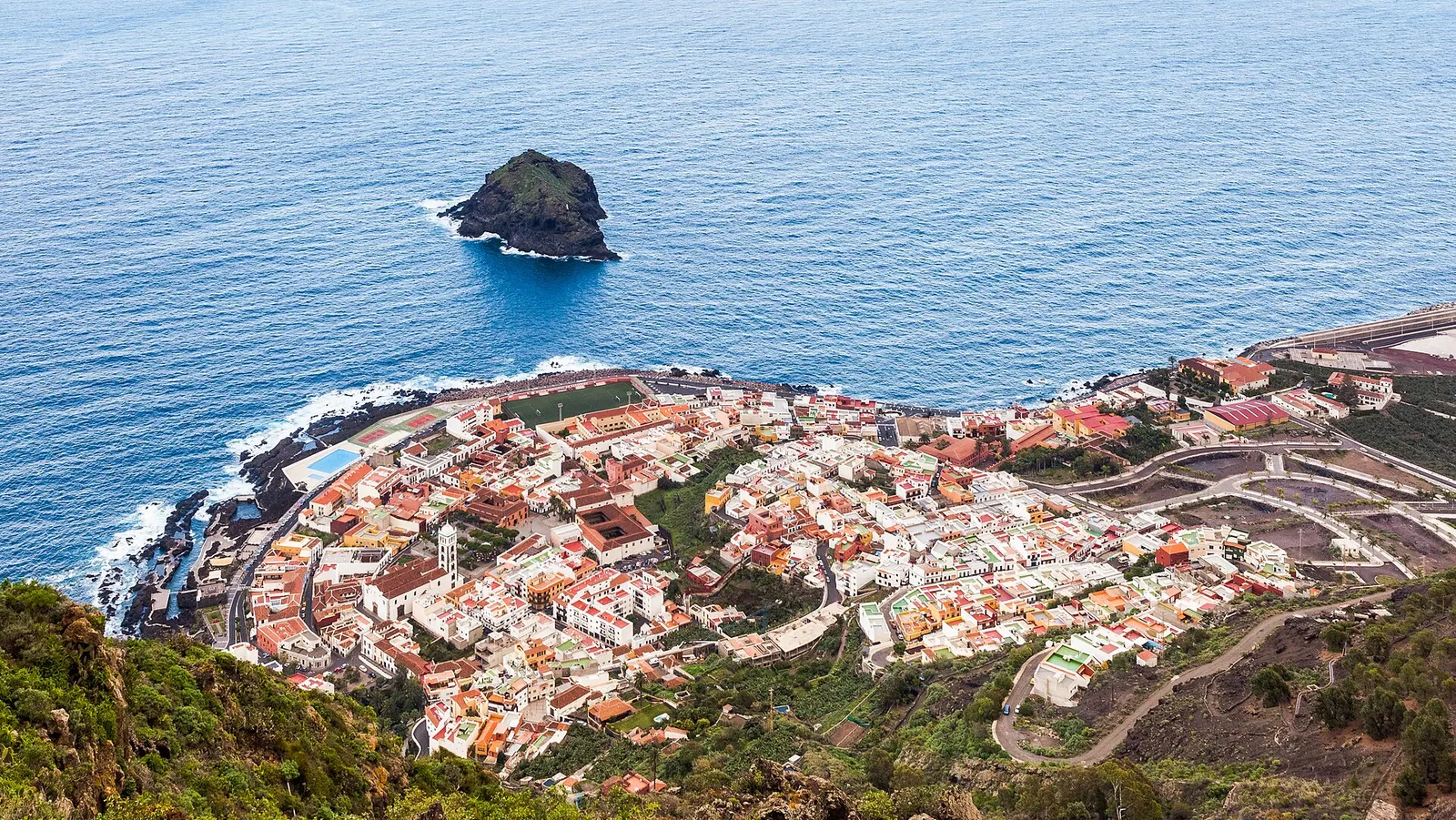
In 1706 lava sealed off Tenerife's richest port. What remains is a town rebuilt on top of its own ruin, a castle that held out and rock pools the volcano made.
Tenerife
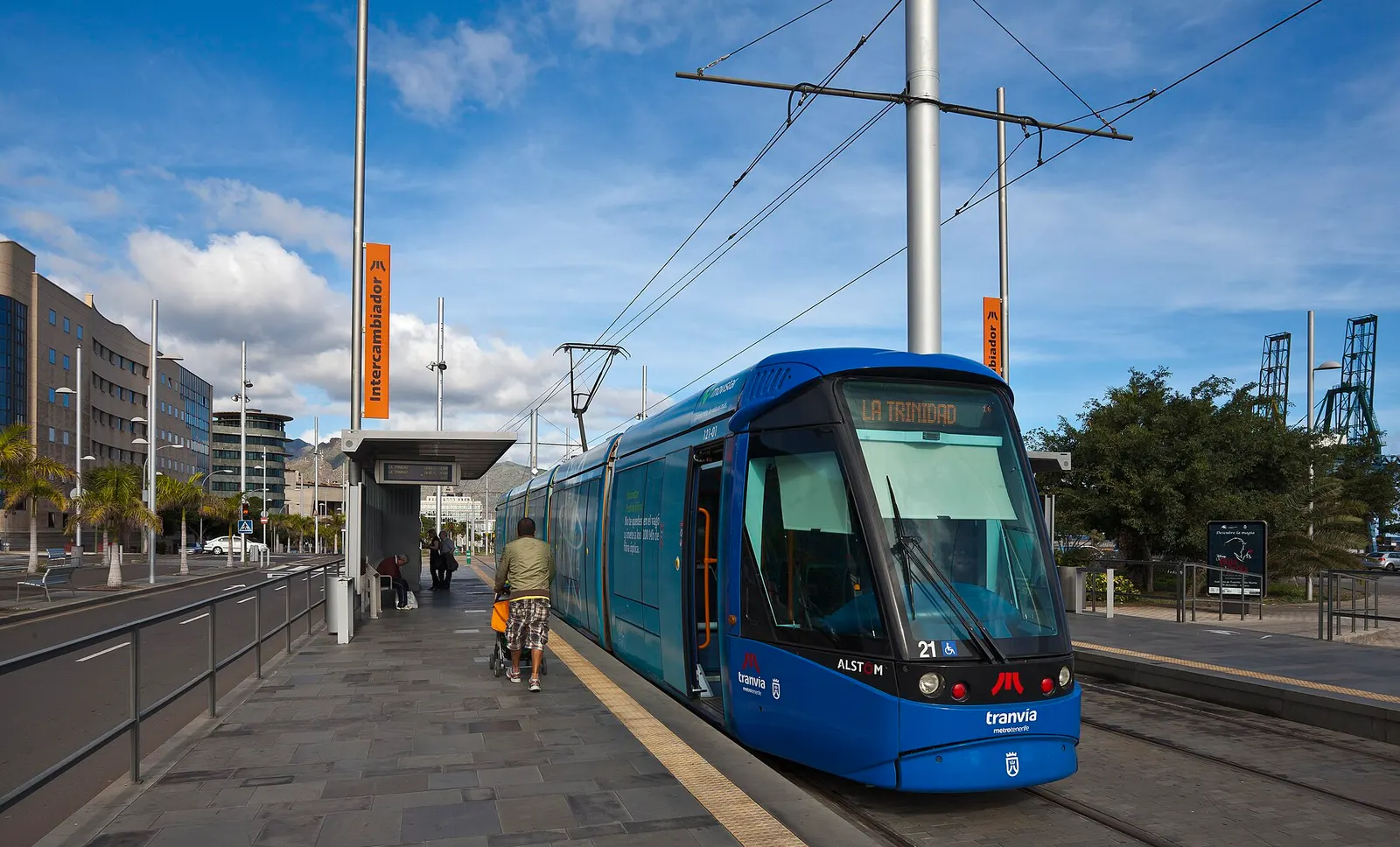
Two motorways, a tram between Santa Cruz and La Laguna, a bus network that reaches almost everywhere and corners where cars are no longer allowed. How to plan Tenerife without spending the trip in a queue.
Tenerife
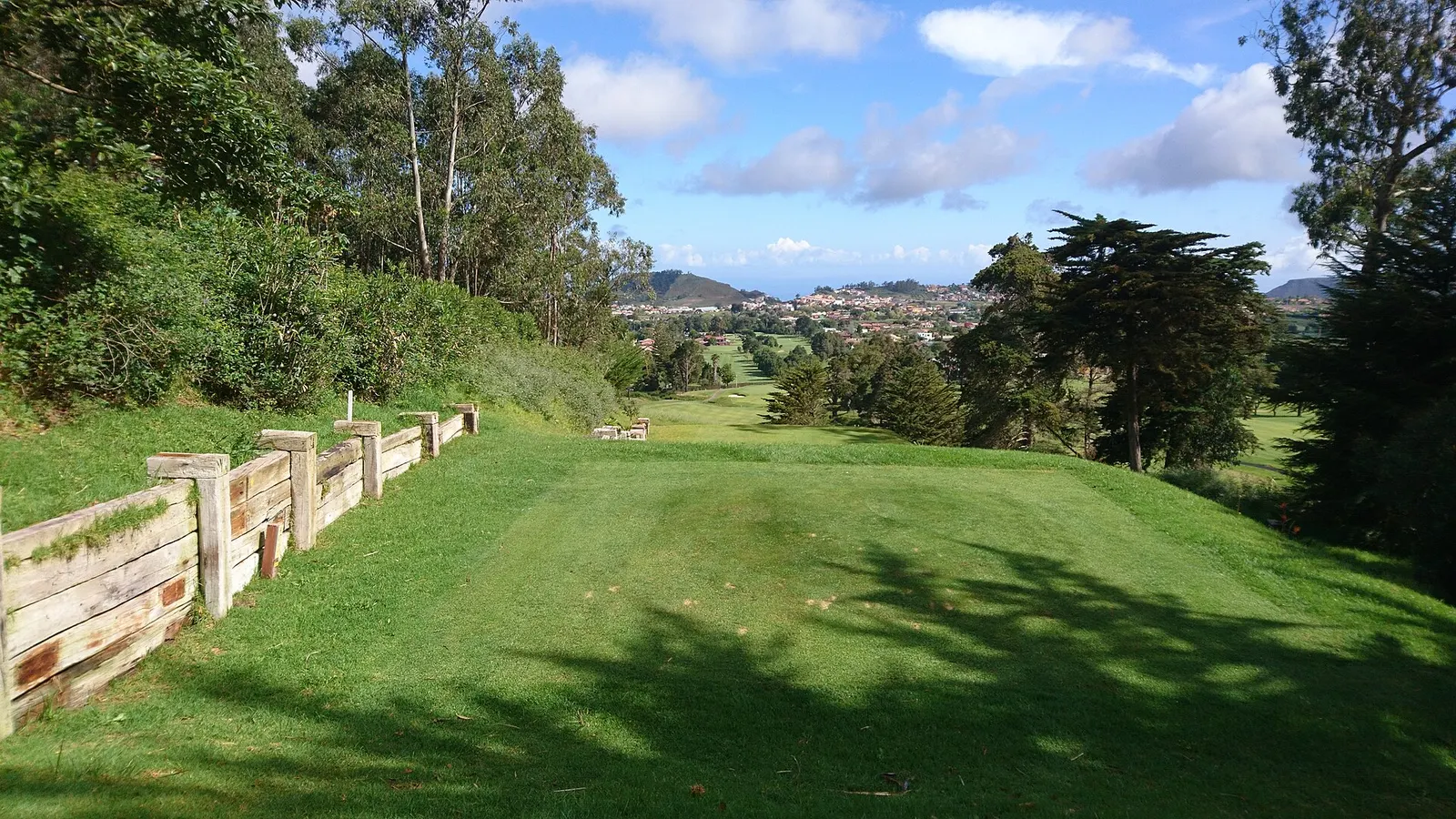
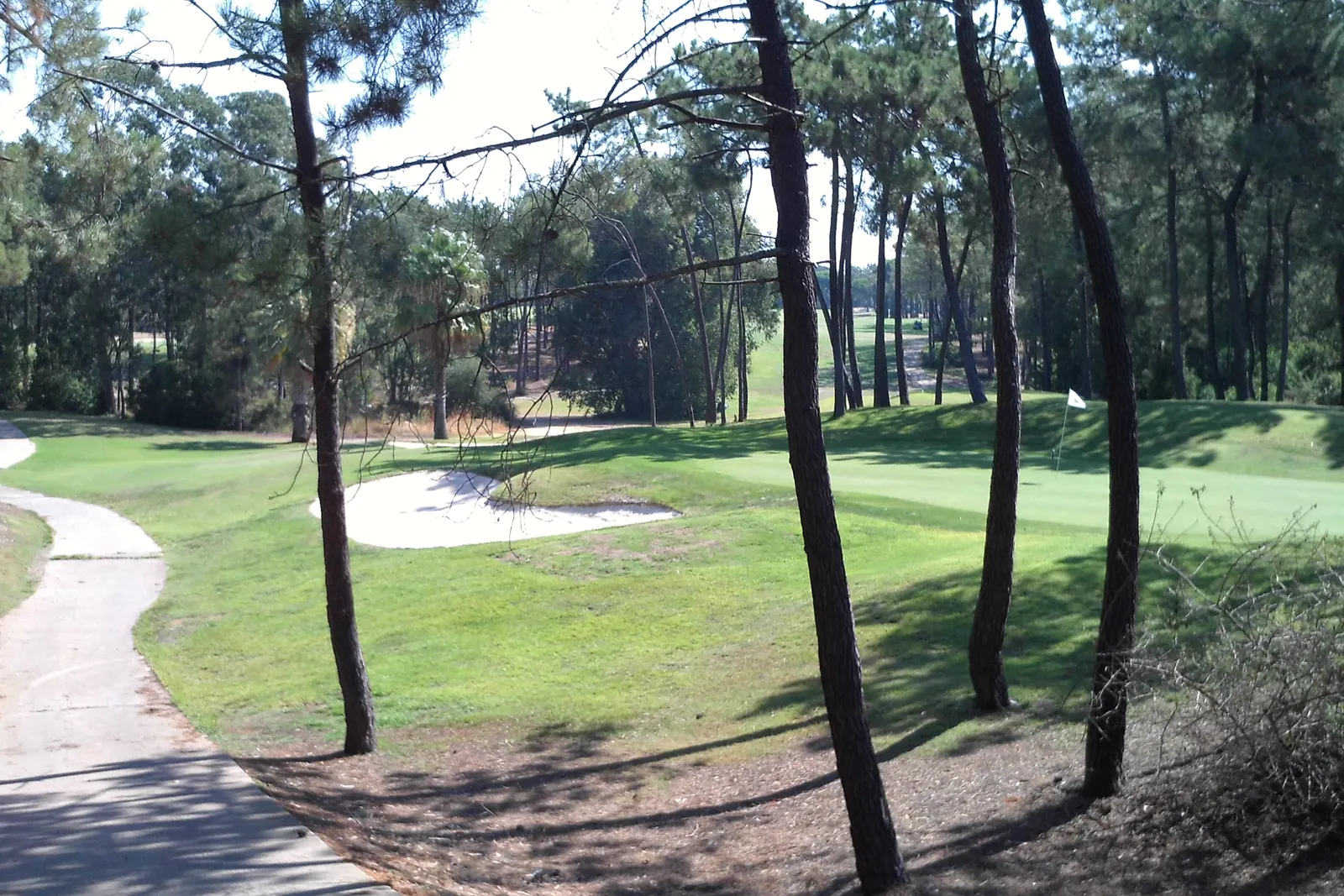
From the Real Club de Golf de Tenerife, founded in 1932 in the north, to Severiano Ballesteros's course above the Atlantic and the layouts of the south. Which course to choose depending on where you stay, and why golf here is a winter game.
Tenerife
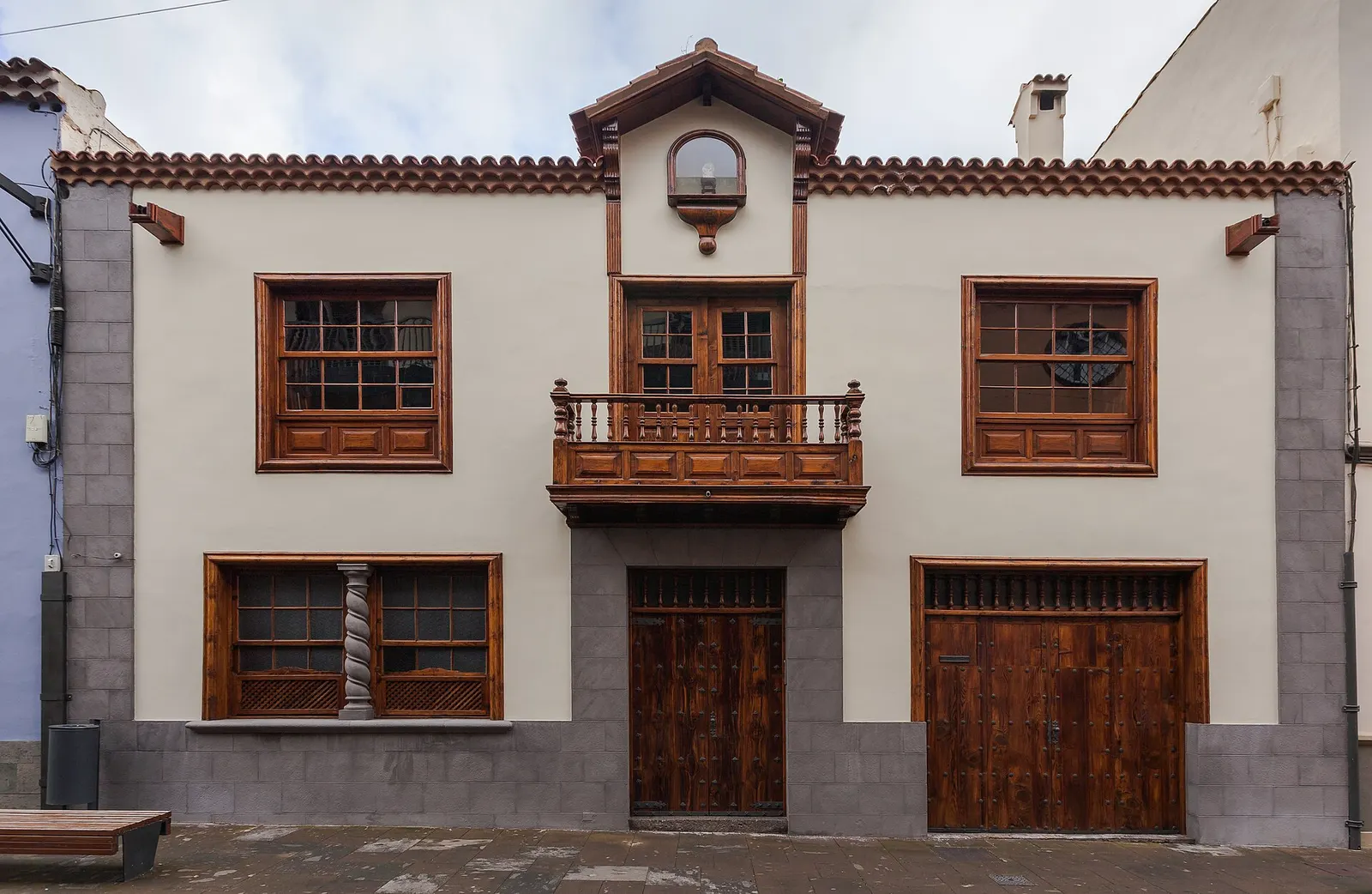
A grid of streets laid out at the end of the fifteenth century, no walls at all and a university life that never left. Tenerife's other World Heritage Site is best understood on foot, unhurried.
Tenerife
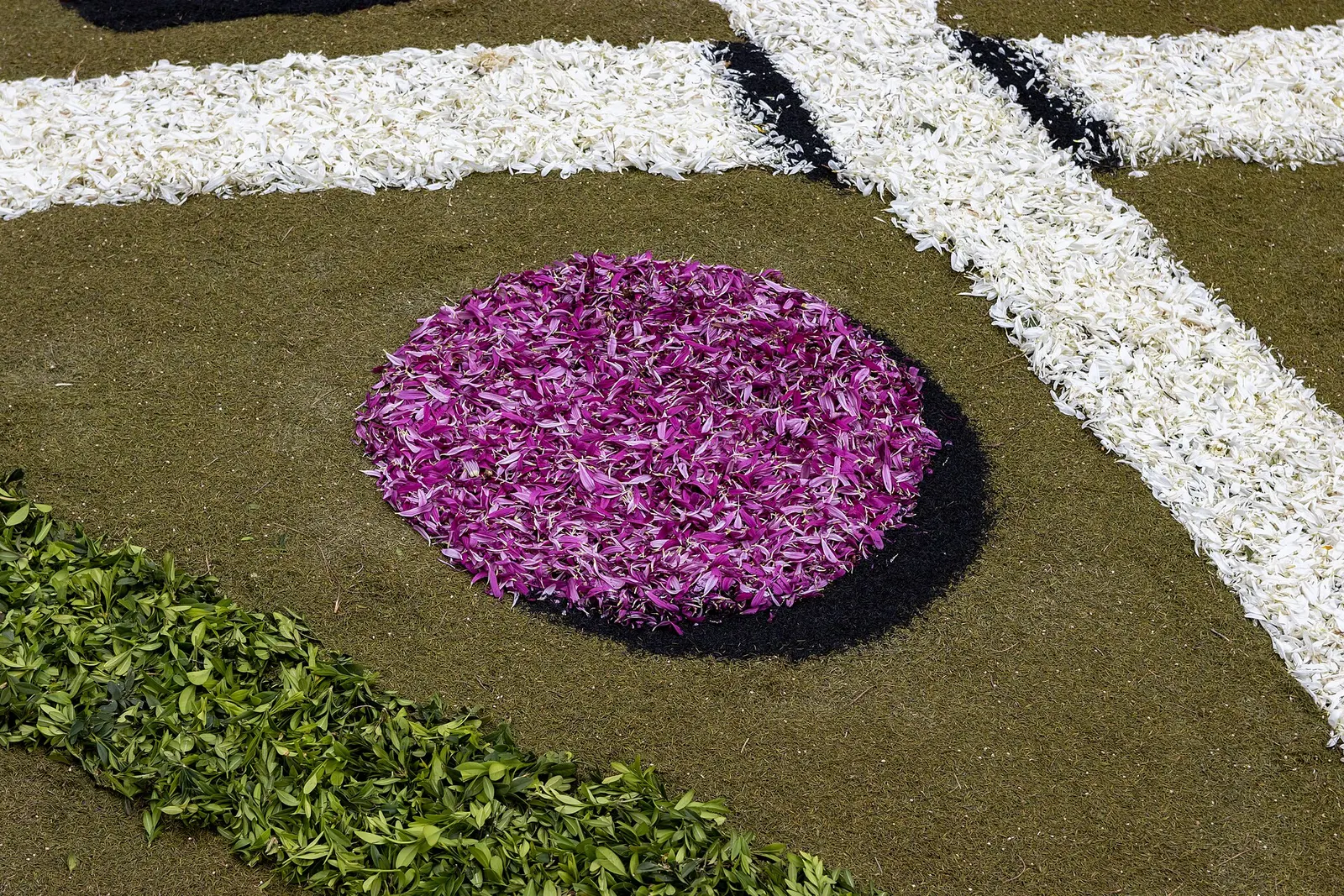
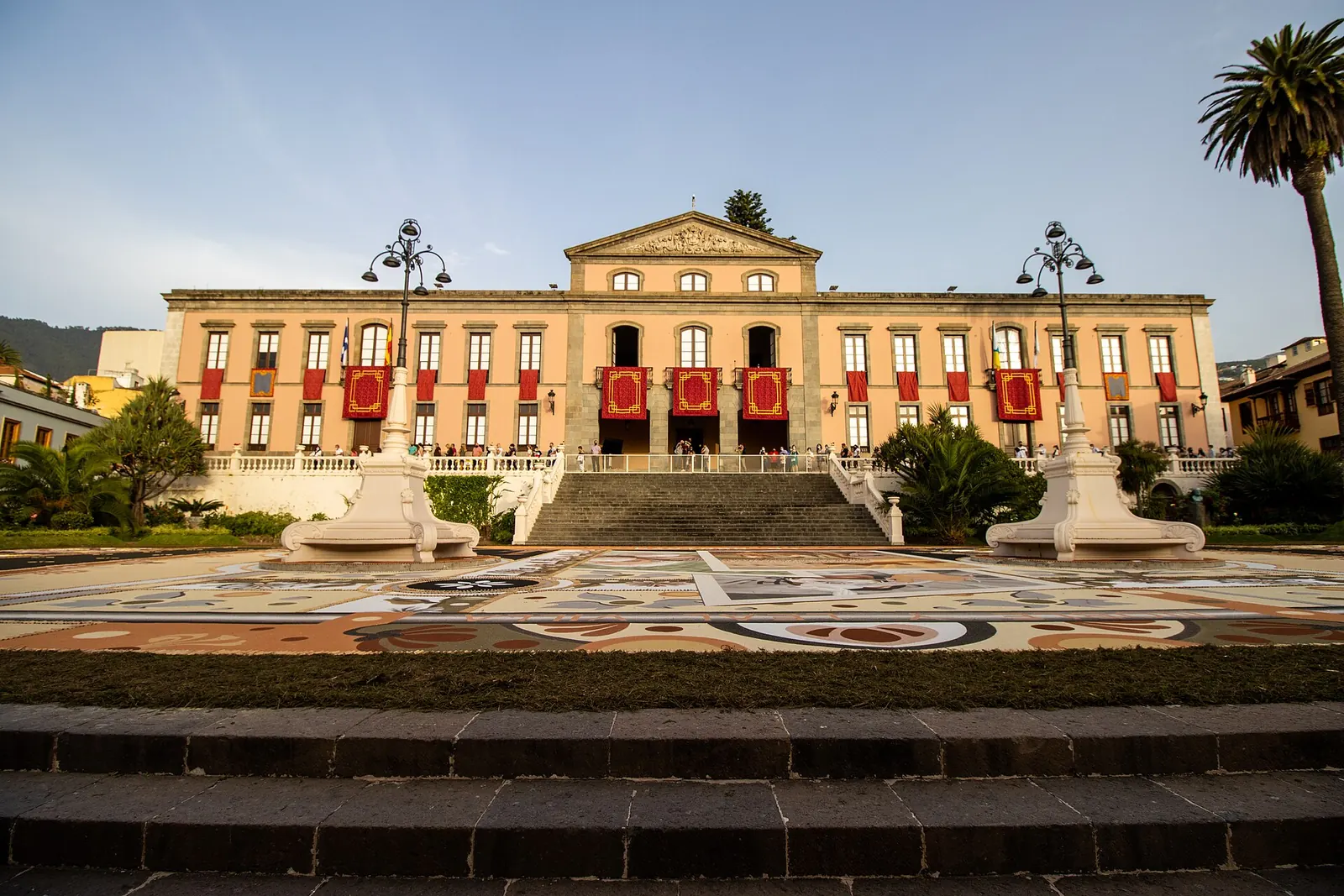
Weeks of work, petals plucked by hand and a vast tapestry of volcanic sand that the Corpus Christi procession walks over in a few hours. Tenerife's most delicate tradition, told unhurriedly.
Tenerife
Tenerife's south gathers the great hotels with gardens and chef-led restaurants; the north keeps the other version: houses with history and the return of the Gran Hotel Taoro. Where quiet luxury sleeps on the island, and how to choose.
Tenerife
Two restaurants with two stars and several with one in the MICHELIN Guide Spain 2026, nearly all on the south-west coast and one, new, in the north. What they are and how to plan the booking.
Tenerife
Winter tourism in the Canaries began here: Britons escaping the cold and tuberculosis, a botanical garden born of an order from Charles III and a grand hotel on the hill. A walk through the Puerto that still keeps the air of an Atlantic spa town.
Tenerife
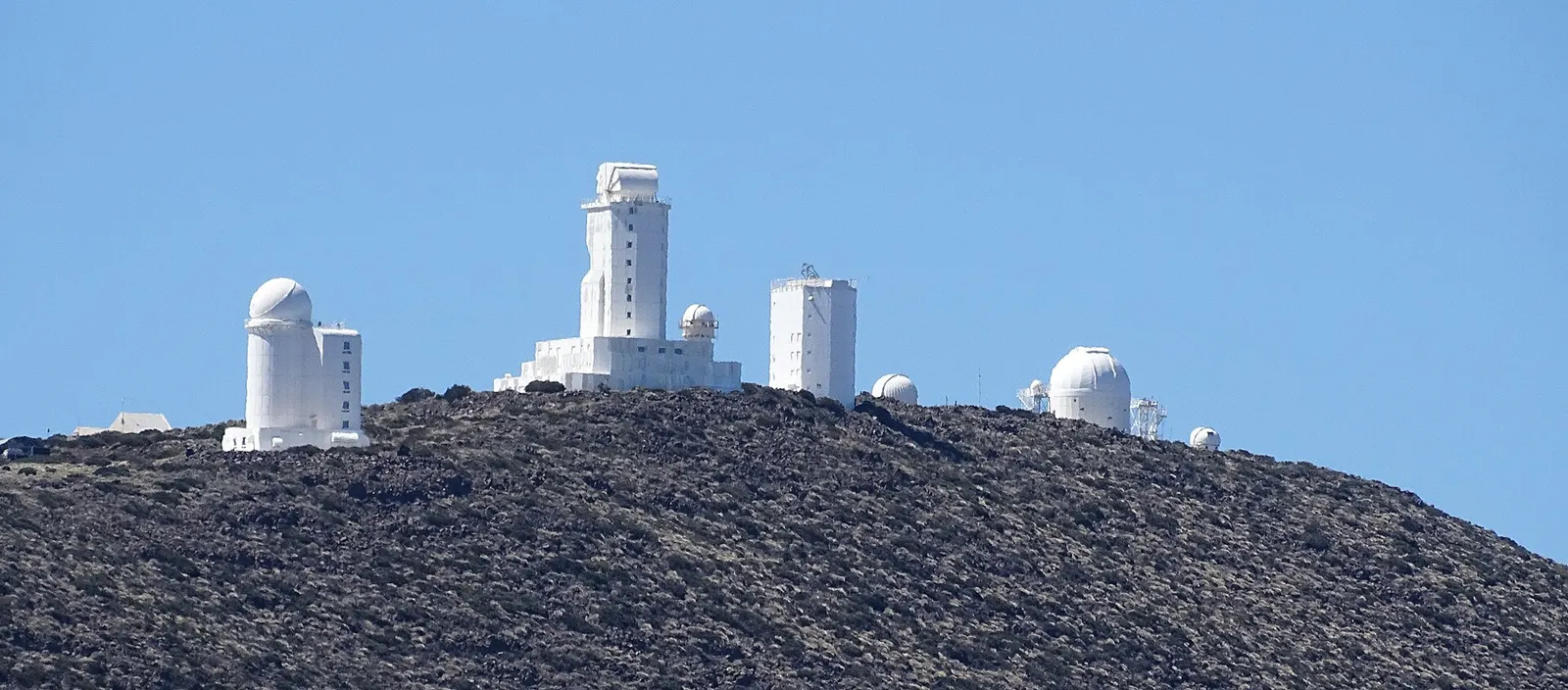
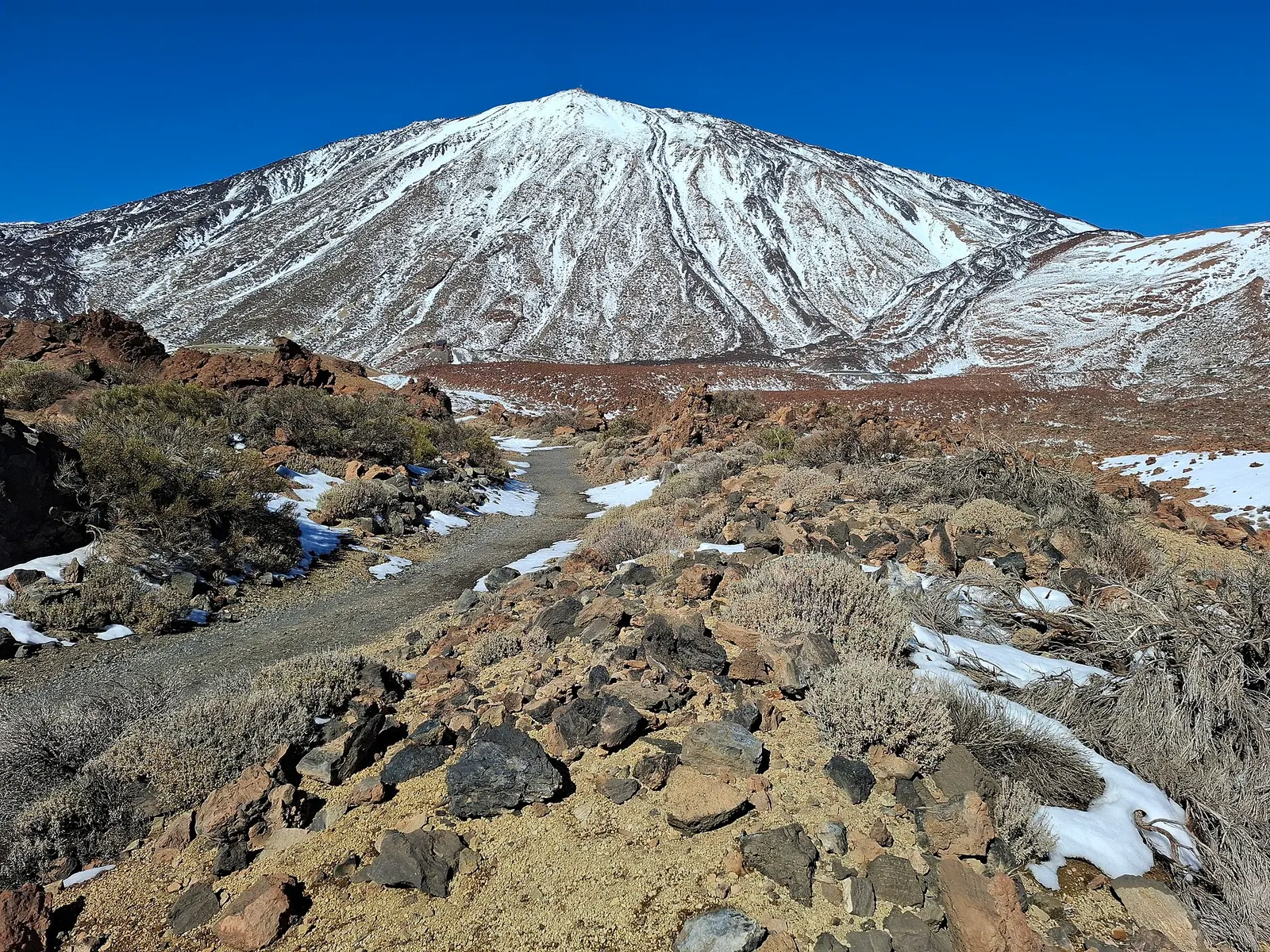
Night on Teide is a quiet luxury, and one protected by law. What makes this sky special, how to see it well (moon, warm clothes, a guide) and why the island offers it all year round.
Tenerife
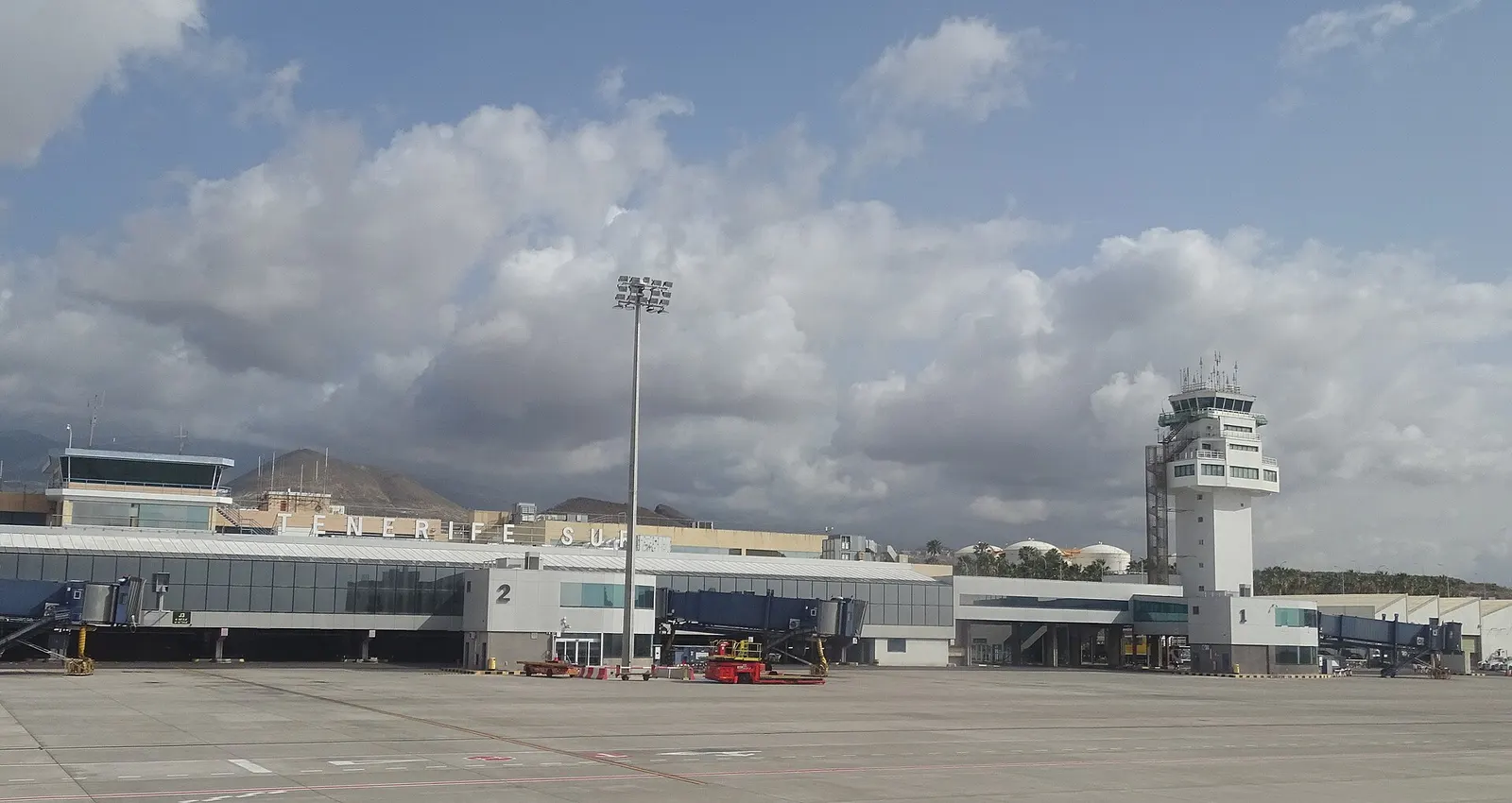
Tenerife has two airports, on two different sides of the island. Land at the wrong one and you face an hour of motorway. Which one is yours, and how to get from it to your hotel.
Tenerife
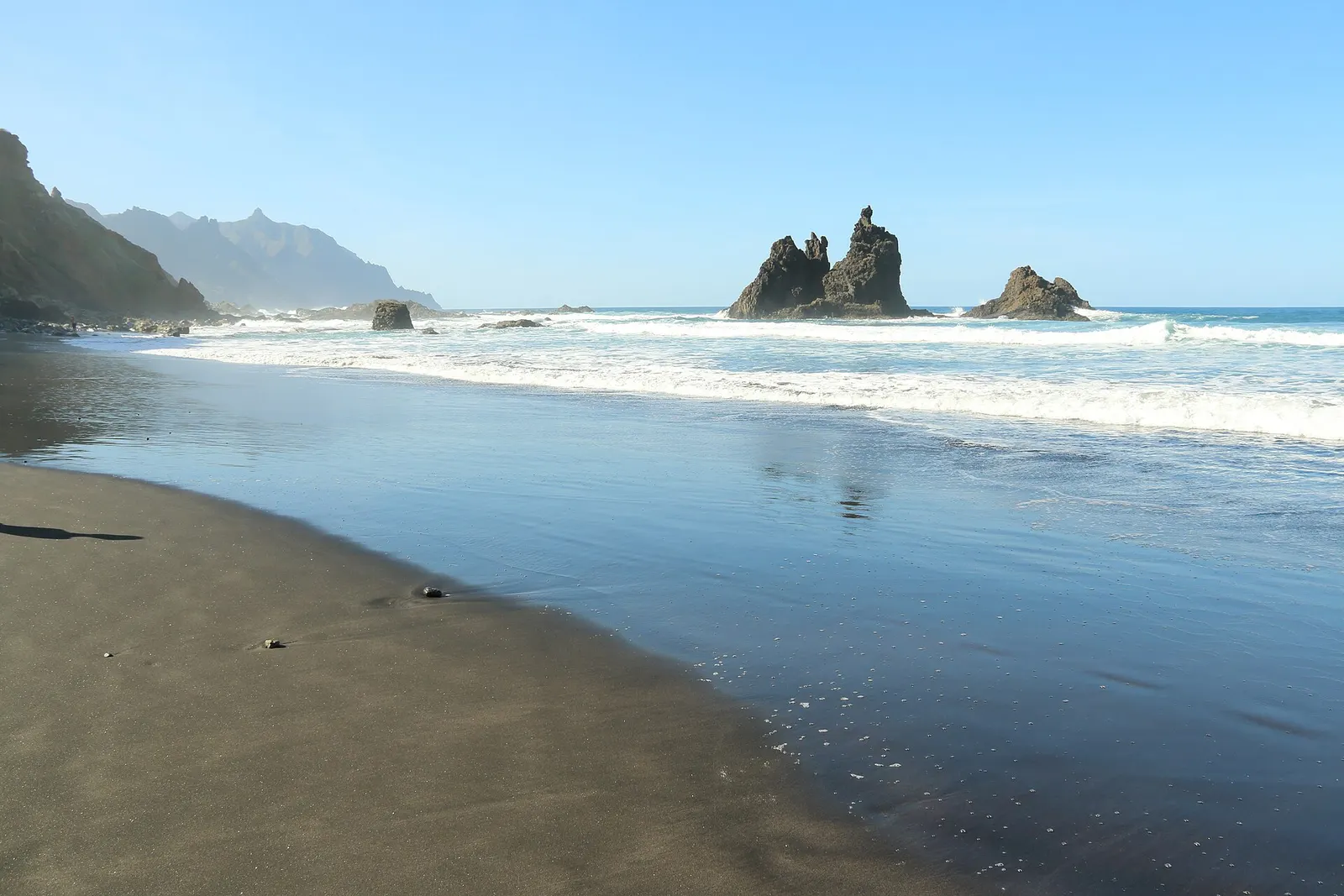
No sunloungers, no hotels behind and no beach bar: La Tejita below Montaña Roja in the south, and the black beaches of Anaga in the north. Volcanic sand, wind and space — the Atlantic version of calm.
Tenerife
The Santa Cruz Carnival, the carpets of La Orotava, the San Benito romería in traditional dress and the pilgrimage to Candelaria. Tenerife's popular calendar and how to join in as a guest.
Tenerife
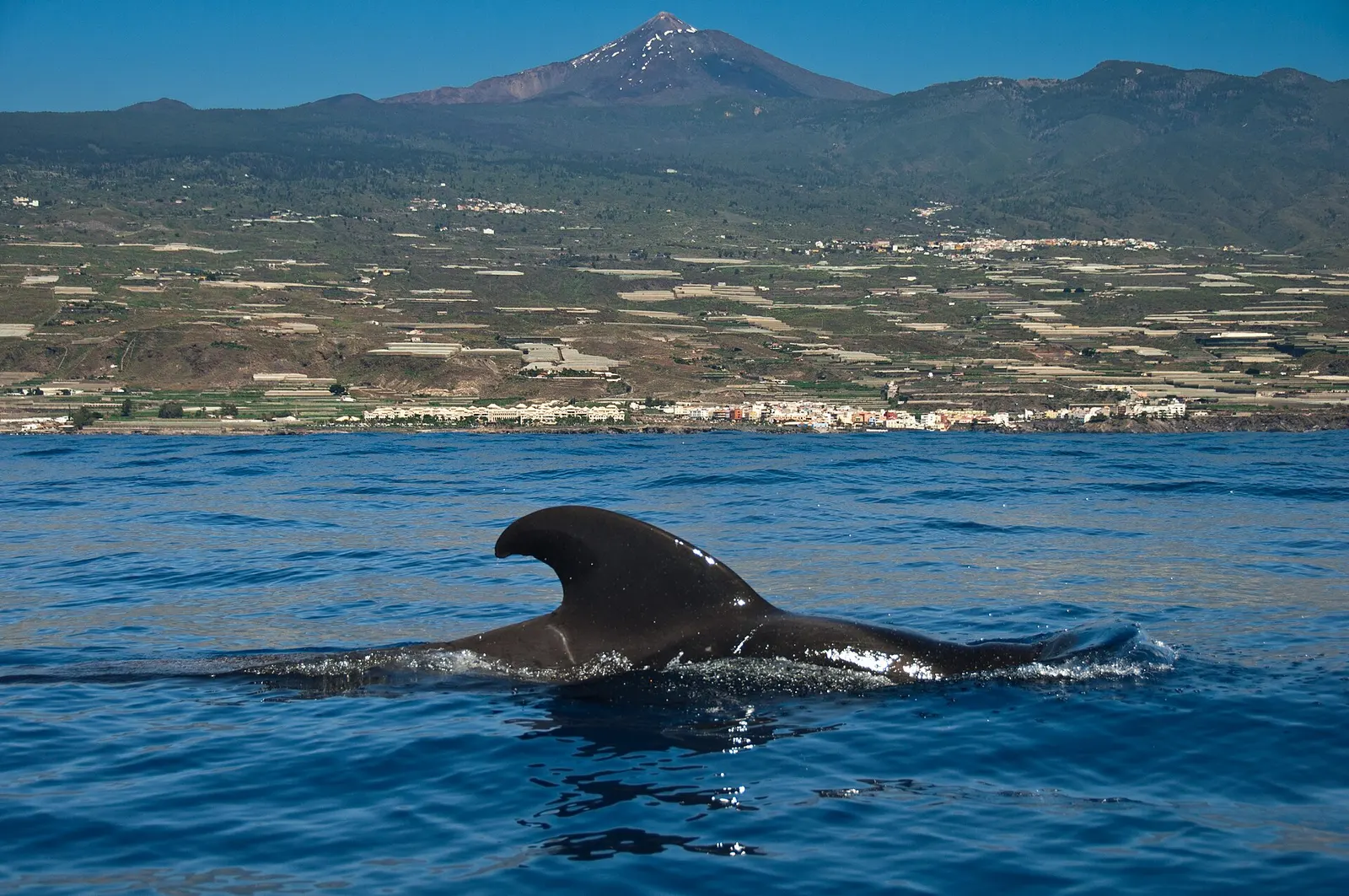
Between Teno and Rasca, a population of short-finned pilot whales and bottlenose dolphins lives all year round. What this stretch of sea is, why it is under pressure and how to choose a trip that does not make their lives harder.
Tenerife
Across much of Europe, winter is the low season. In Tenerife it is the high season: a coast at around twenty degrees, a sea not far off that and, sometimes, snow on Teide. What the island is like from December to March, and how to avoid its peaks.
Tenerife
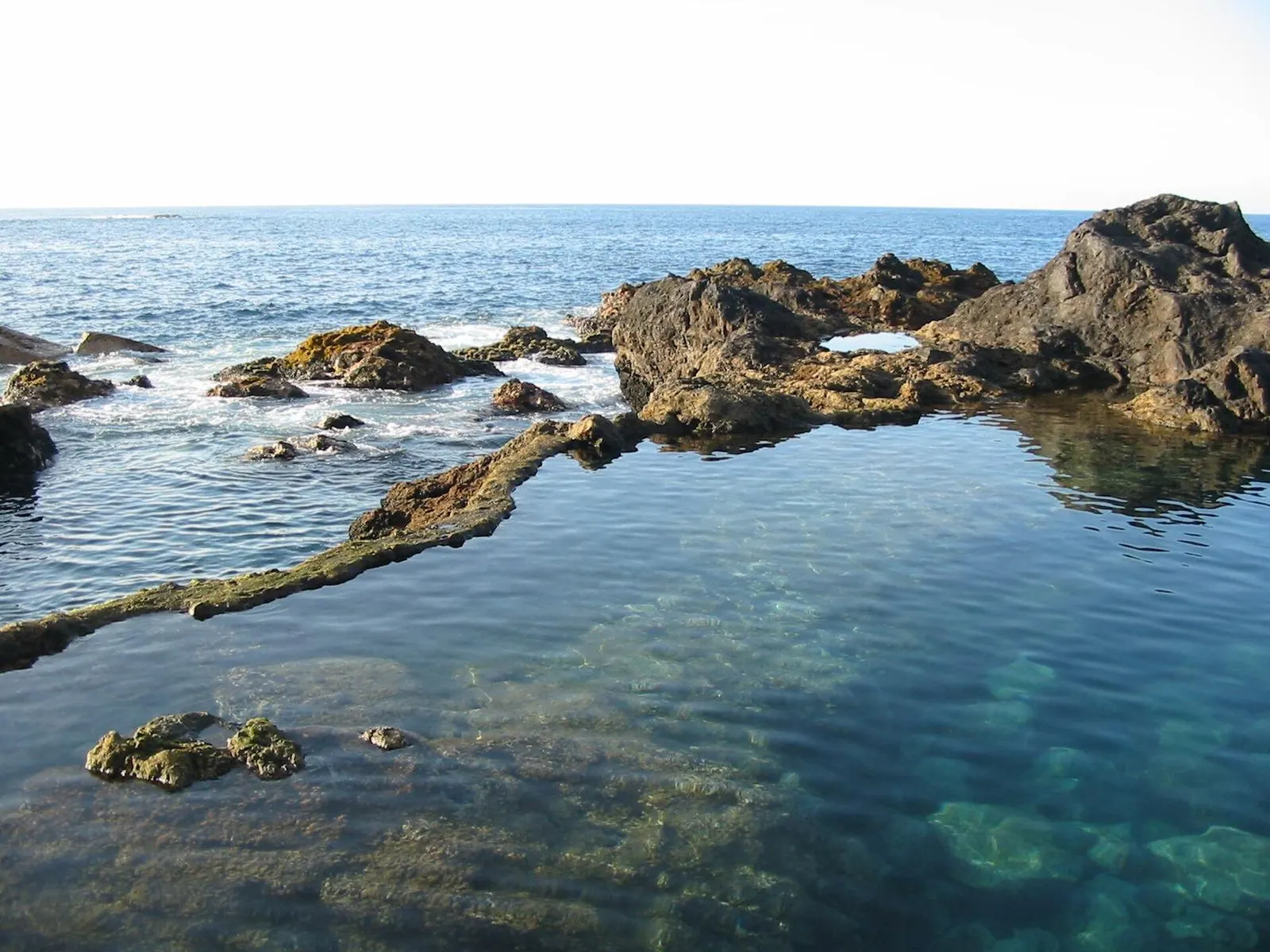
On the north coast the Atlantic breaks hard and people swim in rock pools and natural pools carved from lava. El Caletón in Garachico, Bajamar, Punta del Hidalgo, Charco de La Laja and Lago Martiánez — and the rule above all: look at the sea before you look for your towel.
Tenerife
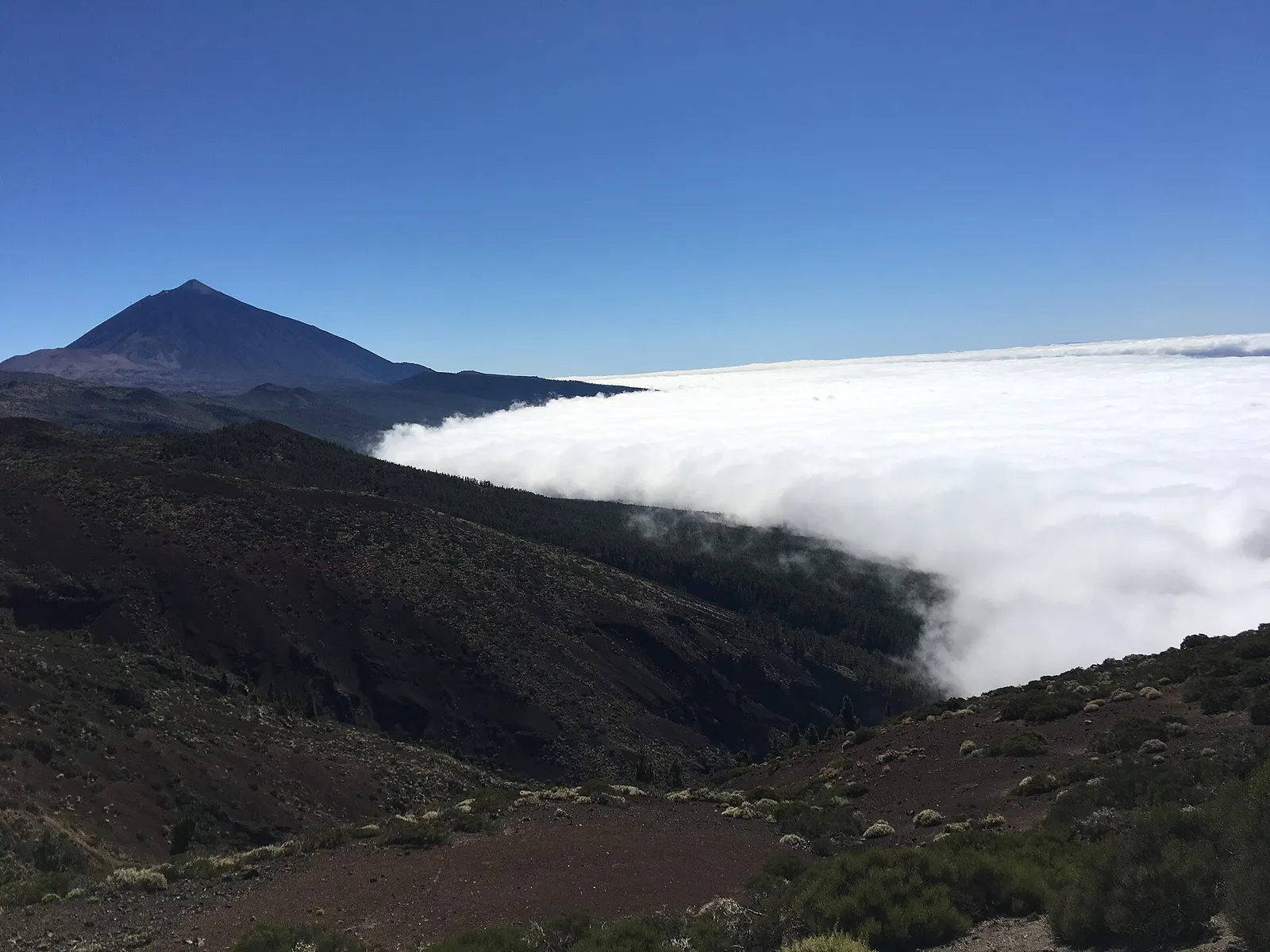
The north, green, trade-wind cooled and full of historic towns; the south, dry, sunny and home to much of the foreign buying. Tenerife doesn't have one climate: it has two sides. What life each offers, all year round.
Tenerife
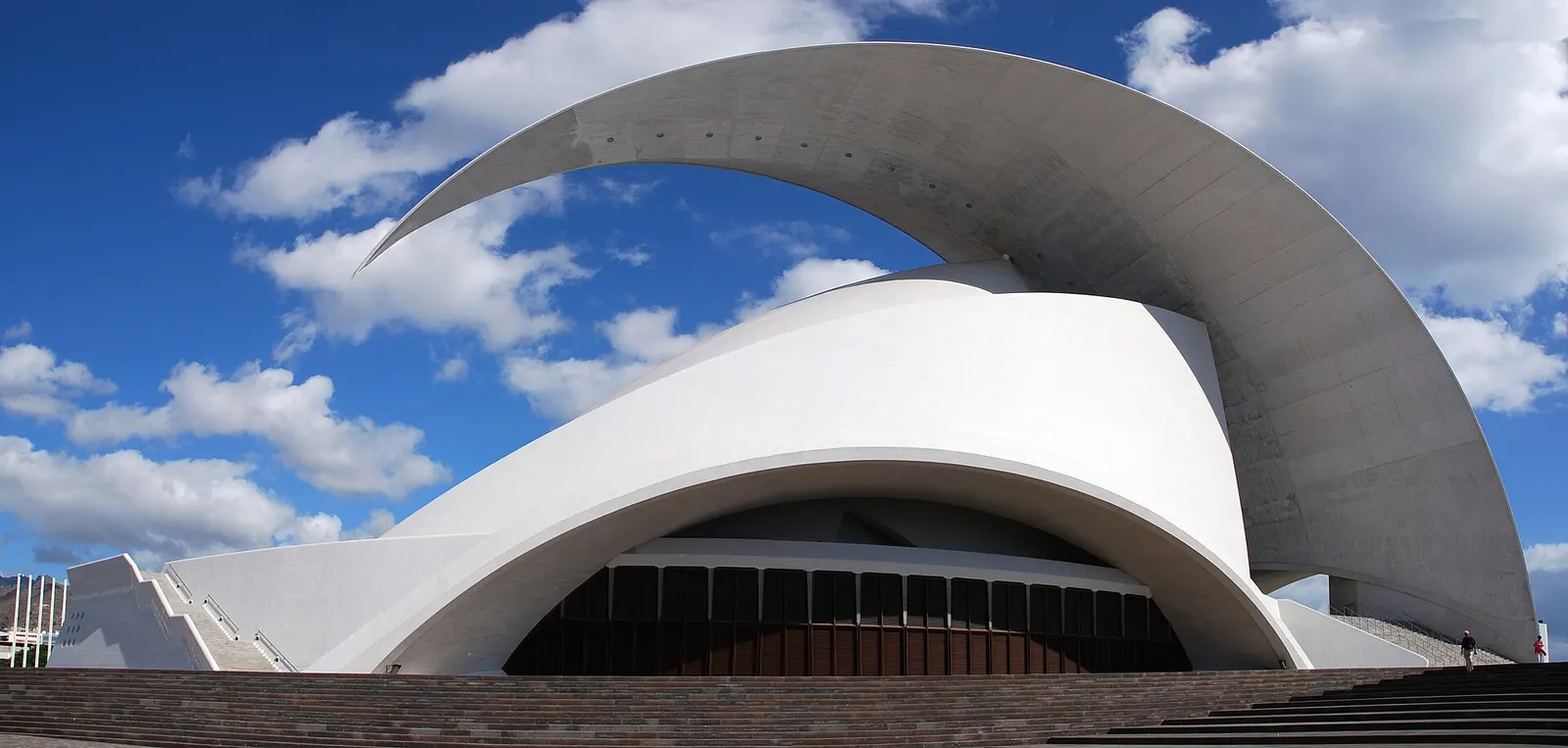
The new wine of San Andrés, a classical music festival in Calatrava's auditorium, the Santa Cruz Carnival, Teide sometimes under snow and the Corpus carpets of La Orotava: the Canarian season, to help you decide when to go.
Tenerife
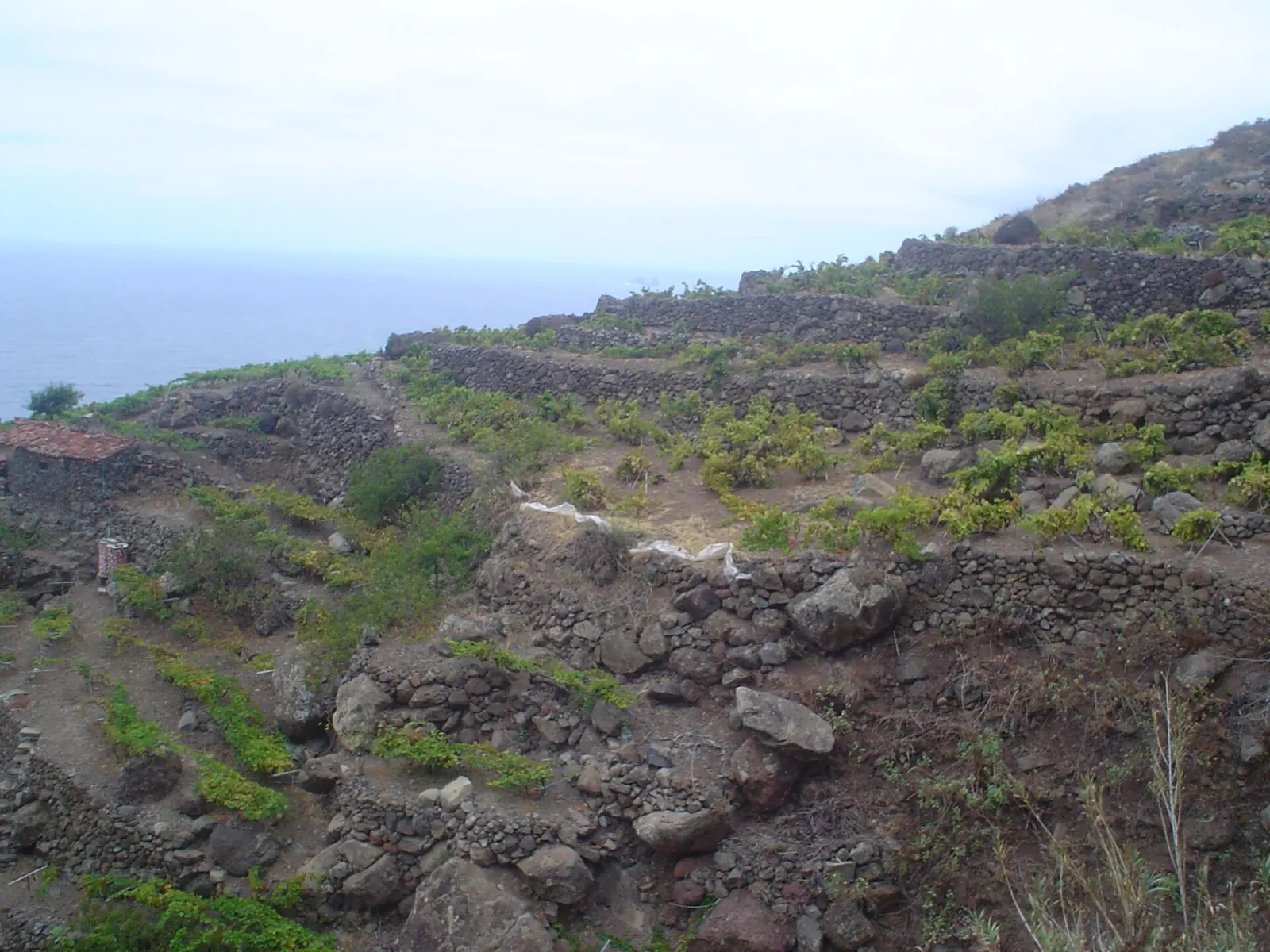
An island with five appellations of its own, vineyards among the highest in Spain and a wine already drunk in Shakespeare's London. How to read Tenerife wine and how to visit its wineries without hurrying.
Tenerife
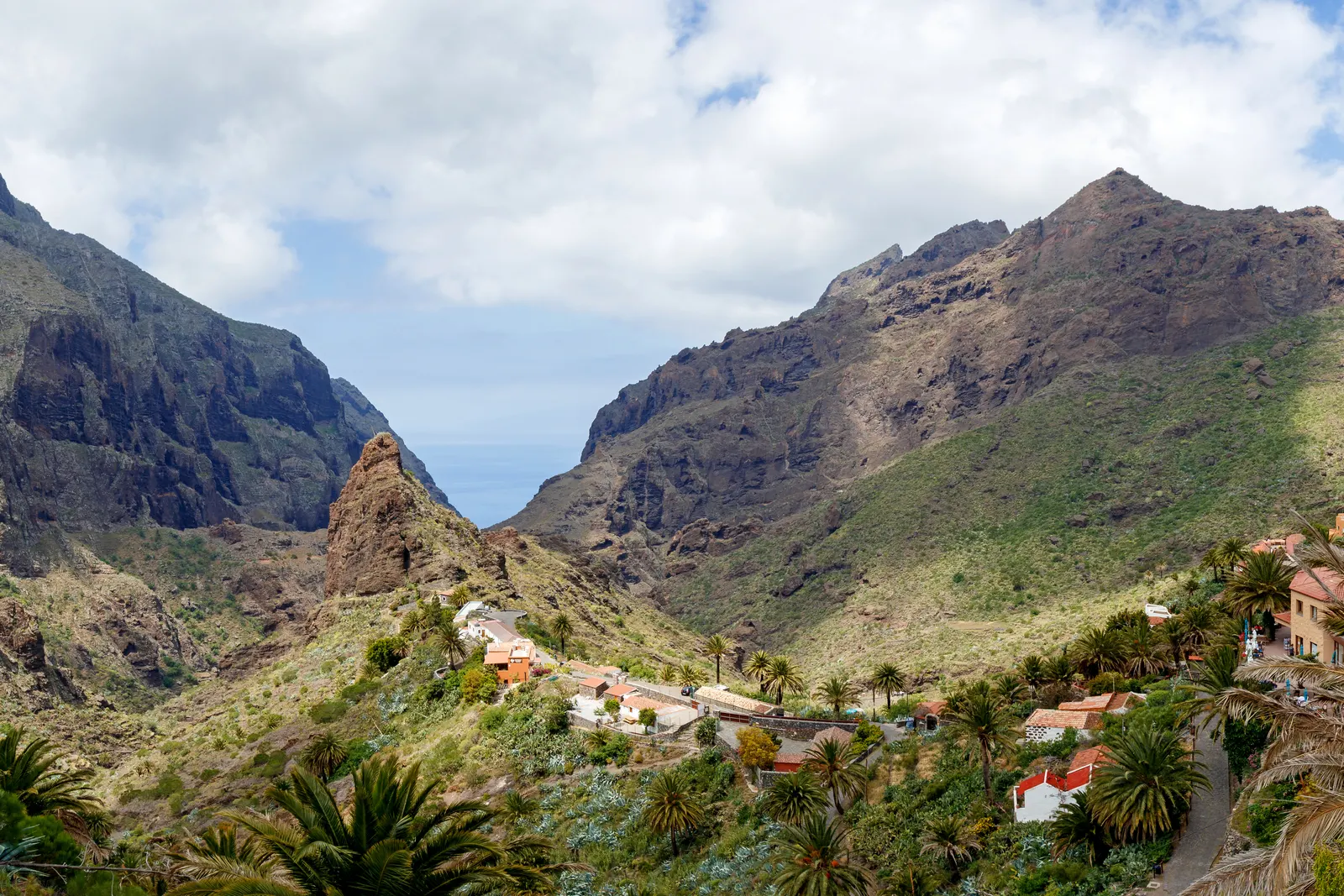
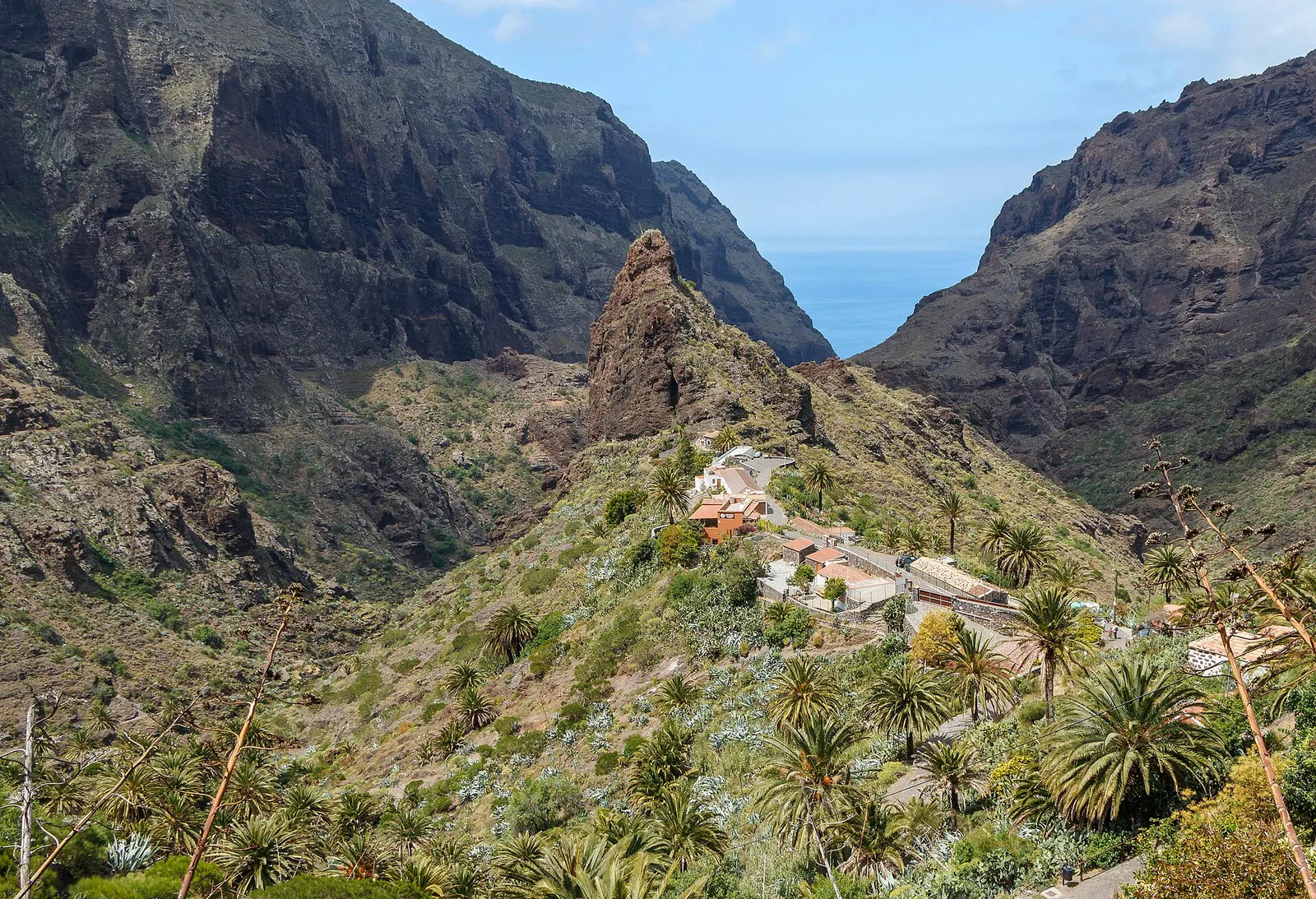
The Masca gorge and Punta de Teno can no longer be improvised: a named booking and a shuttle for one, the bus for the other. That is exactly why they have regained their calm. How to do it within the rules, and leave by sea.
Tenerife
The grower who opens for a few weeks a year to sell his own wine with a handful of dishes. What the Canarian rules say, why not everything called a guachinche is one, and how to recognise the real thing.
Tenerife
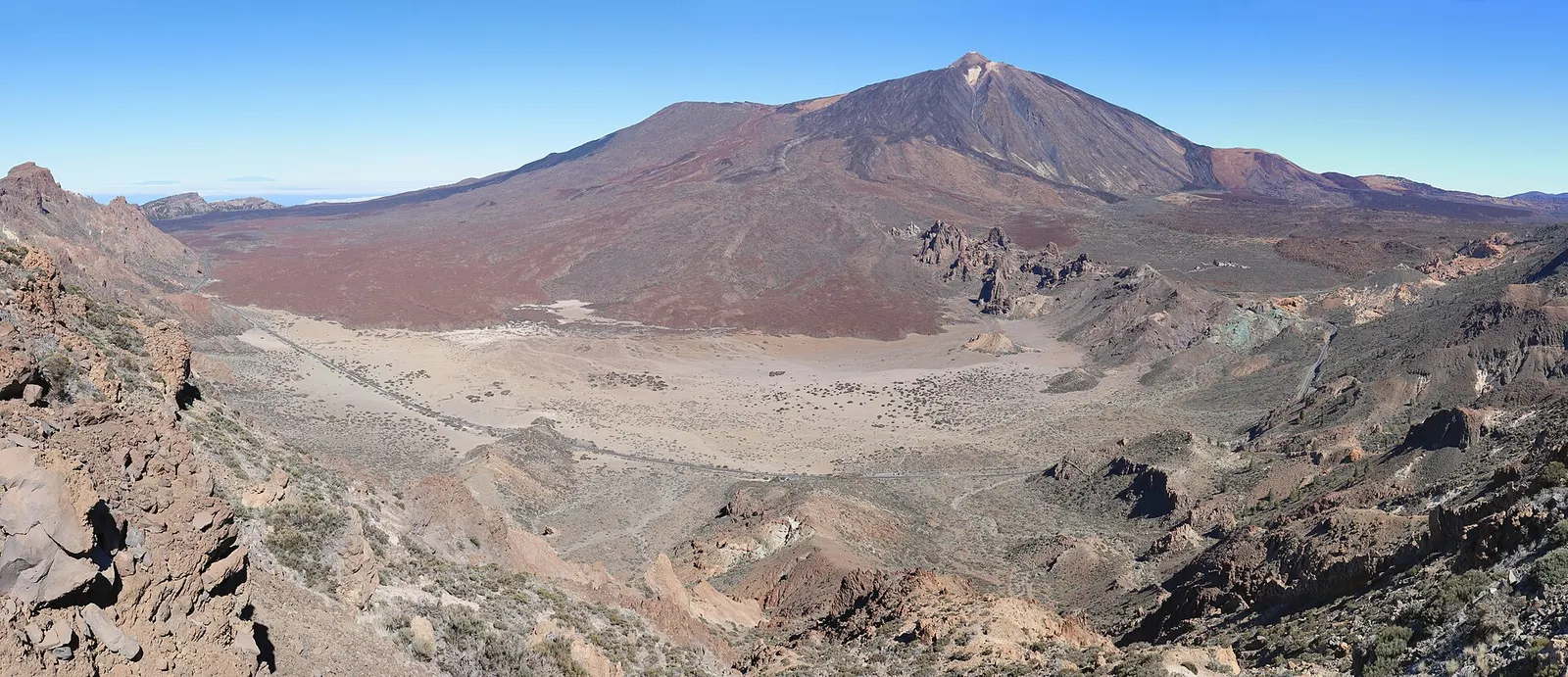
In 2007 UNESCO did not inscribe a tall mountain: it inscribed a volcano that explains how oceanic islands are made. What exactly it protects, and how to enjoy it calmly before the midday traffic arrives.
Gran Canaria
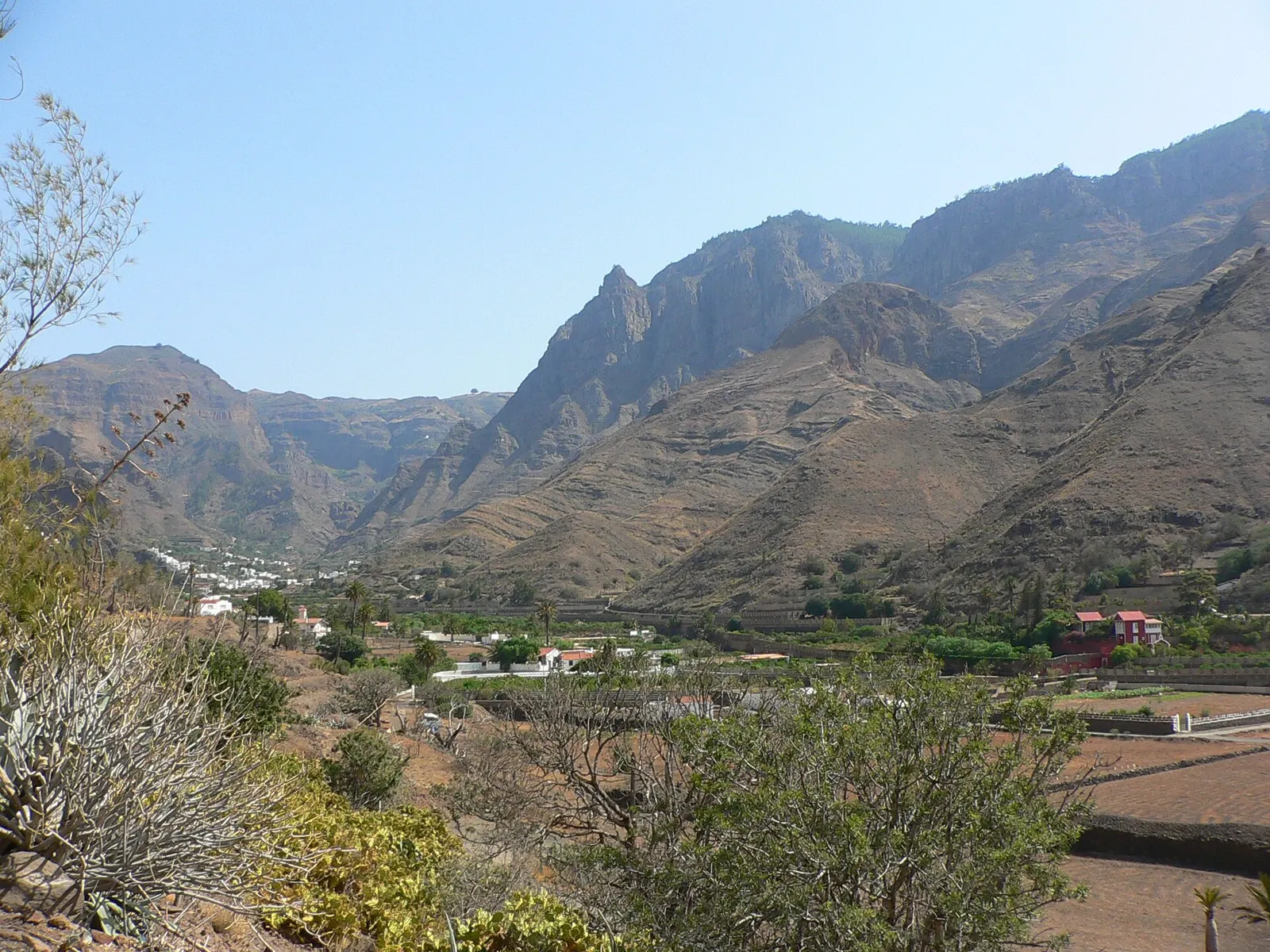
A valley of coffee and fruit trees running down to a fishing harbour beneath the pine forests of Tamadaba. How to spend an unhurried day in green Gran Canaria, and what changes in August with the Bajada de la Rama.
Gran Canaria
A coffee plantation in a north-western valley that won a medal in Paris in 1889, and volcanic vineyards on the rim of the Bandama caldera. Two crops with a long history, tended without hurry.
Gran Canaria
An island that had to be its own larder cooks with what is close at hand: salt-crusted potatoes, mojo, gofio, thistle-set cheese and pork. What to order, and where people still eat as they do at home.
Gran Canaria
Canarian sheep's milk, thistle-flower rennet and three municipalities in the north of Gran Canaria. What makes Flor de Guía cheese different, its three types and the festival that celebrates it every spring.
Gran Canaria
A round island whose centre rises to almost two thousand metres: the GC-1 along the coast, hairpins up to the summit, Global's buses and a west coast being rebuilt through tunnels. How to explore it unhurried.
Gran Canaria
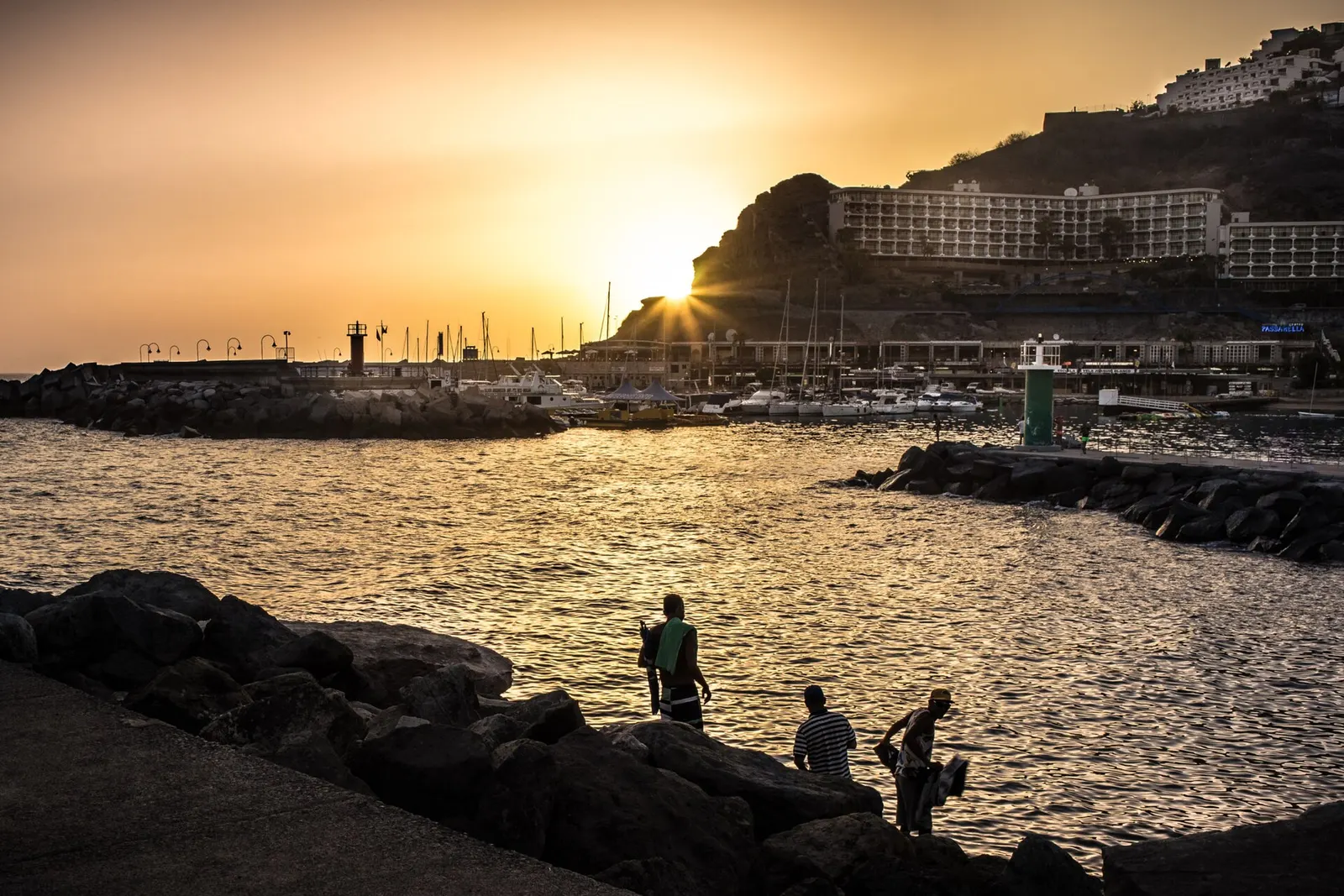
From plane to pontoon in Gran Canaria: the Muelle Deportivo in Las Palmas, Pasito Blanco and Puerto de Mogán. What each one is, how long it takes and how to arrive with your boat luggage, unhurried.
Gran Canaria
The Real Club de Golf de Las Palmas, founded in 1891 by British residents, has played on the rim of the Bandama caldera since the 1950s. Then come the courses of the south, between the sea and the dry landscape. What each is like and how to get around with your clubs.
Gran Canaria
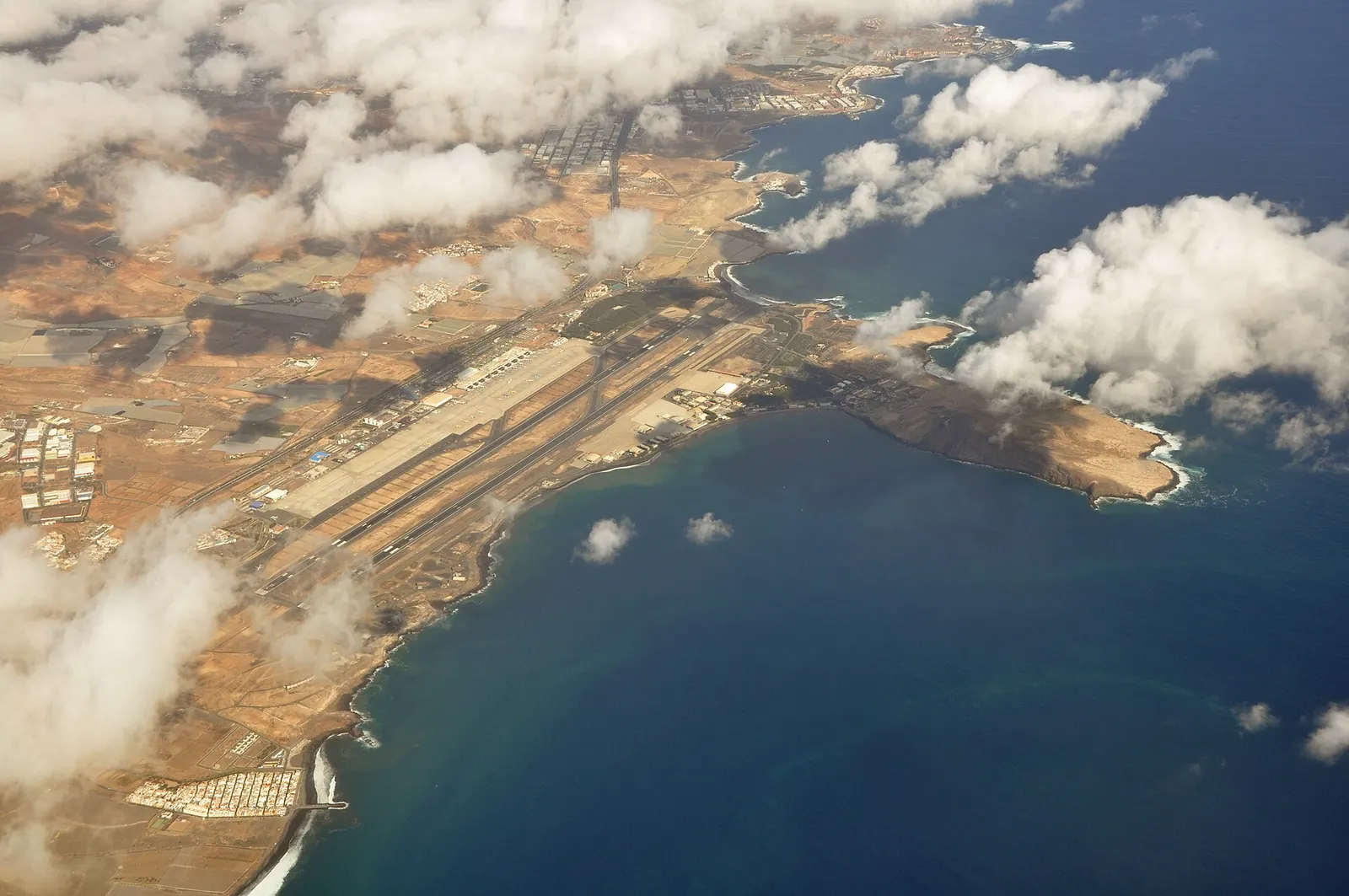
You have just landed at Gando (LPA), halfway between Las Palmas and the dunes. Bus, taxi, transfer or hire car: what suits you depends on where you are sleeping — and remember to put your watch back an hour.
Gran Canaria
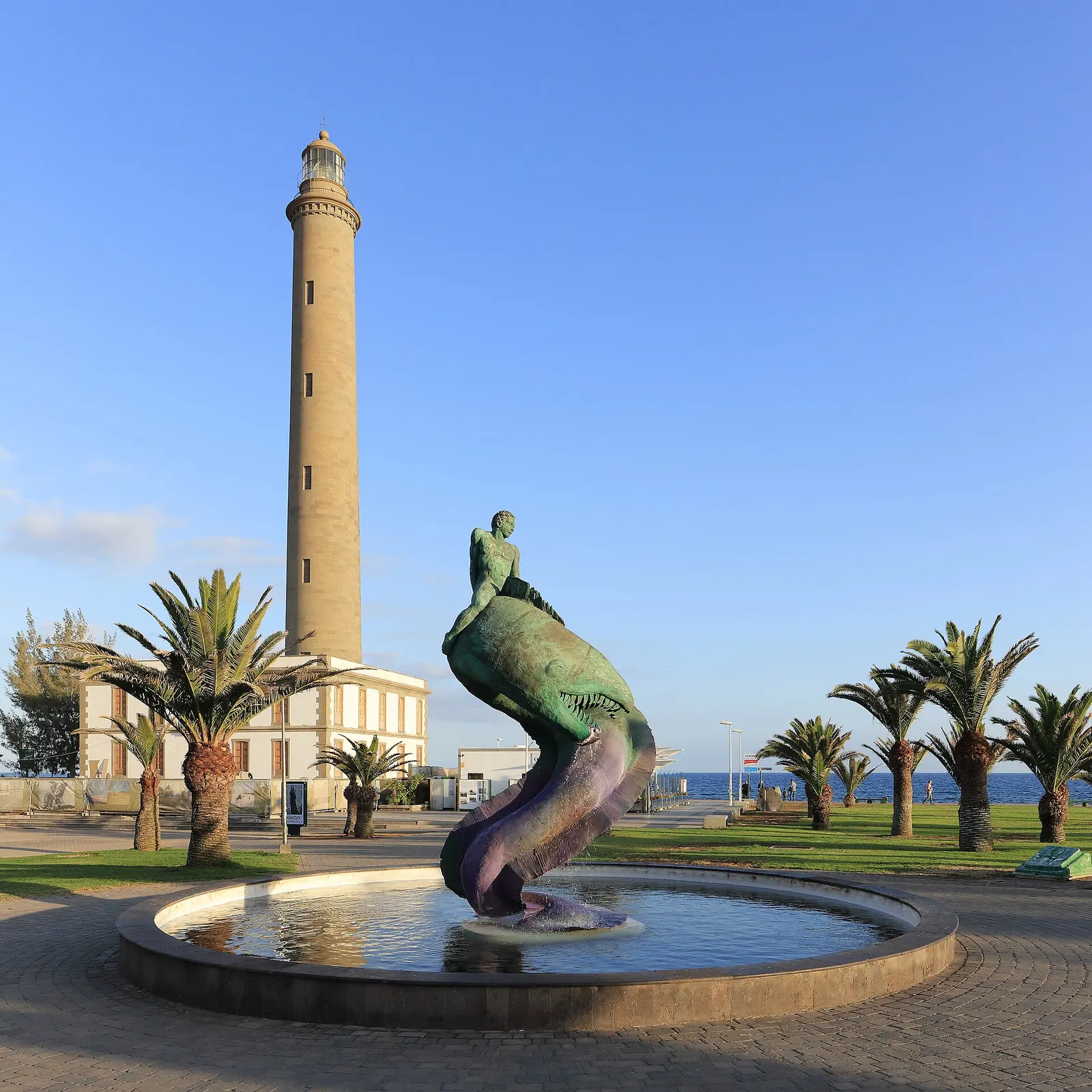
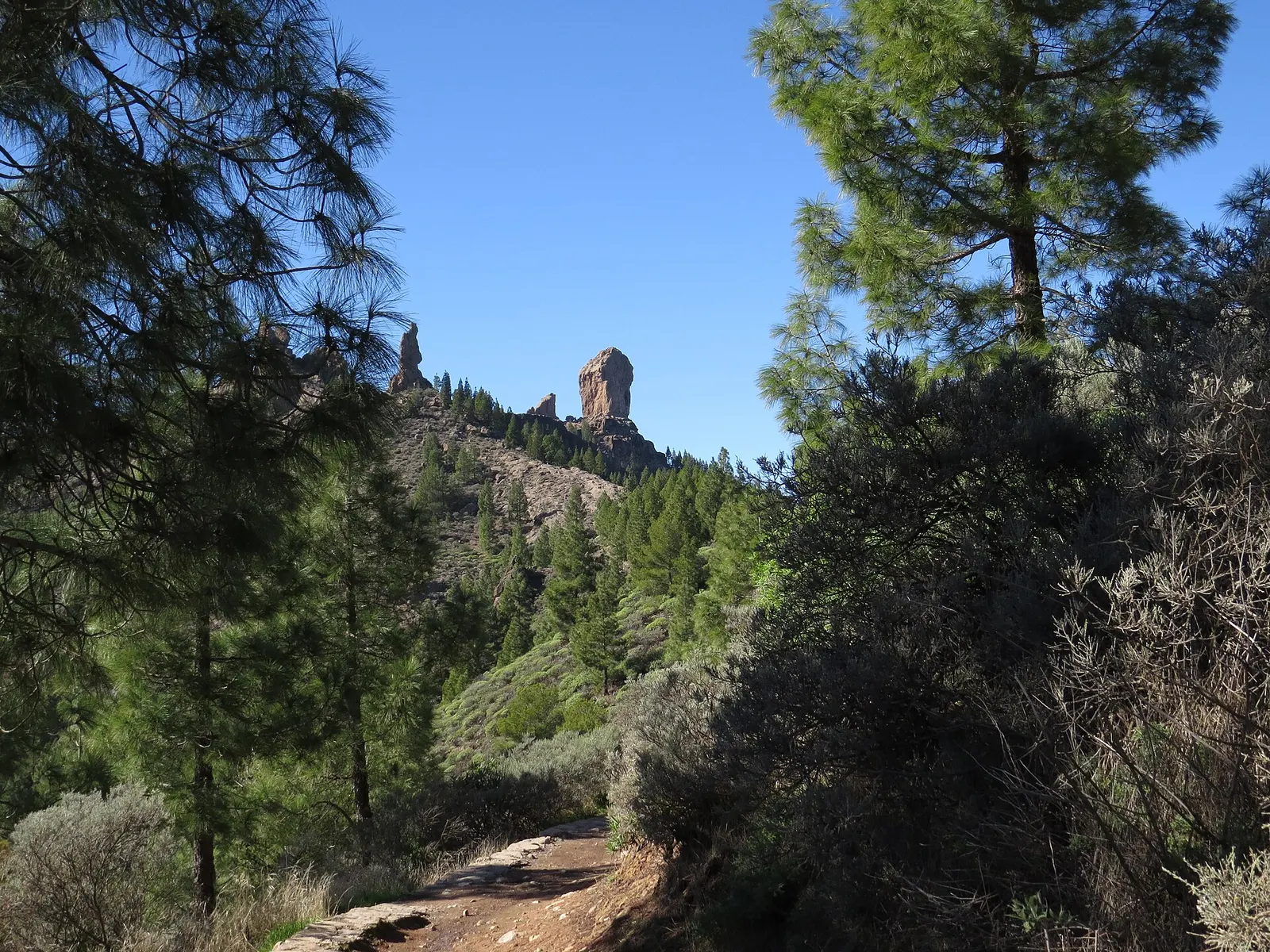
Roque Nublo, the Maspalomas dunes, Las Canteras, Vegueta and Puerto de Mogán. Gran Canaria's famous views each have their quiet hour, and some have rules. Here is the key to each one in 2026.
Gran Canaria
Between Puerto Rico and Puerto de Mogán, the island makes sense from the sea: cliffs, pilot whales and dolphins that live here all year. Calm, in this case, means respect: authorised boats, no chasing and no guaranteed sightings.
Gran Canaria
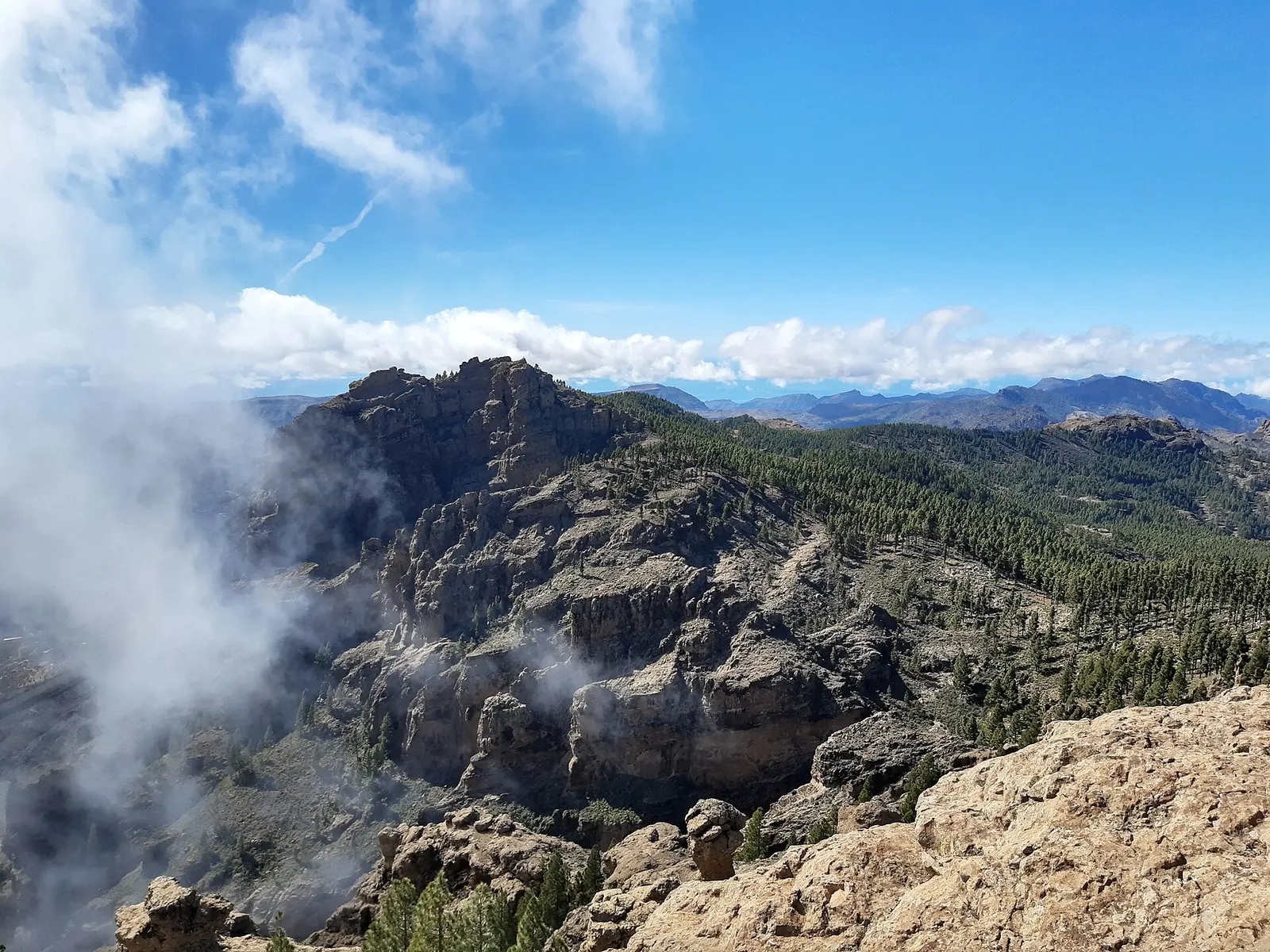
From November to March, while Europe dims, Gran Canaria has mild days on the coast, almond blossom in the summits and cool nights up high. What to do month by month, what to pack and where to find calm in the high season.
Gran Canaria
On many nights the summit of Gran Canaria sits above the sea of clouds. Up there, luxury is darkness and silence: where to look, when to go up, what to bring and why the ancient Canarians were already reading this same sky.
Gran Canaria
Almond blossom in the summits, Guía cheese in spring, the Rama of Agaete in August and the Pino of Teror in September: Gran Canaria's year told season by season, with the dates set by tradition.
Gran Canaria
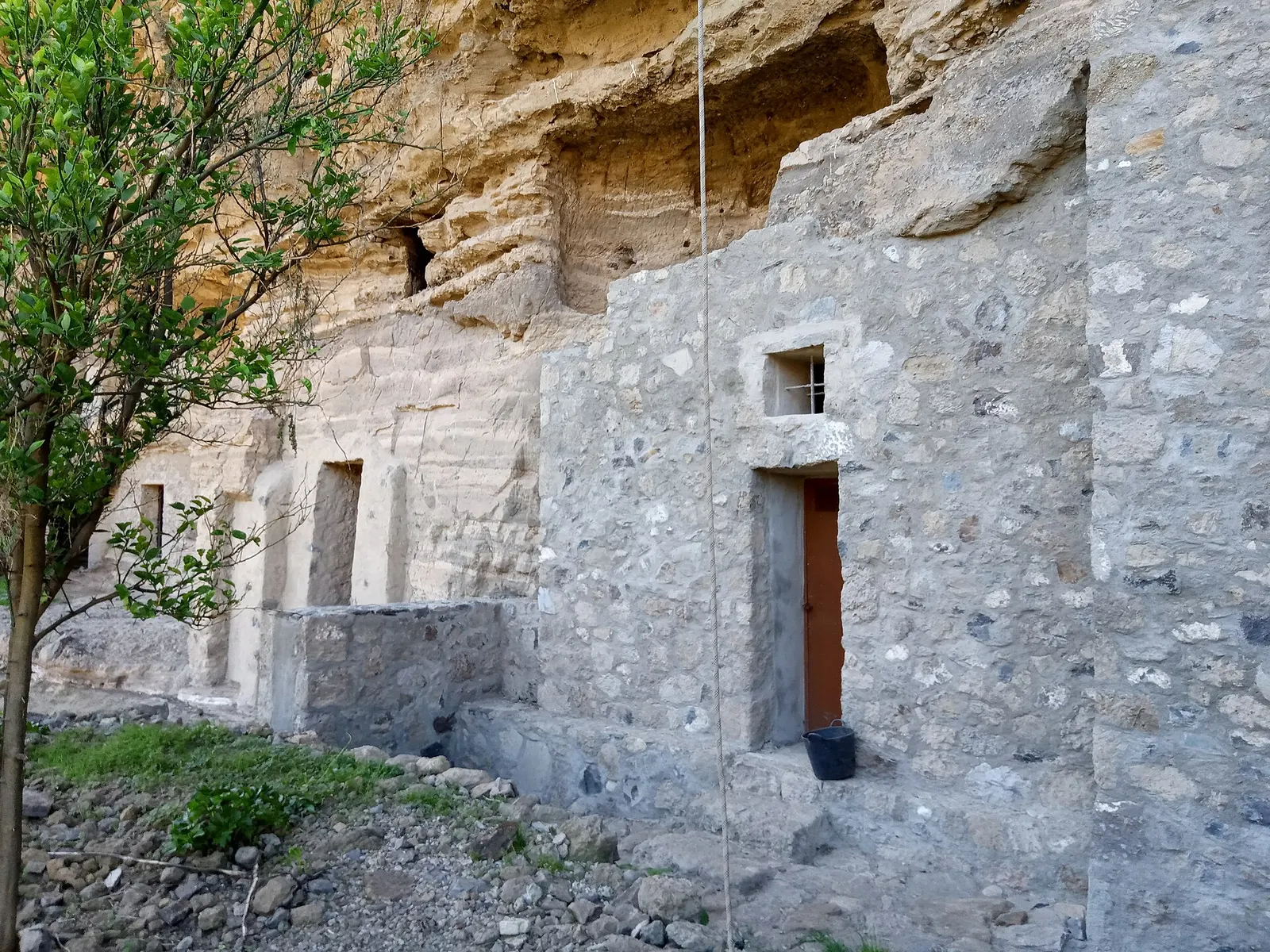
Between Agüimes and Ingenio, a narrow road climbs a ravine of lived-in cave houses, Aboriginal memory and dining rooms carved into the rock. The Gran Canaria the beach brochure leaves out: you drive up slowly and come back before dark.
Gran Canaria
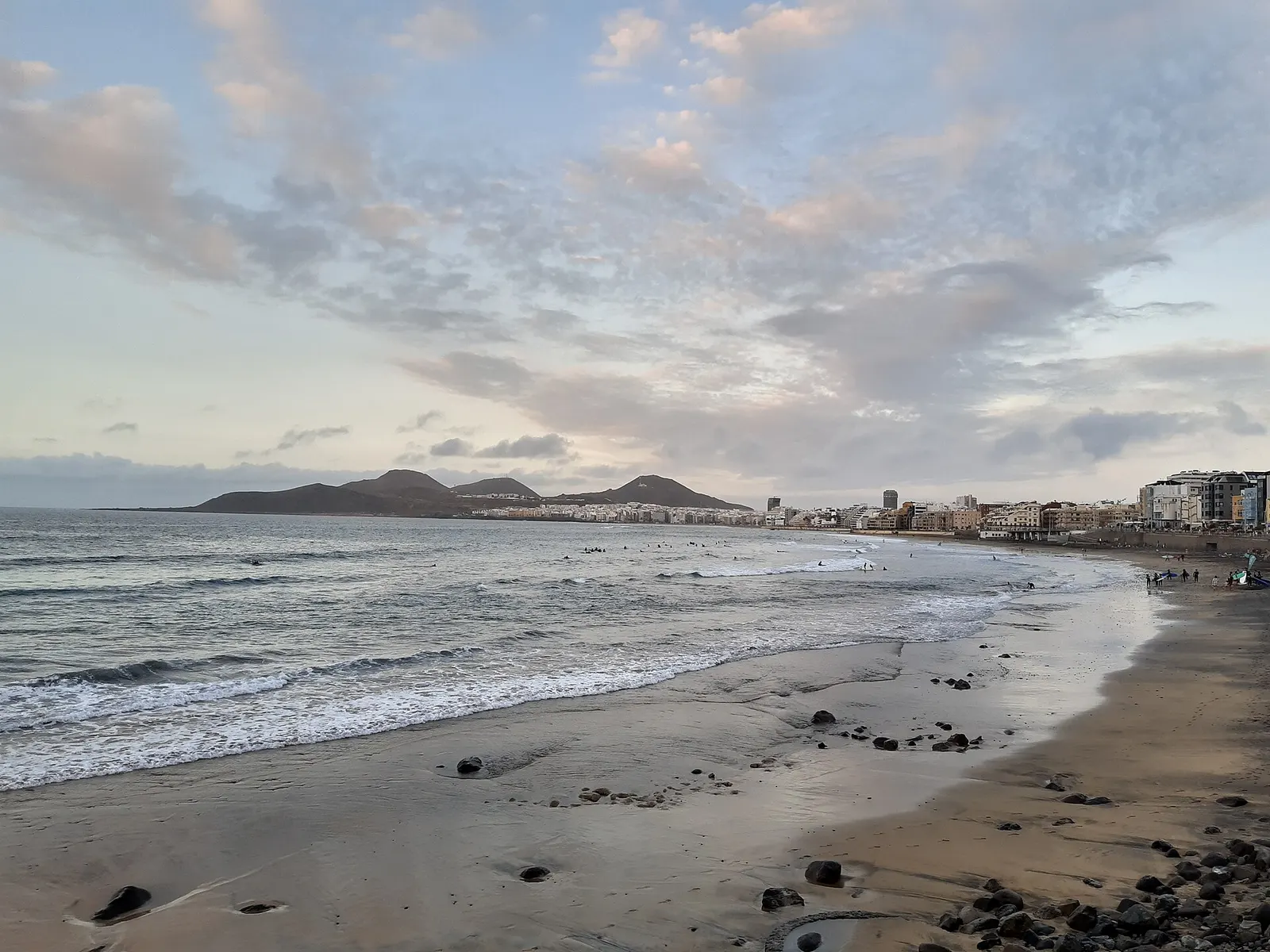
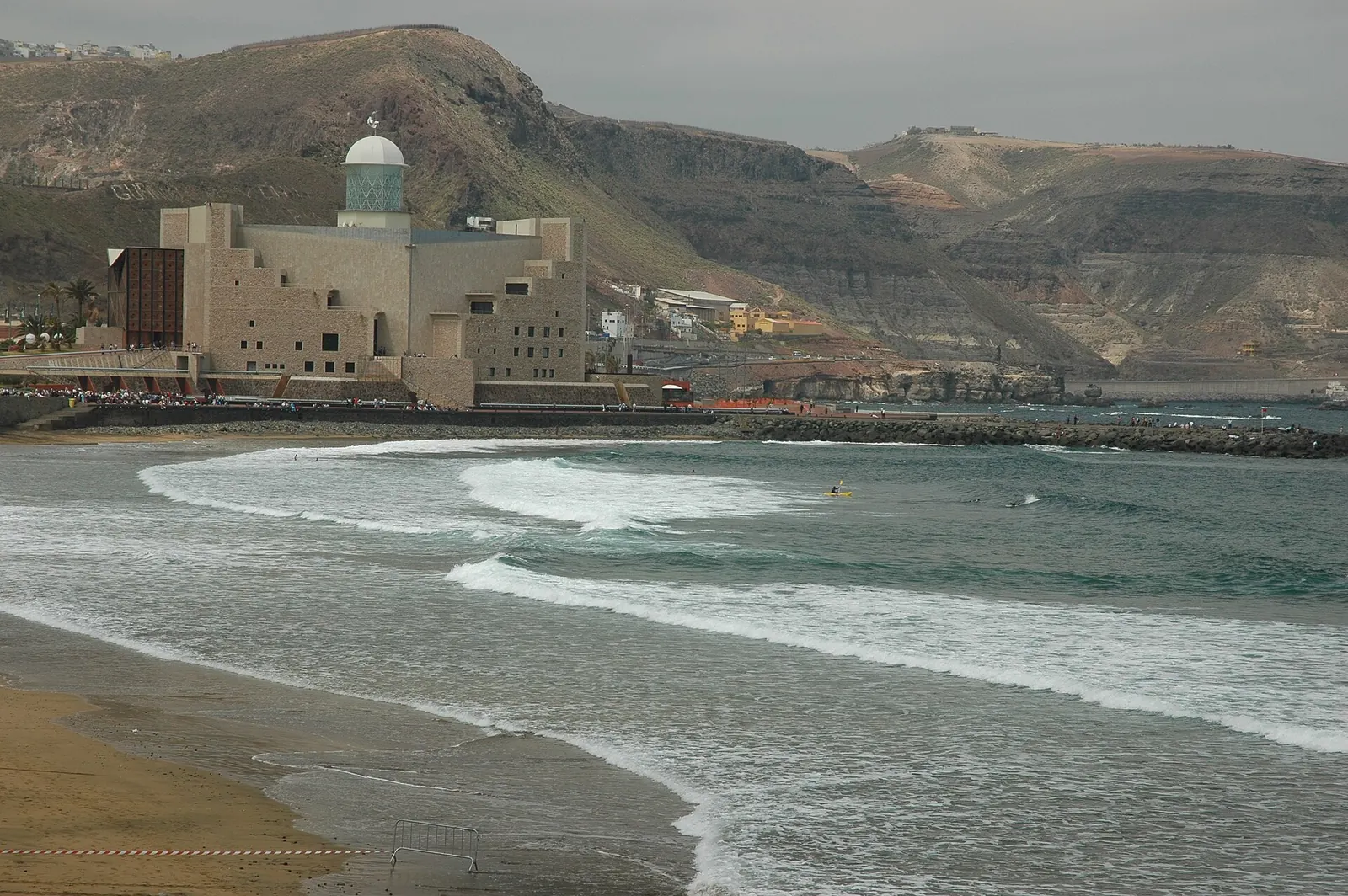
Just over three kilometres of sand in the heart of Las Palmas, sheltered by La Barra, a reef that calms the water along much of the beach. To the south, La Cícer and the surf. A beach lived in all year round, best at first light.
Gran Canaria
Las Palmas de Gran Canaria is not a resort: it is an Atlantic city with an urban beach, a historic quarter and life all year round. Which neighbourhoods to look at, what winter is like and what to know before spending a long season here.
Gran Canaria
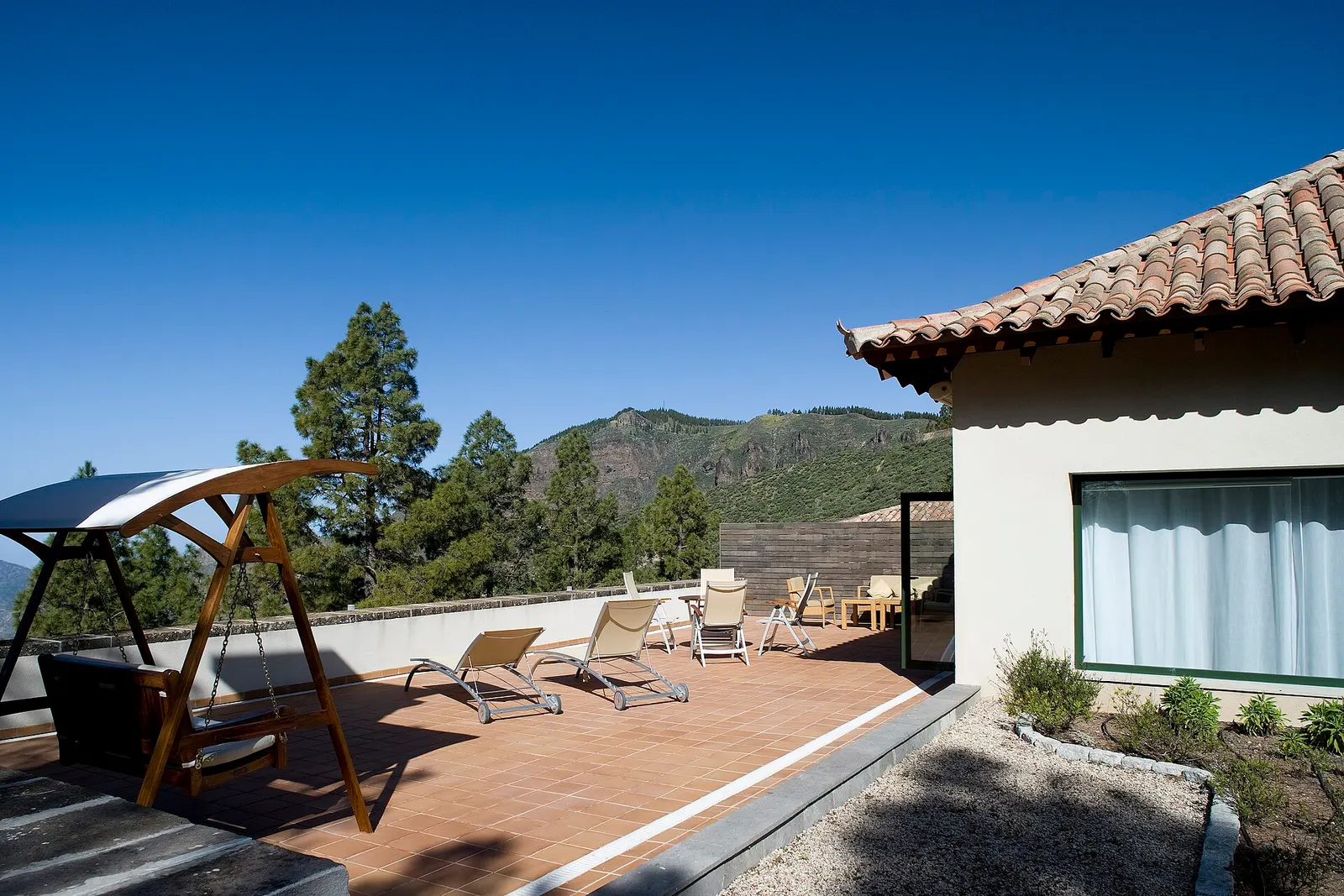
A landmark hotel in Las Palmas that first opened in 1890, colonial-style villas beside the dunes and a parador above the clouds under a Starlight sky: three landscapes to sleep in on Gran Canaria, chosen for their silence.
Gran Canaria
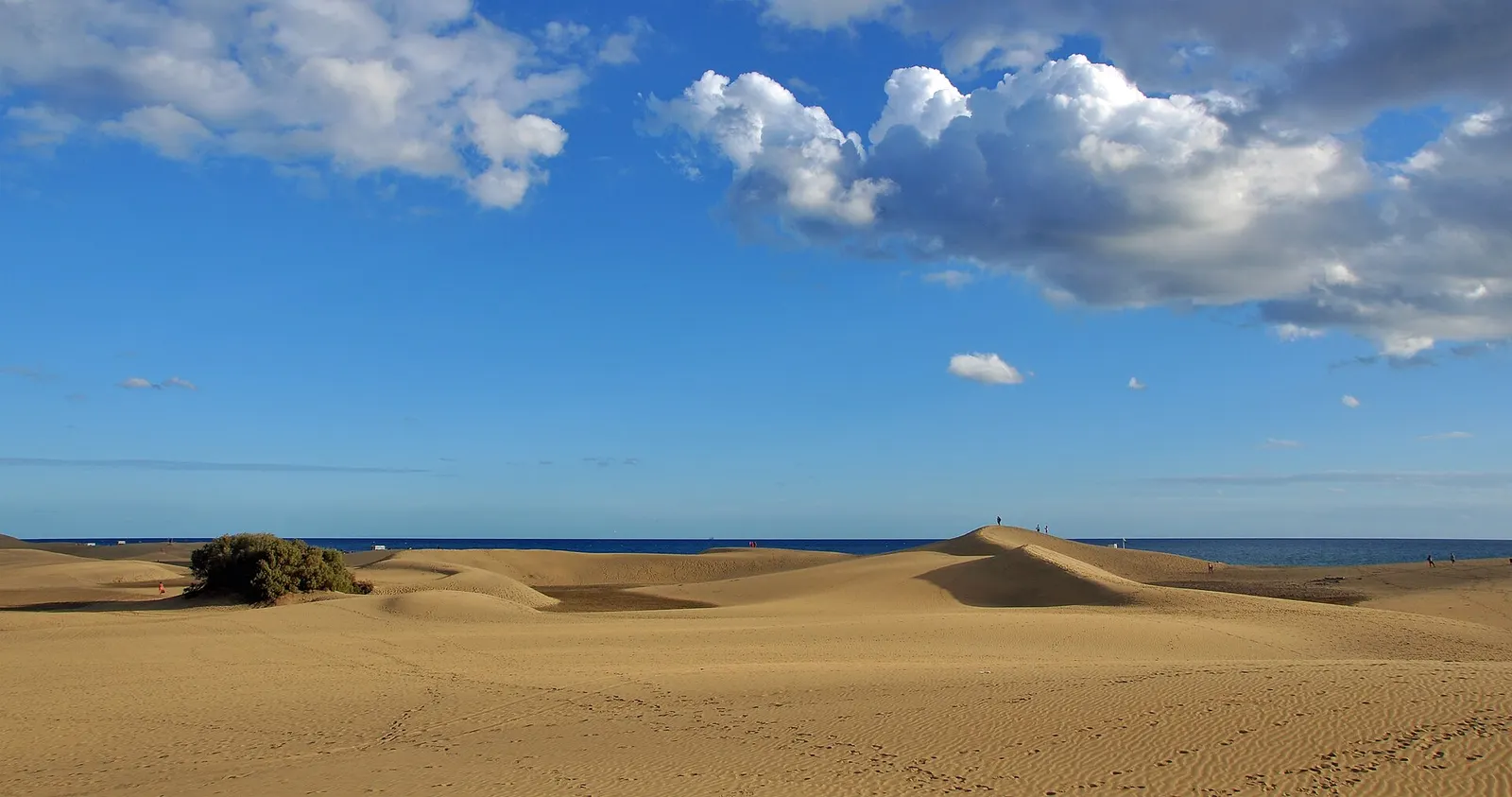
Gran Canaria's best-known image is a fragile, closely watched nature reserve. How to walk it at sunrise, on the waymarked trails, and understand why it is protected.
Gran Canaria
Five one-star restaurants in the MICHELIN Guide Spain 2026: two in the same Las Palmas hotel, one by Las Canteras beach and two on the south-west coast. Where each one is, and how to plan it.
Gran Canaria
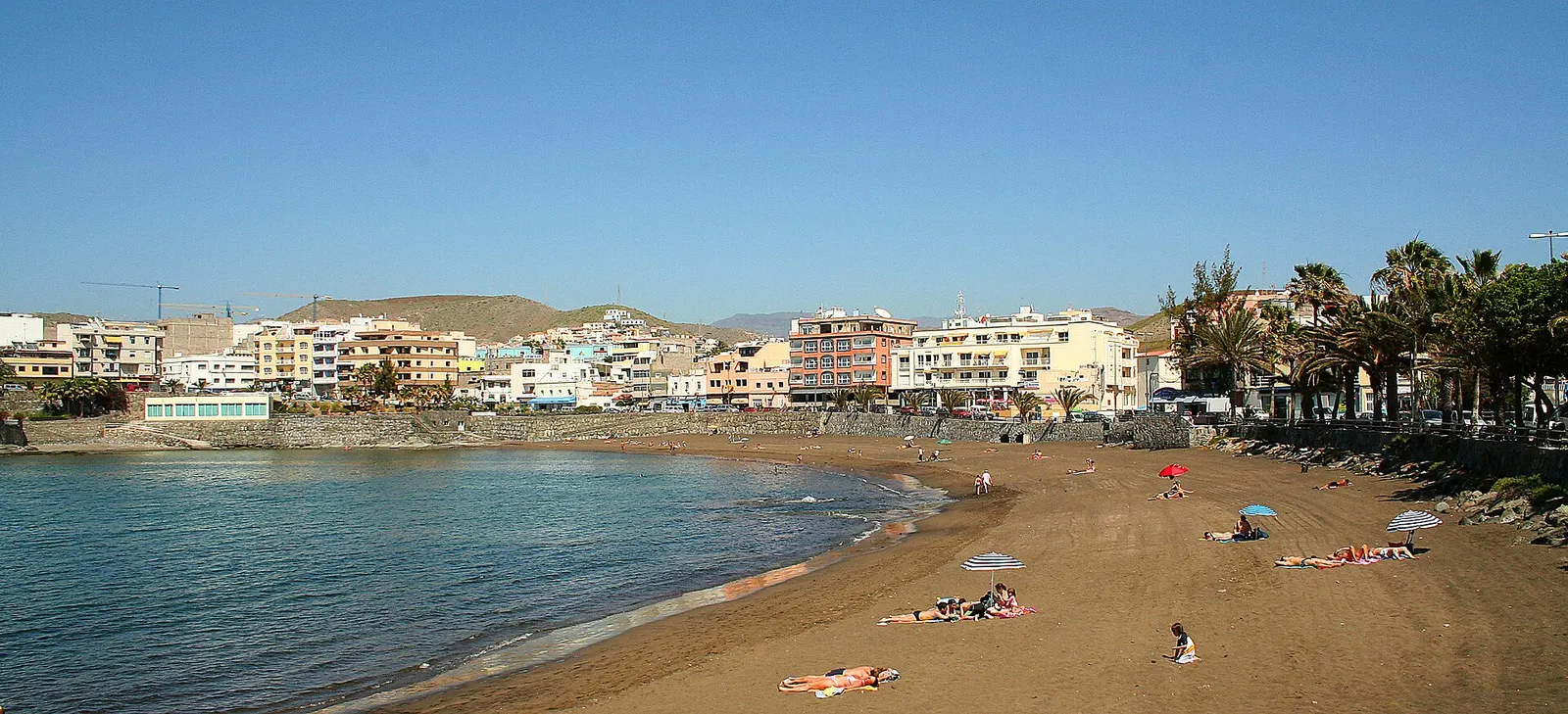
For decades, thousands of Norwegians have spent the winter in a fishing village in the south of Gran Canaria. What they find in Arguineguín, and what changes when you stay for weeks rather than days.
Gran Canaria
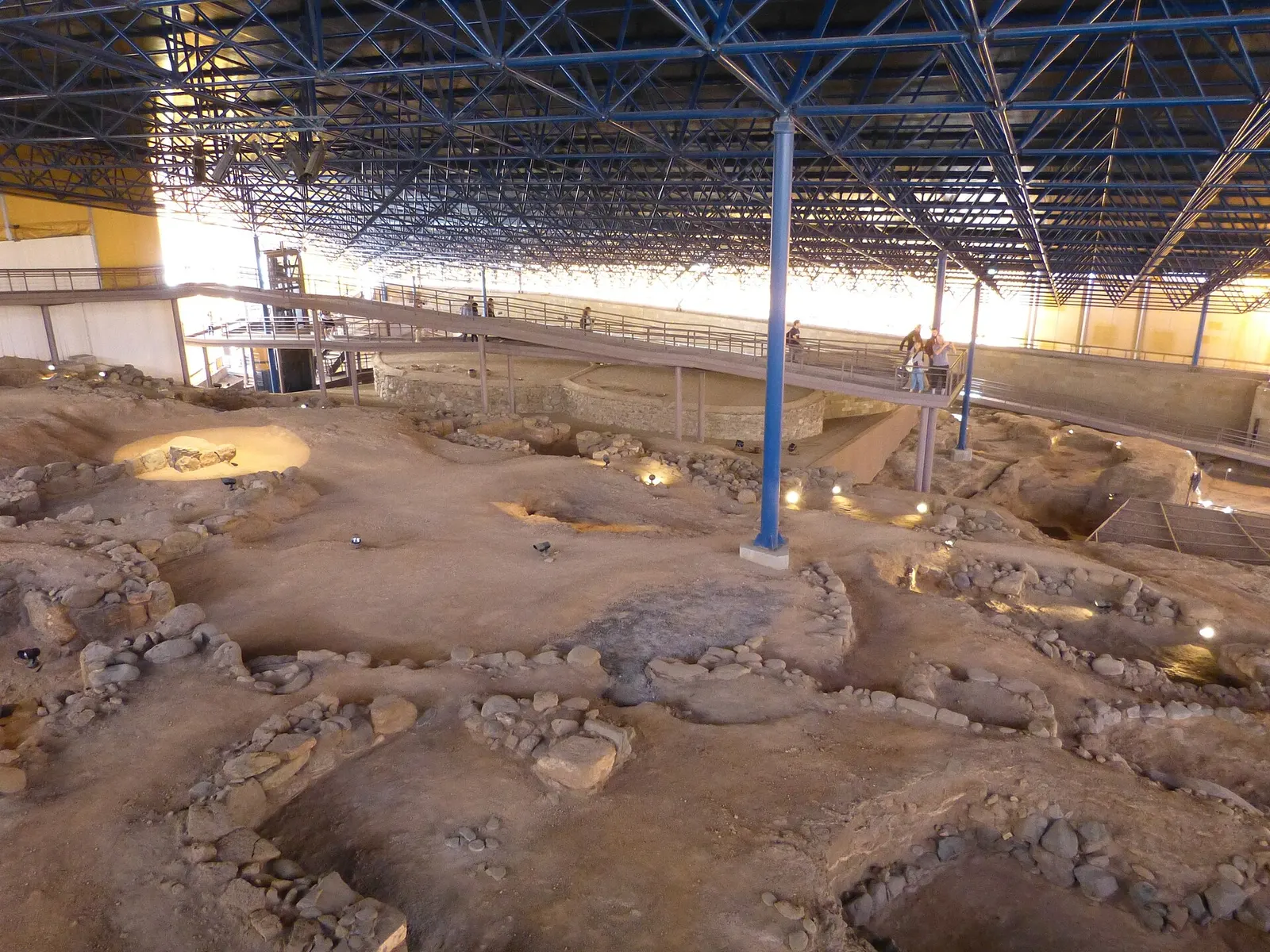
In the old centre of Gáldar, a cave of geometric paintings and the village that surrounded it, studied for more than twenty years before reopening in 2006. One of the great pre-Hispanic sites on Gran Canaria open to visitors, and a visit that asks for time.
Gran Canaria
Risco Caído and the Sacred Mountains are more than a landscape: a territory of caves, granaries and temples where the ancient Canarians read the calendar in the light of the sun and moon. What UNESCO inscribed, how to visit and what is still to be done.
Gran Canaria
Since February 2025, entering the protected area around Roque Nublo requires advance booking through Gran Canaria Senderos. For anyone after quiet, it is the best news the summit has had in years: how to book, where to leave the car and how to ride the shuttle up.
Gran Canaria
Manor houses with carved Canarian balconies, a Calle Real climbing to the basilica, and the Virgin of the Pine, patron saint of Gran Canaria. How to see Teror on an ordinary day, and what happens on 8 September.
Gran Canaria
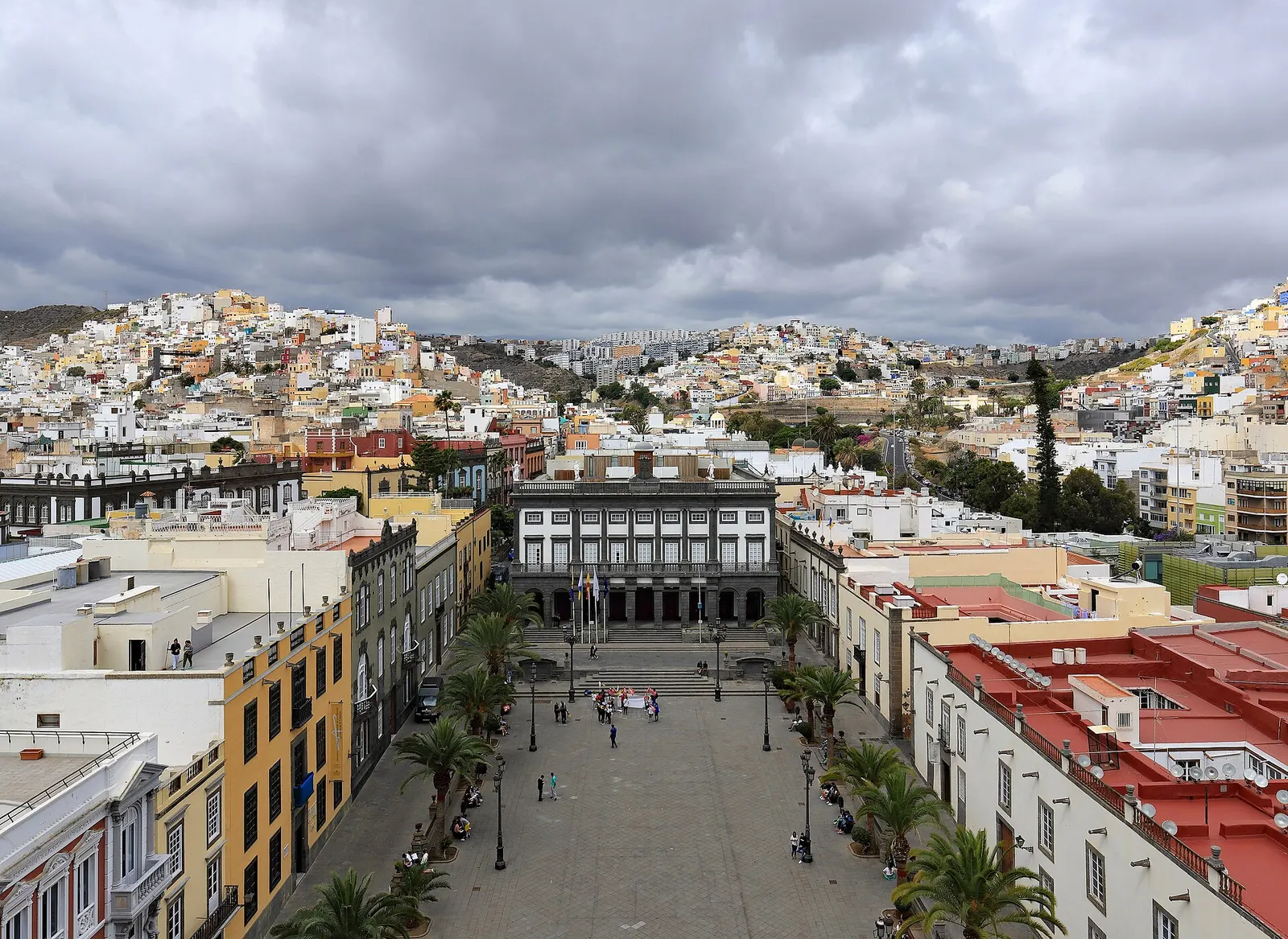
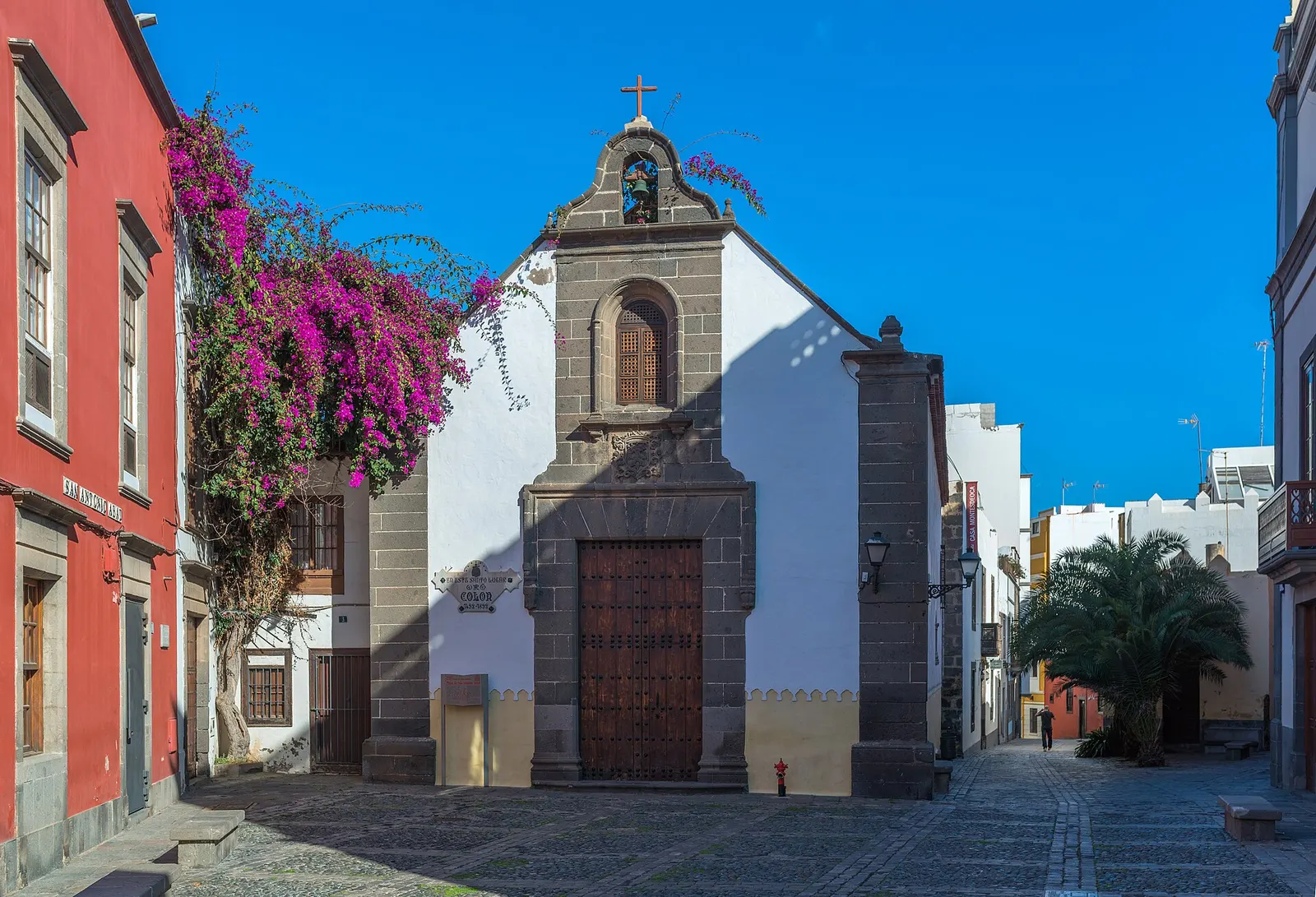
The founding quarter of Las Palmas de Gran Canaria: Santa Ana Cathedral, the hermitage of San Antonio Abad, the three palms of Calle Montesdeoca and the Casa de Colón. A walk for early morning or Sunday, when the city lowers its voice.
Lanzarote
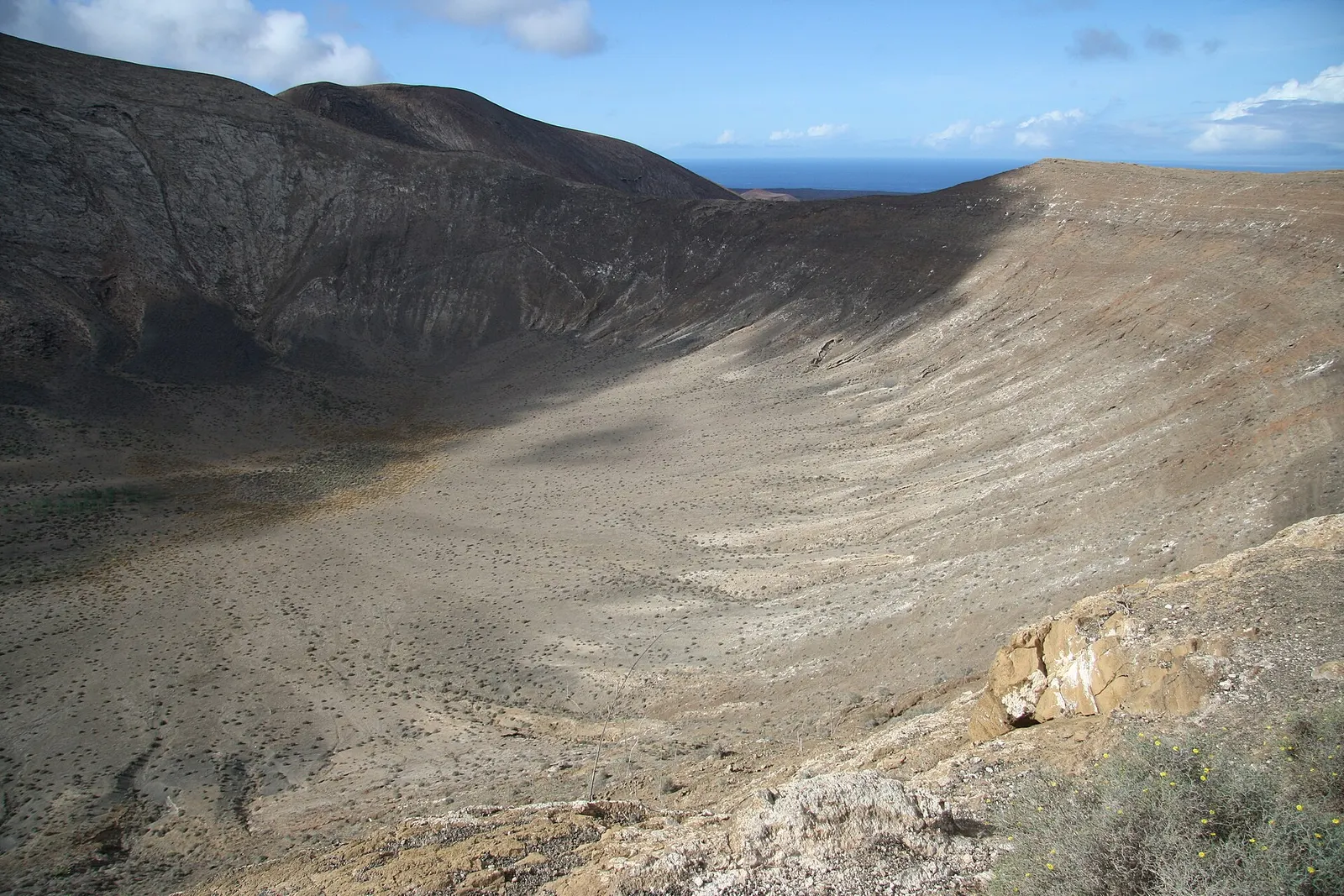
Outside Timanfaya National Park, in Los Volcanes Natural Park, a waymarked trail crosses the lava to the rim of one of the island's largest craters. No booking needed — just good sense.
Lanzarote
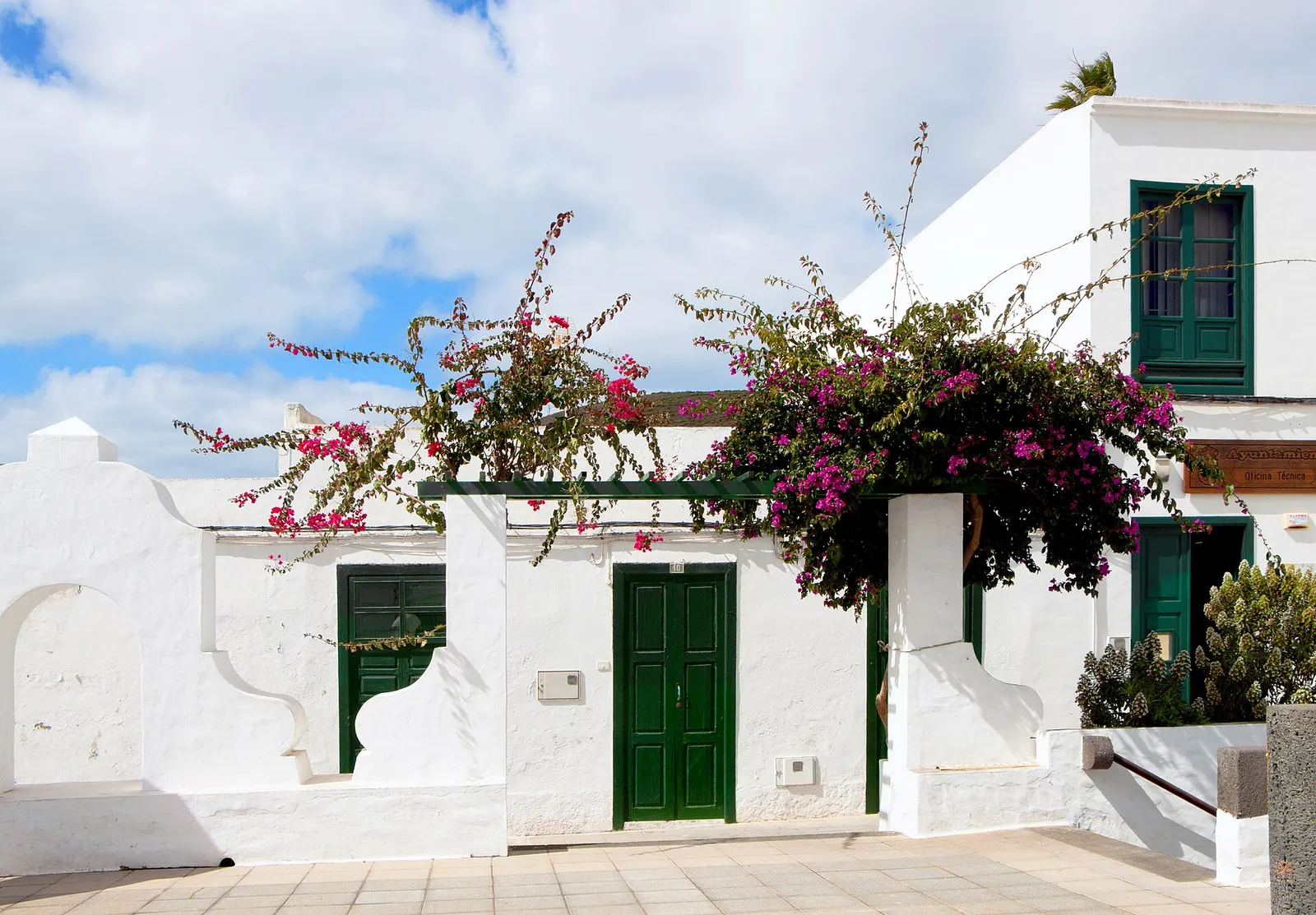
No hotel towers, no billboards, and houses still built the old way. Why Lanzarote looks different, and who persuaded the island to stay that way.
Lanzarote
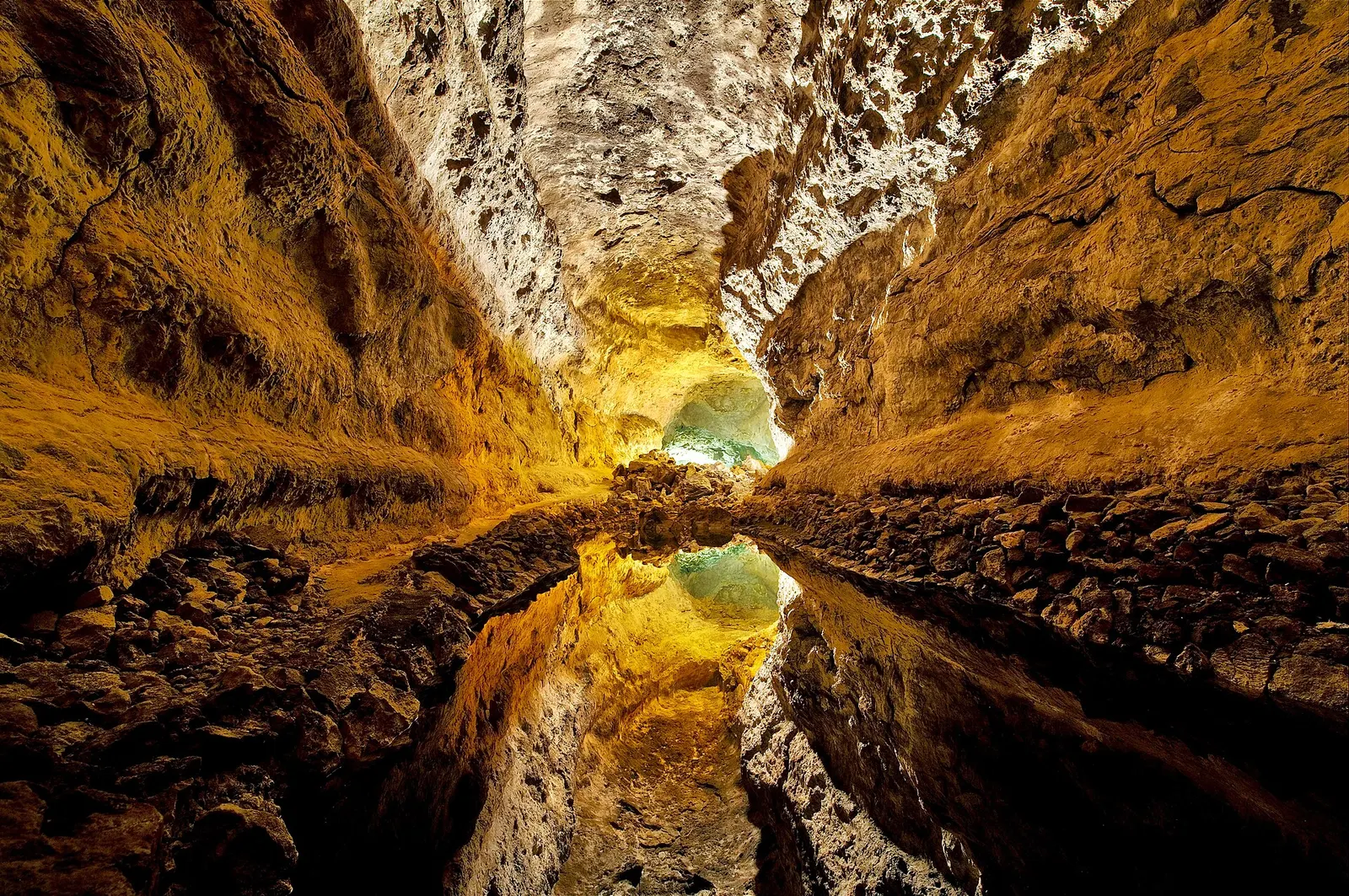
The same lava tube as Jameos del Agua, seen from within and staged by Jesús Soto. Why it is booked by time slot, and how to pair it with Jameos without rushing.
Lanzarote
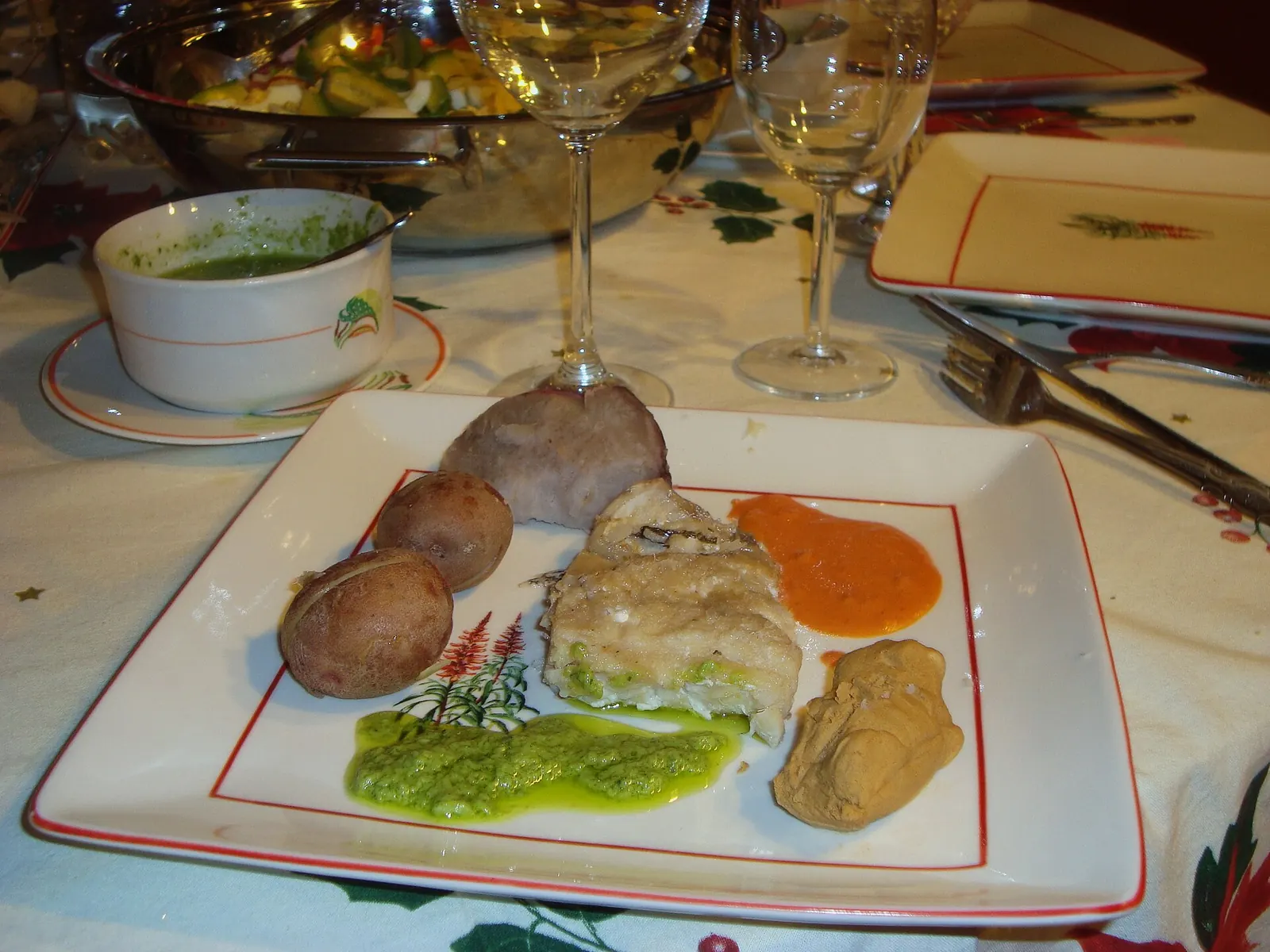
Lanzarote's cooking uses few ingredients and a great deal of skill. What to order — from papas arrugadas to sancocho — and how to eat unhurriedly, from inland taverns to the quaysides.
Lanzarote
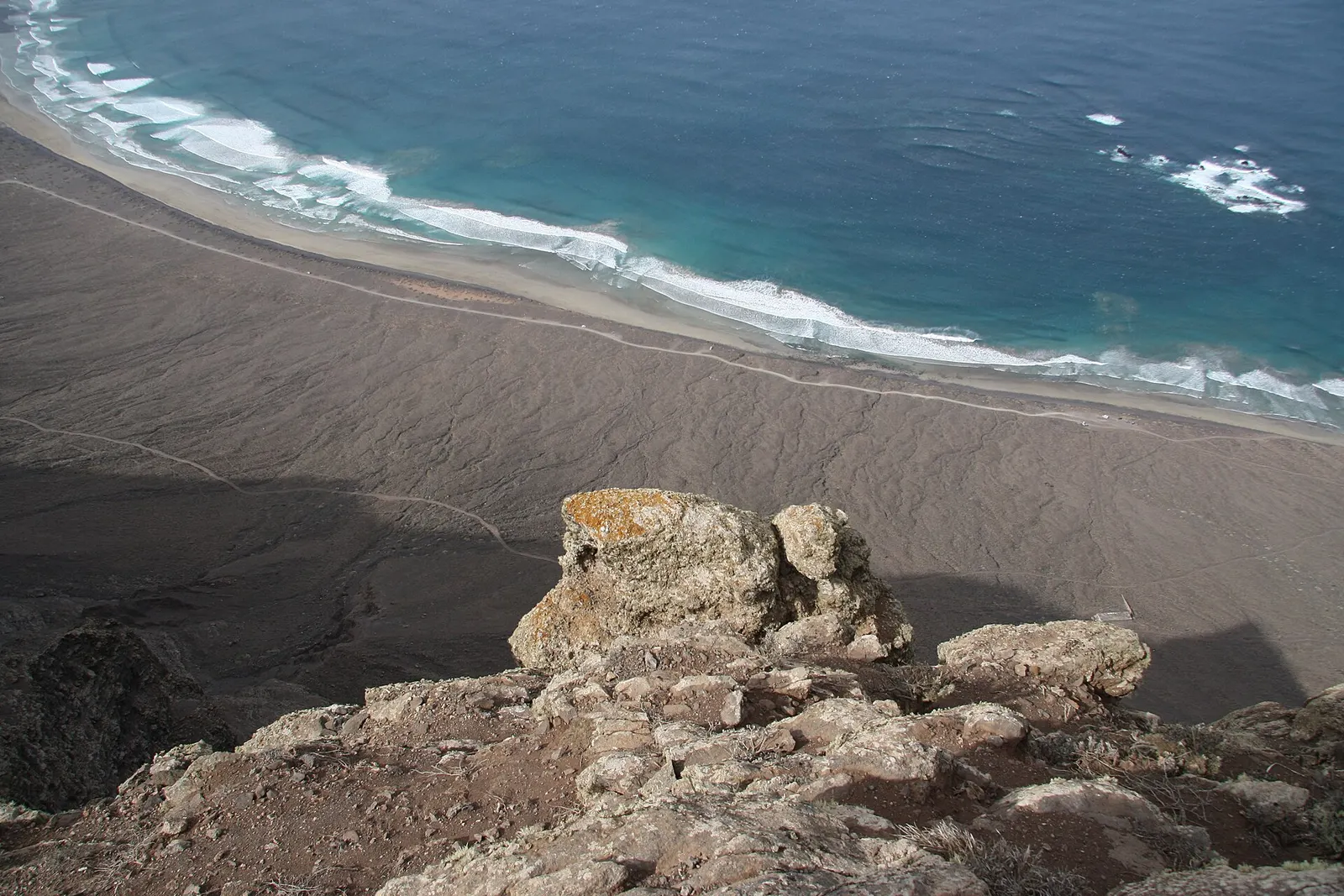
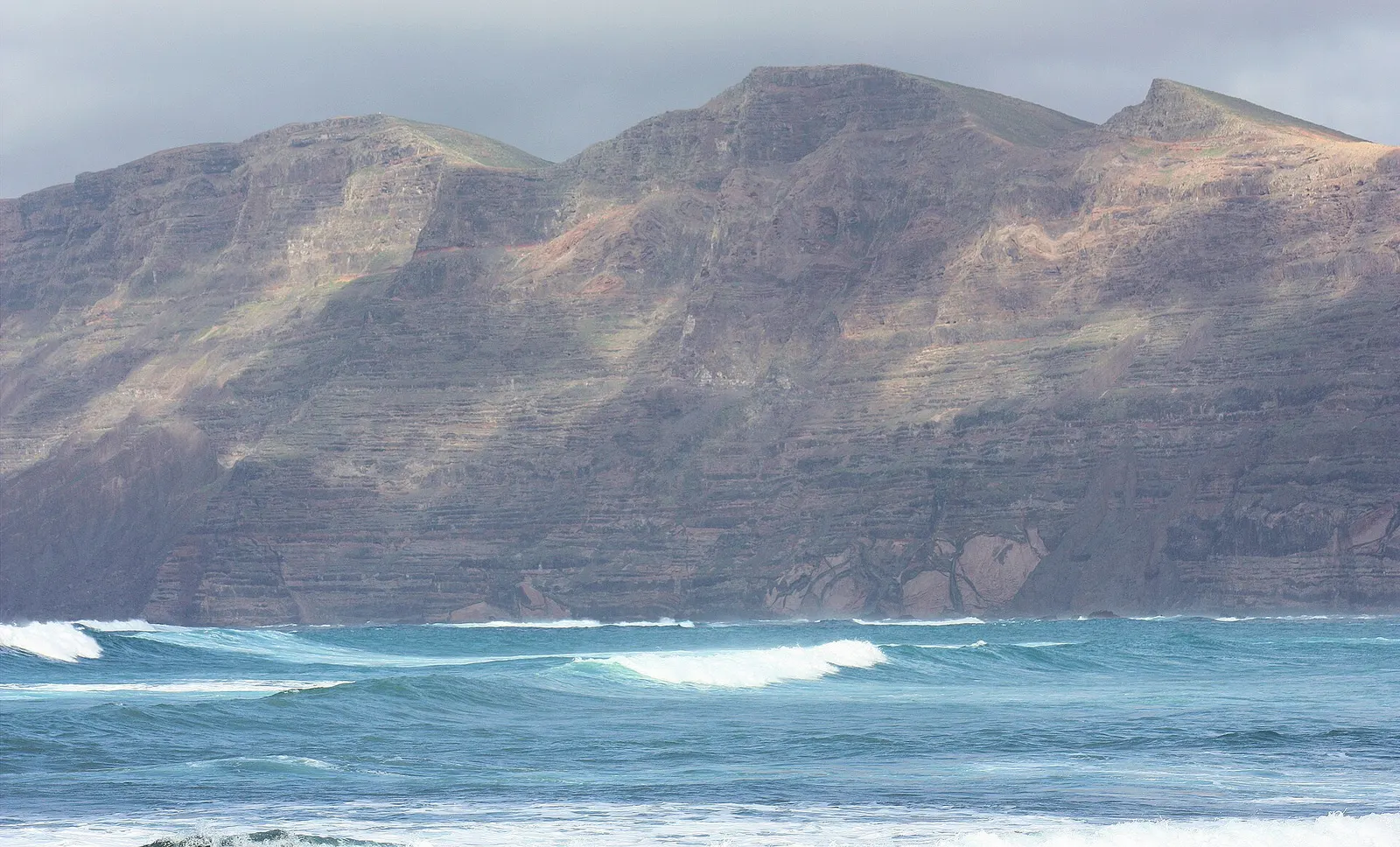
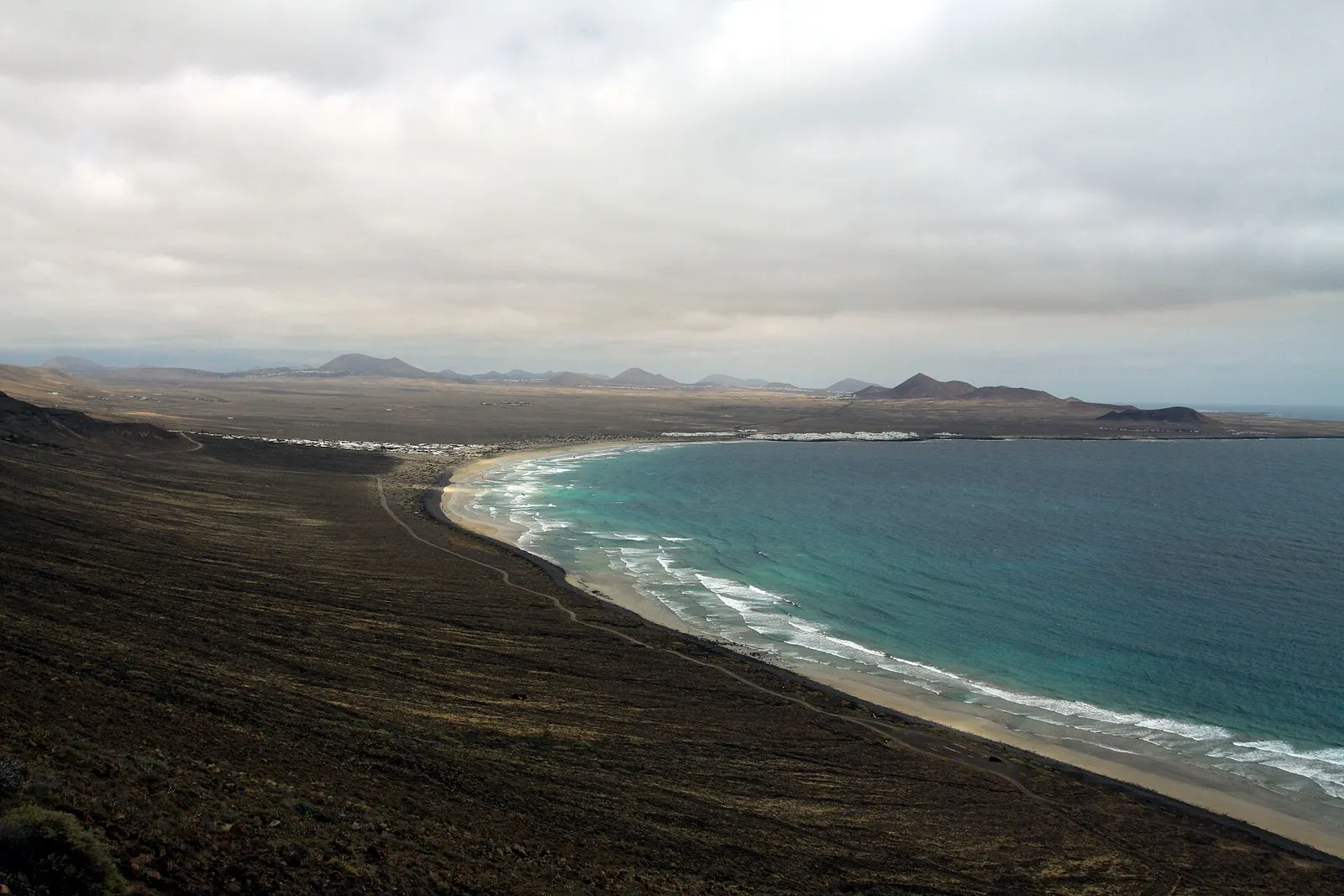
Northern Lanzarote's great beach, beneath the Famara cliffs, with a fishing village of sand streets and surfing as a way of life. A place to walk, to look and to understand the wind — and a clear warning about swimming.
Lanzarote
Lanzarote is easy to drive at an unhurried pace, but its key sights need a time slot: Montañas del Fuego and Cueva de los Verdes sell tickets online only, for a set day and time. How to plan the island so you never wait.
Lanzarote
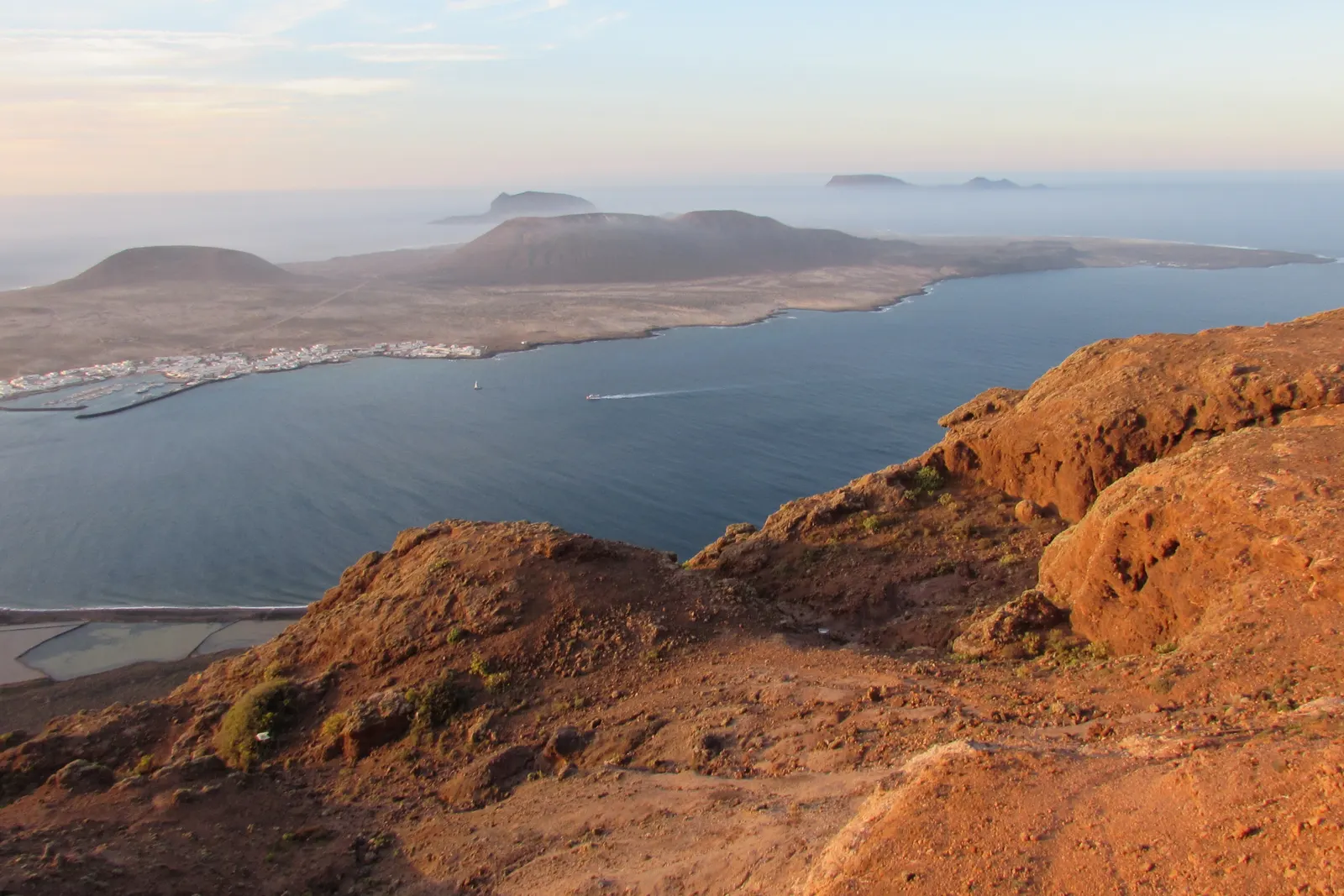
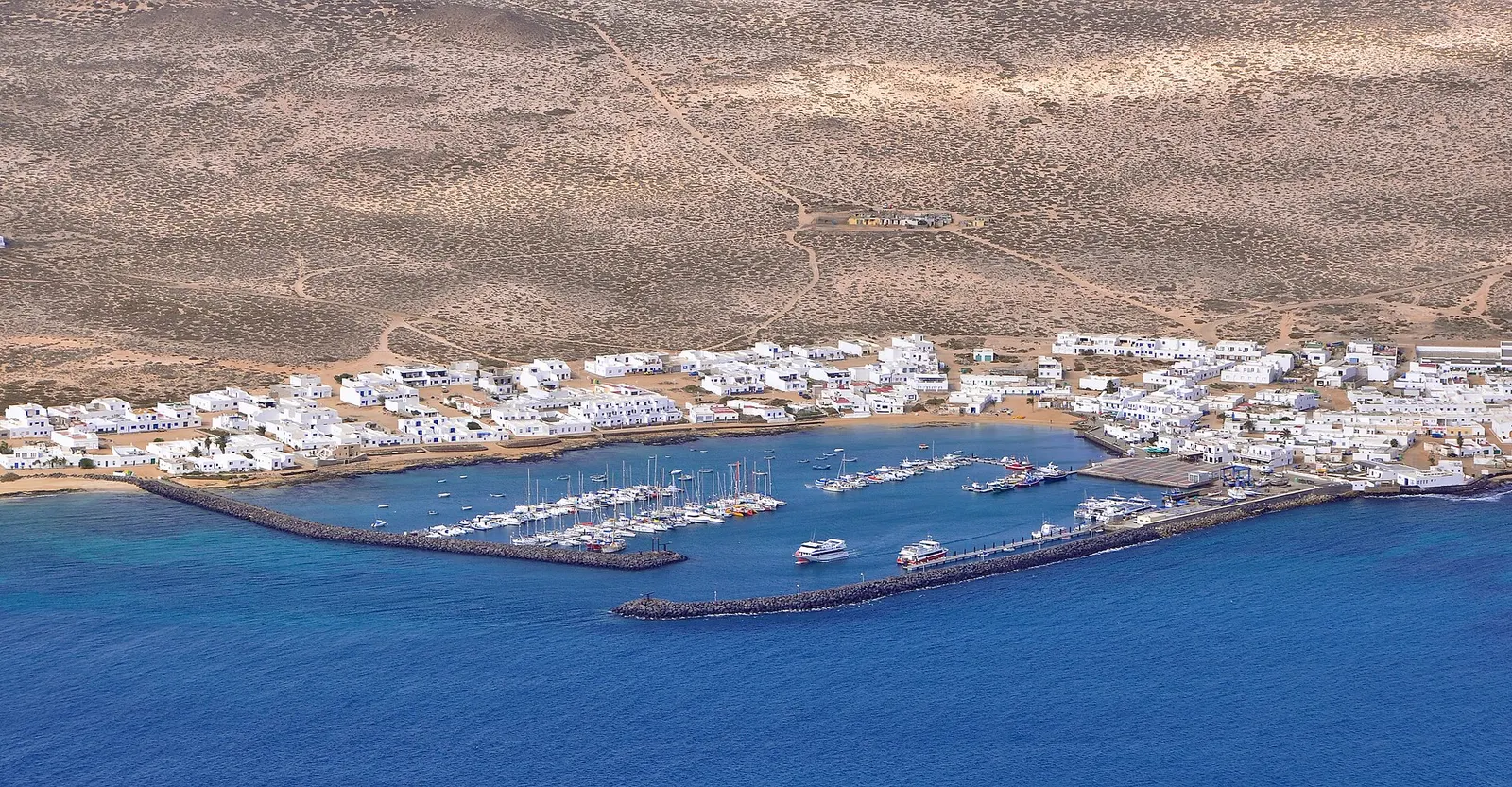
La Graciosa is reached by boat from Órzola in about 25 minutes, and the car stays on Lanzarote. Ferry operators, where to park, what to bring and how to get around once there, with no tarmac and no hurry.
Lanzarote
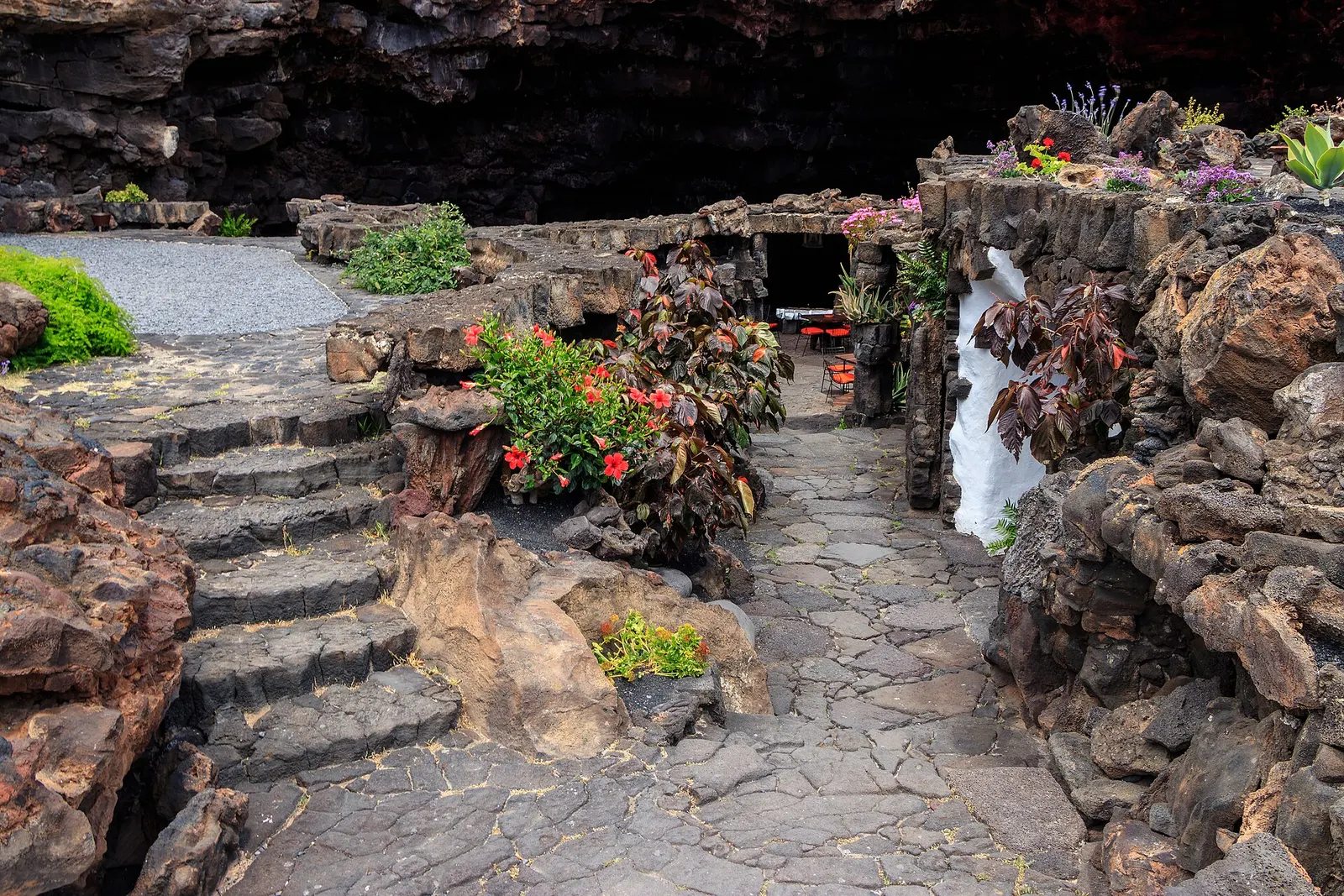
A lava tube turned into lake, garden and auditorium. What Manrique did with a hole in the lava, and when to go to hear the silence that makes it.
Lanzarote
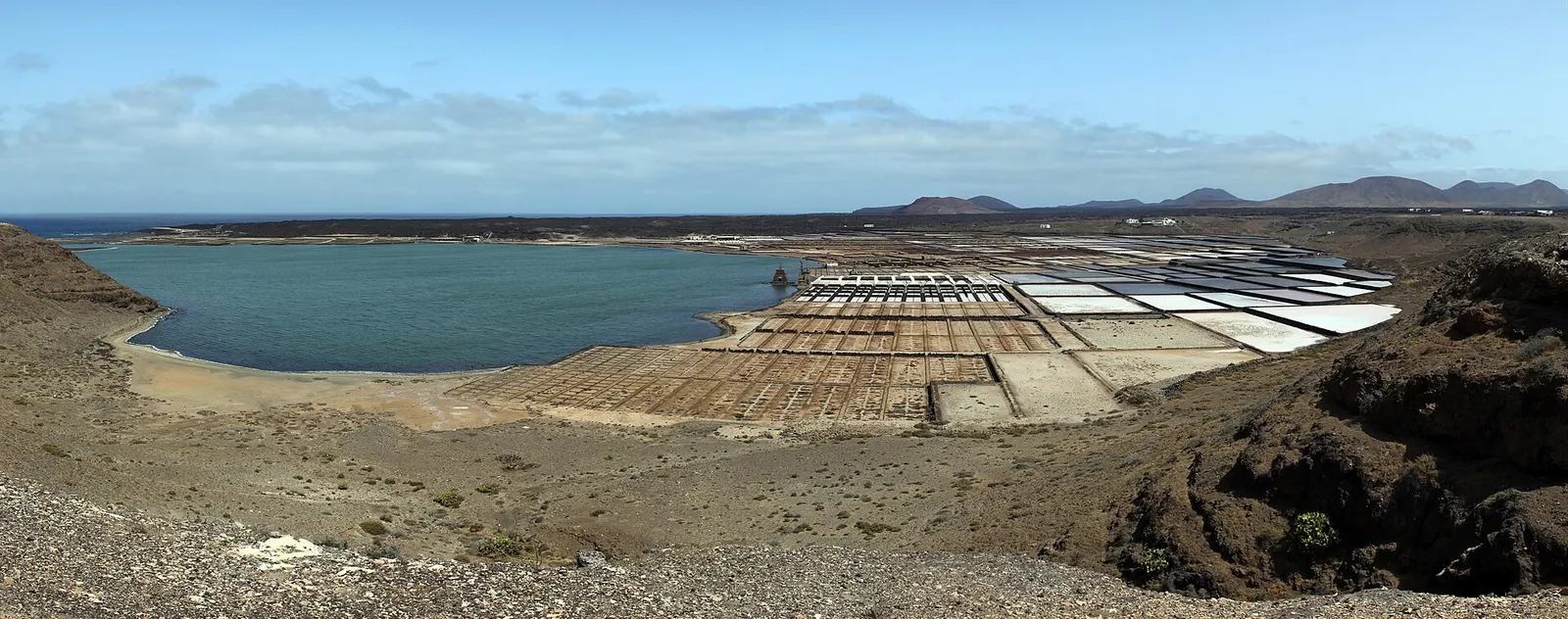
Beside a lagoon cut off from the sea by a bar of sand and boulders, the Janubio salt pans still make salt with sun and wind. Why it matters at the table, and how to look at them unhurried.
Lanzarote
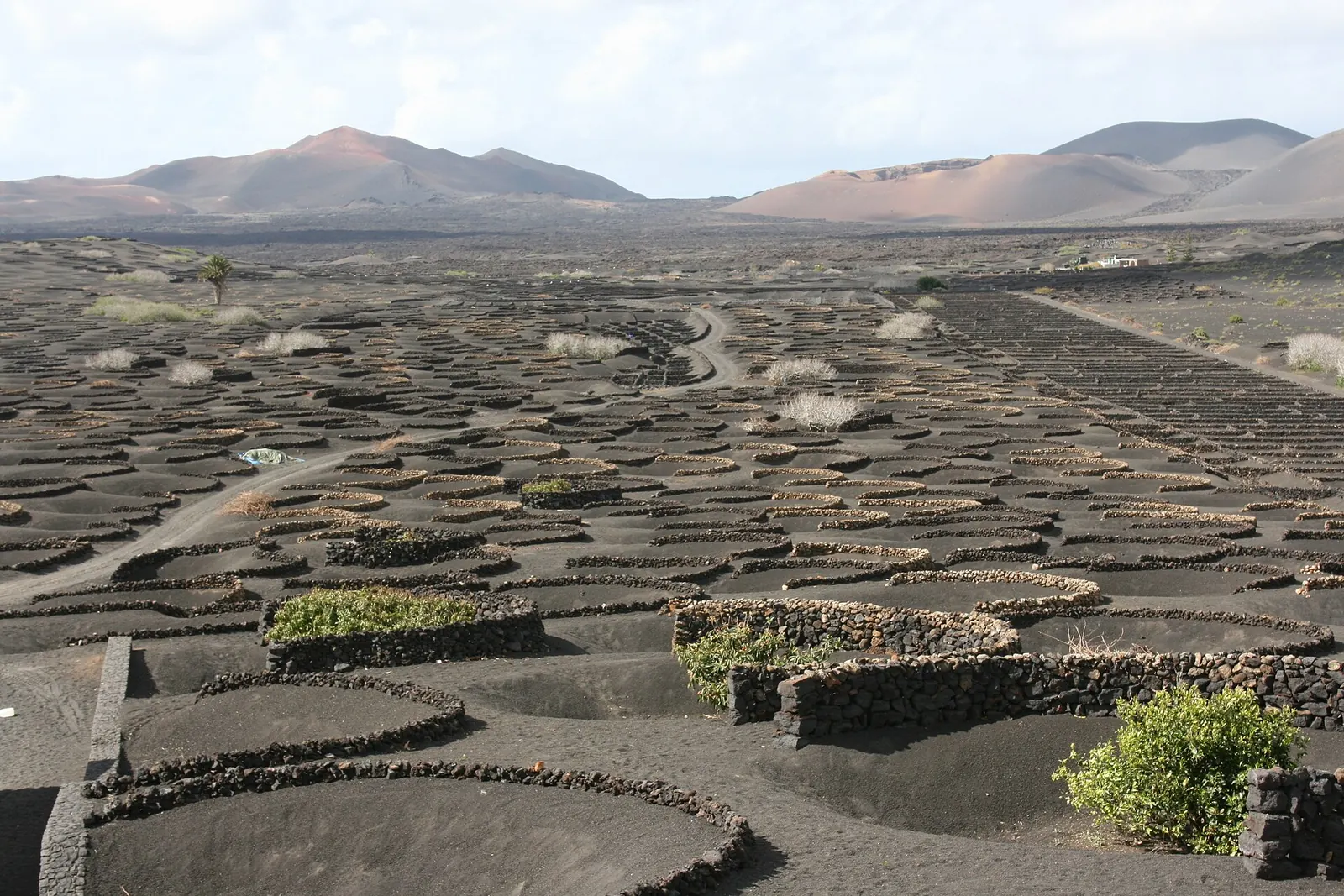
Every vine in its own hollow, every hollow with its own crescent of stone. How vines are grown on the ash of the 1730–1736 eruptions — and how to take in the landscape slowly.
Lanzarote
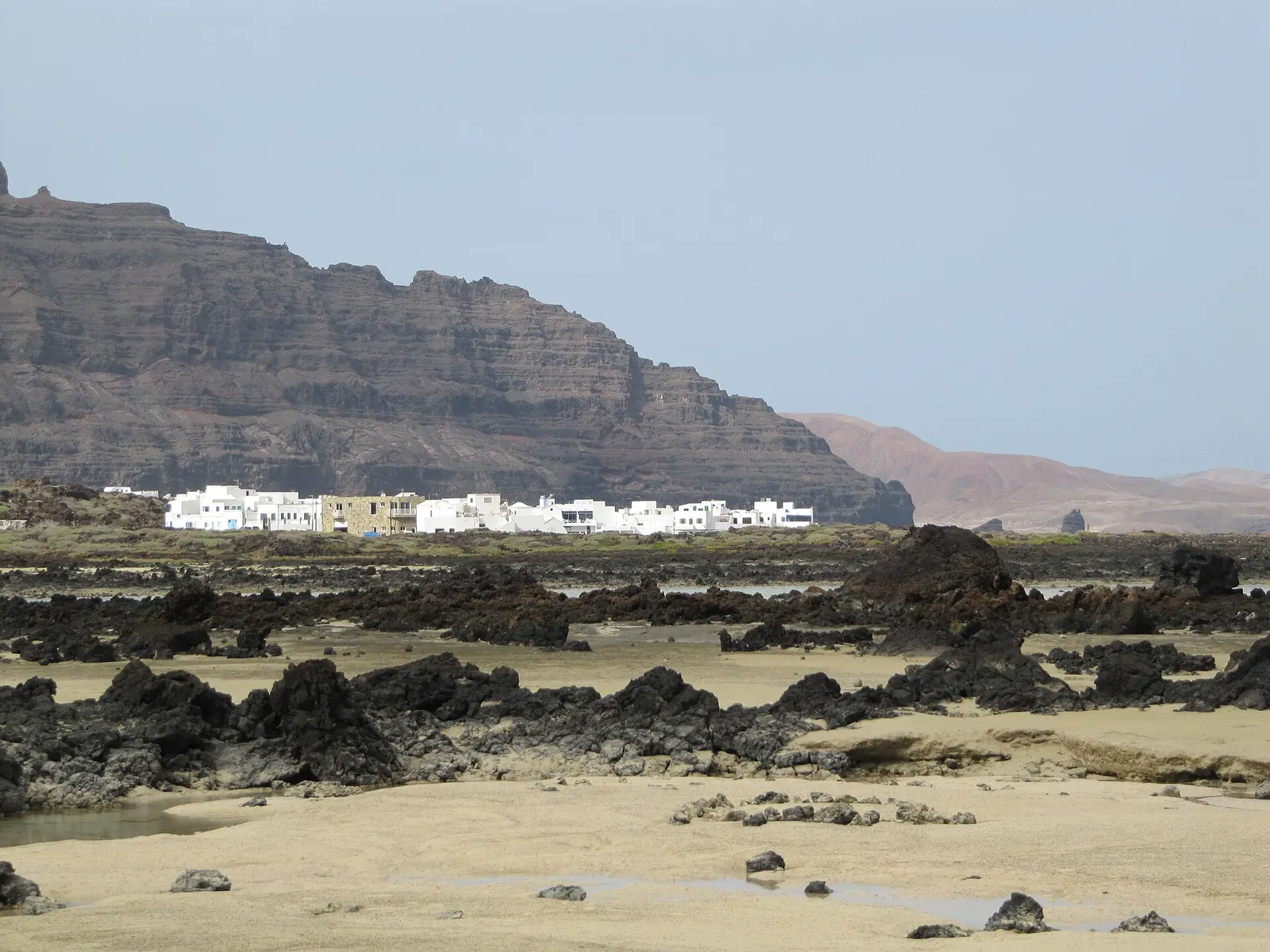
No tarmac on its streets and no private cars, a short boat crossing from Órzola. The luxury of La Graciosa is the simplest kind: time, sand underfoot and a fishing village that falls quiet when the last boat leaves.
Lanzarote
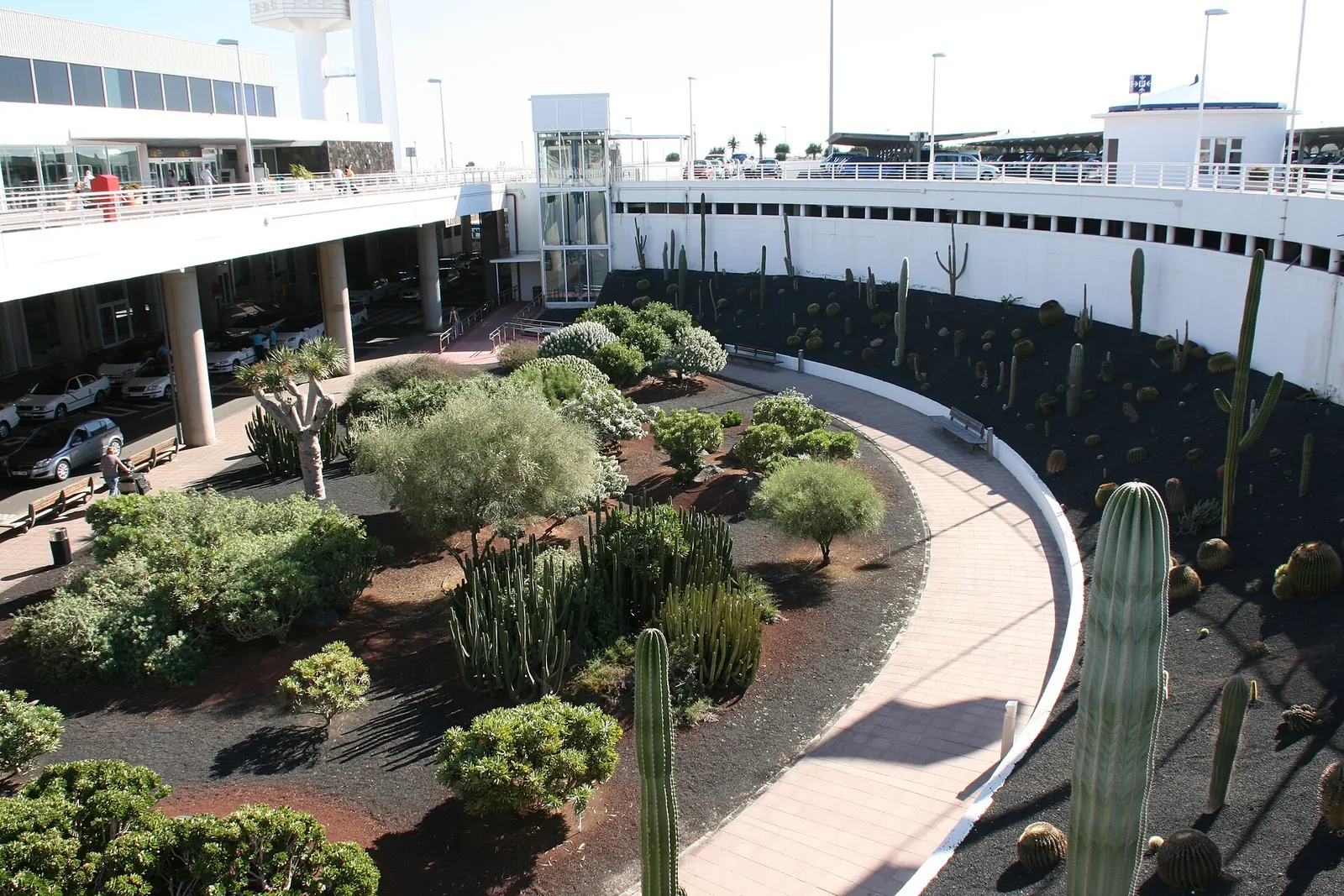
You have just landed at César Manrique-Lanzarote airport (ACE). Bus, taxi or hire car: what makes sense depending on where you are staying and when you land — and a note for your watch.
Lanzarote
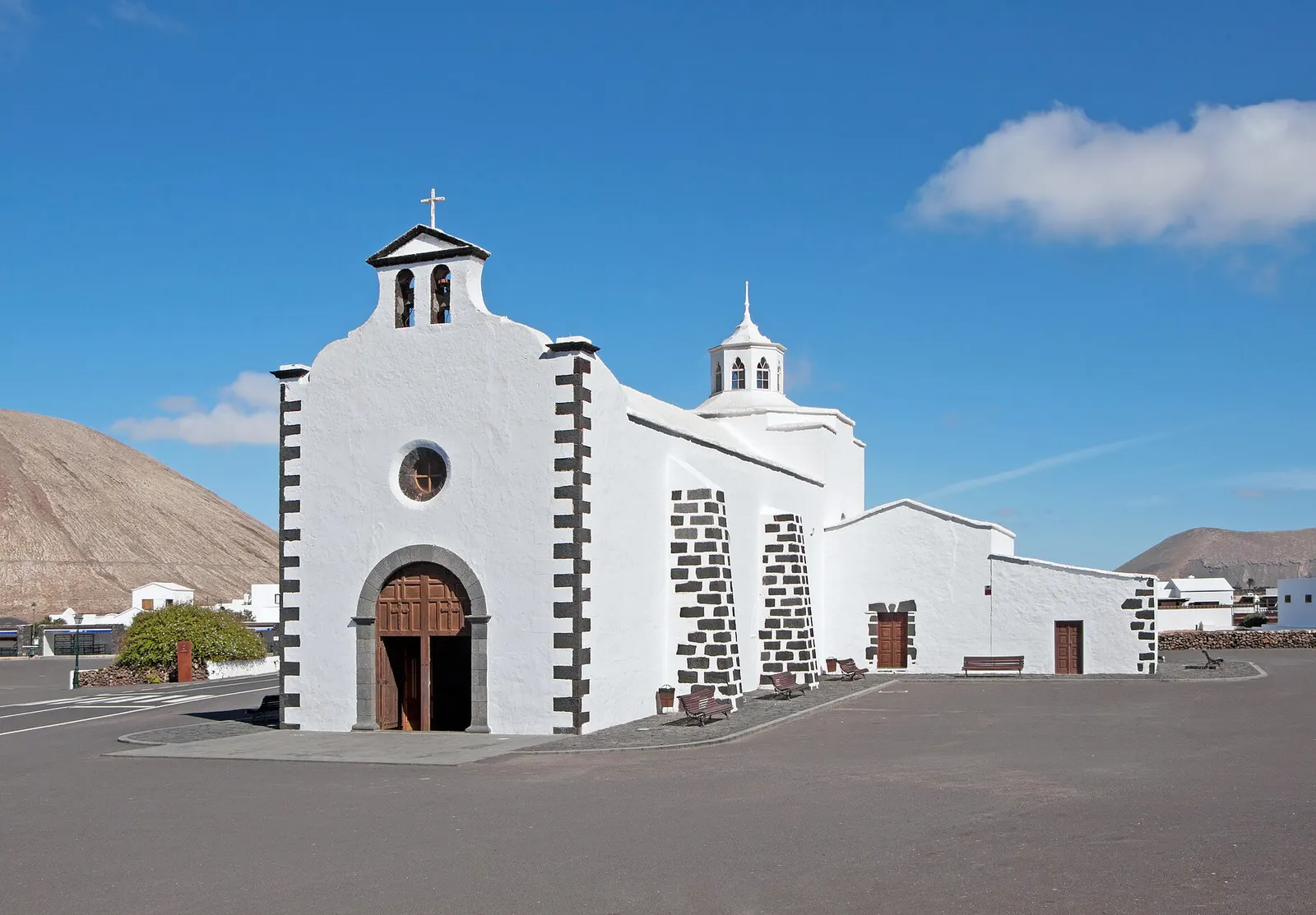
The pilgrimage to Mancha Blanca, San Ginés at the Charco in Arrecife, carnival: festivals not staged for visitors. When they are, what they mean and how to attend respectfully.
Lanzarote
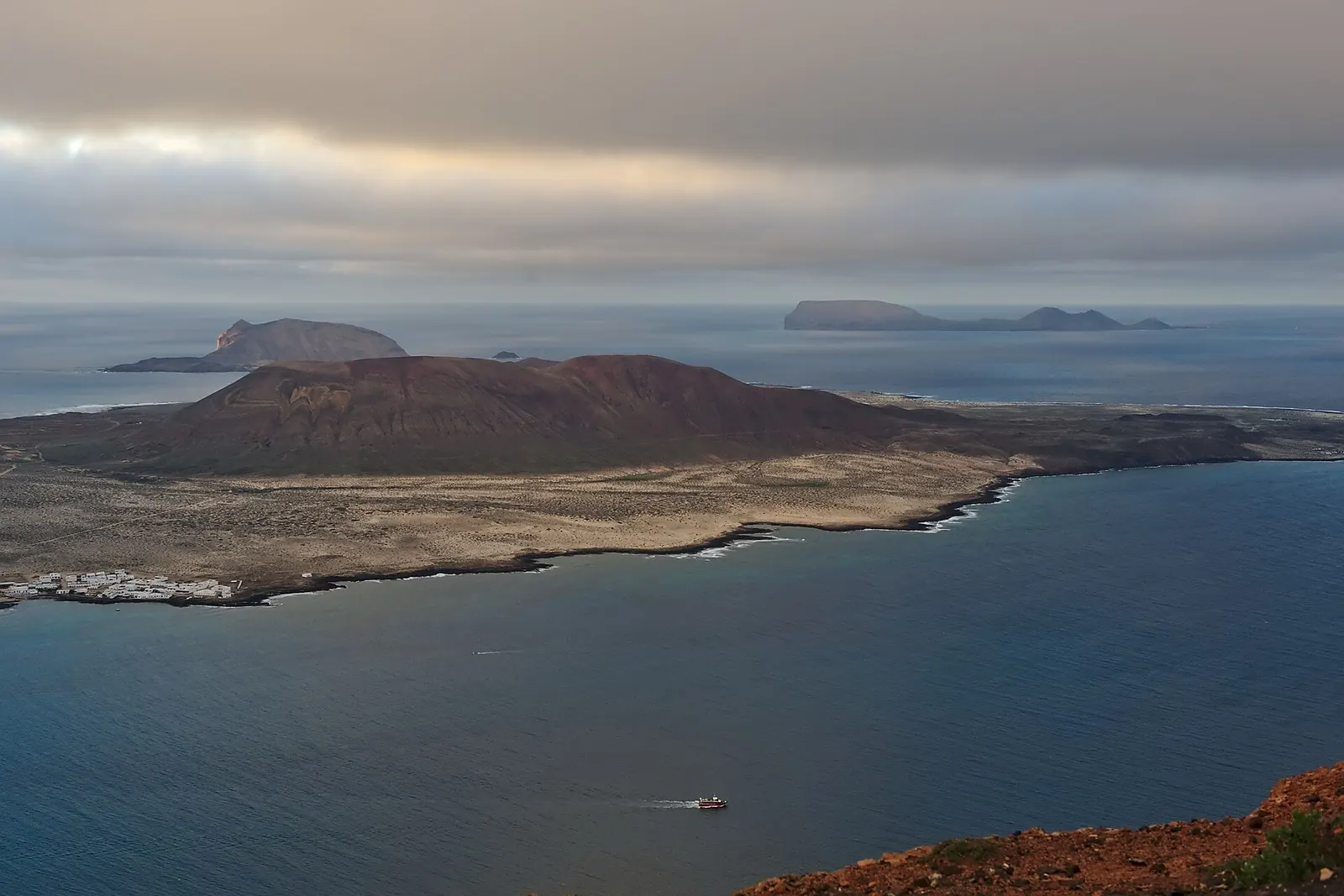
The marine reserve off northern Lanzarote makes sense from a boat: the Famara cliffs on one side, La Graciosa ahead and Montaña Clara and Alegranza on the horizon. How to sail it with a skipper, respectfully, and why fishing here is regulated.
Lanzarote
For anyone thinking of a home on the island: the traditional architecture César Manrique defended and that still shapes the landscape. Why all the houses look alike, and why that is Lanzarote's luxury.
Lanzarote
When the heating goes on across the rest of Europe, Lanzarote enters its best season: January averages 17 degrees, rain is scarce and the light is clean. What changes from November to March, and who it suits.
Lanzarote
A calendar by season, not by date: Arrecife's carnival, May's Ironman, the grape harvest in La Geria, San Ginés in August and the Dolores pilgrimage in September. When to go, depending on what you are after.
Lanzarote
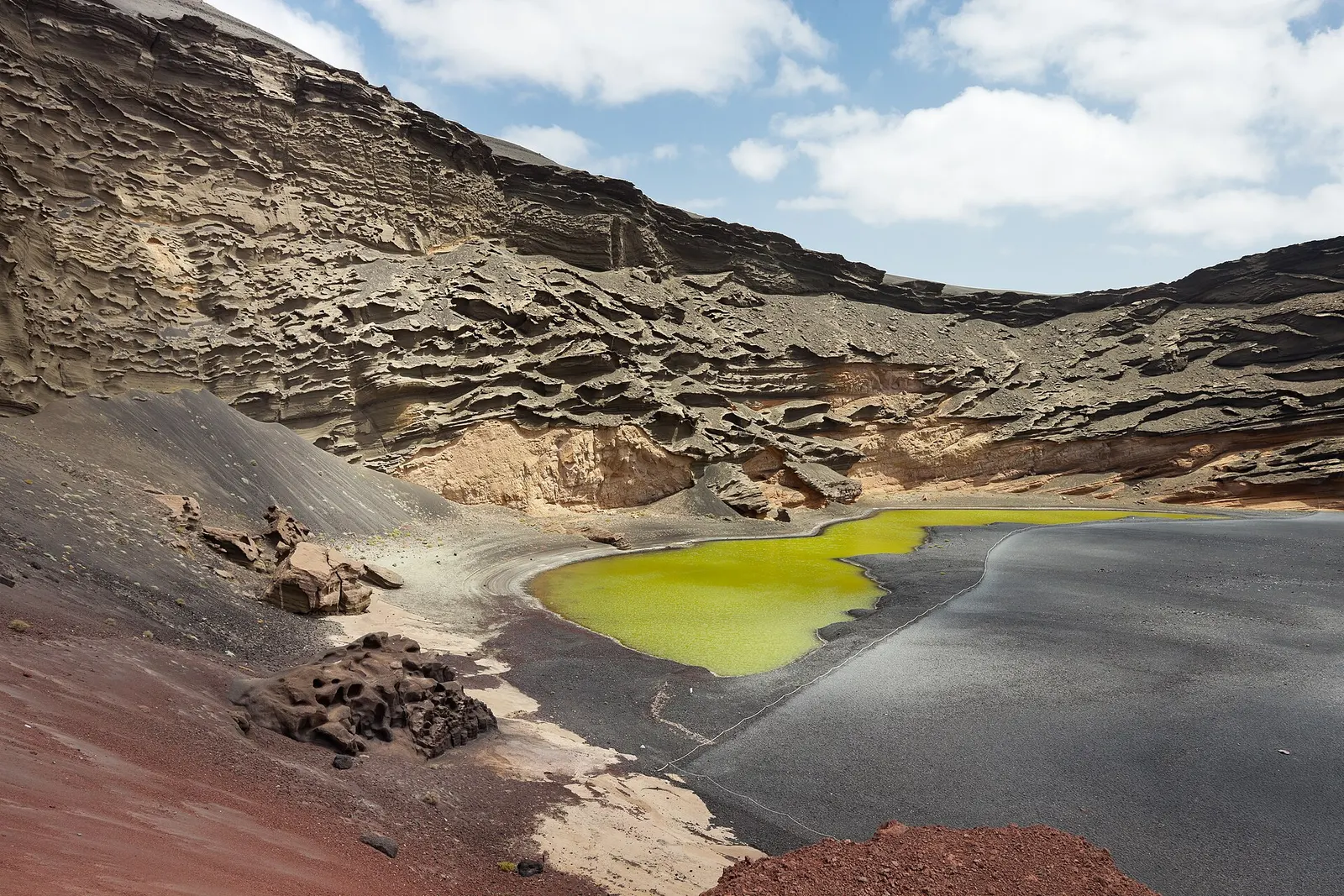
One short road strings together salt pans, lava cliffs and a green lagoon at the foot of a crater. How to take it slowly at the end of the day — and the rule worth knowing: Charco de los Clicos is for looking at, not walking on.
Lanzarote
Lanzarote has no high-rises, and its luxury is horizontal: suites facing the Atlantic in the south, small houses inland. Four places with their own character, how to choose an area and what to check before you book.
Lanzarote
From black earth to glass: what Malvasía Volcánica is, how it tastes and how to visit a winery on Lanzarote unhurriedly, starting with El Grifo and its wine museum.
Lanzarote
Off the coast of Yaiza, 12 to 15 metres underwater, Jason deCaires Taylor's figures have become a reef. What The Rubicon and The Raft of Lampedusa have to say, and how to visit: always with a dive centre.
Lanzarote
The Lanzarote of palms and silence, where Manrique spent his final years. A slow day from the Haría valley to the viewpoint hidden in the Risco de Famara.
Lanzarote
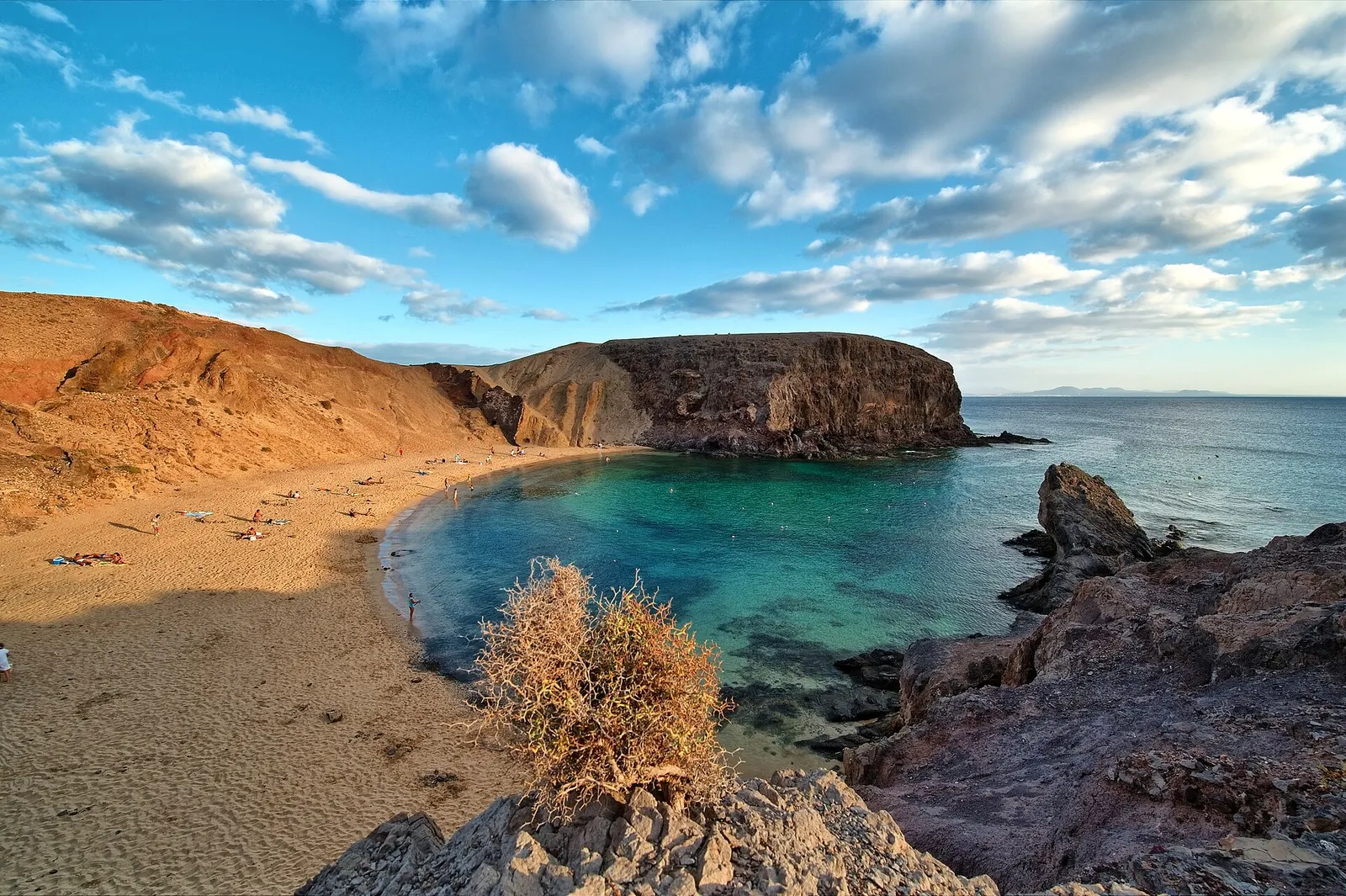
The coves of Los Ajaches are reached along a dirt track and have no facilities. What makes them worth it is the hour: first thing in the morning, outside July and August.
Lanzarote
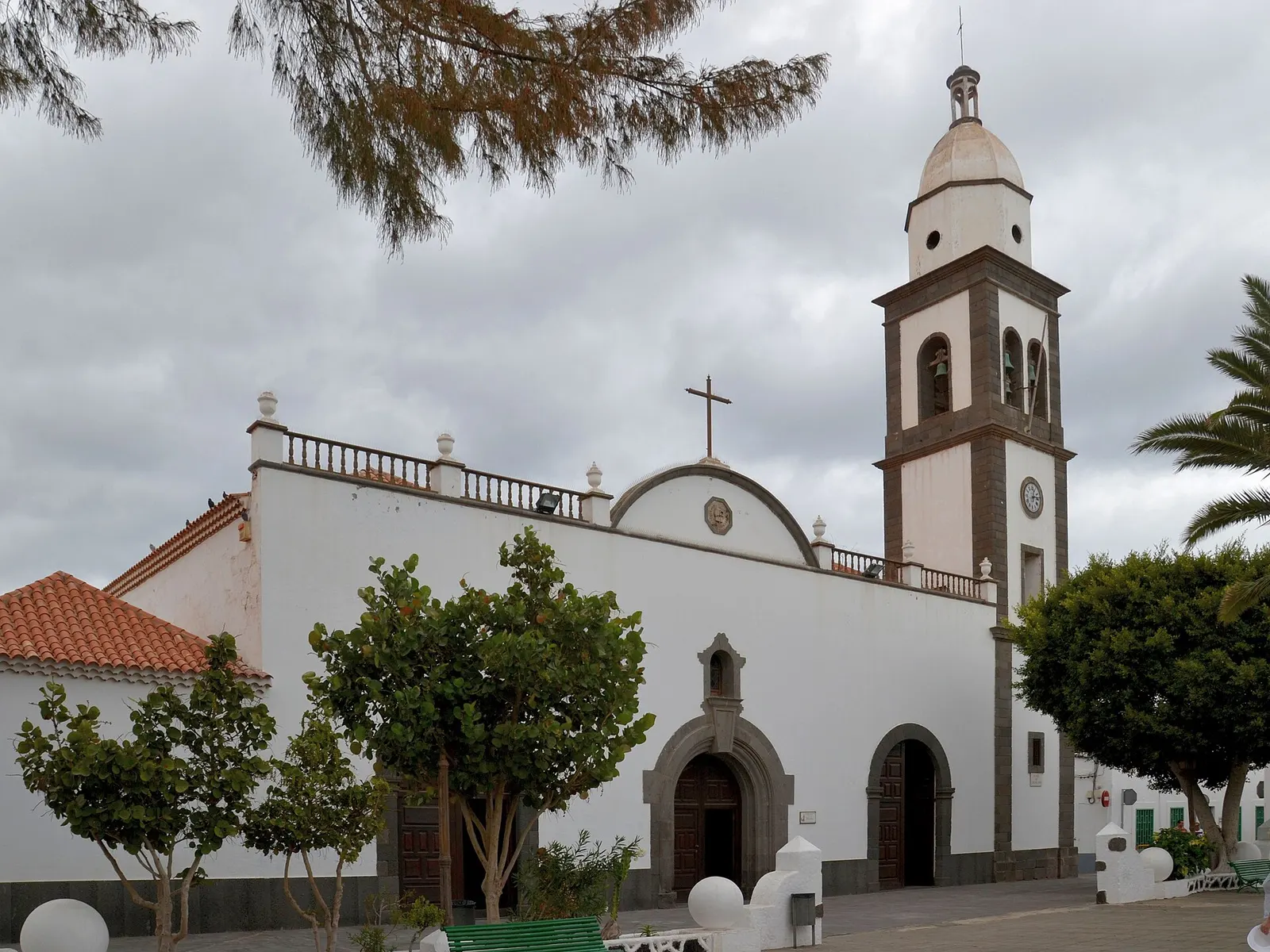
Capital of Lanzarote for almost four centuries, it keeps the island's most serene old town. How to see it on a weekday, and why to climb to the castle on the rim of Guanapay.
Lanzarote
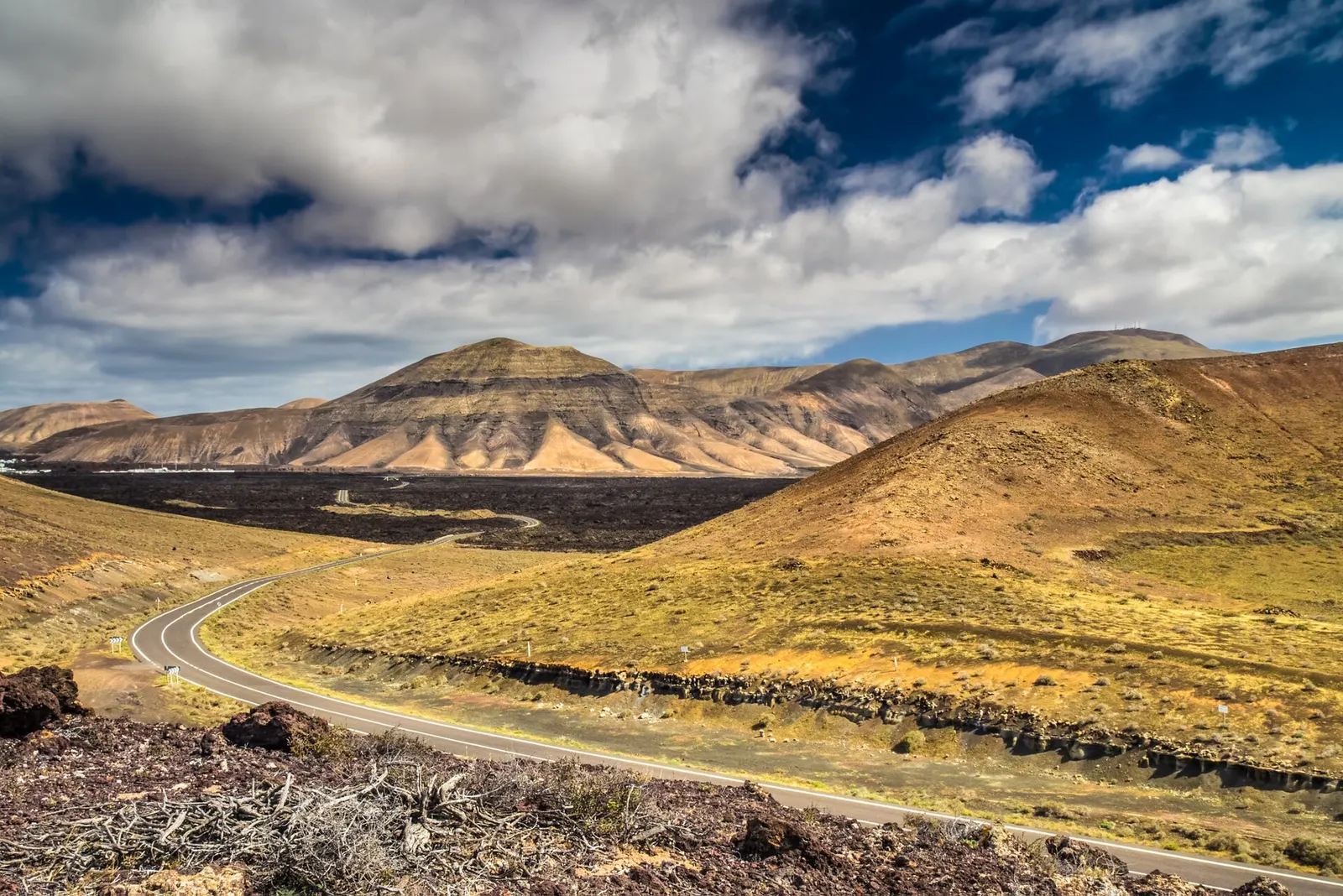
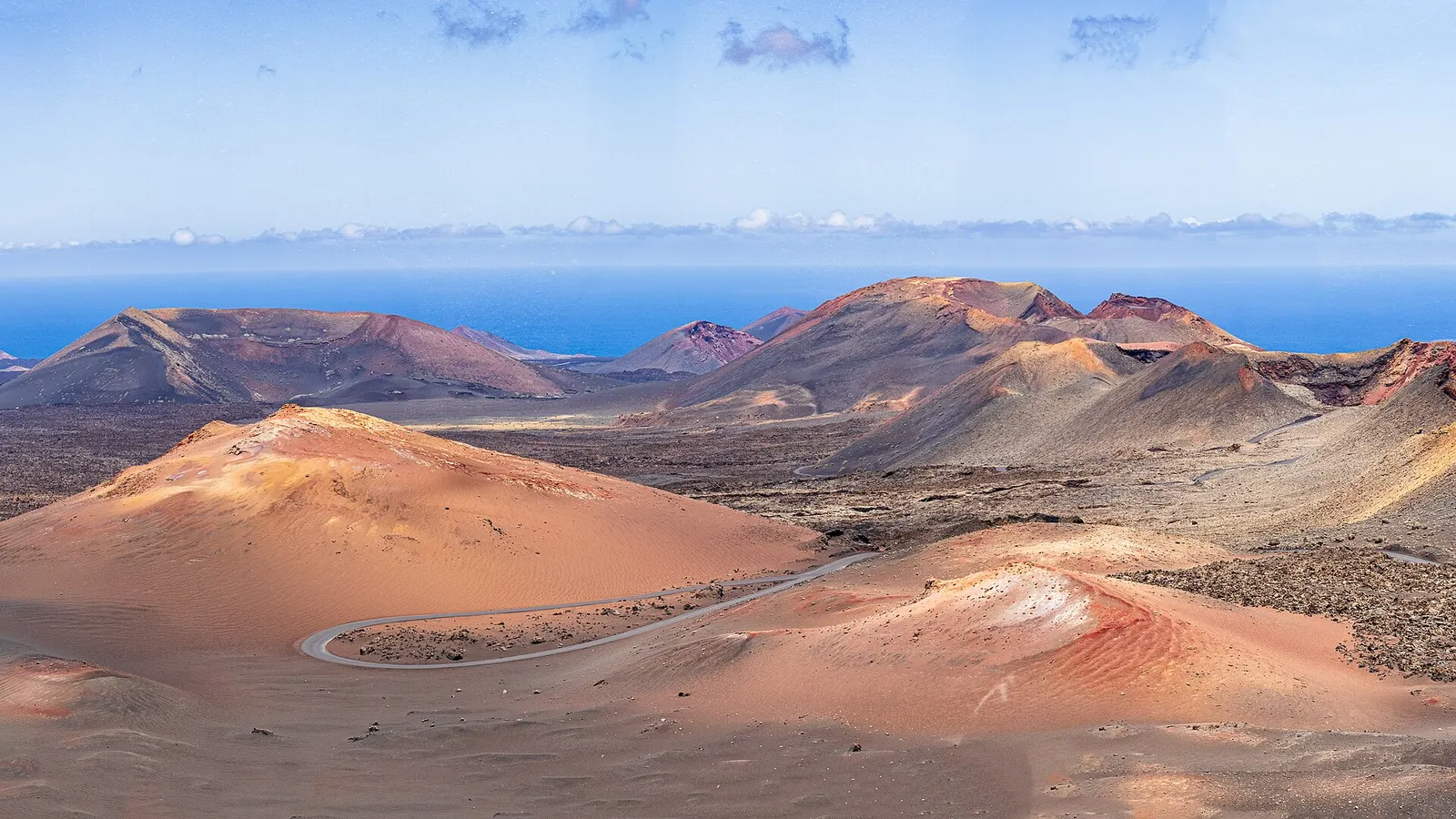
The landscape left by the eruptions of 1730–1736 is not yours to wander: you see it on the Ruta de los Volcanes or on a guided walk. How to book, and how to take it slowly.
Fuerteventura
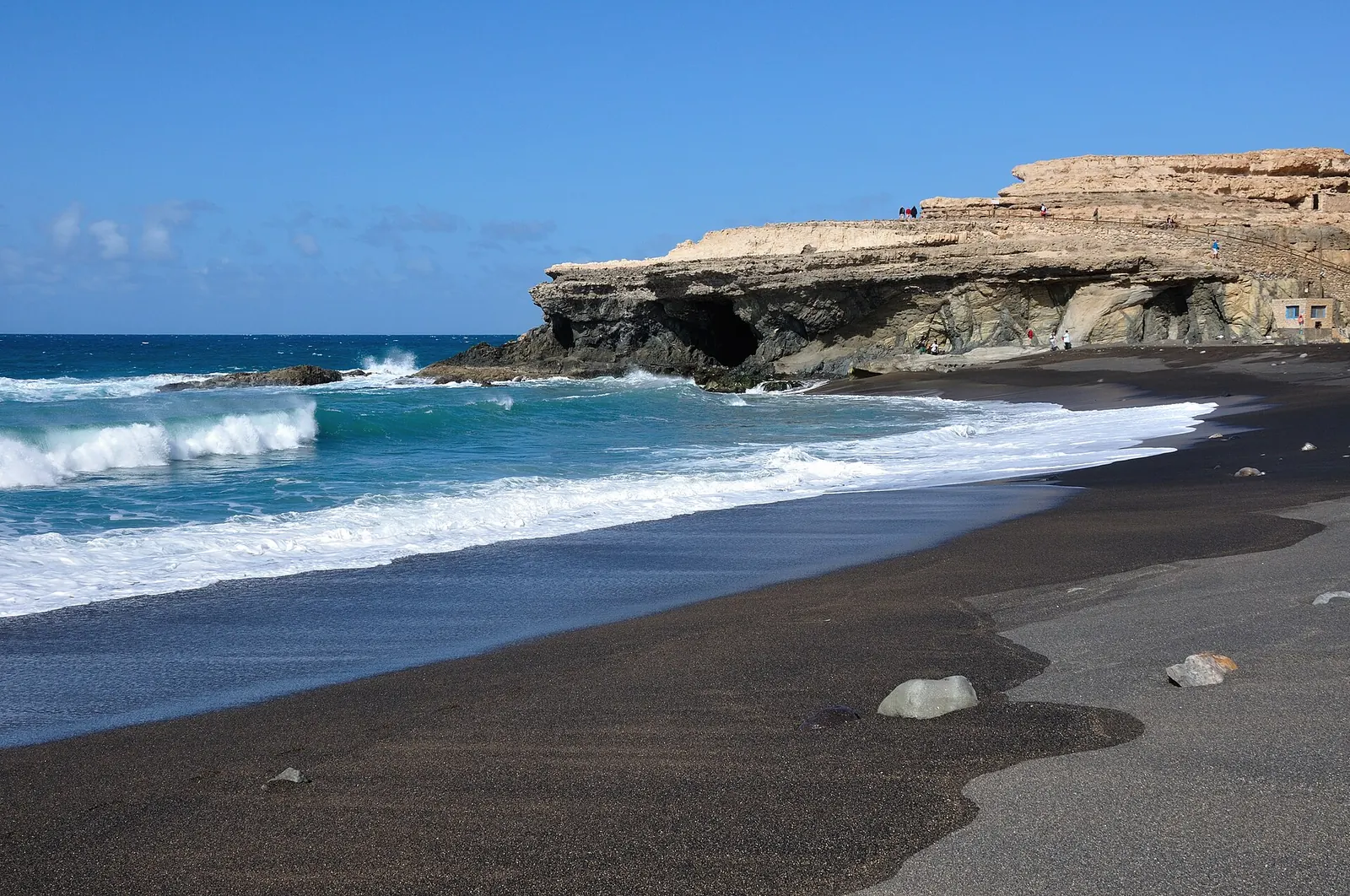
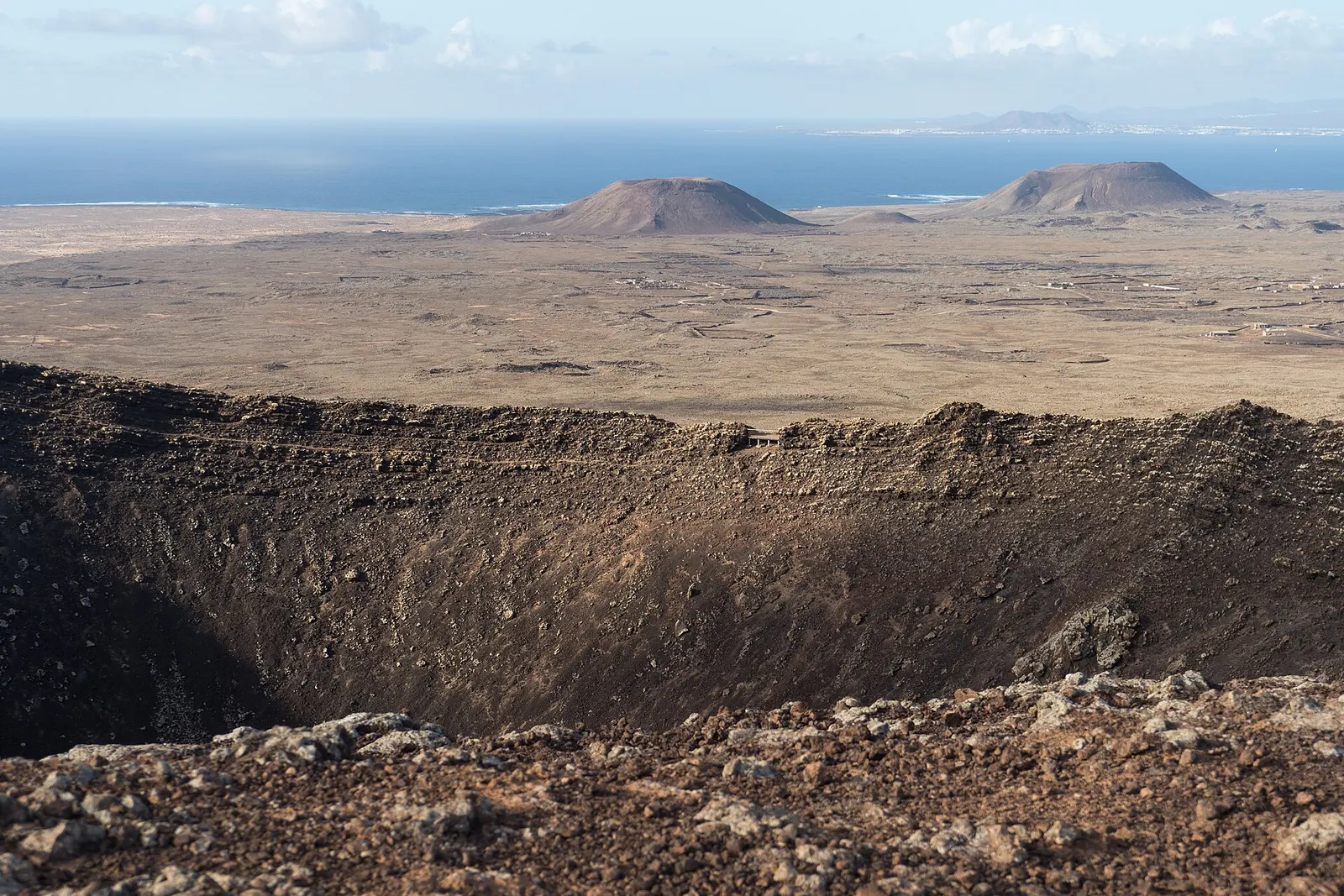
A fishing village on the west coast and a short walk to caves open to the sea. Beneath it all, a lesson in geology: the ancient ocean floor, lifted into daylight.
Fuerteventura
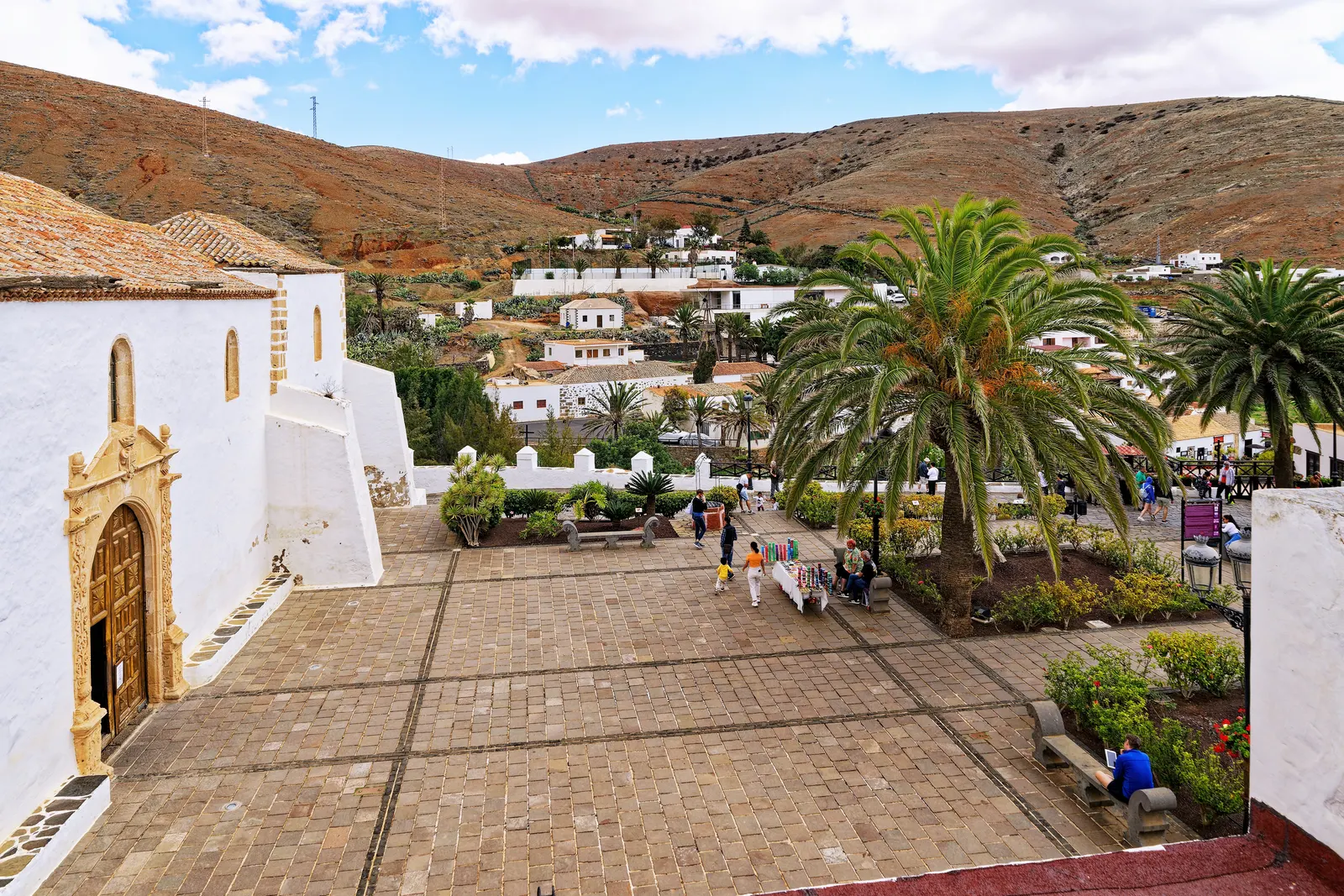
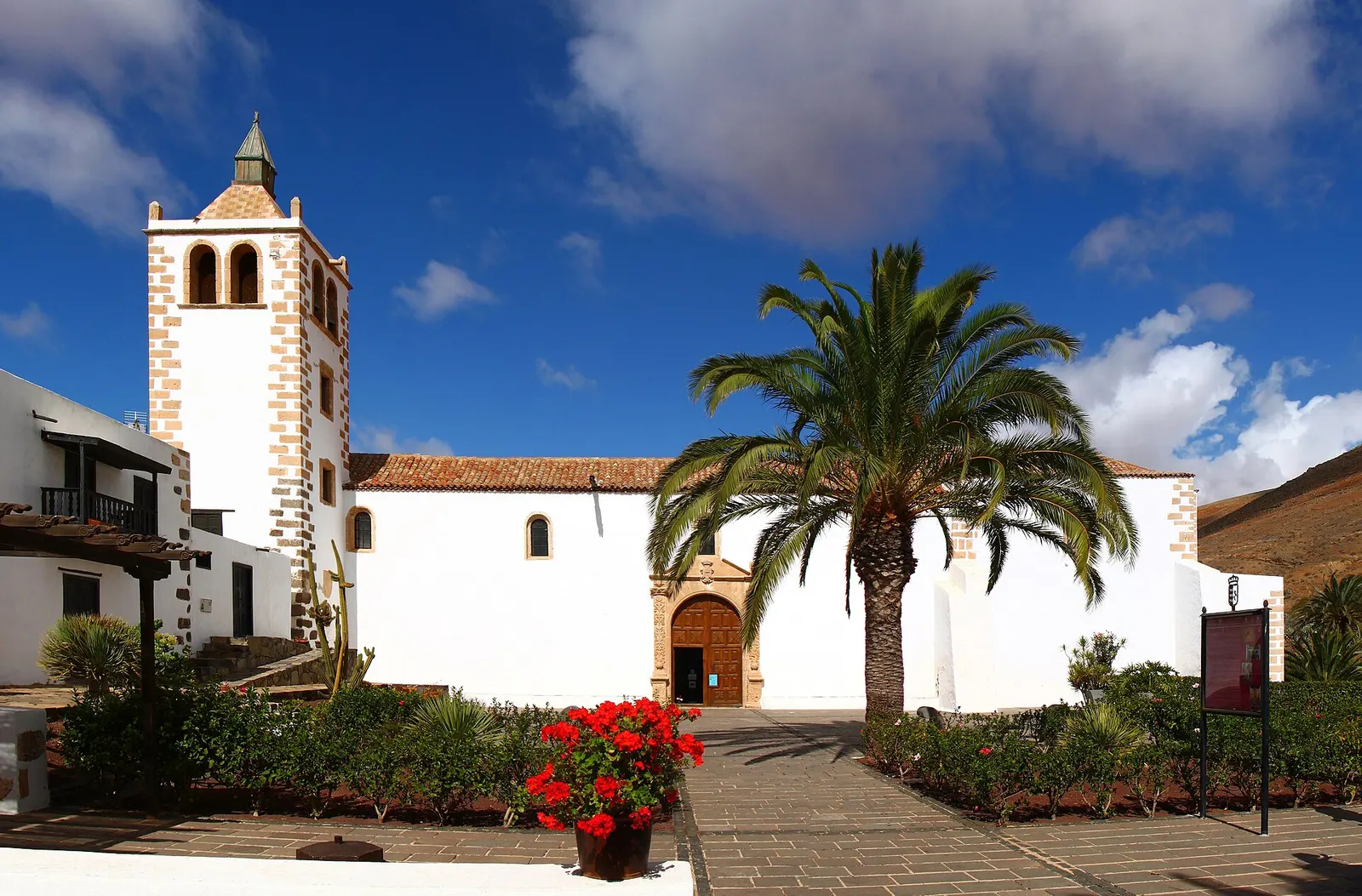
Founded in 1404, sacked in 1593 and the island's capital until 1834. A small village in an inland valley, best read early, before the coaches arrive.
Fuerteventura
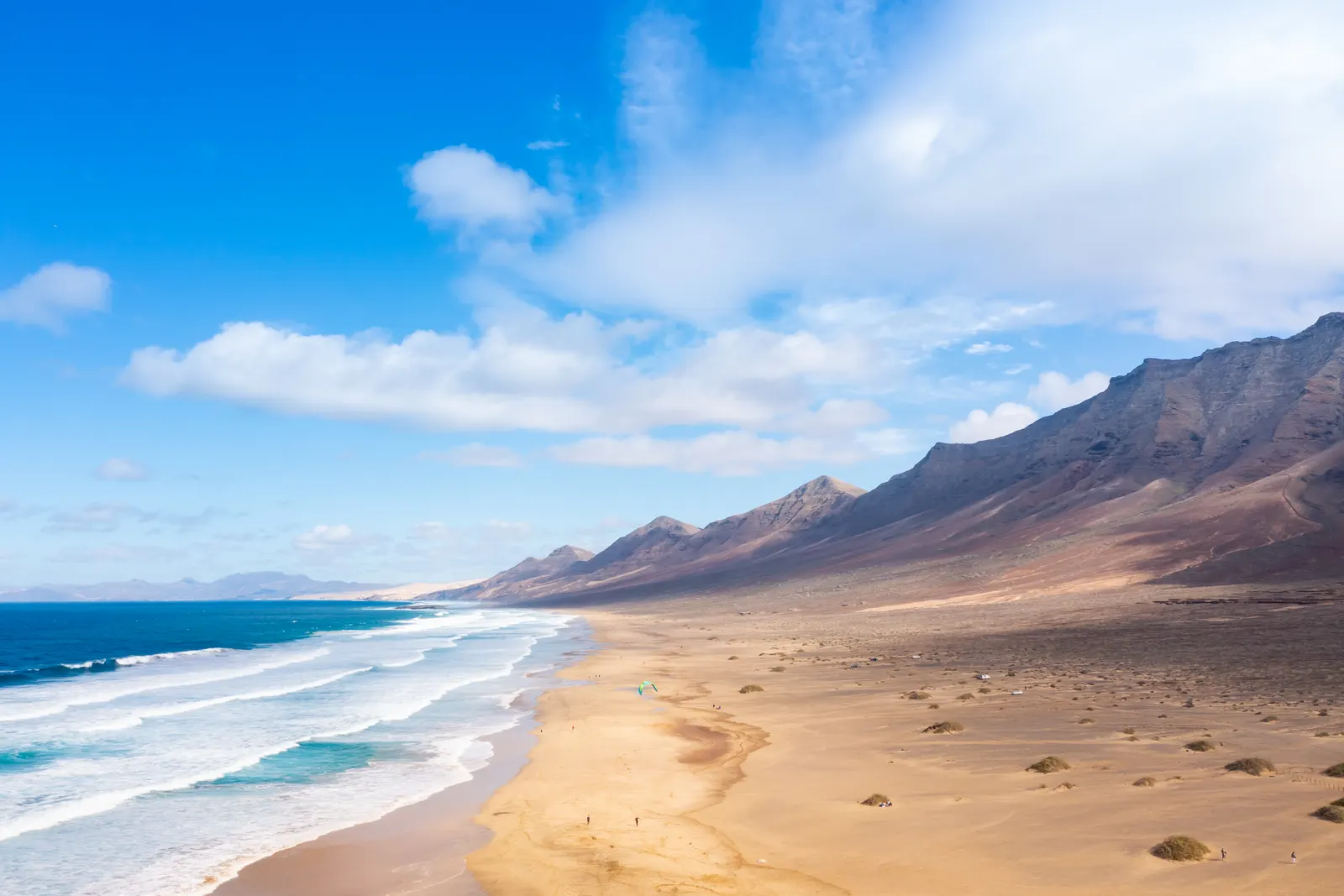
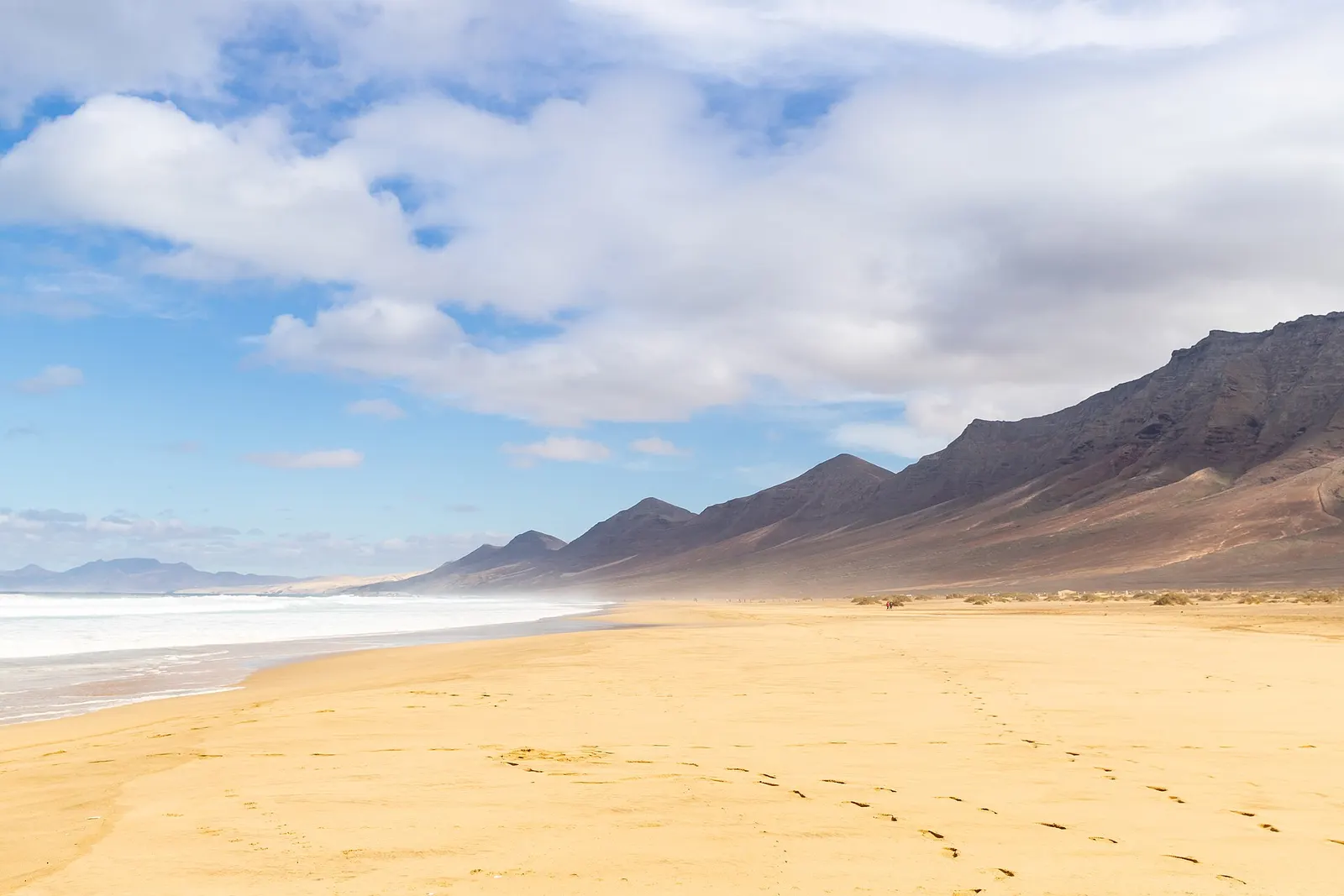
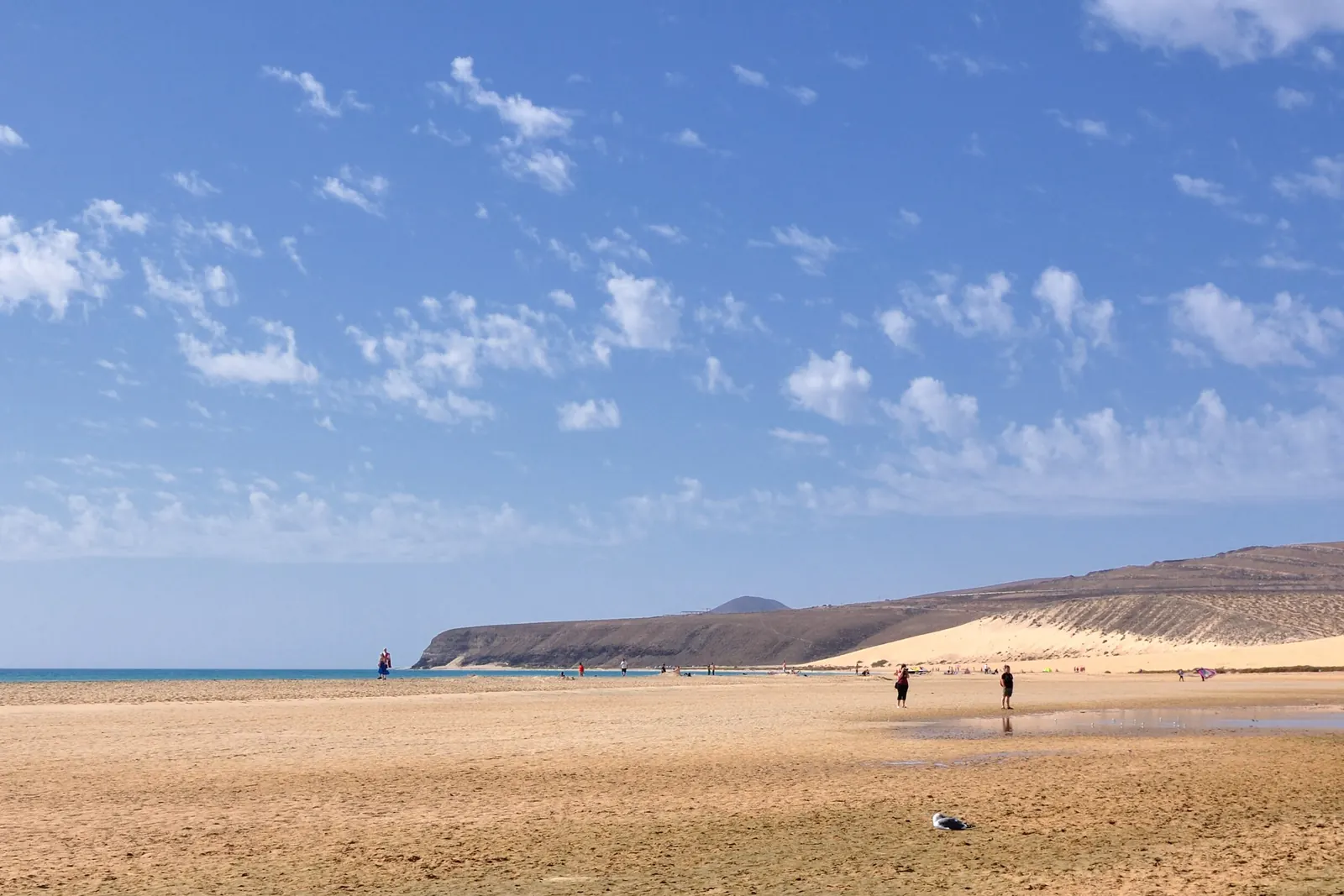
Twelve kilometres of sand on the windward coast, beneath the island's highest peak and inside Jandía Natural Park. How to get there on the dirt track, why the sea is not for casual swimming and what is actually known about Villa Winter.
Fuerteventura
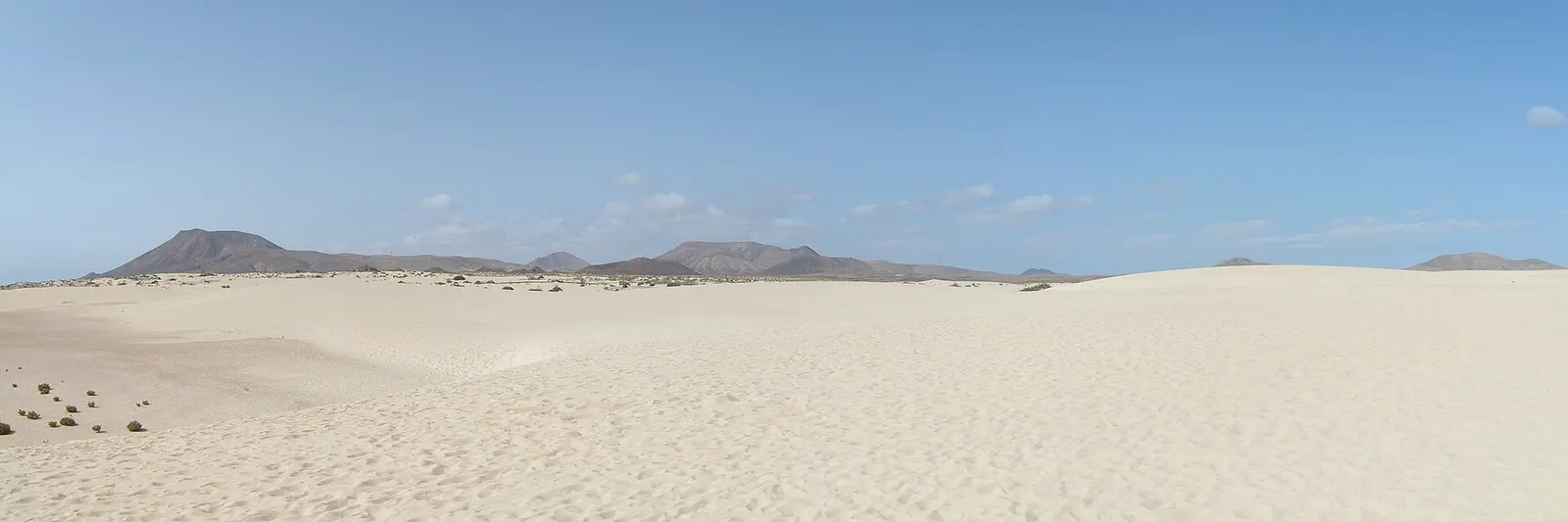
Most people cross the Corralejo dunes by car. The luxury is to park, walk in along a waymarked trail at sunrise or late in the afternoon, and have the sand to yourself.
Fuerteventura
The cooking of a dry island, told with respect: kid goat, puchero majorero, sancocho, pejines and wrinkled potatoes with mojo. What to order and how to eat well in Fuerteventura, away from the noise.
Fuerteventura
A slow day in the quietest corner of northern Fuerteventura: a crater at first light from Lajares, a swim in the El Cotillo lagoons at high tide and the last of the sun at the Tostón lighthouse.
Fuerteventura
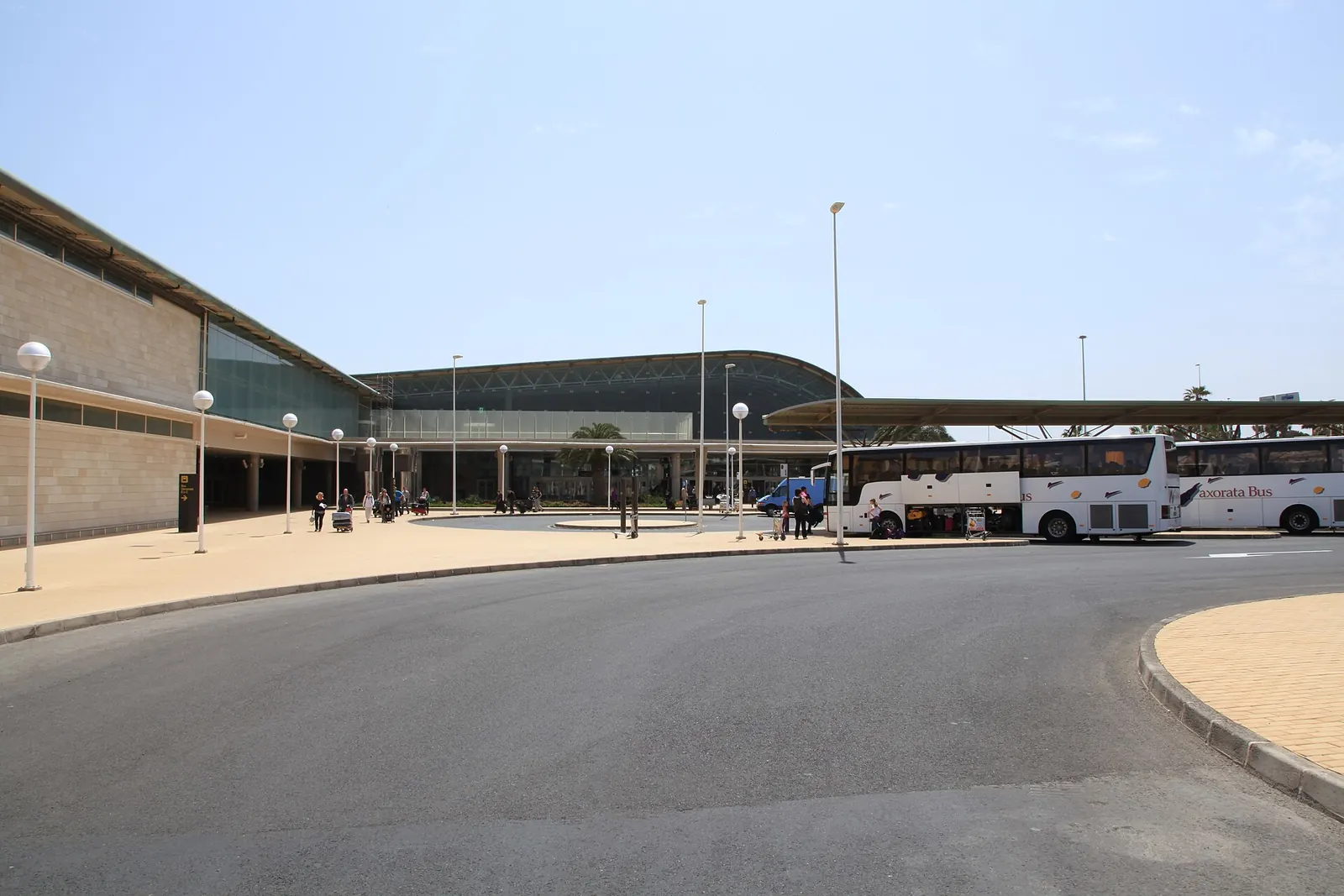
Fuerteventura airport (FUE) sits almost in the middle of the island. Corralejo is close; Jandía is more than an hour away. Car, taxi, transfer or bus, sorted by destination and by how tired you are.
Fuerteventura
The festivals that belong to those who live on the island: the pilgrimage to the Virgen de la Peña, Canarian wrestling, the shared puchero and the village feast days. How to attend as a respectful guest.
Fuerteventura
More than half of Fuerteventura's Biosphere Reserve is ocean. Sailing trips from Morro Jable, cetaceans with no guarantees and no chasing, and turtles returning to the sea: how to look at the island from the water, with respect.
Fuerteventura
When Europe turns cold, Fuerteventura fills with people in no hurry to leave. What it is like to spend January or February here: light, wind, cool water and an island that keeps going at its own pace.
Fuerteventura
Fuerteventura has been a Starlight Reserve since 2015 and has renewed the certification until 2029. What the label means, what the Sicasumbre astronomical viewpoint is like and how to prepare a night under the stars: wind, warm layers and no moon.
Fuerteventura
Carnival in winter, cheese in spring, championship wind in summer, the patron saint in September and kites in November: the Fuerteventura worth travelling for, month by month, with no invented dates.
Fuerteventura
The driest of the large islands makes wine too. Not much of it, young, and grown against the wind. What is produced, how to visit by appointment in the north and why it pairs so well with majorero cheese.
Fuerteventura
A long island where distances deceive. What works by bus, when you need a car, how to cross to Lanzarote or Lobos, and why the track to Cofete asks for a different pace.
Fuerteventura
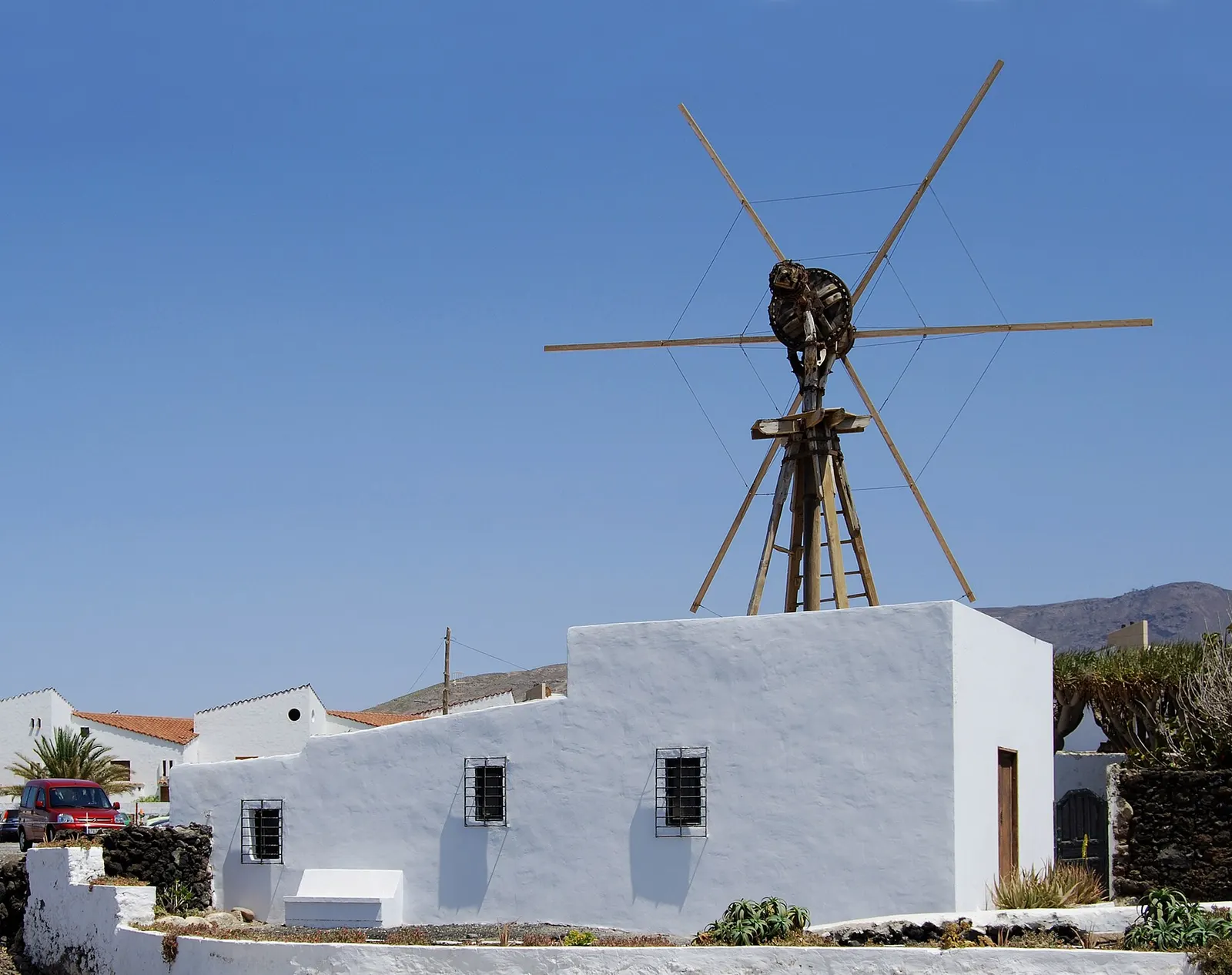
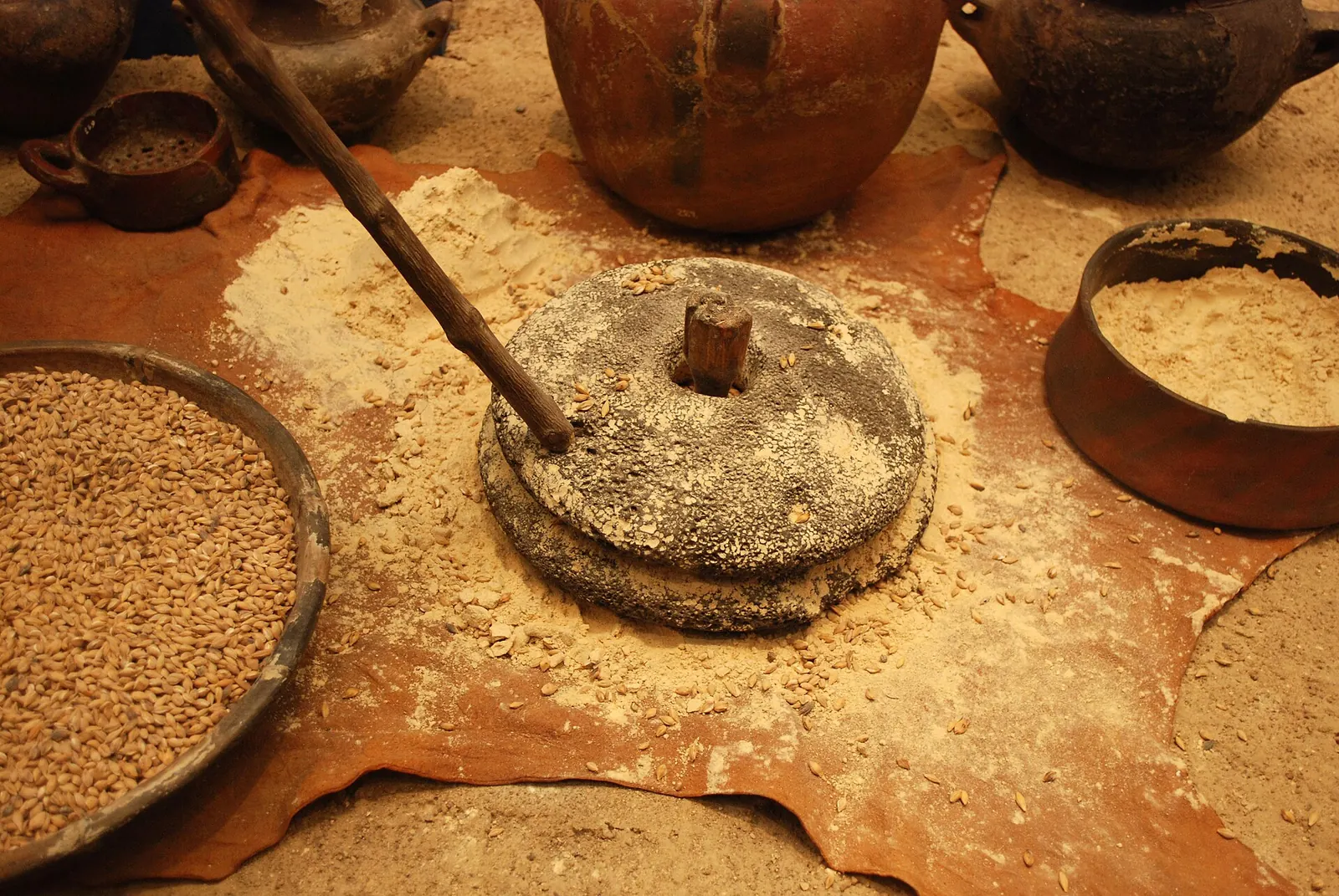
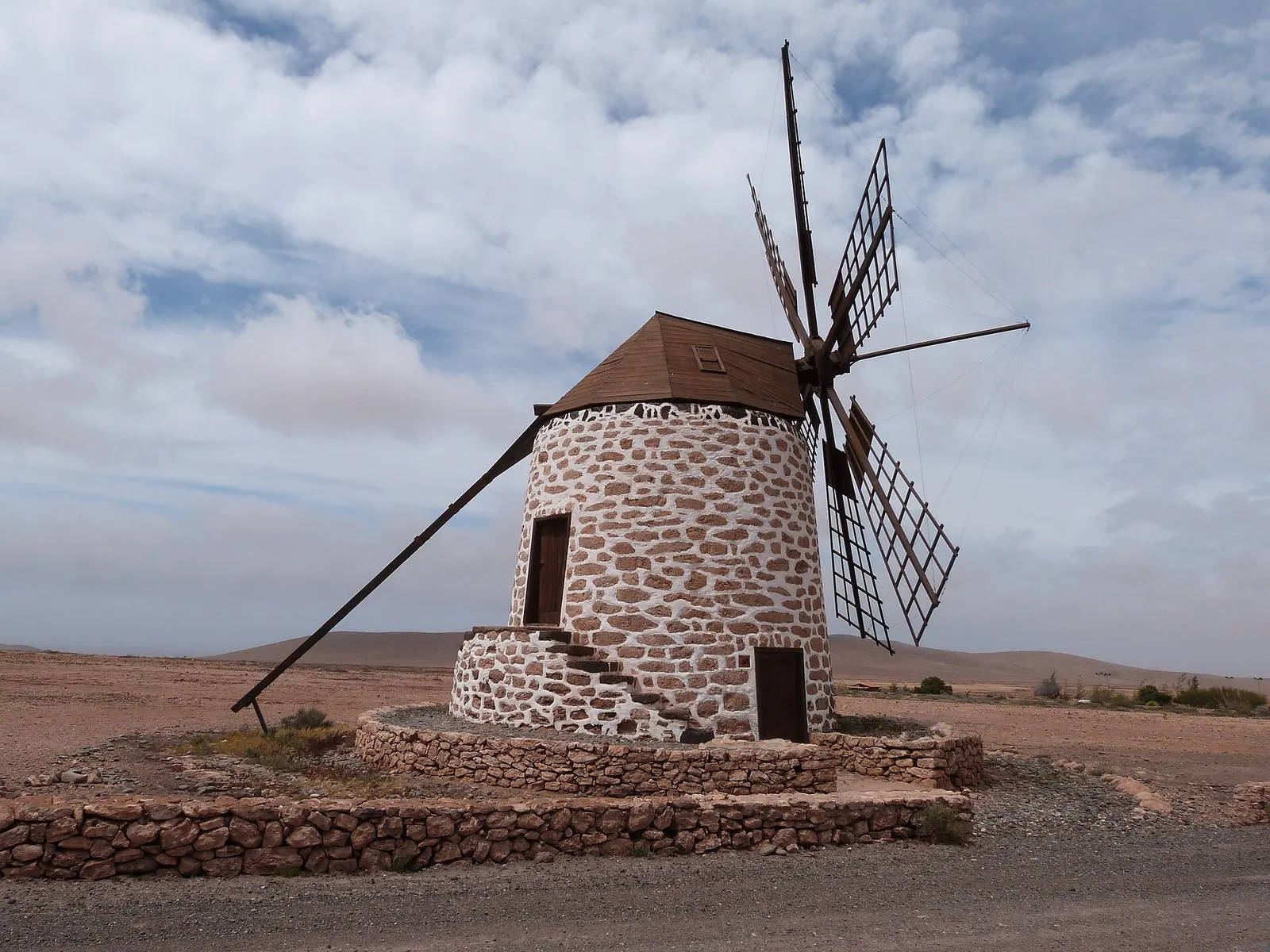
The wind that windsurfers chase today once turned the mills that fed the island. From grain to gofio: the Tiscamanita visitor centre, the windmills of the interior and where to taste it now.
Fuerteventura
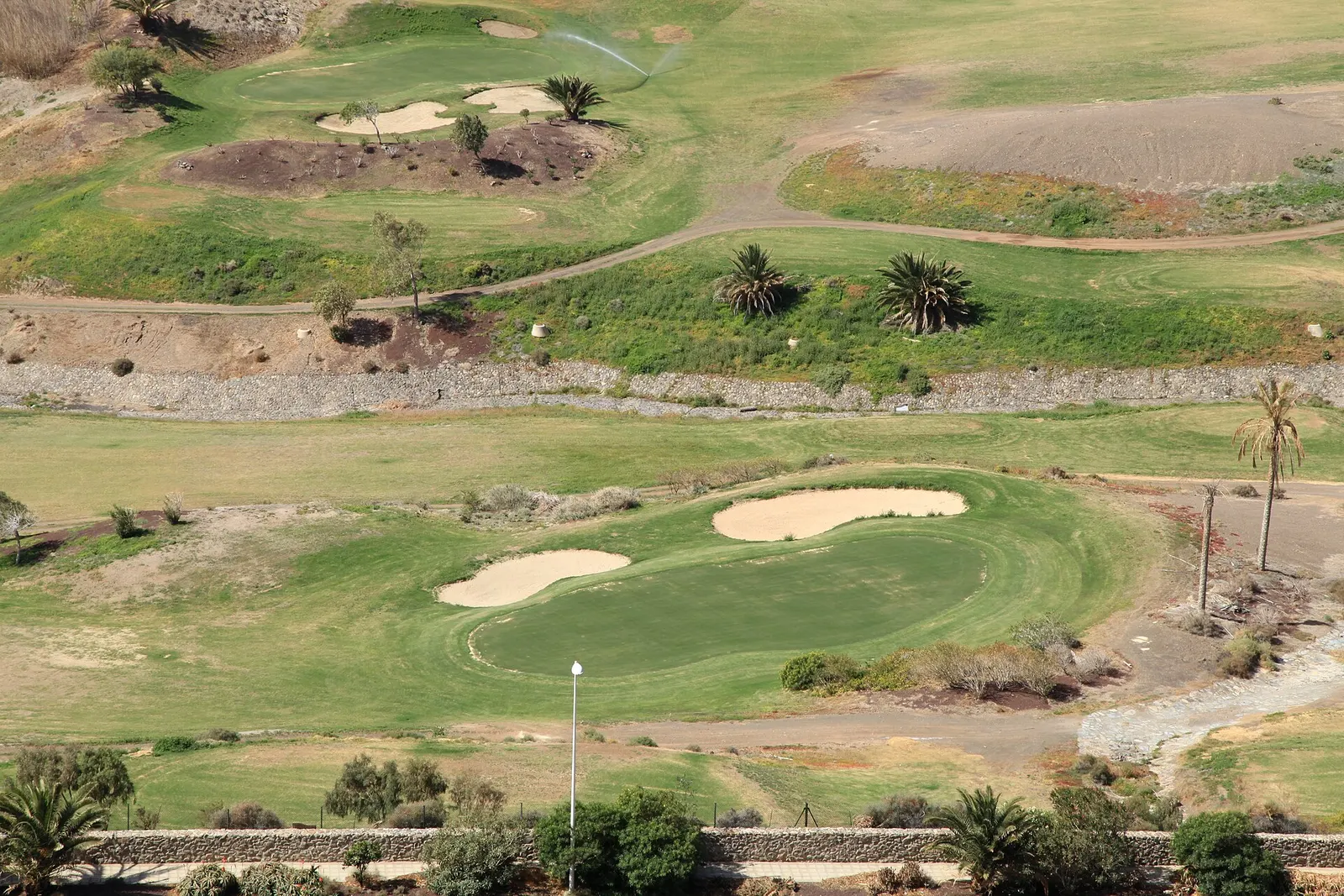
Two courses at Caleta de Fuste, minutes from the airport, and one in the south, near Morro Jable. What each is like, who it suits and how to combine them with where you stay.
Fuerteventura
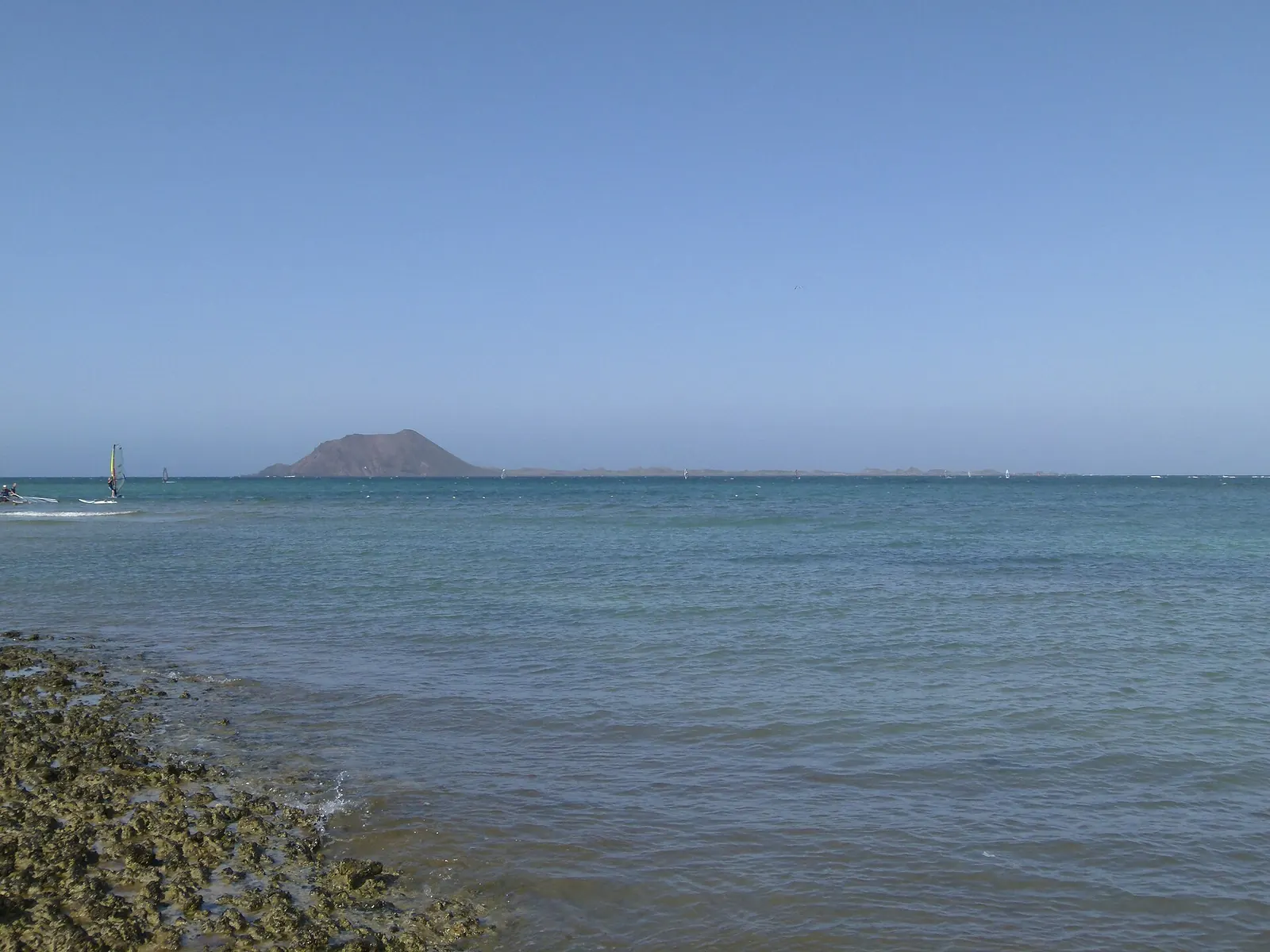
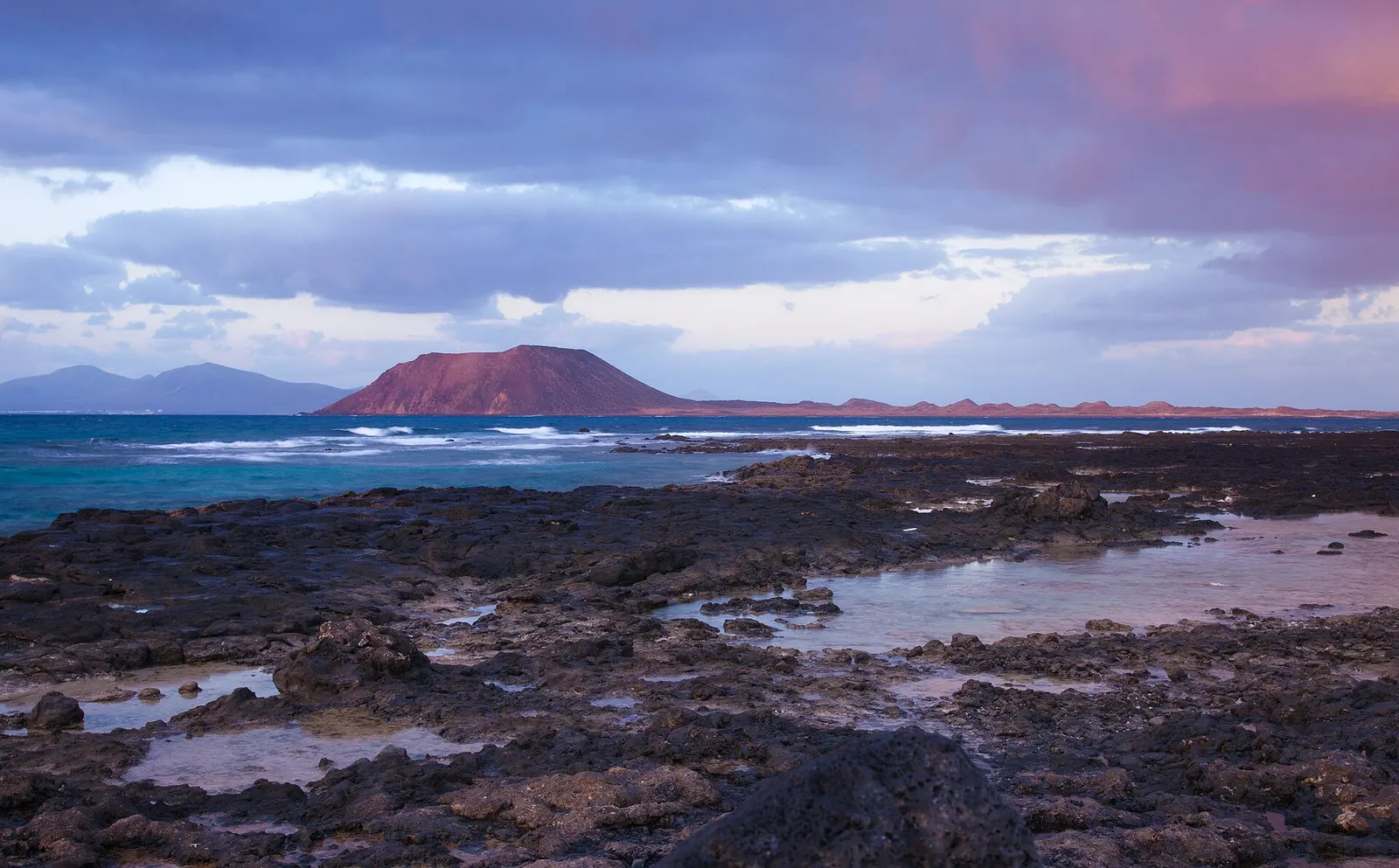
Opposite Corralejo lies an islet you cannot visit on a whim. How to apply for the Cabildo's permit, why the boat is booked separately and which trail crosses Lobos — without ever leaving it.
Fuerteventura
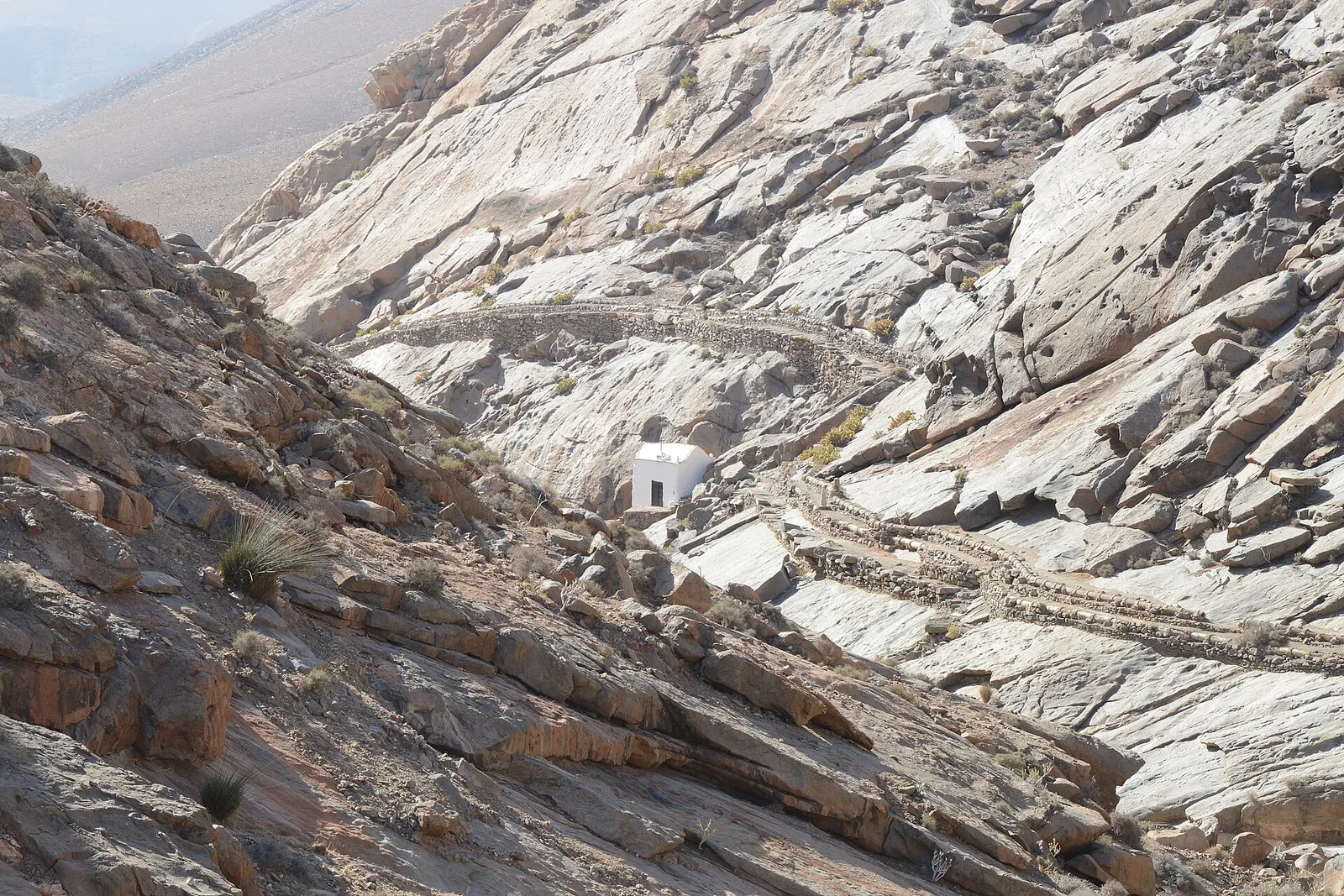
A short walk from Vega de Río Palmas through a ravine that hides a silted-up dam and a tiny chapel set against the rock. Landscape and devotion in a couple of hours, with no shade.
Fuerteventura
The north of Fuerteventura is not only Corralejo. For anyone considering a home on the island, the inland villages of La Oliva offer something else: silence, craftsmanship, surf nearby and a life that does not depend on the season.
Fuerteventura
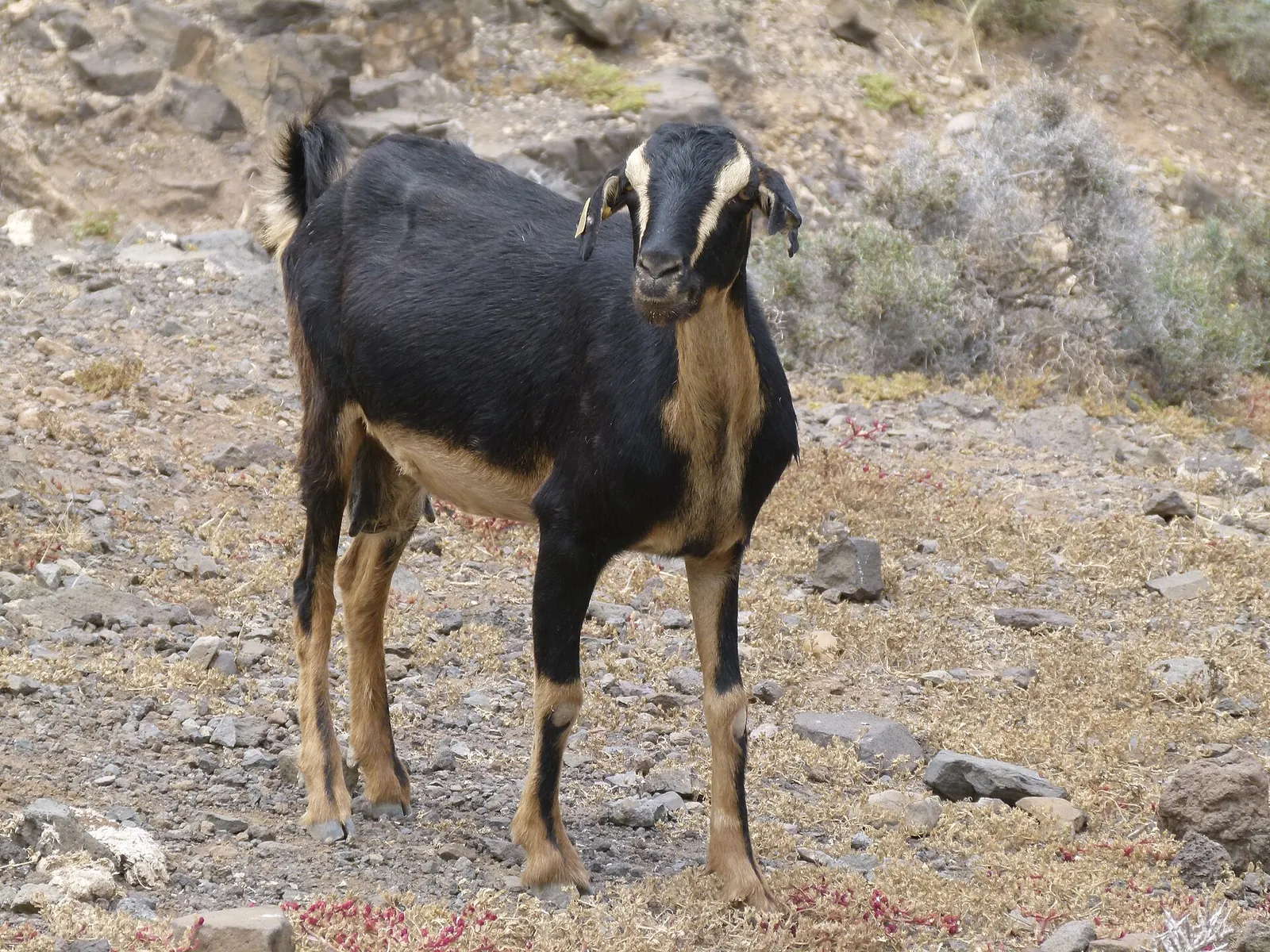
A goat bred for drought and a cheese protected since 1996. What Majorero is, how to tell a fresh cheese from a cured one rubbed with paprika or gofio, and where to buy and taste it unhurriedly.
Fuerteventura
Fuerteventura is not an island of grand hotel palaces, and that is its charm: a handful of small houses, many adults-only, in the north and the south. A considered selection, not a catalogue.
Fuerteventura
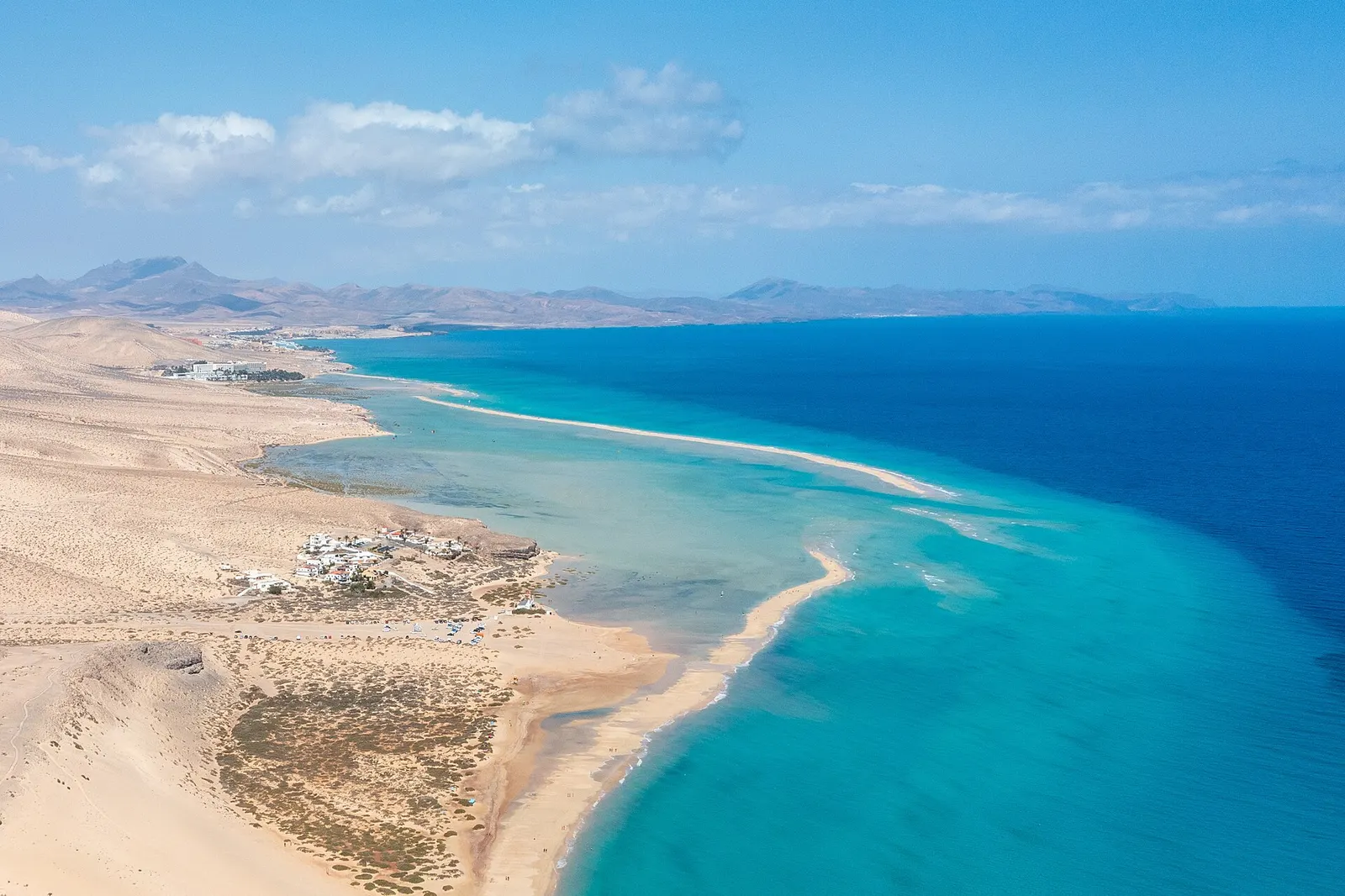
On the shore at Costa Calma, a sandbar separates the ocean from a lagoon that fills and empties with the tide. How to enjoy Sotavento without the August crowds: timing, tides and the wind that made it a world windsurfing venue.
Fuerteventura
The sacred mountain of the Majos holds hundreds of footprint outlines carved into the rock at its summit. For a quarter of a century it was also the site of a Chillida work that was never built. It is to be seen from below.
Fuerteventura
In 1924 Primo de Rivera's dictatorship banished Miguel de Unamuno to an island almost nobody looked at. He found an oasis in its bareness. The house where he lived, in Puerto del Rosario, is now a museum.
Fuerteventura
On an island with no cold season, the question is not the sun but the wind and the sea. What to expect in winter and in summer, honestly and without the brochure.
Formentera
A sunset menu at Cala Saona, lobster on the sand at Migjorn, the Illetes beach shack that could once be reached only by sea. The tables in Formentera that truly deserve a reservation, and how to reach them by land or by boat.
Formentera
Where the sun sets over the sea, at what time, and how to get there without a car. The spas you can book, yoga facing the beach and a sky with Starlight certification. Formentera for those who come to slow down.
Ibiza
Three one-star restaurants in the 2026 MICHELIN Guide, eight recommended tables and two names that are no longer there. Who cooks at each, where it is and how to book.
Formentera
Formentera is reached by sea and understood from it. Where to hire a boat in La Savina, what you can take without a licence, how to anchor at s'Espalmador without touching the posidonia and which restaurants collect you by launch.
Formentera
An island with no airport, six houses and none with more than eighty rooms. Where quiet luxury sleeps in Formentera, what each house offers and which suits your trip.
Menorca
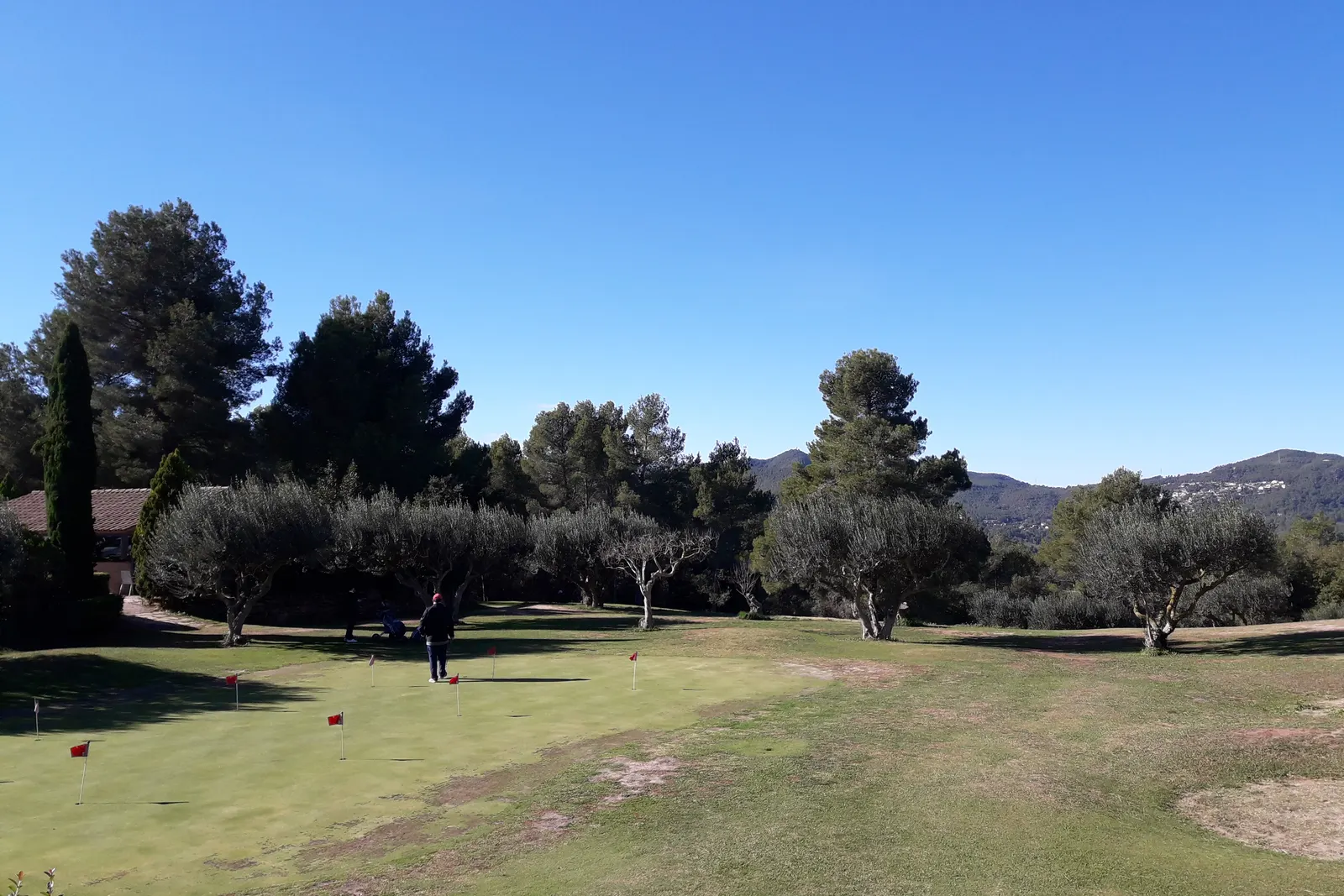
Menorca has a single golf course: Golf Son Parc, 18 holes among pine woods on the north coast, open all year. What it's like, when to play it, and how to get there from the airport with your clubs.
Mallorca
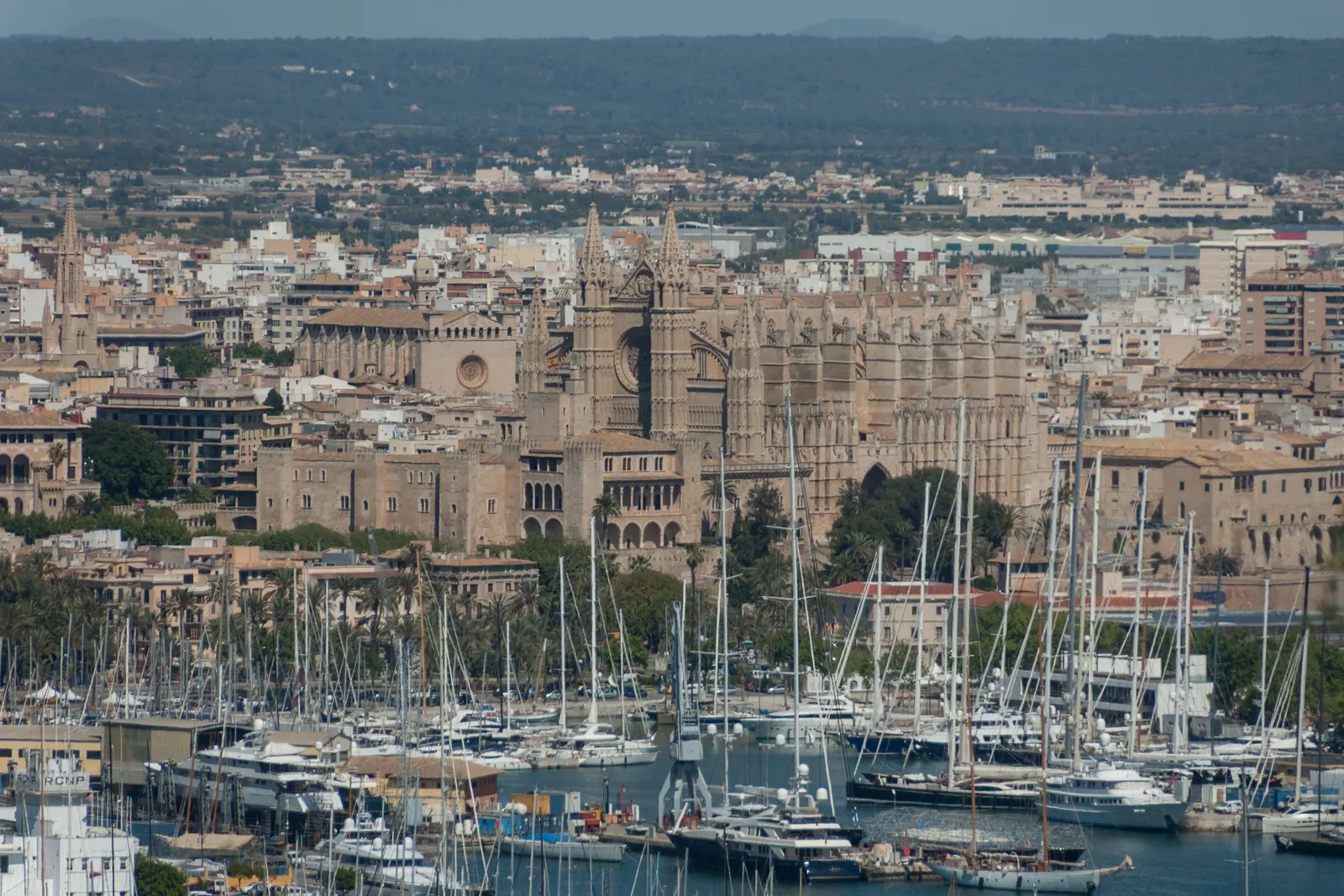
Your journey doesn't end at a hotel: it ends on a pontoon. A port-by-port guide —Palma, Portals, Port Adriano, Andratx, Sóller, Alcúdia, Pollença and the east— to getting from the plane to your berth, your yacht or your charter without friction.
Mallorca
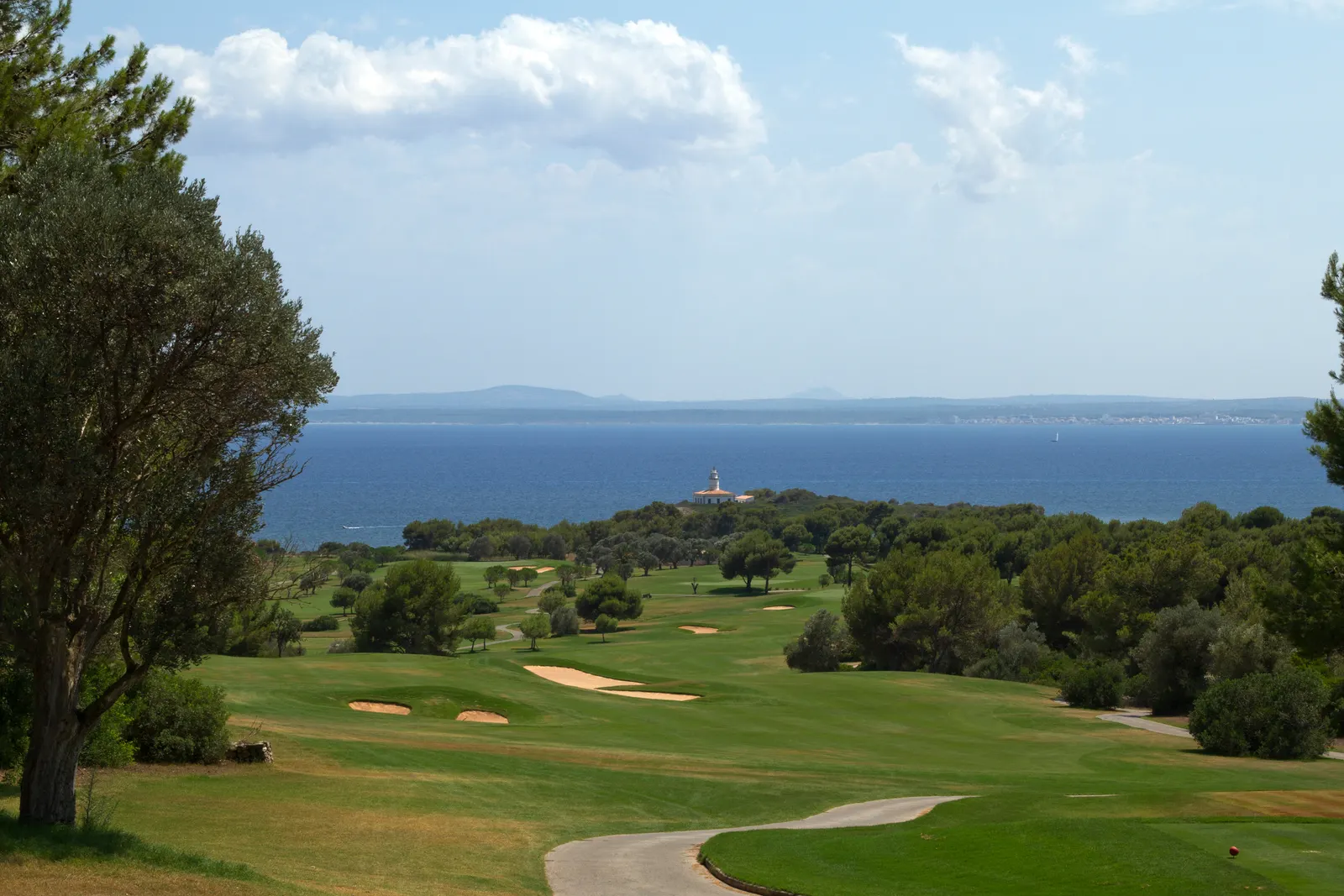
Some twenty courses, two zones and one rule: the ones around Palma are twenty minutes from the airport; those in the north and east, an hour. A guide to Mallorca's courses and how to reach each one with your clubs.
Ibiza
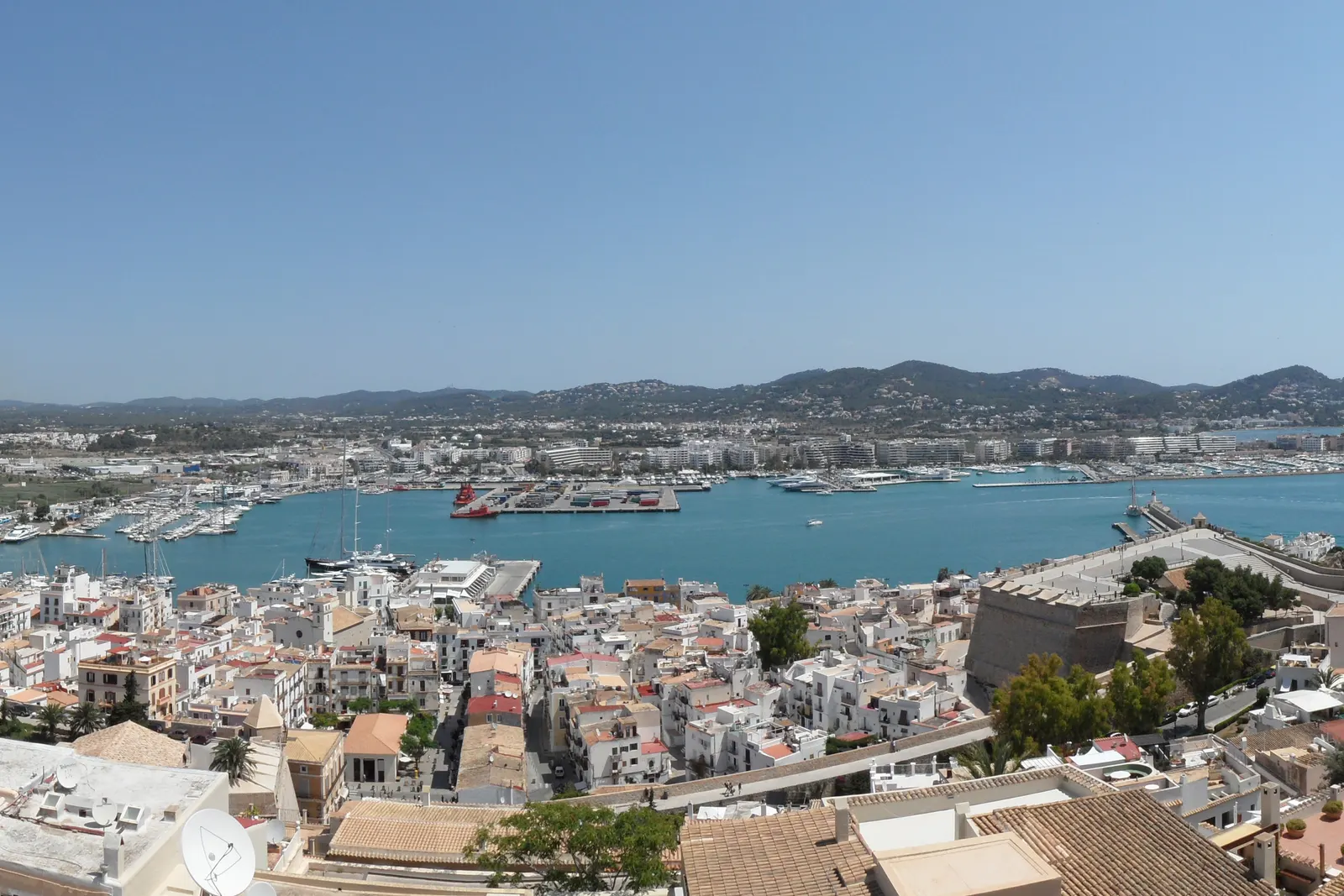
From the plane to the pontoon in Ibiza: Marina Ibiza, Botafoc, Marina Port Ibiza, Santa Eulària and Sant Antoni. How long it takes, which marina is which, and how to get there with your boat luggage to your yacht or your charter.
Ibiza
Ibiza has a single golf club: Golf Ibiza, 27 holes in a pine valley in Santa Eulària, a quarter of an hour from the city. What it's like, what you need to play, and how to get there from the airport with your clubs.
Menorca
Opera and zarzuela at the Teatre Principal, Talayotic visits with archaeologists, cheese and red-cow festivals, races along the Camí de Cavalls and the Christmas fairs: the Menorca that comes alive outside summer, month by month, and how to get there from the airport.
Mallorca
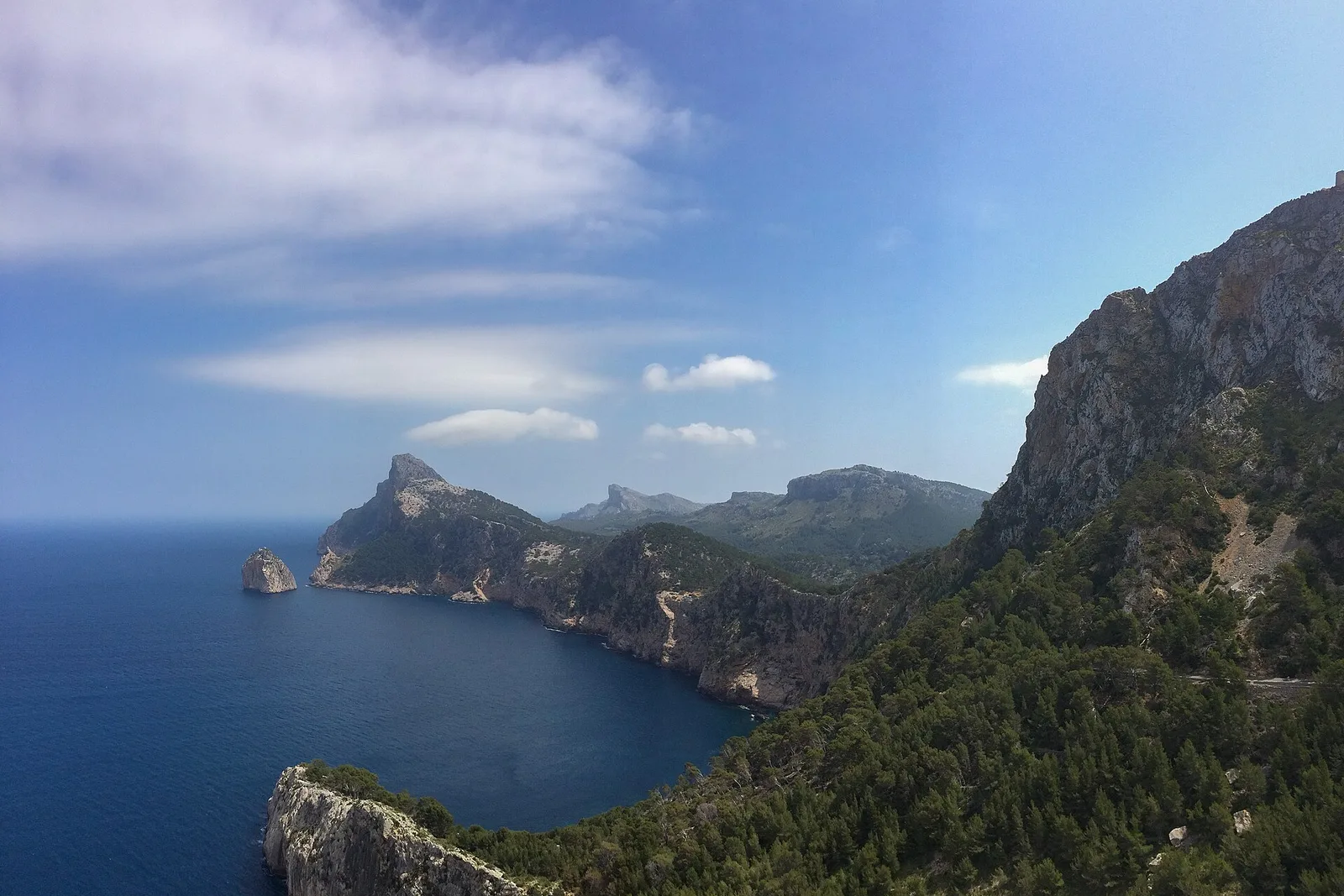
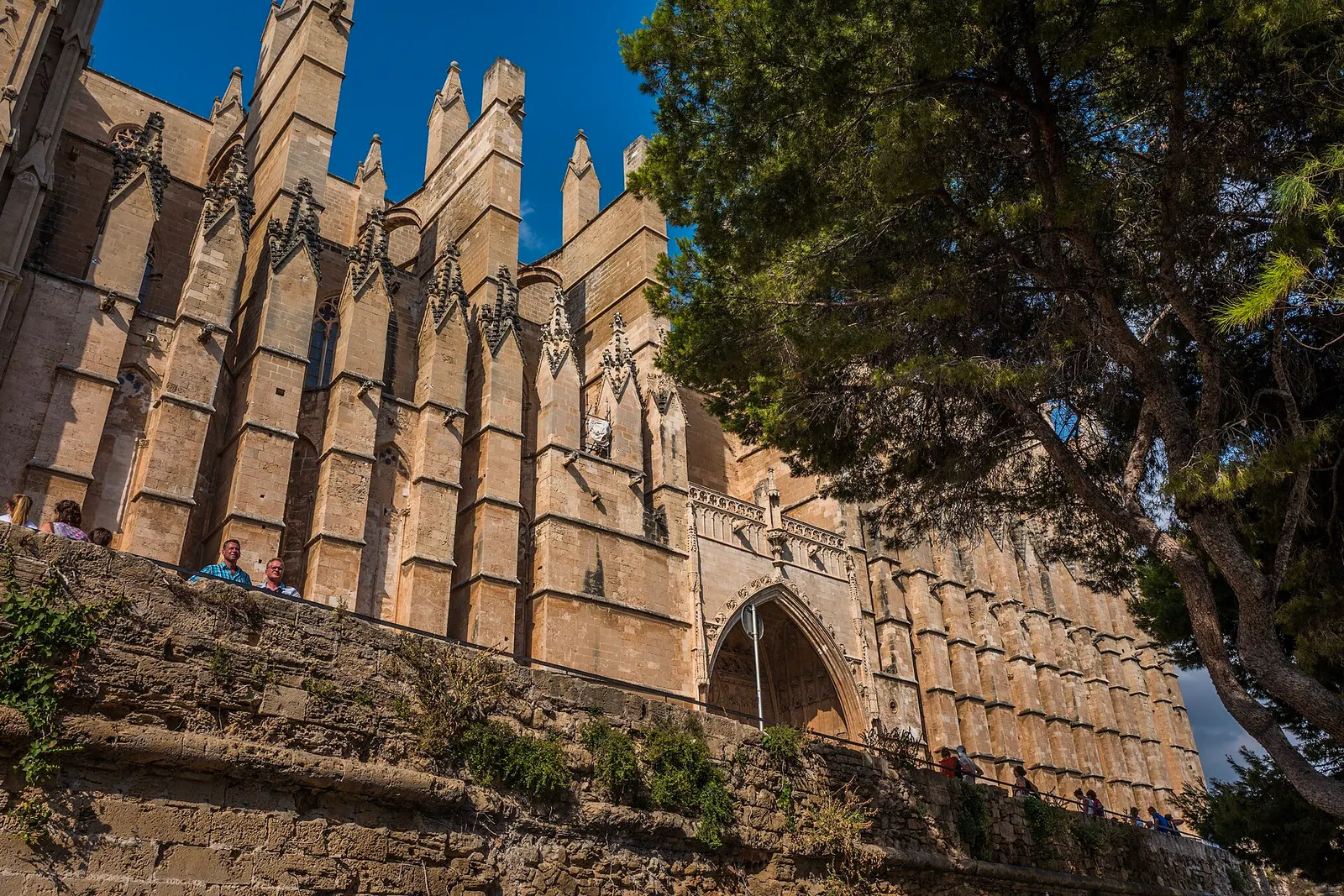
Formentor, the Caló des Moro, Es Trenc, the cathedral. Mallorca's most photographed places each have an hour, a day or a door when they fall quiet again. Here is the key to each one.
Mallorca
Opera at the Principal, the Tramuntana at a run, the Sant Antoni bonfires, Pollença's Davallament and the boat show: the Mallorca that justifies the trip outside August, month by month, and how to get there from the airport.
Mallorca
An unspoilt cove with no road, a castle at 821 metres, and the archipelago that thousands of Napoleon's soldiers never left. Mallorca has three protected places where you can spend the night, and almost nobody does.
Ibiza
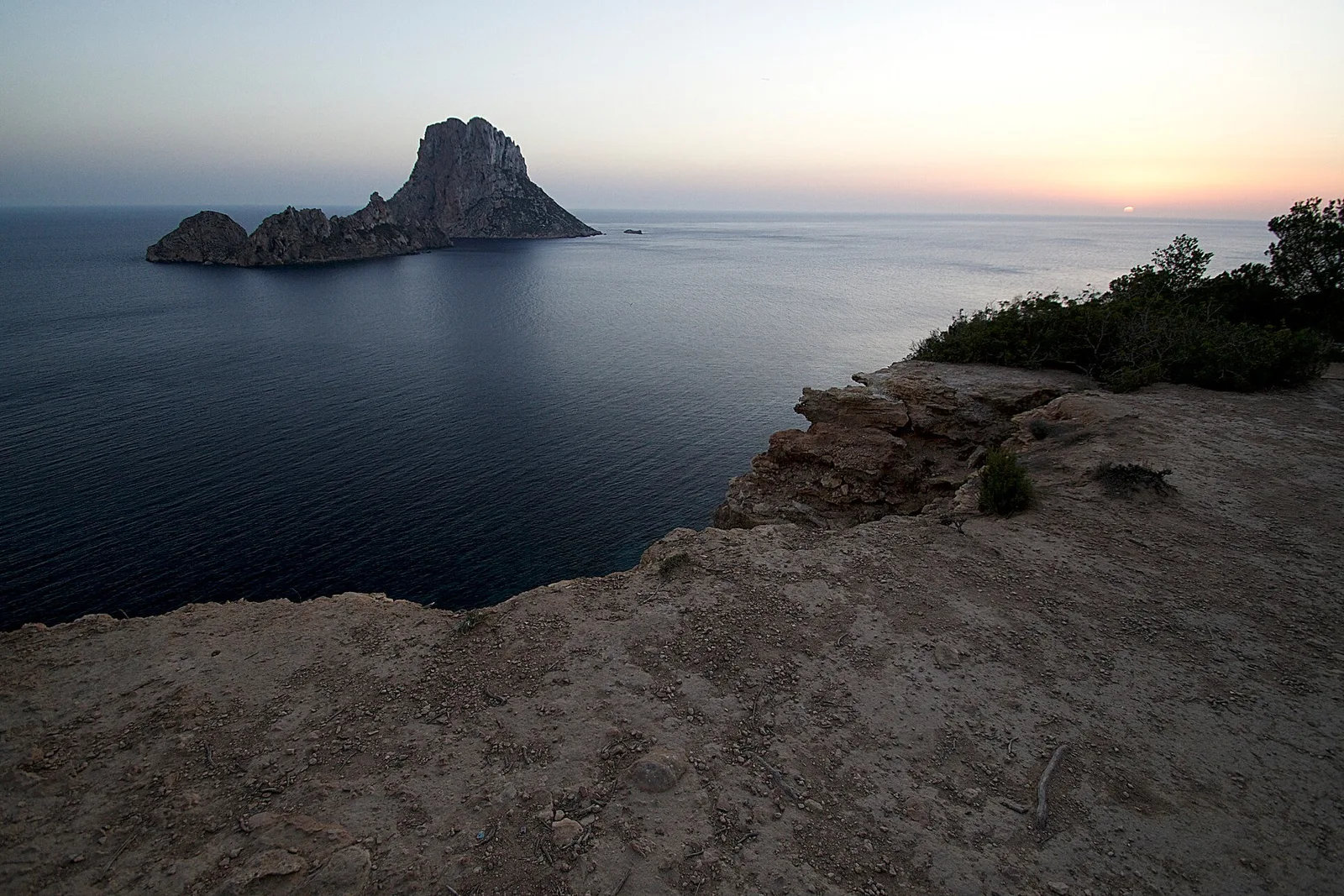
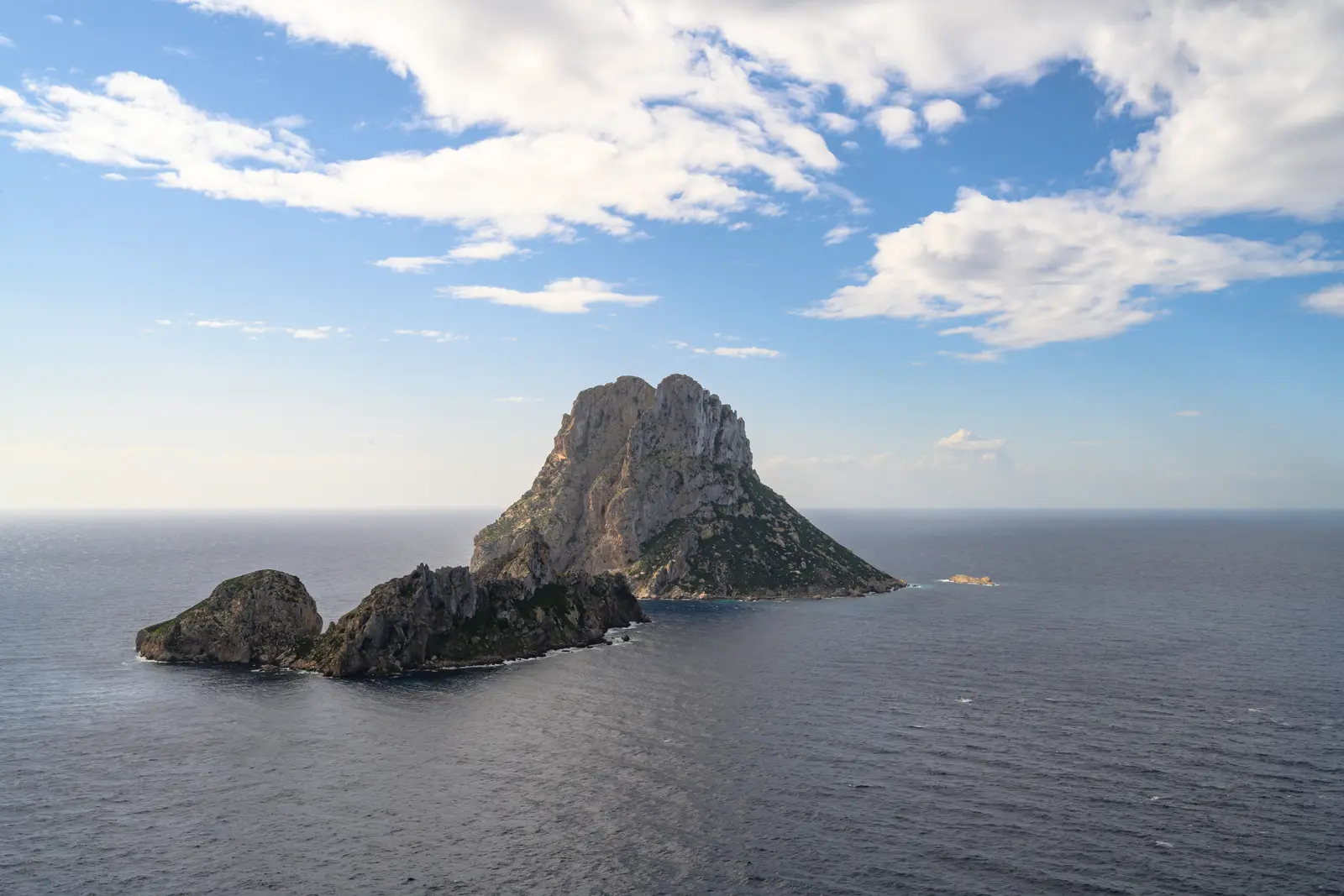
Since February 2025, the landowners have closed the es Vedrà viewpoint and the path to "Atlantis". Ibiza's most famous view is still there: what has changed is where you look at it from.
Ibiza
Cala Comte, Cala Salada, Benirràs, ses Salines, Las Dalias. Ibiza's postcard views come with access controls, shuttle buses and peak hours that change every season. Here is the hour —and the alternative— for each one in 2026.
Ibiza
Jazz in October, the Fira de la Sal, the inland villages' own festivals, Holy Week within the walls, and two marathons with the sea alongside: the Ibiza you find outside club season, and how to get there from the airport.
Formentera
Ses Illetes, Barbaria, Caló des Mort, la Mola. Formentera's postcard views have access controls from May to October, and they all reward the same thing: arriving early, on foot or by bicycle.
Formentera
Formentera is known for its beaches. But it also holds a Roman fort left unfinished by a war between emperors, the oldest megalithic tomb in the Balearics, boats that sleep in caves, and a seagrass credited with ages even its own discoverers do not claim.
Formentera
A festival capped at 350 people, a triathlon and a sunset run in Es Pujols, the La Mola mountain-bike ride, the Caramelles de Nadal and a lap of the island along the coast: the Formentera worth taking the boat for, month by month, and how to get there from Ibiza airport.
Mallorca
A military fortress turned hotel with its spa cut into the rock, a 14th-century castle with a Michelin star, and Tramuntana estates with very few keys: where the luxury that does not shout sleeps.
Mallorca
Mallorca's three biggest celebrations are not in August: they fall in November and January. What they are, when, where, and what you actually see at each.
Mallorca
Sa Foradada, the Torrent de Pareis, the roadless coves of the southeast. Mallorca has a coastline that, from land, you see with its back turned — and a marina for every stretch of it.
Mallorca
Eleven starred restaurants, the only two-star in the whole of the Balearics and four green stars. Where they are, what each one stands for and which one fits your trip.
Mallorca
You have just landed at Palma (PMI) and you want to reach your accommodation without the stress. Bus, taxi, hire car or a booked transfer: which one suits your case.
Mallorca
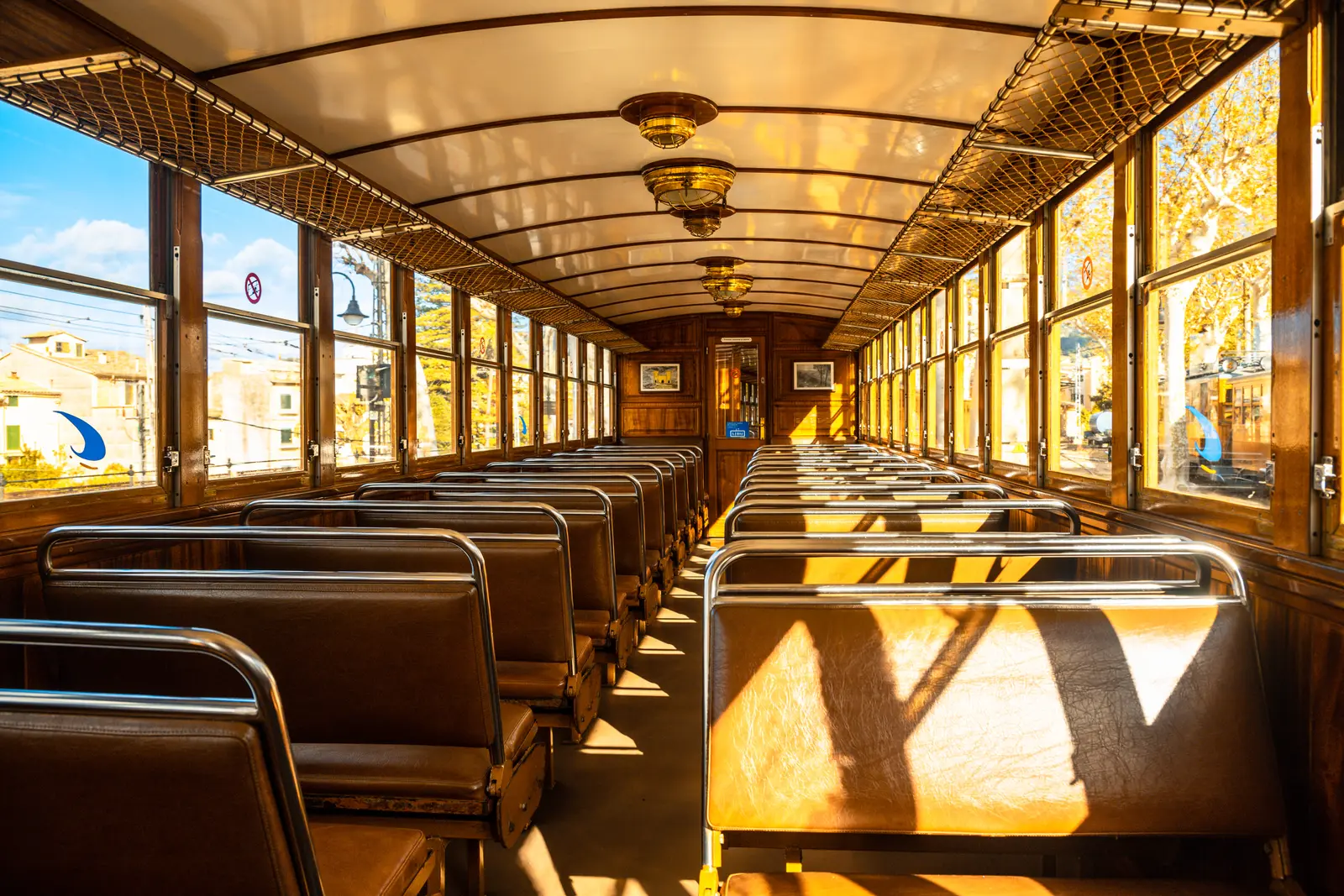
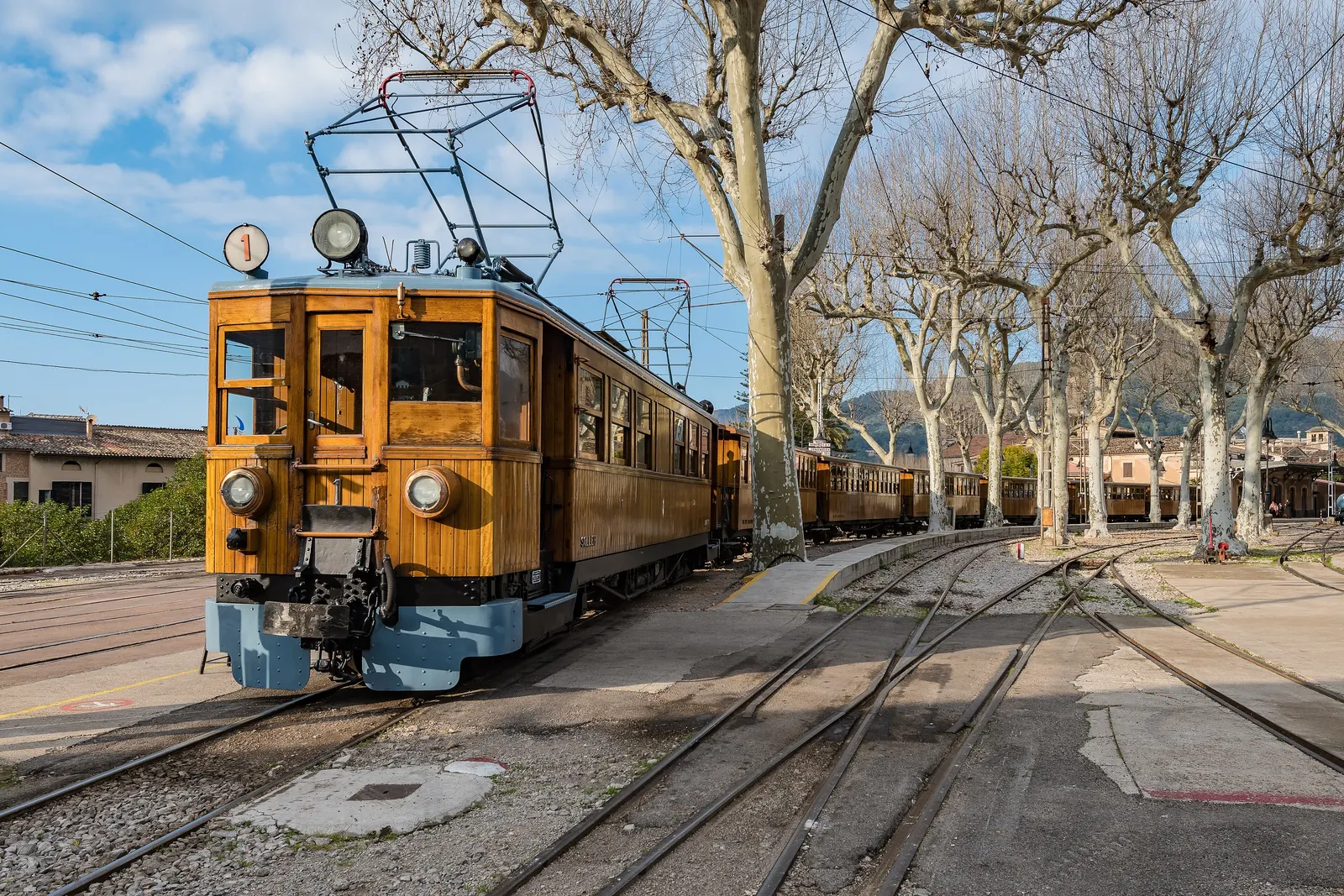
Yes, in what matters: wood, brass and leather, on the line opened in 1912 to get oranges out of the valley. It is not an attraction built for visitors; it is the railway that survived.
Mallorca
No. Three months of rain, cold and illness, and an early departure. Out of that miserable winter came the Preludes Op. 28.
Ibiza
No. And it is worth saying early, because the legend of the magnetic islet has spent decades crowding out the stories about Ibiza that are true, and rather more interesting.
Ibiza
You have just landed at Ibiza (IBZ). Five bus lines leave the airport, and paying your fare in cash costs almost 40% more. What to know before you walk out of the terminal.
Ibiza
Three of Ibiza's four big festivals fall outside the season: January, February and June. What they are, when, and what you actually see at each.
Ibiza
Ibiza's best coves have no car park; they have an anchorage. Why a day on a boat changes the whole island, and what you see from the water that you never see from the road.
Ibiza
A two-thousand-square-metre spa above Xarraca bay, suspended waterfalls 180 metres over the sea and agroturismos among olive trees: the Ibiza booked months ahead that appears on no party list.
Ibiza
Beneath club Ibiza there is a farming and fishing kitchen that is still there. What to order and where it makes sense to look for it.
Ibiza
From 1 June to 30 September you cannot bring a car without booking. What you have to do, who is exempt and what it costs.
Ibiza
From November to April the island empties and another one appears. What closes, what stays open, and why it is the best time to really know it.
Ibiza
The west coast is where Ibiza faces the sunset. Which coves are there, what you see from each one, and the hour they stop being crowded.
Ibiza
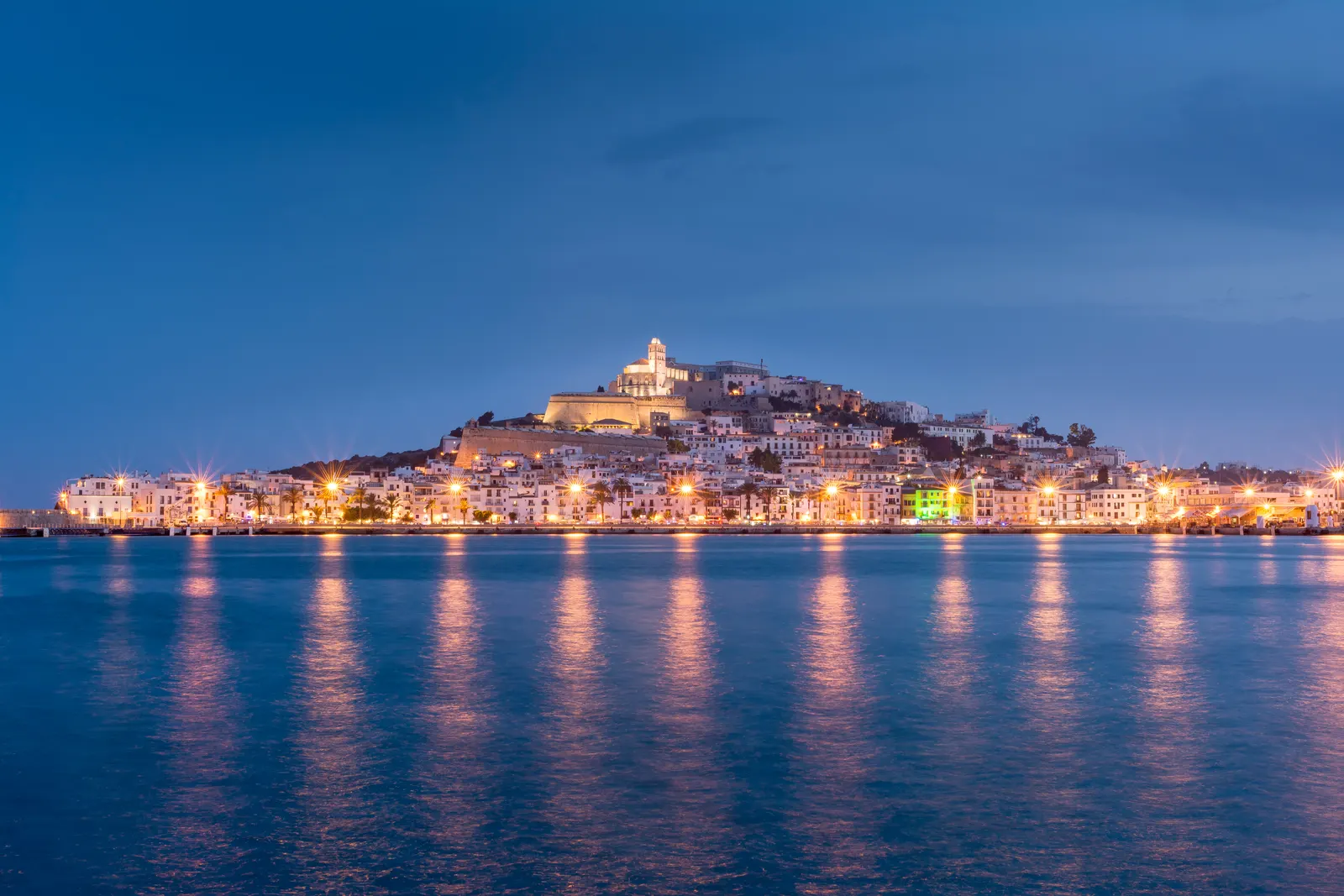
It is not only Dalt Vila. The site is called 'Ibiza, Biodiversity and Culture' and it is four things, one of them underwater.
Formentera
An island with no fresh water and no big harbour cooks differently. What to order, what peix sec is, and why people eat late here.
Formentera
Twenty kilometres of island, a lighthouse at each end and one road in between. How to cover it without turning it into a race.
Formentera
From November to April the island is left almost alone. What closes, what does not, and why some people come exactly then.
Formentera
Formentera is reached only by boat, and bringing a vehicle means booking a slot. What to know before planning the trip.
Formentera
A square, a fortified church and the place where the island actually lives. Why it deserves more than the ten minutes it usually gets.
Mallorca
Regulated parking, restricted-access zones and roads that fill up by mid-morning. What to know before heading up into the Serra, and when public transport is simply the better idea.
Mallorca
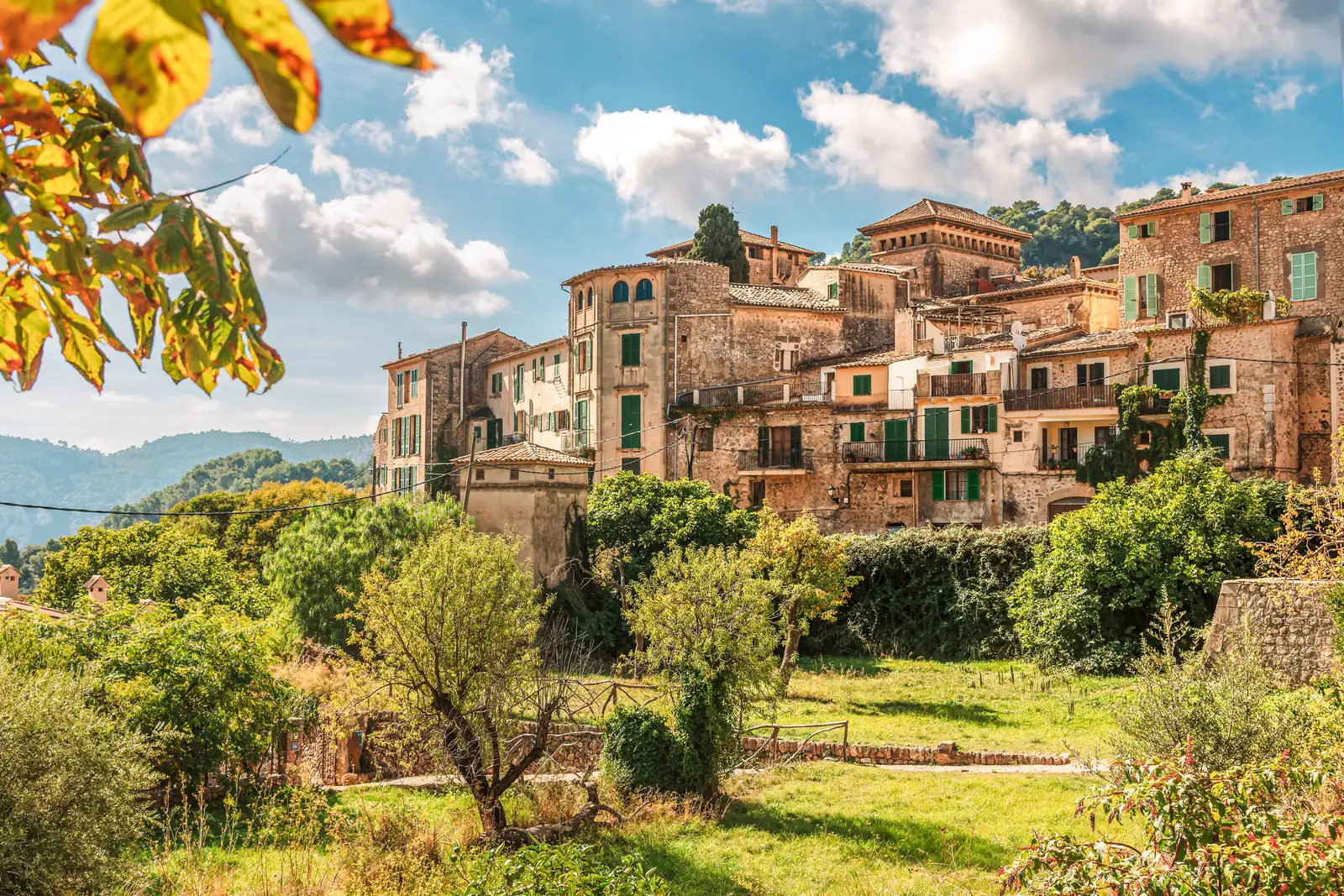
Stone villages whose streets are staircases, roads that close, winters of mist and orange trees. What the Serra is like the other ten months, for anyone considering more than a visit.
Mallorca
From Valldemossa to Sa Calobra along Mallorca's finest road. What to see, in what order and at what hour, so the day doesn't turn into a queue of coaches.
Mallorca
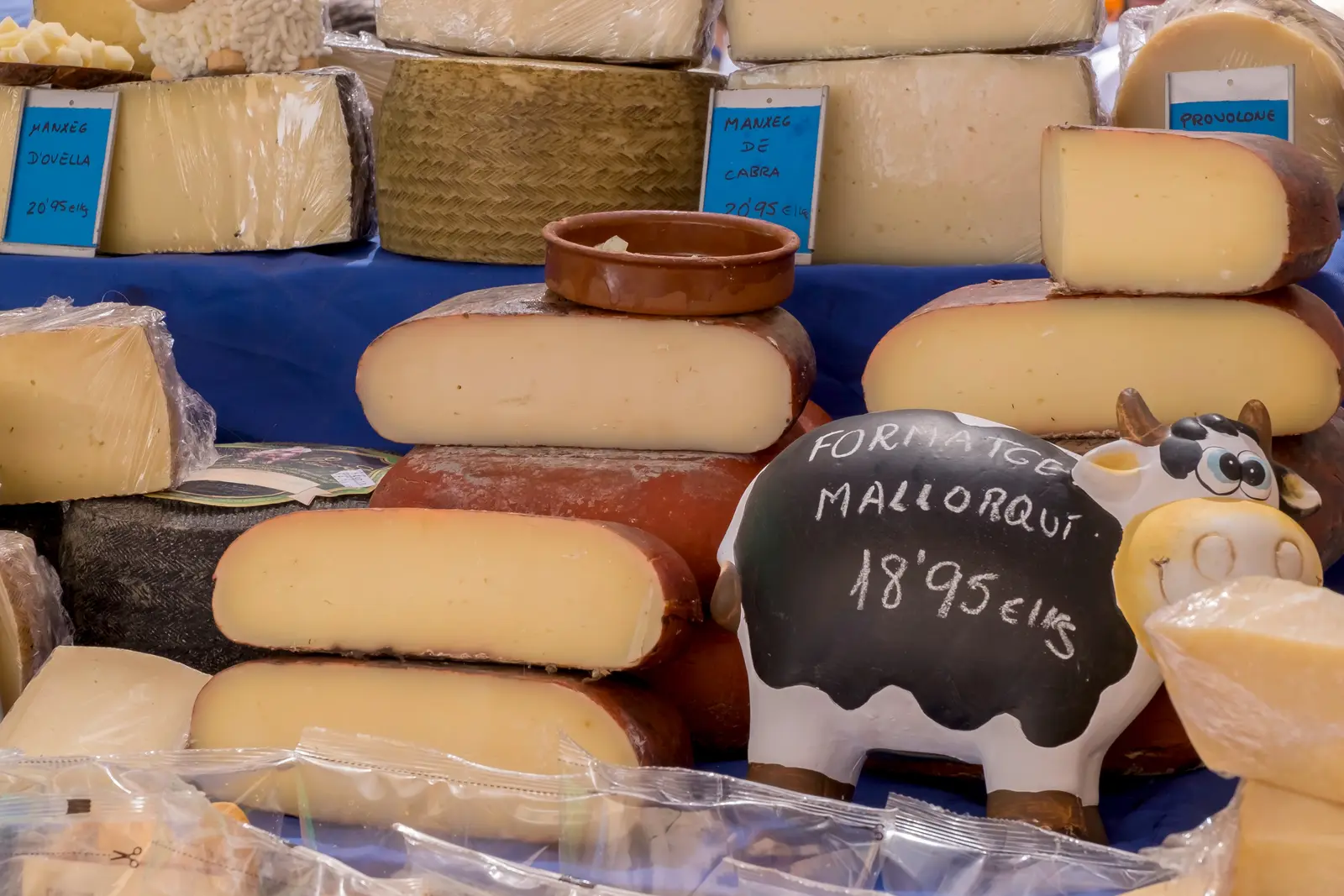
Not everything sold as Mallorcan is. These are the designations that are officially protected, and what each seal means when you see it on a label.
Mallorca
In 2011 UNESCO did not list some pretty mountains. It listed a system: dry-stone terraces, channels, mills and a way of living off water where there is none.
Menorca
Calm, shallow beaches with lifeguards and shade, plans for rainy days and the tramontana, which festivals to bring children to, and where to stay by area: Menorca with kids, told with judgement.
Menorca
17th-century fincas with spas in the old cisterns, clifftop suites with their own cove, and old-town palaces: where luxury sleeps without raising its voice.
Menorca
Three well-chosen days are enough to understand Menorca: Mahon and its harbour, Ciutadella with a southern cove, and the north around Fornells. A long-weekend itinerary that argues for doing less.
Menorca
From Sant Joan in Ciutadella to the September close in Es Mercadal and Alaior: Menorca's festival calendar for 2026, town by town, with the jaleo, the caixers and how to live it all unhurried.
Menorca
The Menorca map you are looking for, in six pieces made on the island: the coves by today's wind, the night and its sunsets, the itinerary, the places, fine dining and the diary.
Menorca
A sea still warm, the festivals that see summer off and the finest walking light of the year. Our reading of the island's two most serene months.
Menorca
Two sister islands, two ways of travelling. What each one genuinely does better, and which to choose if what you want is calm, space and time.
Menorca
Museums, covered markets, cheese, gin and wine tastings, and a spa set in a grotto: eight calm plans for a rainy day on the island.
Menorca
From Binibeca Vell to Fornells, from stately Ciutadella to the silence of Es Migjorn Gran: nine villages worth the trip, chosen with judgement. Living places, not film sets.
Menorca
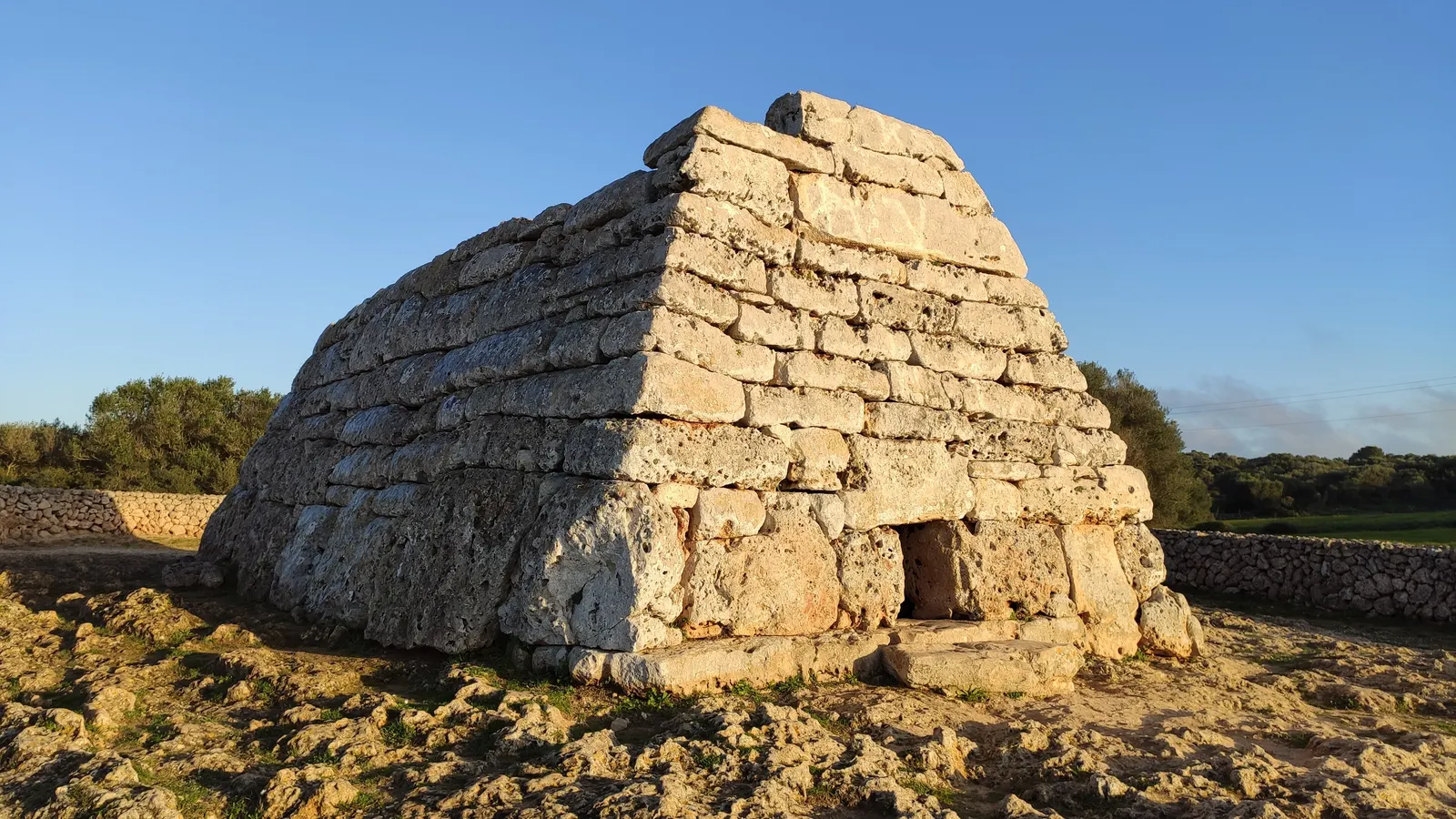
From the Camí de Cavalls to the Naveta des Tudons, from uncrowded coves to lobster stew in Fornells: twelve ways to live the island slowly, in 2026 and all 365 days of the year.
Menorca
Quarries turned into a stone cathedral, a harbour island with three lives, copper-still gin, a wetland at dawn. Seven real plans, open to anyone and still genuinely quiet, far from the cove circuit.
Menorca
No beach bar, no lifeguard, no buildings on the shoreline and reachable only on foot: the eleven coves in Menorca that still have nothing, checked one by one.
Menorca
From the lobster stew of Fornells to the farm estates inland: sixteen tables checked in 2026 that justify, on their own, crossing the island.
Menorca
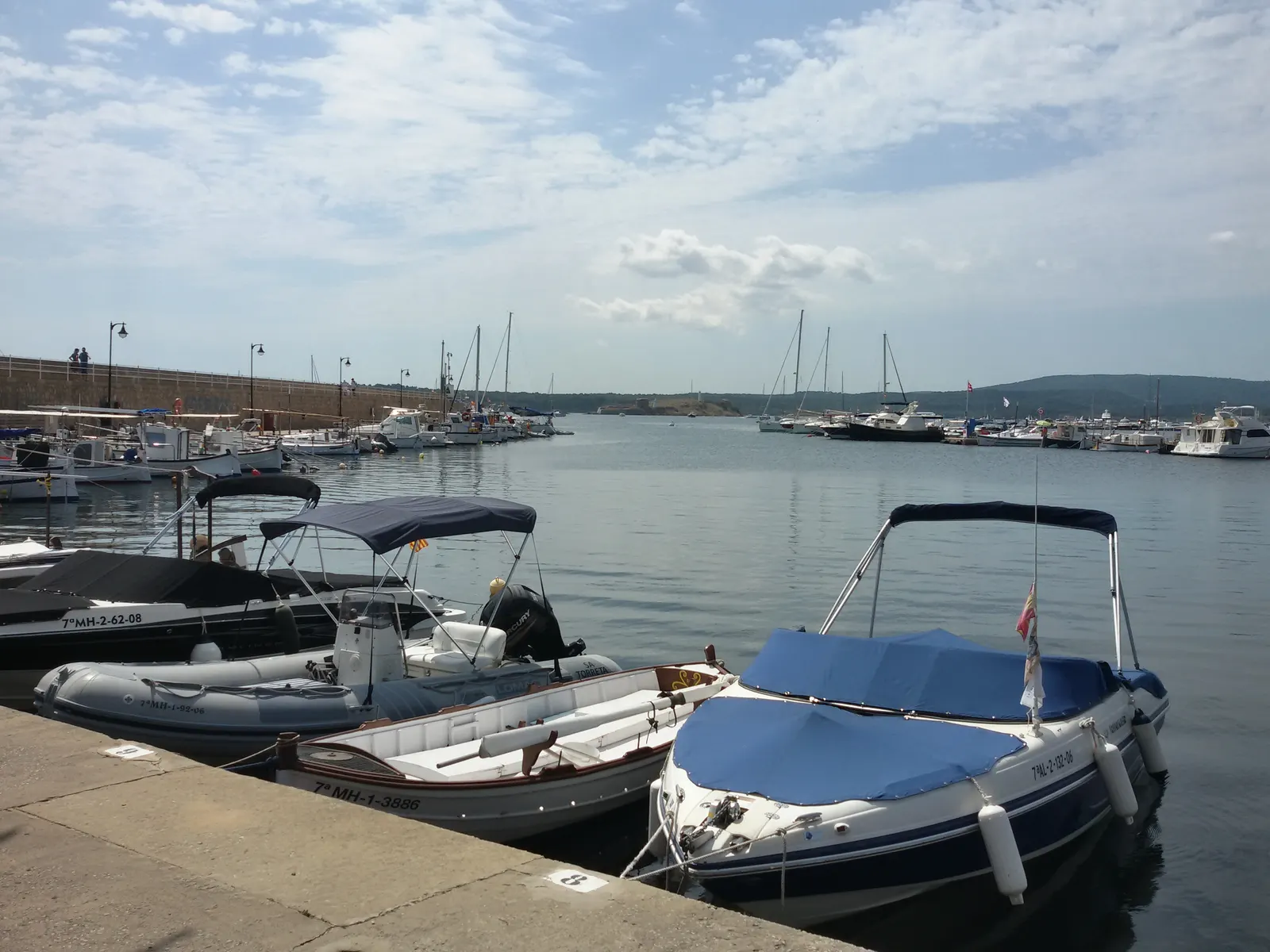
Your journey doesn't end at a hotel: it ends on a pontoon. A port-by-port guide —Maó, Ciutadella, Cala en Bosch, Fornells and Addaia— to getting from the plane to your berth or your charter without friction.
Menorca
Check-in Saturday has its own liturgy: the base, the soft bags, the market shop and a transfer that arrives on time. How to start the week sailing, not rushing.
Menorca
Three fishermen's guilds, two fleets and a handful of species that explain the island. How it is fished, when each fish is at its best and where to eat it by area —with judgement, and no restaurant names.
Menorca
Oliaigua, the arròs de la terra that has no rice, the greixeres and the Easter pies. Menorcan home cooking —the food that marks the year's calendar and hardly ever reaches a menu.
Menorca
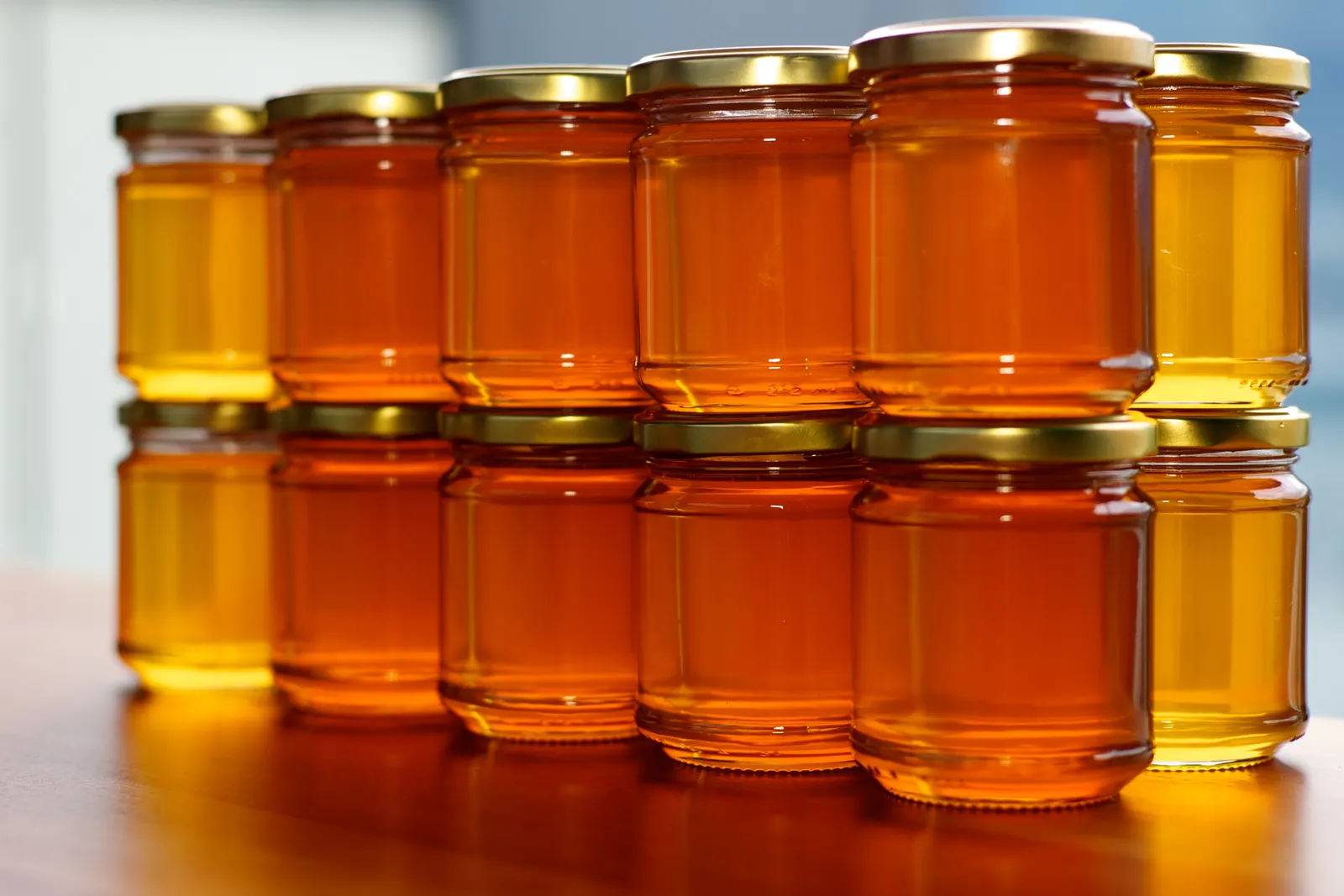
An island that is a biosphere reserve, some sixteen hundred hives and barely half a dozen producers with a brand of their own. Menorcan honey, told with what can honestly be said.
Menorca
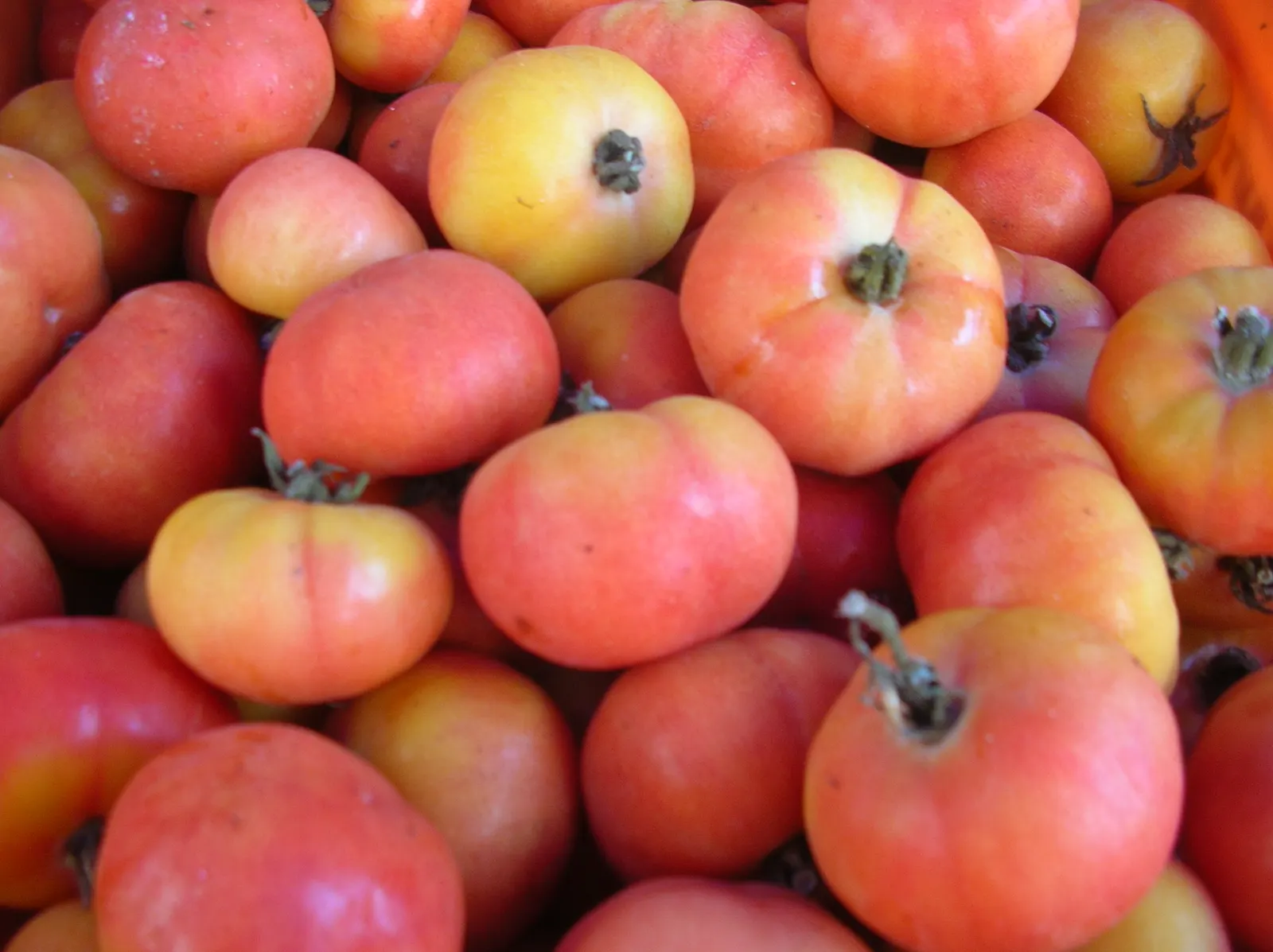
Menorca made oil in Roman times, lost it for almost seventy years and has brought it back in the 21st century. That, and a market garden whose emblem is a tomato you hang up to last all winter.
Menorca
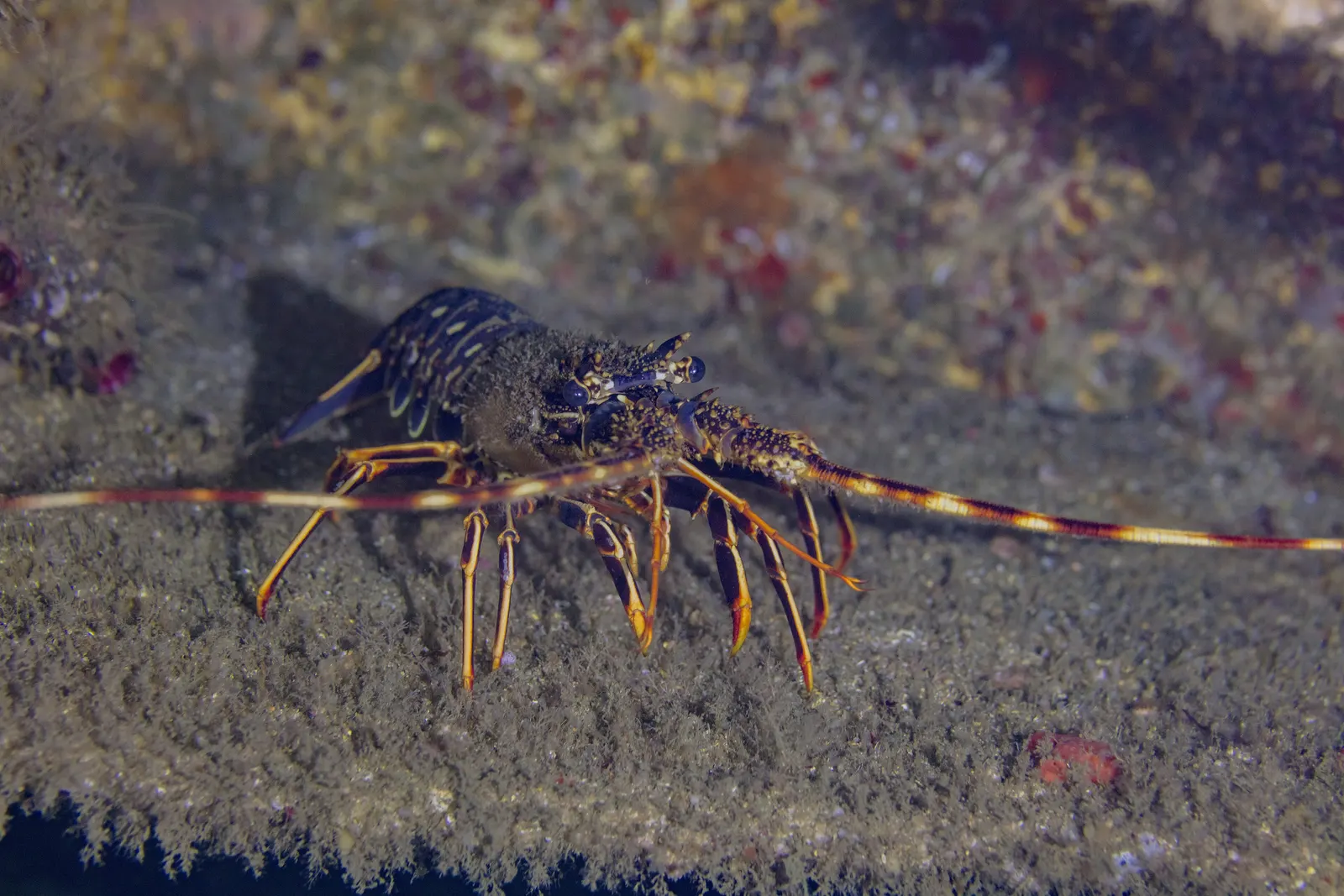
It is fished only five months a year, in pots, in the marine reserve of the north. We tell you its season, its closure and —most important— how to tell a Menorcan lobster from an imported one.
Menorca
Not a price table, but the judgement to choose where to live based on how you want to spend all 365 days: wind, winter life, distances and the character of each town.
Menorca
The most coveted product in Menorca's pantry is fished in deep water, under quotas measured to the kilo, by a small fleet. Its story, its regulation and where to eat it with judgement.
Menorca
The only Balearic island without a Michelin star gathers eleven recommended restaurants, four hotels with a Michelin Key and a growing chain of Repsol Sols. The map, with names and dates.
Menorca
What the square metre really costs, who is buying the island, and why the famous '100% tax' on foreign buyers does not exist. A dated snapshot, without the smoke.
Menorca
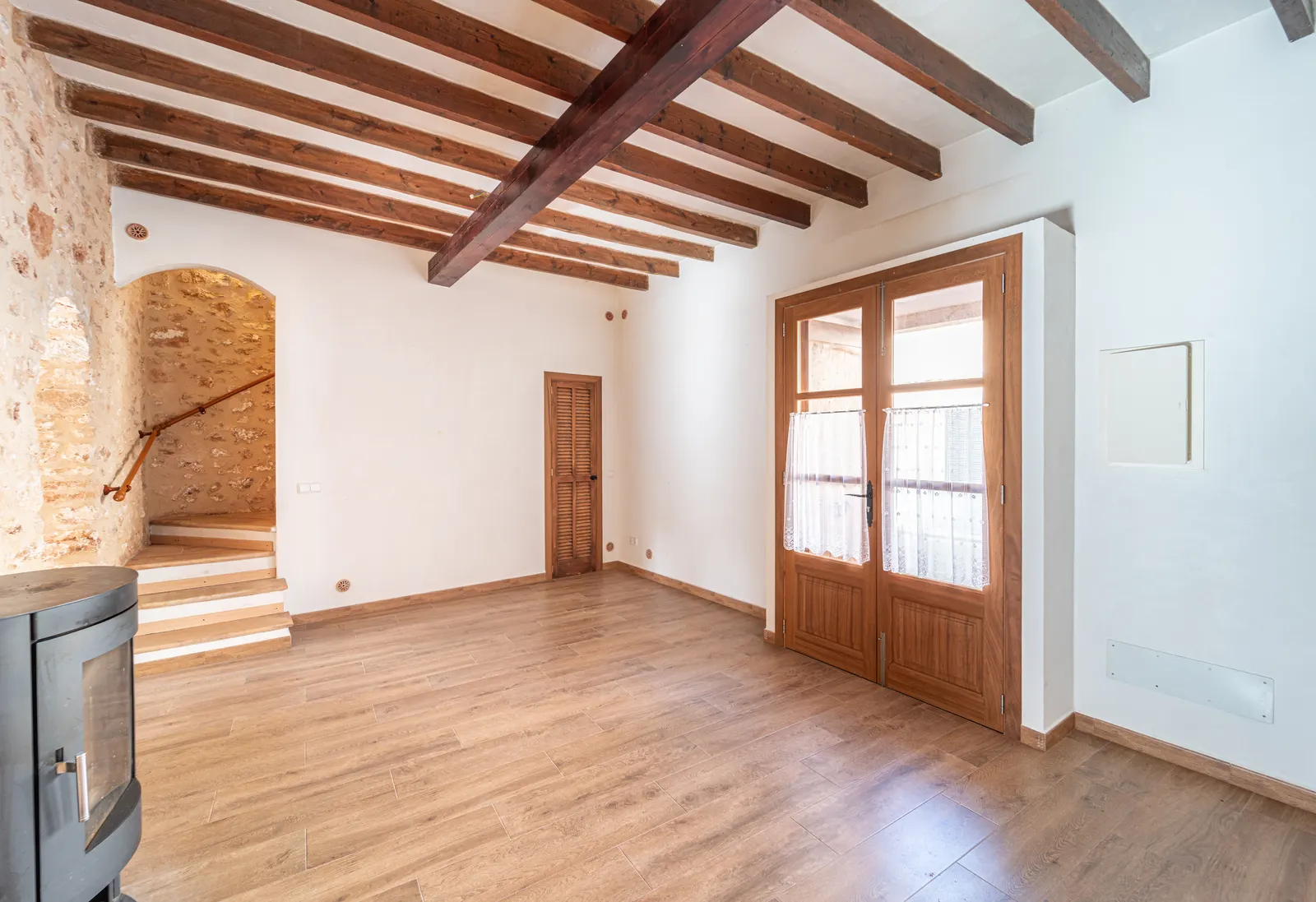
How to renovate a Menorcan stone house without betraying it: lime instead of cement, a wall that breathes, when to do the work and which trades to seek out. A guide of judgement, not trends.
Menorca
Not a cold table of expenses, but the real cost of living on an island all 365 days: what insularity makes dearer, what the resident discount makes cheaper, and what no one tells you about February.
Menorca
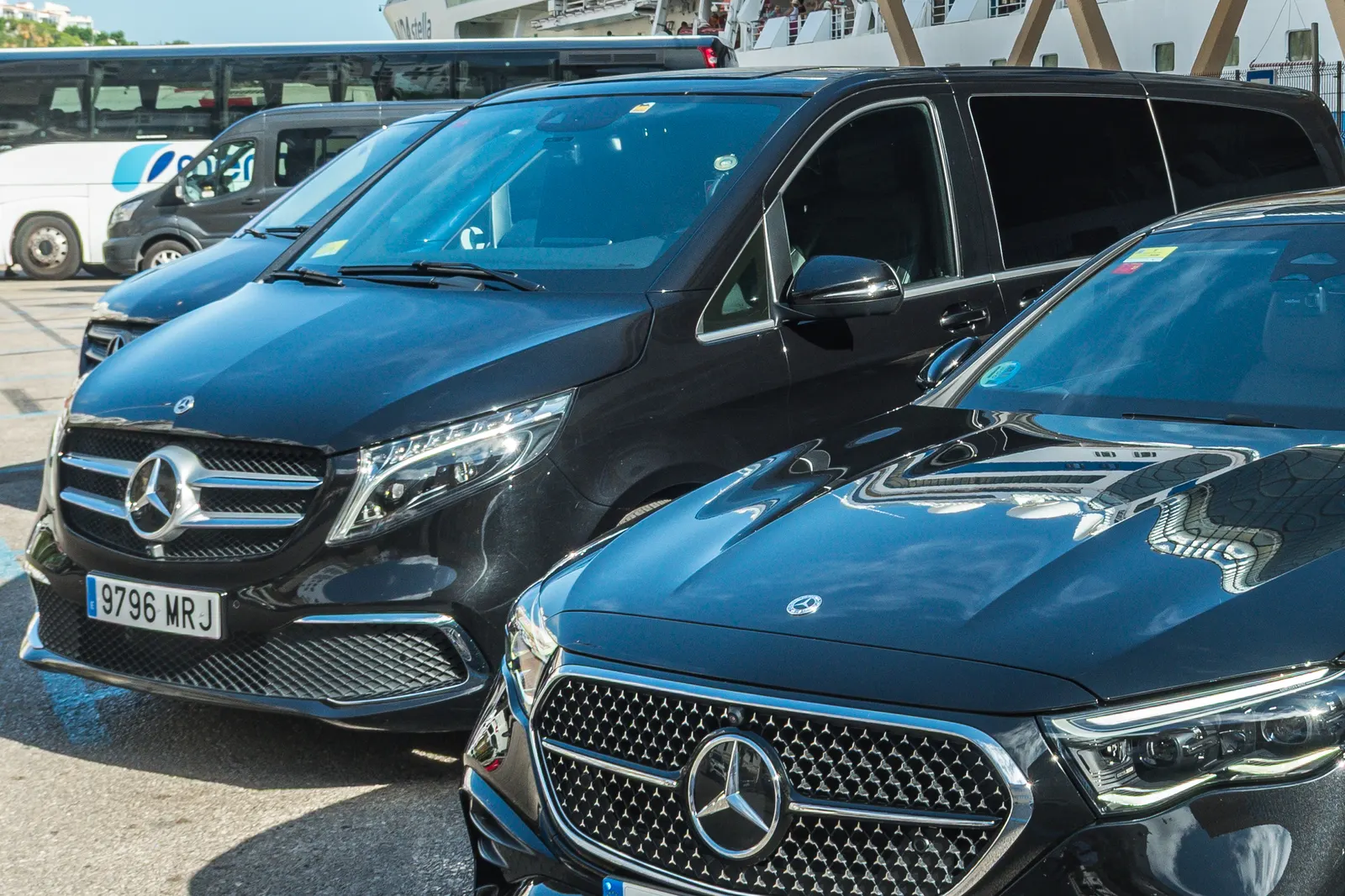
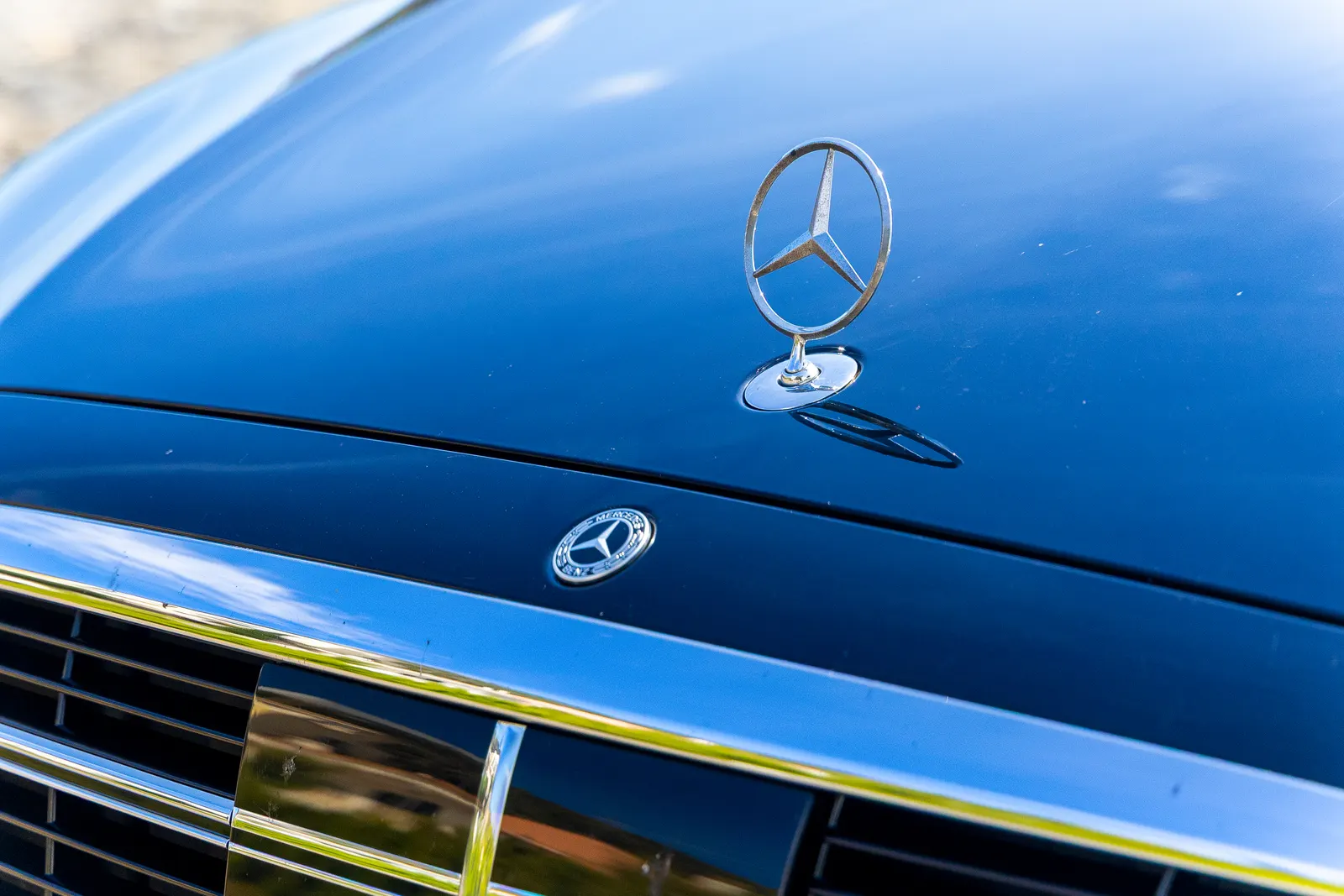
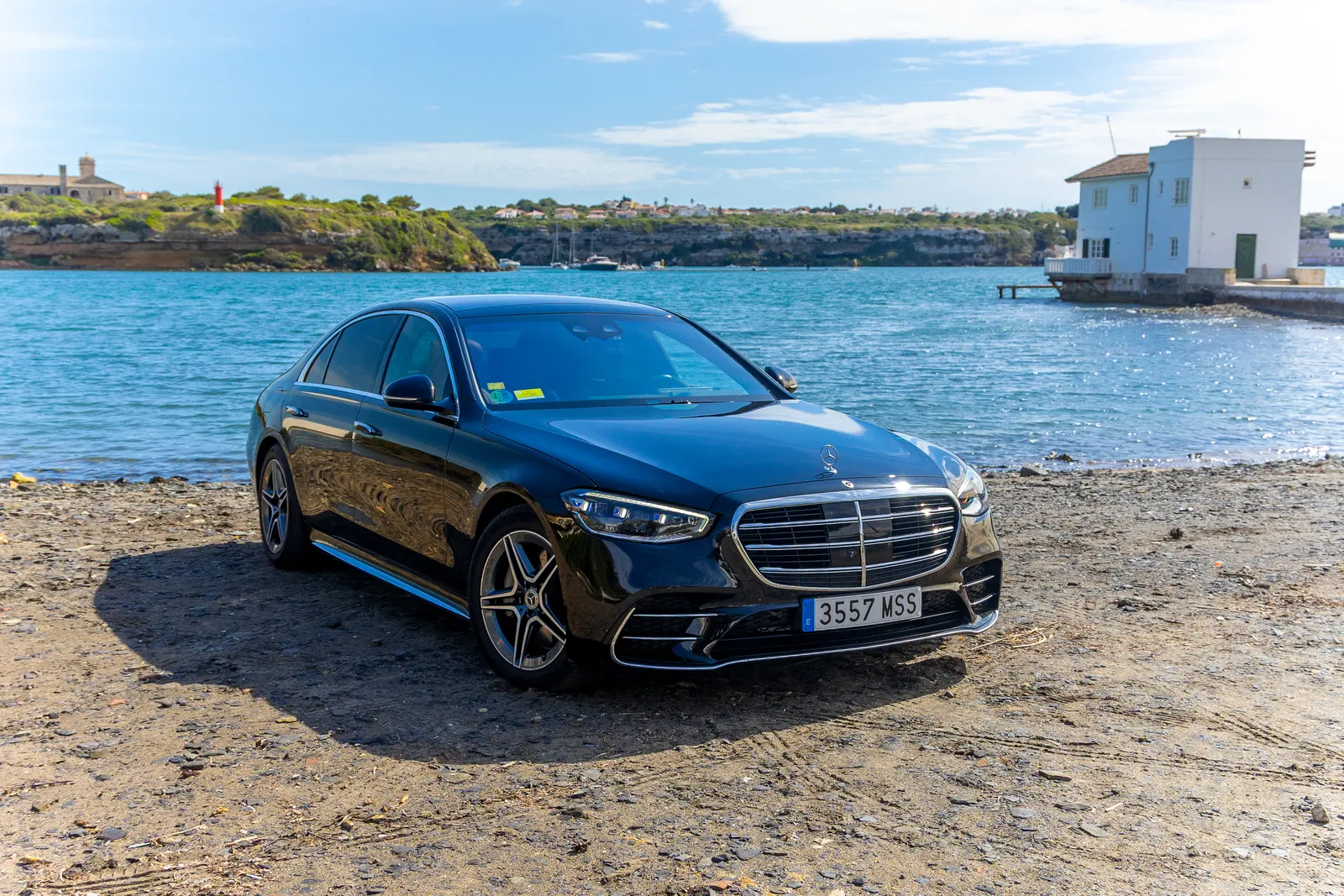
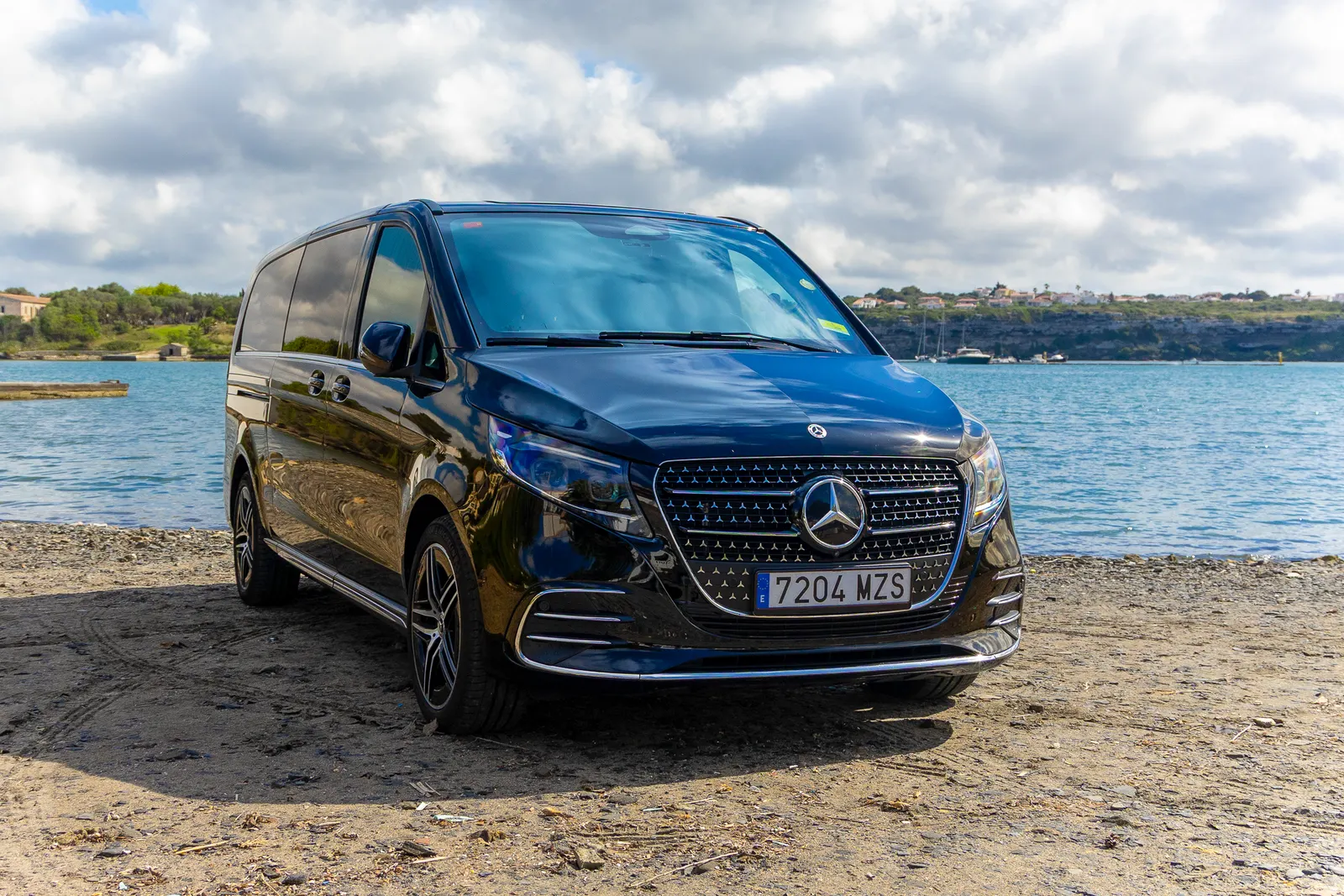
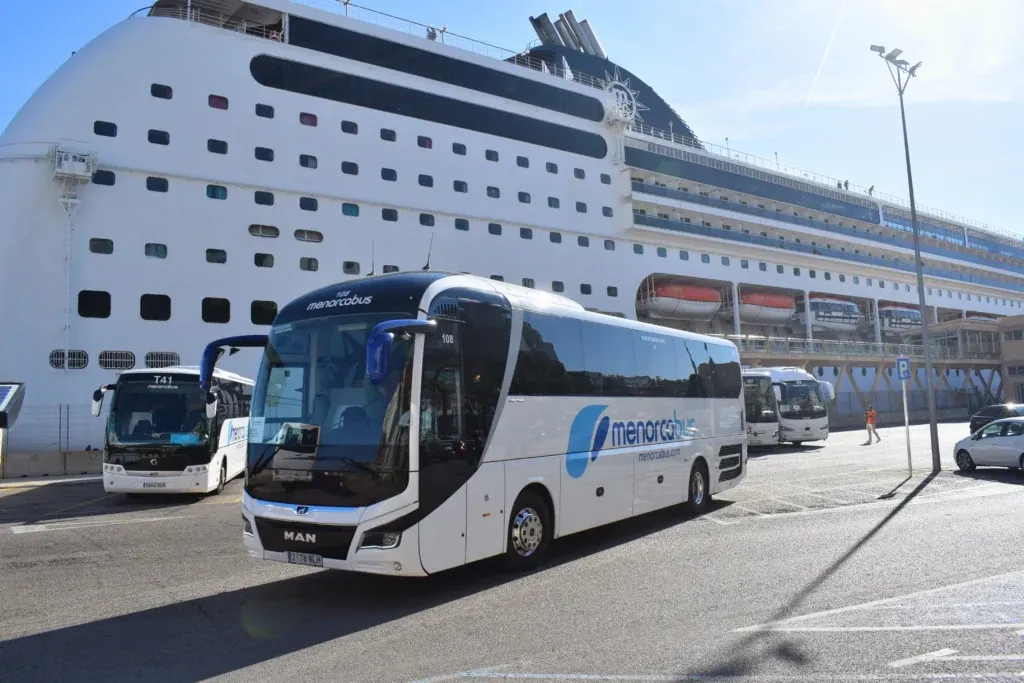
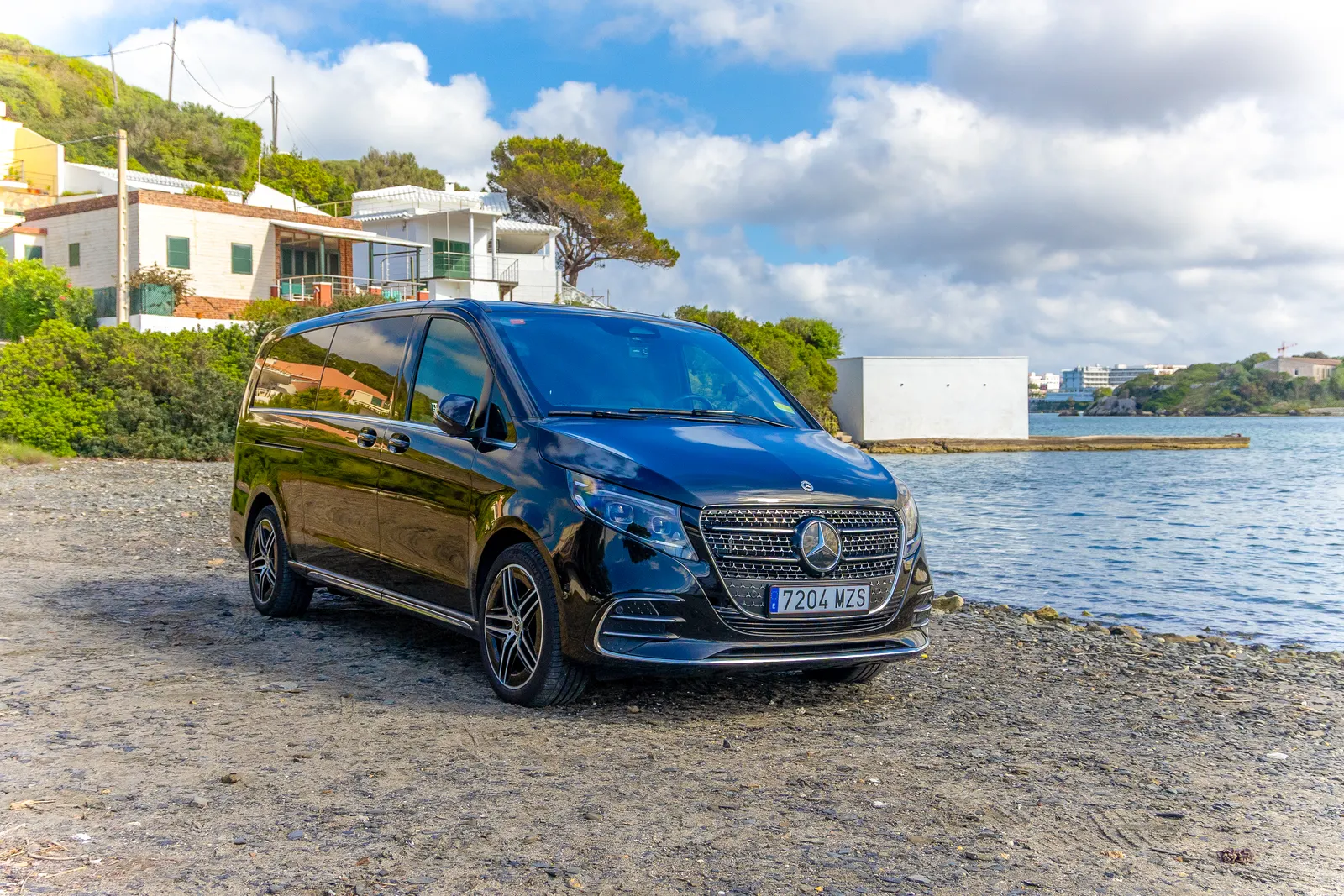
The freedom to dine at the other end of the island, raise a glass freely and get back calmly. Chauffeured evenings in a Mercedes, operated by Menorca Bus.
Menorca
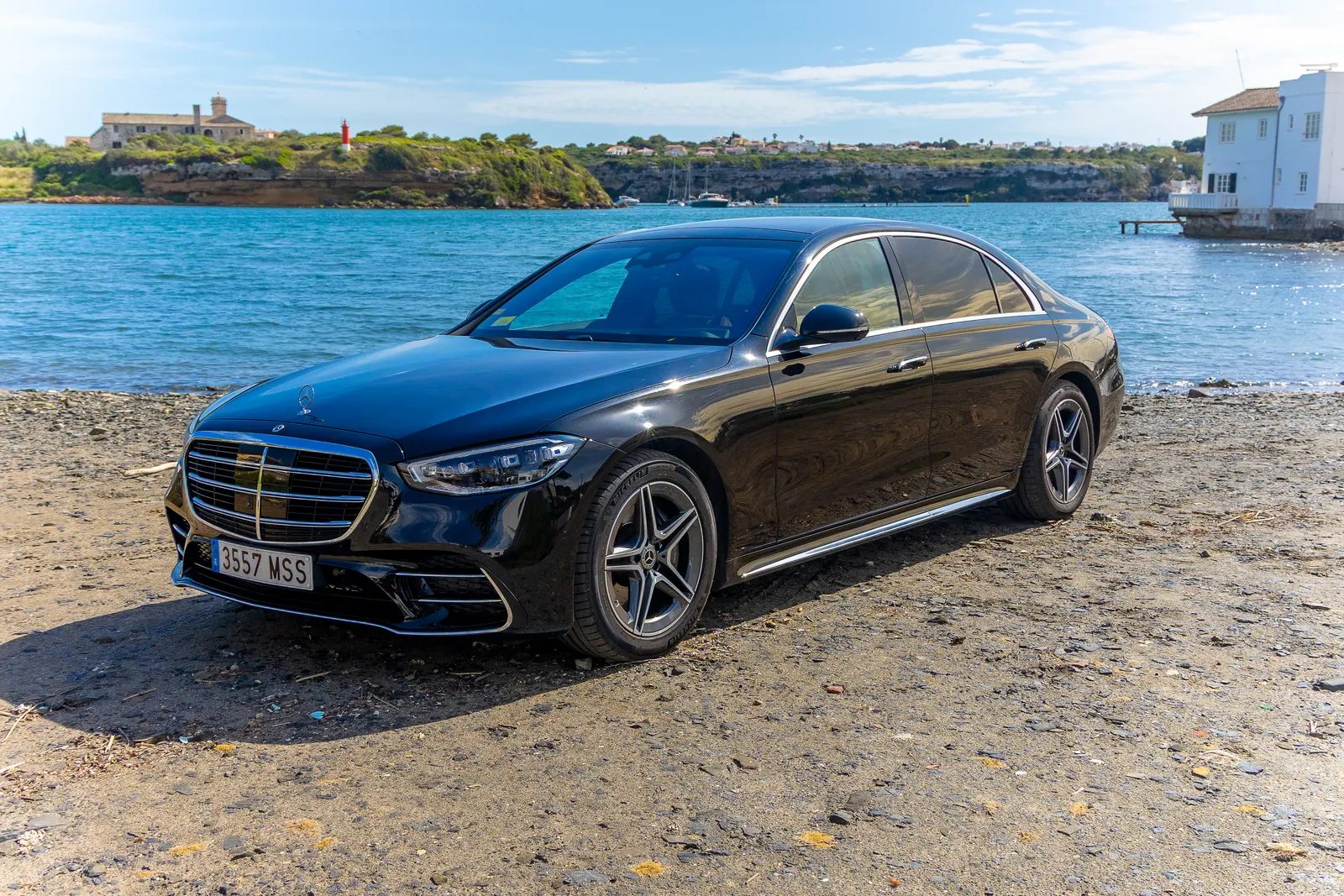
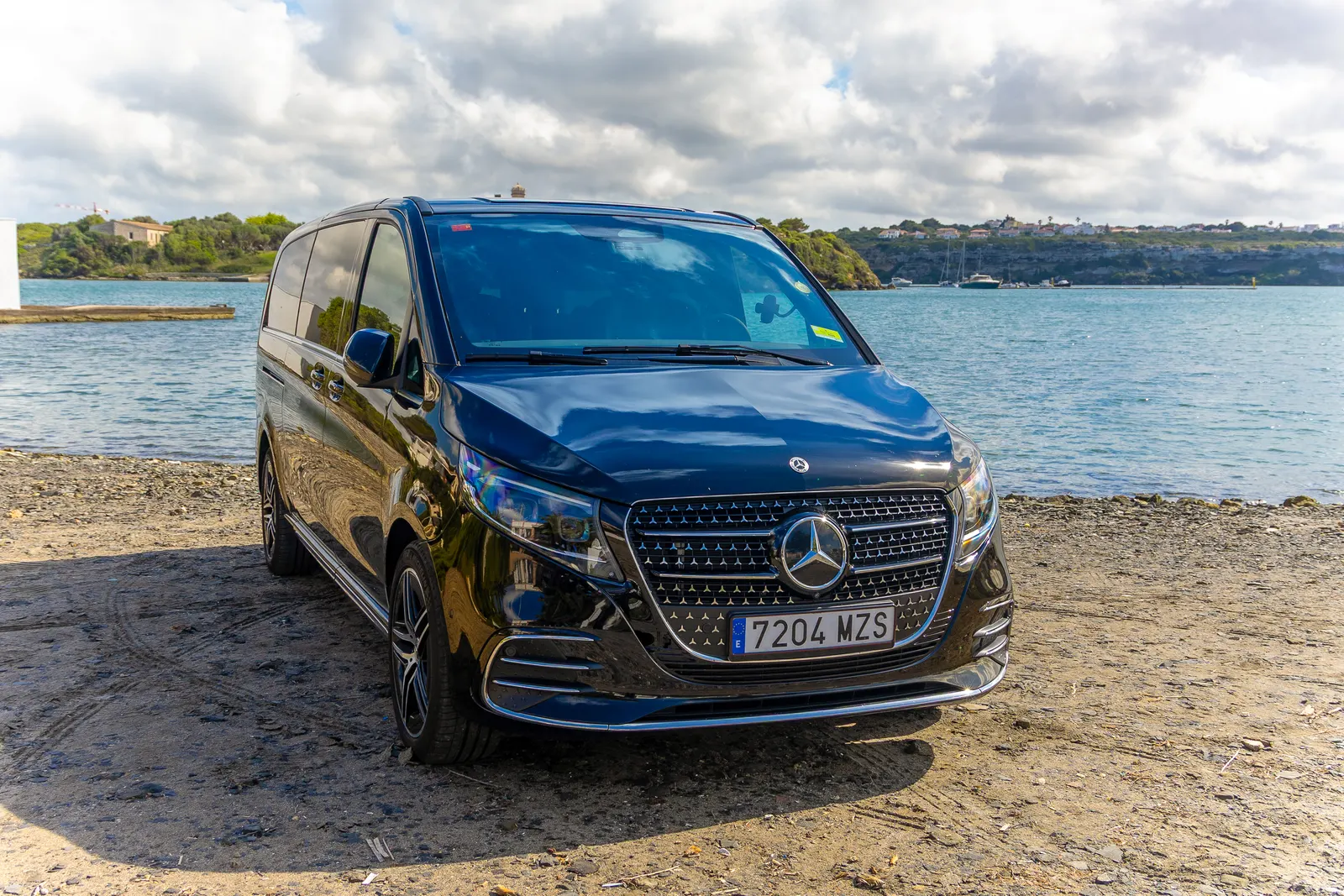
Luxury in Menorca isn't showy: it's calm, time and space. A serene way to explore the island with a driver, in a Mercedes S-Class or V-Class operated by Menorca Bus.
Menorca
Menorca's nightlife is human-scale: it begins on the sunset cliffs and carries on in the beach clubs, the harbour cocktail bars and the clubs of Maó and Ciutadella. Where to go —with a map of every venue and how to get there without driving—.
Menorca
The saloon of quiet luxury, for the perfect arrival and journeys where detail matters. Chauffeured transfers in a Mercedes S-Class, operated by Menorca Bus.
Menorca
Space, comfort and room for luggage: the ideal vehicle for families and groups. Excursions and transfers in a chauffeured Mercedes V-Class, operated by Menorca Bus.
Menorca
A big day's transport, handled with elegance: the couple in an S-Class, the guests in a V-Class, and no one stuck behind the wheel. Operated by Menorca Bus.
Menorca
Whitewashed houses, cobbled streets and a town that tastes of cured cheese and smells of hand-stitched leather. A calm guide to Alaior, Menorca's cheese capital.
Menorca
In summer, reaching the best southern coves by car is an ordeal of full car parks and restricted access. How to get there stress-free, with a driver.
Menorca
Why Menorca's capital is in Mahón, what the boínders are and where the gin came from: the trail of the British eighteenth century across the island.
Menorca
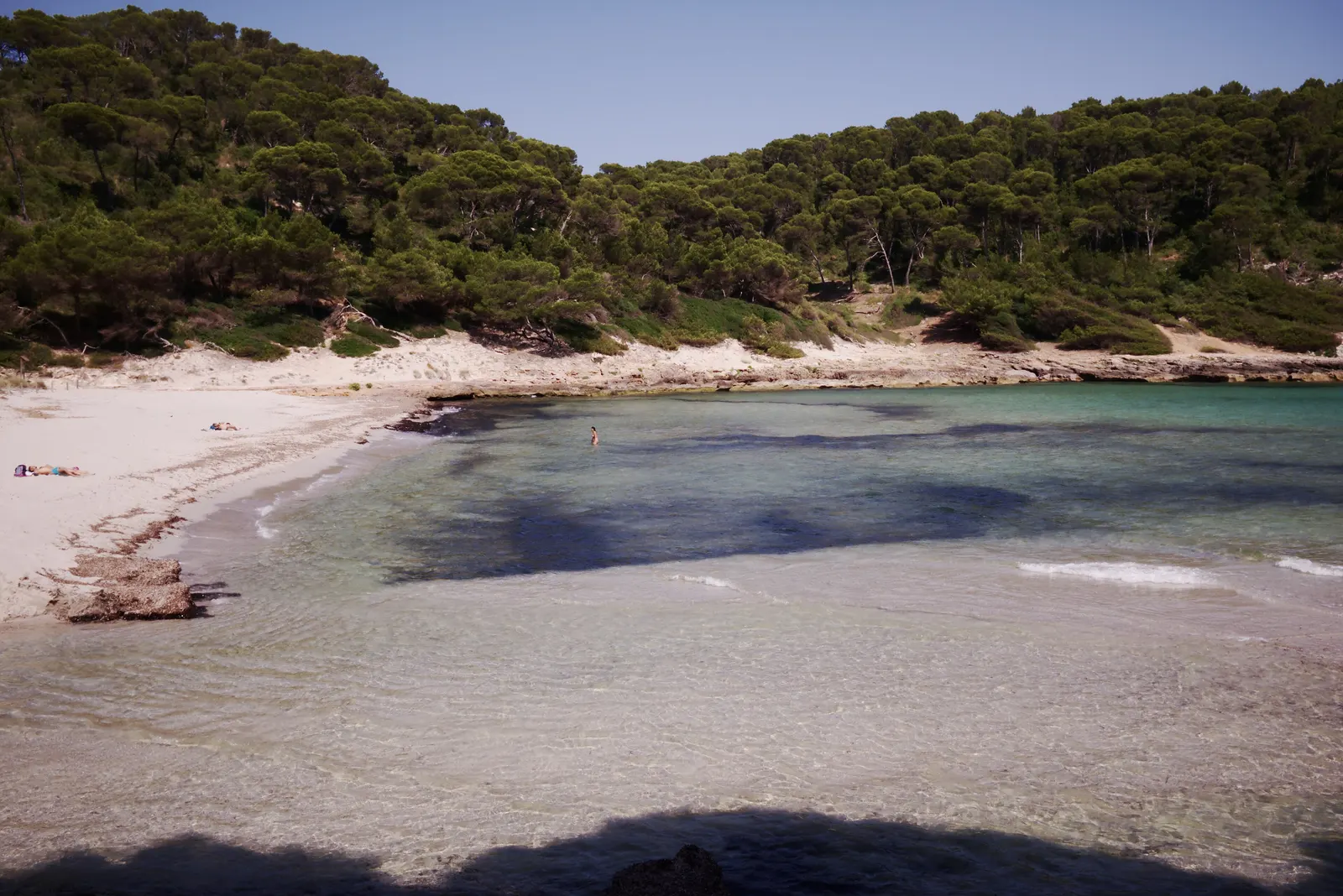
White sand, clear water and cliffs, a 15-20 minute walk from the car. Which is exactly why you should go early.
Menorca
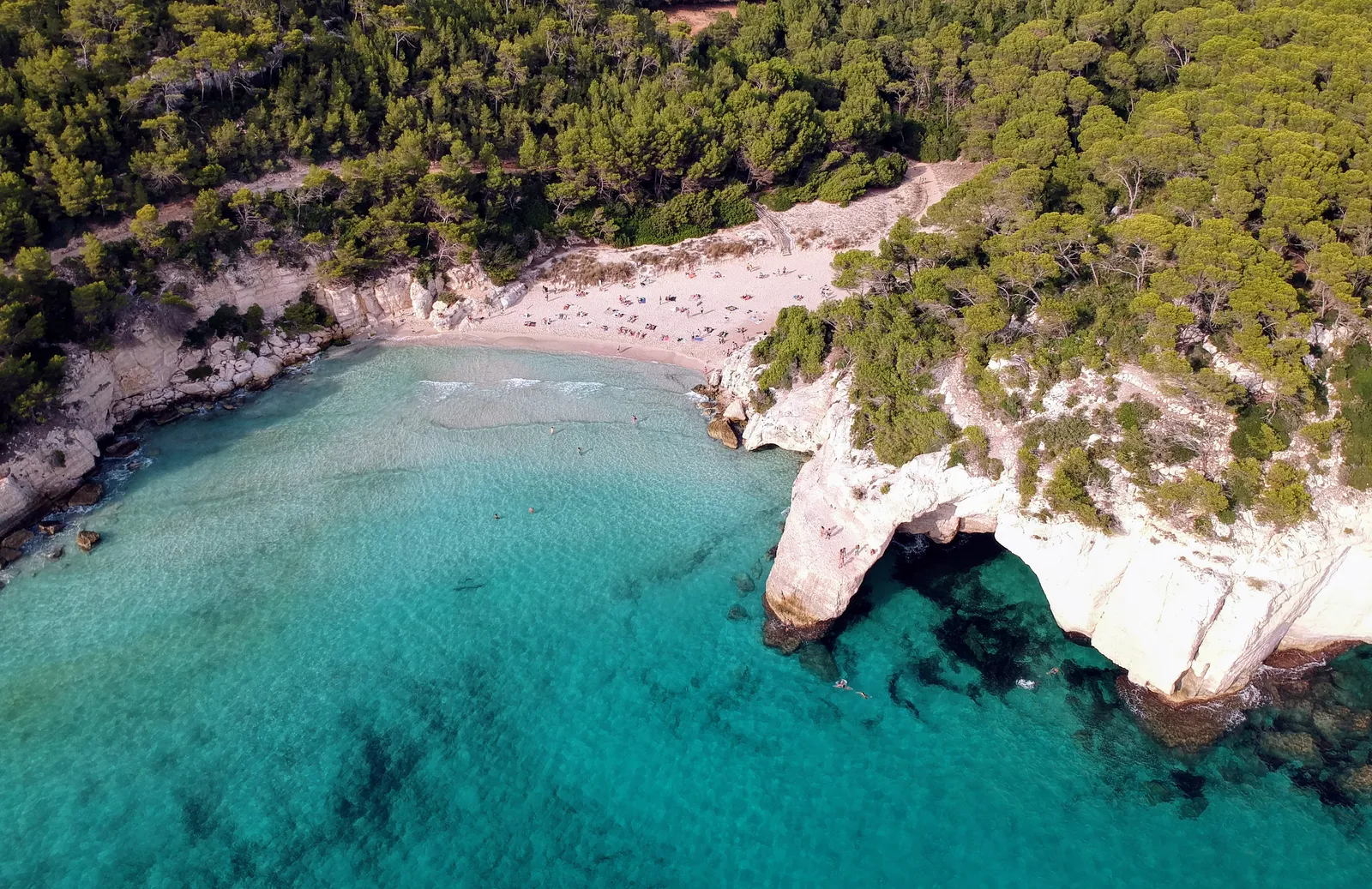
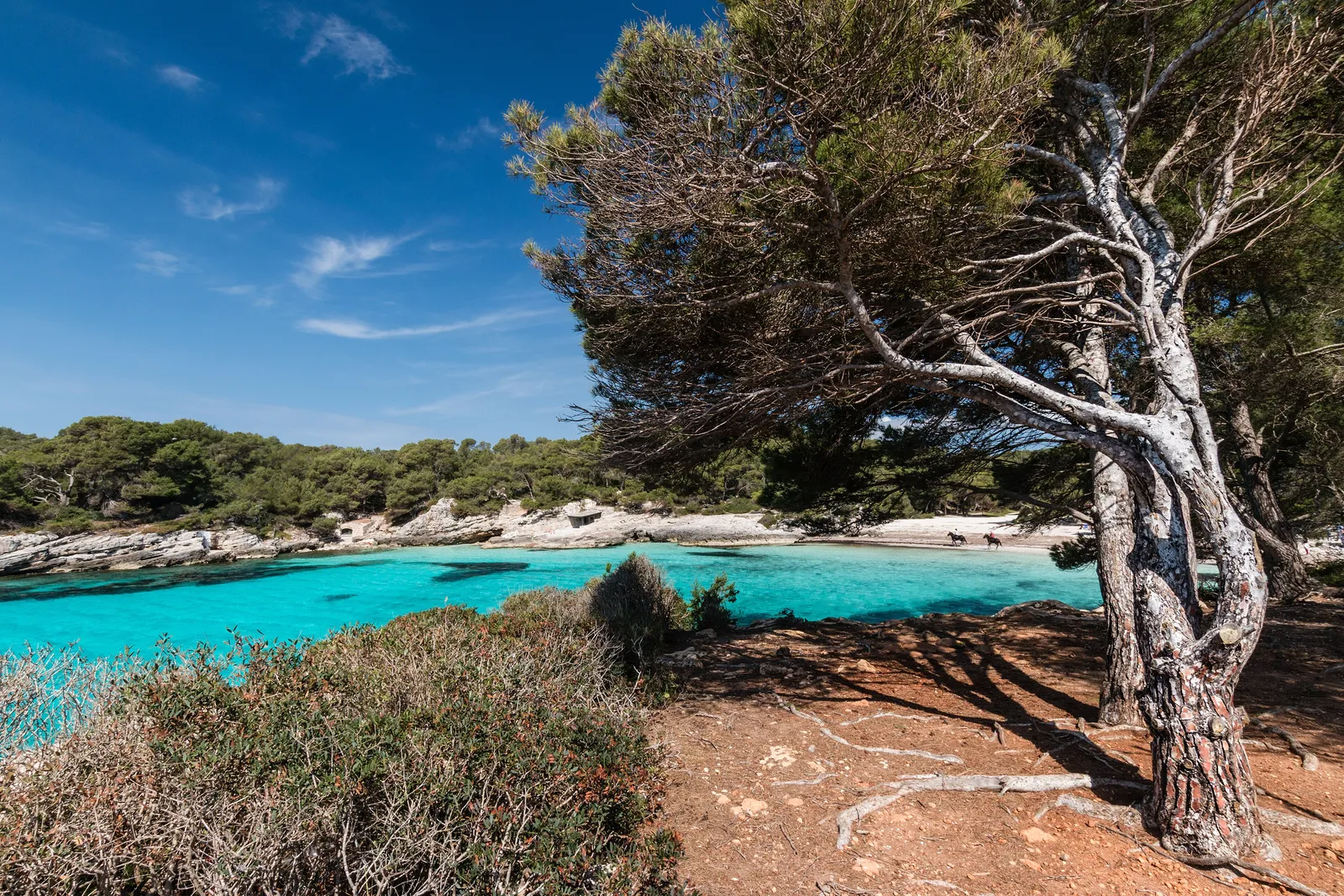
White sand, turquoise water and pine woods: how to reach Turqueta, when to go and why the secret lies in the car park.
Menorca
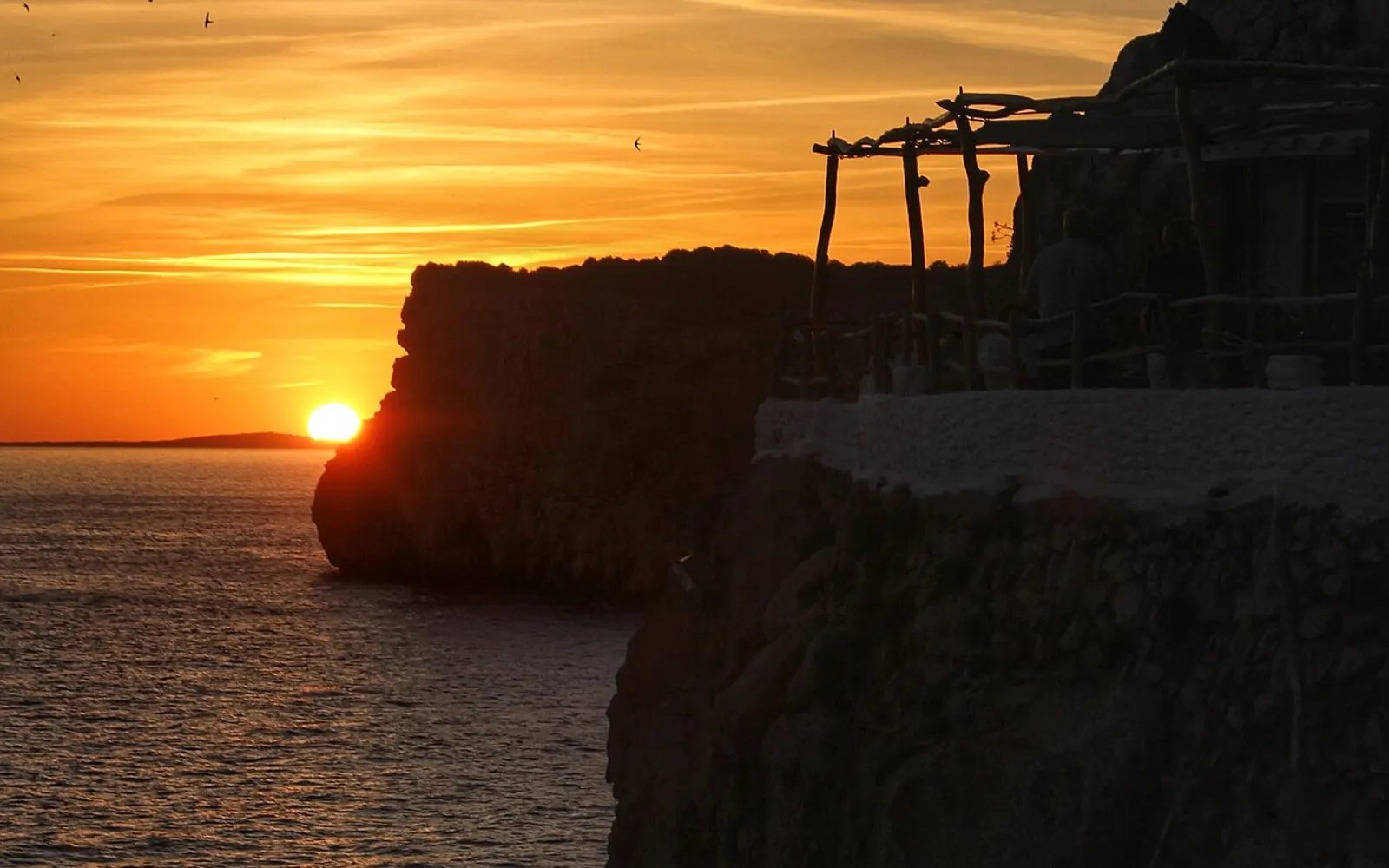
A natural cave clinging to a cliff above the Mediterranean, a café by day and a cocktail bar by night. An unhurried guide to the Cova d'en Xoroi, its sunset and its legend.
Menorca
Your eight-hour call is six usable hours. An honest guide to what fits into your day in Menorca, based on the hours you really have — and when you don't need to book anything at all.
Menorca
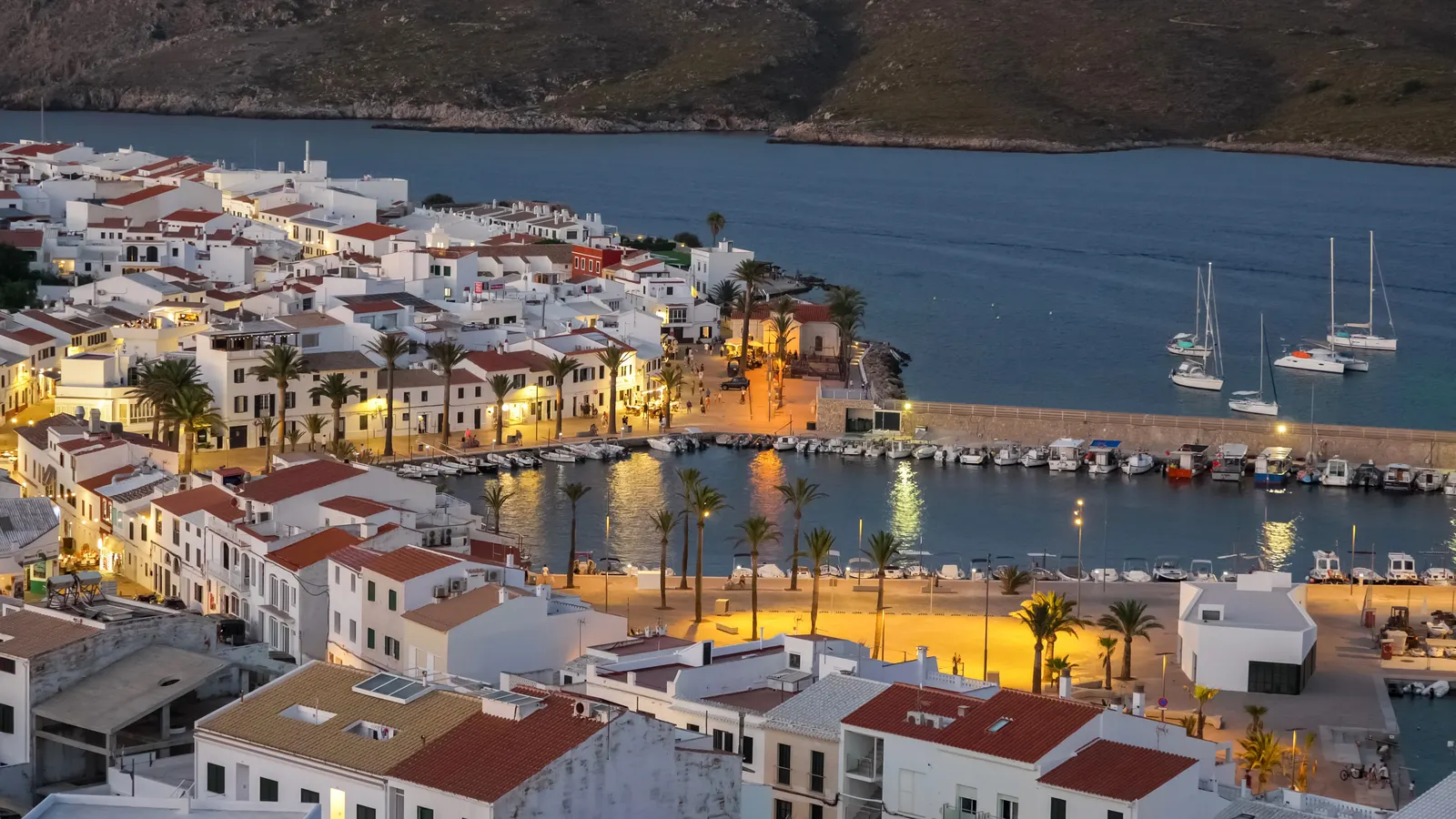
British military planning, colourful façades and a harbour of caves turned into restaurants. A calm guide to Es Castell and Cales Fonts, the easternmost corner of Spain.
Menorca
The village at the centre of the island and the mountain that crowns it. An unhurried guide to Es Mercadal, home of the carquinyols, and to Monte Toro, Menorca's great viewpoint.
Menorca
Menorca's youngest and smallest municipality, an unspoilt agricultural oasis with the great cave of the Cova des Coloms and the wild beach of Binigaus.
Menorca
The inland town where the trades survive: leather, wicker and ceramics. And the green gateway of the Barranc d'Algendar, which drops down to the sea at Cala Galdana.
Menorca
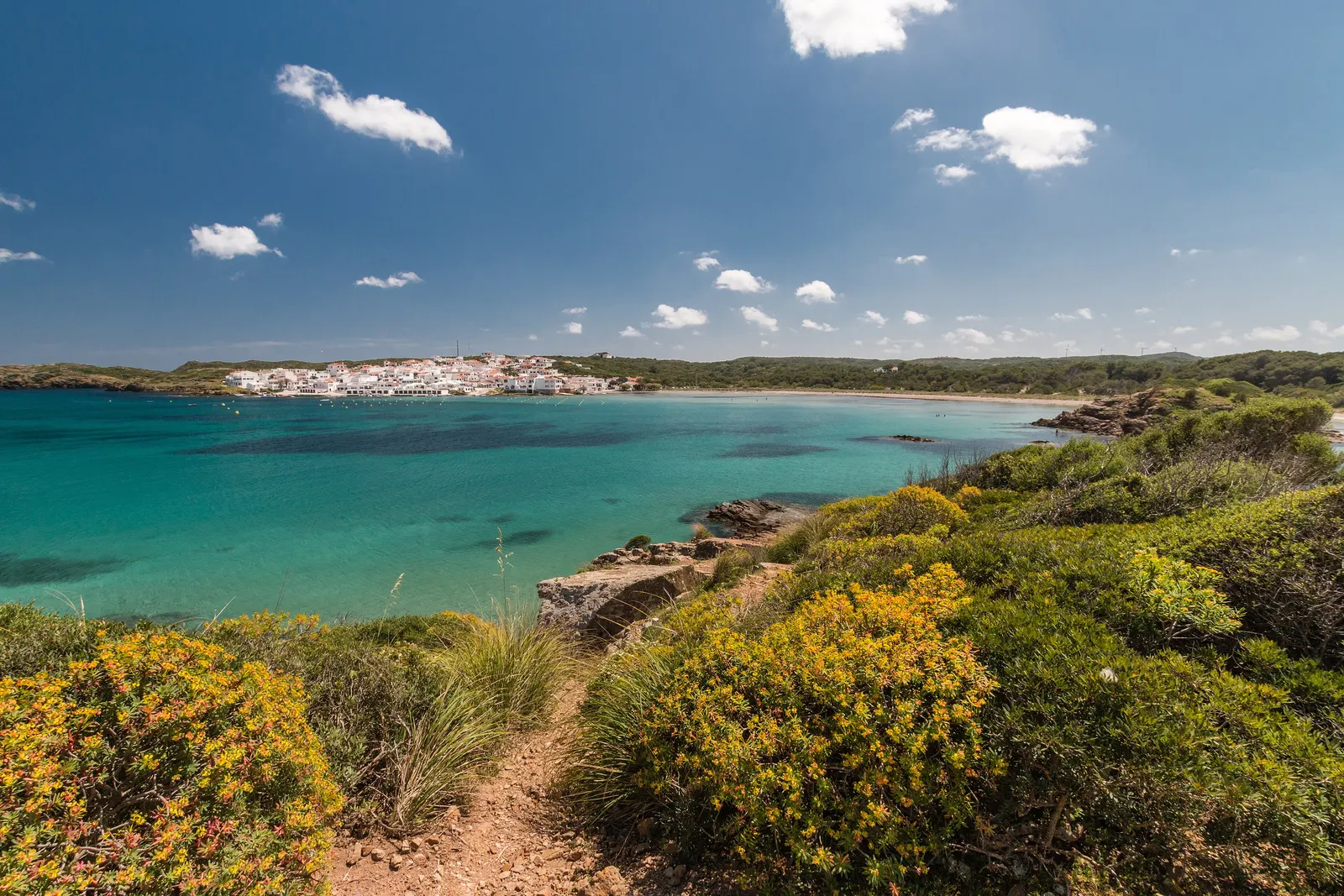
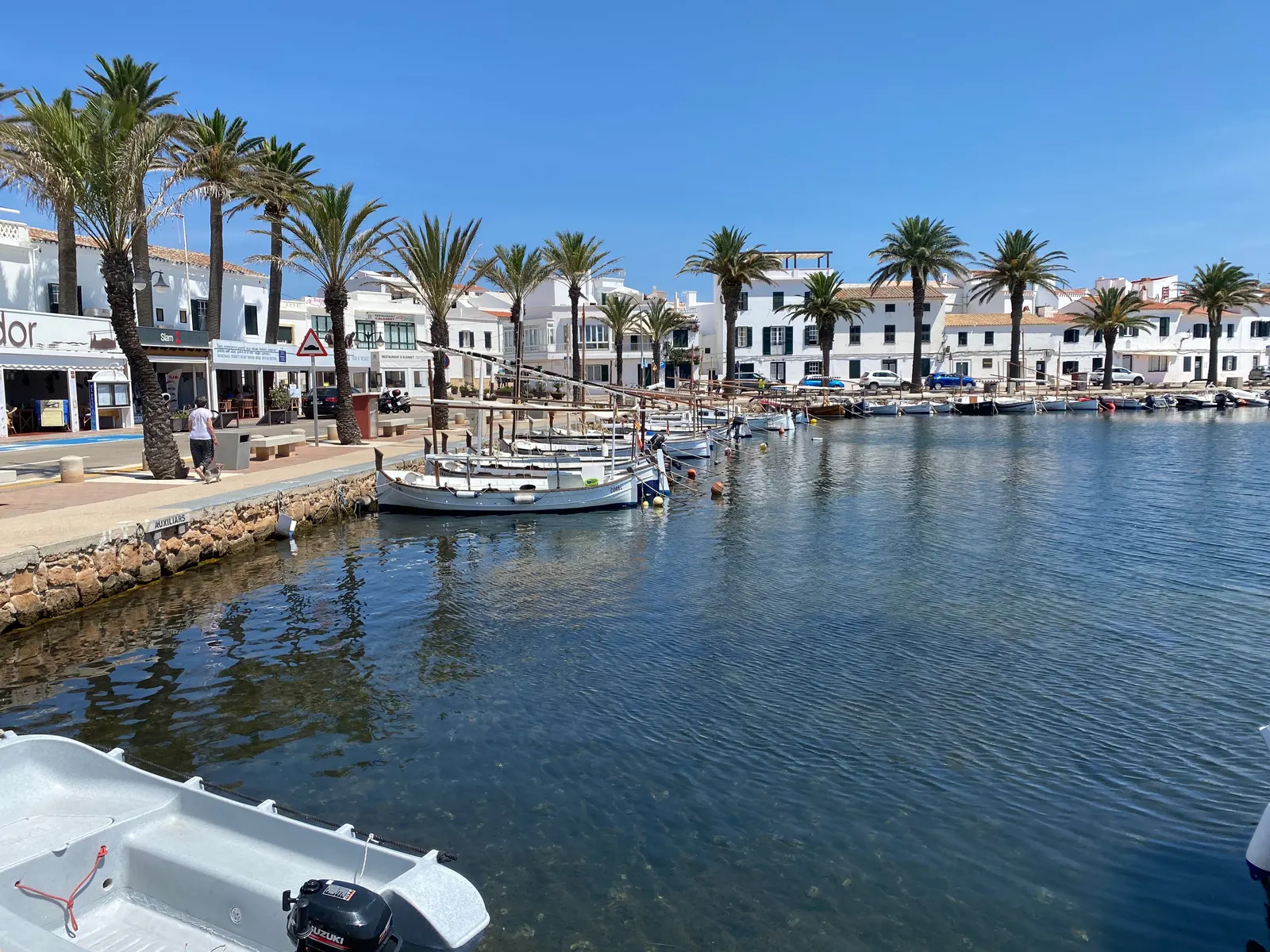
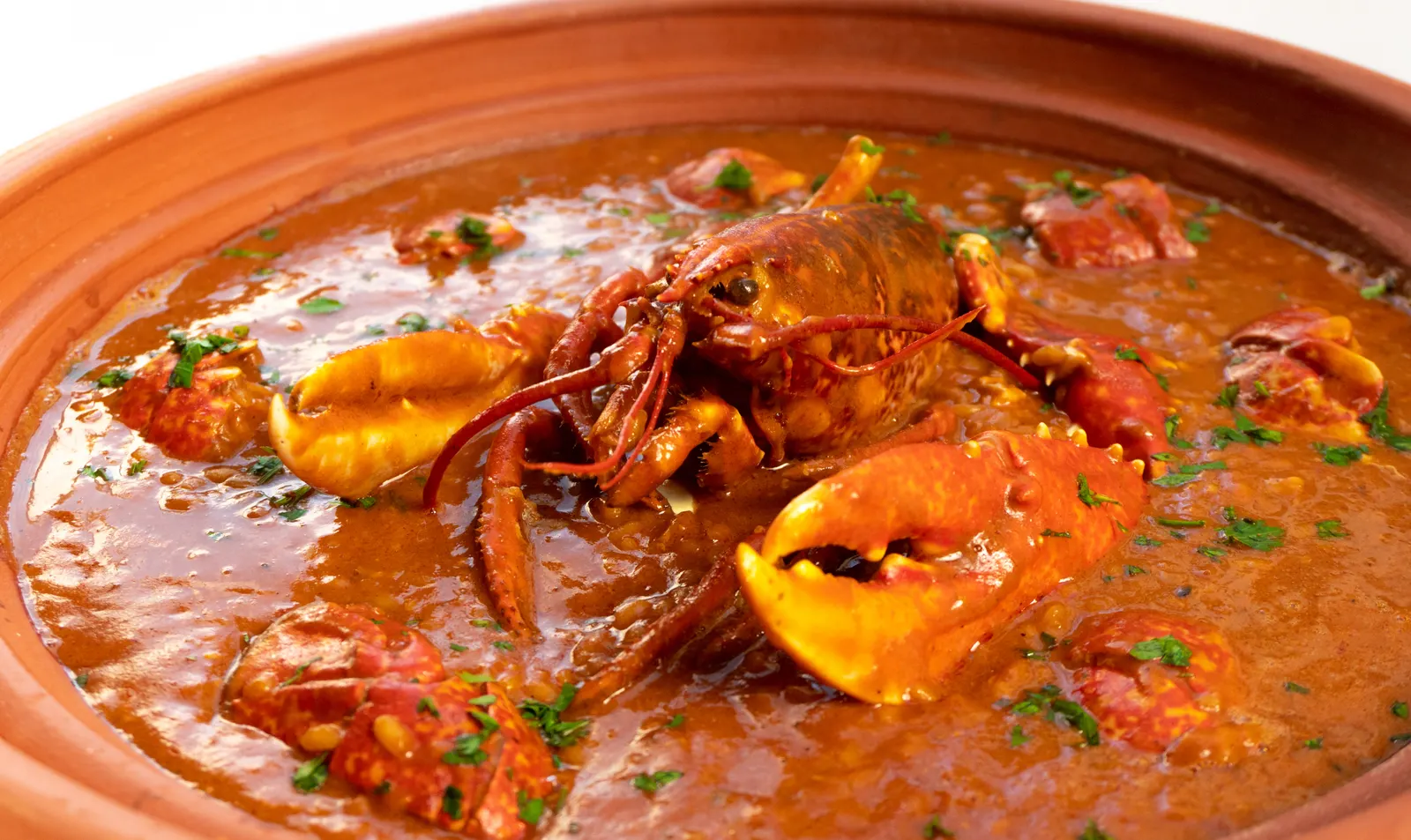
White houses, a sheltered bay and the finest lobster stew on Menorca. An unhurried guide to the north's seafaring village, gateway to the tramuntana.
Menorca
Menorca's emblematic seafood dish began aboard the fishing boats and is today a seasonal delicacy. Its story, its recipe and where to understand it, in Fornells.
Menorca
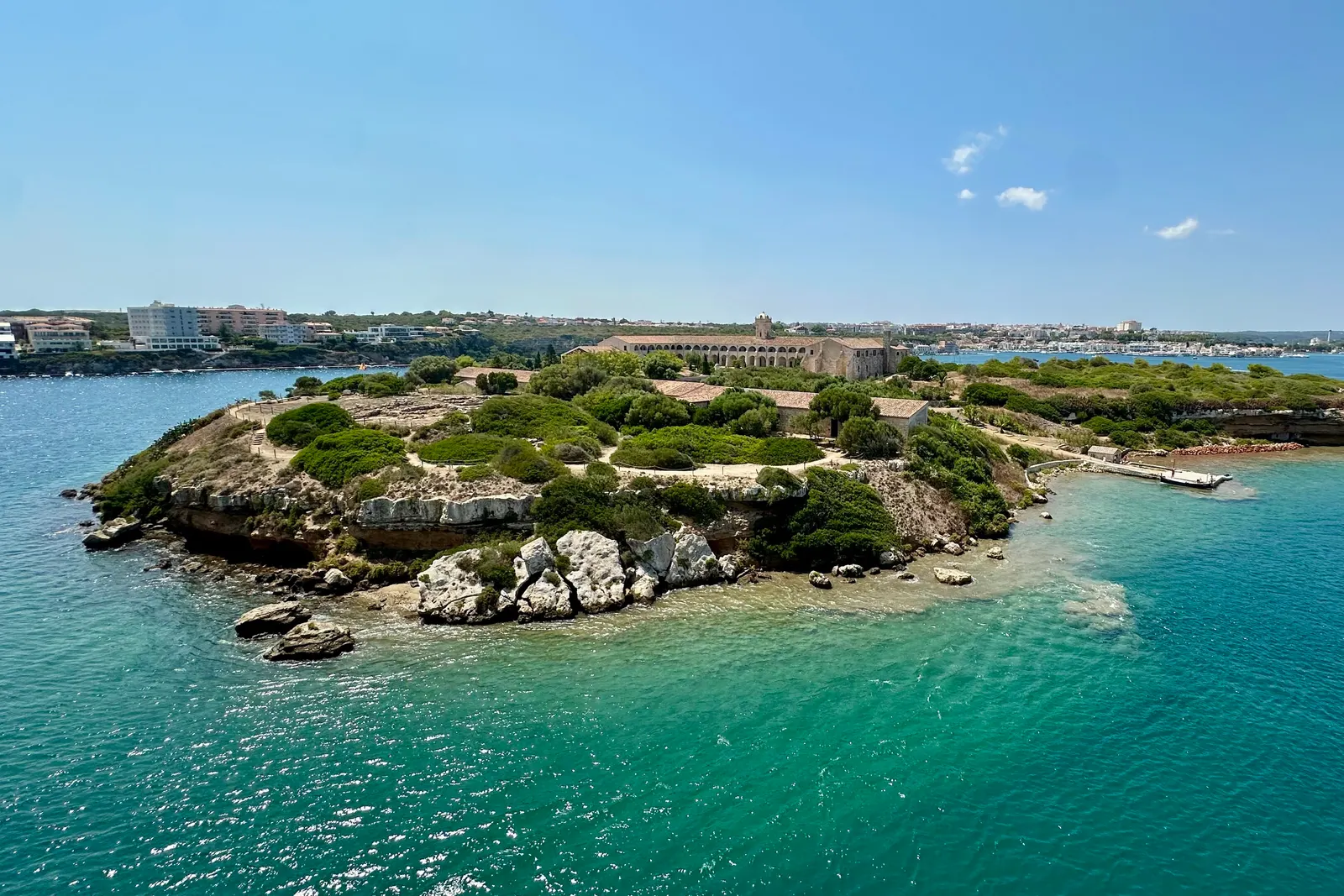
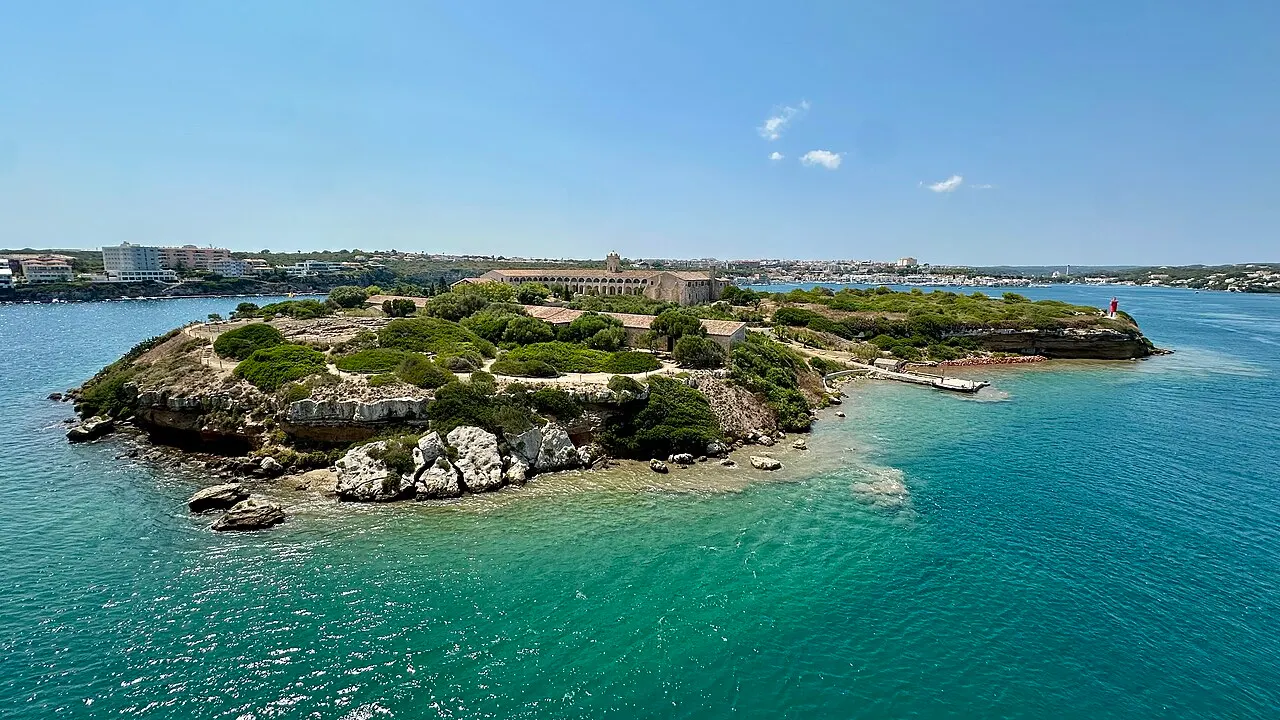
A sixth-century basilica, a British military hospital and, since 2021, an international art gallery. A calm guide to Illa del Rei, the little island in Maó harbour where sixteen centuries of history pile up.
Menorca
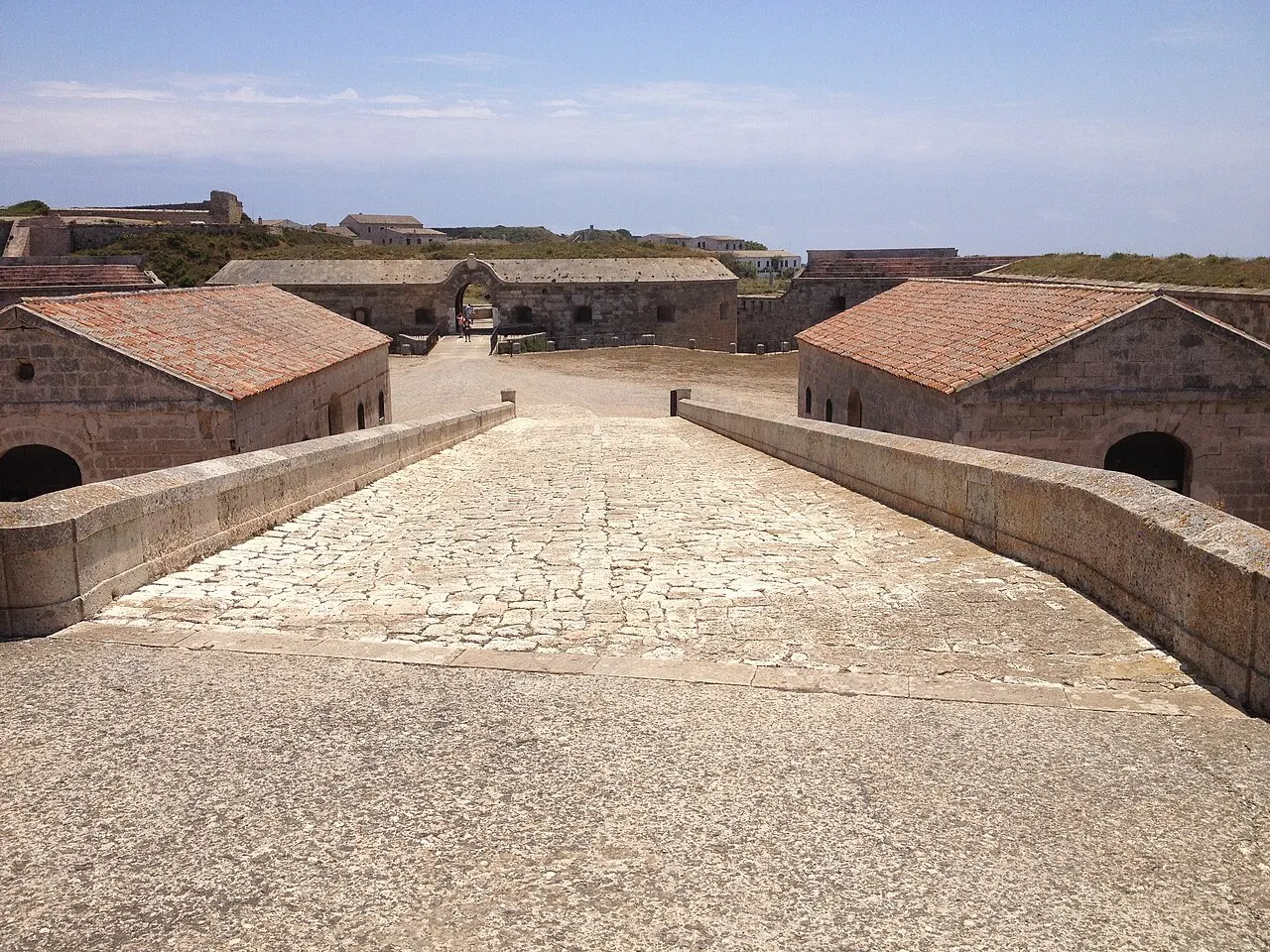
One of the largest European fortresses of the 19th century, built to defend the mouth of Maó harbour. A calm guide to the Fortalesa Isabel II, at the easternmost point of Spain.
Menorca
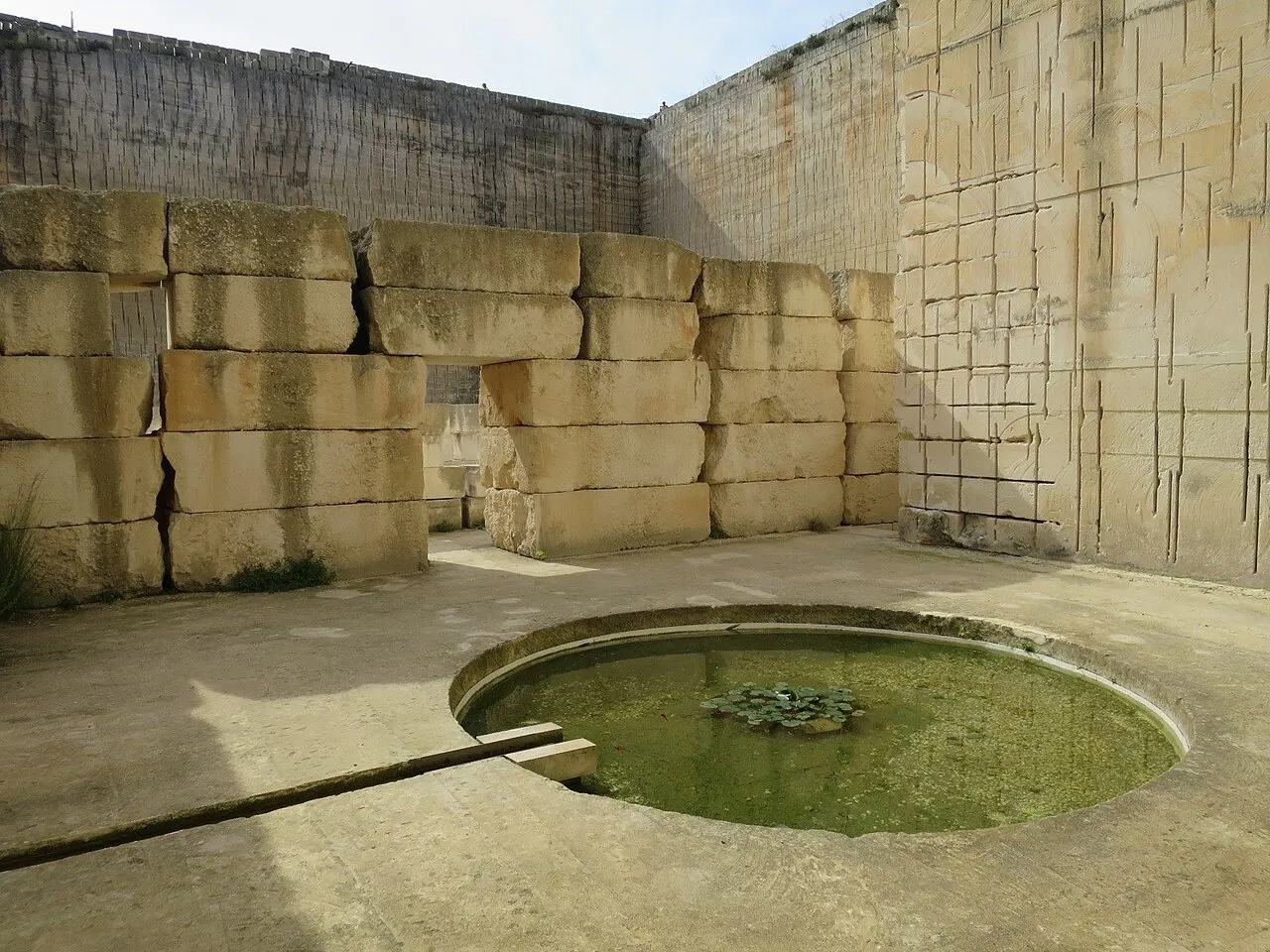
Former marès sandstone quarries reborn as a cultural space just outside Ciutadella: monumental walls, vertical shafts, a garden, a maze and summer concerts. An unhurried guide to Líthica.
Menorca
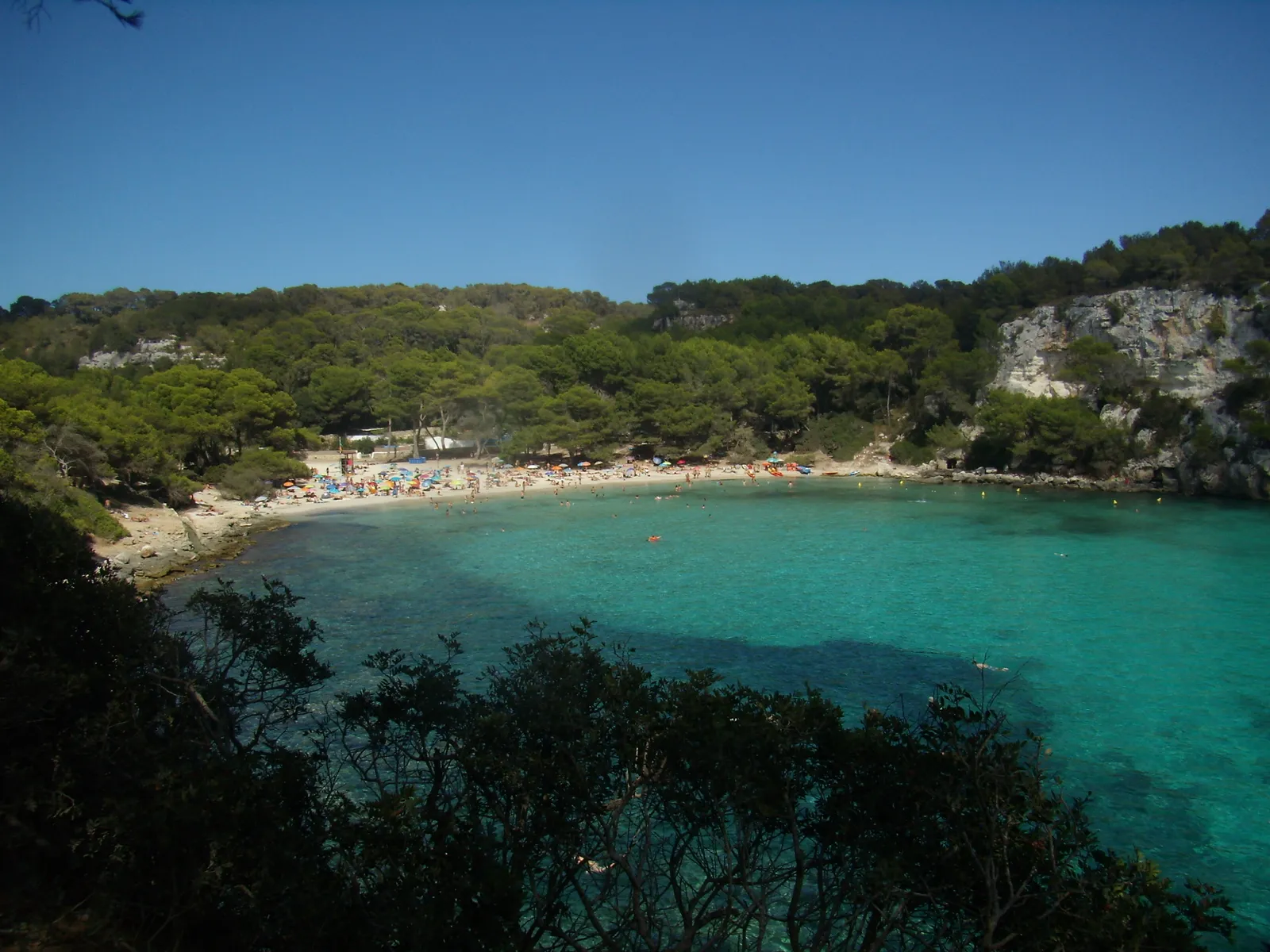
How to get there in summer without a car, when to go and why Macarella and its little sister are worth an early start.
Menorca
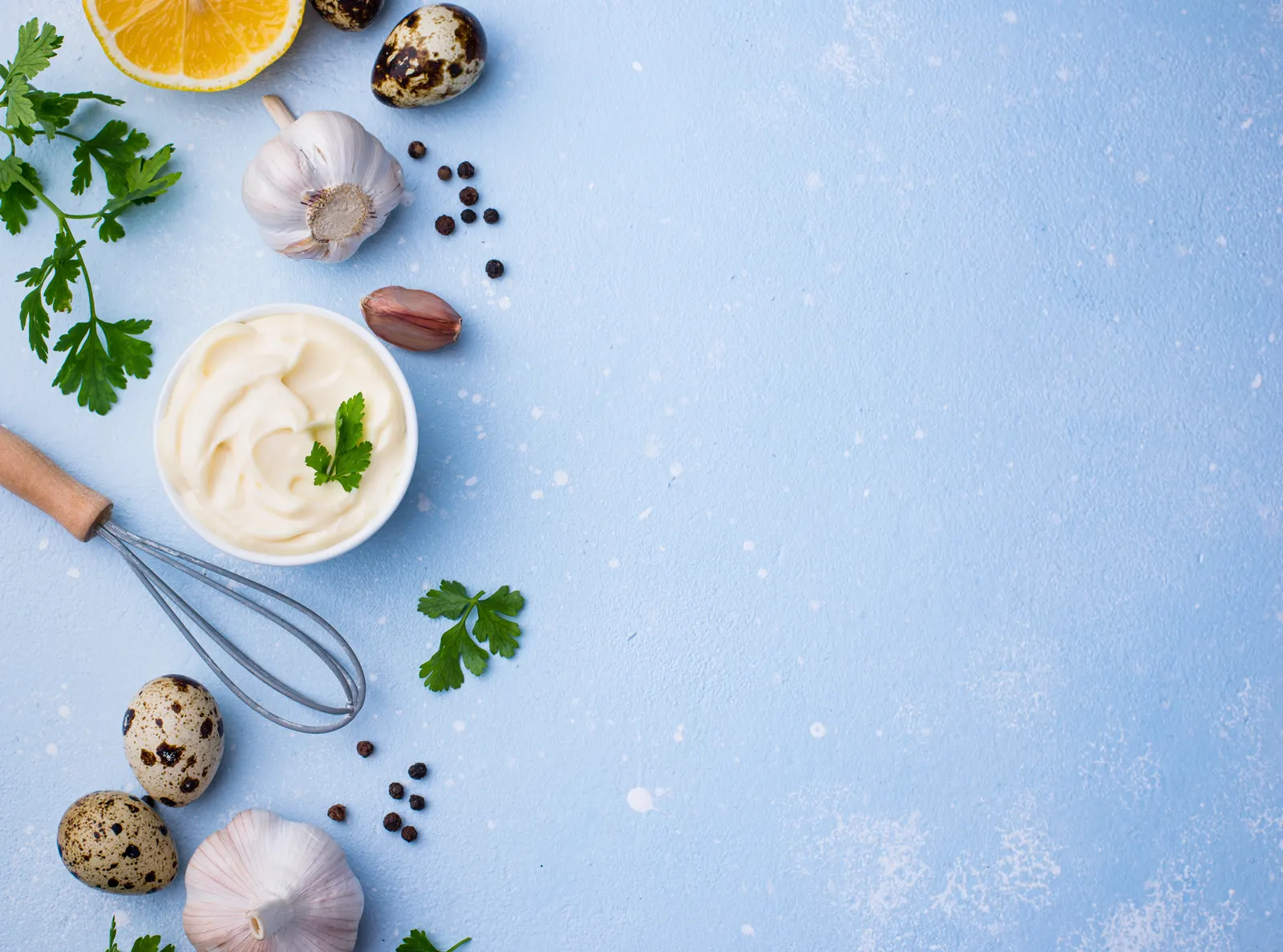
The most widely held theory places the origin of mayonnaise in Mahón. We set out what can be stated, what is legend, and why the world's most universal sauce may carry a Menorcan name.
Menorca
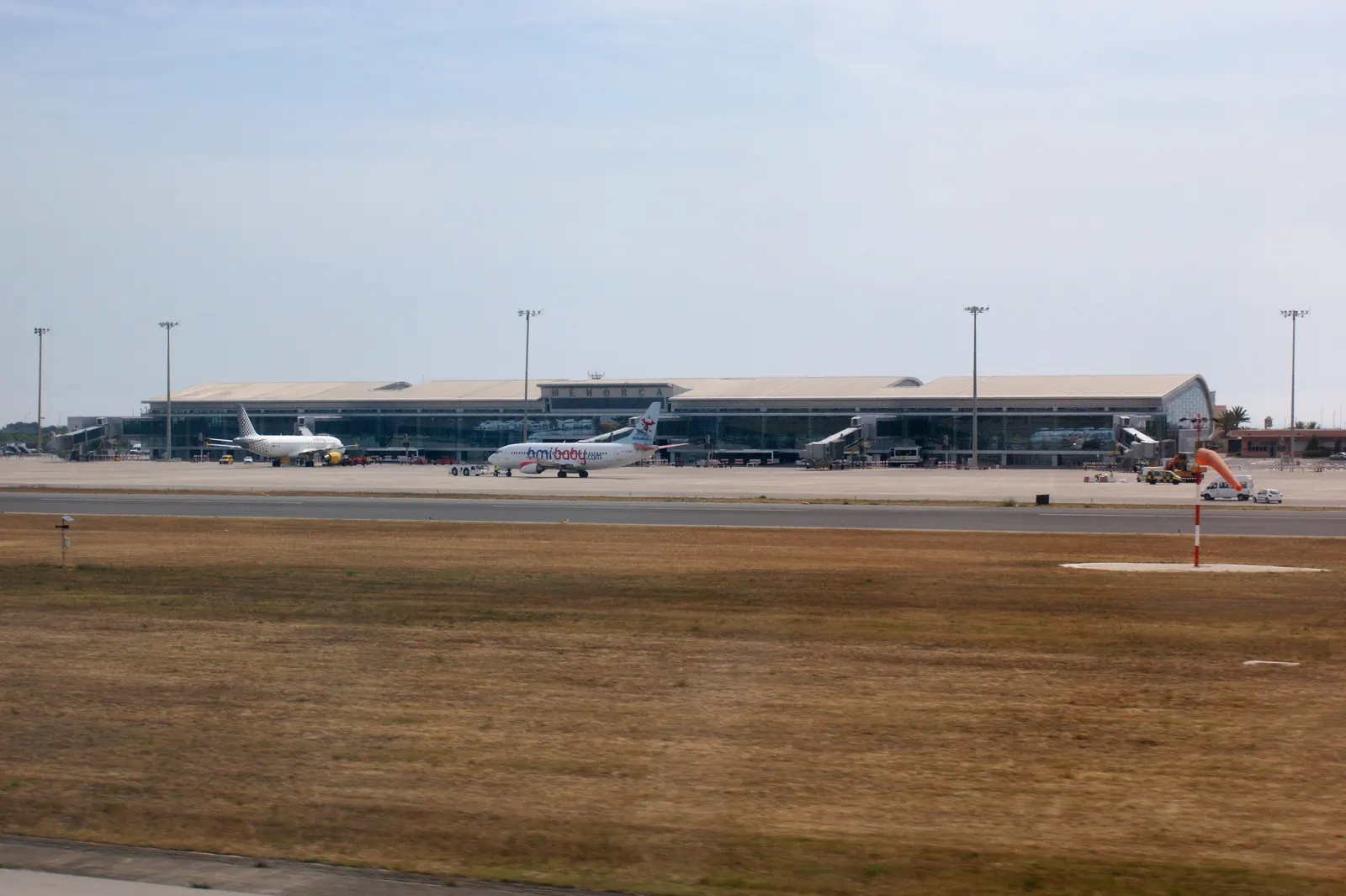
You've just landed in Maó (MAH) and want to reach your accommodation stress-free. Taxi, bus, rental car or private transfer: which one suits you.
Menorca
The whole of Menorca has been a UNESCO Biosphere Reserve since 1993. What that designation means, how it grew sevenfold with its marine extension, and why it shapes the island you know.
Menorca
Villages, lighthouses, ports and talayotic sites on tailor-made routes, with no maps or car parks to worry about. The best excursions in Menorca with a driver.
Menorca
How to see the essential Menorca in five days without rushing: grouped by area, with southern and northern coves, towns, lighthouses and an ancient site, all at a calm pace.
Menorca
A considered guide to the island's most authentic products —cheese, gin, wine, charcuterie, sweets and avarca sandals— and where to buy them without falling for the souvenir trap.
Menorca
How to explore the island calmly: from the airport to your hotel, to the coves, towns and lighthouses. Transport options and when a private minibus is worth it.
Menorca
Under the Vi de la Terra Illa de Menorca IGP, a quiet, honest winemaking is being reborn. What's grown, which wineries to visit and where to buy the island's wine.
Menorca
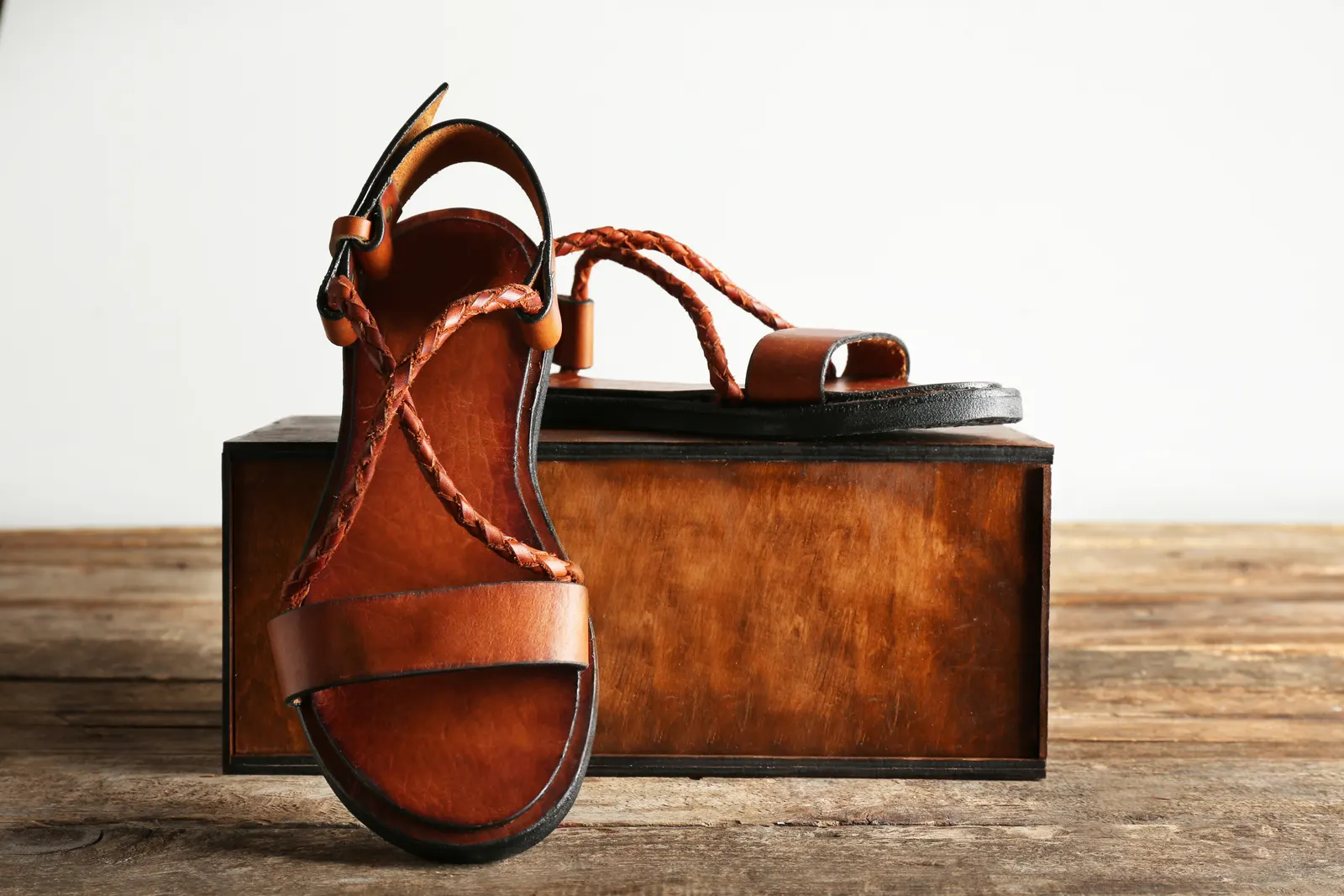
From farmhand's footwear to summer icon. What a real avarca is, how to spot the authentic one by its guarantee mark, and where to buy it on the island.
Menorca
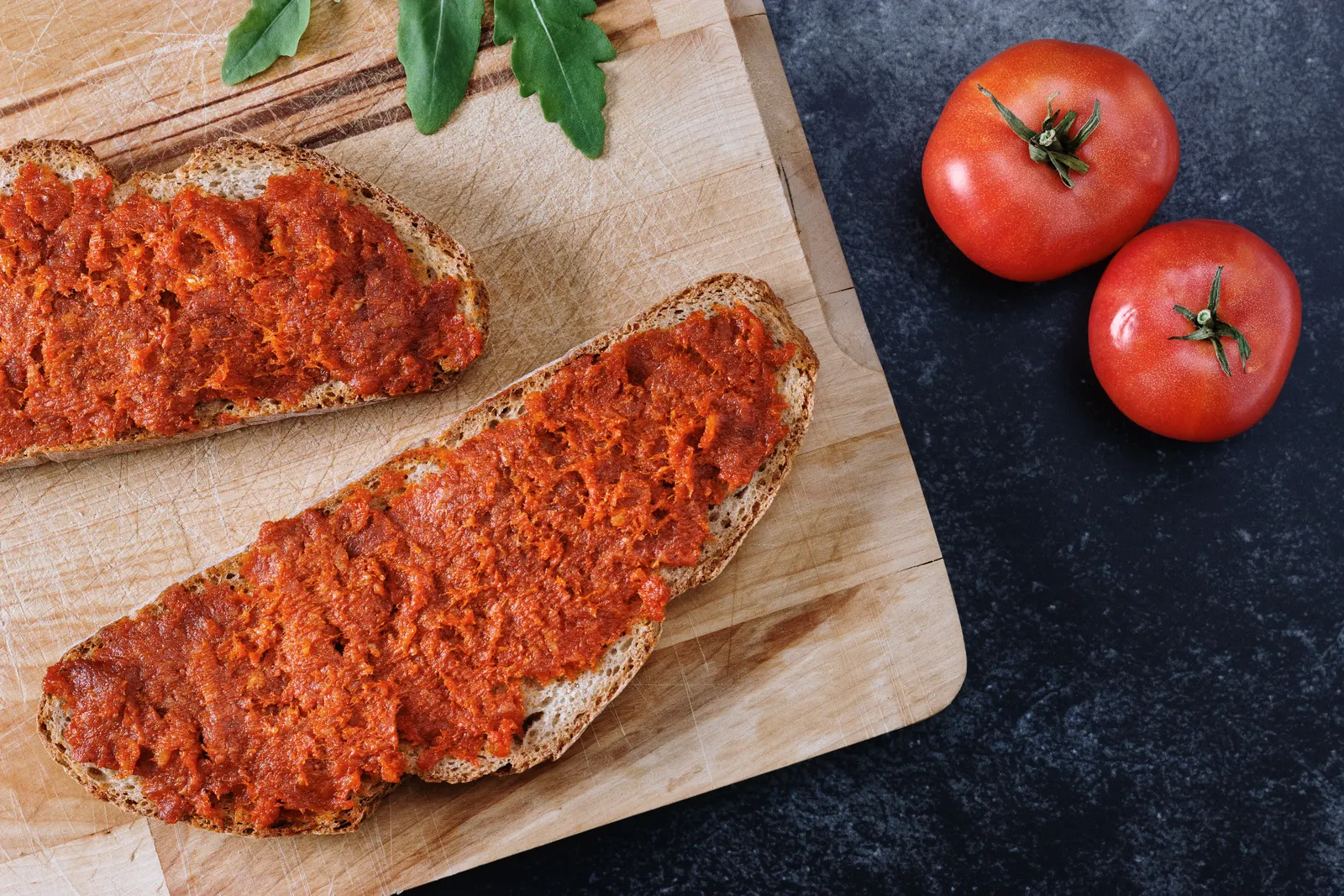
Menorcan cured meats are made for bread and an unhurried table. What each one is, how it differs from Mallorca's, and where to buy it well.
Menorca
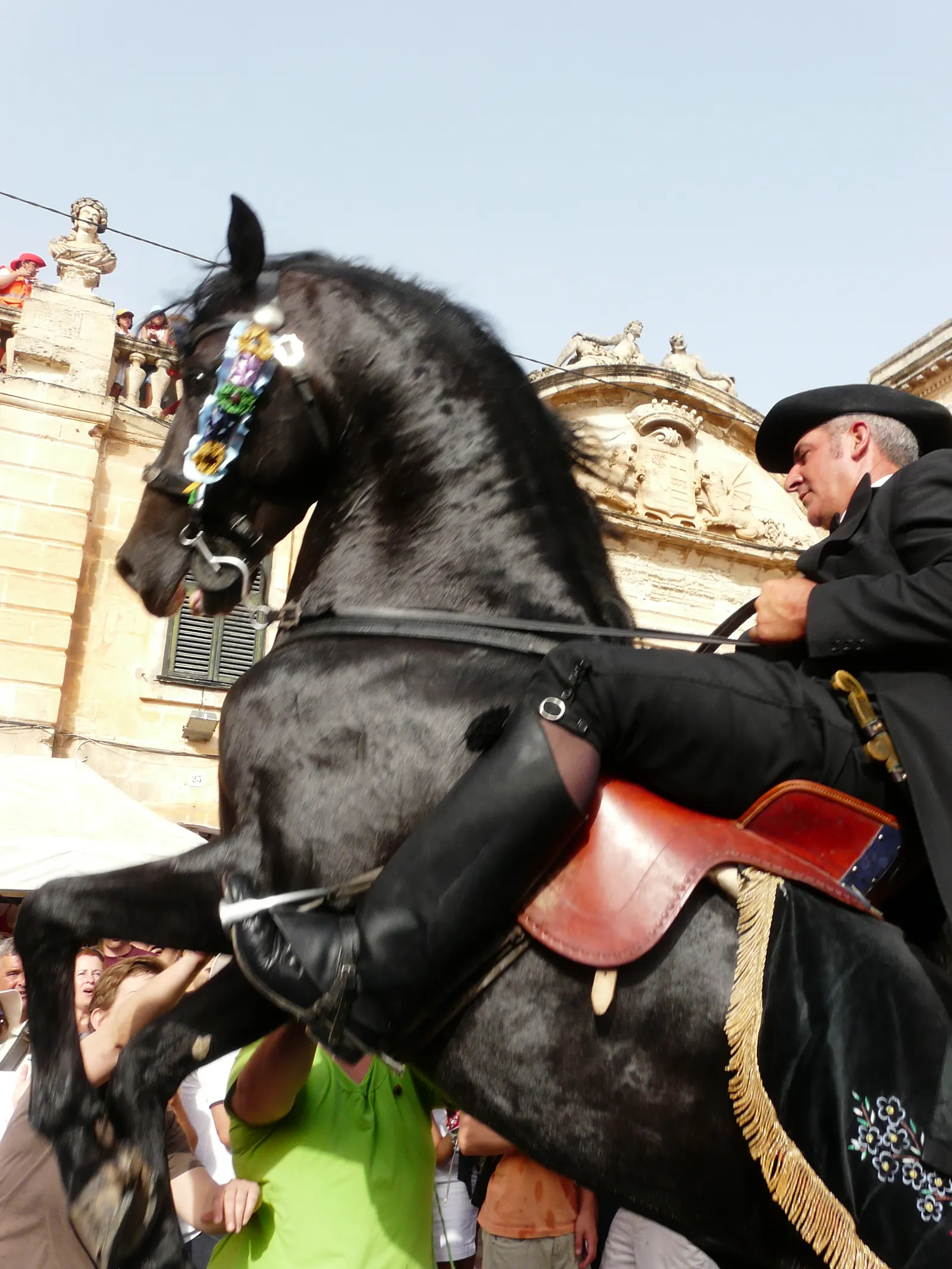
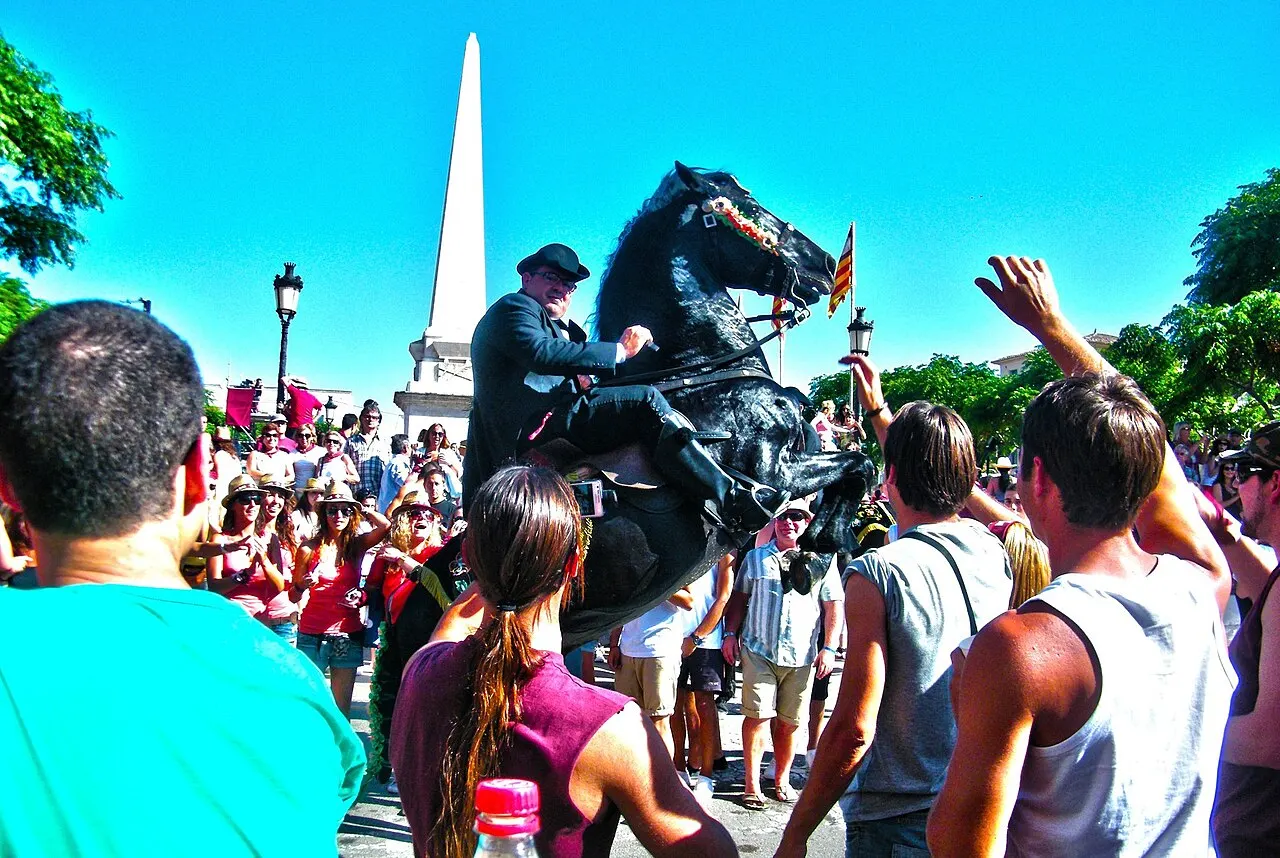
Jet black, with a baroque bearing and a starring role in the festivals. A portrait of a native breed that rears up on its hind legs in the middle of the crowd.
Menorca
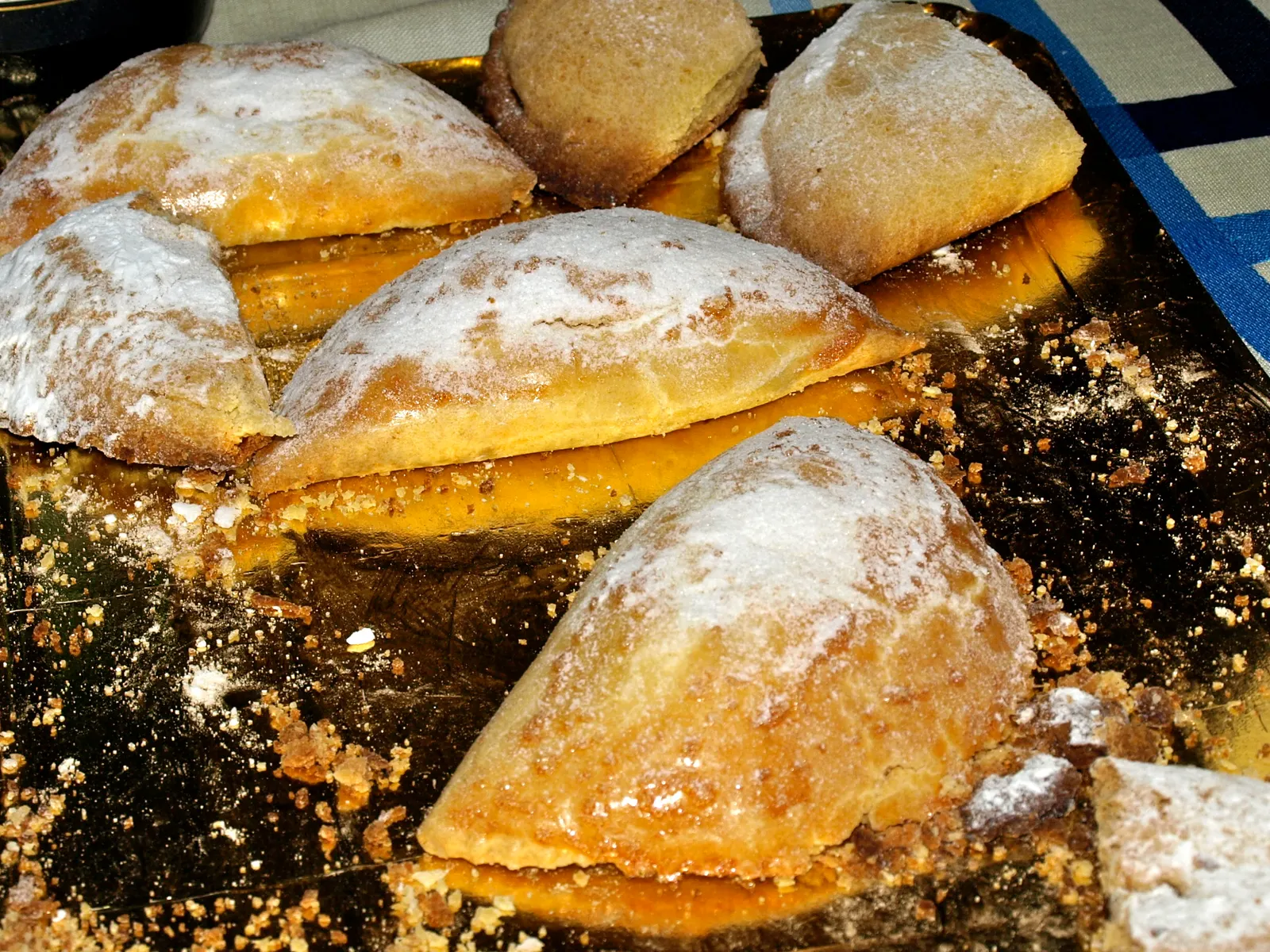
Menorcan baking smells of almond and the village oven. What each sweet is, which are the most local, and which bakeries to buy them from.
Menorca
Reddish sand, islets and an almost Martian landscape at the end of the Camí de Cavalls. How to reach Pregonda from Binimel·là, when to go and how to look after it.
Menorca
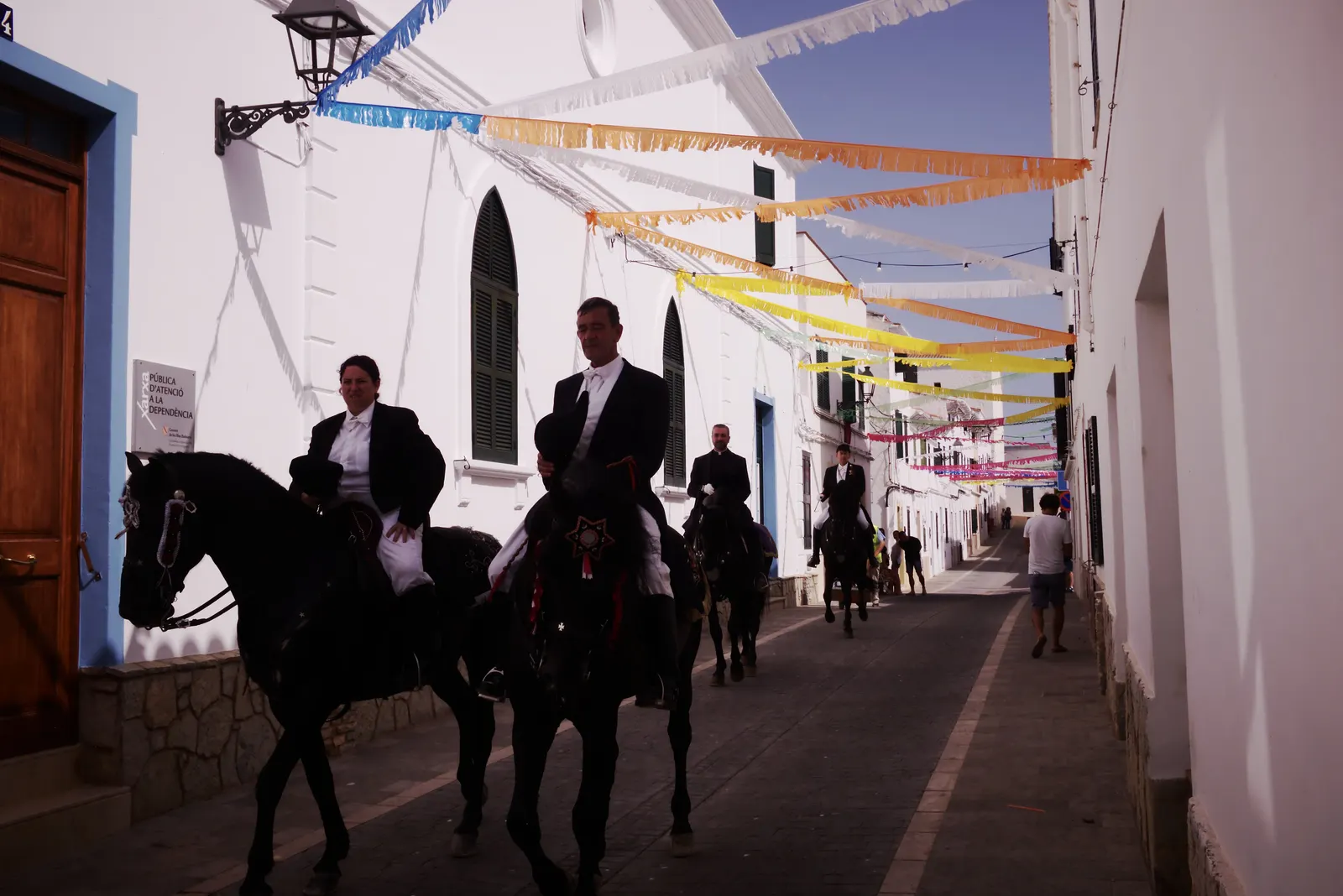
Menorca's most emblematic festival: horses rearing among the crowd, caixers, pomada and centuries of tradition in the streets of Ciutadella, every 23 and 24 June.
Menorca
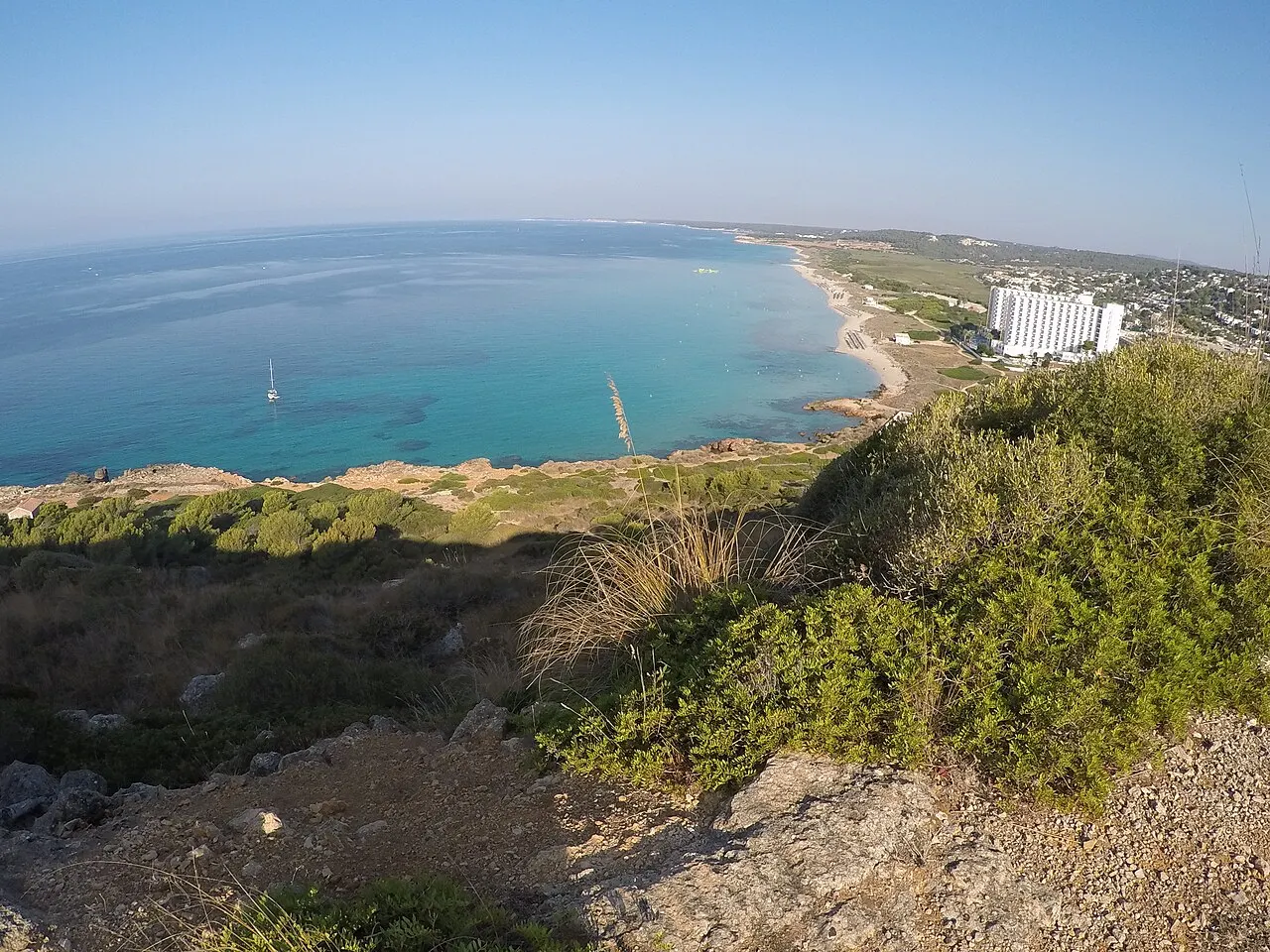
Almost two and a half kilometres of sand that begin among hotels and end at a 5th-century basilica and untouched dunes.
Menorca
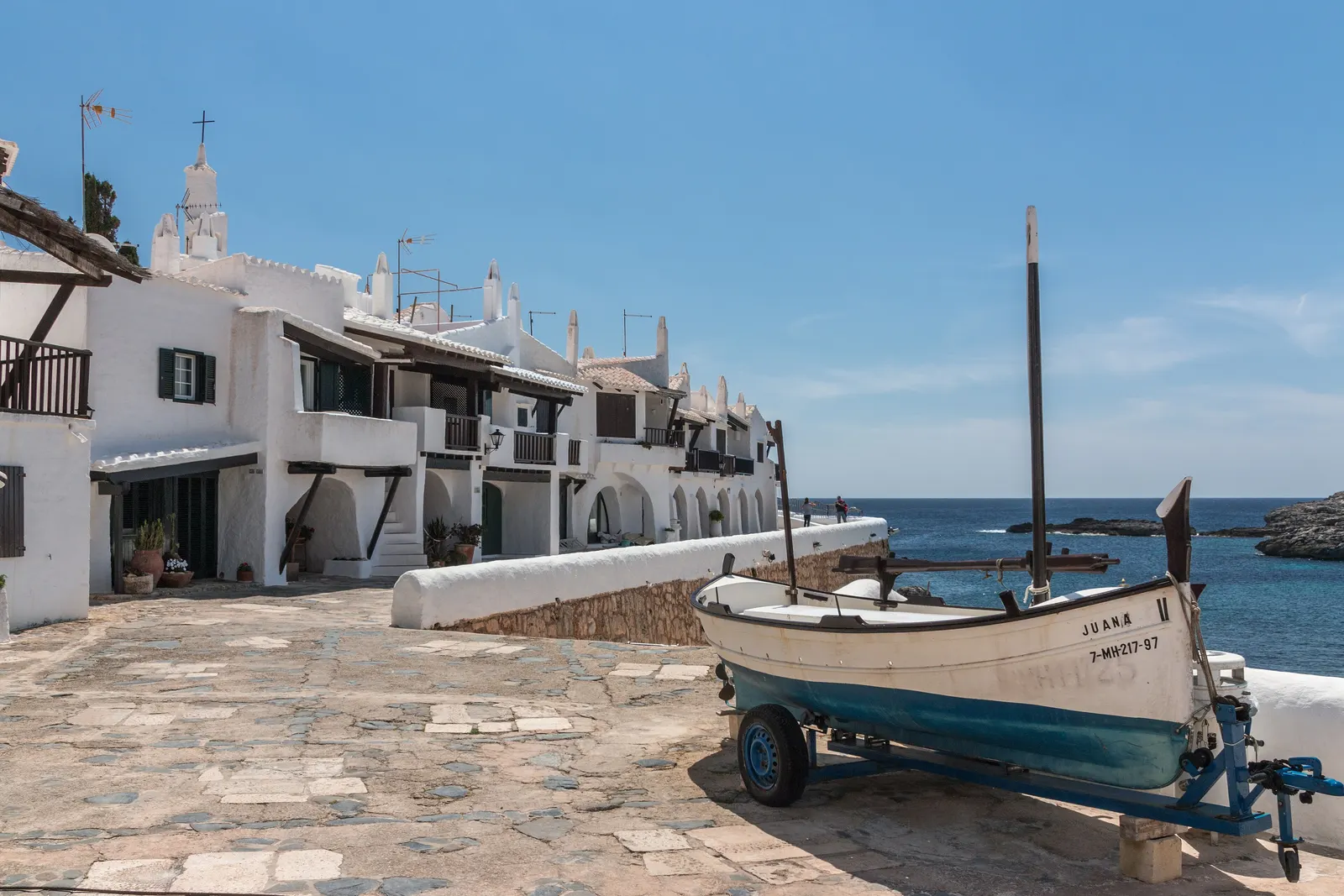
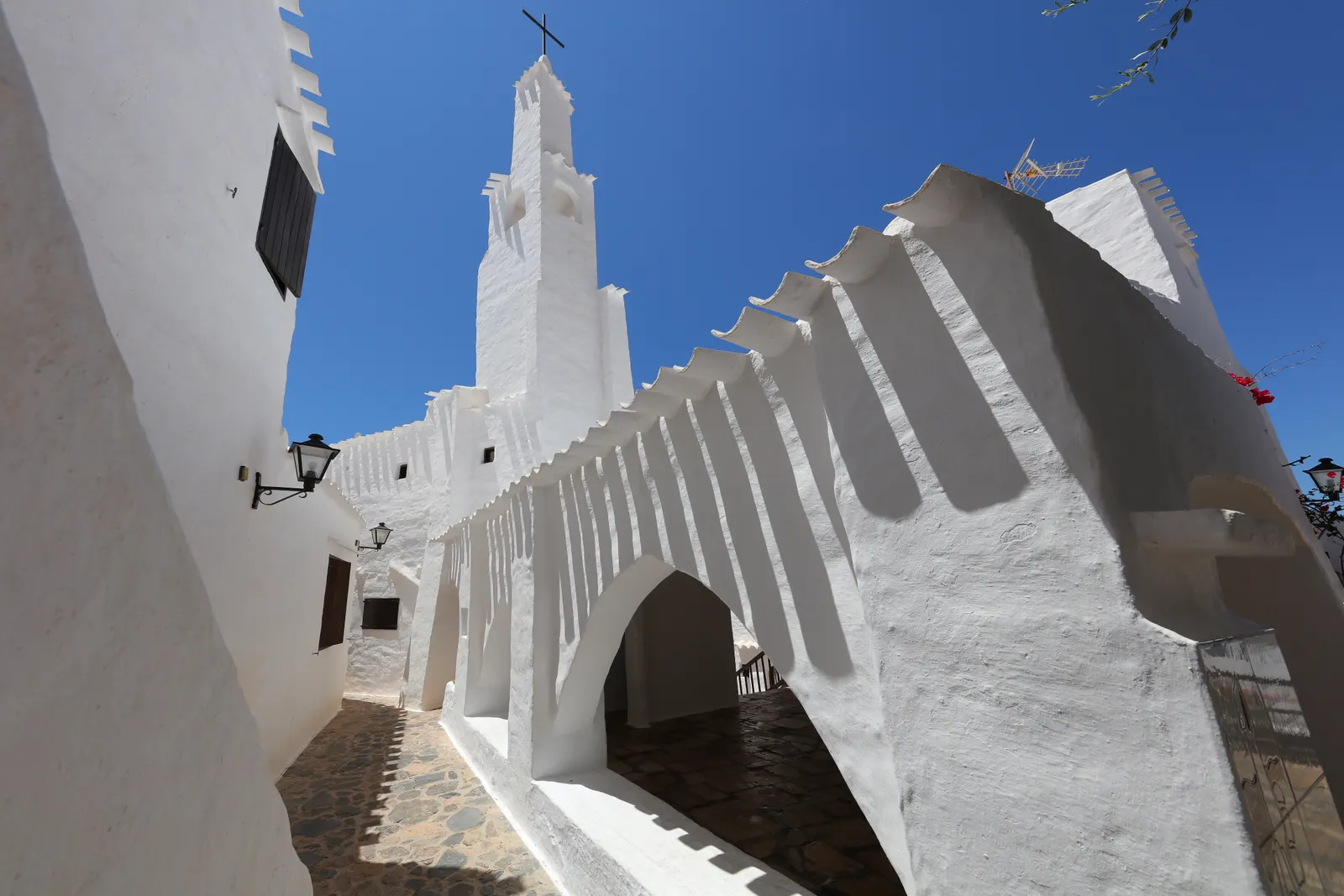
A labyrinth of whitewash and shade that isn't what it seems. How to visit Binibeca Vell and the white south-east with calm, respect and the right timing.
Menorca
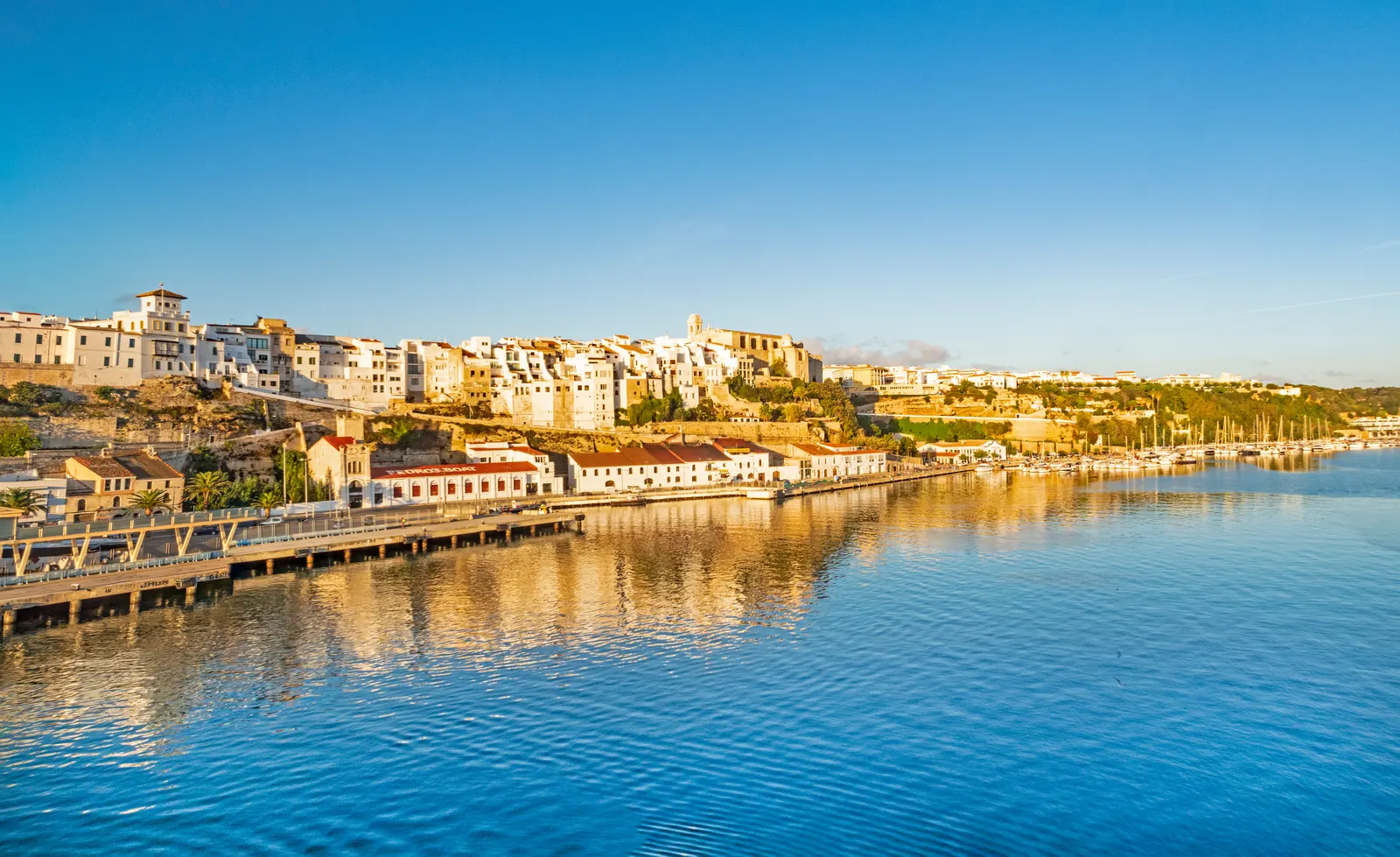
Menorca's capital looks out over one of the largest natural harbours in the Mediterranean. This is our guide to living it slowly: British heritage, gin, art and still water.
Menorca
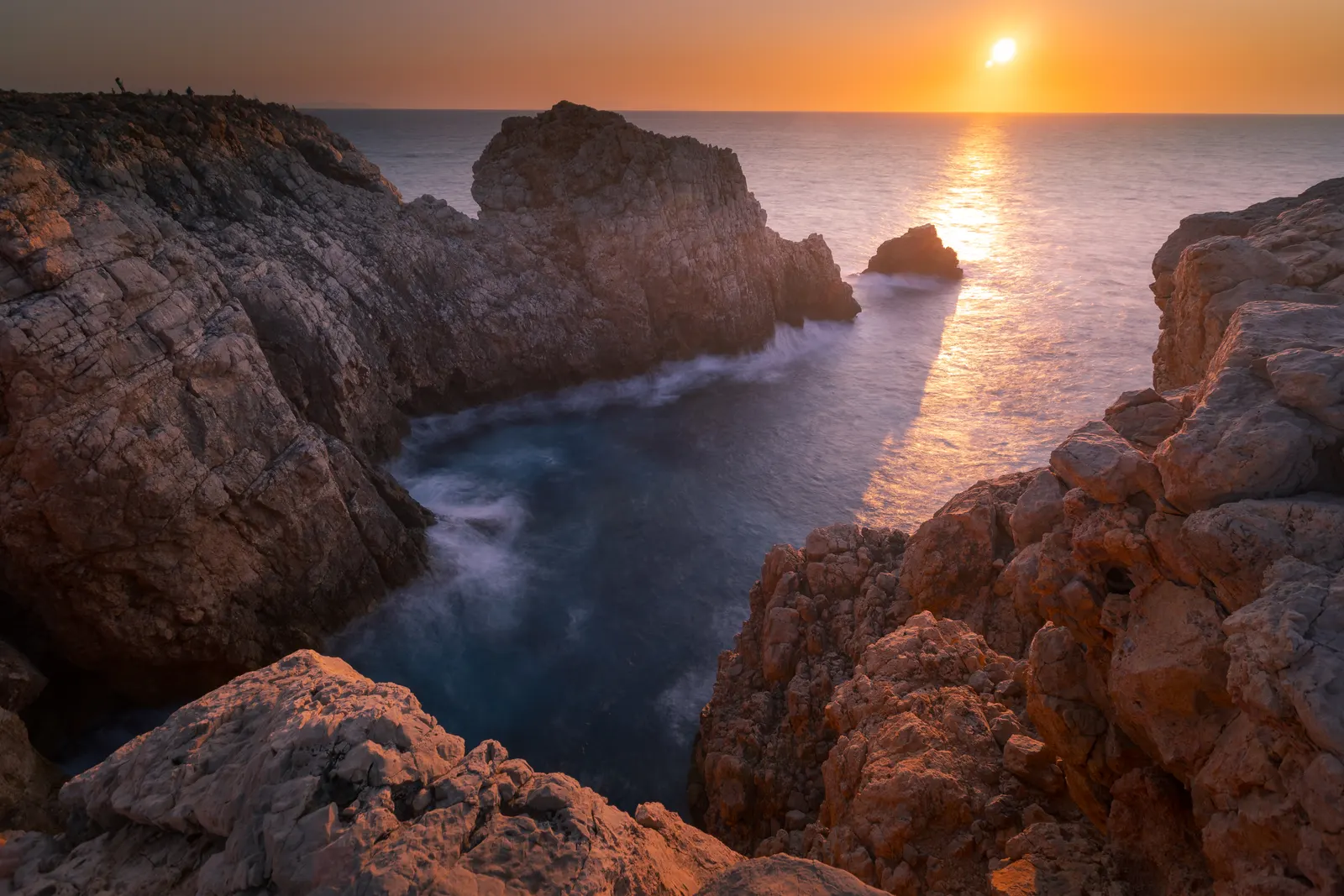
Menorca's west coast offers some of the most serene sunsets in the Mediterranean. A guide to living them slowly, far from the noise, for the luxury they truly are.
Menorca
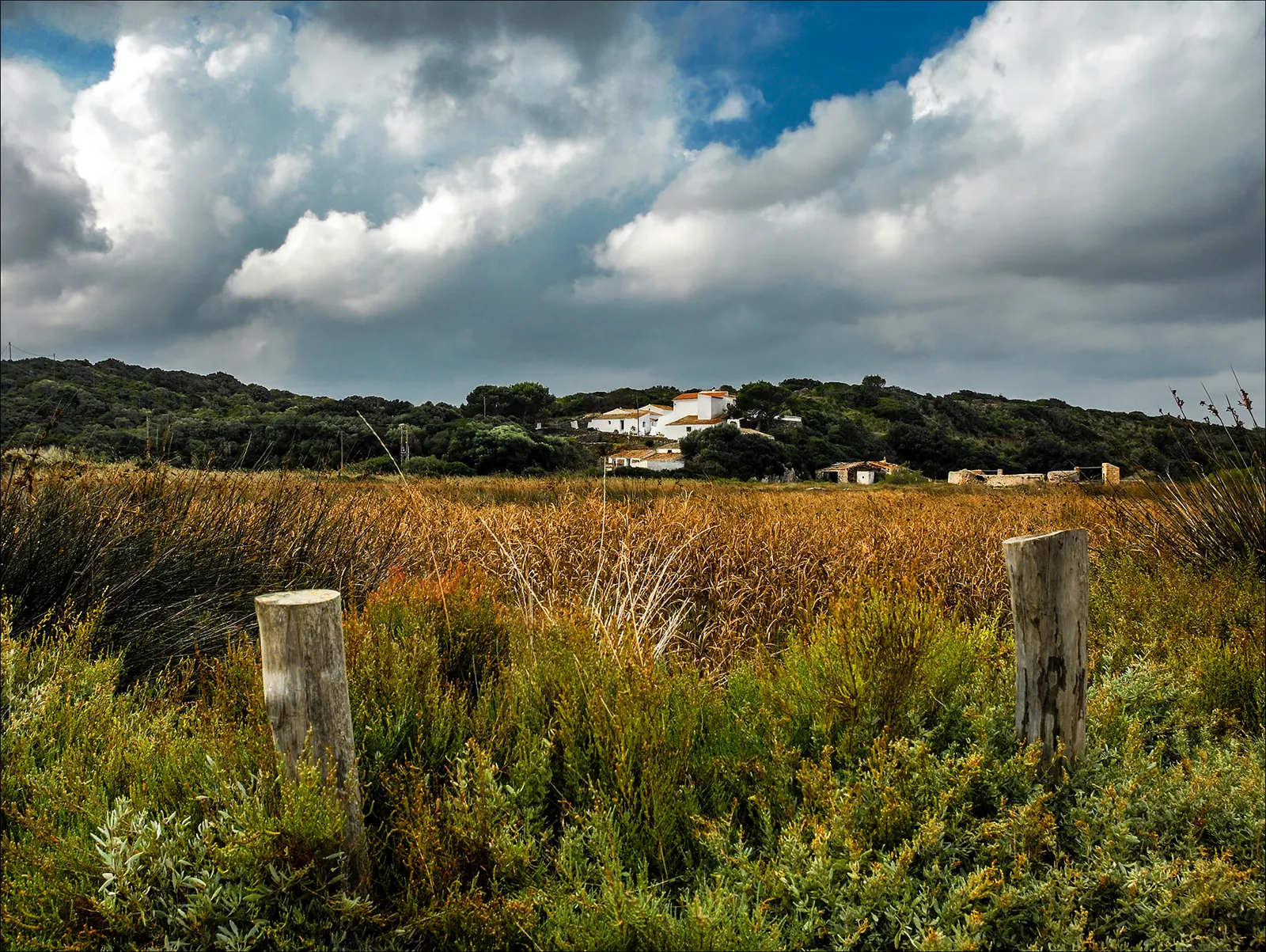
The heart of Menorca's Biosphere Reserve is a wetland of lagoon, marshes and birds where the island lowers its voice. The island's other face: green, slow and silent.
Menorca
Menorca's most beautiful coves are best experienced from the water. A considered guide to anchoring calmly, respecting the posidonia, and letting the sea set the pace.
Menorca
Menorca's true luxury can't be bought: it's calm, space, time and authenticity. A guide to learning how to do less and savour the island unhurried.
Menorca
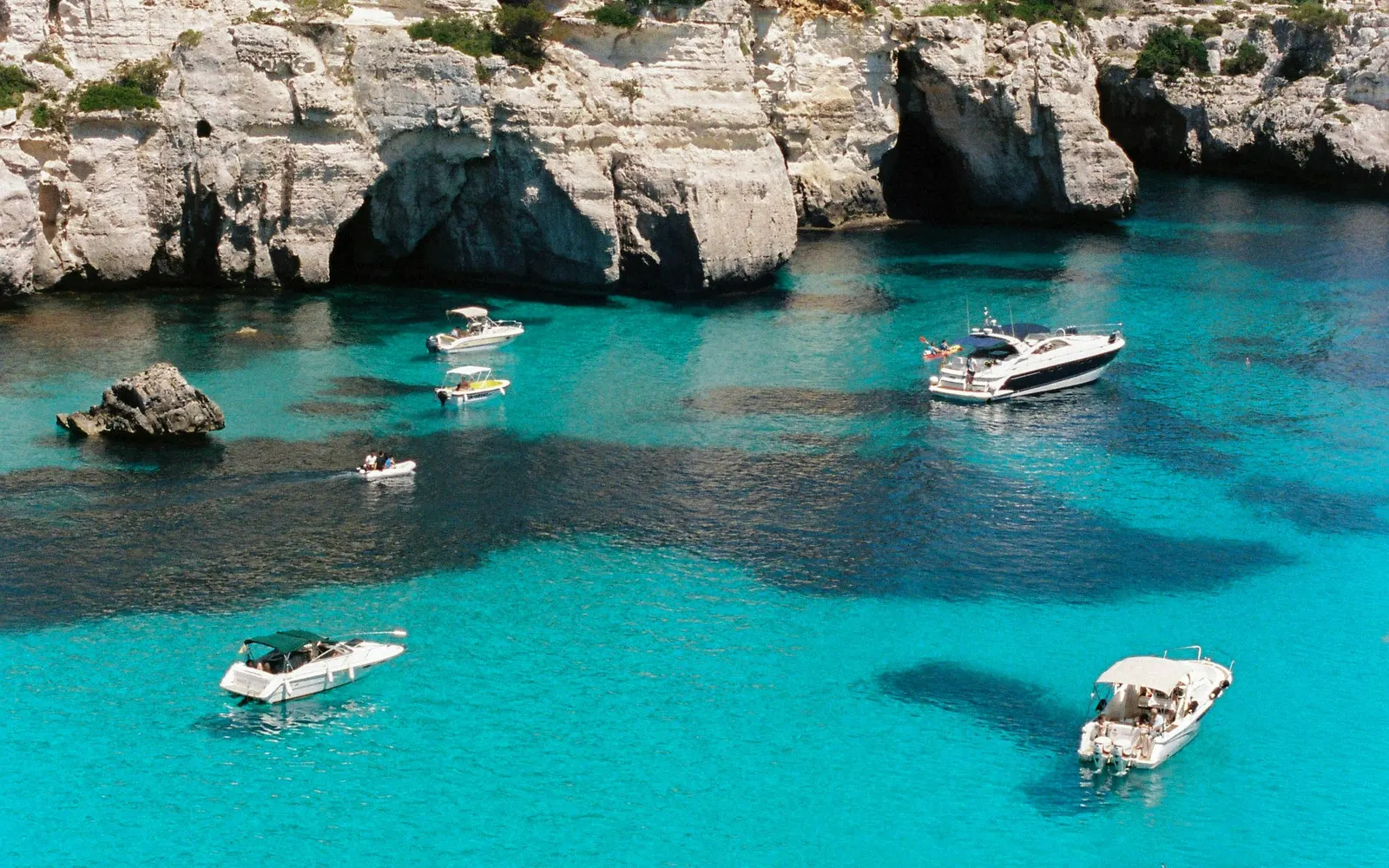
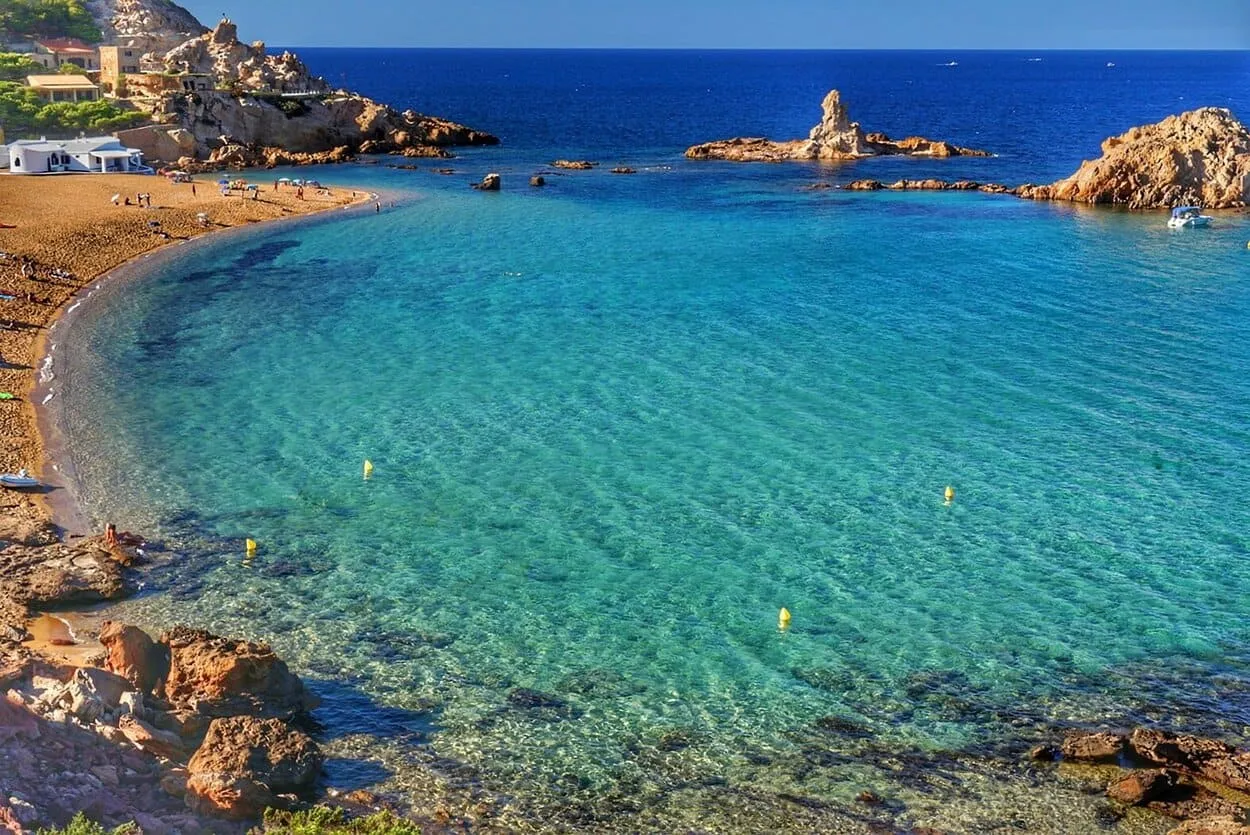
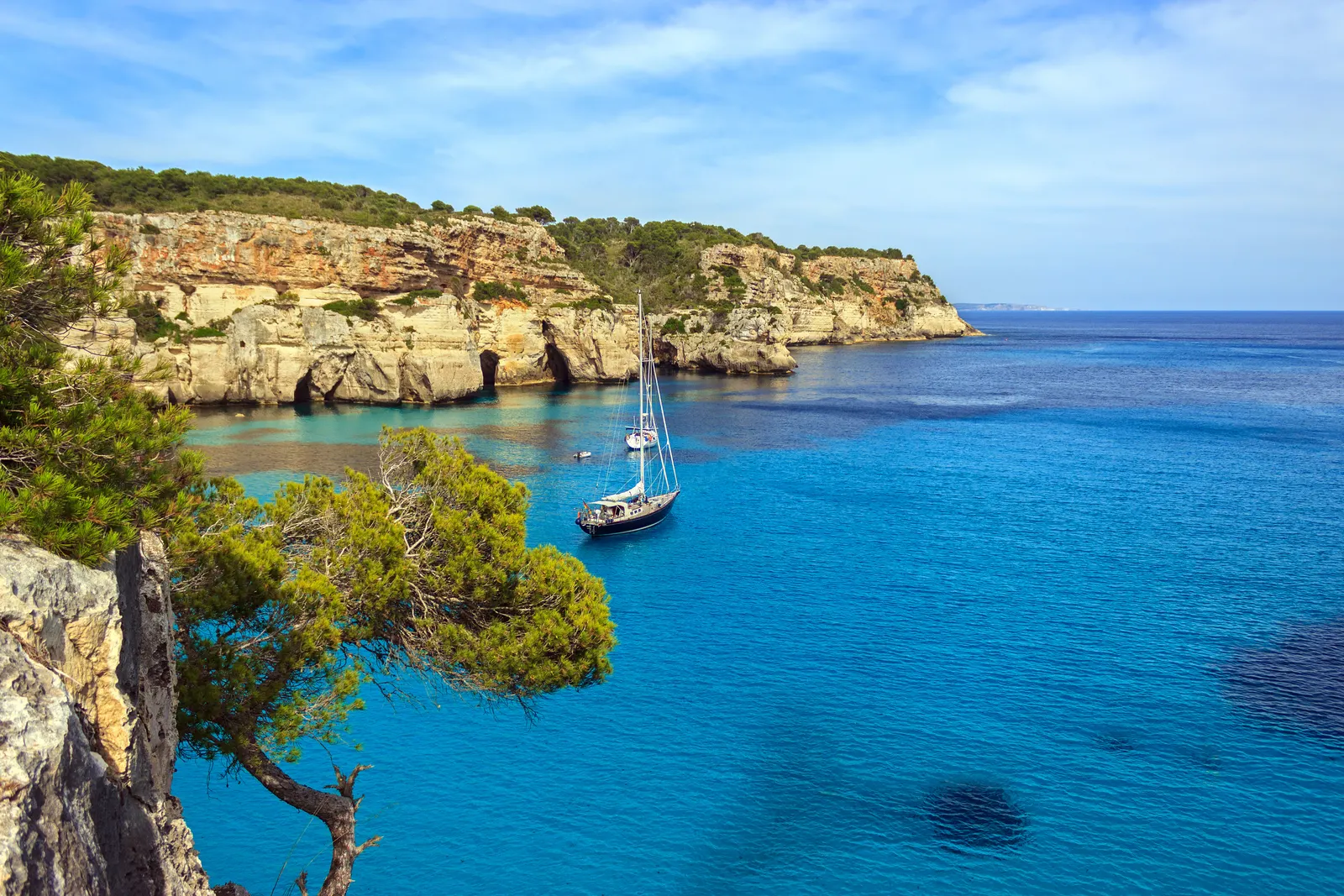
Menorca's 8 most beautiful coves, how to get there, when to go and how to enjoy them without the crowds. From southern turquoise to the red sand of the north.
Menorca
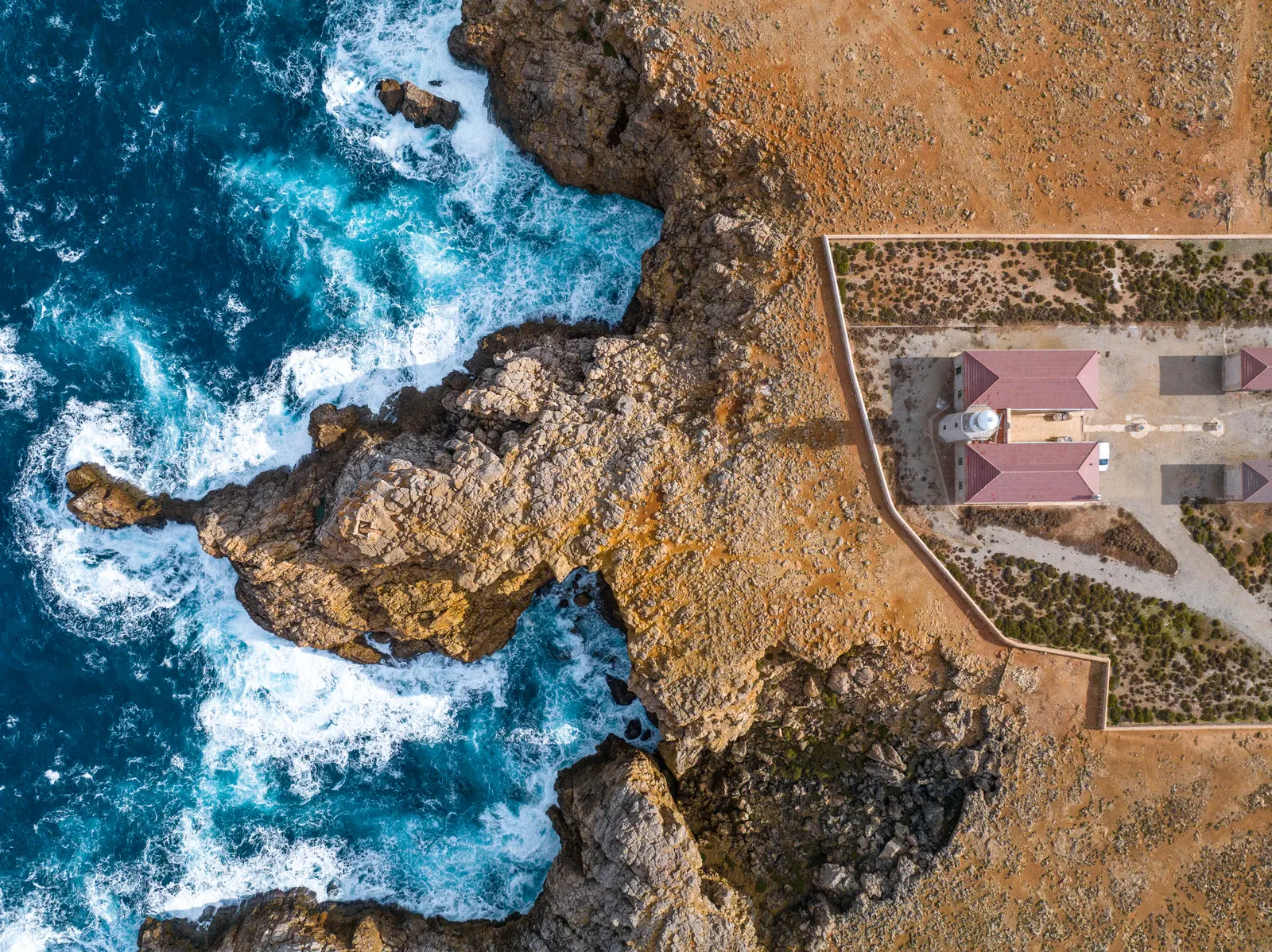
Favàritx, Cavalleria, Punta Nati, Cap d'Artrutx and Illa de l'Aire. Five lighthouses that mark the island's edges — and offer some of its most breathtaking sunsets.
Menorca
A British legacy distilled in Maó since the 18th century — and the drink that defines a Menorcan summer.
Menorca
What to look for, what to respect, and why the island's protected nature is exactly what makes it valuable.
Menorca
185 km of historic path circling Menorca. Hidden coves, cliffs and the best way to feel the island, calmly.
Menorca
Menorca's former capital: a historic old town, noble palaces, a Gothic cathedral and a harbour made for sunsets.
Menorca
Plane or ferry, rental car or bus: the practical essentials to plan your trip to the island, no fluff.
Menorca
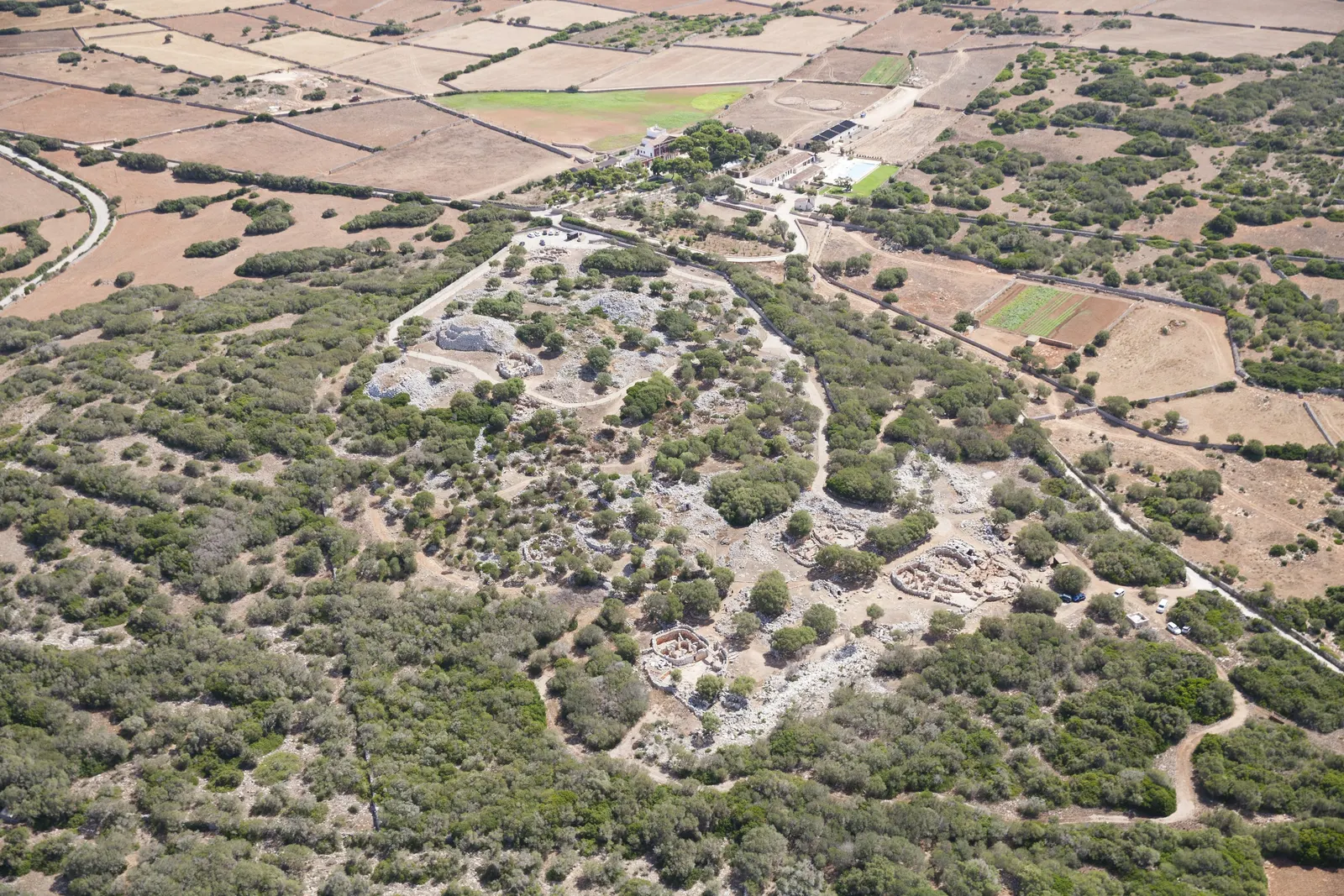
Navetes, talaiots and taules: the prehistoric culture that made Menorca a UNESCO World Heritage Site in 2023.
Menorca
From calm May to high summer and a golden autumn. When to visit the island depending on what you're after.
Menorca
Traditional Menorcan architecture, reinterpreted with calm and good taste.
Menorca
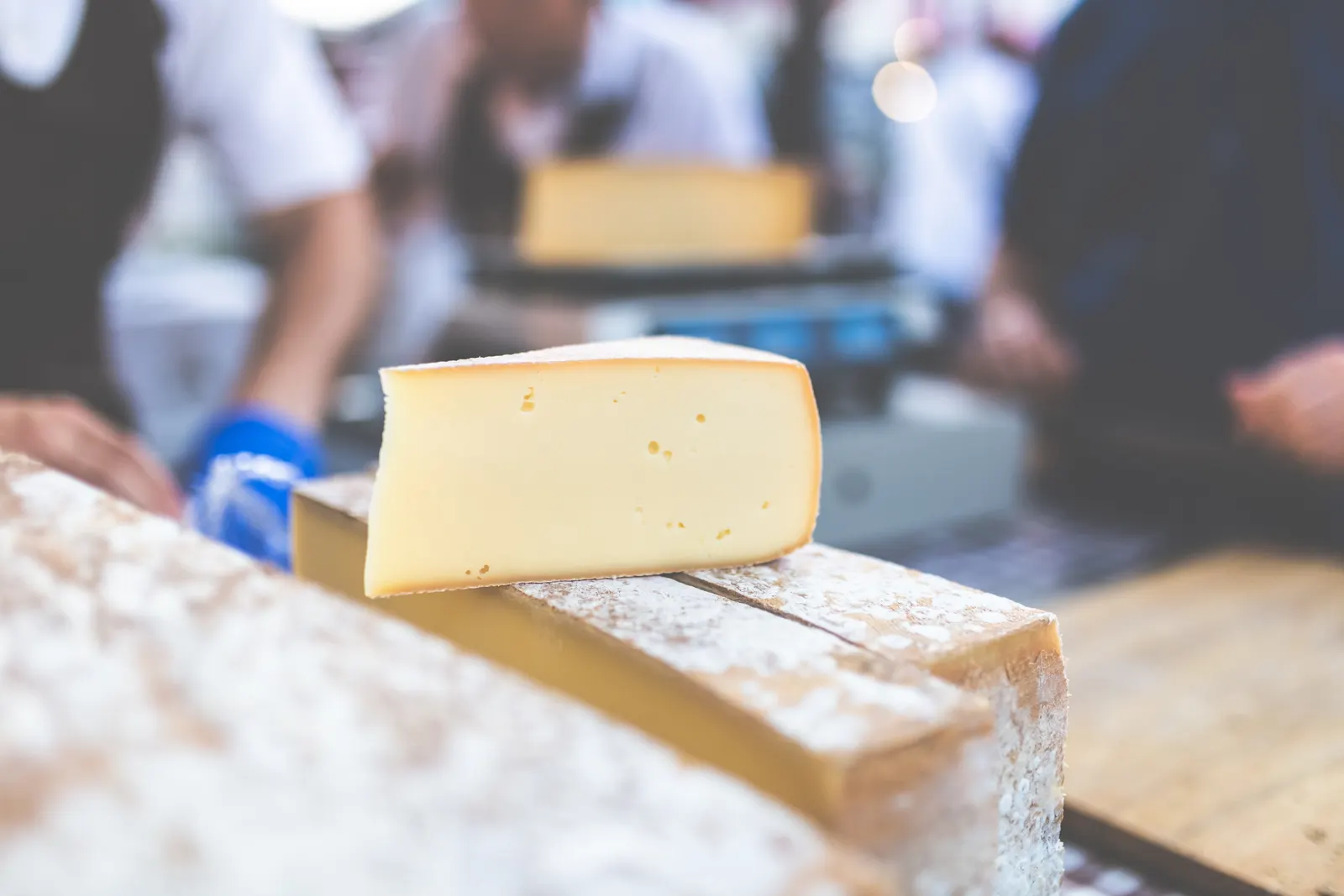
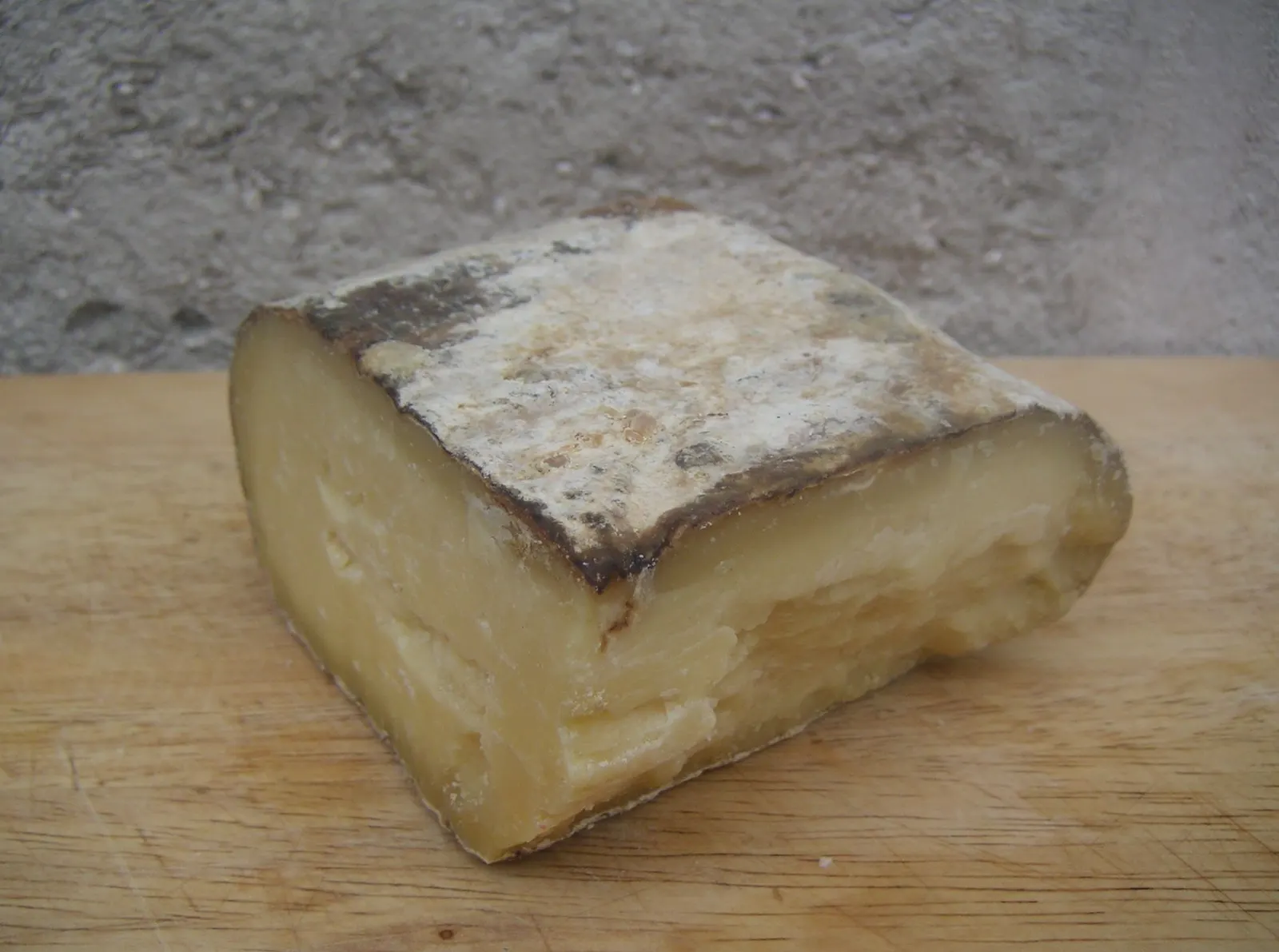
A Protected Designation of Origin, an orange rind and a thousand nuances. The story of Menorca's most recognisable product.
Menorca
Beyond summer: what life on the island is like 365 days a year, for those who dream of staying or having a second home here.
Menorca
Chefs working with island produce, and tables you can count on one hand.
Menorca
How to get there, when to go, and why an early start pays off on the tramuntana coast.